
GOQii

Blog

  • HOME
  • HEALTHY LIVING
  • FITNESS
  • HEALTHY RECIPES
  • USER STORIES
  • KARMA
  • BUY GOQii

May 4, 2026 By GOQii Leave a Comment

5 Smart Ways to Avoid Weight Gain on Vacation

You have been looking forward to your trip for months. The flights are booked, the itinerary is set, and it is finally time to unwind.

However, for many individuals on a health journey, travel brings a lingering concern: How do I enjoy my vacation without undoing my fitness progress?

The truth is, maintaining your health on holiday does not require extreme restriction. You do not need to pack a food scale, nor do you need to spend hours in a hotel gym while your family explores the city. Health is about consistency, not perfection.

By adopting a practical, mindful travel strategy, you can enjoy local cuisines and relax fully without bringing home unwanted weight. Here are five professional strategies to help you stay balanced on your next trip.

  1. Make Mindful Choices at the Buffet

Hotel breakfast buffets offer incredible variety, but they are often filled with refined carbohydrates that can spike your blood sugar early in the day, leading to mid-morning crashes and cravings.

The Strategy: Adopt a “protein-first” approach. Start your breakfast with eggs, paneer, Greek yogurt, or lean meats to ensure you get high-quality nutrients, because protein is not just about quantity, it is also about quality. Protein acts as a biological anchor; it stabilizes your blood sugar and promotes satiety. By eating your protein and fiber first, you can still enjoy a pastry or waffle afterward, but you will naturally consume a more controlled portion.

  1. Incorporate Active Sightseeing

You do not need a formal workout routine to burn calories on vacation. Instead, take advantage of NEAT (Non-Exercise Activity Thermogenesis), which accounts for the energy expended during daily movements.

The Strategy: Make physical activity a natural part of your itinerary.

  • Rent bicycles to navigate the city instead of relying on taxis.
  • Book a walking tour to learn about local history.
  • Choose the stairs when visiting monuments or museums.
  • Swim a few laps in the ocean or hotel pool.

By prioritizing movement and walking after your meals, you will easily hit your daily step goals without feeling like you are forcing a workout.

  1. Plan Ahead for Transit Days

Travel days are often the biggest hurdle for healthy eating. Airports and train stations primarily offer highly processed, high-sodium foods that leave you feeling bloated and lethargic before you even reach your destination.

The Strategy: Eat a nutrient-dense, balanced meal at home before heading to the airport. Additionally, pack a personalized kit of healthy travel snacks in your carry-on luggage. Options like roasted makhana, a handful of almonds, or a high-quality protein bar will keep you satiated and prevent impulse purchases during unexpected flight delays.

  1. Balance Your Beverages

Vacations often include relaxing by the pool with a cocktail or enjoying wine with dinner. While you should absolutely enjoy yourself, alcohol can lead to dehydration and lowered inhibitions, which often trigger late-night overeating.

The Strategy: Practice mindful consumption by alternating your beverages. For every alcoholic drink you consume, follow it immediately with a full glass of water. This simple habit paces your drinking, mitigates severe dehydration, and ensures you are hydrating the right way so you can wake up feeling refreshed the next morning.

  1. Prioritize Restorative Sleep

It is easy to let your sleep schedule slip while traveling due to late dinners and changing time zones. However, poor sleep disrupts your metabolism and elevates cortisol levels, making your body more prone to storing fat and craving sugar the following day.

The Strategy: Treat your hotel room as a restorative environment to maintain your healthy sleep rituals. Keep the room temperature cool, use blackout curtains to block street lights, and aim to wake up reasonably close to your normal routine. A well-rested body digests food efficiently and regulates appetite hormones effectively.

A truly successful vacation leaves you feeling rejuvenated, not restricted. By prioritizing high-quality protein, integrating active movement into your sightseeing, and managing your sleep and hydration, you can fully embrace the travel experience without compromising your health goals.

Need guidance resetting your routine once you return home? Subscribe for Personalised Health Coaching directly from a GOQii Coach in the GOQii App for expert, one-on-one support.

Frequently Asked Questions (FAQs)

  1. How can I eat healthy at a hotel buffet?
    The most effective method is the “protein-first” approach. Fill your plate with eggs, paneer, or Greek yogurt and consume those before moving on to carbohydrates like breads, cereals, or pastries. This helps keep your blood sugar stable, prevents energy crashes, and promotes early satiety so you naturally eat smaller portions.
  2. How do I stay active on vacation without a gym?
    You can easily stay active by incorporating Non-Exercise Activity Thermogenesis (NEAT) through active sightseeing. Rent bicycles, book walking tours, swim in the ocean, or take the stairs at historical monuments to burn calories naturally without needing formal exercise equipment.
  1. What are the best healthy snacks for airplane travel?
    To avoid highly processed and overpriced airport food, pack nutrient-dense, non-perishable items in your carry-on bag. Excellent options include roasted makhana (fox nuts), almonds, walnuts, homemade trail mix, or a high-quality protein bar.

#BeTheForce

Disclaimer: This article is intended for educational and informational purposes only and should not be considered a substitute for professional medical advice, diagnosis, or treatment. Always consult with your doctor, nutritionist, or a qualified healthcare provider before making any significant changes to your diet, exercise routine, or lifestyle, especially if you have pre-existing metabolic or medical conditions.
April 29, 2026 By GOQii Leave a Comment

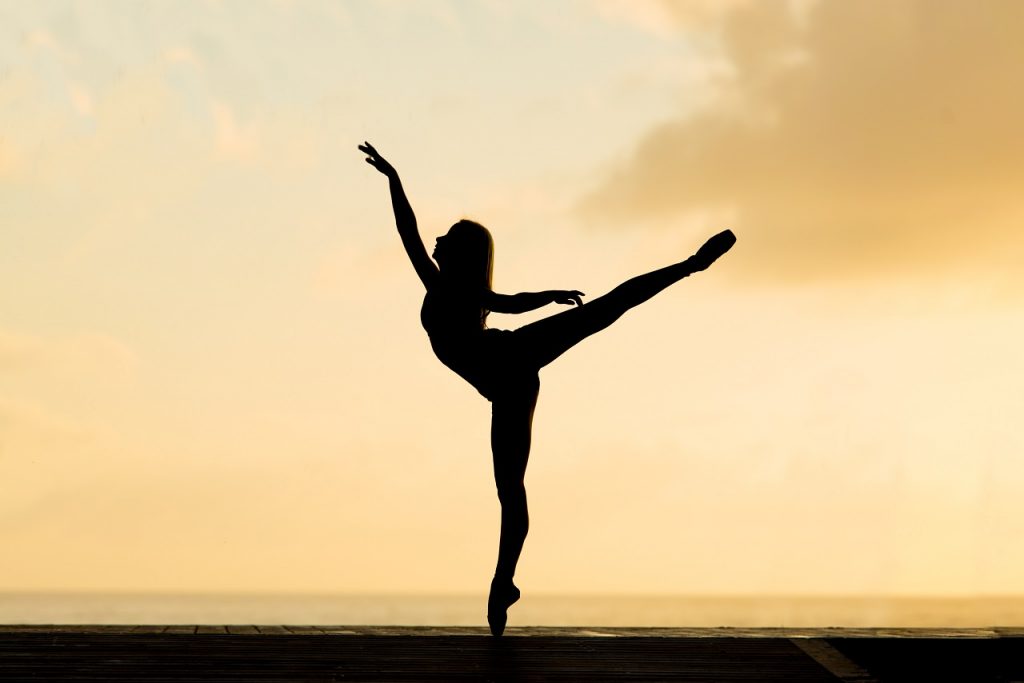
International Dance Day: Why Dancing is the Ultimate Workout for Your Body and Mind

DancingLet’s be honest: sometimes, the sheer thought of lacing up your shoes, hitting the gym, or staring at a treadmill screen feels like a chore. When you are already exhausted from a long workday or stressed about your to-do list, finding the motivation to “workout” can be incredibly tough.

But what if your workout didn’t feel like a workout at all?

Every year on April 29th, the world celebrates International Dance Day. Created by the International Theatre Institute to revel in the universality of this art form, it is the perfect reminder that movement doesn’t have to be rigid, repetitive, or boring. Dancing is not just an expression of joy—it is a full-body, mind-healing powerhouse of a workout.

If you have been struggling to break free from a sedentary lifestyle, here is why dancing might just be the exact medicine you need.

  1. The Ultimate “Accidental” Cardio

When your favorite song comes on and you start moving to the beat, you aren’t counting reps or watching the clock. Yet, your heart rate is climbing, your lungs are working harder, and your blood is circulating faster.

Dancing is a fantastic cardiovascular workout. Depending on the intensity and style, whether it’s Bhangra, Zumba, Hip-Hop, or just jumping around your living room you can burn anywhere from 200 to 500 calories in an hour. It improves cardiovascular endurance, helping to combat the exact heart health risks associated with sitting at a desk all day.

  1. A Powerful Antidote to Stress and Anxiety

As we highlighted in the GOQii India Fit Report 2026, stress and low mood are reaching alarming levels across the country. Dancing offers an immediate, natural remedy.

When you dance, your brain releases a massive rush of endorphins (the “feel-good” hormones) while simultaneously lowering cortisol (the stress hormone). Furthermore, because dancing requires coordination and rhythm, it forces your brain to stay entirely in the present moment. It is nearly impossible to ruminate over an anxious thought or a stressful email when you are trying to catch the beat.

  1. It Builds Better Balance and Bones

Unlike walking or running, which are linear movements, dancing forces your body to move in all directions forward, backward, side-to-side, and rotational.

This multi-directional movement engages minor muscle groups that traditional workouts often miss. It sharpens your coordination, improves your posture, and actively strengthens your core. Because it is a weight-bearing activity, regular dancing also helps maintain bone density, which is crucial for preventing osteoporosis as we age.

How to Add More Dance to Your Day (No Skills Required!)

The best part about dancing? There is zero barrier to entry. You don’t need a gym membership, you don’t need expensive equipment, and you absolutely do not need to be a “good” dancer.

Here are three simple ways to celebrate International Dance Day and build more joyful movement into your routine:

  • The 10-Minute Morning Playlist: Create a playlist of 3 uplifting songs. Play them while you are making your morning tea or getting dressed, and just let yourself move. It completely changes the trajectory of your day.
  • The “Chores” Dance Party: Sweeping, folding laundry, or cooking? Put on your headphones and turn routine household chores into a mini cardio session.
  • Take a Class: If you thrive on community energy, sign up for a local Zumba, Bollywood aerobics, or salsa class. The shared energy of a group is infectious and keeps you accountable.

Our bodies were designed to move, and our minds were designed to experience joy. Dancing bridges the gap between the two.

This International Dance Day, don’t worry about burning calories, hitting a step count, or looking perfect. Just turn up the volume, let go of the stress of the day, and let your body do what it naturally wants to do.

Takeaway: Dancing is a zero-equipment, highly effective way to boost your cardiovascular health, melt away anxiety, and break the cycle of a sedentary lifestyle.

What is your absolute favorite song to dance to when nobody is watching? Tell us in the comments!

Frequently Asked Questions (FAQs)

  1. When is International Dance Day?
    International Dance Day is celebrated globally every year on April 29th. It was created by the Dance Committee of the International Theatre Institute (ITI) to celebrate the art of dance and its ability to cross all political, cultural, and ethnic barriers.
  2. Is dancing considered a good workout?
    Absolutely! Dancing is a highly effective cardiovascular workout. It elevates your heart rate, burns calories, improves lung capacity, and engages multiple muscle groups. Because it involves multi-directional movement, it also greatly improves your balance, agility, and core strength.
  3. Does dancing help with mental health?
    Dancing is a powerful mood booster. The physical exertion releases endorphins (happiness hormones) and reduces cortisol (stress hormones). Additionally, focusing on rhythm and movement helps distract the mind from anxious thoughts, acting as a form of moving meditation.

#BeTheForce #InternationalDanceDay

Disclaimer: The content provided in this blog is for educational and informational purposes only and should not be construed as professional medical advice, diagnosis, or treatment. Always consult with a qualified healthcare provider or a certified medical professional before starting any new cardiovascular exercise or fitness routine, especially if you have pre-existing joint issues, heart conditions, or other medical concerns.

December 4, 2025 By Mohammed Tufail Qureshi 4 Comments

Get children active and keep them healthy

GET CHILDREN ACTIVE AND KEEP THEM HEALTHYBeing physically fit has many benefits. This is not true of adults alone but also true for children. I remember as a child I would love to play in the outdoors. Every day my friends and I would spend at least an hour playing all kinds of games from football to cricket to various other physically taxing games. But, today its sad that we hardly see kids playing in the outdoors.
Children of today’s generation are born with technology gadgets around them and by the time they are 5-6 years of age they are so hooked to these gadgets such as Ipads or laptop or mobile phone etc. Most are gaming addicts and are interested in indoor and cyber games than playing in the outdoors.

But, sitting at home in front of the computer or playing on the Ipad or mobile phone is not good for children. These have a bad effect on the child’s physical strength, growth and fitness. Children should play in the outdoors and exert themselves in physical activities for at least an hour (60 minutes) daily. This is the minimum that a parent should see to it that the child follows. And, you’ll soon discover all the easy and enjoyable ways to help your child meet this regime. Encourage your child to participate in activities that are age-appropriate, enjoyable and offer variety!

Three types of physical activities are very important that every child must follow

1. Aerobic Activity
Aerobic activity should make up for most of your child’s 60 or more minutes of physical activity each day. This can include either moderate-intensity aerobic activity, such as brisk walking, or vigorous-intensity activity, such as running. Be sure to include vigorous-intensity aerobic activity at least 3 days per week.

2. Muscle Strengthening
Include muscle strengthening activities, such as gymnastics or push-ups, at least 3 days a week as part of your child’s 60 or more minutes.

3. Bone Strengthening
Bone-strengthening activities include jumping rope or running, at least 3 days a week as part of your child’s 60 or more minutes activities in the outdoors.

 Tips to help kids get active

** Encourage walking to school and getting active as a family

** Get them to cycle or run instead of getting a ride

** Ask them to walk the dog with you

** Have them carry the groceries from the market

** Encourage them to dance to their favourite music

** Replace computer and TV time with something active

** Build active opportunities into daily classroom routines and encourage students to join a school sport team

** Take kids to the playground or to the park to play

** Reduce screen time

This will help them to achieve the physical fitness and stay fit which will help them throughout their life.

We hope these tips on promoting physical activity and health among children prove valuable for both you and your child. If you found this information helpful, we’d love to hear your thoughts in the comments below. To explore more insights on children’s health, check out Healthy Reads or for further information or guidance, reach out to our certified experts by subscribing to GOQii’s Personalised Health Coaching here.

#BeTheForce

Disclaimer: The information provided in this blog is for general awareness and educational purposes only. It is not intended to replace professional medical advice, diagnosis, or treatment. Always consult a qualified healthcare provider for personalised medical guidance or concerns related to your health. Images shown are for representation purposes only and may not depict the exact recommendations or outcomes.

November 19, 2024 By Deepanshu Sharma 4 Comments

High Intensity Interval Training and Its Benefits

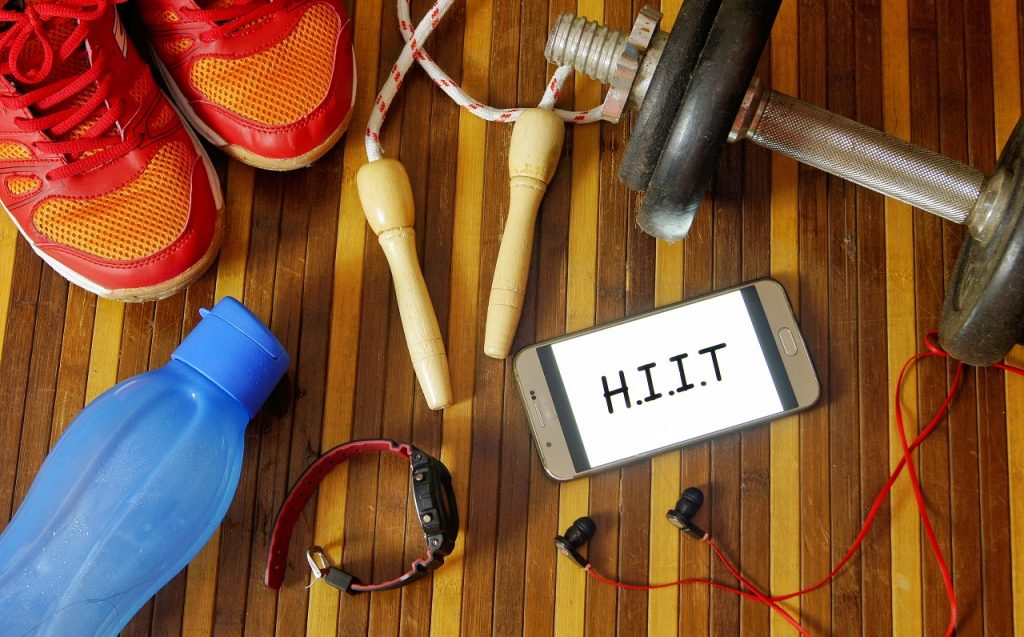
HIIT and its benefitsYou’ve likely come across the term HIIT in recent years. High-Intensity Interval Training is an exercise routine that many people swear by to get optimal results! While there may be some confusion about what HIIT entails and who should do it, we’re here to clear things up!



What is High Intensity Interval Training?

HIIT, or High-Intensity Interval Training—also known as Sprint Interval Training or High-Intensity Intermittent Exercise—is a workout designed to aid in fat loss and increase stamina.

In this routine, a person performs a burst of high-intensity exercise (like sprinting for 30 seconds) followed by a short burst of active rest (like walking or jogging for 30 seconds) for a total of 4-5 minutes. You then take a minute or two of rest and repeat the same pattern with different exercises.

The main focus of this routine is continuous movement, alternating between high and low-intensity exercises. HIIT is suitable for all ages and can be done 4-5 times a week for best results.

It’s advised to start with a 1:1 ratio of high to low intensity—30 seconds of high intensity followed by 30 seconds of low intensity. As you progress, you can increase this ratio to 2:1.

Benefits of HIIT

  1. Quick Workout For Busy Individuals: HIIT workouts can range from 10 to 45 minutes, combining one or multiple exercises. It’s the perfect workout if you’re short on time but still want effective results. You can burn up to 500 calories in a 40-45 minute session, depending on the exercise and ratio chosen.
  2. Fat Loss: HIIT quickly raises your heart rate to the fat-burning zone and keeps it there, as there’s no rest. This provides excellent fat-loss results in a short period compared to traditional cardio, and the results are noticeable.
  3. Increased Endurance: This routine is highly effective for building stamina, even if you start at lower speeds. Many who practice HIIT have noticed they can run longer and faster after consistently following the routine.
  4. Improved Brain Functioning: Research conducted at various institutes has shown that following a HIIT routine for some time can lead to the following changes that enhance brain functionality:
    • Increases neuron count
    • Improves cognitive function
    • Reduces nerve stiffness and inflammation
    • Promotes new blood vessel development in the brain
  1. Better Physical Performance: Research from the University of British Columbia revealed the following benefits of HIIT compared to traditional, moderate-intensity workouts:
    • Enhanced stamina
    • Greater endurance
    • Boosted metabolism
    • Increased speed and agility
    • Higher peak power

As we can see, HIIT is more than just a popular method for fat loss; it also improves essential aspects of both mental and physical performance. You can add HIIT to your current workout or try it instead of your usual cardio routine for a week.

Here is a Quick HIIT Routine You Can Follow  

  • Jumping Jacks – 1 minute
  • Squats – 1 minute
  • Spot Running – 1 minute
  • Squats – 1 minute
  • Jumping Jacks – 1 minute

Rest for 1-2 minutes, then do 2-4 sets depending on your fitness level.

Was this article helpful? Did we miss out on any facts? Let us know in the comments below! For more on fitness and workouts, check out Healthy Reads.

To workout with an expert, you can join our live, interactive, online classes on GOQii PRO, where our certified fitness experts will guide you on the correct form and posture in real time, while making sure that you are well motivated! You can book a class now from the GOQii App.

#BeTheForce 

  • 1
  • 2
  • 3
  • Next Page »

Search

Recent Posts

  • World IBD Day 2026: Why IBD Is More Than Just a Gut Problem
  • World Hypertension Day 2026: The Silent Killer & 5 Natural Ways to Lower Your Blood Pressure
  • Eat Healthy At Work: Quick & Easy Snacks You Can Eat In The Office
  • The Great Summer Mango Debate: Can You Eat Mangoes While Trying to Lose Weight?
  • Metabolic Flexibility: Why Your Body Struggles to Burn Fat Efficiently

Stay Updated

Archives

  • May 2026 (15)
  • April 2026 (24)
  • March 2026 (18)
  • February 2026 (14)
  • January 2026 (14)
  • December 2025 (19)
  • November 2025 (15)
  • October 2025 (20)
  • September 2025 (6)
  • August 2025 (6)
  • July 2025 (12)
  • June 2025 (18)
  • May 2025 (16)
  • April 2025 (22)
  • March 2025 (27)
  • February 2025 (21)
  • January 2025 (25)
  • December 2024 (22)
  • November 2024 (23)
  • October 2024 (21)
  • September 2024 (23)
  • August 2024 (30)
  • July 2024 (21)
  • June 2024 (25)
  • May 2024 (28)
  • April 2024 (27)
  • March 2024 (27)
  • February 2024 (24)
  • January 2024 (21)
  • December 2023 (14)
  • November 2023 (10)
  • October 2023 (19)
  • September 2023 (22)
  • August 2023 (18)
  • July 2023 (22)
  • June 2023 (23)
  • May 2023 (22)
  • April 2023 (19)
  • March 2023 (23)
  • February 2023 (19)
  • January 2023 (15)
  • December 2022 (11)
  • November 2022 (15)
  • October 2022 (15)
  • September 2022 (12)
  • August 2022 (10)
  • July 2022 (17)
  • June 2022 (11)
  • May 2022 (10)
  • April 2022 (6)
  • March 2022 (6)
  • February 2022 (13)
  • January 2022 (11)
  • December 2021 (7)
  • November 2021 (3)
  • October 2021 (6)
  • September 2021 (3)
  • August 2021 (8)
  • July 2021 (7)
  • June 2021 (15)
  • May 2021 (16)
  • April 2021 (10)
  • March 2021 (7)
  • February 2021 (4)
  • January 2021 (4)
  • December 2020 (3)
  • November 2020 (4)
  • October 2020 (10)
  • September 2020 (3)
  • August 2020 (3)
  • July 2020 (2)
  • June 2020 (4)
  • May 2020 (10)
  • April 2020 (12)
  • March 2020 (10)
  • February 2020 (4)
  • January 2020 (4)
  • December 2019 (3)
  • November 2019 (7)
  • October 2019 (5)
  • September 2019 (4)
  • August 2019 (9)
  • July 2019 (9)
  • June 2019 (11)
  • May 2019 (4)
  • April 2019 (8)
  • March 2019 (8)
  • February 2019 (9)
  • January 2019 (8)
  • December 2018 (9)
  • November 2018 (3)
  • October 2018 (3)
  • September 2018 (5)
  • August 2018 (10)
  • July 2018 (6)
  • June 2018 (13)
  • May 2018 (8)
  • April 2018 (18)
  • March 2018 (9)
  • February 2018 (8)
  • January 2018 (15)
  • December 2017 (12)
  • November 2017 (19)
  • October 2017 (13)
  • September 2017 (15)
  • August 2017 (4)
  • July 2017 (8)
  • June 2017 (7)
  • May 2017 (6)
  • April 2017 (8)
  • March 2017 (6)
  • February 2017 (7)
  • January 2017 (9)
  • December 2016 (10)
  • November 2016 (7)
  • October 2016 (7)
  • September 2016 (7)
  • August 2016 (11)
  • July 2016 (9)
  • June 2016 (9)
  • May 2016 (12)
  • April 2016 (17)
  • March 2016 (17)
  • February 2016 (8)
  • January 2016 (6)
  • December 2015 (2)
  • November 2015 (9)
  • October 2015 (7)
  • September 2015 (9)
  • August 2015 (11)
  • July 2015 (9)
  • June 2015 (11)
  • May 2015 (9)
  • April 2015 (13)
  • March 2015 (8)
  • February 2015 (5)
  • January 2015 (12)
  • December 2014 (14)
  • November 2014 (11)
  • October 2014 (6)
  • September 2014 (13)
  • August 2014 (12)
  • July 2014 (6)
  • June 2014 (2)
  • May 2014 (7)
  • April 2014 (4)

From “Laddu Nawin” to Fit and Fierce: How a 25-Year-Old Insurance Advisor Shed 20 Kilos and Gained His Life Back

When 25-year-old Nawin Yadav from Hyderabad walked into his office every morning, he carried more than just his files and policy papers. He had the weight of fatigue, sluggish energy, and an ever-growing belly that was becoming the butt of jokes. “People … [Read More...]

“I’ve Challenged Myself to Live 100 Years” – The Story of Chandubhai Savani’s Second Chance at Life

At 67, most people start slowing down. Not Chandubhai Savani. A resident of Surat, Chandubhai, thought life was on track. “My life was going well till I had my bypass surgery,” he says. That surgery, back in 2021, was a wake-up call.  Medication was routine, but exercise wasn’t. His diet? What he calls ‘normal.’ “I […]

From Shimla’s Slopes to Chandigarh’s Sidewalks: Surinder Kaur Bhalla’s Journey from Chaos to Control

Some journeys start with a plan. Others begin with a stumble literally. Surinder Bhalla, a government professional, born and raised in the scenic hill town of Shimla, had always lived a life of movement. “In Shimla, you walked everywhere,” she reflects. “Walking was never an exercise. It was just life.” But after shifting to Chandigarh, […]

Ananda Mukherjee Health Story

From Terminal Illness To Complete Wellness! Ananda Mukherjee Health Story

As we observe World Cancer Day under the powerful theme ‘United by Unique’ (2025-2027)**, we are reminded that every individual’s journey with cancer is distinct, yet united by shared resilience, hope, and the collective fight against this disease. This theme places people at the centre of care and their stories at the heart of the […]

  • HOME
  • HEALTHY LIVING
  • FITNESS
  • HEALTHY RECIPES
  • USER STORIES
  • KARMA
  • BUY GOQii

Copyright ©2016 GOQii
