GOQii

Blog

  • HOME
  • HEALTHY LIVING
  • FITNESS
  • HEALTHY RECIPES
  • USER STORIES
  • KARMA
  • BUY GOQii

Search Results for: work from home

August 6, 2018 By Anusha Subramanian Leave a Comment

6 Effective DIY Techniques to Clean Pesticides of Fruits & Vegetables


70582

This is the second blog in the series of Hazardous chemicals in our food products. In today’s blog, we take you through some DIY ( do it on your own) techniques to clean your fruits and vegetables. Read part 1 here: https://goqii.com/blog/invisible-health-hazards-lurking-in-your-kitchen/

Fruits and Vegetables are irreplaceable ingredients of our everyday diet. Apart from the fact that they’re delicious, they are also packed with various nutrients and minerals. The paradox here is that these health powerhouses are coated with various disinfectants and pesticides which are extremely hazardous for health. It’s almost impossible to list the pesticides found in vegetables and fruits as there are over 1000 different varieties which are used to grow crops.

Even though minor amounts of pesticide residue on food doesn’t really pose a great health hazard, you should be careful of what you buy and also where you buy them from. There are many simple and effective ways to remove these toxic chemicals from your food which can be done at home.

  1. Salt Water Wash

IMG-5860

 Saltwater wash is one of the easiest technique of washing your food. The Saltwater solution will remove most contact pesticides that are present in your food. All you need to do to make the solution is to add 1tbsp sea salt into a bowl which is half filled with water. Hand scrub your fruits and veggies in the solution and ensure to rinse thoroughly before consumption.

  1. Vinegar Soak

IMG-5861

 Create a solution adding 90% water and 10% white vinegar and let the fruits/vegetables soak in the mixture. Stir your fruits and veggies in the solution and leave them for about 10 minutes, rinse thoroughly with cold water before using. You must be careful while washing fruits with thin skin as the solution might damage their porous outer skin.

  1. Lemon Juice Spray

IMG-5862

Lemon juice spray has proven to be a very effective way of removing pesticides from your food. The citric acid in lemon juice not only helps in removing pesticides but also helps in killing the microorganisms on the outer surface. To create the spray, mix 1 tbsp of lemon juice, 2 tbsp of baking soda and 1 cup of water. After making sure that the baking soda is properly dissolved, pour the mixture into a clean spray bottle. Leave the spray on your fruits and veggies for about 5-10 minutes before you rinse it off with water.

  1. Trim the Edges

IMG-5864

 Many vegetables, mainly the leafy ones like lettuce, cabbage, celery etc tend to have an abundant amount of micro-organisms and pesticide residue on their outer surface. Even though washing them under running water helps remove some of them, chopping the top and outer layers of these veggies will ensure more cleanliness.

  1. Peeling

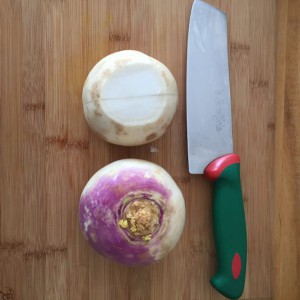
IMG-5863

We are no strangers to peeling, it is one of the most basic methods used in households to discard those harmful microbes and pesticides. Most fruit peels contain many essential nutrients, hence it isn’t always the best way to clean your food but peeling of the outer surface of your food will ensure a cleaner, pesticide-free produce.

  1. Baking Soda Scrub

IMG-5865


It is important to know that this method only works with foods which have a hard skin and don’t easily wear off. All this technique requires you to do is sprinkle some baking soda over your eatables and rub them together gently. Ensure to wash them off thoroughly before use.

In our busy daily lives, going an extra mile to clean your eatables is almost deemed impossible but it is important to understand that health is our most prized possession and spending 10 minutes to clean your food properly can avoid many serious diseases and illnesses.


July 9, 2018 By Jyoti Sawant 7 Comments

Confused about eating healthy? Follow these 13 Strategies to eat healthy

eat-healthy

Healthy eating is not about strict dietary limitations, staying unrealistically thin, or depriving yourself of the foods you love. Rather, it’s about feeling great, having more energy, and stabilizing your mood. There are loads of information and dietary advice floating out there where if an expert tells you that certain food is good for you, you’ll find another one saying exactly the opposite thus confusing you totally. But, let me give you some simple tips by which you can cut through the confusion and learn how to create a tasty, varied, and healthy food habit at work.

A healthy diet is good but, a key foundation for any healthy diet is moderation. What is moderation? In essence, it means eating only as much food as your body needs. You should feel satisfied at the end of a meal and not stuffed. Moderation is also about a balance of carbohydrates, protein, fat, fibre, vitamins, and minerals to sustain a healthy body.

  1. Simplify: Measure portion size and do not be concerned about counting calories. Think of your healthy meal in terms of colour, variety, and freshness. This way it should be easier to make a healthy choice. Focus on finding foods you love and easy recipes that incorporate a few fresh ingredients. Gradually, your food will become healthier and more delicious.
  2.  Start slow and make changes to your eating habits over time. Trying to make your food healthy overnight isn’t realistic or smart. Changing everything at once usually leads to cheating or giving up on your new eating plan. Make small steps, like adding a salad (full of different colour vegetables) to your daily routine once a day or switching from peanut butter to olive oil when cooking. As this small change becomes a habit, you can continue to add more healthy choices to your lifestyle.
  3. Every change you make matters. You don’t have to be perfect and you don’t have to completely eliminate the foods you enjoy in order to have a healthy diet. Your long-term goal should be to feel good, have more energy, and reduce the risk of lifestyle diseases. Don’t let your missteps derail you—every healthy food choice you make counts.
  4. Think Smaller Portions. Serving sizes have ballooned recently, particularly in restaurants. When dining out, choose a starter instead of an entire plate, split a dish with a friend, and don’t order supersized anything. At home, use smaller plates, think about serving sizes in realistic terms, and start small. In case you are not satisfied at the end of the meal try adding more leafy green vegetables or rounding off the meal with some fresh salad. Visual cues can help with portion sizes–your serving of Egg, fish, or chicken should be the size of a deck of cards and half a cup of mashed potato, rice, or pasta is about the size of the small bowl.
  5. Take time to chew your food and enjoy mealtimes. Chew your food slowly, savouring every bite. We tend to rush through our meals thereby forgetting to actually taste the flavours and feel the texture of our food. Reconnect with the joy of eating.
  6. Listen to your body. Ask yourself if you are really hungry, or have a glass of water to see if you are thirsty or hungry. During a meal, stop eating before you feel full. It actually takes a few minutes for your brain to tell your body that it has had enough food, so eat slowly.
  7. Eat breakfast, and eat smaller meals throughout the day. A healthy breakfast can jumpstart your metabolism, and eating small, healthy meals throughout the day (rather than the standard three large meals) keeps your energy up and your metabolism going.
  8. Avoid eating at night. Try to eat dinner earlier in the day and then fast for 10-12 hours until breakfast the next morning. These simple dietary adjustments such as eating only when you’re most active and giving your digestive system a long break each day will only help to regulate your weight. After-dinner snacks tend to be high in fat and calories, but some healthy options like mixed vegetable soup, salad, and buttermilk is good.
  9.  Most of us consume too much salt in our diets. Eating too much salt can cause high blood pressure and lead to other health problems. Try to limit sodium intake to 1,500 to 2,300 mg per day which is equivalent to one teaspoon of salt.
  10.  Avoid processed or pre-packaged foods. Processed foods like canned soups or frozen dinners contain hidden sodium that quickly surpasses the recommended limit.
  11.  Be careful when eating out. Most restaurant and fast food meals are loaded with sodium. Some offer lower-sodium choices or you can ask for your meal to be made without salt. Most gravy and sauces are loaded with salt, so ask for it to be served on the side. Opt for fresh or frozen vegetables instead of canned vegetables. Cut back on salty snacks such as potato chips, and nuts. Check labels and choose low-salt or reduced-sodium products, including breakfast cereals.
  12. Slowly reduce the salt in your diet to give your taste buds some time to adjust.
  13. Go high on Fibre – In general, the more natural and unprocessed the food, the higher it is in fibre. Good sources of fibre include whole grains, wheat cereals, barley, oatmeal, beans, nuts, vegetables such as carrots, celery, and tomatoes, and fruits such as apples, berries, citrus fruits, and pears—all the more reason to add more fruit and vegetables to your diet. There is no fibre in meat, dairy, or sugar. Refined or “white” foods, such as white bread, white rice, and pastries, have had all or most of their fibre removed. An easy way to add more fibre to your diet is to start your day with a whole grain cereal, such as Fibre-One or All-Bran, or by adding unprocessed wheat bran to your favourite cereal.

June 28, 2018 By Samar Hafeez 7 Comments

Reduce Anxiety, Sleep Sound

anxiety1

Anxiety and Fear are a part of life. You may feel anxious before you take a test or walk a dark street. This kind of anxiety is useful as it can make you more alert, careful and productive, however, it usually ends soon after you are out of the situation that caused it. But, for millions of people, the anxiety does not go away and gets worse over time. This can make one, more restless, clumsy and unproductive thereby causing dysfunction in daily activities, and ultimately begins to take over lives.

Anxiety has plagued millions around the world from time immemorial. Anxiety is defined as a feeling of excessive worry, nervousness or unease about something. In this people are always preoccupied with ‘what- if’ thinking, what if something bad, dangerous or threatening could happen, what if anything bad happens to someone I love etc.

Symptoms of Anxiety:

Physical symptoms include:

  • Muscle tension, Muscle Twitching
  • Chronic indigestion, constipation, Diarrhoea
  • Increased or heavy breathing
  • Hyperventilation/Palpitations
  • Nausea
  • Cold chills, Hot flash, Frequent urination, sudden weight loss, headaches

Emotional symptoms include:

  • Feeling of dread, feeling tense and jumpy
  • Irritability
  • Restlessness
  • Sleep problems
  • Panicky most of the time

Cognitive symptoms:

  • Poor concentration Negative thoughts and Apprehension
  • Confusion
  • Poor communication, attention and memory skills

Now let’s move on to discuss how Anxiety may cause sleep problems

Many of us toss and turn and watch the clock when we can’t sleep for a night or two. But for some, a restless night is routine.

The growing cases of sleep disorders due to anxiety are not to be ignored. Indian women outnumber men when it comes to disturbed sleep due to anxiety.

Anxiety and sleep have a bidirectional relationship, meaning high amounts of anxiety tends to disrupt sleep and disruptions in sleep tend to increase anxiety.

In case of Anxiety, it begins in anticipation of an event. When you reflect on a stressful event at night, the emotional centres of brain namely Amygdala and Insular cortex get activated. This stimulates a chain of events that raise both your adrenaline and blood sugar levels. This sudden source of energy then keeps you alert, tense and restless. Ultimately disrupting your sleep.

Sleep on other hand is an integral part of emotional regulation. A lack of it leaves your emotions unstable and in disarray. You are more prone to falling sick often, show irritability and lack of patience and discontent often.

What your Anxiety at night may look like

An individual usually experiences either racing or stagnant/fixed anxious thoughts. These thoughts build on each other or spiral around making it harder and harder to fall asleep.

Some people describe this feeling as being stuck in their head.

Due to the consistent rise in adrenaline and cortisol (stress hormone) levels more and more physical symptoms may result.

Reduce Anxiety

  1. Melt Anxiety with mindfulness meditation: Focusing on your breath and physical sensations can help you stay in the present moment. This can help you recognize what your thoughts may be, allowing them to pass without reaction or judgement.
  2. Rationalize and not Awfulize: Accept the what if thinking as a projection that connects horrifying thoughts and images to anxiety. Think that a what if disaster does not validate or guarantee a disaster, Awfulizing things real or imagined situations as horrible, Awful or terrible will only make symptoms worse
  3. The shift from passive to active perspective: Talk to yourself in a realistic self- assuring way
  4. Relax your body Relax your mind: Practice Diaphragmatic breathing these exercises are simple to learn and can have relatively quick effects. This technique involves breathing in a way that your belly expands as you breathe in and contracts as you breathe out. Psychologist Jon Carlson describes belly breathing as a technique that can send calming signals to the brain and promote a feeling of relaxation and improved attention and awareness.
  5. Imagination and Relaxation: Rolodex of anxiety thoughts can be controlled by using Guided imagery, Guided imagery serves to redirect people’s attention away from what is stressing them and towards an alternative focus, this includes only visualizing pleasant and relaxing image like on a beach or on a serene hill or whatever may soothe a person. This practice is extremely portable, as it relies on nothing but one’s imagination and concentration abilities.
  6. Exercise: Regular exercise provides an outlet for frustrations and releases mood-enhancing endorphins/hormones
  7. Play music: Soft calming music can lower blood pressure and muscle agitation, usually found symptoms in people who get anxious often
  8. Direct anxiety elsewhere: Lend a hand to relative or neighbour or volunteer in your community services. Helping others will take your mind off your own anxieties and will help you count your blessings.

Sleep More Soundly

  1. Make good sleep a priority: Block out 7 hours for a full uninterrupted sleep
  2. Maintain regularity: Try to sleep and wake up on same time daily even on weekends, this helps circadian rhythm your ‘biological clock’ to tick properly.
  3. Avoid stimulants: Say no-no to alcohol, coffee, chocolate or nicotine post sunset
  4. Keep it cool: sleep in a dark room which is slightly cold, this helps the temperature in the brain to fall and help fall asleep quicker, the cool room takes your brain and body in the right temperature direction to get good sleep.
  5. Dark- deprived society: We need darkness in the evening to allow the release of a hormone called Melatonin(sleep hormone) It helps the healthy time of our sleep. In this modern era, we are severely deprived of darkness. So try to dim lights down in your home an hour before bed. Stay away from LED screens as they emit blue light that actually puts break on melatonin and fools brain into thinking it’s still daytime, even though night time.
  6. Do not stay in bed awake: If you haven’t fallen asleep within 30 mins of getting into bed or have woken up and finding difficult to fall back asleep, the advise is to get up go to another room and in dim light just read a book, no screens, no email checking, NO FOOD. And only when you feel sleepy should you return to bed and that way your brain can actually re-learn the association between bed being a place of sleep, rather than a place to stay awake.
  7. Avoid big meals before bedtime and avoid working out 2 hours before bedtime.
  8. Try magnesium-rich foods/supplements like fish or fish oil, almonds, bananas, pumpkin seeds, warm milk, cherries, mushrooms and dark green leafy veggies in dinner. Magnesium relaxes muscles and easesanxiety1 anxiety which contributes to insomnia
  9. Chamomile magic: Try having a cup of chamomile tea 30 mints before bed chamomile is regarded as a mild tranquillizer and sleep inducer, It relaxes nerves and muscles and help fall sleep quicker.

The power of sleep has always been known to be significant but now there’s more and more evidence demonstrating just how important it is for those who experience anxiety. By using above mentioned techniques you can hope for relief from anxiety and eventually will sleep your anxiety away!


June 23, 2018 By Anusha Subramanian Leave a Comment

“Balancing discipline, good nutrition and karma as a way to a fulfilling life”: Pinaak

FB_IMG_1529539768940

Achieving a goal is a fairly exhilarating feeling, if you intend to flirt with the idea of giving up, you could well be throwing away something very beautiful….

Today, we have a story of an individual who has never learnt to say no or give up. As far as I know him, he has been pushing himself harder every time to achieve something more and new. He has been constantly setting the bar high for himself and keeps himself self-motivated to be able to do all the extreme things that he attempts. We are talking of barefoot runner and GOQii player Pinaak Pande.

An Investment Banker by profession, his true inner calling is running. Living in Pune but working in the US time zone has not stopped him from running daily. But, there is a history to how it all started for him as well. Prior to 2014, Pinaak was just another corporate guy who had excuses galore for not being fit. He weighed 89 kgs and his erratic work timings kept him away from healthy living and healthy eating habits. Then one day in 2014, he decided to join the Fitness class conducted by Reebok Running Squad. He attended the fitness for 2-3 sessions and these sessions would be conducted on weekends. Thereafter they gave each one a training plan which they had to follow. People were being trained to run 5km, 10 km and so on. Since then and now there has been no looking back for Pinaak.

FB_IMG_1529340686133

An active GOQii player since 2015, this June he attempted the 12-hour stadium run and here is how he trained for it?

Pinaak had made up his mind to take up this challenge in the month of January. After having done several 10 km, 21 km and 42 km run, he thought, he should attempt something crazy this year and looked at the running calendar and got to see this ultra and registered for it. He said to himself, “Now that you have registered, you have no choice but to train and train hard”. Given that he works in night shifts where typically, his day ends at about 4.30AM in the morning. By this time most of his energy is already drained out at work but, he already had one moto behind on his mind, ‘never give up’. He constantly kept saying to himself, “Pinnaak, you have registered for a crazy ultrarace so prepare, no giving up”.

His week’s mileage from January started increasing. 2 weeks intense training, 1-week low-intensity training. The high-intensity training weeks went up to 96kms for a weekly mileage and the low-intensity training weeks average was about 50kms as the weekly mileage.

“Believe me, I clocked over 800+kms to train for this since January, 5 days of running that included strength training and swimming (at times). Strength training is so important for the ultras,” Pinaak says. He adds, “The mental challenge was, going around the 400mtrs track for 12 damn hours. I wondered how. I ran all my runs solo, except for 5 long runs. Out of these 5 long runs, I got to pace 5 different groups (Good brownie Karma points you see) and help achieve their targets too. That kept me happy and going”.

Running solo is a challenge in itself and solo of 45+ kms will tell you what you are made of. At times Pinnak says he has gotten home post work drained at 6 AM in the morning but he never said a no to the run because he loves his runs. Pinaakk backed up his runs with quick swims to give him a quick recovery and he says, it played a major role on his recoveries. Pinaak had absolutely no recovery days in the plan but at times on Friday’s he forcefully put his body to rest.

“On the race day— I had jitters on the morning of the race. I must say, the food from Herbivore (Thank you, Bela, for the food) just before the race day, gave me that extra carbs to run those 12 long hours. I will rate the food here as superduper excellent. I finished the first 6 hours of running and I had clocked about 40 odd kms. Trust me, the weather was just so different from what I trained in. Humid as hell and it kept pouring at times. I told myself, I have 6 more hours and I have to survive this. I was focused and determined to complete this no matter what. We had the best food on the course and were taken care of like babies by the organizers. Finally, at the end of 12 hours, I clocked a 74.8kms (187 laps of the damn 400 mts track). Goqii has been the best support system too for this run”.

On his diet, while training Pinaak’s plate had clean stuff every single day except for few weekends. His diet included- Fruits and Sattu mixed in water (natural protein) being the breakfast so in good quantity. Very less rice for lunch, 3 chapatis and some dal or vegetable. Pre-dinner included-Protein (pumpkin seeds, sunflower seeds, watermelon seeds, chicken at times) and then a dinner with 3 chapati and some vegetables.

On a lighter note- Pinaak adds: “After the race, I binged on some junk food for the next two or three days. These were like small sized pizzas by myself, 1 garlic bread. 4 bhaturas and chole for breakfast and pani puris. Pinaak however after 3 days of binge eating is back to clean eating since Thursday as he prepares for the next biggie.

Pinaak believes in balancing discipline, good nutrition and karma as a way to a fulfilling life.


  • « Previous Page
  • 1
  • …
  • 62
  • 63
  • 64
  • 65
  • 66
  • …
  • 81
  • Next Page »

Search

Recent Posts

  • The Science of Power Naps: How Long is Too Long?
  • 7 Reasons Why Pulses Are Good For You!
  • How Exercise Impacts Mental Health
  • Dussehra 2026: 10 Unhealthy Habits to Leave Behind
  • 5-Minute Healthy Snacks for Work & Home

Stay Updated

Archives

  • October 2026 (16)
  • September 2026 (5)
  • August 2026 (8)
  • July 2026 (25)
  • June 2026 (22)
  • May 2026 (20)
  • April 2026 (24)
  • March 2026 (18)
  • February 2026 (14)
  • January 2026 (14)
  • December 2025 (19)
  • November 2025 (15)
  • October 2025 (20)
  • September 2025 (6)
  • August 2025 (5)
  • July 2025 (9)
  • June 2025 (18)
  • May 2025 (16)
  • April 2025 (22)
  • March 2025 (25)
  • February 2025 (21)
  • January 2025 (25)
  • December 2024 (21)
  • November 2024 (21)
  • October 2024 (15)
  • September 2024 (22)
  • August 2024 (27)
  • July 2024 (15)
  • June 2024 (23)
  • May 2024 (26)
  • April 2024 (27)
  • March 2024 (27)
  • February 2024 (23)
  • January 2024 (21)
  • December 2023 (14)
  • November 2023 (10)
  • October 2023 (18)
  • September 2023 (20)
  • August 2023 (16)
  • July 2023 (16)
  • June 2023 (21)
  • May 2023 (20)
  • April 2023 (19)
  • March 2023 (23)
  • February 2023 (19)
  • January 2023 (15)
  • December 2022 (11)
  • November 2022 (15)
  • October 2022 (15)
  • September 2022 (12)
  • August 2022 (9)
  • July 2022 (17)
  • June 2022 (11)
  • May 2022 (10)
  • April 2022 (6)
  • March 2022 (6)
  • February 2022 (13)
  • January 2022 (11)
  • December 2021 (7)
  • November 2021 (3)
  • October 2021 (6)
  • September 2021 (3)
  • August 2021 (8)
  • July 2021 (7)
  • June 2021 (15)
  • May 2021 (16)
  • April 2021 (10)
  • March 2021 (7)
  • February 2021 (4)
  • January 2021 (4)
  • December 2020 (3)
  • November 2020 (4)
  • October 2020 (10)
  • September 2020 (3)
  • August 2020 (3)
  • July 2020 (2)
  • June 2020 (4)
  • May 2020 (10)
  • April 2020 (12)
  • March 2020 (10)
  • February 2020 (4)
  • January 2020 (4)
  • December 2019 (3)
  • November 2019 (7)
  • October 2019 (5)
  • September 2019 (4)
  • August 2019 (9)
  • July 2019 (9)
  • June 2019 (11)
  • May 2019 (4)
  • April 2019 (8)
  • March 2019 (8)
  • February 2019 (9)
  • January 2019 (8)
  • December 2018 (9)
  • November 2018 (3)
  • October 2018 (3)
  • September 2018 (5)
  • August 2018 (10)
  • July 2018 (6)
  • June 2018 (13)
  • May 2018 (8)
  • April 2018 (17)
  • March 2018 (9)
  • February 2018 (8)
  • January 2018 (15)
  • December 2017 (12)
  • November 2017 (19)
  • October 2017 (13)
  • September 2017 (15)
  • August 2017 (4)
  • July 2017 (8)
  • June 2017 (7)
  • May 2017 (6)
  • April 2017 (8)
  • March 2017 (6)
  • February 2017 (7)
  • January 2017 (9)
  • December 2016 (10)
  • November 2016 (7)
  • October 2016 (7)
  • September 2016 (7)
  • August 2016 (11)
  • July 2016 (9)
  • June 2016 (9)
  • May 2016 (12)
  • April 2016 (17)
  • March 2016 (17)
  • February 2016 (8)
  • January 2016 (6)
  • December 2015 (2)
  • November 2015 (9)
  • October 2015 (7)
  • September 2015 (9)
  • August 2015 (11)
  • July 2015 (9)
  • June 2015 (11)
  • May 2015 (9)
  • April 2015 (13)
  • March 2015 (8)
  • February 2015 (5)
  • January 2015 (12)
  • December 2014 (14)
  • November 2014 (11)
  • October 2014 (6)
  • September 2014 (13)
  • August 2014 (12)
  • July 2014 (6)
  • June 2014 (2)
  • May 2014 (7)
  • April 2014 (4)

From Burnout to Balance: How Dr. Ranjit Reclaimed His Health

Dr Ranjit Bhatt has spent years tending to others. A practising doctor in Odisha, his days were packed with patients, surgeries, and emergencies. From the outside, it looked like a life lived in service. But on the inside, something wasn’t right. “I had no … [Read More...]

From Shimla’s Slopes to Chandigarh’s Sidewalks: Surinder Kaur Bhalla’s Journey from Chaos to Control

Some journeys start with a plan. Others begin with a stumble literally. Surinder Bhalla, a government professional, born and raised in the scenic hill town of Shimla, had always lived a life of movement. “In Shimla, you walked everywhere,” she reflects. “Walking was never an exercise. It was just life.” But after shifting to Chandigarh, […]

“I’ve Challenged Myself to Live 100 Years” – The Story of Chandubhai Savani’s Second Chance at Life

At 67, most people start slowing down. Not Chandubhai Savani. A resident of Surat, Chandubhai, thought life was on track. “My life was going well till I had my bypass surgery,” he says. That surgery, back in 2021, was a wake-up call.  Medication was routine, but exercise wasn’t. His diet? What he calls ‘normal.’ “I […]

Ananda Mukherjee Health Story

From Terminal Illness To Complete Wellness! Ananda Mukherjee Health Story

As we observe World Cancer Day under the powerful theme ‘United by Unique’ (2025-2027)**, we are reminded that every individual’s journey with cancer is distinct, yet united by shared resilience, hope, and the collective fight against this disease. This theme places people at the centre of care and their stories at the heart of the […]

  • HOME
  • HEALTHY LIVING
  • FITNESS
  • HEALTHY RECIPES
  • USER STORIES
  • KARMA
  • BUY GOQii

Copyright ©2016 GOQii