GOQii

Blog

  • HOME
  • HEALTHY LIVING
  • FITNESS
  • HEALTHY RECIPES
  • USER STORIES
  • KARMA
  • BUY GOQii

Search Results for: weight

May 29, 2025 By GOQii Leave a Comment

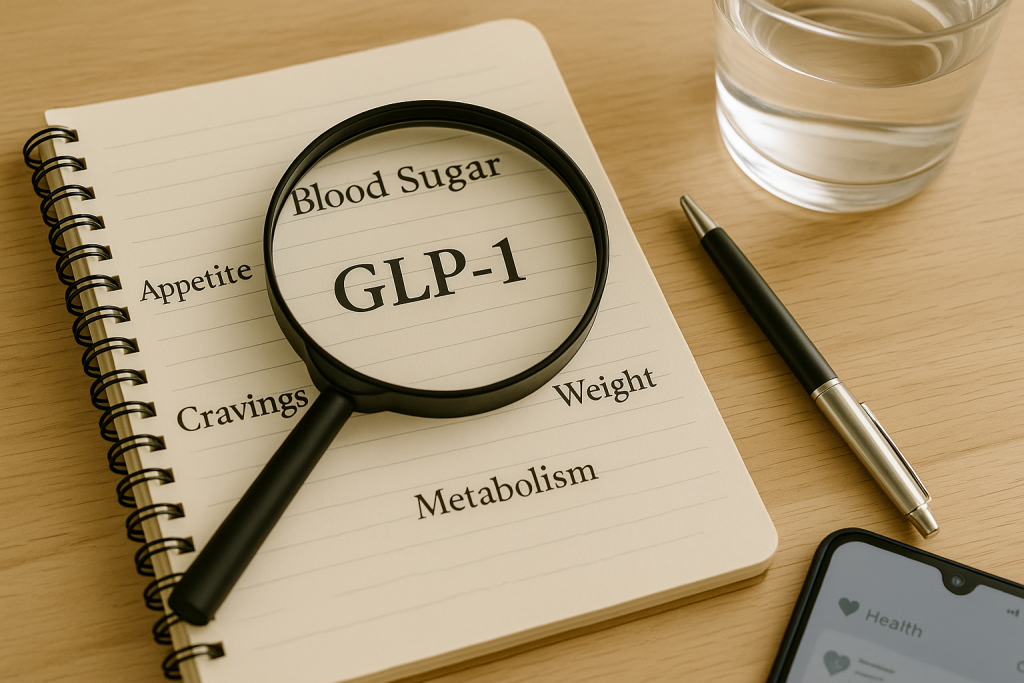
GLP-1 Explained: The Science Behind the Wellness Buzz

GLP-1 is an abbreviation for Glucagon-Like Peptide-1, which is linked to decreased blood sugar levels.

Does anyone know about a hormone that regulates your blood sugar, suppresses your cravings, and aids weight loss, all at once? Say hello to GLP-1 — also known as Glucagon-Like Peptide-1. And it’s quite literally becoming game-changing not just for weight loss, but in the broader conversation around metabolic health as well.

Not that it’s particularly glamorous-sounding, but this gut hormone is making waves for all the reasons that matter. From redefining type 2 diabetes care to aiding weight control and even supporting cardiovascular health, GLP-1 is taking centre stage.

Let’s get to the basics — no hype, no jargon — just what you need to know.

What Exactly Is GLP-1?

GLP-1 is normally synthesised within your body and is found in the small intestine, particularly after you’ve eaten. It acts as one of your behind-the-scenes assistants in keeping your metabolism running smoothly.

Here’s what it does:

  • Stimulates insulin (the hormone that lowers blood sugar)
  • Suppresses glucagon (a hormone that increases blood sugar)
  • Slows down digestion, helping you feel full for longer
  • Signals the brain to feel satisfied, reducing appetite

Sounds like a multitasker, doesn’t it? That’s why it’s considered an important regulator of metabolic diseases.

Why Is Everyone Suddenly Discussing GLP-1?

Around the world, we’re facing a full-blown metabolic health crisis. From the U.S., UK  and Europe to parts of Asia and Latin America, rates of type 2 diabetes, obesity, PCOS, and lifestyle-related heart disease are rising at an alarming pace.

And in the midst of this, one class of medications is creating a buzz like never before: GLP-1 receptor agonists.

Your body naturally produces GLP-1 (glucagon-like peptide-1), a hormone that helps regulate appetite, insulin response, and blood sugar. But scientists have now developed synthetic versions of this hormone—GLP-1 receptor agonists—that mimic its function and offer powerful metabolic benefits.

What started as a treatment for type 2 diabetes has now become a breakthrough tool in managing obesity and insulin resistance.

The results speak for themselves:

  • Better blood sugar control
  • Reduced cravings and appetite
  • Sustainable weight loss
  • Improved energy and mental clarity

And it’s not just about the physical outcomes. For many users, stabilised blood sugar has also meant improved focus, mood, and mental sharpness—a reminder that metabolic health is deeply tied to overall well-being.

As the science evolves, one thing is clear: GLP-1 isn’t just a trend—it’s a turning point in how we think about weight, energy, and long-term health.

But Is It a “Weight Loss Drug”?

No. While GLP-1 medications do support weight loss, their primary goal is to improve metabolic health. Weight loss is often a secondary outcome — a result of stabilised hormone levels and reduced appetite — rather than a quick fix or diet fad.

More importantly, these medications are prescribed and monitored by doctors. They’re not magic pills. They work best when combined with healthy eating, physical activity, and long-term lifestyle changes.

GLP-1 Is Used For:

  • People with type 2 diabetes
  • Individuals who are overweight or obese
  • Patients with conditions like PCOS or metabolic syndrome, under medical supervision

These are not everyday or cosmetic-use drugs. They’re medical tools — typically recommended when lifestyle changes alone aren’t enough to improve health outcomes.

The Larger Picture: Recasting Metabolic Health

What’s most remarkable about GLP-1 isn’t just what it does — it’s what it represents. It marks a shift in how we think about metabolic health.

It’s no longer just about willpower. It’s about understanding our biology, our hormones, and how modern science can help us lead more balanced lives.

For years, people struggling with sugar cravings or weight gain have blamed themselves. But what if your body was just asking for help — and now science is finally listening?

GLP-1 may be small, but it’s making a big impact on health and wellbeing. Whether you have diabetes, are exploring ways to support your metabolism, or simply want to understand the buzz — getting familiar with GLP-1 is a smart place to begin.

As always, speak with your doctor before making any decisions about your health. But learning more? That’s always worthwhile.

#BeTheForce

Disclaimer: The information provided in this blog is for general awareness and educational purposes only. It is not intended to replace professional medical advice, diagnosis, or treatment. Always consult a qualified healthcare provider for personalised medical guidance or concerns related to your health. Images shown are for representation purposes only and may not depict the exact recommendations or outcomes.
May 24, 2025 By GOQii Leave a Comment

One Starchy Meal a Day: Why Moderation Matters in the DIP Plan

Understanding the science behind starch, blood sugar, and sustainable change

When it comes to managing diabetes through diet, it’s not just about cutting out sugar. It’s about making strategic choices — especially when it comes to starchy carbohydrates like rice, bread, potatoes, and pasta.

The Diabetes Improvement Programme (DIP) takes a balanced, evidence-informed approach. One of its core principles is simple: limit starchy carbohydrates to just one meal a day. At first glance, this may sound restrictive — but there’s solid science behind it. And more importantly, it works.

Here’s why this one-meal rule matters — and how it can help you take meaningful control of your blood sugar and long-term health.

What Are Starchy Carbohydrates?

Starches are complex carbohydrates found in foods such as:

  • Rice, pasta, and noodles
  • Potatoes, sweet potatoes, and yams
  • Bread, crackers, and baked goods
  • Corn, peas, lentils, and beans

Although they’re often considered “slow release”, these foods can rapidly break down into glucose in the body — especially when eaten in large quantities or refined forms. This causes a rise in blood sugar levels — precisely what individuals with diabetes or insulin resistance aim to manage.

The Problem With Overdoing Starch

When starchy foods are consumed at every meal, they can:

  • Spike blood sugar levels multiple times a day
  • Increase insulin demand, placing extra strain on the pancreas
  • Lead to weight gain or make weight loss more difficult
  • Contribute to energy crashes and cravings later in the day

For those with Type 2 diabetes or prediabetes, this daily glucose rollercoaster can make management difficult and may even undo the benefits of other healthy habits.

Why One Starchy Meal Works Better

By limiting starch to just one meal per day, the DIP plan allows the body to:

  • Stabilise blood sugar levels more effectively throughout the day
  • Lower overall insulin exposure, which supports weight loss and improves insulin sensitivity
  • Improve energy levels without the post-meal slump
  • Break the dependency on carbohydrate-rich meals for satiety or satisfaction

This strategy doesn’t eliminate carbs — it simply creates a rhythm where your body has time to reset and burn fat more efficiently between meals.

It’s Not About Elimination — It’s About Moderation

Let’s be clear — starch is not the enemy. Many starchy foods are part of cultural traditions, family meals, and emotional comfort. The DIP framework respects that. By allowing starch at just one meal a day, it encourages mindful moderation rather than extreme restriction.

This flexibility helps make the plan more realistic, sustainable, and enjoyable — which is key for long-term change.

How to Make the Most of Your One Starchy Meal

If you’re choosing to include starch, here are a few tips:

  • Pick whole, minimally processed options — such as brown rice, millet, or sweet potato
  • Mind your portions — one cup (about the size of your fist) is a helpful guide
  • Pair it with protein, fibre, and fat — this slows digestion and helps reduce glucose spikes
  • Make it the highlight, not the base — build your plate with vegetables and protein first

For example:
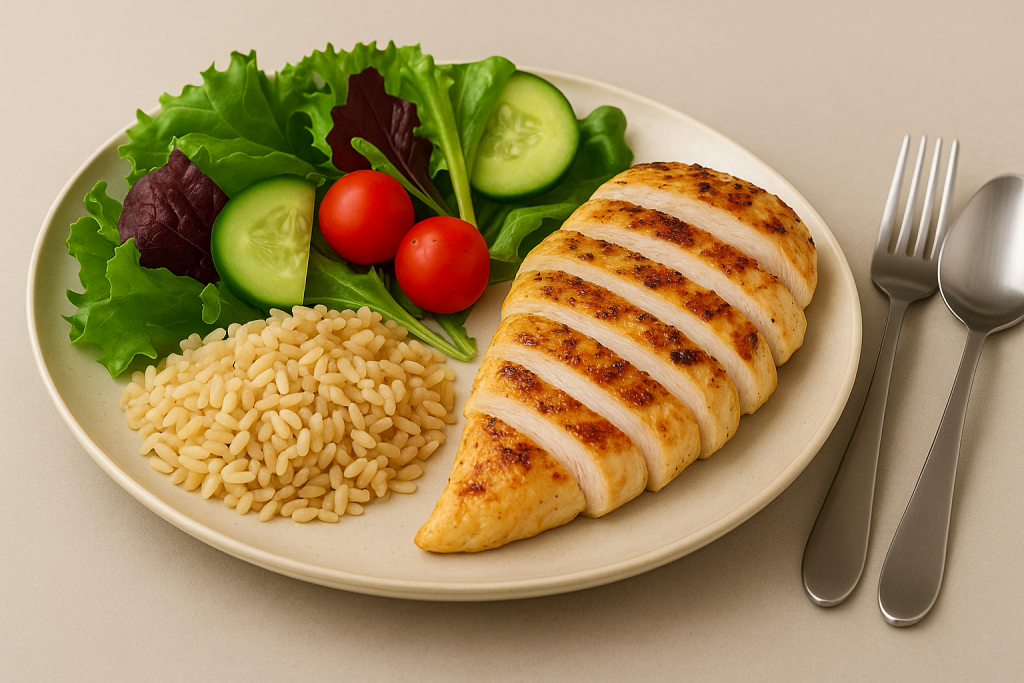
A lunch of grilled chicken, mixed salad, and a small portion of brown rice is more balanced than a heaping plate of pasta with little else.

Science Meets Simplicity

The concept of one starchy meal per day is backed by research in low-carb and moderate-carb interventions for Type 2 diabetes. Numerous studies show that reducing daily carbohydrate load (especially starchy carbs) improves HbA1c, supports weight loss, and enhances metabolic markers like triglycerides and insulin sensitivity.

By following this simple principle, you’re not just adopting a diet — you’re creating better metabolic conditions for your body to heal and thrive.

Small Change, Big Impact

You don’t need to give up rice forever. You don’t need to avoid bread at every meal. But choosing to have starch just once a day could be the difference between constantly battling blood sugar fluctuations and finally finding control.

This one shift — this small act of moderation — can ripple out into better energy, clearer thinking, improved lab results, and a more empowered relationship with food.

And in the end, that’s what the DIP plan is all about — progress, not perfection.

#BeTheForce

Disclaimer: The information provided in this blog is for general awareness and educational purposes only. It is not intended to replace professional medical advice, diagnosis, or treatment. Always consult a qualified healthcare provider for personalised medical guidance or concerns related to your health. Images shown are for representation purposes only and may not depict the exact recommendations or outcomes.

May 7, 2025 By GOQii Leave a Comment

Goodbye Sugar, Hello Health: A Real-Food Approach to Managing Diabetes

Have you ever wondered if you could take control of your diabetes rather than letting it control you? What if the secret wasn’t buried deep on a pharmacy shelf, but already sitting on your plate?

Welcome to the world of DIP (Diabetes Improvement Programme) Nutrition – a low-carb, real-food philosophy that’s helping people across the globe rewrite their diabetes story.

The Sugar Trap: Why We’ve Been Getting It Wrong

For years, conventional advice has often pointed those with type 2 diabetes towards a low-fat, high-carb diet—ironically the very combination that spikes blood sugar. We’ve been told to count calories, watch portions, and rely heavily on medication.

But here’s the uncomfortable truth: more carbs mean more glucose, and more glucose means more insulin… and the cycle continues.

The DIP approach flips the script. It starts with one simple but powerful change: ditching sugar and refined starches. Think white bread, rice, pasta, sweets, sugary drinks – the usual suspects. Cutting these out helps reduce the constant glucose overload and gives the body the breathing space it needs to heal.

Low-Carb, Real-Food: What’s on the Menu?

This isn’t about deprivation or fad diets. It’s about getting back to basics. Real food – the kind your great-grandparents would recognise.

Think:

  • Above-ground vegetables
  • Healthy fats like nuts, seeds, and olive oil
  • Good-quality protein
  • And yes, even eggs and cheese

The DIP philosophy is rooted in nutrient-dense, whole food that nourishes rather than spikes.

The result? Lower blood sugar levels, improved insulin sensitivity, weight loss, better energy, and most importantly — hope.

Real Stories, Real Change

Across communities, people who follow the DIP way report feeling more in control than ever before. They’re reducing medications (under medical supervision), shedding stubborn weight, and finally breaking free from constant cravings and crashes.

It’s not magic. It’s metabolic science meets mindful eating.

Is This the Beginning of Your New Chapter?

If you’ve felt frustrated with traditional approaches…
If you’re tired of chasing highs and crashing lows…

Maybe it’s time for a fresh start.

“Goodbye sugar, hello health” isn’t just a catchy phrase – it’s a powerful reality waiting to unfold.

Let your first step be this: rethink what’s on your plate. Your body will thank you.

#BeTheForce

Disclaimer: The information provided in this blog is for general awareness and educational purposes only. It is not intended to replace professional medical advice, diagnosis, or treatment. Always consult a qualified healthcare provider for personalised medical guidance or concerns related to your health.

May 6, 2025 By GOQii Leave a Comment

ADHD and Sleep Disturbances: Solutions That Can Help, Regardless of Racy Ideas

For most individuals with ADHD (Attention-Deficit/Hyperactivity Disorder), night is a time to run uphill rather than a time to unwind. The body is tired, but the brain is alert, buzzing along on a whirlwind of ideas, reminders, recollections, and worries. The very fuel of restfulness to bring about clarity and peace is constantly lost. But why is ADHD so persistently interrupting night time sleep? And more to the point, what is to be done about it?



The ADHD–Sleep Relationship: More Than Just Restless

ADHD is so much more than mere overactive restlessness or inattention. It is a neurodevelopmental disorder characterised by an imbalance in brain control over attention, emotions, impulsivity – and even over sleep-wake cycles. Several studies conducted over the years show that between 25% to 55% of individuals with ADHD continually experience sleeping problems.

But, it is interesting to note that sleep disturbance is both a symptom and a cause of ADHD-like behaviours. A bad night of sleep can aggravate inattention, moods, and emotional control and mimic the manifestations of ADHD – or make them even stronger if already in place.

Why ADHD and Sleep Don’t Always Mix

ADHD isn’t just about attention or hyperactivity – it’s about regulation. That includes regulating thoughts, impulses, energy levels… and yes, even sleep cycles. Research has shown that adults with ADHD often experience:

  • Delayed Sleep Phase Syndrome (DSPS): The body’s internal clock shifts later, making you feel more alert at night and sleepy in the morning.
  • Increased mental hyperactivity: Even at rest, the ADHD brain can feel like it’s stuck in fifth gear.
  • Low dopamine levels: Dopamine plays a role in sleep regulation, and ADHD is linked to lower dopamine activity.

Together, these factors can make bedtime feel like a battle.

Common ADHD-Related Sleep Issues Include:

  • Difficulty falling asleep (extended time to fall asleep)
  • Night-time restlessness and excessive night-time awakenings
  • Resistance to bedtime routines
  • Morning struggle to wake up
  • Excessive daytime sleepiness
  • Sleep-disordered breathing (e.g., obstructive sleep apnoea)
  • Restless legs syndrome and periodic limb movements

What Is to Be Done? Evidence-Based, Proactive Solutions

Let’s face it – there isn’t a one-size-fits-all answer to sleeping with ADHD. But these effective strategies, derived from science and everyday experience, can calm the ADHD brain and facilitate restful sleep.

  1. Prioritise a Sleep Routine (But Keep it Flexible)

Strict bedtime routines may not always work for ADHD brains. Establish a realistic and soothing routine to signal to the body to relax and slow down. This can include:

  • A warm shower
  • Reading (ideally fiction, but not stimulating stuff)
  • Listening to calming music or white noise
  • Deep breathing
  1. Trial Behavioural Sleep Interventions

There is evidence to suggest that behavioural therapy for sleep issues is extremely effective. Some examples include stimulus control, cognitive behavioural therapy for insomnia (CBT-I), or light therapy for a circadian rhythm issue.

  1. Assess for Underlying Sleep Disorders

These conditions have to be ruled out—namely, obstructive sleep apnoea, restless legs syndrome, or delayed sleep phase syndrome – all of them more likely to occur in individuals with ADHD.

  1. Time Medications Strategically

If medication is prescribed for ADHD, discuss timing and dosage with your doctor. Changing when or what type of medication is taken may help reduce disturbance to sleep.

  1. Make Use of Environmental Cues

Your bedroom is for relaxing in:

  • Turning out the lights one hour before bedtime
  • A refreshing, serene room
  • Weighted blankets (which are soothing to certain adults with ADHD)
  • No screens at least 30 minutes before bed
  1. Manage Mental Overload

Writing down one’s ideas or tomorrow’s to-do list in the evening is a means of clearing one’s head. There are sleep meditations in apps like Calm or Headspace specifically aimed at racing minds.

Looking to the Future: A Whole-Person Approach

Managing sleep in ADHD is more than a matter of sleep hygiene—more about understanding the interconnected systems at play. Mood, medication, comorbidities, environment, and routine are all important factors. It is for this reason that it is advised by leading experts to assess sleep pre-treatment and review it on a regular basis in conjunction with a more overall management plan.

The Goal Is Not to Sleep Earlier. It Is to Wake Refreshed.

To greet the day with greater vigour, less disorientation, and fewer crashes.

Sleep Is a Skill – And It Can Be Learned

Sleeping should be something you can do naturally. But for a decent number of adults with ADHD, it takes work, experimentation, and copious self-compassion. You are not a failure—you’re a learner. And in learning to sleep more healthily, you’re investing in a gift of a less frantic, less blurry life.

#BeTheForce

Disclaimer: This blog is for informational purposes only and is not a substitute for professional medical advice, diagnosis, or treatment. Please consult a doctor for personalised guidance and recommendations related to ADHD.

  • « Previous Page
  • 1
  • …
  • 31
  • 32
  • 33
  • 34
  • 35
  • …
  • 267
  • Next Page »

Search

Recent Posts

  • 4 Reasons Why Affirmations Are Not Working For You
  • The Social Side of GLP-1: Navigating “Food Culture” and Peer Pressure
  • Leaky Gut: Symptoms and Causes
  • Muscle Is Your Insurance Policy: Why Strength Predicts Lifespan More Than Cardio
  • The Fiber Gap: Managing Digestion on GLP-1 Therapy

Stay Updated

Archives

  • March 2026 (1)
  • February 2026 (14)
  • January 2026 (14)
  • December 2025 (19)
  • November 2025 (15)
  • October 2025 (20)
  • September 2025 (6)
  • August 2025 (6)
  • July 2025 (12)
  • June 2025 (18)
  • May 2025 (16)
  • April 2025 (22)
  • March 2025 (23)
  • February 2025 (22)
  • January 2025 (25)
  • December 2024 (22)
  • November 2024 (23)
  • October 2024 (21)
  • September 2024 (24)
  • August 2024 (30)
  • July 2024 (21)
  • June 2024 (26)
  • May 2024 (31)
  • April 2024 (27)
  • March 2024 (29)
  • February 2024 (25)
  • January 2024 (21)
  • December 2023 (15)
  • November 2023 (11)
  • October 2023 (19)
  • September 2023 (22)
  • August 2023 (18)
  • July 2023 (22)
  • June 2023 (24)
  • May 2023 (24)
  • April 2023 (23)
  • March 2023 (23)
  • February 2023 (19)
  • January 2023 (15)
  • December 2022 (11)
  • November 2022 (15)
  • October 2022 (15)
  • September 2022 (12)
  • August 2022 (10)
  • July 2022 (17)
  • June 2022 (11)
  • May 2022 (10)
  • April 2022 (6)
  • March 2022 (6)
  • February 2022 (13)
  • January 2022 (11)
  • December 2021 (7)
  • November 2021 (3)
  • October 2021 (6)
  • September 2021 (3)
  • August 2021 (8)
  • July 2021 (7)
  • June 2021 (15)
  • May 2021 (16)
  • April 2021 (10)
  • March 2021 (7)
  • February 2021 (4)
  • January 2021 (4)
  • December 2020 (3)
  • November 2020 (4)
  • October 2020 (10)
  • September 2020 (3)
  • August 2020 (3)
  • July 2020 (2)
  • June 2020 (4)
  • May 2020 (10)
  • April 2020 (12)
  • March 2020 (10)
  • February 2020 (4)
  • January 2020 (4)
  • December 2019 (3)
  • November 2019 (7)
  • October 2019 (5)
  • September 2019 (4)
  • August 2019 (9)
  • July 2019 (9)
  • June 2019 (11)
  • May 2019 (4)
  • April 2019 (8)
  • March 2019 (8)
  • February 2019 (9)
  • January 2019 (8)
  • December 2018 (9)
  • November 2018 (3)
  • October 2018 (3)
  • September 2018 (5)
  • August 2018 (10)
  • July 2018 (6)
  • June 2018 (13)
  • May 2018 (8)
  • April 2018 (18)
  • March 2018 (9)
  • February 2018 (8)
  • January 2018 (15)
  • December 2017 (12)
  • November 2017 (19)
  • October 2017 (13)
  • September 2017 (15)
  • August 2017 (4)
  • July 2017 (8)
  • June 2017 (7)
  • May 2017 (6)
  • April 2017 (8)
  • March 2017 (6)
  • February 2017 (7)
  • January 2017 (9)
  • December 2016 (10)
  • November 2016 (7)
  • October 2016 (7)
  • September 2016 (7)
  • August 2016 (11)
  • July 2016 (9)
  • June 2016 (9)
  • May 2016 (12)
  • April 2016 (17)
  • March 2016 (17)
  • February 2016 (8)
  • January 2016 (6)
  • December 2015 (2)
  • November 2015 (9)
  • October 2015 (7)
  • September 2015 (9)
  • August 2015 (11)
  • July 2015 (9)
  • June 2015 (12)
  • May 2015 (9)
  • April 2015 (13)
  • March 2015 (8)
  • February 2015 (5)
  • January 2015 (12)
  • December 2014 (14)
  • November 2014 (11)
  • October 2014 (6)
  • September 2014 (13)
  • August 2014 (12)
  • July 2014 (6)
  • June 2014 (2)
  • May 2014 (7)
  • April 2014 (5)

From “Laddu Nawin” to Fit and Fierce: How a 25-Year-Old Insurance Advisor Shed 20 Kilos and Gained His Life Back

When 25-year-old Nawin Yadav from Hyderabad walked into his office every morning, he carried more than just his files and policy papers. He had the weight of fatigue, sluggish energy, and an ever-growing belly that was becoming the butt of jokes. “People … [Read More...]

“I’ve Challenged Myself to Live 100 Years” – The Story of Chandubhai Savani’s Second Chance at Life

At 67, most people start slowing down. Not Chandubhai Savani. A resident of Surat, Chandubhai, thought life was on track. “My life was going well till I had my bypass surgery,” he says. That surgery, back in 2021, was a wake-up call.  Medication was routine, but exercise wasn’t. His diet? What he calls ‘normal.’ “I […]

From Shimla’s Slopes to Chandigarh’s Sidewalks: Surinder Kaur Bhalla’s Journey from Chaos to Control

Some journeys start with a plan. Others begin with a stumble literally. Surinder Bhalla, a government professional, born and raised in the scenic hill town of Shimla, had always lived a life of movement. “In Shimla, you walked everywhere,” she reflects. “Walking was never an exercise. It was just life.” But after shifting to Chandigarh, […]

Ananda Mukherjee Health Story

From Terminal Illness To Complete Wellness! Ananda Mukherjee Health Story

As we observe World Cancer Day under the powerful theme ‘United by Unique’ (2025-2027)**, we are reminded that every individual’s journey with cancer is distinct, yet united by shared resilience, hope, and the collective fight against this disease. This theme places people at the centre of care and their stories at the heart of the […]

  • HOME
  • HEALTHY LIVING
  • FITNESS
  • HEALTHY RECIPES
  • USER STORIES
  • KARMA
  • BUY GOQii

Copyright ©2016 GOQii
