GOQii

Blog

  • HOME
  • HEALTHY LIVING
  • FITNESS
  • HEALTHY RECIPES
  • USER STORIES
  • KARMA
  • BUY GOQii

Search Results for: tea recipe

July 24, 2018 By Priya Prakash 2 Comments

Green Banana flour: 9 Reasons to switch to this Super food today

benefits-of-banana-flour

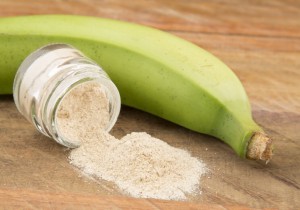
Green banana flour is slowly but steadily joining the superfoods wagon in India due to its numerous health benefits. It is made by drying unripe green bananas and grinding them to a fine powder.

It has a mild nutty taste and is very similar to wheat flour, thus making it an ideal replacement in gluten-free recipes. Since it has a high starch content it allows you to use less flour than required in your everyday recipes. So whenever it is used as an alternative to wheat flour, the quantity of banana flour to be used should be 30% less than the quantity of wheat flour mentioned in the recipe.

One of the primary reasons for the numerous benefits of green banana is the presence of resistant starch in it. Most starches are broken down by enzymes in our small intestine into sugar, which is then absorbed into the blood. However resistant starch is a type of starch that isn’t fully broken down. Instead, it gets fermented in the large intestine and produces short-chain fatty acids (SCFA).  SCFA are known to provide a host of benefits such as inhibiting the growth of pathogenic bacteria, promoting colon health, increasing nutrient circulation etc.

Resistant starch is only present in raw green banana. The ripe yellow ones have undergone the natural process of hydrolysis wherein their starch has gotten converted into sugar thus making them sweet to taste.

Some of the benefits of Green Banana flour are:

  1. Heart health: It is an excellent source of potassium which helps to control the electrical activity of the heart. It also helps lower cholesterol and aids nerve and muscle activity.
  2. Diabetic friendly: Since the young bananas are picked before they ripen, their sugar content never fully develops. Hence they are lower in natural sugars.
  3. Ideal for weight watchers: The resistant starch in green bananas slows the release of food through the gut. This slows the insulin response and prevents that sugar spike and consequent sugar crash. Thus, ensuring that we feel fuller for a longer period of time and avoid binging on unhealthy snacks in between meals.
  4. Aids in digestion: The high content of prebiotic fibre in banana flour helps to support the good bacteria present in the gut, bowel, and colon. This, in turn, promotes a healthy digestion and bowel movement.
  5. Inhibits the growth of pathogenic bacteria: RS II, (Resistant Starch subtype II) present in green banana flour, breaks down into short chain fatty acids & raises the pH level of the large intestine which creates adverse conditions for pathogenic bacteria while favouring the growth of beneficial bacteria.
  6. Increases absorption of minerals– especially calcium which can aid in preventing Osteoporosis.
  7. Promotes colon health: Resistant starch increases faecal bulking which promotes colon health and also acts as a re-hydrating agent for those suffering from diarrhoea
  8. High in essential minerals and vitamins including zinc, vitamin E, magnesium, and manganese
  9. Gluten Free: Ideal for those suffering from gluten intolerance especially since it behaves very similar to wheat flour and serves as an ideal replacement in wheat containing recipes.


** Banana flour is available in our GOQii Store 
 

July 9, 2018 By Jyoti Sawant 7 Comments

Confused about eating healthy? Follow these 13 Strategies to eat healthy

eat-healthy

Healthy eating is not about strict dietary limitations, staying unrealistically thin, or depriving yourself of the foods you love. Rather, it’s about feeling great, having more energy, and stabilizing your mood. There are loads of information and dietary advice floating out there where if an expert tells you that certain food is good for you, you’ll find another one saying exactly the opposite thus confusing you totally. But, let me give you some simple tips by which you can cut through the confusion and learn how to create a tasty, varied, and healthy food habit at work.

A healthy diet is good but, a key foundation for any healthy diet is moderation. What is moderation? In essence, it means eating only as much food as your body needs. You should feel satisfied at the end of a meal and not stuffed. Moderation is also about a balance of carbohydrates, protein, fat, fibre, vitamins, and minerals to sustain a healthy body.

  1. Simplify: Measure portion size and do not be concerned about counting calories. Think of your healthy meal in terms of colour, variety, and freshness. This way it should be easier to make a healthy choice. Focus on finding foods you love and easy recipes that incorporate a few fresh ingredients. Gradually, your food will become healthier and more delicious.
  2.  Start slow and make changes to your eating habits over time. Trying to make your food healthy overnight isn’t realistic or smart. Changing everything at once usually leads to cheating or giving up on your new eating plan. Make small steps, like adding a salad (full of different colour vegetables) to your daily routine once a day or switching from peanut butter to olive oil when cooking. As this small change becomes a habit, you can continue to add more healthy choices to your lifestyle.
  3. Every change you make matters. You don’t have to be perfect and you don’t have to completely eliminate the foods you enjoy in order to have a healthy diet. Your long-term goal should be to feel good, have more energy, and reduce the risk of lifestyle diseases. Don’t let your missteps derail you—every healthy food choice you make counts.
  4. Think Smaller Portions. Serving sizes have ballooned recently, particularly in restaurants. When dining out, choose a starter instead of an entire plate, split a dish with a friend, and don’t order supersized anything. At home, use smaller plates, think about serving sizes in realistic terms, and start small. In case you are not satisfied at the end of the meal try adding more leafy green vegetables or rounding off the meal with some fresh salad. Visual cues can help with portion sizes–your serving of Egg, fish, or chicken should be the size of a deck of cards and half a cup of mashed potato, rice, or pasta is about the size of the small bowl.
  5. Take time to chew your food and enjoy mealtimes. Chew your food slowly, savouring every bite. We tend to rush through our meals thereby forgetting to actually taste the flavours and feel the texture of our food. Reconnect with the joy of eating.
  6. Listen to your body. Ask yourself if you are really hungry, or have a glass of water to see if you are thirsty or hungry. During a meal, stop eating before you feel full. It actually takes a few minutes for your brain to tell your body that it has had enough food, so eat slowly.
  7. Eat breakfast, and eat smaller meals throughout the day. A healthy breakfast can jumpstart your metabolism, and eating small, healthy meals throughout the day (rather than the standard three large meals) keeps your energy up and your metabolism going.
  8. Avoid eating at night. Try to eat dinner earlier in the day and then fast for 10-12 hours until breakfast the next morning. These simple dietary adjustments such as eating only when you’re most active and giving your digestive system a long break each day will only help to regulate your weight. After-dinner snacks tend to be high in fat and calories, but some healthy options like mixed vegetable soup, salad, and buttermilk is good.
  9.  Most of us consume too much salt in our diets. Eating too much salt can cause high blood pressure and lead to other health problems. Try to limit sodium intake to 1,500 to 2,300 mg per day which is equivalent to one teaspoon of salt.
  10.  Avoid processed or pre-packaged foods. Processed foods like canned soups or frozen dinners contain hidden sodium that quickly surpasses the recommended limit.
  11.  Be careful when eating out. Most restaurant and fast food meals are loaded with sodium. Some offer lower-sodium choices or you can ask for your meal to be made without salt. Most gravy and sauces are loaded with salt, so ask for it to be served on the side. Opt for fresh or frozen vegetables instead of canned vegetables. Cut back on salty snacks such as potato chips, and nuts. Check labels and choose low-salt or reduced-sodium products, including breakfast cereals.
  12. Slowly reduce the salt in your diet to give your taste buds some time to adjust.
  13. Go high on Fibre – In general, the more natural and unprocessed the food, the higher it is in fibre. Good sources of fibre include whole grains, wheat cereals, barley, oatmeal, beans, nuts, vegetables such as carrots, celery, and tomatoes, and fruits such as apples, berries, citrus fruits, and pears—all the more reason to add more fruit and vegetables to your diet. There is no fibre in meat, dairy, or sugar. Refined or “white” foods, such as white bread, white rice, and pastries, have had all or most of their fibre removed. An easy way to add more fibre to your diet is to start your day with a whole grain cereal, such as Fibre-One or All-Bran, or by adding unprocessed wheat bran to your favourite cereal.

June 26, 2018 By Samar Hafeez 5 Comments

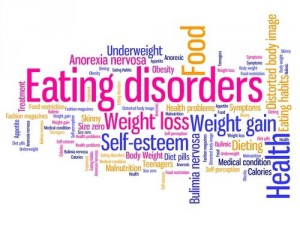
Know all about ‘Eating Disorders’

eating problms

DO YOU look in the mirror and pick yourself apart? Do you constantly worry about what and how you look?

Ask yourself, “What percentage of your time in a day you are preoccupied with thoughts regarding food, weight, and body image?”

If your answer is that you spend so much time with these concerns that it interferes with your happiness and daily functioning, then let me tell you that you may be having an Eating Disorder.!

What Is an Eating Disorder?

Eating Disorders are illnesses that cause serious disturbances in a person’s everyday diet. They are characterized by irregular eating habits which include inadequate or excessive food intake which can damage individual’s well-being.

In addition to abnormal eating patterns, there are severe distress or concern about body weight and shape. An Eating Disorder also includes your beliefs about food and how they impact your body.

Who Suffers From Eating Disorder?

Eating disorders can develop during any stage in life but typically it appears during teen years or young adulthood but, may also develop in childhood. It can affect both men and women, however, it’s more common in women.

Eating disorder when manifested at a young age can cause severe impairment in growth development, and overall mental and social well- being.

Let’s move on to knowing three most common types of Eating Disorders

ANOREXIA NERVOSA

The Term Anorexia Nervosa literally means “Lack of Appetite induced by Nervousness”

This is perhaps the best- known eating disorder. It causes its sufferers to excessively fear to be overweight and restrict their eating habits in an unhealthy, dangerous way which leads to a significantly low body weight.

Male and female suffering from Anorexia show following hallmarks

  • Extremely limited food intake
  • Obsessive intense fear of weight gain
  • Problems with body image (Unrealistic perception of the body) and a low self-esteem
  • Denial of low body weight

Overtime, the following symptoms may develop as the body goes into starvation

Physical symptoms

  • Menstrual cessation
  • Osteopenia or osteoporosis(Thinning of bones)
  • Anaemia
  • Fatigue
  • Brittle nail and hair
  • Skin dries and can take on a yellowish cast
  • Severe constipation, Low BP

Emotional and behavioural symptoms

  • Excessive/Compulsive exercising
  • Frequently skipping a meal or refusing to eat
  • Denial of hunger
  • Frequent checking in the mirror for ‘perceived’ flaws
  • Flat mood(Lack of emotion)
  • Low self-esteem
  • Irritability
  • Low sex drive

BULIMIA NERVOSA

The Greek word for Bulimia is BOULIMIA which means extreme hunger. Patients with bulimia nervosa eat frequently in a discrete period of time (example within any 2 hour period) they also have a sense of lack of control over eating during the episode.

They often consume thousands of calories that are high in sugars, carbohydrates and fats. They can eat rapidly, sometimes gulping food without even tasting it.

After a binge, they PURGE their bodies of food and calories they FEAR by using laxatives, enemas, diuretics, vomiting or by excessive exercise. People with Bulimia can be underweight, overweight or even obese.

Many people don’t know when a family member or friend has Bulimia nervosa because they almost always hide their binges but Bulimia nervosa does have symptoms that should raise red flags:-

Physical Symptoms

  • Chronically inflamed or a sore throat
  • Salivary glands in the neck and below jaw bone swollen; cheeks and face often become puffy
  • Tooth enamel wears off and begins to decay from exposure to stomach acids
  • Constant vomiting causes GERD (Gastro oesophagal reflux disease)
  • Laxative and Diuretic abuse cause kidney and intestinal problems
  • Frequent Severe dehydration from purging of fluids

Emotional and Behavioural symptoms

  • Negative/distorted self- image
  • Hoarding or hiding food
  • Social withdrawal
  • Extreme guilt and sadness
  • Excessive worry about body weight and shape

binge eating

BINGE EATING DISORDER

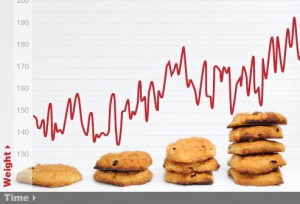
It is a form of compulsive OVEREATING. Sufferers feel a compulsion to eat large amounts of food and as though they cannot stop and UNLIKE PEOPLE WITH BULIMIA, THEY DO NOT TRY TO PURGE OR GET RID OF FOOD BY INDUCING VOMITING AND BY USING OTHER UNSAFE PRACTICES.

Symptoms are more or less similar to Bulimia nervosa except for purging and laxative abuse.

Binge eaters eat a large amount of food when not feeling physically hungry, binge eating episodes typically take place in private and can last for hours or a whole day. It is common for sufferers to feel distressed or guilty about their lack of control, it is this shame and guilt that can prevent a person from talking and seeking help.

CAUSES

Eating disorders are complex thus are influenced by a facet of factors. Though the exact cause is unknown, it is generally believed that a combination of biological, psychological, and/or environmental abnormalities contribute to the development.

Certain psychological, biological/genetic, and personality traits may predispose people to develop eating disorders.

However specific traits are linked to each of the disorders. People with Anorexia tend to be perfectionists and with bulimia and binge eating disorder impulsive nature is common. Hormonal irregularities and nutritional deficiencies can be among causes. As discussed earlier in this blog, negative body image, dissatisfaction with one’s body and low self-esteem can help build tendency towards abnormal eating patterns.

Among Socio-cultural factors, the media has the largest influence on people especially teens and young adults. The media pushes body image, clothes, fast food and weight loss with unrealistic results, the combination of all these lead teens and young adults down the road to eating disorders and a confusing self- image.

And on another side of continuum popular social media pages and videos with a variety of recipes and restaurants tempt people to eat more and more.

Other causes include disruptive thinking patterns and an inability to understand the healthy relationship between food and hunger, family dysfunctions and major life stressors/changes, negative emotions or traumas such as rape, childhood sexual abuse or death of loved ones can also trigger eating disorders.

Even a happy event, such as giving birth can lead to an eating disorder because of the stressful impact of the event on an individual’s new role and body image.

IMPORTANCE OF TREATMENT

Eating disorder untreated can have serious consequences like Malnutrition, stunted growth, osteoporosis, reduced metabolic rate, critically low blood pressure, serious heart, kidney and liver damages, obesity, diabetes (TYPE 1 AND 2), depression, anxiety, obsessive-compulsive disorder and substance abuse, cardiac arrests and even death!

Remember, the sooner the treatment starts, the better it is. The longer abnormal eating patterns continue the more deeply ingrained they become and more difficult to treat.

EFFECTIVE TREATMENT METHODS

  • PSYCHOTHERAPY
    • Cognitive Behaviour Therapy is a therapy focussing on the beliefs, values, maladaptive cognitive processes and negative emotions which are associated with meaning of weight, shape and appearance, it aims at reducing destructive eating patterns and restoring a healthy relationship with food. Psychologists identify important issues associated with causes of destructive eating habits and develop CBT plan respectively.
    • Dialectical Behavioural Therapy is a form of psychotherapy that helps to cope with painful emotions. The focus is on individuals who react to emotional circumstances with extreme behaviours. Weekly sessions help a person with Eating disorder practice mindful eating, distress tolerance and emotional regulation which focus on identifying barriers to changing emotions to constructive ones and to increase positive emotional events.
    • Incorporating Family, Group and Marital Therapy: This can be helpful in addressing the underlying causes of eating disorders and help prevent relapses by resolving interpersonal issues which are related to eating disorders.
  • Nutritional Counselling: This would involve a nutritionist’s guiding plan through weight restoration and stabilization, guidance for normal eating by keeping a food journal which includes type of food, amount, benefits, feelings thoughts associated with intake of food and drink, it also includes which binge foods are to be avoided. The inclusion of individualized meal plans for specific patients to improve nutritional intake is created.
  • Medication: Some patients with Bulimia Nervosa benefit from placebo or anti- depressants. But, medication should always be paired with psychotherapy and nutritional counselling.

A holistic approach involving all above methods/ways with an experienced team of caregivers and healthcare professionals can help patients suffering from eating disorder regain control of their eating behaviour and their lives!

Good Health is more than just being free from disease or injury. A healthy lifestyle helps you feel good, have a vibrant energy and maintain a positive outlook on life thereby contributing to your physical, mental, social well- being. Your mental health is as important as physical health and work hand-and-hand. Letting go of your eating disorder is one of many ways to move towards good health!


June 4, 2018 By Trishala Chopra 3 Comments

Know about your gut health! –Part 1

Gut health word cloud on a white background.

                                                        “All diseases begin in your gut”-Hippocrates

Why is it that we pay attention towards our digestion only when something goes wrong? Oxford dictionary defines,‘digestion’ as the person’s ability to digest the food. There is a whole physiology behind how the digestion takes place?  But, what is more, important is, maintaining a good digestive health!

          Have you heard about probiotics and prebiotics?

Probiotics are live bacteria which are good for health! I recently had a query where a person asked me bacteria is supposed to be harmful then how is it that you term this as good for health?   This is when I started researching the world of bacteria to understand more and also be able to make others understand the goodness of bacteria.

Whenever you have stomach upset, curd rice is something which is always preferred. Curd rice is old-time grandma’s remedy. Have you ever wondered why curd is recommended? Well, curd has live bacteria which helps in settling your gut which helps in improving the stomach upset!

There are different types of microbes which work in different ways, some are good for the gut and some are not. These microbes together are termed as MICROBIOME.

Now let’s get into the depth of the topic!

Microbes are brilliant chemists which take up a small thing from our body and convert them into chemicals which are sometimes used for our body and sometimes they are not.

Gut-Bacteria

 Healthy and unhealthy microbes

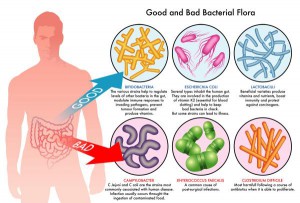
Healthy Microbes:

        1. Firmicutes

         * Firmicutes are microbes which are used in the fermentation of beer and wine.

* Firmicutes help in clearing up the toxic wastes

* These microbes are found in your gut and its main function in the gut is to help in digestion of fats in your diet.

  1. Bacteroidetes
  • Bacteroidetes helps in maintaining the lean body and helps in reducing the inflammation in the gut.
  • They help in regulating immune responses which protects you against the autoimmune diseases (Autoimmune means body starts attacking its own cells)
  • Bacteroidetes helps in breaking down of undigested fibre which we obtain from vegetables.
  1. Akkermansia
  • Akkermansia is a rare type of microbes found in the gut,
  • They don’t live on food remains.
  • They live on mucus which is a slimy substance that is secreted by the gut lining to protect itself.
  • It helps in reducing inflammation, so the count of akkermansia should be higher in your gut.
  1. Christensenella

      *  This bacteria is inherited from your mother.

  • This bacteria helps in keeping your body lean in spite of poor diets.
  1. Lactobacillus

 This bacteria helps in lining your intestine to protect against harmful microbes.

  • It also helps in protecting the intestine from a fungal infection, heard about candida albicans?
  • Lactobacillus works like a pesticide on these pathogens.
  • Lactobacillus count in your gut will go down if you are on antibiotics which is why I always prescribe probiotics and prebiotics with lactobacillus with an antibiotic course.
  • It is a very popular probiotic!
  1. Bifidobacterium 
  • Bifidobacterium helps in breaking down the indigestible fibre in the body and also protects your intestines against harmful microbes.
  • This bacteria is inherited in you from your mother’s breast milk.
  • It is a very popular probiotic!

Unhealthy Microbes:

As I had mentioned earlier, if there are some microbes which can help in maintaining the gut health then there are many microbes which help in creating gut problems!

Let’s talk about the unhealthiest microbes:

  1. Campylobacter
  • Campylobacter is a very common cause of food poisoning with symptoms of abdominal pain, severe diarrhoea, and vomiting.
  • Campylobacter is strong enough to be one of the reasons for miscarriage in women.
  • This harmful bacteria is found in raw chicken available in the supermarkets.
  • The most common mistake we do is washing the chicken thoroughly before cooking it. This makes the bacteria spread everywhere. The best technique is to rinse it with water from the top and cook it properly.
  1. E. coli
  • Not every E.coli is harmful but there are some strains which can cause severe anaemia. They are also one of the leading causes of UTI (Urinary Tract Infections)
  • coli in the gut mostly comes from uncooked meat. Catching it up from a raw milk is also quite common.
  1. Salmonella
  • Another common cause of food poisoning induced diarrhoea and stomach cramps are salmonella.
  • You will start getting the symptoms within 72 hours after swallowing this unhealthy bacteria and it can last up to a week.
  • Sometimes the food poisoning gets critical and hospitalization is required to recover from extreme dehydration caused by diarrhoea.
  • I am sure you must have heard about Salmonella typhi which causes typhoid which can be fatal if left untreated.
  1. Clostridium difficile

 This bacteria is always found in abundance in your gut lining which causes minor infections. If these minor infections flare up and start to give you symptoms, your doctor will give you a list of antibiotics to get rid of it. Because your healthy microbiome cannot cope up with those antibiotics, they are swiped out of the body which gives a chance to Clostridium difficile to capture all the gut space.

  • Clostridium difficile is a very antibiotic resistant bacteria so it’s not very easy for antibiotics to swipe this off.
  • Symptoms like watery stools, fever, and abdominal pain are common because of C.difficile flaring up.

Functions of healthy microbiome :

  • It helps in regulating your body weight. Microbes can actually decide how much energy your body extracts from different types of food you eat. If you are unable to lose weight, one of the main reasons could be unhealthy microbiome.
  • The microbiome helps in regulating your immune system. There was a research which proved that healthy microbiome helps in reducing the occurrence of cold and cough episodes. It also helps in reducing the inflammation of the body.
  • The microbiome helps in taking the bits of food which our body cannot digest and it actually converts them in hormone and chemicals.

How to make your healthy microbiome diverse in your body?

  • Please avoid antibiotics as much as you can because a week of antibiotic course can destroy your healthy microbiome for 3 weeks.
  • Increase your outdoor activities, try to open your house windows. It helps in increasing the diversity of healthy microbes
  • Include different types of seasonal fruits and vegetables in the diet.
  • Try to connect with nature whenever you can. Put your hands into the soil. This connects your body to healthy microbiomes.
  • Include foods rich in different healthy microbiomes as mentioned above.

Foods that nourish your gut:

  (1). Olive oil

  • Healthiest fats.
  • Rich in polyphenols and antioxidants which helps in reducing the inflammation.
  • Extra virgin olive oil is good to try!

   (2)  Oily fish

  • Rich in good fats, omega 3
  • Anti-inflammatory benefits
  • Fish oil capsules available in the market are not as good as eating fish because of the poor quality. It might not give you the same effect as oily fish.

   (3) Cocoa

  • Excellent source of flavonoids and polyphenols which helps in increasing the population of healthy gut bacteria!
  • It’s good for your cardiovascular system.
  • Always go for raw cocoa powder.

  (4) Wine

  • Polyphenols are chemicals which are found in tea, coffee, wine, fruits, vegetables and dark chocolates. When you eat any of these foods, half of it passes through the small intestine to the large intestine where it is extremely beneficial to increase the population of healthy microbes.
  • Red wine helps in reducing the inflammation in your body.

PS: I normally get this question that how do you know about inflammation in your body? Well, there is a blood test which is most commonly done called as CRP- C reactive protein which gives you an idea of the levels of inflammation in your body. Research has shown that consumption of anti-inflammatory foods reduces inflammation by 45% in the body.

(5) Turmeric

  • Turmeric is a gut-friendly spice. There are other herbs and spices like thyme, oregano, basil, ginger, cumin which are having anti-inflammatory benefits but turmeric works in increasing the population of healthy microbes,
  • The best way to consume turmeric for gut health is 1 tsp of turmeric with ½ tsp of honey in 150 ml of lukewarm water before bed.
  • An active component of curcumin is also available in capsule form but make sure about the quality of curcumin used to prepare the product is genuine.

 Foods to avoid for better gut health:

 Sugar

  • Sugar is cheap which has an excellent addictive effect.
  • It increases the cravings for particular food which encourages the growth of unhealthy microbes in the guts. All these unhealthy microbes need more sugar to survive which increases the population of unhealthy microbes in the gut and decreases healthy microbes!

    (2) Artificial sweeteners

  • They have a huge impact on your body, especially on your gut. It depletes the population of akkermansia (The healthy microbe which I have mentioned above!).
  • Addition of probiotics with artificial sweeteners might not give the required effect!

    (3) Monosodium glutamate (MSG)

  • MSG or monosodium glutamate works as a leptin blocker. Leptin is a hormone which tells your brain “I am full”. That’s how you crave more foods which have MSG!

My next upcoming article will cover different probiotic and prebiotic sources, how to choose your probiotics and gut-friendly recipes!

To be continued……..

  • « Previous Page
  • 1
  • …
  • 24
  • 25
  • 26
  • 27
  • 28
  • …
  • 31
  • Next Page »

Search

Recent Posts

  • Water Intake Pre, During and Post Workout
  • India Leads in Longevity: GOQii Sanjeevini Named Top 40 in $101M XPRIZE
  • The Importance Of Knowing If You’re Thirsty Or Hungry
  • Best Foods To Alleviate Irritable Bowel Syndrome
  • ALL ABOUT VERTIGO!

Stay Updated

Archives

  • December 2025 (9)
  • November 2025 (15)
  • October 2025 (20)
  • September 2025 (6)
  • August 2025 (6)
  • July 2025 (12)
  • June 2025 (18)
  • May 2025 (16)
  • April 2025 (23)
  • March 2025 (23)
  • February 2025 (22)
  • January 2025 (26)
  • December 2024 (26)
  • November 2024 (25)
  • October 2024 (22)
  • September 2024 (24)
  • August 2024 (31)
  • July 2024 (21)
  • June 2024 (26)
  • May 2024 (31)
  • April 2024 (27)
  • March 2024 (29)
  • February 2024 (26)
  • January 2024 (25)
  • December 2023 (15)
  • November 2023 (11)
  • October 2023 (20)
  • September 2023 (22)
  • August 2023 (20)
  • July 2023 (22)
  • June 2023 (24)
  • May 2023 (24)
  • April 2023 (24)
  • March 2023 (23)
  • February 2023 (20)
  • January 2023 (16)
  • December 2022 (12)
  • November 2022 (15)
  • October 2022 (15)
  • September 2022 (12)
  • August 2022 (10)
  • July 2022 (17)
  • June 2022 (11)
  • May 2022 (10)
  • April 2022 (6)
  • March 2022 (6)
  • February 2022 (13)
  • January 2022 (12)
  • December 2021 (7)
  • November 2021 (3)
  • October 2021 (6)
  • September 2021 (3)
  • August 2021 (8)
  • July 2021 (7)
  • June 2021 (15)
  • May 2021 (16)
  • April 2021 (10)
  • March 2021 (7)
  • February 2021 (4)
  • January 2021 (4)
  • December 2020 (3)
  • November 2020 (4)
  • October 2020 (10)
  • September 2020 (3)
  • August 2020 (3)
  • July 2020 (2)
  • June 2020 (4)
  • May 2020 (10)
  • April 2020 (12)
  • March 2020 (10)
  • February 2020 (4)
  • January 2020 (4)
  • December 2019 (3)
  • November 2019 (7)
  • October 2019 (5)
  • September 2019 (4)
  • August 2019 (9)
  • July 2019 (9)
  • June 2019 (11)
  • May 2019 (4)
  • April 2019 (9)
  • March 2019 (8)
  • February 2019 (9)
  • January 2019 (8)
  • December 2018 (9)
  • November 2018 (3)
  • October 2018 (3)
  • September 2018 (5)
  • August 2018 (10)
  • July 2018 (6)
  • June 2018 (13)
  • May 2018 (8)
  • April 2018 (18)
  • March 2018 (9)
  • February 2018 (8)
  • January 2018 (15)
  • December 2017 (12)
  • November 2017 (19)
  • October 2017 (13)
  • September 2017 (15)
  • August 2017 (4)
  • July 2017 (8)
  • June 2017 (7)
  • May 2017 (6)
  • April 2017 (8)
  • March 2017 (6)
  • February 2017 (7)
  • January 2017 (9)
  • December 2016 (10)
  • November 2016 (7)
  • October 2016 (7)
  • September 2016 (7)
  • August 2016 (11)
  • July 2016 (9)
  • June 2016 (9)
  • May 2016 (12)
  • April 2016 (17)
  • March 2016 (17)
  • February 2016 (8)
  • January 2016 (6)
  • December 2015 (2)
  • November 2015 (9)
  • October 2015 (7)
  • September 2015 (9)
  • August 2015 (11)
  • July 2015 (9)
  • June 2015 (12)
  • May 2015 (9)
  • April 2015 (13)
  • March 2015 (8)
  • February 2015 (5)
  • January 2015 (12)
  • December 2014 (14)
  • November 2014 (11)
  • October 2014 (6)
  • September 2014 (13)
  • August 2014 (12)
  • July 2014 (6)
  • June 2014 (2)
  • May 2014 (7)
  • April 2014 (5)

From “Laddu Nawin” to Fit and Fierce: How a 25-Year-Old Insurance Advisor Shed 20 Kilos and Gained His Life Back

When 25-year-old Nawin Yadav from Hyderabad walked into his office every morning, he carried more than just his files and policy papers. He had the weight of fatigue, sluggish energy, and an ever-growing belly that was becoming the butt of jokes. “People … [Read More...]

“I’ve Challenged Myself to Live 100 Years” – The Story of Chandubhai Savani’s Second Chance at Life

At 67, most people start slowing down. Not Chandubhai Savani. A resident of Surat, Chandubhai, thought life was on track. “My life was going well till I had my bypass surgery,” he says. That surgery, back in 2021, was a wake-up call.  Medication was routine, but exercise wasn’t. His diet? What he calls ‘normal.’ “I […]

From Shimla’s Slopes to Chandigarh’s Sidewalks: Surinder Kaur Bhalla’s Journey from Chaos to Control

Some journeys start with a plan. Others begin with a stumble literally. Surinder Bhalla, a government professional, born and raised in the scenic hill town of Shimla, had always lived a life of movement. “In Shimla, you walked everywhere,” she reflects. “Walking was never an exercise. It was just life.” But after shifting to Chandigarh, […]

Ananda Mukherjee Health Story

From Terminal Illness To Complete Wellness! Ananda Mukherjee Health Story

As we observe World Cancer Day under the powerful theme ‘United by Unique’ (2025-2027)**, we are reminded that every individual’s journey with cancer is distinct, yet united by shared resilience, hope, and the collective fight against this disease. This theme places people at the centre of care and their stories at the heart of the […]

  • HOME
  • HEALTHY LIVING
  • FITNESS
  • HEALTHY RECIPES
  • USER STORIES
  • KARMA
  • BUY GOQii

Copyright ©2016 GOQii