 We all want to lose fat — but when it comes to taking action, the usual excuses show up:
“No time!”
“Too hard!”
“Same routine gets boring!”
It’s time to ditch the excuses and ignite your fitness with a workout that’s quick, dynamic, and highly effective — Interval Training.
What Is Interval Training?
Interval training is a style of workout that alternates bursts of high-intensity effort with periods of lower-intensity recovery. This method pushes your cardiovascular system to work harder in short intervals, burning more calories in less time compared to steady-state exercise.
Think of it as a cardio blast with rest built in — making it manageable yet highly effective.
How Does It Work?

When you alternate intensity during exercise, it creates what’s known as “muscle confusion” — your body doesn’t get used to a single pace. Here’s what happens:
- Your heart rate increases rapidly
- More oxygen is delivered to your muscles
- Fat combustion improves significantly in the presence of oxygen
Think of it like this: just as a candle stops burning when you cut off oxygen, fat burn requires oxygen too. Interval training enhances oxygen supply and boosts fat oxidation — making it a favourite in fat loss routines.
Examples of Interval Training You Can Try
You can apply interval training to almost any type of physical activity. Here are a few easy ways to begin:
| Activity | Interval Format |
| Walking | Walk fast for 2 minutes, then slow for 1 minute — repeat |
| Running | Run for 2 minutes, walk for 1 minute — repeat |
| Swimming | Alternate fast laps with slow-paced strokes |
| Cycling | Sprint on your bike for 30 seconds, then pedal slowly for 1 minute |
| Strength Exercises (e.g. Tabata) | 20 seconds of intense work, 10 seconds rest, repeated 8 times per round |
You can also use interval training for dance workouts, skipping, stairs, HIIT circuits, and more. The options are endless — and you set the pace based on your fitness level.
Key Guidelines for Safe and Effective Interval Training
- ✅ Warm up for at least 5–10 minutes before starting
- ✅ Push yourself beyond your comfort zone during high-intensity bursts
- ✅ Cool down and stretch after every session
- 🚫 Avoid if you have chronic conditions (e.g., uncontrolled hypertension, cardiovascular illness) — check with your doctor first
- 🧘 Start slow if you’re new to exercise — begin with steady-state cardio for a few weeks before adding intervals
💡 Tip: Once a week is a great way to begin integrating interval training into your routine. As your fitness improves, increase frequency or intensity gradually.
Interval training is one of the most time-efficient ways to burn fat, improve stamina, and keep workouts exciting. No more excuses — just smarter workouts.
So, lace up your shoes, pick your activity, and start torching fat one interval at a time.
Disclaimer: If you have any medical conditions or haven’t exercised in a while, consult your physician or a certified trainer before beginning interval training.
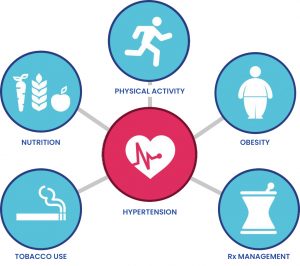
 High blood pressure—also known as hypertension—affects millions of people around the world. Often called the “silent killer,” it usually has no obvious symptoms but significantly raises your risk of heart disease, stroke, and kidney issues if left unchecked.
 Obesity is often seen as just a number on the scales, but in reality, it’s far more than that. It’s a complex health condition that affects every aspect of your well-being, from your heart to your mental health. In a world where fast food is abundant, sedentary lifestyles are the norm, and stress levels are constantly high, obesity has become a growing global concern.
 I can’t count how many times in my 12 years of medical practice a patient with just a headache has eventually been diagnosed with high blood pressure (hypertension). Whenever a patient complains of a headache, I always make it a point to check their blood pressure (BP), as it is a very common symptom of fluctuating BP. This often presents around the temples but can also be felt at the back of the head (occipital region).
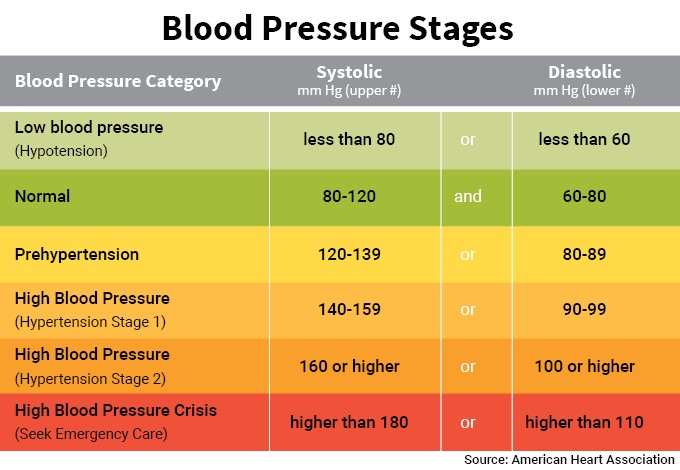 Signs & Symptoms of Hypertension