GOQii

Blog

  • HOME
  • HEALTHY LIVING
  • FITNESS
  • HEALTHY RECIPES
  • USER STORIES
  • KARMA
  • BUY GOQii

Search Results for: stress

May 7, 2025 By GOQii Leave a Comment

Good Carbohydrates for Managing Diabetes

good carbohydratesDiabetes may be a lifelong condition, but with the right lifestyle changes, it can be managed and in some cases, even reversed. One of the most powerful changes you can make is to your diet.

Many people believe carbohydrates are the enemy and should be avoided completely. But that’s not true. Carbohydrates are an essential part of your diet it’s about choosing the right kind.

Two Types of Carbohydrates You Should Know

Type Description Impact
Simple Carbs Found in white bread, sugary drinks, sweets, and juices Broken down quickly, causing a rapid rise in blood sugar
Complex Carbs Found in whole grains, beans, vegetables, and fruits Digested slowly, causing a steady and gentle rise in blood sugar

The key is not to cut out carbs, but to choose complex, fibre-rich carbohydrates that support stable blood sugar and better health.

Diabetes-Friendly Carbohydrates to Include

You can confidently enjoy the following in moderate portions:

  • Fruits – Prefer whole fruits like apples, guavas, pears, cherries, and berries
  • Vegetables – Especially non-starchy types like spinach, cucumbers, okra, zucchini
  • Whole Grains – Brown rice, oats, whole wheat, barley, Jareesh, and Bulgur
  • Beans & Pulses – Lentils, Chickpeas, Fava Beans
  • Nuts & Seeds – Almonds, walnuts, flaxseeds, sunflower seeds

How to Add Good Carbs to Your Day

Here are some practical swaps and additions that fit right into Saudi meals:

Tip What to Do
Swap Your Bread Replace white khubz with whole wheat or multigrain varieties
Switch Up Your Rice Choose brown rice or mix with quinoa or Jareesh for better fibre
Bulk Up Your Stews Add more vegetables to dishes like salona or edam
Enjoy Traditional Salads Include Tabbouleh or a fresh green salad daily
Boost Your Salads Add boiled chickpeas, lentils, nuts, or mixed seeds for added fibre and protein
Snack Smart A small portion of dates with nuts, or fruit with a spoon of yoghurt, can be balanced snacks

It’s Not Just About Diet

Managing diabetes involves a full lifestyle approach:

  • 🏃 Stay physically active – even 30 minutes of walking helps
  • 🧘 Manage stress – through prayer, reflection, or breathing exercises
  • 🚭 Avoid smoking – it worsens insulin resistance
  • 🛏️ Prioritise good sleep – it’s essential for blood sugar control

If you’ve completely cut out carbs, it’s time to reintroduce the right ones in healthy, controlled portions.

Before making any dietary changes, consult your doctor or a licensed dietitian. Everyone’s body responds differently, and personalised guidance is essential.

If this article helped you, share it with your family and friends. Good health is better when shared.

#BeTheForce

Disclaimer: The information provided in this blog is for general awareness and educational purposes only. It is not intended to replace professional medical advice, diagnosis, or treatment. Always consult a qualified healthcare provider for personalised medical guidance or concerns related to your health. Images shown are for representation purposes only and may not depict the exact recommendations or outcomes.

April 24, 2025 By GOQii Leave a Comment

Nature’s Secret Prescription: How the Outdoors Can Help ADHD Minds Thrive

If you’re an adult living with ADHD, chances are your mind is constantly juggling a thousand tabs—emails, reminders, missed appointments, forgotten tasks. Your brain feels like a web browser that never quite shuts down.

While medication, therapy, and structured routines offer essential support, there’s one tool often overlooked in the ADHD toolkit: the great outdoors.

Yes, that patch of green outside your window—or a short drive away—might be doing more for your brain than you realise.

Why Nature Works: The Science Behind It

Living with ADHD often means contending with mental fatigue, distraction, restlessness, and emotional highs and lows. But spending time in natural environments—parks, forests, beaches, even your garden—can be a powerful, non-invasive way to reset your mental state.

  1. Nature Gently Restores Attention

Unlike urban life—filled with traffic, screens, and endless stimuli—nature places few demands on your attention. It gently draws you in with the sway of trees, birdsong, or the crunch of leaves underfoot.

This phenomenon is known as Attention Restoration Theory, and the results are compelling:

  • Reduced mental fatigue
  • Improved concentration
  • Replenished cognitive energy

Several studies show that even a short walk in the park can significantly boost focus—especially in individuals with ADHD.

  1. It’s a Natural Mood Stabiliser

ADHD isn’t just about attention—it often comes with stress, anxiety, and mood swings. Spending time in green spaces helps regulate emotions and bring a restless mind to calm.

  • Lower cortisol (stress hormone) levels
  • Improved emotional regulation
  • Elevated mood from sunlight and fresh air

Sunlight also triggers vitamin D production, and exposure to green spaces increases negative air ions, which may help boost serotonin. The result? You feel lighter, calmer, and more grounded.

  1. Move Your Body, Fuel Your Brain

Spending time outdoors often involves movement— whether it’s walking, gardening, cycling, or hiking—and physical activity is a game-changer for ADHD minds.

  • Exercise boosts dopamine and noradrenaline—key neurotransmitters that support focus
  • Enhances memory and executive function
  • Improves sleep quality, which in turn sharpens attention

Even a light stroll through your local park can be as mentally refreshing as it is physically beneficial.

  1. It’s Brain Food—Without the Calories

Research shows that time spent in nature positively impacts brain areas responsible for emotional regulation, focus, and problem-solving.

  • Sharper thinking
  • Better emotional balance
  • Increased creativity and reflection

Think of nature as a low-cost, high-return spa for your brain.

Try These Simple Nature Habits

Not sure where to begin? You don’t need to climb a mountain or spend a day in the woods. Small, consistent exposure to nature is all it takes:

  • Take a 15-minute walk in a park after lunch
  • Start your morning with tea on the balcony or in the garden
  • Work near a window with a view of greenery
  • Choose a green route for your walk or commute
  • Create a small indoor plant corner—or get your hands dirty in the garden

💡 Remember: It’s about consistency, not intensity. Let nature become a daily ritual—like taking your multivitamin or doing your stretches.

Nature Is More Than a Backdrop—It’s Therapy

For adults with ADHD, nature offers more than just a pretty view. It delivers restorative focus, emotional calm, mental clarity, and improved brain health.

At a time when our lives are ruled by devices, deadlines, and digital noise, stepping outdoors might just be the most natural and effective reset your mind needs.

So next time your thoughts feel scattered, your to-do list never ends, or your focus is waning…
Pause. Breathe. Step outside.

#BeTheForce

Disclaimer: This blog is for informational purposes only and is not a substitute for professional medical advice, diagnosis, or treatment. Please consult a doctor for personalised guidance and recommendations related to ADHD.

April 22, 2025 By Hardika Vira 5 Comments

Common Reasons For Not Losing Belly Fat

Commons Reasons For Not Losing Belly FatBelly fat is not accumulated in a day or two. It takes several weeks and months of unhealthy eating and lifestyle to build it. When people finally decide to lose belly fat, the first thing they wonder is ‘Why am I not losing belly fat even after exercising so much and cutting down on junk food?’ There are several reasons for it.

Reasons Why You’re Not Losing Belly Fat

Here are a few common reasons why most individuals find it difficult to lose belly fat.

1. Eating Heavy Meals At One Time
Most people struggling with losing belly fat and weight loss are the ones who tend to have too much food at one time. The reason for this is largely either long gaps between the meals or skipping previous meal or if the person consumes food very fast. How is this related to belly fat?

When a person consumes food, it gets broken down to release/provide energy. Firstly, it will fill in the glycogen stores and then the excess calories that are not used up with good physical activity get converted into fats and the most common sites of fat storage is the belly, arms, thighs and buttocks.

When you are having food, only post 20-25 mins of eating, the satiety centers in the brain are activated and you feel full and satisfied. When you eat fast the satiety centers of the brain are not activated and you end up eating more. Small frequent meals and chewing your food thoroughly and eating mindfully is the key to control food portion.

2. Dinner Meals Are High In Carbs & High In Quantity
Due to a hectic schedule, the only meal that we have together with the family turns out to be ‘dinner’ and in turn, it ends up to be the largest meal with a variety of food that the entire family enjoys. Ideally, dinners should be light and should be high in proteins and less in carbs. This is actually vice versa of what is generally practiced.

The reason for the dinners to be light and high in proteins and less in carbs is that post dinner, we are not that active. Hence, there’s no real requirement of all the carbs for energy. The process of recovery of all the muscles that are used up throughout the day, the repairing of all the wear and tear happens during the night and that requires proteins, not carbs.

3. Physical & Mental Stress
This is only with regards to people who are excessively obsessed with exercise to lose belly fat. Excessive exercise leads to physical stress and thus, high cortisol levels. In case of mental stress, you might have noticed that the first thing you would choose is chocolates/ice creams or any comfort foods that are high in sugar or carbs for that matter. At this point of stress, the food gets broken down and is converted to fat and stored in your belly area. Exercise in moderation and keep yourself stress free by indulging in some yoga and meditation or your hobbies.

4. Consumption Of Processed Food
Do you have the habit of reading labels? Do pick one product that you eat the most and read the label today. Most of the processed or ready to eat food products are high in sugar, fat or refined carbs. They are extremely low in fiber as well. Even the fiber enriched product gives less than 2gm of fiber per serving. Read labels and choose wisely. The best solution here is to eat homemade food or you can try some variations to increase fiber intake by incorporating more veggies/fruits along with the main product.

5. Aerated Drinks
Products containing HFCS (High Fructose Corn syrup) or liquid glucose, that are present in all the aerated drinks like Cola, flavored sugar syrups, etc. do not get metabolized and are stored in the belly as fat, which is really tough to get rid off through just activities. Instead, opt for buttermilk, lemon water, coconut water, and fresh lime soda (salted) over the above drinks.

We hope this article helps you make better choices and avoid these common reasons for not losing belly fat.

#BeTheForce

Disclaimer: The information provided in this blog is for general awareness and educational purposes only. It is not intended to replace professional medical advice, diagnosis, or treatment. Always consult a qualified healthcare provider for personalised medical guidance or concerns related to your health.

April 21, 2025 By Arooshi Garg Leave a Comment

Improve your immunity with yoga

Interesting facts about yogaOur immune system is constantly working behind the scenes to protect us from illness and infection. But sometimes, it needs a little help. The good news? Yoga can offer that support. Practised regularly, specific yoga poses not only strengthen the body but also stimulate the physiological systems closely linked to immunity—such as the digestive, circulatory, endocrine, and nervous systems.


Let’s explore how yoga can enhance your immunity and the simple poses you can start with today.

How Yoga supports immunity?

  • Stimulates key systems: Yoga activates the digestive, circulatory, endocrine, and nervous systems—each crucial for immune function.
  • Improves detoxification and oxygenation: It boosts lymphatic circulation, helping your body remove toxins more efficiently.
  • Balances body chemistry: Through stimulation of glands like the thymus and thyroid.
  • Reduces stress and fatigue: Chronic stress compromises immunity—yoga counters this by calming the mind and body.
  • Supports digestion: Better digestion leads to improved nutrient absorption and toxin elimination.
  1. Legs Up The Wall (Viparita Karani)

legs-up-the-wall-pose-viparita-karani

This gentle inversion helps drain lymphatic fluid, refresh tired legs, and ease tension in the lower back.

How to do it:

  • Sit side-on to a wall and swing your legs up as you lie back.
  • Adjust your hips closer to the wall for comfort.
  • Rest your arms by your side or on your belly.
  • Stay for 5–10 minutes, breathing slowly and deeply.

Benefits:

  • Reduces swelling and fatigue
  • Aids circulation and relaxation
  • Calms the nervous system

Avoid if you have: Glaucoma, hernia, hypertension, or serious cardiac issues.

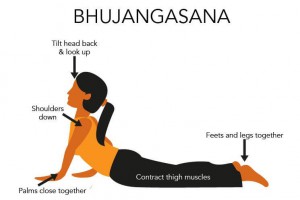
  1. Cobra Pose (Bhujangasana)

Bhujangasana-2

A gentle backbend that stimulates the thymus gland—boosting T-cell production and improving immune response.

How to do it:

  • Lie on your stomach, hands beneath your shoulders.
  • Press into your palms as you lift your chest, engaging your core.
  • Keep your elbows close and neck neutral.
  • Hold for a few breaths, then release.

Benefits:

  • Strengthens the back and spine
  • Improves breathing capacity

Boosts circulation and energy

Precautions: Common postural errors during this asana include overarching the neck and lower back. One recommendation is to keep the gaze directed down at the floor and focus on bringing movement into the area between the shoulder blades (the thoracic area, or middle back).

  1. Fish Pose (Matsyasana)

Fishpose-3

This heart-opening posture supports lung health and stimulates the immune-regulating thymus gland.

How to do it:

  • Lie on your back and prop yourself up on your elbows.
  • Gently arch your back and allow the crown of your head to rest lightly on the mat.
  • Breathe deeply and hold for 30 seconds to a minute.

Benefits:

  • Enhances respiratory health
  • Releases chest and sinus congestion

Improves digestion and spinal mobility

  1. Downward Dog Asana (Urdhav Mukha Svanasana)

Adho Mukha Svanasana-4 - Copy

This classic pose energises the body, stretches key muscles, and improves blood flow—especially to the head and sinuses.

How to do it:

  • Start on all fours.
  • Tuck your toes and lift your hips, forming an inverted “V”.
  • Keep your spine long, arms strong, and heels reaching towards the floor.

Benefits:

  • Strengthens the whole body
  • Drains sinuses and boosts immunity
  • Calms the mind and relieves fatigue
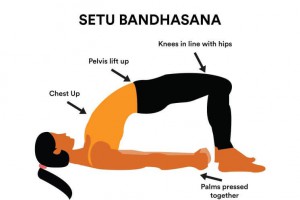
  1. Bridge Pose (Setu Bandhasana)

setu -5

This restorative backbend opens the chest, massages the spine, and relieves stress and tension.

How to do it:

  • Lie on your back, knees bent, feet hip-width apart.
  • Press your feet into the floor and lift your hips.
  • Clasp your hands under your back and roll onto your shoulders.
  • Hold for 30 seconds to 1 minute.

Benefits:

  • Stimulates the lungs and thyroid gland
  • Relieves anxiety and fatigue
  • Encourages spinal flexibility

Yoga is more than physical movement—it’s a tool for resilience. Regular practice can support immunity not only by enhancing the body’s natural defences but also by calming the mind and easing stress, both of which are critical for immune health.

That said, if you have an existing medical condition, are recovering from illness, or are new to yoga, please consult your doctor before beginning any new exercise routine—especially if you’re unsure whether certain poses are safe for you.

Start small. Choose one or two poses that resonate with you and practise them daily. Over time, you’ll feel stronger, calmer, and better equipped to handle whatever life throws your way.

#BeTheForce

Disclaimer: The information provided in this blog is for general awareness and educational purposes only. It is not intended to replace professional medical advice, diagnosis, or treatment. Always consult a qualified healthcare provider for personalised medical guidance or concerns related to your health.

  • « Previous Page
  • 1
  • …
  • 14
  • 15
  • 16
  • 17
  • 18
  • …
  • 143
  • Next Page »

Search

Recent Posts

  • Best Foods To Alleviate Irritable Bowel Syndrome
  • ALL ABOUT VERTIGO!
  • PCOS and Anxiety: Discover Relief with the 54321 Technique
  • Navigating the Maze of Nutrition: Finding Clarity Amidst Confusion
  • Get children active and keep them healthy

Stay Updated

Archives

  • December 2025 (6)
  • November 2025 (15)
  • October 2025 (20)
  • September 2025 (6)
  • August 2025 (6)
  • July 2025 (12)
  • June 2025 (18)
  • May 2025 (16)
  • April 2025 (23)
  • March 2025 (23)
  • February 2025 (22)
  • January 2025 (26)
  • December 2024 (26)
  • November 2024 (25)
  • October 2024 (22)
  • September 2024 (24)
  • August 2024 (31)
  • July 2024 (21)
  • June 2024 (26)
  • May 2024 (31)
  • April 2024 (27)
  • March 2024 (29)
  • February 2024 (26)
  • January 2024 (25)
  • December 2023 (15)
  • November 2023 (11)
  • October 2023 (22)
  • September 2023 (22)
  • August 2023 (20)
  • July 2023 (22)
  • June 2023 (24)
  • May 2023 (24)
  • April 2023 (24)
  • March 2023 (23)
  • February 2023 (20)
  • January 2023 (16)
  • December 2022 (12)
  • November 2022 (15)
  • October 2022 (15)
  • September 2022 (12)
  • August 2022 (10)
  • July 2022 (17)
  • June 2022 (11)
  • May 2022 (10)
  • April 2022 (6)
  • March 2022 (6)
  • February 2022 (13)
  • January 2022 (12)
  • December 2021 (7)
  • November 2021 (3)
  • October 2021 (6)
  • September 2021 (3)
  • August 2021 (8)
  • July 2021 (7)
  • June 2021 (15)
  • May 2021 (16)
  • April 2021 (10)
  • March 2021 (7)
  • February 2021 (4)
  • January 2021 (4)
  • December 2020 (3)
  • November 2020 (4)
  • October 2020 (10)
  • September 2020 (3)
  • August 2020 (3)
  • July 2020 (2)
  • June 2020 (4)
  • May 2020 (10)
  • April 2020 (12)
  • March 2020 (10)
  • February 2020 (4)
  • January 2020 (4)
  • December 2019 (3)
  • November 2019 (7)
  • October 2019 (5)
  • September 2019 (4)
  • August 2019 (9)
  • July 2019 (9)
  • June 2019 (11)
  • May 2019 (4)
  • April 2019 (9)
  • March 2019 (8)
  • February 2019 (9)
  • January 2019 (8)
  • December 2018 (9)
  • November 2018 (3)
  • October 2018 (3)
  • September 2018 (5)
  • August 2018 (10)
  • July 2018 (6)
  • June 2018 (13)
  • May 2018 (8)
  • April 2018 (18)
  • March 2018 (9)
  • February 2018 (8)
  • January 2018 (15)
  • December 2017 (12)
  • November 2017 (19)
  • October 2017 (13)
  • September 2017 (15)
  • August 2017 (4)
  • July 2017 (8)
  • June 2017 (7)
  • May 2017 (6)
  • April 2017 (8)
  • March 2017 (6)
  • February 2017 (7)
  • January 2017 (9)
  • December 2016 (10)
  • November 2016 (7)
  • October 2016 (7)
  • September 2016 (7)
  • August 2016 (11)
  • July 2016 (9)
  • June 2016 (9)
  • May 2016 (12)
  • April 2016 (17)
  • March 2016 (17)
  • February 2016 (8)
  • January 2016 (6)
  • December 2015 (2)
  • November 2015 (9)
  • October 2015 (7)
  • September 2015 (9)
  • August 2015 (11)
  • July 2015 (9)
  • June 2015 (12)
  • May 2015 (9)
  • April 2015 (13)
  • March 2015 (8)
  • February 2015 (5)
  • January 2015 (12)
  • December 2014 (14)
  • November 2014 (11)
  • October 2014 (6)
  • September 2014 (13)
  • August 2014 (12)
  • July 2014 (6)
  • June 2014 (2)
  • May 2014 (7)
  • April 2014 (5)

From “Laddu Nawin” to Fit and Fierce: How a 25-Year-Old Insurance Advisor Shed 20 Kilos and Gained His Life Back

When 25-year-old Nawin Yadav from Hyderabad walked into his office every morning, he carried more than just his files and policy papers. He had the weight of fatigue, sluggish energy, and an ever-growing belly that was becoming the butt of jokes. “People … [Read More...]

“I’ve Challenged Myself to Live 100 Years” – The Story of Chandubhai Savani’s Second Chance at Life

At 67, most people start slowing down. Not Chandubhai Savani. A resident of Surat, Chandubhai, thought life was on track. “My life was going well till I had my bypass surgery,” he says. That surgery, back in 2021, was a wake-up call.  Medication was routine, but exercise wasn’t. His diet? What he calls ‘normal.’ “I […]

From Shimla’s Slopes to Chandigarh’s Sidewalks: Surinder Kaur Bhalla’s Journey from Chaos to Control

Some journeys start with a plan. Others begin with a stumble literally. Surinder Bhalla, a government professional, born and raised in the scenic hill town of Shimla, had always lived a life of movement. “In Shimla, you walked everywhere,” she reflects. “Walking was never an exercise. It was just life.” But after shifting to Chandigarh, […]

Ananda Mukherjee Health Story

From Terminal Illness To Complete Wellness! Ananda Mukherjee Health Story

As we observe World Cancer Day under the powerful theme ‘United by Unique’ (2025-2027)**, we are reminded that every individual’s journey with cancer is distinct, yet united by shared resilience, hope, and the collective fight against this disease. This theme places people at the centre of care and their stories at the heart of the […]

  • HOME
  • HEALTHY LIVING
  • FITNESS
  • HEALTHY RECIPES
  • USER STORIES
  • KARMA
  • BUY GOQii

Copyright ©2016 GOQii