GOQii

Blog

  • HOME
  • HEALTHY LIVING
  • FITNESS
  • HEALTHY RECIPES
  • USER STORIES
  • KARMA
  • BUY GOQii

Search Results for: soup

February 7, 2025 By Neha Goyal 1 Comment

Is Olive Oil Suitable For Indian Cooking?

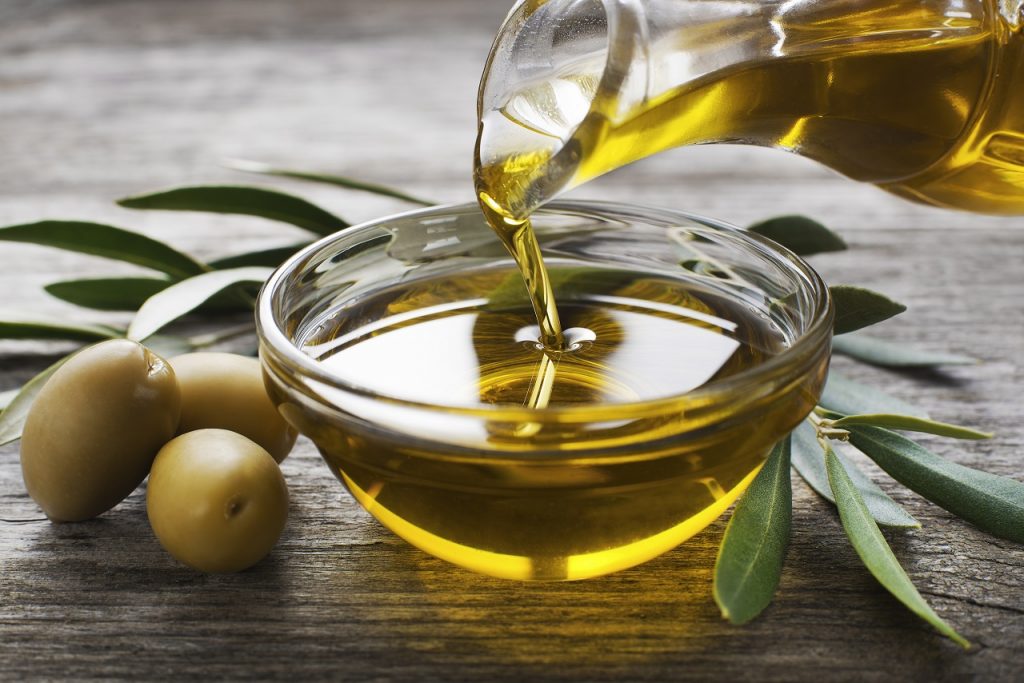
Olive OilWith newer superfoods making their mark on our plates, olive oil has gained a lot of popularity in India. Indians use oil in everything while searching for the healthiest alternative at the same time. As a result, the markets are flooded with brands and variants of olive oil. The most important question to ask here is: Does it fit in the Indian kitchen? Let’s find out by understanding what you are buying from the market because not all of them are created equally!

Different Types of Olive Oil 

There is no doubt that olive oil is healthy fat obtained by crushing olives using different methods. The catch is that the quality of olive oil sitting in your pantry is determined by the process of extracting the oil from the olives, the varieties, and how/whether they should be used in different cooking methods. Here’s a breakdown of the most common types:

  1. Extra Virgin Olive Oil: This is the highest quality extracted from freshly squeezed juice from olives using stone, wood or steel rollers. It has a very strong flavor, aroma and contains no more than 0.8% acidity. No chemical solvent or industrial refining process is used while producing this variant. In fact, temperatures are kept below 75 degree Fahrenheit during the whole process. Even after packaging, it is mandatory to keep it away from heat and sunlight. So it is clear that to get benefits from this high grade oil, you should not heat it. You can drizzle it over your pasta, salad, soups or use it for making dips.

  2. Virgin Olive Oil: This is also an unrefined variety but slightly lower in quality. Containing 1.5% acidity, it is considerably a subpar option to extra virgin variant. Still, it has a good aroma and is suitable for low temperature sautéing and baking as you are trying to substitute butter or any other saturated fat.

  3. Refined Olive Oil: If you see a bottle with “pure olive oil”, “Lite olive oil” or simply “olive oil” in a supermarket, they are usually Refined olive oils (or are mixed with some other refined oils). They are prepared using olives that are in bad condition or rancid olive oil after treating them with heat and chemicals to remove any unpleasant flavors as well as neutralize free fatty acid content. Being heavily processed, they do not contain any benefits of the extra virgin variant. You can use these for any kind of regular cooking. But don’t expect too much from it in terms of health.

  4. Olive Pomace Oil: Pomace is the word used for the leftover olive pulp after the first extraction which consists of skin, pulp, seeds and stems. The amount of oil present in pomace is so minimal that it cannot be extracted through pressing but only using chemical solvents like hexane and high heat. Clearly it has no benefits but calories. This variant is for people who are attracted by the benefits of olive oil, but are looking for something in their budget.

Are These Variants Suitable For The Indian Kitchen? 

After going over these variants, if you’re wondering which oil is suitable for an Indian pantry, then go back to your grandma’s kitchen. In India itself, we have so many healthy oil options that you don’t need to run after everything that the western world is popularizing . But just like olive oil, you need to choose the least processed or filtered variety of different oils. Some good options for Indian style high heat cooking are filtered or cold pressed varieties of sesame, groundnut, coconut or mustard oil. Also, let’s not forget desi ghee which accompanies “Maa ka pyar” in every traditional meal. Last but not the least, Consumption of any oil should be in moderation while following a balanced diet and regular exercise for good health.

Olive oil can be a part of your Indian kitchen, but it’s important to choose the right type based on your cooking needs. Use extra virgin olive oil for raw applications like salads and dips, virgin olive oil for low-heat cooking, and refined olive oil for regular cooking. However, for high-heat cooking methods like frying and tempering, traditional Indian oils like mustard, coconut, and sesame oil are better suited. Remember, moderation is key, and a balanced diet paired with regular exercise is the foundation of good health.

Have you tried using olive oil in your Indian recipes? Share your experiences in the comments below! For more tips on healthy cooking and nutrition, explore our Healthy Reads or consult a GOQii Coach for Personalised health advice. Subscribe now to start your wellness journey!

#BeTheForce 

February 3, 2025 By GOQii 5 Comments

Why You Need To Consume More Water During Winter

consume more water during winterWinter can be a dreadful experience if you don’t have the resistance to withstand cold. While searching for things to keep us warm from the outside and within, consuming water is quite low on our winter checklist. But there are many reasons why you need to consume more water during winter – one of them being that we get more dehydrated during winter.


Why Do We Feel More Dehydrated During Winter? 

It’s a fact that we get more dehydrated in winter when compared to summer. This is because when the surrounding temperature drops, we cling to the heater or cover ourselves with layers of clothing to keep us warm. This artificial heat causes dehydration.

Though we do not sweat during this season, water vapor is still lost from our body through our breath. Winter can even accelerate dehydration because of the lifesaving mechanism that’s functional in our body which constricts our blood vessels in cold weather, in turn conserving heat and maintaining body temperature.

Shrinking blood vessels increase blood pressure, making our kidneys produce more urine which means less blood to fill in the veins and arteries and frequent visits to the loo, hence, increasing the risk of dehydration. Dehydration causes muscle fatigue, cramps, loss of coordination and even a stroke. A dehydrated body is easily prone to flu and winter cold.

Basically, during winters we refrain from having enough water. With the days being short, it makes us exercise less and our food intake grows. When our body is well hydrated, its efficiency to break down fat for energy increases so that we have better control of our appetite.

The other concern is that of water retention due to the body not being well hydrated during winter. This takes place when our body starts feeling the scarcity of water and it starts holding back water leading to water retention.

How do I know if I am dehydrated? – Thirst is our body’s way of saying “I am on the verge of dehydration”. You can even be watchful of how clear or light colored your urine is. If it is dark, hydrate immediately.

How Do I Consume More Water During Winter?

  1. Drink Warm Water: 90% of the excuses that we give for not having water in winter is that it makes us feel cold. The best solution here is to drink lukewarm water, which would not only soothe your throat but will also replenish your water stores while boosting your metabolism
  2. Balance Tea and Coffee With Water: Caffeine and alcohol are diuretics (they cause us to lose more water through urine), so try to have a glass of water before having your evening tea/coffee. Have another glass after a few mins of after having your tea/coffee This way, we can replenish our body’s water store.
  3. Include Water Based Food In Your Menu: Vegetables and fruits are naturally rich in water, which also provide vital minerals and vitamins. Soups are the best way to go! Try this Chilli Bean Soup to keep you warm.
  4. Drink Water Throughout Your Exercise: Make it a point to have water before, during and after your exercise. Due to the cold climate, there are very fewer chances of sweating too much or feeling too thirsty, mind it your body needs it!
  5. Make Water Interesting: Many find drinking plain water very boring. If you are one of them, then you can add natural flavors to water (not free calories though) by adding some fruits or herbs which give the water some mild taste and make it delicious to sip on.

In conclusion, I would say be it summer, monsoon or winter, our body remains same through the year. So keep sipping and always stay hydrated! If you have difficulty keeping track of your water intake, you can log and track your daily water intake via the GOQii App as well as set reminders to drink water.

We hope this article helps you consume more water. For more on staying healthy during winter, check out Healthy Reads or ask a GOQii Coach by subscribing for Personalised Health Coaching here.

#BeTheForce 

Disclaimer: The information provided in this blog is for general awareness and educational purposes only. It is not intended to replace professional medical advice, diagnosis, or treatment. Always consult a qualified healthcare provider for personalised medical guidance or concerns related to your health.

January 25, 2025 By SNEHA CHIKHALE 8 Comments

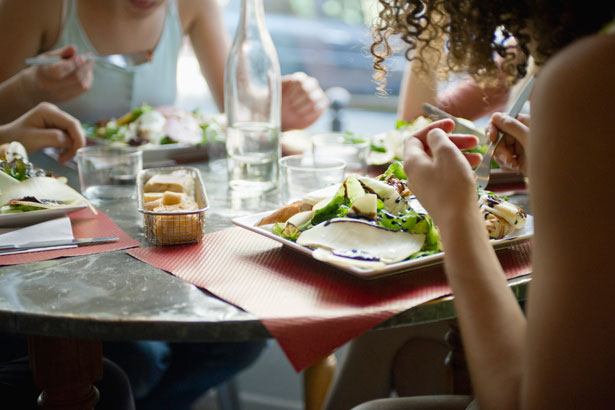
Eat healthy while eating out this holiday week

healthy-eating

“I am following a strict diet all 5 days a week, but on weekends all my efforts go down the drain as I sometimes dine out with my family on weekends”.

“I was having lunch with my friends, hence ate outside”.

“I had dinner meeting with the clients at XYZ restaurant”. “It was my farewell party, so had to take my colleagues out to this new eatery opened in town”.

Each one of us has one such story to tell, while eating out. While most of us are getting conscious about the food choices we make or watching our portions, but we can’t follow that all time, while eating out. So, can we ever eat out without guilt and compromising our diet? The answer is “Yes!”

This is our Republic Day contribution. Eat Out but Eat Healthy. Take a look at how you can make this possible.

We generally overlook the menu at the restaurant or sometimes we just order what we like. But, on that menu card, we miss out on some healthy and nutritious meal, which will not disturb our healthy meal patterns.

However, this does not mean that you should be indulging in eating out all the time. It’s Republic Day though, let’s be free from our everyday strict diet, shall we?

So, what we can eat while eating out?

Make a healthy start with healthy starters:

1) Soups: Make a wiser choice between clear soup and creamy soup. Tum yum, Wanton, Mexican tomato soup are something to look out for.

2) Salad: Be careful with those fattening salad dressings. While ordering salad, make sure you get complete benefit of that salad. Load yourself with salad like Greek salad, Cous Cous salad, Vinaigrette based salad like fruits ‘N’ nut salad or salad which are lightly tossed in olive oil.

3) Appetizers: Beware of deep fried stuff while choosing appetizers. Best way is to follow GPRS rule! Rule is simple, G = Grilled, P = Poached, R = Roasted and S = Sauteed. Next time, see to it that your tempting appetizers fall in the above category.

Make a healthy move with a Main Course

Clay Oven Pizza: This is one such food, you can make as healthy as possible or it can be a complete disaster if made with wrong choices. Go for the thin crust wheat base. Make it wholesome by opting for healthy toppings like Sun dried tomatoes, olives, bell peppers, grilled chicken or seafood. Avoid bacon, pepperoni, sausages as topping to avoid excess saturation of calories. Ask the chef to add minimal cheese on your pizza.

Japanese, Thai and Mediterranean cuisine: Good news for Japanese, Thai and Mediterranean food lovers. These cuisines are considered as one of the healthiest cuisines in the world. They are perfect blend of healthy food like beans, nuts, fruits, olive oil, whole grains (Mediterranean). Bamboo shoots, seasoned broth, shiitake mushrooms, sea vegetables like seaweed, make the Japanese cuisine, one of the best cuisine in the world. (But watch out for rice portions as it can cause spike in the blood sugar).

Tandoor Items: How can Indian cuisine be behind in the race for healthiest cuisine, when we have one of the healthy cooking method– Tandoor! Any tandoor dishes are way healthy than the dishes floating with butter or oil on the top. You will have a wide spread of variety in this section, right from tandoori roti (without butter) to tandoori mushrooms, baby corn to tandoori chicken or fish.

So, next time when you visit any restaurant or having brunch at friend’s place, your demand for healthy eating will be fulfilled with the wise choices you make!! Enjoy healthy eating out!

If you found these tips valuable and have more questions or thoughts to share, drop a comment below! To explore more insights on maintaining a healthy diet, check out Healthy Reads, and for further information or guidance, reach out to our certified experts by subscribing to GOQii’s Personalised Health Coaching here.

#BeTheForce

January 22, 2025 By Suvarna Bhandare Leave a Comment

Effective Tips That Help Relieve Constipation

constipationBefore we dive into the foods that can help you relieve constipation, it is necessary to understand the factors contributing to this condition. Constipation, in simple terms, is the inability to empty the by-products or waste matter of digestion from the colon due to peristalsis – a process in which muscles in the intestine contract and relax to create a wave-like motion. As food passes through the colon (large intestine), water gets absorbed, and the remaining matter forms stool.

Constipation is not a disease but may or may not be a symptom of other underlying conditions. It is a very common complaint, especially where:

  • The diet is low in fibre
  • There is improper food sequencing and combining
  • Mucus-forming foods are consumed in excess
  • There is lack of exercise
  • Hydration levels are low
  • A sedentary lifestyle is followed
  • Processed foods are consumed in high amounts
  • During Pregnancy
  • Stress or emotional eating is prevalent
  • There is delay in using the bathroom when the urge is felt
  • Western toilets are used as opposed to Indian ones

When is constipation experienced?

  • Stools are painful or difficult to pass
  • Stools are hard and dry
  • There is a feeling of incomplete emptying
  • Fewer than 3 bowel movements occur in a week

Having 1-3 bowel movements in a day or after a meal is considered normal. Just remember that the frequency of bowel movements is not the only aspect to consider. Other important points are:

  • Bowel movements shouldn’t be uncomfortable
  • There should be no blood in the stools
  • Stools should not be black or tarry in appearance

Diet and Constipation 

It is proven that what we put into our body has a lot to do with how it comes out. The foods listed below can help prevent or treat constipation:

1. Dietary Fibre:

Fibre is simply the indigestible part of plants. It’s also known as roughage and adds bulk to waste matter. It exists in two types:

  • Soluble Fibre: This type of fibre dissolves and is broken down in the colon, forming a gel-like substance.
  • Insoluble Fibre: This type doesn’t dissolve or break down during digestion. Its main function is to add bulk and make the final stage of digestion easier.

Both types of fibre are essential for treating constipation and are found in almost all plant foods. Besides aiding in easy bowel movements, fibre also helps maintain blood sugar levels, lower cholesterol, and support weight management.

2. Hydration:

Hydration plays an extremely important role in managing constipation. It helps form softer stools and makes transit easier. At least 2-2.5 litres of fluid per day is recommended. Consuming high water-content fruits and veggies also helps.

Foods That Help Relieve Constipation

  1. Fruits: All fruits are good sources of fibre but there are a few sources which have proven to give amazing results, such as apple, pear, papaya, melons, guava, figs, plums, peaches, kiwi, dragon fruit, citrus fruits, berries.
  2. Dried Fruits: But be sure to avoid sugar dipped or coated variants. 
  3. Veggies: Fill your plate with greens. One of the best strategies to keep your digestive system healthy is including lots of fresh and seasonal veggies. Along with a good dose of fibre, they provide other nutrients as well. Add veggies such as spinach, kale, broccoli, lettuce, carrots, cucumbers, sweet potato, peas, corn, asparagus,  green beans, etc. 
  4. Grains and Millets: such as brown rice, oats, quinoa, barley, jowar, bajra combined with veggies are a great option.
  5. Beans and Pulses: such as chickpeas, lentils. Hummus is a good option to have during constipation.
  6. Nuts and Seeds: such as walnuts, almonds, brazil nuts, chia seeds (either soaked in water or over salads and smoothies), flax seeds (sprinkle over salads/smoothies or just consume it in powdered form), fennel seeds (Just chew after meals or can also be boiled with water or in the form of tea)

Additional Tips To Manage Constipation

  • Eat a well balanced diet. Pay attention to DDR – Daily Diet Routine – Meal timings, foods that you choose and portion size.
  • Fill your plate with colourful and seasonal fruits and veggies. They also provide a good amount of micronutrients.
  • Add an adequate amount of fibre in your meals. Choose salads, smoothies and soups. A bowl of papaya with chia or flax seeds proves to be an excellent way of adding fibre to your meals.
  • Keep a check on hydration levels. Lime water, coconut water, herbal and green teas, sugarcane juice, soups, veggie juices works good for increasing total fluid content.
  • Exercise is a must. Make it a part of your routine.
  • Junk and processed foods can upset your stomach so keep them at bay.
  • Limit the consumption of caffeine rich drinks.
  • Avoid emotional eating. 

We hope this article helps you! Do share it and leave your thoughts in the comments below. You can find more articles like this on Gut Health here. If you want expert advice or further guidance on improving digestive or gut health, speak to a GOQii Coach by subscribing for Personalised Health Coaching here.

#BeTheForce 

  • « Previous Page
  • 1
  • 2
  • 3
  • 4
  • 5
  • 6
  • …
  • 31
  • Next Page »

Search

Recent Posts

  • Best Foods To Alleviate Irritable Bowel Syndrome
  • ALL ABOUT VERTIGO!
  • PCOS and Anxiety: Discover Relief with the 54321 Technique
  • Navigating the Maze of Nutrition: Finding Clarity Amidst Confusion
  • Get children active and keep them healthy

Stay Updated

Archives

  • December 2025 (6)
  • November 2025 (15)
  • October 2025 (20)
  • September 2025 (6)
  • August 2025 (6)
  • July 2025 (12)
  • June 2025 (18)
  • May 2025 (16)
  • April 2025 (23)
  • March 2025 (23)
  • February 2025 (22)
  • January 2025 (26)
  • December 2024 (26)
  • November 2024 (25)
  • October 2024 (22)
  • September 2024 (24)
  • August 2024 (31)
  • July 2024 (21)
  • June 2024 (26)
  • May 2024 (31)
  • April 2024 (27)
  • March 2024 (29)
  • February 2024 (26)
  • January 2024 (25)
  • December 2023 (15)
  • November 2023 (11)
  • October 2023 (20)
  • September 2023 (22)
  • August 2023 (20)
  • July 2023 (22)
  • June 2023 (24)
  • May 2023 (24)
  • April 2023 (24)
  • March 2023 (23)
  • February 2023 (20)
  • January 2023 (16)
  • December 2022 (12)
  • November 2022 (15)
  • October 2022 (15)
  • September 2022 (12)
  • August 2022 (10)
  • July 2022 (17)
  • June 2022 (11)
  • May 2022 (10)
  • April 2022 (6)
  • March 2022 (6)
  • February 2022 (13)
  • January 2022 (12)
  • December 2021 (7)
  • November 2021 (3)
  • October 2021 (6)
  • September 2021 (3)
  • August 2021 (8)
  • July 2021 (7)
  • June 2021 (15)
  • May 2021 (16)
  • April 2021 (10)
  • March 2021 (7)
  • February 2021 (4)
  • January 2021 (4)
  • December 2020 (3)
  • November 2020 (4)
  • October 2020 (10)
  • September 2020 (3)
  • August 2020 (3)
  • July 2020 (2)
  • June 2020 (4)
  • May 2020 (10)
  • April 2020 (12)
  • March 2020 (10)
  • February 2020 (4)
  • January 2020 (4)
  • December 2019 (3)
  • November 2019 (7)
  • October 2019 (5)
  • September 2019 (4)
  • August 2019 (9)
  • July 2019 (9)
  • June 2019 (11)
  • May 2019 (4)
  • April 2019 (9)
  • March 2019 (8)
  • February 2019 (9)
  • January 2019 (8)
  • December 2018 (9)
  • November 2018 (3)
  • October 2018 (3)
  • September 2018 (5)
  • August 2018 (10)
  • July 2018 (6)
  • June 2018 (13)
  • May 2018 (8)
  • April 2018 (18)
  • March 2018 (9)
  • February 2018 (8)
  • January 2018 (15)
  • December 2017 (12)
  • November 2017 (19)
  • October 2017 (13)
  • September 2017 (15)
  • August 2017 (4)
  • July 2017 (8)
  • June 2017 (7)
  • May 2017 (6)
  • April 2017 (8)
  • March 2017 (6)
  • February 2017 (7)
  • January 2017 (9)
  • December 2016 (10)
  • November 2016 (7)
  • October 2016 (7)
  • September 2016 (7)
  • August 2016 (11)
  • July 2016 (9)
  • June 2016 (9)
  • May 2016 (12)
  • April 2016 (17)
  • March 2016 (17)
  • February 2016 (8)
  • January 2016 (6)
  • December 2015 (2)
  • November 2015 (9)
  • October 2015 (7)
  • September 2015 (9)
  • August 2015 (11)
  • July 2015 (9)
  • June 2015 (12)
  • May 2015 (9)
  • April 2015 (13)
  • March 2015 (8)
  • February 2015 (5)
  • January 2015 (12)
  • December 2014 (14)
  • November 2014 (11)
  • October 2014 (6)
  • September 2014 (13)
  • August 2014 (12)
  • July 2014 (6)
  • June 2014 (2)
  • May 2014 (7)
  • April 2014 (5)

From “Laddu Nawin” to Fit and Fierce: How a 25-Year-Old Insurance Advisor Shed 20 Kilos and Gained His Life Back

When 25-year-old Nawin Yadav from Hyderabad walked into his office every morning, he carried more than just his files and policy papers. He had the weight of fatigue, sluggish energy, and an ever-growing belly that was becoming the butt of jokes. “People … [Read More...]

“I’ve Challenged Myself to Live 100 Years” – The Story of Chandubhai Savani’s Second Chance at Life

At 67, most people start slowing down. Not Chandubhai Savani. A resident of Surat, Chandubhai, thought life was on track. “My life was going well till I had my bypass surgery,” he says. That surgery, back in 2021, was a wake-up call.  Medication was routine, but exercise wasn’t. His diet? What he calls ‘normal.’ “I […]

From Shimla’s Slopes to Chandigarh’s Sidewalks: Surinder Kaur Bhalla’s Journey from Chaos to Control

Some journeys start with a plan. Others begin with a stumble literally. Surinder Bhalla, a government professional, born and raised in the scenic hill town of Shimla, had always lived a life of movement. “In Shimla, you walked everywhere,” she reflects. “Walking was never an exercise. It was just life.” But after shifting to Chandigarh, […]

Ananda Mukherjee Health Story

From Terminal Illness To Complete Wellness! Ananda Mukherjee Health Story

As we observe World Cancer Day under the powerful theme ‘United by Unique’ (2025-2027)**, we are reminded that every individual’s journey with cancer is distinct, yet united by shared resilience, hope, and the collective fight against this disease. This theme places people at the centre of care and their stories at the heart of the […]

  • HOME
  • HEALTHY LIVING
  • FITNESS
  • HEALTHY RECIPES
  • USER STORIES
  • KARMA
  • BUY GOQii

Copyright ©2016 GOQii


