GOQii

Blog

  • HOME
  • HEALTHY LIVING
  • FITNESS
  • HEALTHY RECIPES
  • USER STORIES
  • KARMA
  • BUY GOQii

Search Results for: sleep

January 9, 2024 By Neha Kapoor 5 Comments

6 Magical Herbs That Can Help You Sleep

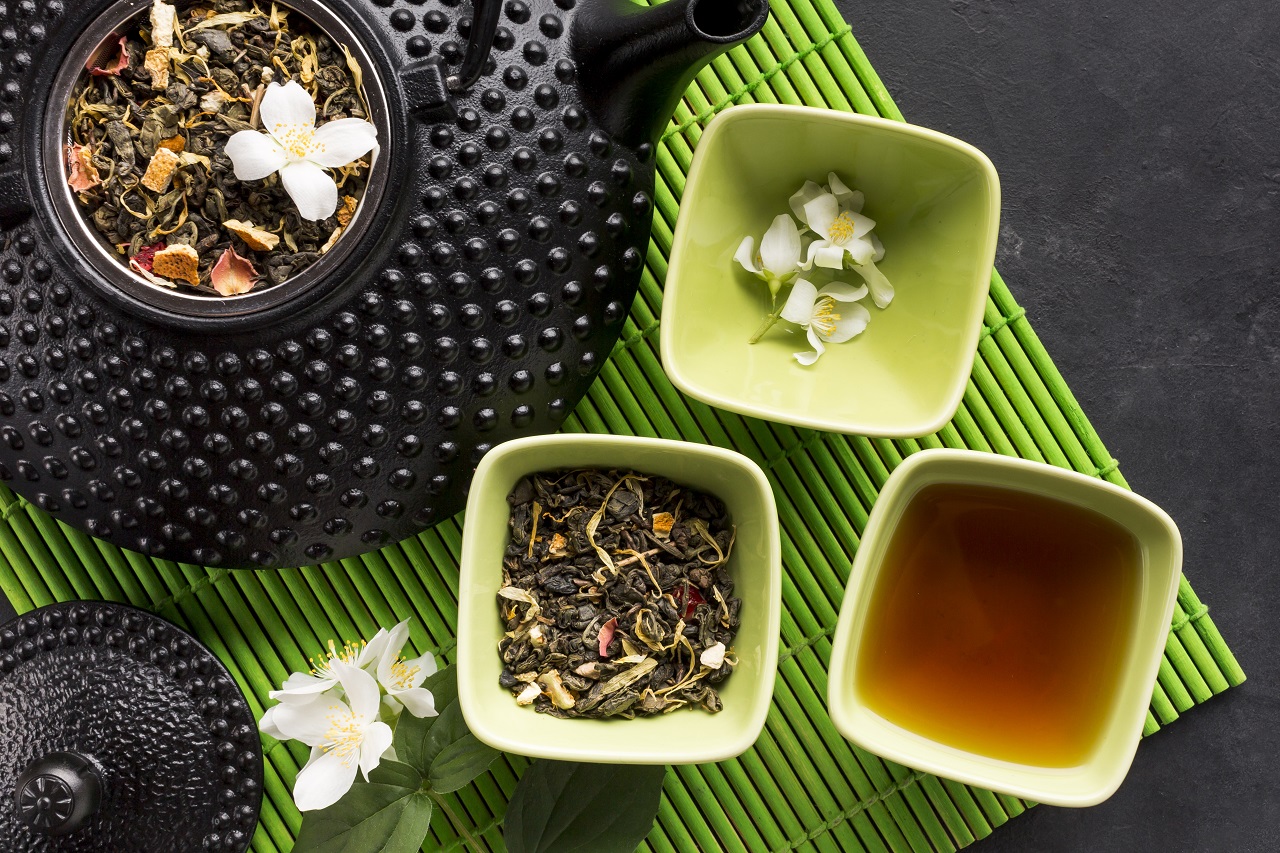
6 Magical Herbs To Help You Sleep There are many people who face severe issues of sleep disorder and it is difficult for them to fall asleep. Sleep is a key component of good health. They say humans need at least 8 hours of sleep a night to rejuvenate and restore their bodies. Unfortunately, in the days of stress, chaos, constant electronic bombardment, adrenal fatigue, and hormonal craziness, we are seeing people generally getting less sleep, and the sleep they do get, tends to be interrupted in some way. This means the sleep quality and quantity have a lot to be desired. Thankfully, we have these 6 magical herbs which can help you relax, rejuvenate, and come to a quiet place of rest and relaxation.

6 Magical Herbs To Help You Sleep

1. Ashwagandha (Winter Cherry)

It is an adaptogen with strong affinities towards the nervous system. It helps the body deal with stress and hormone fluctuations caused by stress, especially helping regulate cortisol levels at night time. Cortisol is what wakes you up at 2 am thinking about a million things at once and not being able to fall back asleep. Taking 500mg of Ashwagandha daily can help your body even out stress hormone levels which can help you get a good night sleep. It has also been shown to ease anxiety and depression.

2. Chamomile

It is a wonderful calming herb. It relaxes both the body (muscles) and the mind. It is also a wonderful, gentle sedative. It is safe and effective for children. Chamomile tea sipped by a breastfeeding mother can soothe the baby after breastfeeding. Toddlers can sip chamomile tea with a little bit of honey before bedtime to calm them down. Adults can drink 1-2 cups of chamomile tea at the end of the day to help calm down before bedtime. Steep chamomile in hot water for 10 minutes in a tightly capped jar, strain and enjoy.

Chamomile oil can also be put in bath water (5-6 drops) to soothe overwrought nerves, diluted to 2% to make an excellent massage oil, or used as an inhalant.

Dose: Tea, 1 cup 2-3x daily; Tincture, 30 drops 3 x daily.

3. Lavender

Everyone knows that Lavender is great for relaxing and calming the mind and body. The essential oil can be diffused in the evenings alone or combined with other relaxing essential oils to bring on a state of peace and relaxation. The leaves can be drunk as a tea, or added to food. It is great for insomnia, agitation and restlessness. Lavender is a gentle strengthening tonic for the nervous system as well. A few drops of lavender oil added to a bath before bedtime are recommended for persons with sleep disorders. Additionally, the oil may be used as a compressor massage oil or simply inhaled to alleviate insomnia.

Dose: Tea, 1 cup 2-3 x daily; Essential oil may be inhaled, massaged into the skin (use 10 drops essential oil per ounce of vegetable oil), or added to baths (3-10 drops).

4. Passionflower

It’s a great herb for people who wake frequently throughout the night. It is a safe herb for most (excluding excessive use in pregnancy, especially in the first trimester), including children and can be taken in large doses frequently. It is used to promote a deep restful sleep and ease anxiety. Take 30-60 drops of passionflower tincture an hour before hitting the bed, and again at bedtime if you are not yet tired. The herb can be combined with others to make a wonderful night time tea as well. Passionflower is used for minor sleep problems in both children and adults (Bruneton, 1995). It is an excellent sedative with no side effects even when used in large doses (Spaick, 1978).

Dose: Tea, 1 cup 3x daily; Tincture, 30-60 drops 3-4x daily.

5. Lemon balm

It is used primarily to lift the mood and promote calmness and relaxation. Since depression is often related to insomnia, probably because of a lack of serotonin, lemon balm can help you achieve sleep by promoting mental and physical health. Several studies have confirmed its sedative effects, however, it should be noted that too high of a dosage (1800 milligrams) increases anxiety.

To make it into a mild, uplifting, and relaxing tea. You will need:

  • 2 tablespoons of dried lemon balm, or 8-10 tablespoons of fresh lemon balm
  • 2 teaspoons dried chamomile
  • Honey to taste (optional)
  • 8 ounces of fresh water

Directions: Place the loose herbs in a mug and cover with 8 ounces of boiling water. Steep for 5 minutes, strain, and drink 30-45 minutes before bed.

6. California Poppy

This is a great herb for insomnia due to restlessness and anxiety (and it’s safe and gentle enough for children). This herb not only helps you to fall asleep, it improves the quality of your sleep as well. A tincture is the most powerful way to take this. Try 30-40 drops twice daily (the second dose close to bedtime).

These herbs can be combined to make a lovely relaxing night time tea that works for your specific needs. That is the great thing about herbs, some speak to you more than others. Those are typically the herbs that you should do some more work with to see if they suit you!

Before you try any of these herbs, have a word with your doctor, dietitian or nutritionist. You can also speak to our Coaches and Experts by subscribing for GOQii’s Personalised Health Coaching here.

For more articles on sleep and sleep tips, check out Healthy Reads.

#BeTheForce
November 6, 2023 By Trupti Hingad Leave a Comment

10 Tips for a Blissful Night Sleep

Improve sleep and sleep quality

How do you feel when you wake up in the morning? Every health professional must have asked you this question? Amidst our busy schedule, Sleep issues have become alarmingly common.

Here are some of the reasons why you might not be getting proper sleep:-

  1. Distracted by thoughts
  2. Waking up at 3-4am (early hour insomnia)
  3. Constant interruption—night sweats
  4. Sleeping for more than 7hours but not waking up refreshed.

Poor quality of sleep is the most underestimated factor for weight gain, menopause, mood swings, low energy levels, fatigue etc. Sleep is the most important factor of a healthy lifestyle because the body repairs and regenerates during this time. It is also the time when your brain detoxifies and gets rid of waste products. Poor sleep patterns lead to hormonal imbalance and an increase in hunger hormones. Leptin and Ghrelin are the hormones responsible for the regulation of appetite, Leptin tells the brain that you are full and Ghrelin tells the body to eat.

Guess what happens when you don’t sleep well?

Leptin decreases and Ghrelin increases making your body think that you are starving. This either wakes you up to eat in the middle of the night or makes you overeat the next day. When leptin levels are low, the thyroid gland slows down your metabolism making you feel tired and increasing fat storage. Poor sleep increases the stress hormone—cortisol in the body leading to fat storage and can also increase insulin resistance leading to diabetes.

Here are some tips to help you sleep better:-

How-to-Get-a-Better-Nights-Sleep

  1. Keep it dark: The artificial light can reduce the production of hormone—melatonin which makes it hard to fall asleep. Try to keep your bedroom black. Switch off electronic lights (alarms, mobile, TV, ipad)
  2. Nice and early to bed: Practice going to bed at the same time every day. This registers in your subconscious mind and allows you to sleep well. This helps to regulate your body clock and could help you fall asleep and stay asleep for the night.
  3. Keep gadgets away: Try to keep your room gadget free. Charge your phone or laptop in a different room if you can or keep them away from your head, shut them down or put them on Airplane mode (this will reduce the EMF’s, Electro Magnetic Frequencies, that can interfere with your sleep).
  4. Relax your mind: Stress is one of the biggest factor of not getting good sleep. Give time to your mind to switch off from daily activities and get into sleep mode. Avoid thrillers or scary news at night. Try listening to soothing music, read books, meditation or deep breathing.
  5. Relax your body: Take a hot shower before bed or try Epsom salt bath. Epsom salts are rich in Magnesium Sulphate, a known muscle relaxant and detoxifier.
  6. Avoid alcohol: Alcohol leaves you dehydrated at the middle of the night, with low blood sugar and overtaxed liver. Alcohol also messes with your production of serotonin (the precursor to melatonin).
  7. Limit caffeine intake: Caffeine is a stimulant that can keep you awake. So avoid the consumption of caffeine 4-6 hours before bedtime.
  8. Pay attention to what you eat and drink: Avoid refined carbs like pasta, white rice, bread, pastry, sugar and processed foods as it will spike blood sugar at night and may wake you up. Eating a healthy dinner allows the body to absorb proper nutrients and provides the brain with the chemical environment required to produce neurotransmitters, required to maintain adequate sleep.
  9. Hydrate well in the day:  Your sleep can be interrupted if you’re dehydrated as this stimulates cortisol, which wakes you up.
  10. Supplement: Tryptophan is a protein that helps make melatonin. Food sources include whey protein, meat, fish, dairy, nuts and seeds. L-theanine is a calming nutrient found in tea (black and green), Magnesium helps to relax the body and increase a calming neurotransmitter. You can also use Ashwagandha, chamomile, lavender tea, passion flower and lemon balm to induce sleep. Refer to this blog for more info about this supplement.

Sleep is the golden chain that ties HEALTH and our body together. So Snooze and sleep well.

We hope this article helps you. For further information or guidance, reach out to our certified experts by subscribing to GOQii’s Personalised Health Coaching here.

October 1, 2023 By Mohammed Tufail Qureshi 8 Comments

Sleep Your Way to More Muscles

sleep your way to more muscleDid you know you can build muscles even while sleeping? The three aspects of the muscle building pyramid are nutrition, training and rest. Most of us pay close attention to the first two factors but frequently ignore the third and suffer the consequences. Sleep isn’t a luxury for the human body, it’s a genuine necessity. Extended periods of sleep deprivation can lead to amnesia, delusions and hallucinations. Shorter stretches cause forgetfulness, bad moods and irritability.



How Does Sleep Lead To More Muscles? 

If you’re trying to gain strength, sleep becomes even more important because it’s synonymous with recovery. If your body doesn’t get to fully recuperate from a hard workout, there’s no way it will be ready for the next one. Heavy training destroys tissues. In order for the tissue to be repaired, your body needs the proper nutrients and deep sleep. One of the key events that occur during sleep is that the body releases growth hormones which are critical for repairing tissues, maintaining tonus in the muscles and keeping the fat in the cells. Since the body releases growth hormones only during deep sleep, the question is how do you get deep sleep?

Getting enough rest is critical to your overall health. Lack of sleep, even for a single night, can have a huge effect on your immune system. Research has shown that there’s a 20-30% drop in the immune system cells that fight cancer and viruses after just one night of sleeplessness. If sleeplessness continues over several days, the percentage of decreased immune system cells climbs drastically. The good news is that you can bring the number of cells back to normal with a solid night’s sleep.

So How Much Sleep Is Enough?

That depends on individual to individual and it depends on many variables. Ideally, one should aim to get at least 7-8 hours of sound sleep. Sleep is the most critical variable affecting our workouts. How well we have slept the previous night will determine how good a workout you do the next morning.

Work-related stress is one of the many reasons that most suffer from sleep deprivation. One of the best things you can do is slip in to a nap prior to your workout. You don’t want to drop off into the deeper stages of sleep before training because it will make you groggy. 20-30 minutes is plenty before a workout.

How Can You Induce Sleep Quickly? 

Deep sleep at night is very important and here are some of the things we can do to get sleep fast:

  • Read to relax
  • Take a shower or soak in the tub
  • Listen to soothing music
  • Try Chamomile tea
  • Warm turmeric milk will induce melatonin, which is a sleep hormone
  • A light snack can be useful in promoting a more relaxed state, but it’s smart to select foods that contain the amino acid tryptophan, which converts to serotonin in the brain, helping you to feel drowsy. Milk, yogurt, cheese, turkey and fish contain tryptophan.

What to Avoid Before Sleeping 

Now here are some things you should not do if you want to have a good night’s sleep:

  • Don’t overindulge in alcohol
  • Avoid eating large quantities of food. Eating a large meal before bedtime isn’t conducive to sleep as the food will trigger various systems, including the heart, to work harder. Also, the digestive tract may become upset and disrupt sleep even more.
  • Avoid stimulants such as caffeine and nicotine. This includes tea, coffee and soft drinks as well.
  • Avoid any form of strenuous exercise or participating in a competitive sport as it will work against you. Vigorous physical activity stimulates the body, and it takes some time to calm you down.
  • Don’t take your work to bed. If you make your bedroom an extension of your office, you’re sure to carry business problems with you at night. Your bedroom should be a cool, dark, sleep chamber.

You may have to experiment a little to find out what works for you. But if you’re having trouble getting a good night’s rest on a regular basis, make some changes in your lifestyle, quickly. The “magical one-third of your life” is a critical variable in your quest to gain strength, so be mindful of that.

We hope this article on sleep for muscle building helps you. Do leave your thoughts in the comments below. For more on muscles and sleep, check out Healthy Reads or speak with a GOQii Coach by subscribing to our Personalised Health Coaching program here.

#BeTheForce 

September 11, 2023 By GOQii 9 Comments

2 Breathing Techniques For Better Sleep

breathing techniques for better sleep

Do you have trouble getting sleep despite the fact that you are tired? Sleeping well is an art. It needs a perfect blend of healthy habits and control of mind. A clean body and mind, relaxed mood, physical exercises, and perfect dietary control are some of the basic sleep-inducing methods. However, one of the best ways to bring the body into its relaxed state is – BREATHING! How do breathing techniques for better sleep work? Let’s find out!

Breathing Techniques For Better Sleep

Breathing deeply has been proven to affect the heart, the brain, digestion, the immune system and even the expression of genes. Research has shown that breathing exercises like Pranayama can have immediate effects by altering the pH of the blood, or changing blood pressure. But, more importantly, they can be used as a method to train the body’s reaction to stressful situations and dampen the production of harmful stress hormones and help induce sleep.

Here are 2 important breathing methods to calm the mind and induce sleep naturally.

1.  The 4-7-8 Technique

How To Do It?
This process is recommended by Dr. Andrew Weil, a practitioner and teacher of integrative medicine for the last thirty years. To do this exercise, sit up in bed with your back straight or lie down on a straight back and press the tip of your tongue on the roof of your mouth right behind your front teeth. Maintaining that position, close your mouth and inhale through your nose for four counts, hold that breath for seven counts, and then exhale through your mouth around your tongue for eight counts. Repeat this pattern until you have completed four full breaths.

How It Works?
The 4-7-8 breathing technique is effective because it encourages the fast removal of carbon dioxide. Doing so equates into a better preservation of the bicarbonate pool; our reservoirs for helping maintain an appropriate pH balance. Also, it allows the lungs to become fully charged with air, allowing more oxygen into the body, which promotes a state of calm.

2. Left Nostril Breathing 

How To Do It?
Simply take your right hand and with your fingers outstretched, block off your right nostril by putting gentle pressure on it with your right thumb.  Be sure to keep the rest of your fingers straight and pointing up. With a long, slow, deep breath, gently inhale through your left nostril.  Then, just as gently, exhale long, slowly and completely, again through the left nostril. Do this for at least 3 minutes; chances are you might doze of even before that!

How It Works?
When we’re under stress or feeling anxious, we tend to breathe mostly out of our right nostril, which is connected to our left brain. This activates our sympathetic nervous system, the channel responsible for the classic stress response – dilated pupils, increased core temperature, sweating, and increased heart rate and blood pressure. And when we start breathing through the left nostril the parasympathetic system gets activated which slows us down and helps our body automatically run its day to day jobs of digestion, elimination, sleep cycles and more.

Apart from these 2 breathing techniques for better sleep, you can also try meditation or mindfulness by just observing your breath as it goes in and as it comes out. Connecting with this rise and fall of the breath, and noticing where you feel that breath move within the body can help you begin the process of relaxing tense muscles and create a coherent heart pattern which brings an instant state of tranquil and helps you drift off to peaceful deep sleep.

We hope this article helps you sleep better! Do you meditate before you go to bed? What helps you sleep better? Leave your thoughts in the comments below! For more articles on sleep, check out Healthy Reads or you can get tips directly from a GOQii Coach by subscribing for Personalised Health Coaching here.

#BeTheForce

  • « Previous Page
  • 1
  • …
  • 3
  • 4
  • 5
  • 6
  • 7
  • …
  • 130
  • Next Page »

Search

Recent Posts

  • PCOS and Anxiety: Discover Relief with the 54321 Technique
  • Navigating the Maze of Nutrition: Finding Clarity Amidst Confusion
  • Get children active and keep them healthy
  • What Gestational Diabetes Can Do To You & Your Unborn Child
  • Breathing – A Forgotten Art

Stay Updated

Archives

  • December 2025 (4)
  • November 2025 (15)
  • October 2025 (20)
  • September 2025 (6)
  • August 2025 (6)
  • July 2025 (12)
  • June 2025 (18)
  • May 2025 (16)
  • April 2025 (23)
  • March 2025 (23)
  • February 2025 (22)
  • January 2025 (26)
  • December 2024 (26)
  • November 2024 (25)
  • October 2024 (22)
  • September 2024 (24)
  • August 2024 (31)
  • July 2024 (21)
  • June 2024 (26)
  • May 2024 (31)
  • April 2024 (27)
  • March 2024 (29)
  • February 2024 (26)
  • January 2024 (25)
  • December 2023 (15)
  • November 2023 (11)
  • October 2023 (22)
  • September 2023 (22)
  • August 2023 (20)
  • July 2023 (22)
  • June 2023 (24)
  • May 2023 (24)
  • April 2023 (24)
  • March 2023 (23)
  • February 2023 (20)
  • January 2023 (16)
  • December 2022 (12)
  • November 2022 (15)
  • October 2022 (15)
  • September 2022 (12)
  • August 2022 (10)
  • July 2022 (17)
  • June 2022 (11)
  • May 2022 (10)
  • April 2022 (6)
  • March 2022 (6)
  • February 2022 (13)
  • January 2022 (12)
  • December 2021 (7)
  • November 2021 (3)
  • October 2021 (6)
  • September 2021 (3)
  • August 2021 (8)
  • July 2021 (7)
  • June 2021 (15)
  • May 2021 (16)
  • April 2021 (10)
  • March 2021 (7)
  • February 2021 (4)
  • January 2021 (4)
  • December 2020 (3)
  • November 2020 (4)
  • October 2020 (10)
  • September 2020 (3)
  • August 2020 (3)
  • July 2020 (2)
  • June 2020 (4)
  • May 2020 (10)
  • April 2020 (12)
  • March 2020 (10)
  • February 2020 (4)
  • January 2020 (4)
  • December 2019 (3)
  • November 2019 (7)
  • October 2019 (5)
  • September 2019 (4)
  • August 2019 (9)
  • July 2019 (9)
  • June 2019 (11)
  • May 2019 (4)
  • April 2019 (9)
  • March 2019 (8)
  • February 2019 (9)
  • January 2019 (8)
  • December 2018 (9)
  • November 2018 (3)
  • October 2018 (3)
  • September 2018 (5)
  • August 2018 (10)
  • July 2018 (6)
  • June 2018 (13)
  • May 2018 (8)
  • April 2018 (18)
  • March 2018 (9)
  • February 2018 (8)
  • January 2018 (15)
  • December 2017 (12)
  • November 2017 (19)
  • October 2017 (13)
  • September 2017 (15)
  • August 2017 (4)
  • July 2017 (8)
  • June 2017 (7)
  • May 2017 (6)
  • April 2017 (8)
  • March 2017 (6)
  • February 2017 (7)
  • January 2017 (9)
  • December 2016 (10)
  • November 2016 (7)
  • October 2016 (7)
  • September 2016 (7)
  • August 2016 (11)
  • July 2016 (9)
  • June 2016 (9)
  • May 2016 (12)
  • April 2016 (17)
  • March 2016 (17)
  • February 2016 (8)
  • January 2016 (6)
  • December 2015 (2)
  • November 2015 (9)
  • October 2015 (7)
  • September 2015 (9)
  • August 2015 (11)
  • July 2015 (9)
  • June 2015 (12)
  • May 2015 (9)
  • April 2015 (13)
  • March 2015 (8)
  • February 2015 (5)
  • January 2015 (12)
  • December 2014 (14)
  • November 2014 (11)
  • October 2014 (6)
  • September 2014 (13)
  • August 2014 (12)
  • July 2014 (6)
  • June 2014 (2)
  • May 2014 (7)
  • April 2014 (5)

From “Laddu Nawin” to Fit and Fierce: How a 25-Year-Old Insurance Advisor Shed 20 Kilos and Gained His Life Back

When 25-year-old Nawin Yadav from Hyderabad walked into his office every morning, he carried more than just his files and policy papers. He had the weight of fatigue, sluggish energy, and an ever-growing belly that was becoming the butt of jokes. “People … [Read More...]

“I’ve Challenged Myself to Live 100 Years” – The Story of Chandubhai Savani’s Second Chance at Life

At 67, most people start slowing down. Not Chandubhai Savani. A resident of Surat, Chandubhai, thought life was on track. “My life was going well till I had my bypass surgery,” he says. That surgery, back in 2021, was a wake-up call.  Medication was routine, but exercise wasn’t. His diet? What he calls ‘normal.’ “I […]

From Shimla’s Slopes to Chandigarh’s Sidewalks: Surinder Kaur Bhalla’s Journey from Chaos to Control

Some journeys start with a plan. Others begin with a stumble literally. Surinder Bhalla, a government professional, born and raised in the scenic hill town of Shimla, had always lived a life of movement. “In Shimla, you walked everywhere,” she reflects. “Walking was never an exercise. It was just life.” But after shifting to Chandigarh, […]

Ananda Mukherjee Health Story

From Terminal Illness To Complete Wellness! Ananda Mukherjee Health Story

As we observe World Cancer Day under the powerful theme ‘United by Unique’ (2025-2027)**, we are reminded that every individual’s journey with cancer is distinct, yet united by shared resilience, hope, and the collective fight against this disease. This theme places people at the centre of care and their stories at the heart of the […]

  • HOME
  • HEALTHY LIVING
  • FITNESS
  • HEALTHY RECIPES
  • USER STORIES
  • KARMA
  • BUY GOQii

Copyright ©2016 GOQii