GOQii

Blog

  • HOME
  • HEALTHY LIVING
  • FITNESS
  • HEALTHY RECIPES
  • USER STORIES
  • KARMA
  • BUY GOQii

March 14, 2026 By GOQii Leave a Comment

The Recovery Gap: Sleep Debt, Overwork and Silent Burnout Are Ageing You Faster

We often assume ageing is driven by disease diabetes, heart trouble, or high blood pressure. Something visible, something diagnosable. However, for many working adults today, ageing is being accelerated quietly by something else: chronic under-recovery.

In urban India, long commutes, late-night screen time, work calls across time zones, and constant digital noise have normalised exhaustion. Being tired has become a badge of productivity.

The body, however, does not see it that way.

Sleep Debt and Biological Age

Sleep is not downtime. It is when the actual repair happens. During deep sleep, growth hormones support tissue repair. The brain clears metabolic waste. Immune cells recalibrate. Memory consolidates. Blood pressure drops.

Chronic sleep restriction, even by just one to two hours a night, creates what researchers call sleep debt. Over time, this debt affects metabolic health, mood regulation, and cardiovascular risk. Studies have linked short sleep duration to higher levels of inflammation, insulin resistance, and an increased risk of obesity and type 2 diabetes.

Research also suggests that poor sleep patterns may influence biological age markers, including telomere length and epigenetic ageing. You may feel “functional” on five or six hours. That does not mean your cells are fully recovering.

Cortisol Overload and Chronic Inflammation

When stress becomes constant, cortisol remains elevated. Cortisol is essential in short bursts; it helps you respond to deadlines and immediate danger. But when work stress, digital overload, and poor sleep stack together, the body stays in a low-grade “fight” mode.

Persistent cortisol elevation contributes to:

  • Abdominal fat gain
  • Higher blood pressure
  • Suppressed immunity
  • Increased inflammatory markers (such as CRP)

Chronic inflammation is now recognised as a common thread in heart disease, diabetes, and neurodegeneration. The recovery gap, not just a poor diet, feeds this fire. Silent burnout does not always look dramatic. It often looks like irritability, brain fog, frequent colds, poor sleep, and constant fatigue.

HRV: A Window Into Recovery

Heart Rate Variability (HRV) measures the variation in time between your heartbeats. Higher HRV generally reflects a better nervous system balance and a higher recovery capacity.

Low HRV is associated with stress overload, inadequate sleep, and poor resilience. Wearables have made HRV easier to track. While a single reading does not define your health, consistent downward trends may indicate under-recovery. Recovery is not just about how you feel; it is measurable.

Why Weekend “Catch-Up” Sleep Fails

Many professionals rely on weekend sleep-ins to compensate for weekday deprivation. The body’s internal clock, however, works on rhythm. Irregular sleep timing disrupts your circadian alignment, affecting hormone release, digestion, and metabolism.

Sleeping late on weekends may temporarily reduce sleepiness, but it does not fully reverse the metabolic and inflammatory effects of chronic sleep restriction. Consistency matters more than occasional oversleeping.

Practical Fixes for the Recovery Gap

To truly sleep well and live better, recovery must become a non-negotiable part of your routine. It is not complicated, but it requires boundaries:

  1. Protect a Sleep Window: Aim for seven to eight hours. Go to bed and wake up at roughly the same time, even on weekends.
  2. Morning Light Exposure: Morning sunlight anchors your circadian rhythm. Ten to fifteen minutes outdoors within an hour of waking helps regulate melatonin later at night.
  3. Digital Boundaries: Create a tech cut-off at least 60 minutes before bed. Both blue light and work emails stimulate the brain, preventing it from powering down.
  4. Wind-Down Rituals: Simple cues like reading, stretching, and light breathing exercises signal safety and relaxation to the nervous system.
  5. Strategic Recovery During the Day: Short walks, slow breathing, and stepping away from screens reduce your cumulative stress load.

Rethinking Productivity

Hustle culture rewards output, but biology rewards balance. You can eat well and exercise regularly, but without adequate recovery, progress stalls. Hormones remain dysregulated. Inflammation stays elevated. Energy dips.

Longevity is not just about workouts and supplements. It is about respecting the recovery cycle. In a world that rarely switches off, choosing rest is not a weakness. It is a vital strategy. The question is not how many hours you worked today; it is whether your body had enough time to repair itself.

#BeTheForce 

What is sleep debt?

Sleep debt occurs when a person consistently sleeps fewer hours than the body requires. Over time, this lack of restorative sleep can affect metabolism, mood and long-term health.

Can sleep debt accelerate ageing?

Chronic sleep deprivation has been linked to inflammation, metabolic dysfunction and changes in biological ageing markers such as telomere length.

Why doesn’t weekend sleep fix sleep debt?

Sleeping longer on weekends may reduce fatigue temporarily, but it cannot fully reverse the metabolic and hormonal disruptions caused by chronic sleep deprivation.

Disclaimer: GOQii is committed to providing accurate, up-to-date, and comprehensive health information. This article is intended for informational purposes only and should not be used as a substitute for professional medical advice, diagnosis, or treatment. Always consult a qualified healthcare professional before starting or changing any medication, or sleep routine. Individual responses to lifestyle changes may vary.

March 13, 2026 By GOQii Leave a Comment

Sleep Well, Live Better: Lifestyle Habits That Improve Sleep Quality

Sleep is one of the most important pillars of preventive health. Good sleep improves energy levels, supports metabolism, strengthens immunity and enhances mental clarity. Yet in today’s fast-paced lifestyle, sleep is often the first thing we sacrifice. Late-night work, excessive screen time and irregular schedules disrupt the body’s natural sleep rhythm. Over time, poor sleep can increase the risk of lifestyle diseases such as obesity, diabetes, hypertension and heart disease. This is why World Sleep Day 2026 highlights the theme “Sleep Well, Live Better.” The message is simple: when you prioritise sleep, you improve not just your rest but your overall quality of life. The good news is that improving sleep often does not require drastic changes. In many cases, small lifestyle habits can significantly improve sleep quality. Sleep is one of the most important pillars of preventive health. Good sleep improves energy levels, supports metabolism, strengthens immunity and enhances mental clarity. Yet in today’s fast-paced lifestyle, sleep is often the first thing we sacrifice.
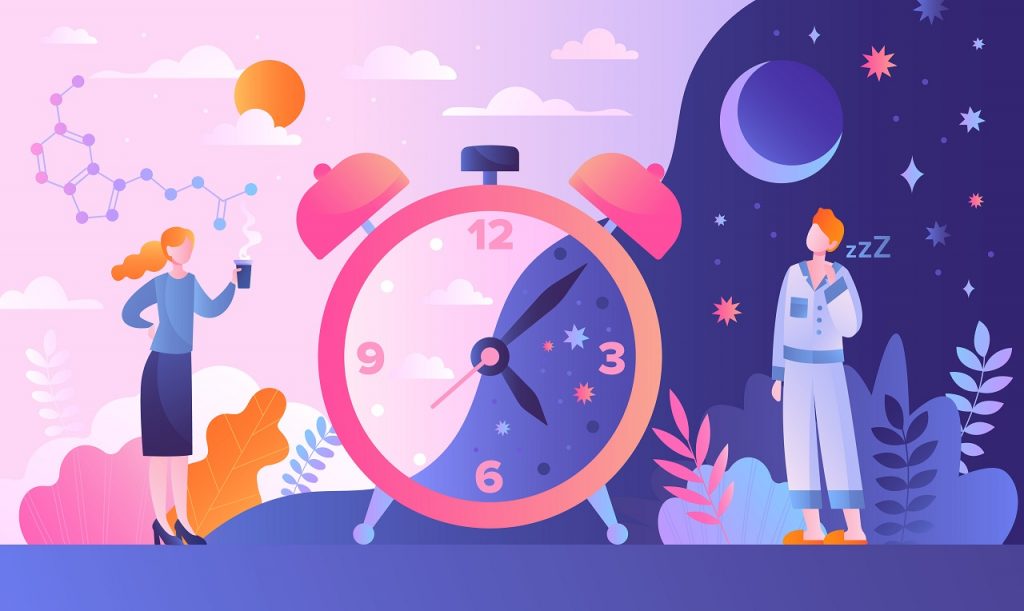
Late-night work, excessive screen time and irregular schedules disrupt the body’s natural sleep rhythm. Over time, poor sleep can increase the risk of lifestyle diseases such as obesity, diabetes, hypertension and heart disease.

This is why World Sleep Day 2026 highlights the theme “Sleep Well, Live Better.” The message is simple: when you prioritise sleep, you improve not just your rest but your overall quality of life.

The good news is that improving sleep often does not require drastic changes. In many cases, small lifestyle habits can significantly improve sleep quality.

How Can You Improve Sleep Quality Naturally?

You can improve sleep quality naturally by maintaining a consistent sleep schedule, limiting screen exposure before bedtime, creating a relaxing night routine, optimising your bedroom environment and paying attention to what you eat and drink in the evening.

These lifestyle habits help regulate your circadian rhythm, allowing the body to enter deeper and more restorative sleep cycles. If your body clock feels constantly out of sync, understanding how the circadian rhythm affects sleep patterns can help restore balance.

Why Good Sleep Matters for Your Health

Sleep is not simply a period of rest. During sleep, the body performs essential biological processes that support long-term health.

These include:

  • cellular repair and tissue recovery
  • hormone regulation
  • memory consolidation
  • immune system strengthening
  • metabolic balance

When sleep quality is poor, these processes are disrupted. Studies have shown that chronic sleep deprivation can contribute to:

  • increased stress hormone levels
  • poor blood sugar regulation
  • weakened immunity
  • reduced concentration and productivity

Lack of sleep can also influence food choices. Research shows that sleep deprivation may lead to cravings for calorie-dense foods and unhealthy eating habits.

According to sleep health guidelines, most adults require 7–9 hours of sleep per night for optimal physical and mental health.

Lifestyle Habits That Improve Sleep Quality

Instead of relying on medication, improving daily habits can naturally support better sleep.

Maintain a Consistent Sleep Schedule

Your body operates on an internal clock known as the circadian rhythm. Going to bed and waking up at different times each day disrupts this rhythm.

Try to:

  • go to bed at the same time each night
  • wake up at the same time each morning
  • maintain this schedule even on weekends

Consistency helps train your body to recognise when it is time to sleep.

If you’re looking to improve your daily sleep habits, incorporating simple rituals for better sleep can make a significant difference.

Limit Screen Exposure Before Bed

Smartphones, laptops and tablets emit blue light, which suppresses melatonin — the hormone that regulates sleep.

To improve sleep quality:

  • avoid screens at least one hour before bedtime
  • dim the lights in your home during the evening
  • switch devices to night mode if screen use is necessary

Reducing screen exposure before bedtime allows the body to prepare naturally for sleep. If you want to explore practical ways to sleep better without gadgets interfering with your routine, check out this guide.

Create a Relaxing Night Routine

Your mind needs time to transition from daily activity to rest.

Develop a relaxing routine before bedtime, such as:

  • reading a book
  • practising meditation or deep breathing
  • light stretching or yoga
  • taking a warm shower

Over time, these small habits train the brain to associate specific behaviours with sleep, making it easier to fall asleep naturally.

Be Mindful of Evening Food and Drinks

What you eat and drink before bedtime can influence sleep quality.

Avoid the following close to bedtime:

  • caffeine
  • alcohol
  • heavy meals
  • sugary snacks

Instead, choose lighter options if you feel hungry, such as:

  • warm milk
  • bananas
  • nuts
  • herbal tea

Certain foods naturally support relaxation and sleep. You can explore a list of foods that help promote better sleep here.

Optimise Your Sleep Environment

Your bedroom environment plays an important role in sleep quality.

To create a sleep-friendly space:

  • keep the room cool and dark
  • minimise noise and distractions
  • use comfortable bedding
  • avoid keeping electronic devices nearby

Prioritising sleep as an essential component of health rather than something to compromise on is one of the most powerful lifestyle shifts you can make.

Key Takeaways for Better Sleep

  • Sleep is a critical pillar of preventive health.
  • Adults should aim for 7–9 hours of quality sleep each night.
  • Consistent sleep schedules support the body’s circadian rhythm.
  • Reducing screen exposure before bedtime improves sleep onset.
  • A relaxing nighttime routine can help the body prepare for rest.
  • Good sleep habits improve energy, metabolism and overall wellbeing.

Small lifestyle changes can lead to meaningful improvements in sleep quality over time.

Sleep Well, Live Better

The theme of World Sleep Day 2026 – “Sleep Well, Live Better” reminds us that quality sleep is essential for overall wellbeing.

When you prioritise sleep, you support your body’s ability to recover, regulate hormones, maintain energy levels and protect long-term health.

Start by making small changes today. Over time, these habits can help you experience deeper sleep, improved energy and better overall health.

Because when you sleep well, you truly live better.

Take charge of your sleep health today. If you are struggling with sleep issues, speak with your GOQii Coach for personalised lifestyle strategies that help improve sleep quality and overall wellbeing.

#BeTheForce

Frequently Asked Questions

How many hours of sleep do adults need?
Most adults require between 7 and 9 hours of sleep per night for optimal physical and mental health.

What is the fastest way to improve sleep quality?
Maintaining a consistent sleep schedule and reducing screen exposure before bedtime are two of the most effective ways to improve sleep quality.

Can lifestyle changes improve sleep naturally?
Yes. Habits such as regular exercise, good nutrition, stress management and proper sleep hygiene can significantly improve sleep quality over time.

Disclaimer: GOQii is committed to providing accurate, up-to-date and comprehensive health information. This article is intended for informational purposes only and should not be used as a substitute for professional medical advice, diagnosis or treatment. Always consult a qualified healthcare professional before making changes to your health routine. Individual responses may vary.

April 23, 2025 By Srini Leave a Comment

What Is Circadian Rhythm and Why It Affects Your Sleep

sleep seriesEver wondered why you feel energised in the morning some days and groggy on others? Or why you naturally wake up at the same time every day—even without an alarm? The answer lies in your circadian rhythm—your body’s internal clock that runs the show when it comes to sleep, energy, alertness, and more.

Let’s break it down.

What is Circadian Rhythm?

The term “circadian” comes from Latin:

  • “Circa” – meaning about or around
  • “Dian” – related to the day
  • Rhythm – a repeating pattern or cycle

So, it literally refers to a roughly 24-hour internal cycle your body follows every day—governing things like sleep, wakefulness, body temperature, hormones, and alertness. Interestingly, it’s not exactly 24 hours—it’s about 24 hours and 15 minutes!

The Role of Light in Circadian Rhythm

The main trigger for circadian rhythm is light. Even though research shows it can still function without external light (like in a dark room), light exposure—especially sunlight—greatly influences it.

At the core of this system is a tiny region in your brain called the Suprachiasmatic Nucleus (SCN)—often referred to as your “third eye” or biological clock. It sits just above where the optic nerves from each eye cross and processes signals related to light, helping your body know when it’s time to wake up or wind down.

Your Circadian Type: Early Bird or Night Owl?

Not everyone’s rhythm is the same. People generally fall into three chronotype categories:

  • Early Birds (25%) – feel energised early in the morning
  • Night Owls (25%) – peak energy comes later in the day
  • The Majority (50%) – somewhere in between

This 1–2 hour variation explains why some thrive at sunrise, while others come alive at night. You can find your chronotype through various free online tests.

How Circadian Rhythm Impacts Your Day

Your energy levels, alertness, heart rate, and even body temperature follow a circadian pattern. For example:

  • Core body temperature can drop by 2°C during rest
  • Heart rate can fall by 20 beats per minute

Trying to maintain consistent productivity throughout the day isn’t always natural. That’s why timing your most demanding tasks to match your personal energy peaks—say 11 am to 1 pm or 4 pm to 6 pm—can make a real difference.

Even jet lag is a result of circadian misalignment—your internal body clock is out of sync with the local time zone.

How to Align Your Body Clock for Better Sleep

Want to improve your sleep and energy levels? Here’s how to work with—not against—your body clock:

  1. Understand Your Chronotype
    Discover when you’re naturally most alert and schedule important activities accordingly.
  2. Get Morning Sunlight
    Spend 10–15 minutes in natural light as early as possible. This helps set your body clock for sleep later in the evening.
  3. Use a ‘Bedtime Alarm’
    Instead of setting an alarm to wake up, set one to start your sleep routine. Going to bed at the same time daily trains your circadian rhythm.
  4. Dim the Lights After 7:30 PM
    Reduce screen and light exposure. Even better—enjoy a candlelight dinner to encourage natural melatonin production (your sleep hormone).

Understanding and aligning with your circadian rhythm isn’t just good for sleep—it’s great for your overall well-being. By syncing your routine to your natural rhythms, you’ll find yourself sleeping better, feeling more alert during the day, and living more in tune with your body.

#BeTheForce 

April 10, 2025 By GOQii Leave a Comment

Simple Daily Rituals for Better Sleep

In our fast-paced, screen-filled world, sleep is often the first thing we sacrifice. Yet, quality rest is essential—not just for feeling energised, but for everything from immunity to blood sugar regulation and emotional wellbeing. The good news? Improving your sleep doesn’t require drastic changes—just a few mindful rituals woven into your day.



This science-backed, easy-to-follow guide will help you reset your body clock and wake up truly refreshed.

Your Morning Matters: Start the Day Right

The journey to better sleep starts the moment you wake up. Morning rituals can help align your circadian rhythm, your body’s internal clock, setting you up for better rest at night.

  • Avoid Your Phone First Thing: Give your eyes and mind a gentle start by skipping the screen for the first 20–30 minutes after waking.
  • Hydrate Before Caffeine: Begin your day with a large glass of water to rehydrate and boost your metabolism. Delay coffee or tea for at least 30–60 minutes.
  • Step Outside Into Natural Light: Spend 5–10 minutes looking towards the morning sun (never directly at it). If it’s cloudy, aim for 20–30 minutes. Morning light helps set your internal timer for melatonin release later in the day.
  • Move a Little Outdoors: Stretch or walk on the spot while soaking up the light—this simple combo reinforces your body’s natural wakefulness.

Don’t Overdress: Feeling slightly cool while outdoors can enhance the wake-up effect.

Daytime Tips to Stay on Track

  • Soak Up the Sun When You Can: Natural daylight boosts Vitamin D and supports sleep-wake cycles.
  • Nap Smart: A short nap (20–30 minutes) is fine, but avoid anything longer than 90 minutes, which can disrupt night-time sleep.

Consider Light Therapy: If you wake up before sunrise, try using a ring light or a lux light therapy lamp to simulate early daylight.

Evening Wind-Down Rituals

Evenings are your time to tell your body: “It’s time to switch off.”

  • Dim the Lights: Bright lights—especially from phones and TVs—suppress melatonin production. Aim to keep lighting low after 9 pm and avoid screen time close to bedtime.
  • Take a Warm Shower: A warm shower in the evening helps your body relax and lowers your core temperature afterwards, which encourages sleepiness.
  • Set a Bedtime Alarm: Just like you have a wake-up alarm, try setting a reminder to begin winding down for bed at the same time each night.

Supportive Supplements: Magnesium for Sleep

Magnesium is a gentle, natural relaxant that supports restful sleep, eases muscle cramps, and helps with menopause symptoms and constipation. It’s a helpful addition to your wind-down routine.

Forms of Magnesium to Consider:

  • 🛁 Epsom Salt Baths or Magnesium Spray: Great for soothing the body externally.
  • 💊 Magnesium Threonate (145mg) or Magnesium Bisglycinate (200mg): Highly absorbable and gut-friendly.
  • 🥄 Magnesium Citrate (200–300mg): Often available in powder form, though it can have a laxative effect in some.

Note: These supplements may not be available in all high-street stores—you might need to order them online.

If You Wake in the Night

Struggling to fall back asleep in the middle of the night? Try Yoga Nidra (Yogic Sleep) or NSDR (Non-Sleep Deep Rest). These guided audio techniques help your body rest deeply and may offer similar benefits to actual sleep—even if you don’t doze off again.

The Gift of Rest

You don’t need to overhaul your life to sleep better. With small daily habits—like getting morning light, staying off screens late at night, or adding magnesium to your evening routine—you can build a rhythm that supports deep, restorative sleep.

Sleep isn’t a luxury. It’s a foundation for your health, energy, and happiness. So, go on—press pause, create your wind-down ritual, and let yourself rest.

#BeTheForce

  • 1
  • 2
  • 3
  • …
  • 9
  • Next Page »

Search

Recent Posts

  • Brain Longevity: How to Stay Mentally Sharp After 40
  • The Role of Glutamine: Why This Amino Acid is Crucial for Muscle Recovery
  • Biological Age vs. Chronological Age: How to Measure Your True Vitality
  • Sustaining the “GLP-1 Glow”: Nutrition for Skin and Tissue Elasticity
  • Glucose Spikes vs. Calories: Why Blood Sugar Matters More for Ageing

Stay Updated

Archives

  • March 2026 (17)
  • February 2026 (14)
  • January 2026 (14)
  • December 2025 (19)
  • November 2025 (15)
  • October 2025 (20)
  • September 2025 (6)
  • August 2025 (6)
  • July 2025 (12)
  • June 2025 (18)
  • May 2025 (16)
  • April 2025 (22)
  • March 2025 (28)
  • February 2025 (22)
  • January 2025 (25)
  • December 2024 (22)
  • November 2024 (23)
  • October 2024 (21)
  • September 2024 (24)
  • August 2024 (30)
  • July 2024 (21)
  • June 2024 (26)
  • May 2024 (31)
  • April 2024 (27)
  • March 2024 (27)
  • February 2024 (25)
  • January 2024 (21)
  • December 2023 (14)
  • November 2023 (11)
  • October 2023 (19)
  • September 2023 (22)
  • August 2023 (18)
  • July 2023 (22)
  • June 2023 (24)
  • May 2023 (24)
  • April 2023 (23)
  • March 2023 (23)
  • February 2023 (19)
  • January 2023 (15)
  • December 2022 (11)
  • November 2022 (15)
  • October 2022 (15)
  • September 2022 (12)
  • August 2022 (10)
  • July 2022 (17)
  • June 2022 (11)
  • May 2022 (10)
  • April 2022 (6)
  • March 2022 (6)
  • February 2022 (13)
  • January 2022 (11)
  • December 2021 (7)
  • November 2021 (3)
  • October 2021 (6)
  • September 2021 (3)
  • August 2021 (8)
  • July 2021 (7)
  • June 2021 (15)
  • May 2021 (16)
  • April 2021 (10)
  • March 2021 (7)
  • February 2021 (4)
  • January 2021 (4)
  • December 2020 (3)
  • November 2020 (4)
  • October 2020 (10)
  • September 2020 (3)
  • August 2020 (3)
  • July 2020 (2)
  • June 2020 (4)
  • May 2020 (10)
  • April 2020 (12)
  • March 2020 (10)
  • February 2020 (4)
  • January 2020 (4)
  • December 2019 (3)
  • November 2019 (7)
  • October 2019 (5)
  • September 2019 (4)
  • August 2019 (9)
  • July 2019 (9)
  • June 2019 (11)
  • May 2019 (4)
  • April 2019 (8)
  • March 2019 (8)
  • February 2019 (9)
  • January 2019 (8)
  • December 2018 (9)
  • November 2018 (3)
  • October 2018 (3)
  • September 2018 (5)
  • August 2018 (10)
  • July 2018 (6)
  • June 2018 (13)
  • May 2018 (8)
  • April 2018 (18)
  • March 2018 (9)
  • February 2018 (8)
  • January 2018 (15)
  • December 2017 (12)
  • November 2017 (19)
  • October 2017 (13)
  • September 2017 (15)
  • August 2017 (4)
  • July 2017 (8)
  • June 2017 (7)
  • May 2017 (6)
  • April 2017 (8)
  • March 2017 (6)
  • February 2017 (7)
  • January 2017 (9)
  • December 2016 (10)
  • November 2016 (7)
  • October 2016 (7)
  • September 2016 (7)
  • August 2016 (11)
  • July 2016 (9)
  • June 2016 (9)
  • May 2016 (12)
  • April 2016 (17)
  • March 2016 (17)
  • February 2016 (8)
  • January 2016 (6)
  • December 2015 (2)
  • November 2015 (9)
  • October 2015 (7)
  • September 2015 (9)
  • August 2015 (11)
  • July 2015 (9)
  • June 2015 (12)
  • May 2015 (9)
  • April 2015 (13)
  • March 2015 (8)
  • February 2015 (5)
  • January 2015 (12)
  • December 2014 (14)
  • November 2014 (11)
  • October 2014 (6)
  • September 2014 (13)
  • August 2014 (12)
  • July 2014 (6)
  • June 2014 (2)
  • May 2014 (7)
  • April 2014 (4)

From “Laddu Nawin” to Fit and Fierce: How a 25-Year-Old Insurance Advisor Shed 20 Kilos and Gained His Life Back

When 25-year-old Nawin Yadav from Hyderabad walked into his office every morning, he carried more than just his files and policy papers. He had the weight of fatigue, sluggish energy, and an ever-growing belly that was becoming the butt of jokes. “People … [Read More...]

“I’ve Challenged Myself to Live 100 Years” – The Story of Chandubhai Savani’s Second Chance at Life

At 67, most people start slowing down. Not Chandubhai Savani. A resident of Surat, Chandubhai, thought life was on track. “My life was going well till I had my bypass surgery,” he says. That surgery, back in 2021, was a wake-up call.  Medication was routine, but exercise wasn’t. His diet? What he calls ‘normal.’ “I […]

From Shimla’s Slopes to Chandigarh’s Sidewalks: Surinder Kaur Bhalla’s Journey from Chaos to Control

Some journeys start with a plan. Others begin with a stumble literally. Surinder Bhalla, a government professional, born and raised in the scenic hill town of Shimla, had always lived a life of movement. “In Shimla, you walked everywhere,” she reflects. “Walking was never an exercise. It was just life.” But after shifting to Chandigarh, […]

Ananda Mukherjee Health Story

From Terminal Illness To Complete Wellness! Ananda Mukherjee Health Story

As we observe World Cancer Day under the powerful theme ‘United by Unique’ (2025-2027)**, we are reminded that every individual’s journey with cancer is distinct, yet united by shared resilience, hope, and the collective fight against this disease. This theme places people at the centre of care and their stories at the heart of the […]

  • HOME
  • HEALTHY LIVING
  • FITNESS
  • HEALTHY RECIPES
  • USER STORIES
  • KARMA
  • BUY GOQii

Copyright ©2016 GOQii
