GOQii

Blog

  • HOME
  • HEALTHY LIVING
  • FITNESS
  • HEALTHY RECIPES
  • USER STORIES
  • KARMA
  • BUY GOQii

Search Results for: sex

June 26, 2018 By Samar Hafeez 5 Comments

Know all about ‘Eating Disorders’

eating problms

DO YOU look in the mirror and pick yourself apart? Do you constantly worry about what and how you look?

Ask yourself, “What percentage of your time in a day you are preoccupied with thoughts regarding food, weight, and body image?”

If your answer is that you spend so much time with these concerns that it interferes with your happiness and daily functioning, then let me tell you that you may be having an Eating Disorder.!

What Is an Eating Disorder?

Eating Disorders are illnesses that cause serious disturbances in a person’s everyday diet. They are characterized by irregular eating habits which include inadequate or excessive food intake which can damage individual’s well-being.

In addition to abnormal eating patterns, there are severe distress or concern about body weight and shape. An Eating Disorder also includes your beliefs about food and how they impact your body.

Who Suffers From Eating Disorder?

Eating disorders can develop during any stage in life but typically it appears during teen years or young adulthood but, may also develop in childhood. It can affect both men and women, however, it’s more common in women.

Eating disorder when manifested at a young age can cause severe impairment in growth development, and overall mental and social well- being.

Let’s move on to knowing three most common types of Eating Disorders

ANOREXIA NERVOSA

The Term Anorexia Nervosa literally means “Lack of Appetite induced by Nervousness”

This is perhaps the best- known eating disorder. It causes its sufferers to excessively fear to be overweight and restrict their eating habits in an unhealthy, dangerous way which leads to a significantly low body weight.

Male and female suffering from Anorexia show following hallmarks

  • Extremely limited food intake
  • Obsessive intense fear of weight gain
  • Problems with body image (Unrealistic perception of the body) and a low self-esteem
  • Denial of low body weight

Overtime, the following symptoms may develop as the body goes into starvation

Physical symptoms

  • Menstrual cessation
  • Osteopenia or osteoporosis(Thinning of bones)
  • Anaemia
  • Fatigue
  • Brittle nail and hair
  • Skin dries and can take on a yellowish cast
  • Severe constipation, Low BP

Emotional and behavioural symptoms

  • Excessive/Compulsive exercising
  • Frequently skipping a meal or refusing to eat
  • Denial of hunger
  • Frequent checking in the mirror for ‘perceived’ flaws
  • Flat mood(Lack of emotion)
  • Low self-esteem
  • Irritability
  • Low sex drive

BULIMIA NERVOSA

The Greek word for Bulimia is BOULIMIA which means extreme hunger. Patients with bulimia nervosa eat frequently in a discrete period of time (example within any 2 hour period) they also have a sense of lack of control over eating during the episode.

They often consume thousands of calories that are high in sugars, carbohydrates and fats. They can eat rapidly, sometimes gulping food without even tasting it.

After a binge, they PURGE their bodies of food and calories they FEAR by using laxatives, enemas, diuretics, vomiting or by excessive exercise. People with Bulimia can be underweight, overweight or even obese.

Many people don’t know when a family member or friend has Bulimia nervosa because they almost always hide their binges but Bulimia nervosa does have symptoms that should raise red flags:-

Physical Symptoms

  • Chronically inflamed or a sore throat
  • Salivary glands in the neck and below jaw bone swollen; cheeks and face often become puffy
  • Tooth enamel wears off and begins to decay from exposure to stomach acids
  • Constant vomiting causes GERD (Gastro oesophagal reflux disease)
  • Laxative and Diuretic abuse cause kidney and intestinal problems
  • Frequent Severe dehydration from purging of fluids

Emotional and Behavioural symptoms

  • Negative/distorted self- image
  • Hoarding or hiding food
  • Social withdrawal
  • Extreme guilt and sadness
  • Excessive worry about body weight and shape
binge eating

BINGE EATING DISORDER

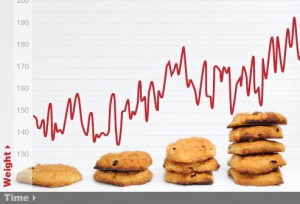
It is a form of compulsive OVEREATING. Sufferers feel a compulsion to eat large amounts of food and as though they cannot stop and UNLIKE PEOPLE WITH BULIMIA, THEY DO NOT TRY TO PURGE OR GET RID OF FOOD BY INDUCING VOMITING AND BY USING OTHER UNSAFE PRACTICES.

Symptoms are more or less similar to Bulimia nervosa except for purging and laxative abuse.

Binge eaters eat a large amount of food when not feeling physically hungry, binge eating episodes typically take place in private and can last for hours or a whole day. It is common for sufferers to feel distressed or guilty about their lack of control, it is this shame and guilt that can prevent a person from talking and seeking help.

CAUSES

Eating disorders are complex thus are influenced by a facet of factors. Though the exact cause is unknown, it is generally believed that a combination of biological, psychological, and/or environmental abnormalities contribute to the development.

Certain psychological, biological/genetic, and personality traits may predispose people to develop eating disorders.

However specific traits are linked to each of the disorders. People with Anorexia tend to be perfectionists and with bulimia and binge eating disorder impulsive nature is common. Hormonal irregularities and nutritional deficiencies can be among causes. As discussed earlier in this blog, negative body image, dissatisfaction with one’s body and low self-esteem can help build tendency towards abnormal eating patterns.

Among Socio-cultural factors, the media has the largest influence on people especially teens and young adults. The media pushes body image, clothes, fast food and weight loss with unrealistic results, the combination of all these lead teens and young adults down the road to eating disorders and a confusing self- image.

And on another side of continuum popular social media pages and videos with a variety of recipes and restaurants tempt people to eat more and more.

Other causes include disruptive thinking patterns and an inability to understand the healthy relationship between food and hunger, family dysfunctions and major life stressors/changes, negative emotions or traumas such as rape, childhood sexual abuse or death of loved ones can also trigger eating disorders.

Even a happy event, such as giving birth can lead to an eating disorder because of the stressful impact of the event on an individual’s new role and body image.

IMPORTANCE OF TREATMENT

Eating disorder untreated can have serious consequences like Malnutrition, stunted growth, osteoporosis, reduced metabolic rate, critically low blood pressure, serious heart, kidney and liver damages, obesity, diabetes (TYPE 1 AND 2), depression, anxiety, obsessive-compulsive disorder and substance abuse, cardiac arrests and even death!

Remember, the sooner the treatment starts, the better it is. The longer abnormal eating patterns continue the more deeply ingrained they become and more difficult to treat.

EFFECTIVE TREATMENT METHODS

  • PSYCHOTHERAPY
    • Cognitive Behaviour Therapy is a therapy focussing on the beliefs, values, maladaptive cognitive processes and negative emotions which are associated with meaning of weight, shape and appearance, it aims at reducing destructive eating patterns and restoring a healthy relationship with food. Psychologists identify important issues associated with causes of destructive eating habits and develop CBT plan respectively.
    • Dialectical Behavioural Therapy is a form of psychotherapy that helps to cope with painful emotions. The focus is on individuals who react to emotional circumstances with extreme behaviours. Weekly sessions help a person with Eating disorder practice mindful eating, distress tolerance and emotional regulation which focus on identifying barriers to changing emotions to constructive ones and to increase positive emotional events.
    • Incorporating Family, Group and Marital Therapy: This can be helpful in addressing the underlying causes of eating disorders and help prevent relapses by resolving interpersonal issues which are related to eating disorders.
  • Nutritional Counselling: This would involve a nutritionist’s guiding plan through weight restoration and stabilization, guidance for normal eating by keeping a food journal which includes type of food, amount, benefits, feelings thoughts associated with intake of food and drink, it also includes which binge foods are to be avoided. The inclusion of individualized meal plans for specific patients to improve nutritional intake is created.
  • Medication: Some patients with Bulimia Nervosa benefit from placebo or anti- depressants. But, medication should always be paired with psychotherapy and nutritional counselling.

A holistic approach involving all above methods/ways with an experienced team of caregivers and healthcare professionals can help patients suffering from eating disorder regain control of their eating behaviour and their lives!

Good Health is more than just being free from disease or injury. A healthy lifestyle helps you feel good, have a vibrant energy and maintain a positive outlook on life thereby contributing to your physical, mental, social well- being. Your mental health is as important as physical health and work hand-and-hand. Letting go of your eating disorder is one of many ways to move towards good health!
 

May 15, 2018 By Dr. Viral Thakkar 9 Comments

Strong as a Diamond! Vajrasana  

VAJRASANA_YOGA

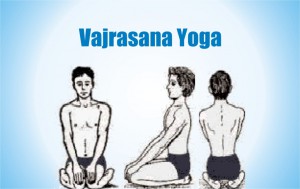
Ever wondered why zen masters sit on their knees? Karate and other martial arts masters also to sit in that “uncomfortable” position- the ‘vajrasana’.  Vajrasana is a kneeling pose; vajra is a Sanskrit word meaning diamond or thunderbolt. Asana means pose. This diamond pose is also called Adamantine Pose.

Usually, breathing exercises like Pranayama, Kapalabhati, and Anulon Vilom are done sitting in this position. Many masters also prefer this position for meditation.

vajrasana

This is how you do it..

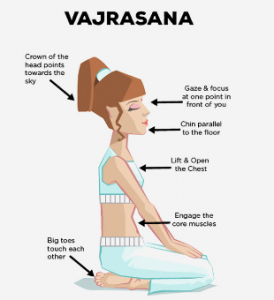
 Kneel down, stretching your lower legs backwards and keeping them together. Your big toes should touch each other.

  1. Gently lower your body such that your buttocks are resting on your heels and your thighs on your calf muscles.
  2. Place your hands on your knees, and set your gaze forward with your head absolutely straight.
  3. Turn your attention to your breathing. Be fully aware of how you breathe and carefully observe as you inhale and exhale.
  4. You could close your eyes to concentrate on your breathing and to calm your mind.

As a beginner, when you assume this position, it is likely that your legs will pain. If this happens, all you need to do is undo the asana, and stretch your legs forward. You can try to stay in vajrasana for a minimum of 5 to 10 minutes and extend the time as per your comfort.

Work slowly and gradually on bettering the strength of the lower back muscles before you go deeper into the pose or increasing the duration. Once the lower back is strengthened, the strain on the breath is decreased. Also, do not push yourself more than your body can take, the benefits of the pose are minimized.

This asana is one of the few asanas which can and should be practised post a meal since it promotes proper digestion.

While this is one of the easiest and safest asanas to practice, however, keep the following in mind:

  1. Do not practice this asana if you have a knee problem or have undergone surgery in your knees recently; Or if you have intestinal ulcers, hernia, or any other problems related to the large or small intestine. If you are very keen, seek advice from your doctor/ yoga practitioner.
  2. If you are pregnant, keep your knees slightly apart to avoid putting pressure on your abdomen.
  3. If you are suffering from any spinal column ailments on the lower vertebrae, it is best to avoid this pose.

 Practice this asana because

  1. It improves digestion. It regulates blood circulation in the lower pelvic region. Sitting on your legs reduces the blood flow in the legs and increases it in the digestive area, therefore increasing the efficiency of the digestive system. Better digestion prevents GERD- Gastro-Esophageal Reflux Disease and acidity.
  2. With the regular practice of vajrasan one can get relief from constipation and flatulence.
  3. It strengthens the back and relieves patients suffering from lower back problems and sciatica.
  4. It strengthens the pelvic muscles too. It positively impacts the urinary and reproductive systems.

According to Ayurveda, one of the major nerves in the human body is also named Vajra Nadi (Nadi means nerve). Vajra Nadi is connected with the genitourinary system which is responsible for regulating sexual energy in human body. Hence practising this yoga pose for an extended duration of time may make a person control his/her sexual energy for spiritual aims.

  1. It strengthens muscles and nerves almost curing varicose pains.
  2. It helps to ease out labour pains and also reduces menstrual cramps. It is a safe asana to perform during pregnancy.
  3. This asana is one of the best ones to assume when you wish to go into a meditative state since it is an upright pose.
  4. According to Ayurvedic Sciences, there are marm points in our body. These points impact different parts of the body when we assume different positions. While sitting in vajrasana, katikatarun marm is stimulated. This impacts the spine and stomach releasing the pain in the spine and improves digestion.

Make a habit to practice this asana at least post your meals and become ‘diamond’ strong!


March 28, 2018 By Dr. Viral Thakkar 7 Comments

Household Chores, your way to health

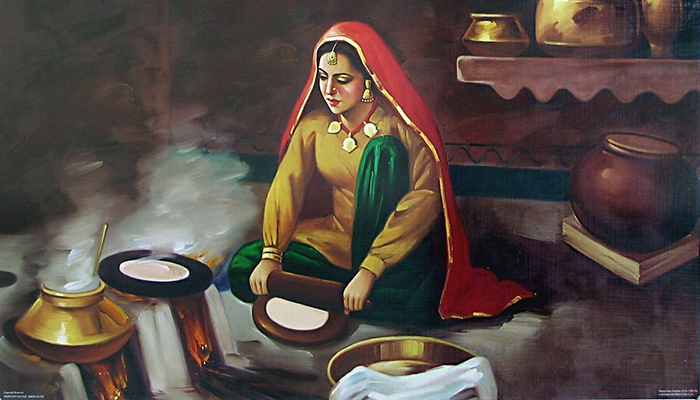
I visited a village sometime back and was amazed at the physical strength of the women there. While I do not deny that the rural areas have their own set of health issues, but, it cannot be denied that women, due to the physical labour that they are involved in, are much stronger than many urban women.

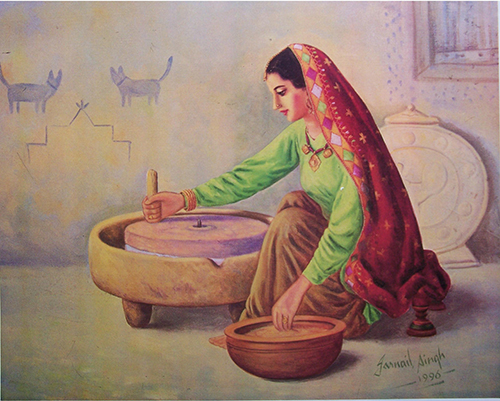
The act of using a hand mill to grind wheat builds your hand muscles. Many women are farm labourers too and spend their early morning in the field which ensures that they are not Vitamin D deficient. Farm work itself provides exercise to upper and lower body, limbs. And guys, this is hard labour work.

Household chores are considered to be boring and financially worthless but we cannot deny that they are helpful in keeping many of us fit. You will not find many women with a bulging stomach in villages! This does not mean we all become farmers, but kick the laziness now to be healthy!

Dust with a lemon cleaner: Be happier

A citrusy scent is a potent mood booster, according to a 2014 Japanese study. Research shows that spending as little as ten minutes inhaling a citrus fruit can decrease the overall mood disturbance, a measure of tension, anxiety, depression, confusion, fatigue and anger. So carry a citrus flavored soap when you do your dishes. According to Ayurveda, you will be in touch with the water element of existence which is an instant mood elevator.  This is also a great time to practice breathing exercises.

Clean up your garden!

People in the gardens are in touch with the energy of the earth and sun. According to Ayurveda, the energy from these two play a critical role in balancing one’s health. Apart from that, you breathe fresh & the vitamin D is critical for your health.  In recent Swedish study it was found out that people with sedentary life style, spending most of their time indoors are likely to suffer from more cardiovascular diseases. Australian researchers discovered that a chemical released by freshly cut grass makes people feel more relaxed and more joyful.

Grow flowers and vegetables: Lower depression risk

Gardening is known to have reduced depression according to a study done in Norway. People diagnosed with depression spent six hours a week gardening; after a few months, they experienced a notable improvement in their depression symptoms, and their good moods continued for months after the study ended.  Well, you might not be able to have gardens in cities, but get on with your small flower pots, indoor plants, or best, have a volunteer group, adopt a village and help the farmers! 

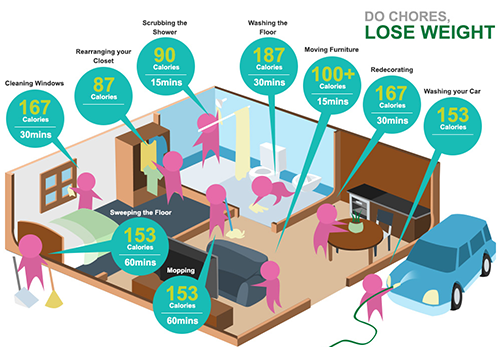
image 2

Image Credit: http://christsoldiergirlfitness.com/wp-content/uploads/2014/08/chores.jpg

Chopping Vegetables

This extremely boring task is usually diverted to the maids in our houses in India. However, if you have the time, do it yourself with complete mindfulness. Ensure that every slice is of the same size and watch your breath. It is bound to increase your awareness and concentration.

A better sex life

According to a 2015 study from the University of Alberta. “If a partner isn’t pulling their weight in housework, either one will have to pick up the slack, or the chores will remain undone. This will develop tension and bitterness in the relationship, which will transfer into the bedroom,” according to Medical Daily. So all you orthodox men out there, share the chores for some awesome time in bed!

Every household chore is equivalent to an exercise in a gym or in a park.  Did you know 30 minutes of ironing equals 11 minutes of step aerobics.Think of ironing as weight training for the upper body? Make sure that you stand up straight and work your arm muscles hard as you press down. And remember to change hands regularly, so that you don’t end up with one arm more muscular than the other.

For a complete work out, play with your children in your garden, run after them and trust me you won’t go fat! Be happy! Be healthy!

Track these yourself with your GOQii band!

January 30, 2018 By Dr. Viral Thakkar Leave a Comment

You can indulge when you are expecting!

Sex-During-Pregnancy

Isn’t it is exciting to create something wonderful which is a part of you and your partner! Yes, I am talking about a baby here!. However, the 9 months are full of challenges for the mother and the father, physical intimacy being a major concern. In this article, I am trying to address the common concerns of sex during pregnancy, its benefits and when to abstain!

The roller coaster hormonal ride, change in the taste buds, fatigue, weakness and mood swings are just a few reasons which put women off their sex drive especially in the first trimester. Many women might also experience an increase in libido during pregnancy! Check, which side of the coin does your loved one fall on and indulge!

If you are an expectant mother, you will notice an increased blood flow to the pelvic area and engorgement of the genitals. It might be accompanied by sore and tender breasts which results in a heightened sensation. You might enjoy it or be put off. Communicate with your loved one and let him know.

Boys and girls, pregnancy is also the time for you to bond. So if you are up for it, go for it! As far as your baby is concerned, be rest assured he/she is safe in amniotic sac and the strong muscles of the uterus. The mucus plug at the cervix prevents infections from entering the womb. Your baby, on the other hand, does not care what you do and neither does it know. In fact, you might experience some happy kicks once you are done!

Hitting the big ‘O’ during pregnancy is safe if you have a normal & low-risk pregnancy and cannot start labour or cause a miscarriage. Mild uterine contractions post an orgasm (or during nipple stimulation and the prostaglandins in semen) are harmless. Even if your climax is particularly intense these contractions aren’t harmful — they’re not a sign of labour. So let loose, enjoy the pleasure you deserve!

However, ensure your partner is tested for infections before indulging! Because you’re better off safe than sorry (with or without a baby on the way).

When is it off limits!

  1. As a woman, when your body says “no”, please listen to it!. Respect yourself and your decision.
  2. Your practitioner might declare your pregnancy as high risk depending on your tests and restrict sex
  • If you’re experiencing signs of preterm labour or, if you have such a history
  • If you’ve been diagnosed with incompetent cervix or placenta previa
  • If you’re experiencing vaginal bleeding or if you have a history of miscarriages

If you are restricted from being intimate, communicate with your partner to find ways to address the intimacy you’re both cravings. Focus on hand holding, cuddling, the old-fashioned making out… Your woman will love you for the support you give her during this time!

Ayurveda insists on listening to one’s body. Apart from this, sexual activity should be limited during the first trimester and post the 7th month since it is a delicate time. Also, at all times one should avoid compression of the abdomen.

While making love is beneficial, it is also beneficial during pregnancy if your practitioner has not advised otherwise.

1. Making love restores the functioning of the body with the release of certain hormones and ensures proper circulation. This means the fetus receives an adequate supply of oxygen and nutrients when in the womb that aids growth and development.

2. If you are making love regularly during pregnancy, it can help keep your pelvic floor muscles toned and strong to help you deal with the arduous phase of labour. Don’t give your exercise a miss though!

3. Making love increases the level of IgA antibodies in the body that boost immunity during pregnancy.

4. It leads to release of endorphins in the body that makes both the mother and the baby happier by reducing levels of stress. Sex also increases production of oxytocin, a hormone responsible for attachment and love.

5. Better sex, better bonding and a surge in endorphins help an expectant mother to sleep better, fight fatigue and other nagging symptoms of pregnancy.

6. It helps keep pre-eclampsia at bay because man’s sperm has a special protein called HLA-G that helps regulate body s immune system and lowers blood pressure levels in a woman during pregnancy.

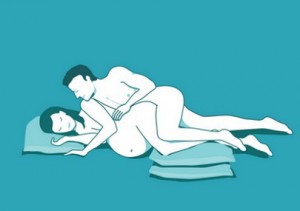
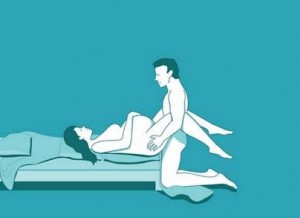
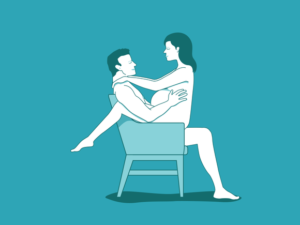
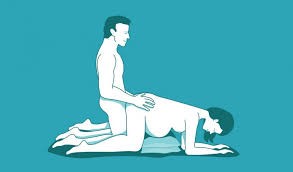
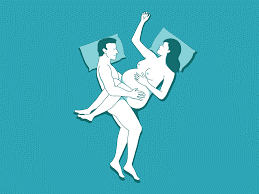
While you can try any position during your pregnancy, here are a few positions you might find comfortable instead of the common missionary.

position 1


position 2


position 3


position 4


position 5

So guys and girls, keep the myths at bay enjoy this special period with your special one!


  • « Previous Page
  • 1
  • …
  • 12
  • 13
  • 14
  • 15
  • 16
  • …
  • 18
  • Next Page »

Search

Recent Posts

  • Social Health and Longevity: Why Relationships Matter as Much as Diet
  • Top 10 Foods For Diabetics: What to Eat to Manage Blood Sugar
  • Why Good Nutrition Before Conception Is Crucial For Your Baby’s Health
  • 6 Tricks To Help You Make Exercise A Habit
  • World Parkinson’s Day 2026: Bridging the Care Gap & Supporting Caregivers

Stay Updated

Archives

  • April 2026 (12)
  • March 2026 (18)
  • February 2026 (14)
  • January 2026 (14)
  • December 2025 (19)
  • November 2025 (15)
  • October 2025 (20)
  • September 2025 (6)
  • August 2025 (6)
  • July 2025 (12)
  • June 2025 (18)
  • May 2025 (16)
  • April 2025 (22)
  • March 2025 (28)
  • February 2025 (22)
  • January 2025 (25)
  • December 2024 (22)
  • November 2024 (23)
  • October 2024 (21)
  • September 2024 (23)
  • August 2024 (30)
  • July 2024 (21)
  • June 2024 (25)
  • May 2024 (30)
  • April 2024 (27)
  • March 2024 (27)
  • February 2024 (24)
  • January 2024 (21)
  • December 2023 (14)
  • November 2023 (11)
  • October 2023 (19)
  • September 2023 (22)
  • August 2023 (18)
  • July 2023 (22)
  • June 2023 (23)
  • May 2023 (24)
  • April 2023 (22)
  • March 2023 (23)
  • February 2023 (19)
  • January 2023 (15)
  • December 2022 (11)
  • November 2022 (15)
  • October 2022 (15)
  • September 2022 (12)
  • August 2022 (10)
  • July 2022 (17)
  • June 2022 (11)
  • May 2022 (10)
  • April 2022 (6)
  • March 2022 (6)
  • February 2022 (13)
  • January 2022 (11)
  • December 2021 (7)
  • November 2021 (3)
  • October 2021 (6)
  • September 2021 (3)
  • August 2021 (8)
  • July 2021 (7)
  • June 2021 (15)
  • May 2021 (16)
  • April 2021 (10)
  • March 2021 (7)
  • February 2021 (4)
  • January 2021 (4)
  • December 2020 (3)
  • November 2020 (4)
  • October 2020 (10)
  • September 2020 (3)
  • August 2020 (3)
  • July 2020 (2)
  • June 2020 (4)
  • May 2020 (10)
  • April 2020 (12)
  • March 2020 (10)
  • February 2020 (4)
  • January 2020 (4)
  • December 2019 (3)
  • November 2019 (7)
  • October 2019 (5)
  • September 2019 (4)
  • August 2019 (9)
  • July 2019 (9)
  • June 2019 (11)
  • May 2019 (4)
  • April 2019 (8)
  • March 2019 (8)
  • February 2019 (9)
  • January 2019 (8)
  • December 2018 (9)
  • November 2018 (3)
  • October 2018 (3)
  • September 2018 (5)
  • August 2018 (10)
  • July 2018 (6)
  • June 2018 (13)
  • May 2018 (8)
  • April 2018 (18)
  • March 2018 (9)
  • February 2018 (8)
  • January 2018 (15)
  • December 2017 (12)
  • November 2017 (19)
  • October 2017 (13)
  • September 2017 (15)
  • August 2017 (4)
  • July 2017 (8)
  • June 2017 (7)
  • May 2017 (6)
  • April 2017 (8)
  • March 2017 (6)
  • February 2017 (7)
  • January 2017 (9)
  • December 2016 (10)
  • November 2016 (7)
  • October 2016 (7)
  • September 2016 (7)
  • August 2016 (11)
  • July 2016 (9)
  • June 2016 (9)
  • May 2016 (12)
  • April 2016 (17)
  • March 2016 (17)
  • February 2016 (8)
  • January 2016 (6)
  • December 2015 (2)
  • November 2015 (9)
  • October 2015 (7)
  • September 2015 (9)
  • August 2015 (11)
  • July 2015 (9)
  • June 2015 (11)
  • May 2015 (9)
  • April 2015 (13)
  • March 2015 (8)
  • February 2015 (5)
  • January 2015 (12)
  • December 2014 (14)
  • November 2014 (11)
  • October 2014 (6)
  • September 2014 (13)
  • August 2014 (12)
  • July 2014 (6)
  • June 2014 (2)
  • May 2014 (7)
  • April 2014 (4)

From “Laddu Nawin” to Fit and Fierce: How a 25-Year-Old Insurance Advisor Shed 20 Kilos and Gained His Life Back

When 25-year-old Nawin Yadav from Hyderabad walked into his office every morning, he carried more than just his files and policy papers. He had the weight of fatigue, sluggish energy, and an ever-growing belly that was becoming the butt of jokes. “People … [Read More...]

“I’ve Challenged Myself to Live 100 Years” – The Story of Chandubhai Savani’s Second Chance at Life

At 67, most people start slowing down. Not Chandubhai Savani. A resident of Surat, Chandubhai, thought life was on track. “My life was going well till I had my bypass surgery,” he says. That surgery, back in 2021, was a wake-up call.  Medication was routine, but exercise wasn’t. His diet? What he calls ‘normal.’ “I […]

From Shimla’s Slopes to Chandigarh’s Sidewalks: Surinder Kaur Bhalla’s Journey from Chaos to Control

Some journeys start with a plan. Others begin with a stumble literally. Surinder Bhalla, a government professional, born and raised in the scenic hill town of Shimla, had always lived a life of movement. “In Shimla, you walked everywhere,” she reflects. “Walking was never an exercise. It was just life.” But after shifting to Chandigarh, […]

Ananda Mukherjee Health Story

From Terminal Illness To Complete Wellness! Ananda Mukherjee Health Story

As we observe World Cancer Day under the powerful theme ‘United by Unique’ (2025-2027)**, we are reminded that every individual’s journey with cancer is distinct, yet united by shared resilience, hope, and the collective fight against this disease. This theme places people at the centre of care and their stories at the heart of the […]

  • HOME
  • HEALTHY LIVING
  • FITNESS
  • HEALTHY RECIPES
  • USER STORIES
  • KARMA
  • BUY GOQii

Copyright ©2016 GOQii