GOQii

Blog

  • HOME
  • HEALTHY LIVING
  • FITNESS
  • HEALTHY RECIPES
  • USER STORIES
  • KARMA
  • BUY GOQii

Search Results for: running

December 4, 2025 By Mohammed Tufail Qureshi 4 Comments

Get children active and keep them healthy

GET CHILDREN ACTIVE AND KEEP THEM HEALTHYBeing physically fit has many benefits. This is not true of adults alone but also true for children. I remember as a child I would love to play in the outdoors. Every day my friends and I would spend at least an hour playing all kinds of games from football to cricket to various other physically taxing games. But, today its sad that we hardly see kids playing in the outdoors.

Children of today’s generation are born with technology gadgets around them and by the time they are 5-6 years of age they are so hooked to these gadgets such as Ipads or laptop or mobile phone etc. Most are gaming addicts and are interested in indoor and cyber games than playing in the outdoors.

But, sitting at home in front of the computer or playing on the Ipad or mobile phone is not good for children. These have a bad effect on the child’s physical strength, growth and fitness. Children should play in the outdoors and exert themselves in physical activities for at least an hour (60 minutes) daily. This is the minimum that a parent should see to it that the child follows. And, you’ll soon discover all the easy and enjoyable ways to help your child meet this regime. Encourage your child to participate in activities that are age-appropriate, enjoyable and offer variety!

Three types of physical activities are very important that every child must follow

1. Aerobic Activity
Aerobic activity should make up for most of your child’s 60 or more minutes of physical activity each day. This can include either moderate-intensity aerobic activity, such as brisk walking, or vigorous-intensity activity, such as running. Be sure to include vigorous-intensity aerobic activity at least 3 days per week.

2. Muscle Strengthening
Include muscle strengthening activities, such as gymnastics or push-ups, at least 3 days a week as part of your child’s 60 or more minutes.

3. Bone Strengthening
Bone-strengthening activities include jumping rope or running, at least 3 days a week as part of your child’s 60 or more minutes activities in the outdoors.

 Tips to help kids get active

** Encourage walking to school and getting active as a family

** Get them to cycle or run instead of getting a ride

** Ask them to walk the dog with you

** Have them carry the groceries from the market

** Encourage them to dance to their favourite music

** Replace computer and TV time with something active

** Build active opportunities into daily classroom routines and encourage students to join a school sport team

** Take kids to the playground or to the park to play

** Reduce screen time

This will help them to achieve the physical fitness and stay fit which will help them throughout their life.

We hope these tips on promoting physical activity and health among children prove valuable for both you and your child. If you found this information helpful, we’d love to hear your thoughts in the comments below. To explore more insights on children’s health, check out Healthy Reads or for further information or guidance, reach out to our certified experts by subscribing to GOQii’s Personalised Health Coaching here.

#BeTheForce

Disclaimer: The information provided in this blog is for general awareness and educational purposes only. It is not intended to replace professional medical advice, diagnosis, or treatment. Always consult a qualified healthcare provider for personalised medical guidance or concerns related to your health. Images shown are for representation purposes only and may not depict the exact recommendations or outcomes.
October 28, 2025 By GOQii 9 Comments

How Important Is Cardio For Weight Loss?

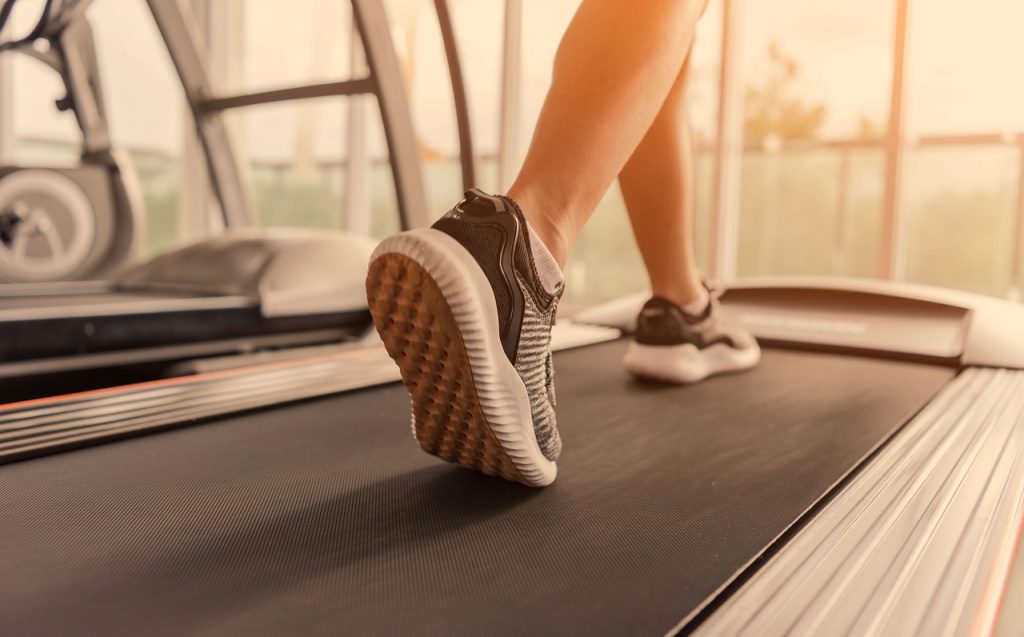
cardio and weight lossYou are well aware of the fact that you lose weight when you burn more calories irrespective of how much you eat. The best way to lose weight is to follow a combination of cardio, strength training and a healthy diet.

Cardio is one of the key components because:

  • You burn more calories at one time.
  • Getting your heart rate into your target heart rate zone means your blood is pumping, you’re breathing hard, and you’re sweating and burning calories.
  • You can easily add intensity to increase your calorie burn. With cardio, it’s easy to increase your calorie burn with small changes, for instance running or walking faster, jumping higher, climbing hills or trying new activities that your body isn’t used to.
  • It adds to your overall calorie deficit. Burning calories with exercise means you don’t have to cut as many calories from your diet.
  • You can do cardio most days of the week. With strength training, your muscles require rest to recover and grow stronger. Cardio can be done most days of the week without worrying about injury or over-training.

The Best Cardio Exercises

While you know that cardio is important for weight loss, which exercises are best and how much do you really need for weight loss?

The truth is, there really isn’t any best cardio exercise. The best activity is the one you’ll do on a regular basis. So, finding something you like is critical to reaching your weight loss goals. That said, some exercises offer more intensity than others.

  • Impact activities: Exercises that involve some impact, like walking, will usually boost your heart rate quicker than no-impact activities like swimming or cycling.
  • High impact activities: High impact, or exercises that involve running or jumping, will often burn more calories than lower impact things like walking.
  • Whole body activities: When you involve both the upper and lower body, such as an aerobic activity which is also is known as cross training, it’s often easier to get the heart rate up and burn more calories.

That doesn’t mean you shouldn’t bother with low impact exercise. Both types of activities offer opportunities to burn calories and doing both gives you a well-rounded cardiovascular endurance development.

To get an idea of just how much cardio can do for you, check out the following list of common exercises. Below is the number of calories burned for a 150-pound person in 30 minutes:

  1. Step aerobics: 340 calories
  2. Stationary bike: 238 calories
  3. Swimming: 270 calories
  4. Walking 4 mph: 170 calories
  5. Running 5 mph: 270 calories
  6. kickboxing: 400 calories

Everything from walking to kickboxing can burn a significant number of calories!

How Much Do You Need?

It’s tough to know exactly how much cardio we need for weight loss. The American College of Sports Medicine and the American Heart Association recommend about 60 minutes of moderate to vigorous intensity activity on most days of the week. But, the truth is how much cardio you need varies from person to person and depends on factors such as:

  • How many calories you eat
  • How hard you exercise
  • Metabolism, age and gender
  • Fitness levels
  • Body fat percentage and weight
  • Exercise schedule

That said, here are some tips for setting up an effective cardio program:

  1. If you’re a beginner, start with 3 days of the cardio exercise of your choice, working at a level you can handle.
  2. Add time each week to work your way up to 30 to 45 minutes of continuous exercise.
  3. As you get stronger, try interval training once a week to help boost endurance and burn more calories.
  4. Work your way up to 5 to 6 days of cardio and try to vary what you do and how hard you work.

It will help you lose weight but it is most effective when combined with strength training and a healthy, low-calorie diet and adequate rest.

How Much Do You Need To Build Muscle?

You may think you shouldn’t do cardio exercise if you’re trying to gain muscle. But, cardio isn’t just for weight loss. It also helps condition the heart and lungs and promotes health and well-being. If your goal is to gain muscle, you won’t need tons of cardio. But, doing at least three 20-minute sessions a week won’t hurt your goals and will help you reap the benefits of cardio without burning too many calories. These are some simple necessities for cardio in weight loss. After reading this, I am sure all your misconceptions about weight training and weight loss are cleared!

If you want to begin working out or want to take your workouts to the next level, book a GOQii PRO class through the GOQii App and join our certified experts for a live, interactive session.

For more on weight loss, click here. Do let us know your thoughts in the comments below.

#BeTheForce 

Disclaimer: The information provided in this blog is for general awareness and educational purposes only. It is not intended to replace professional medical advice, diagnosis, or treatment. Always consult a qualified healthcare provider for personalised medical guidance or concerns related to your health. Images shown are for representation purposes only and may not depict the exact recommendations or outcomes.

July 31, 2025 By GOQii 6 Comments

Common Myths About Exercise & Nutrition

Nutrition and Exercise myths and factsIn the quest to lead a healthier and fitter life, we do end up reading and talking a lot about it. While exchanging information is good, the kind of information you exchange also matters. Are we following the right advice? Is this correct? Can this be verified? Is this information about nutrition and exercise coming from a trusted source?

There is no harm in reading about nutrition and exercise and following through, provided that it comes from a reliable source. Doing your own research on a topic can save you from following myths and sabotaging your own journey.

Keeping that in mind, let’s explore some common myths around exercise and nutrition.

Myth #1: Some Fruits Shouldn’t Be Given to Diabetic & Weight Loss Cases

Fact: Mango, Grapes, Chikoo and Bananas are often considered as enemies for diabetics and weight loss cases, considering their natural sugar content. Yes, I agree they are naturally loaded with sugar content, although best in class when it comes to nutrients. One should always consider the nutrients in a food rather than the natural sugar content or calories.

These food, when consumed at the right time and right quantity, provide fruitful benefits! For instance, Mango being high on Fiber, when consumed as an in-between meal gives you fullness and makes you not munch on the otherwise unhealthy stuff. Studies have proven that Mangoes have anti-inflammatory & antioxidant properties, which help obese people lose weight and in turn is helpful to diabetics. Bananas‘ high levels of B6 helps Type 2 Diabetics due to its anti-glycatic properties.

Myth #2: Rice is Fattening

Fact: Rice is high on carbohydrates and not high on Fat. When taken in right quantities and timing, it will get utilized by the body and will not end up being stored in the form of Fat. Again, rice is not responsible for weight gain. It is how our body processes food and reacts to excessive food, irrespective of whether that food is Rice, Quinoa, Oats, Whole Wheat or even Protein.

The best way to eat rice is to combine it with some protein source or fiber. For instance, Rice + Dal or Rice+ Fish Curry. Timing is equally important. You can have rice post a workout for your lunch, wherein your body can burn it off during the rest of the day. We can enjoy it for dinner too, provided the dinner is around 7-7.30pm.

Myth #3: Spot Reduction

Fact: There is nothing like spot reduction! As and when we lose or gain weight, it happens overall and not in one place. When we lose, it is as per the fat cells in the specific area which may have a tendency to lose more or gain more, depending upon your genes. When we train our muscles to be stronger, body burns more to repair and maintain them. While doing so, it does not take fat from the local area, it will take fat from all over to burn.

Myth #4: Ghee (Homemade Butter) Makes One Fat

Fact: Homemade Cow’s Milk Butter (Ghee) contains CLA (Conjugated Linoleic Acid) which helps you mobilize the stubborn fat in your body to help you energize. It has added benefits like anti-ageing, sexual vitality, healthy skin and eyes, etc. Want to lose weight? Add a spoon of homemade ghee to the plate.

Myth #5: Multigrain Biscuits and Fat-Free Snacks Are Healthy

Fact: We often get fooled with the marketing gimmicks that Multigrain is healthy, fat-free is the best snack, etc. If we get into more details, we can clearly see the facts. Just turn the packet of these foods around and read the label. The ingredient list goes in a descending order of the content of the food and the first ingredient is wheat, which we end up thinking to be whole wheat, where as it is the processed form of wheat which is Maida.

Majority of the contents are not healthy, it is just that they are given fancy names to fool us like Demerara Sugar, which is actually just normal sugar. The marketing names used are often the least in the percentage in the food, like Ragi, Multigrain, Oats, etc.

Myth #6: More Cups of Green Tea = More Fat Burned

Fact: Green tea, when taken in the right quantity and at the right time, can help you burn fat. This is due to its caffeine content. When people have it in larger amounts like 6-8 cups or more in a day, it ends up making them dehydrated and acidic. Rather than increasing the metabolism, it slows it down.  Thus, there is no extra ‘burning’ that will happen if one has it more. As we always say, anything in excess is not good, even if it is healthy.

Myth #7: Skipping Meals Helps One Lose Fat

Fact: Skipping meals will make you lose weight for sure. Although there is a difference between weight loss and fat loss. What do we do when our mom is not at home to give us food and we are very hungry and you cannot place an order for food?  We look for easy options at home to kill the hunger, right?

Our body does the same when we skip meals. It will look out for options within the body. The easiest one is the muscle glycogen storage, it will opt for that first and when one loses muscle content, there is a loss in body weight too, as muscle weighs a lot naturally. Although, metabolism goes down and fat content remains the same or increases. Skipping meals helps you lose precious muscle content while the fat still sticks around, in fact, increases too at times. 

Myth #8: Only Running Helps in Weight Loss & Maintenance

Fact: Running is a great sport/exercise. It has its own high due to the endorphin rush it gives you, especially when running outside. No doubt it gives you great results with regards to weight loss, although it is majorly muscle loss that happens if the pre and post run meal is not taken care of.

If one keeps running for a long time without strengthening workouts, they are bound to lose more and more muscle. Thus, weight loss will surely be seen but not in a healthy way. Later, when one stops running, they will gain all that weight quickly as the metabolism is low. Running will help one lose fat only when combined with strengthening workouts over the week.

Myth #9: Eating Extra Protein Helps Build Muscles

Fact: Given the fact that muscles need protein to survive, everyone assumes if you have extra protein, the body will keep it only for the muscles. This is not the case. At any given point, our body will take as much as required and the rest goes in to excess. Let that be Carbohydrates, Proteins or Fats. Whatever is excess and that which the body doesn’t require will go to storage, which is fat.

Myth #10: Lifting Weights Isn’t a Good Way to Lose Weight Because It’ll Make Me Bulk Up

Fact: Weight training will break your muscle and repair it back to be a little stronger and denser than the last time. Yes! This process will add up on your body weight but not fat.  You will start adding bulk depending upon the type of training you take and the type of nutrition support you have. The bulk up can happen only if you aim at it and train accordingly. If we are not looking at bulking up, one can train as per that. For instance, lesser weights and basic reps of 15-20.

Myth #11: Physical Activity Only Counts If I Do It for Longer Periods of Time

Fact: Workouts done the right way, at the right time, give us the right benefits! Some have a notion that if one trains for longer hours, the results will be better and faster. When one trains for longer hours, our body starts secreting Cortisol, which is a stress hormone. Due to excess cortisol, the body will store more fat and start losing muscle. This will in turn make metabolism slower. Thus, the quality of workout matters rather than the timings.

Myth #12: People Who Are Thin Don’t Need Exercise

Fact: One exercises because they want to be healthy and fit, not to lose weight. Majority think only those who want to lose weight need to workout. Everyone needs to workout. However, the type of exercise and its intensity will vary depending upon the person’s health and fitness goals. Thin people need to aim at gaining muscles. Often, thin people have the same percentage of fat as the person who actually looks fat. This is because the person who looks thin usually has least amount of muscles and thus, the body weight is lesser (as muscles are very dense).

Myth #13: If You Binge and Detox Later, It Nullifies The Binging.

Fact: This is like punishing your body! First you eat a lot and then you make it starve by detox methods or working out for hours. Rather than doing this, while eating out, one can practice mindful eating. Mindful eating involves chewing well and enjoying the food. It will end up in portion control too as your mind knows where to stop. If you binge, you eat fast. You eat the food with guilt and later punish it. Which is completely wrong! By practicing mindful eating we can eat out and not punish the body. We do need a detox at times to cleanse toxins but not as a punishment for binging.

If this article helped you identify myths and clear all your doubts on nutrition and exercise with facts, let us know in the comments below! You can find more articles on making a healthier lifestyle change here.

To bust more myths and get the right information from a certified expert, speak to a GOQii Coach by subscribing for Personalised Health Coaching here.

#BeTheForce

Disclaimer: The information provided in this blog is for general awareness and educational purposes only. It is not intended to replace professional medical advice, diagnosis, or treatment. Always consult a qualified healthcare provider for personalised medical guidance or concerns related to your health. Images shown are for representation purposes only and may not depict the exact recommendations or outcomes.

July 30, 2025 By GOQii Leave a Comment

Be Sugar Smart: A Simple Shift That Changes Everything

Go Sugar-Free for a Month. Come Back Smarter. It’s not about quitting forever, it’s about learning what your body needs, when it needs it.



You don’t need a crisis to start taking care of your health. Sometimes, all it takes is one small decision, like cutting down the sugar in your chai.

If you’re tired of the energy crashes, the unexplained weight gain, or feeling like you’re always chasing your next meal, chances are sugar has more to do with it than you think.

The GOQii Sugar Smart Challenge, running from 1st to 30th August, is built around one simple idea that small, consistent actions can help you reclaim control of your health without giving up everything you love. And it starts with awareness.

It’s important to know what being Sugar Smart means.

Truth be told, everyone is well aware how sugar has quietly crept into our daily routine, not just in the obvious sweets, but in flavoured yoghurts, breakfast cereals, packaged juices, energy bars, and yes, that chai you can’t live without. We don’t even register it anymore.

Being sugar smart isn’t only about cutting sugar out completely. It’s about learning:

  • Where it hides
  • How it affects your blood sugar and insulin
  • And what you can do instead, without feeling deprived

Especially if you’re managing diabetes, dealing with insulin resistance, or struggling with weight loss, these shifts matter.

Be Sugar Smart: Keep it Simple

To be sugar smart, just turn good intentions into daily actions, through simple tasks that take minutes a day and build real habits over time.

From August 1st to 30th, participate in the challenge and complete sugar-smart activities and also get rewarded

Here are the daily activities you can indulge in and derive benefits from them 

  • Walk 6000+ Steps
    • Lowers blood sugar by helping your body use glucose more effectively.
    • Boosts insulin sensitivity, reducing the risk of insulin resistance.
    • Supports heart health and weight management with minimal effort.
    • Easy to fit into your day: short walks after meals or during breaks add up.
  • Post-Meal Walks
    • Walking after meals helps lower blood sugar by using glucose for energy before it spikes.
    • A 20-minute walk after lunch or dinner is especially helpful for those with insulin resistance or prediabetes.
    • Timing matters: Start your walk within 30 minutes of finishing your meal for best results.
    • Leads to steadier energy levels and fewer post-meal crashes or cravings.
  • Eat an Early Breakfast before 9 am
    • Helps kickstart your metabolism and supports steady energy throughout the day.
    • A balanced breakfast stabilises blood sugar and curbs overeating later.
    • Aim to eat within 30 minutes of waking to prevent energy dips and cravings.
    • Choose whole grains, protein, and healthy fats over sugary or processed options.
  • Eat Healthy and log your food
    • Food logging increases awareness of what, when, and how much you’re eating, especially sugar intake.
    • Tracking meals at least three times a day helps you stay mindful of portion sizes and added sugars.
    • Identifying eating patterns can highlight triggers for cravings or blood sugar spikes.
    • This insight empowers better choices, making it easier to cut down on sugar and build healthier habits.
  • Watch and Learn
    • Get expert insights by watching videos on managing diabetes, nutrition, fitness, and lifestyle habits.
    • Learn at your pace with short, practical videos that fit easily into your day.
    • Strengthen your knowledge about sugar control, insulin resistance, and healthy living.
    • Stay motivated by watching real coaches share tips, strategies, and science-backed guidance.
  • Practice Mindfulness
    • Just 10 minutes a day can reduce stress, improve sleep, and boost emotional resilience.
    • Lower stress means lower cortisol, which helps stabilise blood sugar levels.
    • Meditation supports overall health and can help prevent chronic conditions linked to stress.
    • Simple practices like mindful breathing in a quiet space can make a noticeable difference.
  • No Sugar Habit
    • Identify your sugar triggers, such as post-meal cravings, stress, or specific times of day.
    • Swap sugary snacks with healthier alternatives like fruits, nuts, or yoghurt.
    • Manage stress in healthier ways through exercise, meditation, or outdoor time.
    • Cut back gradually to let your taste buds adjust and reduce cravings over time.

It takes 21 days to change a habit. With the Sugar Smart Challenge, over 30 days, you’ll build habits that stick, not because they’re forced, but because they fit into your life.

Why Sugar Smart Habits Matter

Here’s what the research tells us:

  • Over 101 million Indians live with diabetes.
  • Another 25 million are pre-diabetic.
  • NFHS-5 reports that 1 in 4 Indian adults is overweight or obese.

High sugar intake, even in “healthy” forms, plays a major role in rising insulin resistance, PCOS, weight gain, and fatigue. But the good news? It’s reversible.

You don’t need extreme diets. You don’t need to give up all your favourites. You just need to know when, how much, and why.

You don’t have to be perfect to feel better. You just need to start noticing. One less sugar-laden drink. One balanced plate. One decision is not to eat on autopilot. Over time, these small wins become your new normal.

Being Sugar Smart is your chance to put knowledge into action and be rewarded for it. Speak to your coach, join the challenge by visiting the Challenge Page on the GOQii app, track your progress, and learn how to live a life where sugar doesn’t control you.

Your body’s not broken. It just needs a little less sugar and a little more support.

Let’s get smart about it.

#BeTheForce

Disclaimer: The information provided in this blog is for general awareness and educational purposes only. It is not intended to replace professional medical advice, diagnosis, or treatment. Always consult a qualified healthcare provider for personalised medical guidance or concerns related to your health. Images shown are for representation purposes only and may not depict the exact recommendations or outcomes.

  • « Previous Page
  • 1
  • 2
  • 3
  • 4
  • 5
  • …
  • 53
  • Next Page »

Search

Recent Posts

  • PCOS and Anxiety: Discover Relief with the 54321 Technique
  • Navigating the Maze of Nutrition: Finding Clarity Amidst Confusion
  • Get children active and keep them healthy
  • What Gestational Diabetes Can Do To You & Your Unborn Child
  • Breathing – A Forgotten Art

Stay Updated

Archives

  • December 2025 (4)
  • November 2025 (15)
  • October 2025 (20)
  • September 2025 (6)
  • August 2025 (6)
  • July 2025 (12)
  • June 2025 (18)
  • May 2025 (16)
  • April 2025 (23)
  • March 2025 (23)
  • February 2025 (22)
  • January 2025 (26)
  • December 2024 (26)
  • November 2024 (25)
  • October 2024 (22)
  • September 2024 (24)
  • August 2024 (31)
  • July 2024 (21)
  • June 2024 (26)
  • May 2024 (31)
  • April 2024 (27)
  • March 2024 (29)
  • February 2024 (26)
  • January 2024 (25)
  • December 2023 (15)
  • November 2023 (11)
  • October 2023 (22)
  • September 2023 (22)
  • August 2023 (20)
  • July 2023 (22)
  • June 2023 (24)
  • May 2023 (24)
  • April 2023 (24)
  • March 2023 (23)
  • February 2023 (20)
  • January 2023 (16)
  • December 2022 (12)
  • November 2022 (15)
  • October 2022 (15)
  • September 2022 (12)
  • August 2022 (10)
  • July 2022 (17)
  • June 2022 (11)
  • May 2022 (10)
  • April 2022 (6)
  • March 2022 (6)
  • February 2022 (13)
  • January 2022 (12)
  • December 2021 (7)
  • November 2021 (3)
  • October 2021 (6)
  • September 2021 (3)
  • August 2021 (8)
  • July 2021 (7)
  • June 2021 (15)
  • May 2021 (16)
  • April 2021 (10)
  • March 2021 (7)
  • February 2021 (4)
  • January 2021 (4)
  • December 2020 (3)
  • November 2020 (4)
  • October 2020 (10)
  • September 2020 (3)
  • August 2020 (3)
  • July 2020 (2)
  • June 2020 (4)
  • May 2020 (10)
  • April 2020 (12)
  • March 2020 (10)
  • February 2020 (4)
  • January 2020 (4)
  • December 2019 (3)
  • November 2019 (7)
  • October 2019 (5)
  • September 2019 (4)
  • August 2019 (9)
  • July 2019 (9)
  • June 2019 (11)
  • May 2019 (4)
  • April 2019 (9)
  • March 2019 (8)
  • February 2019 (9)
  • January 2019 (8)
  • December 2018 (9)
  • November 2018 (3)
  • October 2018 (3)
  • September 2018 (5)
  • August 2018 (10)
  • July 2018 (6)
  • June 2018 (13)
  • May 2018 (8)
  • April 2018 (18)
  • March 2018 (9)
  • February 2018 (8)
  • January 2018 (15)
  • December 2017 (12)
  • November 2017 (19)
  • October 2017 (13)
  • September 2017 (15)
  • August 2017 (4)
  • July 2017 (8)
  • June 2017 (7)
  • May 2017 (6)
  • April 2017 (8)
  • March 2017 (6)
  • February 2017 (7)
  • January 2017 (9)
  • December 2016 (10)
  • November 2016 (7)
  • October 2016 (7)
  • September 2016 (7)
  • August 2016 (11)
  • July 2016 (9)
  • June 2016 (9)
  • May 2016 (12)
  • April 2016 (17)
  • March 2016 (17)
  • February 2016 (8)
  • January 2016 (6)
  • December 2015 (2)
  • November 2015 (9)
  • October 2015 (7)
  • September 2015 (9)
  • August 2015 (11)
  • July 2015 (9)
  • June 2015 (12)
  • May 2015 (9)
  • April 2015 (13)
  • March 2015 (8)
  • February 2015 (5)
  • January 2015 (12)
  • December 2014 (14)
  • November 2014 (11)
  • October 2014 (6)
  • September 2014 (13)
  • August 2014 (12)
  • July 2014 (6)
  • June 2014 (2)
  • May 2014 (7)
  • April 2014 (5)

From “Laddu Nawin” to Fit and Fierce: How a 25-Year-Old Insurance Advisor Shed 20 Kilos and Gained His Life Back

When 25-year-old Nawin Yadav from Hyderabad walked into his office every morning, he carried more than just his files and policy papers. He had the weight of fatigue, sluggish energy, and an ever-growing belly that was becoming the butt of jokes. “People … [Read More...]

“I’ve Challenged Myself to Live 100 Years” – The Story of Chandubhai Savani’s Second Chance at Life

At 67, most people start slowing down. Not Chandubhai Savani. A resident of Surat, Chandubhai, thought life was on track. “My life was going well till I had my bypass surgery,” he says. That surgery, back in 2021, was a wake-up call.  Medication was routine, but exercise wasn’t. His diet? What he calls ‘normal.’ “I […]

From Shimla’s Slopes to Chandigarh’s Sidewalks: Surinder Kaur Bhalla’s Journey from Chaos to Control

Some journeys start with a plan. Others begin with a stumble literally. Surinder Bhalla, a government professional, born and raised in the scenic hill town of Shimla, had always lived a life of movement. “In Shimla, you walked everywhere,” she reflects. “Walking was never an exercise. It was just life.” But after shifting to Chandigarh, […]

Ananda Mukherjee Health Story

From Terminal Illness To Complete Wellness! Ananda Mukherjee Health Story

As we observe World Cancer Day under the powerful theme ‘United by Unique’ (2025-2027)**, we are reminded that every individual’s journey with cancer is distinct, yet united by shared resilience, hope, and the collective fight against this disease. This theme places people at the centre of care and their stories at the heart of the […]

  • HOME
  • HEALTHY LIVING
  • FITNESS
  • HEALTHY RECIPES
  • USER STORIES
  • KARMA
  • BUY GOQii

Copyright ©2016 GOQii
