GOQii

Blog

  • HOME
  • HEALTHY LIVING
  • FITNESS
  • HEALTHY RECIPES
  • USER STORIES
  • KARMA
  • BUY GOQii

Search Results for: portion control

May 19, 2015 By Hardika Vira Leave a Comment

Did you know about Syndrome X?


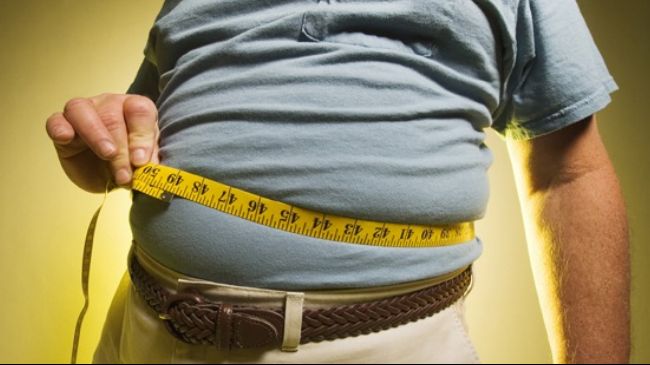
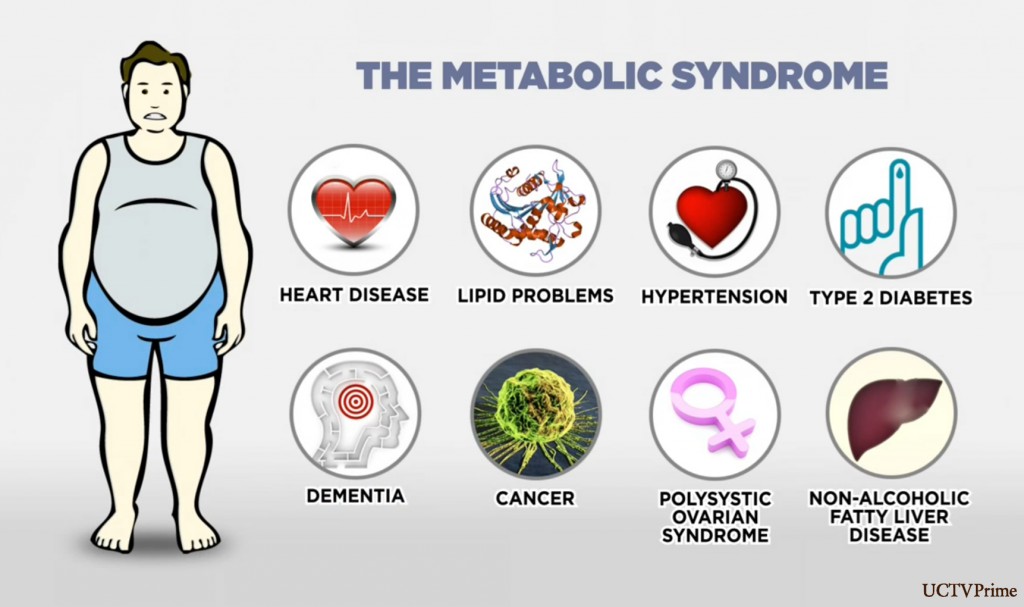
metabolic syndromeSyndrome X is also known as metabolic syndrome, cardio metabolic syndrome, insulin resistance syndrome, Reaven’s syndrome (named after Gerald Reaven an American endocrinologist and professor at Stanford University who has worked upon insulin resistance and diabetes), and CHAOS (in Australia). It’s one of the leading lifestyle related disorders.

As is defined by Wikipedia-Syndrome X is a disorder of energy utilization and storage, diagnosed by a co-occurrence of three out of five of the following medical conditions: abdominal (central) obesity, elevated blood pressure (Hypertension), elevated fasting plasma glucose (Diabetes/ insulin resistance), high serum triglycerides (hypertriglyceridemia), and low high-density cholesterol (HDL) levels.

In today’s times you will seldom find people with one single issue. You more often meet people with multiple issues for e.g.: You will see a person who is diabetic also has hypertension, and has a big belly at the same time. So, would you categorize this person as a diabetic or hypertensive or obese? Well, None of these! It is Metabolic Syndrome

How do you categorize a person suffering from metabolic syndrome?

He should have any of these 3 categories positive. As per American Heart Association(2004)

  • Elevated waist circumference: mortazavi20120513095818513
    • Men — greater than 40 inches (102 cm)
    • Women — greater than 35 inches (88 cm)
  • Elevated triglycerides: Equal to or greater than 150 mg/dL (1.7 mmol/L)
  • Reduced HDL (“good”) cholesterol:
    • Men — Less than 40 mg/dL (1.03 mmol/L)
    • Women — Less than 50 mg/dL (1.29 mmol/L)
  • Elevated blood pressure: Equal to or greater than 130/85 mm Hg or use of medication for hypertension

blood-pressure-monitor

  • Elevated fasting glucose: Equal to or greater than 100 mg/dL (5.6 mmol/L) or use of medication for hyperglycemia
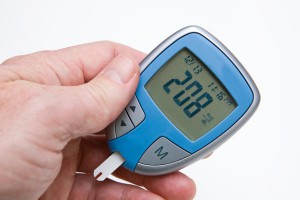
Glucometer

Let us concentrate on the prevention part rather than treatment as we already know prevention is better than cure. The prevention for Metabolic Syndrome is same as its treatment.

  1. Exercise daily for 30-60 minutes. Exercising increases the insulin sensitivity, helps reduce waist circumference, manages blood pressure and also improve HDL cholesterol. Exercise daily / Being active whole day is the requirement
  2. Lose weight if overweight. Nearing your IBW (Ideal Body Weight) helps to reduce the pressure exerted on the walls of the arteries to supply blood to all parts of the body. It also helps in better glucose uptake. Reducing even 10% of your body weight helps you control diabetes, blood pressure and weight
  3. Eat healthy and keep a check on the portions – Include a good amount of fruits and veggies in your daily diet. They are rich in fiber, vitamins and minerals. Fiber helps in maintaining blood sugar levels, choose whole grains and their products over the refined ones, choose low fat dairy products and lean proteins over red meat as red meat is high in fats and sodium. Go easy on saturated fats and trans fats like butter, ghee, margarine, vanaspati ghee, bakery products. Restrict cholesterol consumption to less than 300 mg/ day. Generally non-veg foods contain cholesterol. Veg sources do not contain cholesterol. Make it a point to check the nutritional label of the packaged foodstuff that you pick for cholesterol and Sodium content.
  4. Quit smoking and alcohol- Getting rid of your habits reduces the risk factor to a large extent by preventing damage to your organs. Alcohol raises triglyceride levels, helps increases belly fat and smoking induces chain reaction which destroys other organs too.
  5. Reduce stress levels- Stress hormone cortisol is known to increase blood sugar levels and create a negative impact on your body as well. Practicing deep breathing exercises and getting involved into your hobbies / recreational activities help curb the stress levels

Practicing these would not only help you lower the risk factors but also help lower your medication.
March 18, 2015 By Ami Shah 1 Comment

It’s just not a Peanut: it’s a nutritional pill

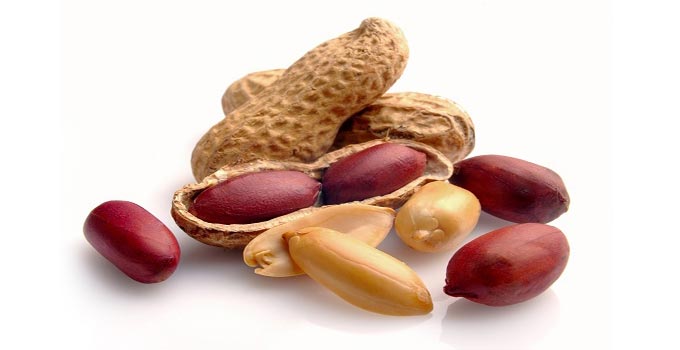
peanutPeanuts, commonly known as groundnuts or even monkey nuts are the cheapest and the healthiest protein available. A native to South America, Mexico and Central America it is an annual herbaceous plant, that grows almost at ground level.

It is almost used every day in one form or the other for cooking. They can be eaten in various forms like roasted, boiled, and fried. Also, now these days, you get many products made out of peanuts like peanut butter, peanut oil, peanut flour, dry roasted peanuts (snacks).

Peanuts play a vital nutritional role in human beings when consumed since they are high in protein and healthy fats. It is a good handy option for snacking provided the portion is controlled.

Avoid mindless eating by pre-portioning your nuts in small bags for a great snack to take on the go or to the office. Choose nuts in the shell and you’ll probably eat fewer since it takes time to crack them. Or take one handful and put the package away.

Let us have a look at its nutritional and health benefits.

  • Peanut has 166 calories and 7.8 gm of protein. Peanuts are heart healthy because they’re a good source of monounsaturated fatty acids. Eating peanuts may help lower your total cholesterol.
  • Peanuts are good sources of vitamin E, niacin, folate(6 mcg), protein and manganese (49.3 mg).
  • The nuts are an excellent source ofvitamin E, containing about 8 g per100 g. Vitamin E is a powerful lipid soluble antioxidant which helps maintain the integrity of cell membrane of mucus membranes and skin by protecting from harmful oxygen free radicals.
  • The nuts are packed with many important B-complex groups of vitamins such as riboflavin, niacin, thiamin, pantothenic acid, vitamin B-6, andfolates. 100 g of peanuts provide about 85% of RDI of niacin, which contribute to brain health and blood flow to brain.
  • The nuts are rich source of minerals like copper, manganese, potassium, calcium, iron, magnesium, zinc, and selenium.

To sum it up, these tiny looking nuts are packed with good amount of vitamins and minerals. So, make sure that you are incorporating them in your daily routine.

Having talked of all the benefits, Peanuts can also cause side effects. Excessive peanuts intake may lead to gas and heartburn. Peanut allergy is also very common and is a very serious food allergy that one can develop. Peanut allergy causes severe allergic reactions that can actually be life threatening. It’s best to do an allergy test if you suspect you have a peanut allergy.

People with peanut allergy will experience a reaction within minutes of eating a peanut or a product that is made from peanuts. The reaction typically starts with a tingling sensation in the mouth followed by swelling of the face, throat and mouth. It can result in difficulty breathing, an asthma attack, anaphylactic shock and death. Less severe reactions include rash, hives and upset stomach. If you have a peanut allergy, you will want to carry an Epinephrine pen to counter any episodes while waiting for emergency assistance.

Individual with peanut allergy have to be very cautious and check the nutritional label or the menu before buying any product or eating a dish in a restaurant.

November 21, 2014 By Ami Shah 2 Comments

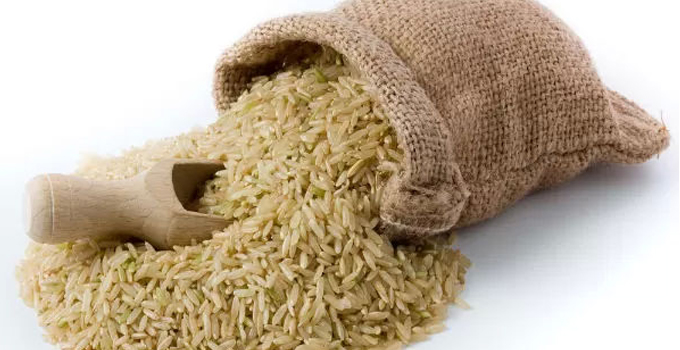
Secrets of brown rice!

brown-rice

It’s always said that cut down on fat and you would slim down. But, I have observed that many people despite cutting down on fat, still put on weight. The reason for this is simple carbohydrates which Indian population gorges on without knowing the facts.

Indian diets comprises more of simple carbohydrates which mainly consists of white rice, sugar, maida. There is definitely a substitute for everything.

Let’s talk about how beneficial brown rice is over white rice! The difference between white and brown rice is not that of colour alone but there is lot more to it.

How Brown rice gets converted to white rice?

The outermost layer, the hull, is removed to produce brown rice. This process avoids the unnecessary loss of nutrients that occurs with further processing. If brown rice is further milled to remove the bran and most of the germ layer, the result is a whiter rice, but also a rice that has lost many more nutrients. At this point, however, the rice is still unpolished, and it takes polishing to produce the white rice we consume.

Benefits of Brown Rice:

  • Rich in Selenium: A trace mineral which reduces the risk for common illness like colon cancer.


  • High in manganese: One cup of brown rice provides 80% of our daily manganese requirements. Manganese helps the body synthesize fats. Manganese also benefits our nervous and reproductive systems.


  • High in fiber: It is packed with fiber! It has been shown to reduce high cholesterol levels. It also keeps your sugar under control so brown rice is an excellent grain choice for people with diabetes. You feel satiated after eating brown rice as it is high in fiber so you tend to eat lesser in the meal, thus portion size comes into the picture.


  • Protection against breast cancer: The pytonutrient Lignin present in brown rice known to inhibit the growth of breast cancerous cells.
  •       Healthy bowel function: Brown rice contains good amounts of insoluble fibre that stays in the gut and aids digestion and prevents constipation.
  •       Great source of Magnesium: Magnesium is thought to be a key nutrient needed for healthy bones along with calcium and vitamin D.

To summarize, brown rice is  a healthy substitute which is packed with whole lot of antioxidants and micro-nutrients than white rice.

November 17, 2014 By Jyoti Sawant 1 Comment

Why excessive sweating is not good-Part 2

excessive-sweatingIn my previous blog I talked about how sweating is good and the health benefits of Sweating. But, having said that let me also caution you that excessive sweating is also not very good



Before I get to why it is not good, let us first try and understand what is excessive sweating or in other words ‘Hyperhidrosis’

What Is Excessive Sweating?

If you sweat more than other people when it’s hot or you’re exerting yourself, that’s not cause for concern. Sweating is a normal reaction when your body is working hard and needs to cool itself down.

Excessive sweating is usually defined as sweating an amount out of proportion with the temperature of a room or your activity level. Besides disrupting normal daily activities, excessive sweating can cause social anxiety or embarrassment.

Sweating that exceeds beyond the needs of the body—medically termed as hyperhidrosis—is fairly common but not a good sign. It affects 1%–3% of the population. Hyperhidrosis may be generalized but, most often it involves the palms, underarms, feet, and groin; it can take a social toll, making handshaking unpleasant and some handwork impossible.

Causes:

Sweating helps the human bodies stay cool. In most cases, it is perfectly natural. People sweat more in warm temperatures, when they exercise, or in response to situations that make them nervous, angry, embarrassed, or afraid.

Excessive sweating occurs without such triggers. Persons with hyperhidrosis appear to have overactive sweat glands. The uncontrollable sweating can lead to significant discomfort, both physically and emotionally.

When excessive sweating affects the hands, feet, and armpits, it is called primary or focal hyperhidrosis. In most cases, no cause can be found. It sometimes is genetic and runs in families.

Excessive sweating also occurs as a result of another medical condition such as Diabetes, Endocarditis, fever of undetermined cause, heart attack, menopause, Hyperthyroidism, obesity and stress it is called secondary hyperhidrosis. The sweating may be all over the body or it may be in one area.

Excessive Sweating: Treatment Tips

Hyperhidrosis is a very real and embarrassing problem, but there are some effective ways to treat it. Before you hide under bulky sweaters or move to a chillier climate, you can try these proven techniques for combating excessive sweating.

The easiest way to tackle excessive sweating is with an antiperspirant, which most people already use on a daily basis. Antiperspirants contain aluminium salts. When you roll them onto your skin, antiperspirants form a plug that blocks perspiration.

Many antiperspirants are sold combined with a deodorant, which won’t stop you from sweating but will control the odour from your sweat.


  • « Previous Page
  • 1
  • …
  • 30
  • 31
  • 32
  • 33
  • Next Page »

Search

Recent Posts

  • Our Kidneys, Our Planet: How Environmental Health Impacts Your Body
  • Caution: Smoking is Injurious to health!!
  • The Sleep-Metabolism Connection: Why Rest is Your Best GLP-1 Partner
  • Accelerate Action for Your Health: Why Self-Care Matters This International Women’s Day
  • 4 Reasons Why Affirmations Are Not Working For You

Stay Updated

Archives

  • March 2026 (5)
  • February 2026 (14)
  • January 2026 (14)
  • December 2025 (19)
  • November 2025 (15)
  • October 2025 (20)
  • September 2025 (6)
  • August 2025 (6)
  • July 2025 (12)
  • June 2025 (18)
  • May 2025 (16)
  • April 2025 (22)
  • March 2025 (23)
  • February 2025 (22)
  • January 2025 (25)
  • December 2024 (22)
  • November 2024 (23)
  • October 2024 (21)
  • September 2024 (24)
  • August 2024 (30)
  • July 2024 (21)
  • June 2024 (26)
  • May 2024 (31)
  • April 2024 (27)
  • March 2024 (29)
  • February 2024 (25)
  • January 2024 (21)
  • December 2023 (15)
  • November 2023 (11)
  • October 2023 (19)
  • September 2023 (22)
  • August 2023 (18)
  • July 2023 (22)
  • June 2023 (24)
  • May 2023 (24)
  • April 2023 (23)
  • March 2023 (23)
  • February 2023 (19)
  • January 2023 (15)
  • December 2022 (11)
  • November 2022 (15)
  • October 2022 (15)
  • September 2022 (12)
  • August 2022 (10)
  • July 2022 (17)
  • June 2022 (11)
  • May 2022 (10)
  • April 2022 (6)
  • March 2022 (6)
  • February 2022 (13)
  • January 2022 (11)
  • December 2021 (7)
  • November 2021 (3)
  • October 2021 (6)
  • September 2021 (3)
  • August 2021 (8)
  • July 2021 (7)
  • June 2021 (15)
  • May 2021 (16)
  • April 2021 (10)
  • March 2021 (7)
  • February 2021 (4)
  • January 2021 (4)
  • December 2020 (3)
  • November 2020 (4)
  • October 2020 (10)
  • September 2020 (3)
  • August 2020 (3)
  • July 2020 (2)
  • June 2020 (4)
  • May 2020 (10)
  • April 2020 (12)
  • March 2020 (10)
  • February 2020 (4)
  • January 2020 (4)
  • December 2019 (3)
  • November 2019 (7)
  • October 2019 (5)
  • September 2019 (4)
  • August 2019 (9)
  • July 2019 (9)
  • June 2019 (11)
  • May 2019 (4)
  • April 2019 (8)
  • March 2019 (8)
  • February 2019 (9)
  • January 2019 (8)
  • December 2018 (9)
  • November 2018 (3)
  • October 2018 (3)
  • September 2018 (5)
  • August 2018 (10)
  • July 2018 (6)
  • June 2018 (13)
  • May 2018 (8)
  • April 2018 (18)
  • March 2018 (9)
  • February 2018 (8)
  • January 2018 (15)
  • December 2017 (12)
  • November 2017 (19)
  • October 2017 (13)
  • September 2017 (15)
  • August 2017 (4)
  • July 2017 (8)
  • June 2017 (7)
  • May 2017 (6)
  • April 2017 (8)
  • March 2017 (6)
  • February 2017 (7)
  • January 2017 (9)
  • December 2016 (10)
  • November 2016 (7)
  • October 2016 (7)
  • September 2016 (7)
  • August 2016 (11)
  • July 2016 (9)
  • June 2016 (9)
  • May 2016 (12)
  • April 2016 (17)
  • March 2016 (17)
  • February 2016 (8)
  • January 2016 (6)
  • December 2015 (2)
  • November 2015 (9)
  • October 2015 (7)
  • September 2015 (9)
  • August 2015 (11)
  • July 2015 (9)
  • June 2015 (12)
  • May 2015 (9)
  • April 2015 (13)
  • March 2015 (8)
  • February 2015 (5)
  • January 2015 (12)
  • December 2014 (14)
  • November 2014 (11)
  • October 2014 (6)
  • September 2014 (13)
  • August 2014 (12)
  • July 2014 (6)
  • June 2014 (2)
  • May 2014 (7)
  • April 2014 (4)

From “Laddu Nawin” to Fit and Fierce: How a 25-Year-Old Insurance Advisor Shed 20 Kilos and Gained His Life Back

When 25-year-old Nawin Yadav from Hyderabad walked into his office every morning, he carried more than just his files and policy papers. He had the weight of fatigue, sluggish energy, and an ever-growing belly that was becoming the butt of jokes. “People … [Read More...]

“I’ve Challenged Myself to Live 100 Years” – The Story of Chandubhai Savani’s Second Chance at Life

At 67, most people start slowing down. Not Chandubhai Savani. A resident of Surat, Chandubhai, thought life was on track. “My life was going well till I had my bypass surgery,” he says. That surgery, back in 2021, was a wake-up call.  Medication was routine, but exercise wasn’t. His diet? What he calls ‘normal.’ “I […]

From Shimla’s Slopes to Chandigarh’s Sidewalks: Surinder Kaur Bhalla’s Journey from Chaos to Control

Some journeys start with a plan. Others begin with a stumble literally. Surinder Bhalla, a government professional, born and raised in the scenic hill town of Shimla, had always lived a life of movement. “In Shimla, you walked everywhere,” she reflects. “Walking was never an exercise. It was just life.” But after shifting to Chandigarh, […]

Ananda Mukherjee Health Story

From Terminal Illness To Complete Wellness! Ananda Mukherjee Health Story

As we observe World Cancer Day under the powerful theme ‘United by Unique’ (2025-2027)**, we are reminded that every individual’s journey with cancer is distinct, yet united by shared resilience, hope, and the collective fight against this disease. This theme places people at the centre of care and their stories at the heart of the […]

  • HOME
  • HEALTHY LIVING
  • FITNESS
  • HEALTHY RECIPES
  • USER STORIES
  • KARMA
  • BUY GOQii

Copyright ©2016 GOQii