GOQii

Blog

  • HOME
  • HEALTHY LIVING
  • FITNESS
  • HEALTHY RECIPES
  • USER STORIES
  • KARMA
  • BUY GOQii

Search Results for: portion control

October 26, 2022 By Vandana Juneja Leave a Comment

Top 5 Eating Habits That Are Bad For Heart Health

Top 5 eating habits that are bad for heart health

There are lots of habits which play a key role in maintaining good heart health. Eating right, being active, managing stress well and getting good quality sleep are just a few of them. Then, there are habits which are bad for heart health. These habits, over a period of time, if left unchecked, can increase the risk for heart disease. Let’s go over some of these eating habits that can affect your heart. 

Top 5 Eating Habits That Are Bad For Heart Health 

  1. Junk & Packaged Food: This one is a no-brainer. Eating junk and packaged food items like chips, namkeens, maggi and bakery items, etc. are bad for  heart health. These food items are loaded with saturated fats and sodium which increase the amount of LDL (Bad cholesterol) in our body. High levels of bad cholesterol can build up plaque in the blood vessels and clog them, leading to atherosclerosis, heart failures and stroke.
  2. High Sugar Intake: Regular and high consumption of sugar can damage blood vessels and the nerves that control your heart, causing high blood pressure and damage to artery walls. Besides table sugar, there are many food items with hidden sugars that we should avoid like – bakery items, desserts, mithai, packed juices, and instant food items like ready to cook breakfast cereals, aerated drinks, energy drinks, etc.
  3. Overeating: Being overweight is a major risk factor for heart disease. Eating uncontrolled portions leads to weight gain which can cause a myriad of health issues. So avoid eating, not only high calorie foods in large quantities, but be careful about the portion of your regular meals as well.
  4. Eating Red Meat: Red meat is high in saturated fat and there’s also evidence that processed meat increases the risk of cardiovascular disease. Ideally, less than 10% of your diet should come from animals and animal products.
  5. Avoiding Fruits & Vegetables: Fruits and vegetables are a great source of Vit C and beta carotene. These antioxidants help prevent plaque deposition in the blood vessels. So, try including fresh fruits and vegetables in your daily diet. 

Apart from the above mentioned foods, make sure you lead an overall healthy lifestyle to avoid facing any health issues. If you need help with improving your lifestyle or seek guidance to manage an existing condition, reach out to an expert by subscribing for GOQii’s Personalised Health Coaching here: https://goqiiapp.page.link/bsr

For more on heart health, check out Healthy Reads. 

We hope this article helps you avoid these foods which are bad for heart health. Do leave your thoughts in the comments below! 

#BeTheForce  

October 11, 2022 By Arooshi Garg Leave a Comment

Cardiac Diet: Foods To Eat, Avoid & Other Tips

Cardiac Diet: Foods To Eat, Avoid & Other Tips

Whether you want to lose weight, manage cardiovascular issues or simply avoid any health complications, a healthy, clean eating pattern can help you move towards it. Understanding what foods are good or bad and taking small steps to include or avoid different foods can be game changer. While eating habits are formed slowly and changing them can be overwhelming, here’s your guide to a Cardiac Diet which includes foods and eating habits that can help you maintain a healthy heart.

The Cardiac Diet – Foods & Habits For A Healthy Heart 

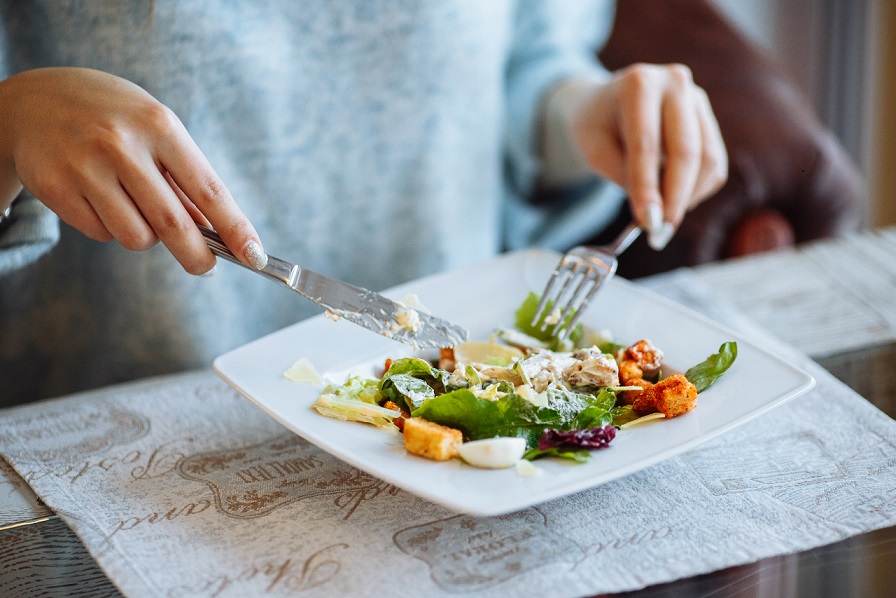
  1. Control portions: Eyeballing your food to check the estimated calories is the easiest way to avoid overeating and over consumption. Even healthy foods like nuts, when taken in excess, are harmful! Always choose low calorie and high fiber foods to fill yourself like raw fruits and vegetables. Take smaller portions of calorie dense and high salt foods for a healthy heart. Another tip is to choose a smaller plate when eating.
  2. Choose raw vegetables: Having at least 3-4 servings of fresh and local vegetables is very essential to get a good supply of heart healthy antioxidants. Choose bright coloured vegetables to get maximum benefit. Fiber, which is present in vegetables, helps in controlling high BP, fat deposition in arteries and also eases digestion.
  3. Include whole grains, millets: Grains are naturally high in fiber and nutrients. Avoid refined and processed cereals like all-purpose flour, breads and bakery products. Instead, choose locally available native millets like barley, ragi, bajra, quinoa, and farro.
  4. Consume salt mindfully: Having too much salt can worsen cardiac health and cause hypertension. Adding no table salt and reducing salt while you cook is the first step. Reducing hidden salt from foods like cornflakes, muesli, breads, biscuits, sauces, and pickles is the next step. Choose less refined salts like Rock salt or Himalayan salt. Be wary if you have thyroid, as you might need regular iodized salt. Flavor your dishes using dill, coriander, mint, lemon, and oregano instead!
  5. Choose low-fat high protein sources: Avoid animal products that are high in fat such as full fat milk, cheese, etc. Go for low fat/toned milk, choose leaner cuts, fish, and eggs to meet your protein requirement. Certain types of fish are rich in omega-3 fatty acids, which can lower blood fats called triglycerides. Products like soya granules, sprouts, powdered pulses are good, low-fat sources of protein and contain no cholesterol. They can be easily added to the diet to increase protein intake.
  6. Control the intake of nuts and seeds: Nuts and seeds when consumed in moderation are extremely beneficial. Nuts and seeds like walnuts, almonds, Brazil nuts, chia seeds, sabja seeds, sunflower seeds, and flax seeds are rich in heart healthy fats known as omega 3 fatty acids. These help in increasing the good cholesterol component essential for limiting inflammation in heart patients. However, excess of these nuts and seeds can also lead to increased fat intake which is not ideal.
  7. Engage in cardio activities: As the name suggests, any type of physical activity which affects the heart activity is considered good for cardiovascular health. If you cannot go to the gym, ensure that you at least go for a walk. A quick 30-minute fast walk can help you get good cardio activity to reduce cholesterol levels, blood pressure and improve energy levels. It can also help you fight weight gain to improve overall cardiac health. If you are still unable to find time for dedicated exercise, make it a habit to walk for 10 minutes post every meal. Finding small pockets of time for cardiovascular fitness in the form of walking can be really helpful. Choose any activity like jogging, running, cycling, swimming, Zumba, or aerobics, etc.
  8. Say no to smoking and alcohol: Limit your alcohol intake. Smoking is a major risk factor for heart disease. The chemicals you inhale when you smoke, damage your heart and blood vessels.

A mild indulgence should not hamper your heart healthy journey, so an occasional favorite meal or a piece of cookie won’t harm you. However, balancing your choices and changing your eating habits in the long run is the key to better heart health.

We hope this Cardiac Diet and the subsequent tips help you make a positive lifestyle change. Let us know your thoughts in the comments below. 

For more on Heart Health, check out Healthy Reads or ask an expert by subscribing for personalised health coaching here: https://goqiiapp.page.link/bsr

#BeTheForce 

February 4, 2022 By GOQii Leave a Comment

World Cancer Day 2022: Closing The Gap In Cancer Care

cancer care

Obtaining essential health services is a huge challenge for at least half the world’s population, according to a report from the World Bank and WHO. A large number of households are pushed into poverty as they must bear the costs of healthcare from their own pockets. When it comes to cancer, many are denied basic care, despite the fact that we live in a time where there are awe-inspiring advancements in cancer prevention, diagnostics and treatment. 

The equity gap is costing people lives as those who seek cancer care hit barriers at every turn. Income, education, location and discrimination based on age, gender, ethnicity, sexual orientation, disability and lifestyle affect cancer care negatively. More so for people who have access to risk factors such as tobacco, diet or environmental hazards. 

Barriers That Affect Cancer Care

  1. Gender Norms and Discrimination: Women and girls suffer from discrimination owing to misogny, stereotypes and expected gender roles. Similarly, men suffer as a result of social norms surrounding masculinity – which prevents them from taking life-saving procedures such as surgery for early prostate cancer – for the fear of incontinence or impotence. 
  2. Socioeconomic Status: Poverty is a serious barrier to proper care as many people cannot afford or access screening and treatment services. The means of prevention and knowledge among these communities is low as well. 
  3. Age Discrimination: Older individuals are vastly underrepresented in the research that sets the standards for cancer treatment. A high proportion of older women with breast cancer receive less chemotherapy than their younger counterparts. More than 70% of deaths caused by prostate cancer occur in men above the age of 75. How old you are should not determine the quality of care you receive. 
  4. Rural-Urban Divide: Where you live, should not determine if you will live. Rural patients are frequently diagnosed at later stages and are less likely to receive appropriate treatment. The financial burden of traveling to a place where you can get treatment and getting the right treatment can be insurmountable. 
  5. Homophobia, Transphobia & Related Discrimination: Around the world, the lesbian, gay, bisexual, transgender, queer and intersex (LGBTQAI) community face hostility and discrimination. They are also likely to face ignorance or prejudice from health practitioners. 

These hurdles to cancer care are only a few ways in which people can be deprived of cancer care. But these obstacles are meant to be overcome. The first step is to recognize this inequity, challenge our own assumptions and biases, listen to the perspectives of people living with cancer and fight these gaps when we see them. 

The Goal Is Simple 

Our systems can be reimagined, situations can be improved and access to proper care can be made available and easier. We can reduce this inequity by: 

  • Educating the public about cancer prevention 
  • Equipping healthcare professionals with skills and knowledge, including how inequity influences cancer care 
  • Strengthening primary health care delivered in communities
  • Addressing some of the social and economic factors that can negatively affect people’s health through policy and programmes  
  • Increasing the resources which includes both money and people – dedicated to cancer research, and tracking the burden of cancer nationally to more effectively shape our investments
  • Implementing country-specific cancer prevention and control plans that address each country’s unique needs and resources.

How Can You Get Involved? 

While the gap in cancer care might not affect you, it could be affecting someone you know. Together, as a community or as individuals, we can make a difference. 

  1. Get Personal: Create your own custom social media post with your own personal message of the commitment and share it with the world.
  2. Light Up The World: Make a statement by lighting up a significant landmark, monument or building to be illuminated on World Cancer Day in the colours of orange and blue in your city. For more information, email hello@worldcancerday.org 
  3. Spread The Word: Write an op-ed, blog story, record a video message, feature World Cancer Day on your website, an article in your newsletter, or reach out to a local journalist.
  4. Join The Action: Show your support by showing up. Find an event near you on the Map of Activities, sign up to attend, participate or volunteer. 
  5. Create An Event: Inspire others by hosting your own World Cancer Day event. From flash mobs, free screenings, conferences, fundraisers to fun runs, add it to the Map of Impact to spotlight the awesome work that you are planning. 
  6. Advocate For Action: Write to your political parties asking them to show their commitment, raise public awareness and take action this World Cancer Day.
  7. Use Your Voice: Start a conversation about cancer with your family, friends, colleagues and networks.
  8. Inform Yourself & Others: Find out more about cancer, how you can reduce your cancer risks, and the impact it has on the people we love, our communities, and the world.

With conscious effort, we can close this inequity gap and improve cancer care for everybody. You can get more information about Closing the Gap In Cancer Care by visiting www.worldcancerday.org 

To explore preventive measures, you can check out Healthy Reads or ask a GOQii Coach by subscribing for personalized health coaching here: https://goqiiapp.page.link/bsr 

Together, let’s #BeTheForce for change! 

April 28, 2021 By Mrinali Dwivedi 1 Comment

All You Need To Know About Irritable Bowel Syndrome (IBS)

irritable bowel syndrome

Irritable Bowel Syndrome (IBS) is an umbrella term for a long standing functional (relating to the function of) gut disorder that affects around 1 in 10 people worldwide. It is more common than you may think. It has now been recognized as the most common debilitating gastrointestinal disorder in the general population globally.

Classically, IBS manifests as abdominal pain or discomfort, that is relieved by passing stools or is associated at its onset. With an alteration in the stool frequency (either an increase or decrease) or a change in the appearance of the stool (to either loose or hard). There is still a lot that is being researched about this disorder, and although there is currently no cure, we can still manage the symptoms and live a quality full life!

What Causes Irritable Bowel Syndrome? 

While the main causative factors of this disorder are uncertain, it is considered to be caused by a play of numerous physical as well as emotional factors. Physical factors being lack of physical activity, improper dietary habits and poor sleep quality, coupled with a number of emotional stressors and impaired mental health. Research has shown that those who endure extended periods of stress, anxiety and depression, are more prone to experience IBS related symptoms & vice versa. However, people who consume high doses of antibiotics or antidepressants, are more likely to experience this symptom complex.

What Are Its Symptoms? 

The symptoms of this disorder vary individually. They can range from constipation, diarrhoea, bowel movements that are alternating between constipation and diarrhoea, bloating and abdominal pain/discomfort. Symptoms can be exacerbated on intake of certain foods and drinks, called ‘triggers’ or on days that the individual is experiencing poor sleep or excess mental pressure.

Note: If you are experiencing any other symptoms such as unexplained weight loss, blood in the stools, a prolonged change in bowel movements for 6+ weeks or have a family history of bowel cancer, consider consulting your General Practitioner.

How Can It Be Managed? 

Diet and Lifestyle

  1. Keep a Symptom diary to help identify potential trigger foods
  2. Practice Mindful eating: Eat slowly without any distractions like television or mobile phones
  3. Yoga and Physical Exercise can help reduce stress and some symptoms. It also aids in maintaining a healthy weight status.
  4. A varied diet is the key to microbial diversity. Having a balanced meal with foods from different food groups helps maintain gut microbiota
  5. Limit fruits to 3 portions/80g a day. This is because of the fiber profile of fruits that may interact with gut mobility
  6. Probiotics may improve symptoms, yet an individualised approach is needed

Food and Drinks

  1. Avoid long gaps between eating. Regular meal timings and controlled portion sizes prevent symptoms from exacerbating
  2. Consume lots of fluids, approx 6-8 glasses a day. However, limit fizzy drinks
  3. Spicy foods can irritate the gut lining, especially if used with highly flavoured ingredients such as too much onion and garlic. Limit them! 
  4. Caffeine should be reduced to less than 3 cups a day (tea/coffee)
  5. Reduce Alcohol intake to 30-60ml or even lesser per week
  6. Resistant Starch is seen to exacerbate symptoms. Reduce the intake of cooked and cooled carbs like frozen pizza/cold pasta, day old boiled potatoes, etc. or refined wheat flour products like bakery products 

We hope this article helps you manage Irritable Bowel Syndrome. Do leave your thoughts in the comments below and share this article with someone who needs to read it! For more on living a healthy lifestyle, check out Healthy Reads or tune in to LIVE sessions by experts on GOQii Play. 

To get the right guidance for lifestyle issues such as IBS, Subscribe or Renew your GOQii subscription now: https://goqiiapp.page.link/wssu

#BeTheForce 

  • « Previous Page
  • 1
  • …
  • 24
  • 25
  • 26
  • 27
  • 28
  • …
  • 32
  • Next Page »

Search

Recent Posts

  • India Leads in Longevity: GOQii Sanjeevini Named Top 40 in $101M XPRIZE
  • The Importance Of Knowing If You’re Thirsty Or Hungry
  • Best Foods To Alleviate Irritable Bowel Syndrome
  • ALL ABOUT VERTIGO!
  • PCOS and Anxiety: Discover Relief with the 54321 Technique

Stay Updated

Archives

  • December 2025 (8)
  • November 2025 (15)
  • October 2025 (20)
  • September 2025 (6)
  • August 2025 (6)
  • July 2025 (12)
  • June 2025 (18)
  • May 2025 (16)
  • April 2025 (23)
  • March 2025 (23)
  • February 2025 (22)
  • January 2025 (26)
  • December 2024 (26)
  • November 2024 (25)
  • October 2024 (22)
  • September 2024 (24)
  • August 2024 (31)
  • July 2024 (21)
  • June 2024 (26)
  • May 2024 (31)
  • April 2024 (27)
  • March 2024 (29)
  • February 2024 (26)
  • January 2024 (25)
  • December 2023 (15)
  • November 2023 (11)
  • October 2023 (20)
  • September 2023 (22)
  • August 2023 (20)
  • July 2023 (22)
  • June 2023 (24)
  • May 2023 (24)
  • April 2023 (24)
  • March 2023 (23)
  • February 2023 (20)
  • January 2023 (16)
  • December 2022 (12)
  • November 2022 (15)
  • October 2022 (15)
  • September 2022 (12)
  • August 2022 (10)
  • July 2022 (17)
  • June 2022 (11)
  • May 2022 (10)
  • April 2022 (6)
  • March 2022 (6)
  • February 2022 (13)
  • January 2022 (12)
  • December 2021 (7)
  • November 2021 (3)
  • October 2021 (6)
  • September 2021 (3)
  • August 2021 (8)
  • July 2021 (7)
  • June 2021 (15)
  • May 2021 (16)
  • April 2021 (10)
  • March 2021 (7)
  • February 2021 (4)
  • January 2021 (4)
  • December 2020 (3)
  • November 2020 (4)
  • October 2020 (10)
  • September 2020 (3)
  • August 2020 (3)
  • July 2020 (2)
  • June 2020 (4)
  • May 2020 (10)
  • April 2020 (12)
  • March 2020 (10)
  • February 2020 (4)
  • January 2020 (4)
  • December 2019 (3)
  • November 2019 (7)
  • October 2019 (5)
  • September 2019 (4)
  • August 2019 (9)
  • July 2019 (9)
  • June 2019 (11)
  • May 2019 (4)
  • April 2019 (9)
  • March 2019 (8)
  • February 2019 (9)
  • January 2019 (8)
  • December 2018 (9)
  • November 2018 (3)
  • October 2018 (3)
  • September 2018 (5)
  • August 2018 (10)
  • July 2018 (6)
  • June 2018 (13)
  • May 2018 (8)
  • April 2018 (18)
  • March 2018 (9)
  • February 2018 (8)
  • January 2018 (15)
  • December 2017 (12)
  • November 2017 (19)
  • October 2017 (13)
  • September 2017 (15)
  • August 2017 (4)
  • July 2017 (8)
  • June 2017 (7)
  • May 2017 (6)
  • April 2017 (8)
  • March 2017 (6)
  • February 2017 (7)
  • January 2017 (9)
  • December 2016 (10)
  • November 2016 (7)
  • October 2016 (7)
  • September 2016 (7)
  • August 2016 (11)
  • July 2016 (9)
  • June 2016 (9)
  • May 2016 (12)
  • April 2016 (17)
  • March 2016 (17)
  • February 2016 (8)
  • January 2016 (6)
  • December 2015 (2)
  • November 2015 (9)
  • October 2015 (7)
  • September 2015 (9)
  • August 2015 (11)
  • July 2015 (9)
  • June 2015 (12)
  • May 2015 (9)
  • April 2015 (13)
  • March 2015 (8)
  • February 2015 (5)
  • January 2015 (12)
  • December 2014 (14)
  • November 2014 (11)
  • October 2014 (6)
  • September 2014 (13)
  • August 2014 (12)
  • July 2014 (6)
  • June 2014 (2)
  • May 2014 (7)
  • April 2014 (5)

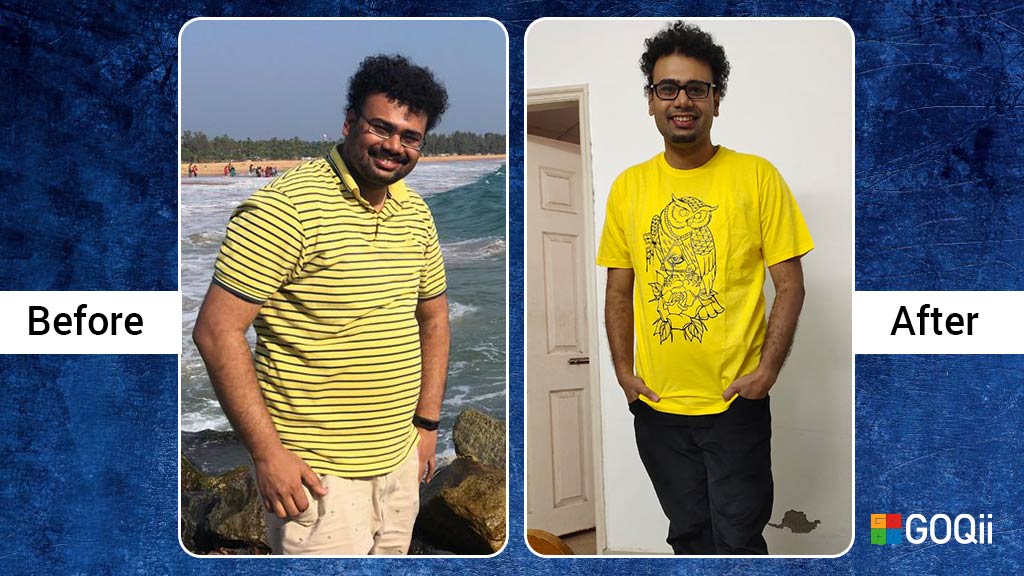
From “Laddu Nawin” to Fit and Fierce: How a 25-Year-Old Insurance Advisor Shed 20 Kilos and Gained His Life Back

When 25-year-old Nawin Yadav from Hyderabad walked into his office every morning, he carried more than just his files and policy papers. He had the weight of fatigue, sluggish energy, and an ever-growing belly that was becoming the butt of jokes. “People … [Read More...]

“I’ve Challenged Myself to Live 100 Years” – The Story of Chandubhai Savani’s Second Chance at Life

At 67, most people start slowing down. Not Chandubhai Savani. A resident of Surat, Chandubhai, thought life was on track. “My life was going well till I had my bypass surgery,” he says. That surgery, back in 2021, was a wake-up call.  Medication was routine, but exercise wasn’t. His diet? What he calls ‘normal.’ “I […]

From Shimla’s Slopes to Chandigarh’s Sidewalks: Surinder Kaur Bhalla’s Journey from Chaos to Control

Some journeys start with a plan. Others begin with a stumble literally. Surinder Bhalla, a government professional, born and raised in the scenic hill town of Shimla, had always lived a life of movement. “In Shimla, you walked everywhere,” she reflects. “Walking was never an exercise. It was just life.” But after shifting to Chandigarh, […]

Ananda Mukherjee Health Story

From Terminal Illness To Complete Wellness! Ananda Mukherjee Health Story

As we observe World Cancer Day under the powerful theme ‘United by Unique’ (2025-2027)**, we are reminded that every individual’s journey with cancer is distinct, yet united by shared resilience, hope, and the collective fight against this disease. This theme places people at the centre of care and their stories at the heart of the […]

  • HOME
  • HEALTHY LIVING
  • FITNESS
  • HEALTHY RECIPES
  • USER STORIES
  • KARMA
  • BUY GOQii

Copyright ©2016 GOQii