GOQii

Blog

  • HOME
  • HEALTHY LIVING
  • FITNESS
  • HEALTHY RECIPES
  • USER STORIES
  • KARMA
  • BUY GOQii

Search Results for: mindful eating

May 31, 2025 By GOQii Leave a Comment

Enabling Choices: How GLP-1 is Transforming Weight and Well-being Globally

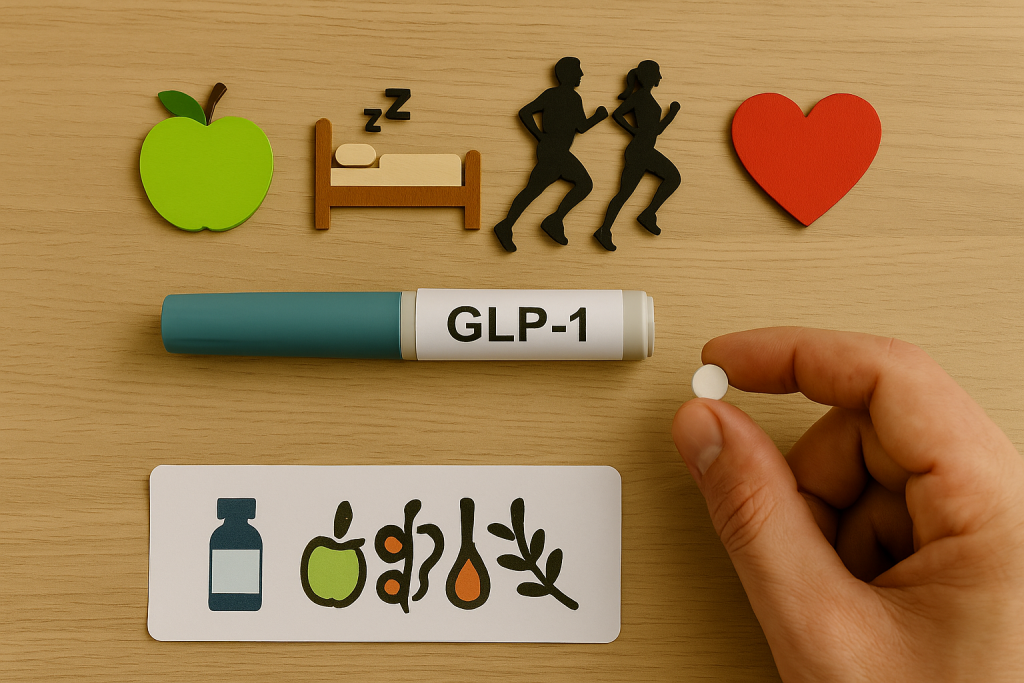
A flat lay of wellness essentials including a GLP-1 medication pen, healthy food, water, sleep mask, and fitness tracker — symbolising holistic support for weight and health management.A Science-Based Shift from Shame to Strength

Let’s talk about weight — not as a number on the scale, but as a story we’ve been telling, often with shame, judgement, and whispered critiques. Across cultures, weight has been more than just about health; it’s been tangled up in expectations, appearances, and societal pressure.

For women, it’s long been linked to worth, desirability, and social acceptance. For men, mockery often comes disguised as humour, while lifestyle stress quietly takes its toll.

But a new story is emerging. And this time, it’s backed by science.

From Willpower to Biology: A Paradigm Shift

For decades, the weight-loss conversation has been stuck in a simplistic formula: eat less, move more. If you didn’t succeed, the blame fell on your discipline — or supposed lack of it.

But modern science tells a different story.

Weight is not just about willpower — it’s deeply influenced by how our brains regulate hunger, how our hormones respond to food, and how our bodies manage insulin.

Enter GLP-1 (glucagon-like peptide-1) receptor agonists — a class of medications initially developed to treat type 2 diabetes. Drugs like semaglutide and liraglutide work by mimicking the action of the natural GLP-1 hormone, helping to regulate appetite, glucose levels, and feelings of fullness.

What doctors began to notice was that many patients weren’t just managing their diabetes better — they were also losing weight, sustainably and safely.

Endocrinologists noted that this was science supporting the body to function as it was meant to — managing hunger cues, curbing intense cravings, and balancing metabolism.

A Tool, Not a Shortcut

Let’s be clear: GLP-1 therapies are not miracle pills. They’re tools — and remarkably effective ones — but they work best when used alongside healthy lifestyle habits like balanced nutrition, regular physical activity, good sleep, and mental well-being.

This isn’t about chasing an ideal body image. It’s about improving metabolic health, enhancing insulin sensitivity, reducing cardiovascular risk, boosting energy, and improving long-term quality of life.

For many people who have tried everything — from extreme diets to punishing fitness routines — GLP-1 treatment has been the first time they’ve felt in control.

Hunger is no longer all-consuming. Eating becomes mindful, not guilt-ridden. Their bodies start responding, not resisting.

Language Matters: From Fat Loss to Health Gain

It’s time to change the way we talk about weight and wellness.

Let’s move away from phrases like “fat loss” and instead centre conversations around “health gain.” Let’s talk about hormone balance, liver health, and emotional regulation — not just waistlines.

When we reduce health to aesthetics, we risk turning a deeply personal and biological journey into a beauty contest. GLP-1 therapies remind us that health isn’t about being thinner — it’s about being stronger, more balanced, and more in tune with your body.

A Personal Journey, Backed by Science

GLP-1 therapy is not a shortcut — it is a signal of a larger shift. From blame to understanding. From shame to support. It’s a tool that gives people their agency back.

For too long, the message has been: You need to try harder.
Now, science says: You deserve better tools.

Whether you’re navigating weight challenges, prediabetes, or simply trying to feel better in your body, know this:

You are not broken.
You are not weak.
You are not alone.

You’re human — and now, finally, the science is humanising your struggle.

The future of wellness isn’t about perfection.
It’s about empowerment, equity, and informed choice.
And with tools like GLP-1, we’re not just transforming bodies —
we’re transforming the very conversation around health.

#BeTheForce

Disclaimer: The information provided in this blog is for general awareness and educational purposes only. It is not intended to replace professional medical advice, diagnosis, or treatment. Always consult a qualified healthcare provider for personalised medical guidance or concerns related to your health. Images shown are for representation purposes only and may not depict the exact recommendations or outcomes.
May 24, 2025 By GOQii Leave a Comment

One Starchy Meal a Day: Why Moderation Matters in the DIP Plan

Understanding the science behind starch, blood sugar, and sustainable change
When it comes to managing diabetes through diet, it’s not just about cutting out sugar. It’s about making strategic choices — especially when it comes to starchy carbohydrates like rice, bread, potatoes, and pasta.

The Diabetes Improvement Programme (DIP) takes a balanced, evidence-informed approach. One of its core principles is simple: limit starchy carbohydrates to just one meal a day. At first glance, this may sound restrictive — but there’s solid science behind it. And more importantly, it works.

Here’s why this one-meal rule matters — and how it can help you take meaningful control of your blood sugar and long-term health.

What Are Starchy Carbohydrates?

Starches are complex carbohydrates found in foods such as:

  • Rice, pasta, and noodles
  • Potatoes, sweet potatoes, and yams
  • Bread, crackers, and baked goods
  • Corn, peas, lentils, and beans

Although they’re often considered “slow release”, these foods can rapidly break down into glucose in the body — especially when eaten in large quantities or refined forms. This causes a rise in blood sugar levels — precisely what individuals with diabetes or insulin resistance aim to manage.

The Problem With Overdoing Starch

When starchy foods are consumed at every meal, they can:

  • Spike blood sugar levels multiple times a day
  • Increase insulin demand, placing extra strain on the pancreas
  • Lead to weight gain or make weight loss more difficult
  • Contribute to energy crashes and cravings later in the day

For those with Type 2 diabetes or prediabetes, this daily glucose rollercoaster can make management difficult and may even undo the benefits of other healthy habits.

Why One Starchy Meal Works Better

By limiting starch to just one meal per day, the DIP plan allows the body to:

  • Stabilise blood sugar levels more effectively throughout the day
  • Lower overall insulin exposure, which supports weight loss and improves insulin sensitivity
  • Improve energy levels without the post-meal slump
  • Break the dependency on carbohydrate-rich meals for satiety or satisfaction

This strategy doesn’t eliminate carbs — it simply creates a rhythm where your body has time to reset and burn fat more efficiently between meals.

It’s Not About Elimination — It’s About Moderation

Let’s be clear — starch is not the enemy. Many starchy foods are part of cultural traditions, family meals, and emotional comfort. The DIP framework respects that. By allowing starch at just one meal a day, it encourages mindful moderation rather than extreme restriction.

This flexibility helps make the plan more realistic, sustainable, and enjoyable — which is key for long-term change.

How to Make the Most of Your One Starchy Meal

If you’re choosing to include starch, here are a few tips:

  • Pick whole, minimally processed options — such as brown rice, millet, or sweet potato
  • Mind your portions — one cup (about the size of your fist) is a helpful guide
  • Pair it with protein, fibre, and fat — this slows digestion and helps reduce glucose spikes
  • Make it the highlight, not the base — build your plate with vegetables and protein first

For example:
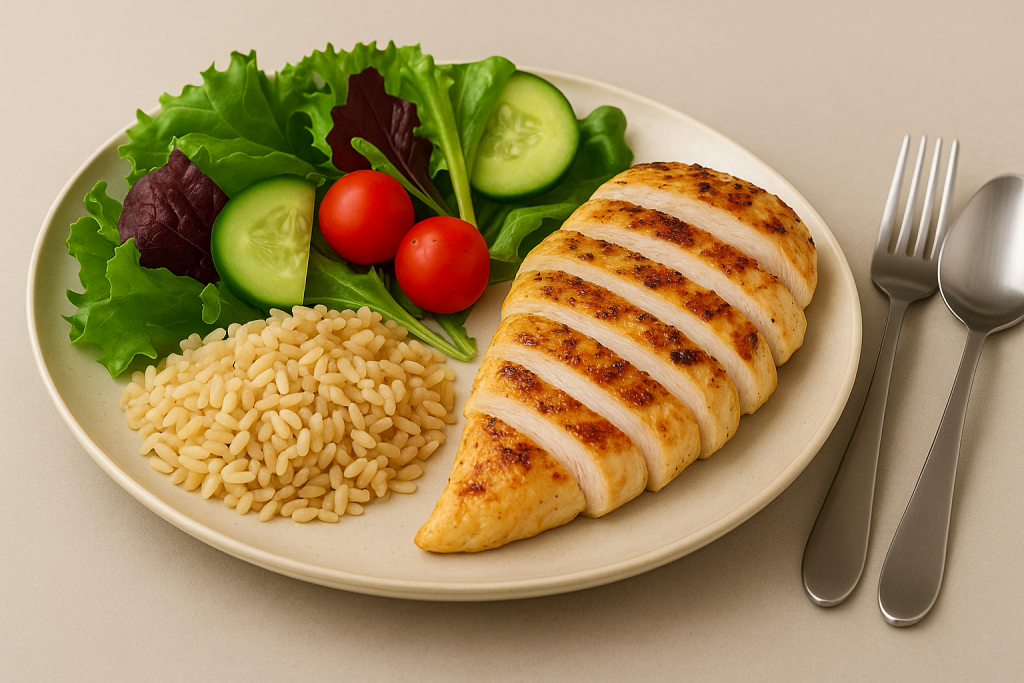
A lunch of grilled chicken, mixed salad, and a small portion of brown rice is more balanced than a heaping plate of pasta with little else.

Science Meets Simplicity

The concept of one starchy meal per day is backed by research in low-carb and moderate-carb interventions for Type 2 diabetes. Numerous studies show that reducing daily carbohydrate load (especially starchy carbs) improves HbA1c, supports weight loss, and enhances metabolic markers like triglycerides and insulin sensitivity.

By following this simple principle, you’re not just adopting a diet — you’re creating better metabolic conditions for your body to heal and thrive.

Small Change, Big Impact

You don’t need to give up rice forever. You don’t need to avoid bread at every meal. But choosing to have starch just once a day could be the difference between constantly battling blood sugar fluctuations and finally finding control.

This one shift — this small act of moderation — can ripple out into better energy, clearer thinking, improved lab results, and a more empowered relationship with food.

And in the end, that’s what the DIP plan is all about — progress, not perfection.

#BeTheForce

Disclaimer: The information provided in this blog is for general awareness and educational purposes only. It is not intended to replace professional medical advice, diagnosis, or treatment. Always consult a qualified healthcare provider for personalised medical guidance or concerns related to your health. Images shown are for representation purposes only and may not depict the exact recommendations or outcomes.

May 19, 2025 By GOQii Leave a Comment

Low-Carb Woes? Here’s How to Tackle the 3 Cs: Cravings, Constipation & Cramps

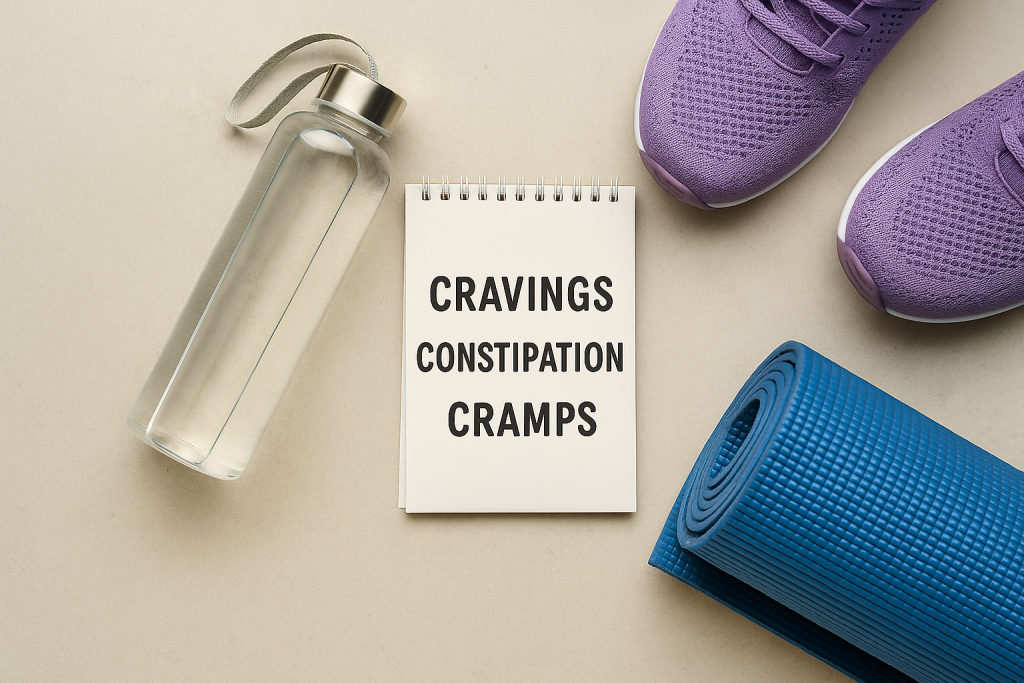
Cravings, Constipation & CrampsStarting a low-carb diet can be a transformative step — especially if you’re aiming to reverse diabetes, improve metabolic health, or simply feel better overall. But the transition isn’t always smooth.

In the early days, it’s common to face a few challenges. Chief among them are cravings, constipation, and cramps — the “3 Cs” that often accompany your body’s adjustment to this new way of eating.

These symptoms are temporary, and they’re not a sign that something’s gone wrong. They simply reflect how your body is adapting. The good news? Each one can be managed effectively with a few simple strategies.

  1. Cravings

What’s happening:
When you cut down on carbohydrates — especially refined sugars and processed starches — your body initially struggles. It’s used to relying on quick sugars for energy, so when that source is removed, it signals hunger more aggressively. This can lead to strong cravings, particularly for high-carb comfort foods.

What helps:

  • Increase healthy fats: Include good fats like avocado, coconut, olive oil, and nuts in your meals. They promote satiety and help control hunger.
  • Eat balanced meals: Ensure your meals include a mix of protein, fibre, and fat. This helps stabilise blood sugar levels and reduces sudden hunger pangs.
  • Hydrate regularly: Often, what feels like a craving is actually dehydration. Aim to drink plenty of water throughout the day.

Distract and reset: A short walk, chewing gum, or even brushing your teeth can help shift your focus away from cravings.

  1. Constipation

What’s happening:
As your carbohydrate intake drops, you may also be eating less fibre — particularly if you’ve eliminated whole grains and haven’t replaced them with fibrous vegetables. This can slow down digestion.

What helps:

  • Prioritise vegetables: Load up on non-starchy vegetables like spinach, broccoli, cucumbers, and courgettes to boost fibre intake.
  • Add natural fibre sources: Chia seeds or ground flaxseeds (1–2 tablespoons a day) are excellent for digestive health.
  • Stay hydrated: Water supports smooth digestion and helps fibre do its job properly.
  • Keep moving: Gentle physical activity, like a daily walk, stimulates bowel movements and supports gut motility.
  1. Cramps

What’s happening:
Low-carb diets lead to reduced insulin levels, which cause the kidneys to excrete more water and, along with it, essential electrolytes like sodium, potassium, and magnesium. This can result in muscle cramps, especially at night. Also, cutting out processed foods often reduces sodium intake, leading to deficiency.

What helps:

  • Salt your food mindfully: A pinch of good-quality salt (sea salt or Himalayan salt) can help restore sodium levels. Aim for around 2 teaspoons per day (unless advised otherwise by your doctor).
  • Replenish magnesium: Include magnesium-rich foods like leafy greens, almonds, and pumpkin seeds. In some cases, a supplement may be useful — consult your doctor.
  • Boost potassium intake: Avocados, mushrooms, and spinach are excellent low-carb sources of potassium.
  • Hydration remains key: Continue drinking adequate fluids throughout the day to support overall electrolyte balance.

Stay the Course

These early side effects are not permanent. They’re part of your body’s natural shift from relying on carbohydrates to using fat as a primary energy source. With a little patience and the right nutritional adjustments, most people notice these symptoms ease within the first two weeks.

Once past this transition, many experience improved energy levels, reduced cravings, better digestion, and overall enhanced well-being.

So if you’re facing the 3 Cs right now — know that it’s temporary. Stay informed, take care of your body, and lean on the DIP principles. You’re on the right track.

#BeTheForce

Disclaimer: The information provided in this blog is for general awareness and educational purposes only. It is not intended to replace professional medical advice, diagnosis, or treatment. Always consult a qualified healthcare provider for personalised medical guidance or concerns related to your health.

April 22, 2025 By Hardika Vira 5 Comments

Common Reasons For Not Losing Belly Fat

Commons Reasons For Not Losing Belly FatBelly fat is not accumulated in a day or two. It takes several weeks and months of unhealthy eating and lifestyle to build it. When people finally decide to lose belly fat, the first thing they wonder is ‘Why am I not losing belly fat even after exercising so much and cutting down on junk food?’ There are several reasons for it.



Reasons Why You’re Not Losing Belly Fat

Here are a few common reasons why most individuals find it difficult to lose belly fat.

1. Eating Heavy Meals At One Time
Most people struggling with losing belly fat and weight loss are the ones who tend to have too much food at one time. The reason for this is largely either long gaps between the meals or skipping previous meal or if the person consumes food very fast. How is this related to belly fat?

When a person consumes food, it gets broken down to release/provide energy. Firstly, it will fill in the glycogen stores and then the excess calories that are not used up with good physical activity get converted into fats and the most common sites of fat storage is the belly, arms, thighs and buttocks.

When you are having food, only post 20-25 mins of eating, the satiety centers in the brain are activated and you feel full and satisfied. When you eat fast the satiety centers of the brain are not activated and you end up eating more. Small frequent meals and chewing your food thoroughly and eating mindfully is the key to control food portion.

2. Dinner Meals Are High In Carbs & High In Quantity
Due to a hectic schedule, the only meal that we have together with the family turns out to be ‘dinner’ and in turn, it ends up to be the largest meal with a variety of food that the entire family enjoys. Ideally, dinners should be light and should be high in proteins and less in carbs. This is actually vice versa of what is generally practiced.

The reason for the dinners to be light and high in proteins and less in carbs is that post dinner, we are not that active. Hence, there’s no real requirement of all the carbs for energy. The process of recovery of all the muscles that are used up throughout the day, the repairing of all the wear and tear happens during the night and that requires proteins, not carbs.

3. Physical & Mental Stress
This is only with regards to people who are excessively obsessed with exercise to lose belly fat. Excessive exercise leads to physical stress and thus, high cortisol levels. In case of mental stress, you might have noticed that the first thing you would choose is chocolates/ice creams or any comfort foods that are high in sugar or carbs for that matter. At this point of stress, the food gets broken down and is converted to fat and stored in your belly area. Exercise in moderation and keep yourself stress free by indulging in some yoga and meditation or your hobbies.

4. Consumption Of Processed Food
Do you have the habit of reading labels? Do pick one product that you eat the most and read the label today. Most of the processed or ready to eat food products are high in sugar, fat or refined carbs. They are extremely low in fiber as well. Even the fiber enriched product gives less than 2gm of fiber per serving. Read labels and choose wisely. The best solution here is to eat homemade food or you can try some variations to increase fiber intake by incorporating more veggies/fruits along with the main product.

5. Aerated Drinks
Products containing HFCS (High Fructose Corn syrup) or liquid glucose, that are present in all the aerated drinks like Cola, flavored sugar syrups, etc. do not get metabolized and are stored in the belly as fat, which is really tough to get rid off through just activities. Instead, opt for buttermilk, lemon water, coconut water, and fresh lime soda (salted) over the above drinks.

We hope this article helps you make better choices and avoid these common reasons for not losing belly fat.

#BeTheForce

Disclaimer: The information provided in this blog is for general awareness and educational purposes only. It is not intended to replace professional medical advice, diagnosis, or treatment. Always consult a qualified healthcare provider for personalised medical guidance or concerns related to your health.

  • « Previous Page
  • 1
  • …
  • 15
  • 16
  • 17
  • 18
  • 19
  • …
  • 29
  • Next Page »

Search

Recent Posts

  • Healthy Eating: Vegetable Stuffed Ragi Paratha
  • Sustaining the “GLP-1 Glow”: Nutrition for Skin and Tissue Elasticity
  • Nutritional Deficiencies That Can Cause Hair Loss (And How to Fix Them)
  • The Recovery Gap: Sleep Debt, Overwork and Silent Burnout Are Ageing You Faster
  • Sleep Well, Live Better: Lifestyle Habits That Improve Sleep Quality

Stay Updated

Archives

  • March 2026 (10)
  • February 2026 (14)
  • January 2026 (14)
  • December 2025 (19)
  • November 2025 (15)
  • October 2025 (20)
  • September 2025 (6)
  • August 2025 (6)
  • July 2025 (12)
  • June 2025 (18)
  • May 2025 (16)
  • April 2025 (22)
  • March 2025 (23)
  • February 2025 (22)
  • January 2025 (25)
  • December 2024 (22)
  • November 2024 (23)
  • October 2024 (21)
  • September 2024 (24)
  • August 2024 (30)
  • July 2024 (21)
  • June 2024 (26)
  • May 2024 (31)
  • April 2024 (27)
  • March 2024 (27)
  • February 2024 (25)
  • January 2024 (21)
  • December 2023 (15)
  • November 2023 (11)
  • October 2023 (19)
  • September 2023 (22)
  • August 2023 (18)
  • July 2023 (22)
  • June 2023 (24)
  • May 2023 (24)
  • April 2023 (23)
  • March 2023 (23)
  • February 2023 (19)
  • January 2023 (15)
  • December 2022 (11)
  • November 2022 (15)
  • October 2022 (15)
  • September 2022 (12)
  • August 2022 (10)
  • July 2022 (17)
  • June 2022 (11)
  • May 2022 (10)
  • April 2022 (6)
  • March 2022 (6)
  • February 2022 (13)
  • January 2022 (11)
  • December 2021 (7)
  • November 2021 (3)
  • October 2021 (6)
  • September 2021 (3)
  • August 2021 (8)
  • July 2021 (7)
  • June 2021 (15)
  • May 2021 (16)
  • April 2021 (10)
  • March 2021 (7)
  • February 2021 (4)
  • January 2021 (4)
  • December 2020 (3)
  • November 2020 (4)
  • October 2020 (10)
  • September 2020 (3)
  • August 2020 (3)
  • July 2020 (2)
  • June 2020 (4)
  • May 2020 (10)
  • April 2020 (12)
  • March 2020 (10)
  • February 2020 (4)
  • January 2020 (4)
  • December 2019 (3)
  • November 2019 (7)
  • October 2019 (5)
  • September 2019 (4)
  • August 2019 (9)
  • July 2019 (9)
  • June 2019 (11)
  • May 2019 (4)
  • April 2019 (8)
  • March 2019 (8)
  • February 2019 (9)
  • January 2019 (8)
  • December 2018 (9)
  • November 2018 (3)
  • October 2018 (3)
  • September 2018 (5)
  • August 2018 (10)
  • July 2018 (6)
  • June 2018 (13)
  • May 2018 (8)
  • April 2018 (18)
  • March 2018 (9)
  • February 2018 (8)
  • January 2018 (15)
  • December 2017 (12)
  • November 2017 (19)
  • October 2017 (13)
  • September 2017 (15)
  • August 2017 (4)
  • July 2017 (8)
  • June 2017 (7)
  • May 2017 (6)
  • April 2017 (8)
  • March 2017 (6)
  • February 2017 (7)
  • January 2017 (9)
  • December 2016 (10)
  • November 2016 (7)
  • October 2016 (7)
  • September 2016 (7)
  • August 2016 (11)
  • July 2016 (9)
  • June 2016 (9)
  • May 2016 (12)
  • April 2016 (17)
  • March 2016 (17)
  • February 2016 (8)
  • January 2016 (6)
  • December 2015 (2)
  • November 2015 (9)
  • October 2015 (7)
  • September 2015 (9)
  • August 2015 (11)
  • July 2015 (9)
  • June 2015 (12)
  • May 2015 (9)
  • April 2015 (13)
  • March 2015 (8)
  • February 2015 (5)
  • January 2015 (12)
  • December 2014 (14)
  • November 2014 (11)
  • October 2014 (6)
  • September 2014 (13)
  • August 2014 (12)
  • July 2014 (6)
  • June 2014 (2)
  • May 2014 (7)
  • April 2014 (4)

From “Laddu Nawin” to Fit and Fierce: How a 25-Year-Old Insurance Advisor Shed 20 Kilos and Gained His Life Back

When 25-year-old Nawin Yadav from Hyderabad walked into his office every morning, he carried more than just his files and policy papers. He had the weight of fatigue, sluggish energy, and an ever-growing belly that was becoming the butt of jokes. “People … [Read More...]

“I’ve Challenged Myself to Live 100 Years” – The Story of Chandubhai Savani’s Second Chance at Life

At 67, most people start slowing down. Not Chandubhai Savani. A resident of Surat, Chandubhai, thought life was on track. “My life was going well till I had my bypass surgery,” he says. That surgery, back in 2021, was a wake-up call.  Medication was routine, but exercise wasn’t. His diet? What he calls ‘normal.’ “I […]

From Shimla’s Slopes to Chandigarh’s Sidewalks: Surinder Kaur Bhalla’s Journey from Chaos to Control

Some journeys start with a plan. Others begin with a stumble literally. Surinder Bhalla, a government professional, born and raised in the scenic hill town of Shimla, had always lived a life of movement. “In Shimla, you walked everywhere,” she reflects. “Walking was never an exercise. It was just life.” But after shifting to Chandigarh, […]

Ananda Mukherjee Health Story

From Terminal Illness To Complete Wellness! Ananda Mukherjee Health Story

As we observe World Cancer Day under the powerful theme ‘United by Unique’ (2025-2027)**, we are reminded that every individual’s journey with cancer is distinct, yet united by shared resilience, hope, and the collective fight against this disease. This theme places people at the centre of care and their stories at the heart of the […]

  • HOME
  • HEALTHY LIVING
  • FITNESS
  • HEALTHY RECIPES
  • USER STORIES
  • KARMA
  • BUY GOQii

Copyright ©2016 GOQii
