GOQii

Blog

  • HOME
  • HEALTHY LIVING
  • FITNESS
  • HEALTHY RECIPES
  • USER STORIES
  • KARMA
  • BUY GOQii

Search Results for: heart health

February 8, 2024 By CHARMI GOGRI 1 Comment

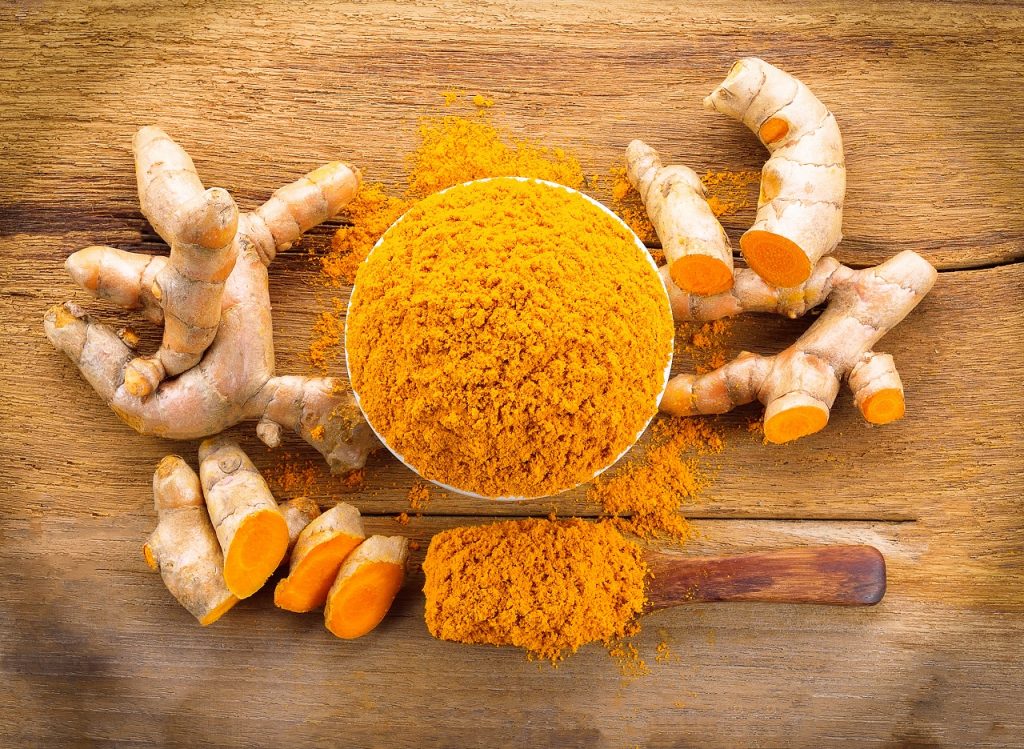
Why should we eat more turmeric?

Curcumin

Turmeric is traditionally named as “Indian Saffron” because of its deep yellow-orange colour and has been used throughout the ancient Vedic culture of India as a condiment, healing remedy and textile dye. It is one of the most researched condiment and is used in almost all Indian curries, this spice has almost no calories and zeroes cholesterol. It is rich in dietary fibre, iron, potassium, magnesium and vitamin B6. The wide range of turmeric health benefits come mainly from its main ingredient, curcumin. Turmeric is used for arthritis, heartburn, stomach pain, diarrhoea, intestinal gas, stomach bloating, loss of appetite, jaundice, liver problems and gallbladder disorders. It is also used for headaches, bronchitis, colds, lung infections, fever, menstrual problems, and cancer. Some people apply turmeric to the skin for pain relief, ringworm, bruises, leech bites, inflammatory skin conditions and infected wounds. In short, Turmeric provides a wide variety of benefits, but there are seven standouts. Once you know about these seven benefits you’ll be eager to add the spice to your diet.

  • Potent Antioxidant

Curcumin has a huge therapeutic value as boosting immunity is one of its most important properties. Curcumin exerts powerful antioxidant effects by neutralizing free radicals, chemicals that can travel through the body and cause great amounts of damage to healthy cells and cell membranes. This is important in many diseases, such as arthritis, where free radicals are responsible for the painful joint inflammation and eventual damage to the joints.The high antioxidant power of turmeric also helps to put the brakes on aging process.

  • Maintains Healthy Heart

Oxidized cholesterol damages blood vessels and promotes plaques formation that can lead to heart attack or stroke. Curcumin not only prevents the oxidation of cholesterol in the body but is also beneficial in reducing bad cholesterol and improving good cholesterol. In addition, turmeric is a good source of vitamin B6, which keeps homocysteine levels under control and thereby protects direct damage to blood vessels caused by elevated levels of homocysteine.

  • Cancer Prevention

The most promising quality of turmeric is its ability to prevent cancer. Turmeric can be beneficial for preventing breast, prostate, skin and colon cancer. This super spice  helps the body to destroy mutated cancer cells and prevents its spreading into other organs. Moreover, It causes cancer cells to commit suicide. Turmeric prevents cancer progression by 2 ways: first, by enhancing liver function and second by preventing blood supply to cancer cells which may be necessary for their growth.

  • A Potent, Yet Safe Anti-Inflammatory

Curcumin is thought to be the primary pharmacological agent in turmeric. This makes it effective for fighting heart disease, osteoarthritis pain and other health problems related to inflammation. Curcumin is believed to reduce certain enzymes in the body known to trigger inflammation. Curcumin’s anti-inflammatory effects are comparable to the potent drugs like hydrocortisone and phenylbutazone as well as over-the-counter anti-inflammatory agents such as Motrin. Unlike the drugs, which are associated with significant toxic effects (ulcer formation, decreased white blood cell count, intestinal bleeding), curcumin produces no toxicity.

  • Promotes Weight Loss

Curcumin promotes weight loss and reduce the incidence of obesity-related diseases. Turmeric stimulates the production of bile which helps to break down fatty foods, which in turn, may help you lose weight. Taking one teaspoon of Turmeric powder with every meal may help in losing weight. This of course doesn’t cancel the fact that you need to eat healthy and exercise.

  • Slows the progression of Alzheimer’s Disease

Curcumin in turmeric has a potential role in the prevention and treatment of Alzheimer’s disease. Alzheimer’s disease is a neurodegenerative disease characterized by progressive cognitive deterioration together with declining activities of daily living and behavioral changes. Various effects of curcumin, including anti-inflammatory, and antioxidant property, improves overall memory in Alzheimer’s patients.

  • Natural Painkiller

Turmeric can be considered as an instant painkiller option. Turmeric is capable of fighting a variety of pain that would otherwise be rated with over-the-counter pain medication which just suppresses the pain unlike turmeric which attempts to heal the pain as well.

A Few Quick Serving Ideas to include turmeric in meals:

  • Add turmeric to egg salad to give it an even bolder yellow colour.
  • Give salad dressings an orange-yellow hue by adding some turmeric powder to them.
  • Season rice, vegetables and curries with turmeric.
  • Turmeric is a great spice to complement recipes that feature lentils.
  • Include the spice as an ingredient in your regular meals.
  • You can make a tea out of turmeric. Boil about four cups of water with a spoonful of turmeric for about ten to fifteen minutes. Strain and drink. The best remedy for a sore throat.
  • Add turmeric into your daily smoothies
  • Add turmeric to a glass of organic warm milk which helps fight cold and flu and a remedy for better sleep

Thus, turmeric is safe and offers a variety of general health benefits, you have nothing to lose by adding it to your daily diet in moderate amounts. We hope this article helps you. For further information or guidance, reach out to our certified experts by subscribing to GOQii’s Personalised Health Coaching here.

#BeTheForce
February 1, 2024 By Trishala Chopra 3 Comments

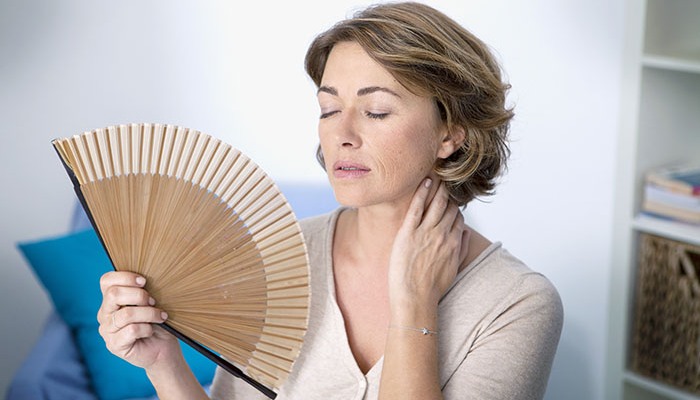
All that a women needs to know about – MENOPAUSE!

Menopause simply means marking the end of a female’s reproductive period. This is something women experience as they age. It does not occur overnight! It is a gradual process.

This gradual process is usually known as Perimenopausal phase which is a completely different transition for every woman. It is a very challenging phase for every woman, a woman might get irritated, and mood swings are the most common thing! Emotional breakdowns also occur. Earlier, the ideal age for menopause was around 45-50 years but, if a woman has attained early puberty, menopause occurs early too!

  • Menopause comes with many complications and the most common complication is osteoporosis and heart disease.
  • The bone mineral density gradually goes down during menopausal transition which may result in osteoporosis however, these symptoms vary in different women.
  • Hot flashes occur very frequently.
  • The entire menopause is divided into 3 phases which are Perimenopause, Menopause and Post Menopause.
  • Out of these 3 phases, Perimenopause phase which can also be called as “time around menopause” lasts for the maximum time which involves all symptoms.
  • Menopause and post menopause phase lasts for a shorter period.
  • Apart from hot flashes and mood swings, women in menopausal stage also face excess stress, tiredness, fatigue and sometimes vaginal itchiness and drying.
  • The main sign of menopause is irregular vaginal bleeding.
  • Menopause is a part of every woman’s life and it is not a disease which can be treated. However, menopause can be managed and tackled if handled properly.
  • Nutrition and physical exercise plays a key role in managing the menopausal symptoms

FOODS which help managing Menopausal Symptoms:-

(1) Include more fruits and vegetables in your diet

(2) Eat more beans

(3) Eat more of good fats and Omega 3 rich foods such as avocado, fish-Salmon, walnuts flaxseeds etc rather than saturated fatty acids.

(4) Consume good beverages; avoid consuming carbonated beverages and caffeine. Caffeine is a diuretic which puts load on kidneys to remove more amount of water than required which results in dehydration. Focus more on herbal teas which helps in relieving hot flashes.

(5) Balance your meals: – heavy breakfast, moderate lunch and light dinner should always

(6) Consume more of calcium containing foods as this mineral is very important for women after the age of 30. Adequate amount of calcium in diet decreases the risk of osteoporosis. Some of the natural foods high in Calcium are dairy products, ragi, sesame seeds etc

(7) Say no to high fat and high sugar foods!

(8) Add functional foods to your diet such as flaxseeds which is a super food! Raw Flaxseed should be ground and 1 tsp should be had and drink a glass of water over it.

(9) Exercise! It is a key to life a healthy life! 30 minutes of walk also acts as a stress buster!

Ladies out there at this stage of your life take care of yourself.

As you navigate through the various phases of menopause, may this article serve as a valuable guide to support your well-being. For more insightful articles on Women’s Health, explore here. If you seek further information or personalised guidance, don’t hesitate to reach out to our certified experts. Subscribe to GOQii’s Personalised Health Coaching here.

#BeTheForce
January 31, 2024 By CHARMI GOGRI 5 Comments

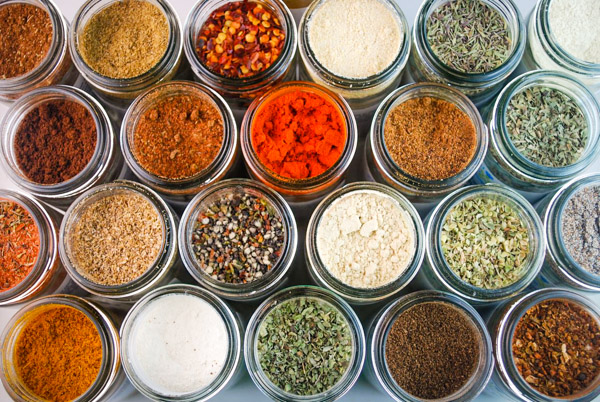
Healing power of herbs and spices – Part 1

 Spice

Cooking without spices is like having a dance party without music; the two just go together. These power packed tiny ingredients have a lot to offer apart from flavoring. Yes! I’ve heard plenty of stories of people who have healed various health problems through food. As Hippocrates, the famous Greek Physician once said, “Let food be thy medicine and medicine be thy food.” This makes it clear that people are aware that food can be used to treat or prevent health conditions. Most of us in the field of holistic medicine could spend hours discussing different approaches to food and diet. However, I think that we often overlook the power of a diet in terms of the abundance of benefits spices and herbs present in the food have to offer.

The history of spices is simply fascinating. It’s testimony to the fact that wars were fought over spices and kingdoms were lost over them. Spices were recognized as powerful medicine way back in 2600 BC. These herbs and spices not only add interest to our plates and palates, but they promote health in incredibly powerful ways. Ideally, the leaf of a plant used in cooking may be referred to as herb, and any other part of the plant, often dried, as a spice.

Spices can be the buds (eg. cloves), bark (eg.cinnamon), roots (eg. ginger), berries (eg. peppercorns), aromatic seeds (eg. cumin), and even the stigma of a flower (eg. saffron). Many of the aromatic seeds known as spices are actually gathered from plants when they have finished flowering. A familiar example would be coriander, with the leaves being referred to as herb, and the dried seeds as a spice.

Below is an extensive list of spices and herbs (Described in alphabetic order; Doesn’t mean it is in the order of their importance/benefits) that are worth adding to your culinary list owing to their key health benefits. We have split the blog into two parts for easy reading.

  1. Amchur: Amchoor or Amchur, also referred to as mango powder, is a fruity spice powder made from dried unripe green mangoes and is used as a citrusy seasoning. Mostly it’s used in Chutneys and Indian curries. Due to its high iron content it is popularly recommended for Anemia and Pregnant women. Also, it’s believed to reduce acidity and improve digestion.
  1. Asafoetida: The lingering odour of Asafoetida has given it many names like Devil’s dung and stinking gum. It’s commonly known as Hing in India. It’s warm in nature and that probably explains the reason it helps to increase the digestive enzymes. It helps reduce flatulence, digestive disorders, prevents constipation and is an excellent laxative. A pinch of asafoetida can be taken with buttermilk/water to reduce flatulence and cleanse the digestive system. Also, It’s believed to relieve menstrual pain. The active component of Asafoetida, coumarins can thin the blood and is believed to be anti-coagulant. Also, helps lower blood pressure.
  1. Black peppercorns : Also known as Kali Mirch. Piperine is the active ingredient in black pepper, and it has been shown to jumpstart digestion, prevent certain cancers and heart disease, lowers blood pressure, and prevents arthritis. Cases show that it has cholesterol lowering properties and help in cardiac function recovery especially after a heart attack. Overnight soaked peppercorns if consumed next day while having breakfast relieves migraine problem for most of them. The outer layer of peppercorn assists in the breakdown of fat cells. Therefore, peppery foods are a good way to help you shed weight. The antibacterial property of black pepper helps to fight against infections and insect bites.
  1. Basil: Also known as Tulsi in India and considered auspicious has medicinal usage extending from reducing ill effects of radiotherapy of cancer to optimizing kidney function to keeping cough and fever at bay. This herb has lot to offer. The strong anti-bacterial properties of Basil are known from years and hence owing to this property, basil is valued for its anti inflammatory. The active components i.e. eugenol and rosmarinic acid present in basil boosts production of serotonin and dopamine in brain. This could lead to sunnier mood in as little as 3 days. Basil also has a strengthening effect on kidney functioning. Consuming 5-6 leaves with water or crushing leaves to make juice and having with equal proportion of honey on a regular basis will improve overall kidney functioning and also aids in facilitating kidney stones through the urinary tract. Basil is a key ingredient in cough syrups and expectorants. Basil leaves can be used in the treatment of fever and common cold. Chewing some fresh basil leaves for relief from colds and flus is the best possible thing to treat naturally. Usually Smokers are prone for respiratory disorders and cancer. For both these, Tulsi is ideal. Having said that, care needs to be taken while handling this herb as the oils in basil are highly volatile, it is best to add the herb at the end of the cooking process, so it will retain its maximum essence and flavour !
  1. Bay Leaf : Bay leaves popularly known as Tej Patta are one of the main ingredients added to the popular Indian spice mix i.e. Garam Masala. Bay leaves help strengthen immune system and ward off urinary tract infection. Bay leaves have a very strong effect on the gut health. It helps in stimulating urination as a diuretic, which decreases the toxicity of the body, but can also stimulate vomiting (as an emetic) when something toxic has been consumed.
  1. Cardamom : Cardamom also known as Elaichi have aromatic and warming properties. They are believed to stimulate appetite and enhance digestion. It helps in stimulation and regular excretion of gastric juices. It helps in balancing these acids in cases of acidity, thus providing relief during heart burns. Those suffering from flatulence and gas gets a good relief when they chew cardamom after a meal. This helps those suffering from. Cardamom is also beneficial in relieving stomach cramps, hiccups, nausea, vomiting as well as constipation. Apart from health benefits, It is also valued for improving oral hygiene and eradicate fowl breathe.
  1. Carom seeds : These tiny seeds are popularly known as Ajwain or bishop’s weed in Indian Market. Ajwain contains high levels of thymol, a compound, which aids the release of gastric juices from the stomach which makes Ajwain`excellent indigestion reliever. To add more, it helps to deal with flatulence, nausea and colicky pain in babies. Ajwain has properties that help reduce inflammation and soothes irritated nerves. Because of this, it acts a great remedy to stop hiccups
  1. Cinnamon : Commonly known as Dalchini. Apart from its aroma and taste, the benefits of this spice can be attributed to its anti-bacterial, anti-fungal, anti-microbial and anti-clotting factor. Cinnamon is known for its role in the reduction of total and bad cholesterol (LDL) and increase in good cholesterol (HDL). It also helps improve insulin resistance and improves glucose tolerance in people with type 2 diabetes mellitus, thereby making it useful in diabetes management. Consuming Cinnamon plus honey has many benefits one of which is that it increases body’s metabolism and also helps in relieving gas and acidity.
  1. Clove: Clove or Laung is a pungent aromatic floral bud. The most prominent and common use of clove is alleviating symptoms of toothache and dental decay. The anti-inflammatory and analgesic components present in clove helps to reduce the swelling around an infected tooth and relieve pain. Plus, their antiseptic property will help fight the infection in the affected area and prevent it from spreading. Apart from this, Eugenol present in clove prevents clotting of blood and in purifying blood.
  1. Cumin: This spice which is native to Middle-East Asian region is one of the best spices to use to prevent and relieve gas. It is of beneficial to women after childbirth to shrink the uterus and increase breast milk. Cumin seeds (Jeera) also contains high amount of melatonin, which when consumed with bananas increases the production of chemicals within the brain. This combination helps beat

To be continued

January 21, 2024 By Vandana Juneja 6 Comments

Remedies For Leg Pain During Winter

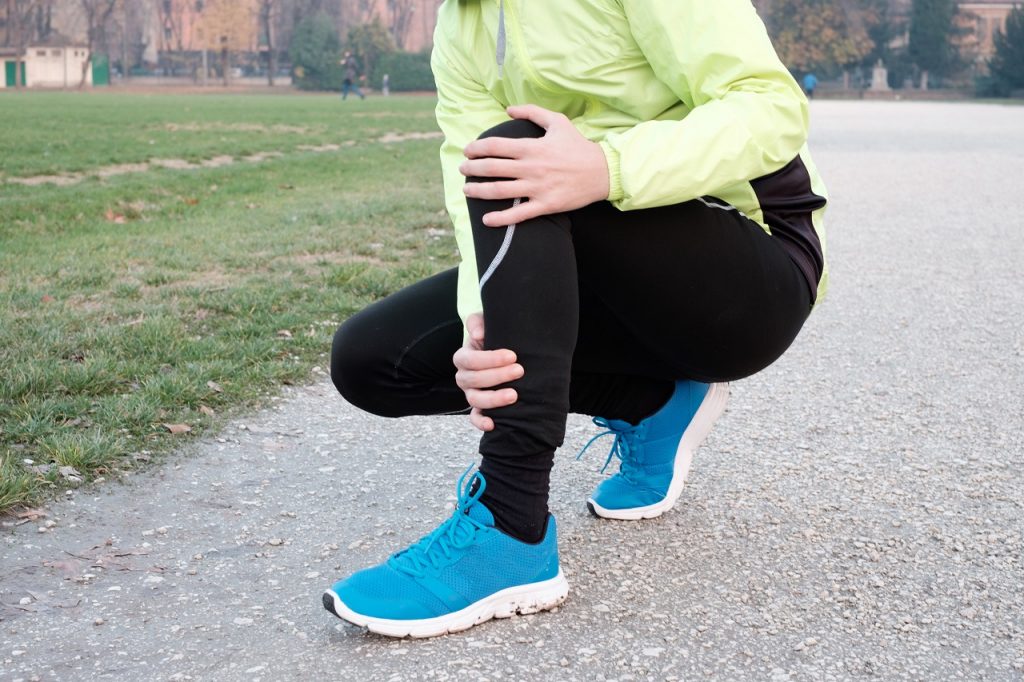
leg pain during winterAs winter sets in, there are many health issues that some people face, and one of them is feeling immense stiffness and soreness in the legs leading to being less active. Is it normal to feel these aches and pain? or is it a serious health concern? Let’s find out the reason for leg pain during winter. 

Why do we feel pain and stiffness in Winter?

According to various studies, the cold causes your muscles to lose heat and contract, this makes you feel tight especially around the joints, and eventually you tend to lose range of motion and your nerves can also be easily pinched.

Another theory says a drop in barometric pressure in winters, cause the tendons, muscles and surrounding tissues to expand. Because of the confined space within the body, this can cause pain, especially in joints affected by arthritis.

In general, during winters, we limit our movement due to the cold weather, don’t exercise much, and keep ourselves wrapped up in blankets to stay warm, eat calorie dense food and put on a few extra kilos! All these factors also attribute to increased sensation of pain and stiffness in the legs.

Whatever the reason, it is a fact that many people have “flare ups” or aggravated symptoms of aches and pains in their body especially the lower limbs. Though you may not take it as a serious health concern, one should work towards preventing and dealing with it, so that the aches and pain do not aggravate and restrict your mobility in winters.

Tips to Reduce Leg Pain During Winter

1. Keep Yourself Warm with Proper Clothing
Use cotton, wool or fleece long-sleeved clothing since these materials work the best at maintaining body heat. Wear slim-fitting clothes for your underlayer, so that you don’t look bulky and can easily move your limbs. Don’t forget to wear your woolen cap, gloves, scarf and overcoat (if really cold); with a warm pair of socks and shoes while going out for a walk or even for an outing. Long woolen socks are advised to keep your legs warm. There are woolen thermals available that cover your legs from mid thigh to ankle and are very comfortable. Keeping your muscles warm is important to feel good and comfortable. The right kind of shoe will prevent any kind of injury from a fall or slip.

2. Stay Active
It is important to stay active and exercise your joints and muscles to reduce pain and stiffness during winters. Exercise increases blood circulation, boosts production of your body’s synovial fluid, which lubricates your joints and makes movement easy and comfortable. Plus, a good workout releases your body’s natural feel-good compounds (happy hormones: endorphins, dopamine and serotonin), resulting in reduced perception of pain and boosting your mood and overall sense of well-being. Walking and stationary cycling are good low-impact options to improve blood flow and leg strength. Just remember to warm-up a bit first and skip high-impact exercises if they bother your joints.

Some exercises you should be doing at regular intervals are:

  • Ankle Circles: This exercise is great to warm the muscles in the lower legs before starting a full exercise routine. Ankle circles also increase joint flexibility. The technique can easily be performed while sitting or standing and holding a chair or railing for support.
  • Leg Raises While Sitting: This exercise will improve your quadriceps strength and can be easily done while watching T.V. or sitting with friends/ family. Sit with your thighs well placed on a chair, back touching the backrest and then raise your foot up till it is in line with the thigh. Repeat both sides, 10 times each, twice a day.
  • Calf Raises: By strengthening the calf muscles, you can comfortably climb up and down stairs or walk on elevated terrain. Use a chair for support, and stand on a large book or small stool. Rise up on the toes and hold for five seconds, then lower, repeat five to ten times. Drop the heels to the floor to stretch the calves. Hold for five seconds and relax.
  • Standing Leg Raises: This exercise strengthens the muscles in the lower back, buttocks, hips, and thighs. Stand sideways behind a chair while holding the chair back for support. Lift the outer leg to the side while keeping it straight from the hip to the heel. Keeping the back straightened, hold for five seconds, and lower. With the same leg, stand straight and move the leg back while keeping it straightened. Hold for five seconds and relax. Repeat the process with the other leg. Perform 10 repetitions with each leg, then repeat.
  • Knee Ups: High Knees are a cardio-intensive exercise performed at a fast pace. It engages your core, strengthens all the muscles in your legs, gets your heart rate up and improves momentum, coordination and flexibility. Stand with your feet hip-width apart. Lift up your left knee to your chest. Switch to lift your right knee to your chest. Continue the movement, alternating legs and moving at a sprinting or walking pace for 4-5 minutes.

Similarly there are many other exercises that you can do at home to avoid leg pain during winter, depending upon your current physical health. For instance, squats/wall squats, straight leg raises, prone leg raises, lunges, etc.

3. Add Anti-Inflammatory Components to your Daily Diet
It is important to include anti-inflammatory foods in your daily diet, to reduce inflammation, pain and stiffness in the joints and muscles. You can include super foods such as Ginger, Turmeric, Chilly Peppers, Mint and Virgin Olive Oil. Choose colourful foods like blueberries, blackberries, cherries, spinach, kale and broccoli. Opt for Salmon, Tuna, Sardines, nuts and seeds. Avoid processed foods, excess sugar and salt; high intake of alcohol.

4. Get Enough Vitamin D
During winter, Vitamin D levels naturally dip as we get less exposure to sunlight. Low levels of Vitamin D increase sensitivity to pain. Vitamin D-rich foods such as salmon, tuna, mackerel, cheese and egg yolks are important since Vitamin D helps your body absorb calcium from food, which is another important mineral for bone health that can help reduce pain. Get your levels checked and ask your doctor about supplements if your levels are low.

5. Hydrate Well
We tend to drink less water during winter, leading to dehydration and even the slightest of dehydration can cause increased sensitivity to pain. Drink at least 2-2.5 litres of water daily. You can have lukewarm water if not comfortable with water at room temperature.

6. Treat Yourself to a Massage
Massaging the legs increases the blood and lymphatic circulation, relaxes and normalises the soft tissues (muscle, connective tissue, tendons, ligaments), which releases nerves and deeper connective tissues; hence reducing spasm in the muscles and overall pain sensation. There are many essential oils that you can use to massage gently on your muscles as they have anti-inflammatory and analgesic properties, like lavender oil, eucalyptus oil, peppermint oil, rosemary oil. Other commonly used oils for massage include – coconut oil, sesame oil, mustard oil, almond oil and olive oil.

The mentioned tips, should keep the leg pain during winter away! So leave the quilts and start moving! Eat right, hydrate well, stay active, enjoy and level up this beautiful winter weather! But if your symptoms aggravate, despite all precautions, do consult your doctor.

Do you have a special remedy you use for aches and pains during winter? Share them with us in the comments below. For more winter tips, check out Healthy Reads or ask a GOQii Coach by subscribing for Personalised Health Coaching here.

#BeTheForce 
  • « Previous Page
  • 1
  • …
  • 79
  • 80
  • 81
  • 82
  • 83
  • …
  • 136
  • Next Page »

Search

Recent Posts

  • Beyond the Screen: How Your Digital Habits Are Impacting Your Longevity
  • Healthy Eating: Vegetable Stuffed Ragi Paratha
  • Sustaining the “GLP-1 Glow”: Nutrition for Skin and Tissue Elasticity
  • Nutritional Deficiencies That Can Cause Hair Loss (And How to Fix Them)
  • The Recovery Gap: Sleep Debt, Overwork and Silent Burnout Are Ageing You Faster

Stay Updated

Archives

  • March 2026 (11)
  • February 2026 (14)
  • January 2026 (14)
  • December 2025 (19)
  • November 2025 (15)
  • October 2025 (20)
  • September 2025 (6)
  • August 2025 (6)
  • July 2025 (12)
  • June 2025 (18)
  • May 2025 (16)
  • April 2025 (22)
  • March 2025 (23)
  • February 2025 (22)
  • January 2025 (25)
  • December 2024 (22)
  • November 2024 (23)
  • October 2024 (21)
  • September 2024 (24)
  • August 2024 (30)
  • July 2024 (21)
  • June 2024 (26)
  • May 2024 (31)
  • April 2024 (27)
  • March 2024 (27)
  • February 2024 (25)
  • January 2024 (21)
  • December 2023 (15)
  • November 2023 (11)
  • October 2023 (19)
  • September 2023 (22)
  • August 2023 (18)
  • July 2023 (22)
  • June 2023 (24)
  • May 2023 (24)
  • April 2023 (23)
  • March 2023 (23)
  • February 2023 (19)
  • January 2023 (15)
  • December 2022 (11)
  • November 2022 (15)
  • October 2022 (15)
  • September 2022 (12)
  • August 2022 (10)
  • July 2022 (17)
  • June 2022 (11)
  • May 2022 (10)
  • April 2022 (6)
  • March 2022 (6)
  • February 2022 (13)
  • January 2022 (11)
  • December 2021 (7)
  • November 2021 (3)
  • October 2021 (6)
  • September 2021 (3)
  • August 2021 (8)
  • July 2021 (7)
  • June 2021 (15)
  • May 2021 (16)
  • April 2021 (10)
  • March 2021 (7)
  • February 2021 (4)
  • January 2021 (4)
  • December 2020 (3)
  • November 2020 (4)
  • October 2020 (10)
  • September 2020 (3)
  • August 2020 (3)
  • July 2020 (2)
  • June 2020 (4)
  • May 2020 (10)
  • April 2020 (12)
  • March 2020 (10)
  • February 2020 (4)
  • January 2020 (4)
  • December 2019 (3)
  • November 2019 (7)
  • October 2019 (5)
  • September 2019 (4)
  • August 2019 (9)
  • July 2019 (9)
  • June 2019 (11)
  • May 2019 (4)
  • April 2019 (8)
  • March 2019 (8)
  • February 2019 (9)
  • January 2019 (8)
  • December 2018 (9)
  • November 2018 (3)
  • October 2018 (3)
  • September 2018 (5)
  • August 2018 (10)
  • July 2018 (6)
  • June 2018 (13)
  • May 2018 (8)
  • April 2018 (18)
  • March 2018 (9)
  • February 2018 (8)
  • January 2018 (15)
  • December 2017 (12)
  • November 2017 (19)
  • October 2017 (13)
  • September 2017 (15)
  • August 2017 (4)
  • July 2017 (8)
  • June 2017 (7)
  • May 2017 (6)
  • April 2017 (8)
  • March 2017 (6)
  • February 2017 (7)
  • January 2017 (9)
  • December 2016 (10)
  • November 2016 (7)
  • October 2016 (7)
  • September 2016 (7)
  • August 2016 (11)
  • July 2016 (9)
  • June 2016 (9)
  • May 2016 (12)
  • April 2016 (17)
  • March 2016 (17)
  • February 2016 (8)
  • January 2016 (6)
  • December 2015 (2)
  • November 2015 (9)
  • October 2015 (7)
  • September 2015 (9)
  • August 2015 (11)
  • July 2015 (9)
  • June 2015 (12)
  • May 2015 (9)
  • April 2015 (13)
  • March 2015 (8)
  • February 2015 (5)
  • January 2015 (12)
  • December 2014 (14)
  • November 2014 (11)
  • October 2014 (6)
  • September 2014 (13)
  • August 2014 (12)
  • July 2014 (6)
  • June 2014 (2)
  • May 2014 (7)
  • April 2014 (4)

From “Laddu Nawin” to Fit and Fierce: How a 25-Year-Old Insurance Advisor Shed 20 Kilos and Gained His Life Back

When 25-year-old Nawin Yadav from Hyderabad walked into his office every morning, he carried more than just his files and policy papers. He had the weight of fatigue, sluggish energy, and an ever-growing belly that was becoming the butt of jokes. “People … [Read More...]

“I’ve Challenged Myself to Live 100 Years” – The Story of Chandubhai Savani’s Second Chance at Life

At 67, most people start slowing down. Not Chandubhai Savani. A resident of Surat, Chandubhai, thought life was on track. “My life was going well till I had my bypass surgery,” he says. That surgery, back in 2021, was a wake-up call.  Medication was routine, but exercise wasn’t. His diet? What he calls ‘normal.’ “I […]

From Shimla’s Slopes to Chandigarh’s Sidewalks: Surinder Kaur Bhalla’s Journey from Chaos to Control

Some journeys start with a plan. Others begin with a stumble literally. Surinder Bhalla, a government professional, born and raised in the scenic hill town of Shimla, had always lived a life of movement. “In Shimla, you walked everywhere,” she reflects. “Walking was never an exercise. It was just life.” But after shifting to Chandigarh, […]

Ananda Mukherjee Health Story

From Terminal Illness To Complete Wellness! Ananda Mukherjee Health Story

As we observe World Cancer Day under the powerful theme ‘United by Unique’ (2025-2027)**, we are reminded that every individual’s journey with cancer is distinct, yet united by shared resilience, hope, and the collective fight against this disease. This theme places people at the centre of care and their stories at the heart of the […]

  • HOME
  • HEALTHY LIVING
  • FITNESS
  • HEALTHY RECIPES
  • USER STORIES
  • KARMA
  • BUY GOQii

Copyright ©2016 GOQii



