
GOQii

Blog

  • HOME
  • HEALTHY LIVING
  • FITNESS
  • HEALTHY RECIPES
  • USER STORIES
  • KARMA
  • BUY GOQii

Search Results for: heart health

April 24, 2024 By Luke Coutinho 4 Comments

STAIR climbing – One of the best exercises

how-to-train-for-a-stair-climbing-race

You can run a 5k but running up a couple of flights of stairs tires you out?  You can squat heavy and lunge with weights, yet walking up a couple of flights of steps makes it feel like a whole other workout?

Here’s a workout that can actually challenge your body, endurance and actual strength and stamina.

Climbing stairs is one of the best exercises when it comes to pure FAT BURN, strengthening the lower body, toning the butt, thighs, calves, losing inches from those love handles and belly and building great abs. Along with these benefits is the immense good it does for your lungs and cardio vascular system.

  • It is totally free and just about all of us can get access to a set of stairs
  • It leverages gravity and the heavier we are, the harder we’re forced to work and the more calories we burn
  • It is a relatively intense exercise that quickly increases our heart rate and in doing so can greatly improve our cardiovascular fitness
  • It helps strengthen and shape our most common problem areas like calves, thighs, buttocks and tummy
  • It is a very efficient way of burning maximum calories and is great for those of us with limited time to exercise
  • It can easily be mixed with other exercises, like walking, skipping and weight training, to maximize results and stair-climbing workouts are easy to build progression into
  • It can be done by almost anyone, regardless of fitness level
  • Because it is weight bearing, it helps build bone strength
  • It is low impact and safe for the knees (providing correct technique is used and a preexisting condition doesn’t exist)

The way forward with exercise is quality over quantity. Too many people fix a ‘one hour’ work out in their mind and if they can’t find time for that ‘1 hour’ they just don’t do it.

Aim for power workouts, 25 to 30 mins max, where you max out your reps, burn those muscles and really get your heart rate up. 35 to 40 minutes should include a great warm up and an extremely important cool down.

You can burn more calories walking/running up steps in 30 mins than a 1 hour run or walk, plus it challenges your body.

Start off with a couple of flights, Walk and run slowly. As you get better, run and then skip 2 steps at a time and run or walk.

In a nutshell –

Burns more calories: Stair climbing engages your body’s largest muscle groups to repeatedly lift your body weight up, step after step. Thus using your muscles to carry your own weight is far higher to running as compared.

Maximises your cardio efforts: It also raises your heart rate immediately thus maximizing your cardio benefits.

Increases core muscle strength: Climbing stairs is a great way to amp your core muscle strength.

Tones and sculpts your body: It also engages every major muscle in your lower body – glutes, hamstrings, quadriceps, abs and calves to exercise and thus tones your body better.

Low impact workout: You don’t have to ideally sweat it out while climbing stairs. Just a few stairs every day will give you a good workout.

Safety first: Never run down the stairs, be confident while running up, take a break when needed.

Start doing this regularly and soon, you will be running up flights of stairs, feeling fitter, younger, stronger and leaner.

We hope this article helps you. For further information or guidance, reach out to our certified experts by subscribing to GOQii’s Personalised Health Coaching here.

#BeTheForce 
April 19, 2024 By Roopa Tandur Leave a Comment

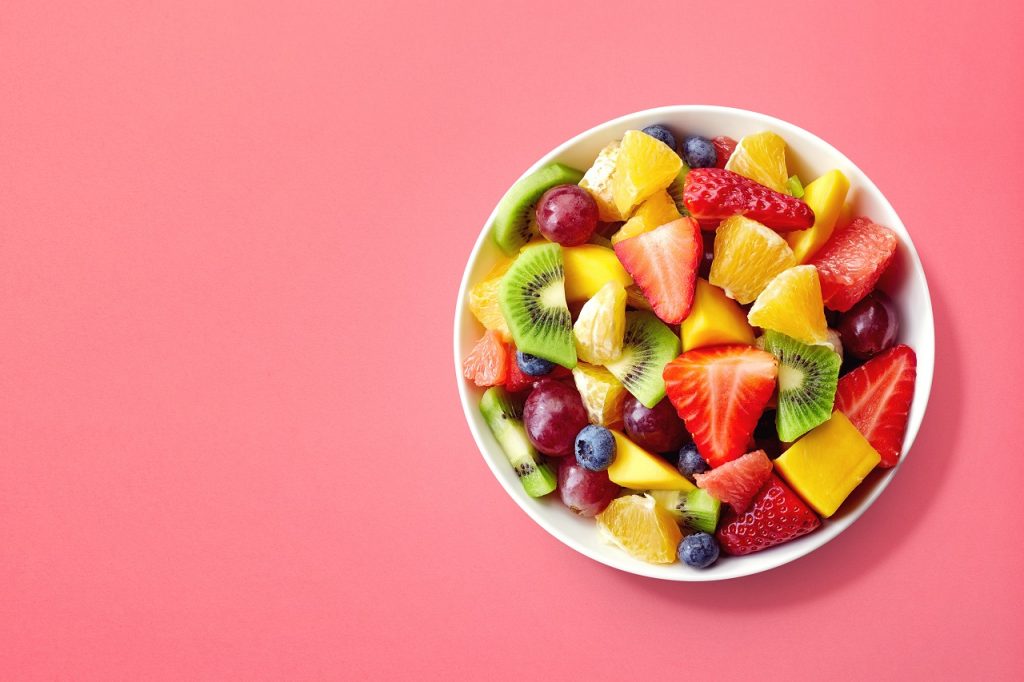
12 Low Glycemic Index Fruits For Diabetics

glycemic indexDiabetes is a condition that impairs the body’s ability to process blood glucose, also called blood sugar. Blood glucose, which is sugar concentration, is our main source of energy and comes from the food we eat. Insulin, a hormone made by the pancreas, helps glucose from food get into our cells to be used for energy. Absence or insufficient production of insulin, or an inability of the body to properly use insulin causes diabetes. The glycemic index (GI) tells us how quickly foods containing carbohydrates affect our blood sugar level when eaten

  • Low GI foods: 55 or below
  • Moderate GI foods: 56 to 69
  • High GI foods: 70 and above

Fruits With Low Glycemic Index 

The lower the GI score, the more slowly the rise in blood sugar, which can help the body manage post-meal changes better. Most whole fruits have low to moderate GI levels. Many fruits are also packed with antioxidants, micronutrients and fiber as well. Here are a few low GI fruits which diabetics can have without worrying about the sudden rise in blood sugar levels post consumption:

  1. Cherries: are high in potassium and packed with antioxidants, which will give your immune system a boost. Because cherries are not available fresh all round the year, they can be processed before storing them for a long time. Cherries contain anthocyanins that give the cherries its colour, also boost cells insulin production by 50%.
  2. Pears: are a good source of fiber and provide 20% of our daily recommended fiber intake. Pears can be enjoyed as fresh fruit or gently baked. More interesting is they can also be included in salads for a good twist.
  3. Oranges: are good sources of Vitamin C, folate and potassium. There is also plenty of healthy fiber in an orange which takes longest to break down and digest. This enables slow release of sugar into the bloodstream, which would further ensure that your blood glucose levels are stable for a long period of time
  4. Strawberries: Strawberries are a good source of Vitamin C, they help in improving immunity, fight against certain types of cancer and improve metabolism, promoting weight loss. Strawberries give you more Vitamin C than an orange when taken in the same quantity. They also have a low glycemic index, hence, it is slowly released in the bloodstream as glucose.
  5. Grapefruits: are citrus-based fruits with a glycemic index of 25. They are packed with a range of vitamins and minerals. They have a bitter to sour taste and can be taken as whole fruit or made into juice. Grape fruit is a very good source of Vitamin A and C. It helps improve immunity and helps maintain healthy functioning of the heart and is good for digestion. 
  6. Guava: is a very healthy food choice for diabetics, as it can easily be included in snacks without the fear of sudden raise in blood sugar levels. It is a very good source of fiber which helps relieve constipation, which is a common complaint of many diabetics. Having this fruit regularly can easily lower the chance of developing Type II Diabetes.
  7. Watermelon: is a good source of Potassium. Foods high in potassium improves functioning of vital organs like the heart and kidney. People with diabetes easily observe that their uric acid levels are higher. This can be prevented by including watermelon in their diet which improves kidney functioning and reduces uric acid levels and further damage of the kidneys. Water melons are also a good source of lycopene which prevents nerve damage which is a common complaint of people with diabetes.
  8. Papaya: is a great fruit choice for diabetics as it is available round the year and can be incorporated in the diet very easily. Papayas have a host of nutrients and antioxidants, which when consumed, reduce the risk of heart disease, cancer, lowers BP and also aids good digestion. Papaya is also a good source of fiber and helps lower blood glucose levels and manage diabetes.
  9. Grapes: are a good choice of fruit for diabetes as it helps reduce blood sugar levels easily. They come in many colours and varieties, you can have them easily between meals as snacks and can be included in many dishes for its tangy taste. Grapes are a rich source of a phytochemical called Resveratrol which keeps a check on how the body secretes and uses insulin in response to blood glucose levels.
  10. Avocado: Adding a serving of avocado to your diet may help you lose weight, lower cholesterol, and increase insulin sensitivity. Avocados are low in carbohydrates, which mean they have little effect on blood sugar levels. One half of a small avocado contains about 5.9 grams of carbohydrate and 4.6 grams of fiber. They are also packed with healthy fats which give you a feeling of fullness for a longer time, thereby supporting weight loss and increasing insulin sensitivity. 
  11. Kiwi: Many researchers have proved that including Kiwi in your diet helps lower blood sugar levels. Kiwis are loaded with Vitamin A, C, E and fiber which makes it a good choice of fruits for diabetics. Kiwi also helps relieve insomnia which many people with diabetes complain due to long term diabetes and anxiety. 
  12. Black Jamun: This fruit has a bitter taste and is one of the best fruits for people suffering from diabetes. It not only controls your blood sugar level but also enhances the insulin activity and sensitivity. This fruit can be included in the form of juice or powder as well, which is equally beneficial in managing blood sugar levels.

No matter which fruit one includes, portion control is important. While it can vary depending on the size and type of the fruit, in general, one portion of fruit which is one piece of whole fruit or 1/2 cup of sliced fruit contains around 15 grams of carbohydrates, which is considered as one carbohydrate serving. 

We hope this article on Low Glycemic Index Fruits for Diabetics helps you! Do leave your thoughts in the comments below. For more on Diabetes, check out our other articles on Healthy Reads. To help you manage Diabetes and get expert advice on nutrition, exercise, sleep and well being – all aimed at reducing your HbA1C Levels, subscribe for the GOQii Diabetes Care Program here.

#BeTheForce 

April 15, 2024 By Kajree Korade 2 Comments

Get To Know Your Emotional Hunger

Emotional hungerHave you ever made room for dessert even though you’re already full? Out of nowhere in the middle of doing something important, you start feeling hungry? Do you feel hungry before any important meeting? If yes, then you should check your emotional status as this might be due to emotional hunger!


What Is Emotional Hunger or Emotional Eating? 

Emotional hunger or emotional eating is the practice of consuming large quantities of food, usually ‘comfort’ or junk foods in response to feelings instead of hunger. Emotional eating is a maladaptive coping strategy used by many of us to deal with negative emotions. Emotional eating can be caused by many reasons which include stress, tension, depression, boredom, and sometimes due to excitement.

Under high stress, your biological age can be 30 times higher than your calendar age. Modern life is full of frustrations, deadlines, and demands. For many people, stress has become a way of life. When stress becomes overwhelming, it can damage your health, mood, relationships and quality of life.

Stress also affects our food preferences. Emotional distress increases the intake of food high in fat and sugar, and you sleep excessively under stress. Also, some people consume alcohol and all this leads to gaining weight around your abdomen and unfortunately, abdominal obesity puts you at risk for several lifestyle diseases such as diabetes, hypertension and heart related issues.

In stress, adrenal glands release a hormone called cortisol, which makes you crave for carbohydrates, sugar and fatty foods. Food is soothing due to the chemical changes it creates in your body. Chocolate is an excellent example. When junk food is calling your name, it’s possible to put boundaries on your emotional eating habits. Ready to break free from stress eating?

The Solution To Beat Emotional Eating 

  • When you’re tempted to snack for emotional reasons, try moving instead. Just walk for 10 minutes.
  • Try a quick breathing exercise: Slowing down your breathing can trick your body into thinking you are going to sleep, which in turn relaxes your body. Close your eyes and slowly breathe in and out.
  • Sip black tea: A study in the journal of Psychopharmacology found that subjects who consumed black tea, experienced a 47% drop in their cortisol levels.
  • Try self-massage: It can be as simple as sitting down, rubbing your feet, one at a time, over the top of the heel, until you feel relaxed.

You’ll eat better and healthier foods if you don’t let your emotions guide your food choices! So be mindful about your choices. For more on stress, you can check Healthy Reads. To help you cope with emotional hunger or help you manage stress better, reach out to a GOQii Coach by subscribing for Personalised Health Coaching here.

Do leave your thoughts in the comments below!

#BeTheForce

April 14, 2024 By Komilla Pareek 26 Comments

Simple guide to Protein – Uric Acid Connection

dairy-products

When Rohit came to me for consultation, he was suffering from hyperuricemia- a condition which is associated with high levels of uric acid in the blood. Increased levels of blood uric acid predispose to gouts and very high levels may lead to kidney failure. Uric acid is produced from the natural breakdown of body’s cells and from the foods rich in purines. Thus, in hyperuricemia, purine rich foods are avoided.

Though purines are present in all living things (and food) as they provide part of the chemical structure of our genes, some foods contain concentrated amounts of purines. For the most part, these high-purine foods are also high-protein foods and thus purine restriction gets wrongly translated as protein restriction in most cases.

A detailed discussion around Rohit’s food intake revealed that his diet was very low in protein. He was avoiding all pulses, milk and milk products and meat & eggs. In addition, to that, he was doing one hour of intense workout to reduce weight. He reported muscle soreness, weakness, and cramping which I could easily relate to his visible signs of protein deficiency – sparse hair, pot belly, and swollen hands.

Contrary to the notion that protein is necessary only in growing age, we need protein at every age for normal wear and tear of tissues. Most of the enzymes involved in important metabolic processes are proteins. Thus, like everyone, hyperuricemia patients too need this nutrient in adequate quantities.

Let’s make this complex protein -uric acid connection simpler through this guide on what to include and what not – 

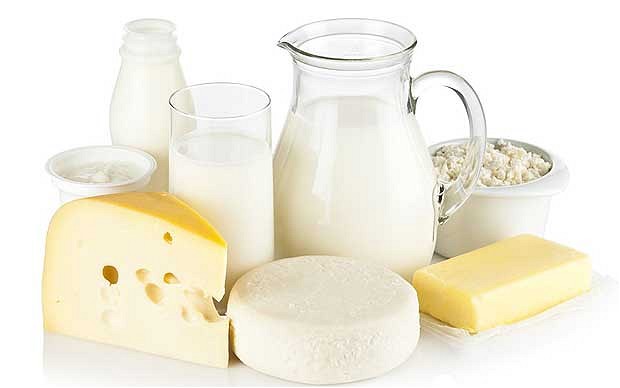
Dairy products – Not only do they provide good quality proteins, scientific studies have demonstrated that milk when taken in moderate quantities actually help in reducing and managing gouts. However, fermented milk products such as yogurt, buttermilk, curds and aged cheese have purines from the nucleic acids of the bacterial cells that proliferate during fermentation. They should be avoided. Non-fermented milk products such as cottage cheese, paneer, whey protein can be taken.

Eggs– The yolk of an egg contains the nucleic acids, but the egg white is pure protein without purines.

Nuts – Nuts are naturally low in purines and can be eaten daily by those on a low purine diet.  Good sources of low-purine nuts and seeds include walnuts, almonds, flaxseeds and cashew nuts. Keep in mind that nuts are rich in calories, so eating too many of them could cause you to gain weight.

Pulses– Beans and pulses contain low to moderate amount of purines. However, researchers prove that purine from plant sources are less likely to harm and one serving of pulses per day can be safely taken by gout patients.

Meat – Meats including bacon, beef, pork, and lamb; Organ meats, such as brains, heart, kidney, liver, and sweetbreads; anchovies, sardines, herring, mackerel, and scallops are high in purine and should be avoided.

Epidemiological research has demonstrated that all purine-containing foods are not the same, and that plant purines are far safer than meat and fish purines in terms of gout risk.

Hope this information helps you meet protein requirements and lead a normal active healthy life on a low purine diet. For further information or guidance, reach out to our certified experts by subscribing to GOQii’s Personalised Health Coaching here.

#BeTheForce

  • « Previous Page
  • 1
  • …
  • 73
  • 74
  • 75
  • 76
  • 77
  • …
  • 136
  • Next Page »

Search

Recent Posts

  • Beyond the Screen: How Your Digital Habits Are Impacting Your Longevity
  • Healthy Eating: Vegetable Stuffed Ragi Paratha
  • Sustaining the “GLP-1 Glow”: Nutrition for Skin and Tissue Elasticity
  • Nutritional Deficiencies That Can Cause Hair Loss (And How to Fix Them)
  • The Recovery Gap: Sleep Debt, Overwork and Silent Burnout Are Ageing You Faster

Stay Updated

Archives

  • March 2026 (11)
  • February 2026 (14)
  • January 2026 (14)
  • December 2025 (19)
  • November 2025 (15)
  • October 2025 (20)
  • September 2025 (6)
  • August 2025 (6)
  • July 2025 (12)
  • June 2025 (18)
  • May 2025 (16)
  • April 2025 (22)
  • March 2025 (23)
  • February 2025 (22)
  • January 2025 (25)
  • December 2024 (22)
  • November 2024 (23)
  • October 2024 (21)
  • September 2024 (24)
  • August 2024 (30)
  • July 2024 (21)
  • June 2024 (26)
  • May 2024 (31)
  • April 2024 (27)
  • March 2024 (27)
  • February 2024 (25)
  • January 2024 (21)
  • December 2023 (15)
  • November 2023 (11)
  • October 2023 (19)
  • September 2023 (22)
  • August 2023 (18)
  • July 2023 (22)
  • June 2023 (24)
  • May 2023 (24)
  • April 2023 (23)
  • March 2023 (23)
  • February 2023 (19)
  • January 2023 (15)
  • December 2022 (11)
  • November 2022 (15)
  • October 2022 (15)
  • September 2022 (12)
  • August 2022 (10)
  • July 2022 (17)
  • June 2022 (11)
  • May 2022 (10)
  • April 2022 (6)
  • March 2022 (6)
  • February 2022 (13)
  • January 2022 (11)
  • December 2021 (7)
  • November 2021 (3)
  • October 2021 (6)
  • September 2021 (3)
  • August 2021 (8)
  • July 2021 (7)
  • June 2021 (15)
  • May 2021 (16)
  • April 2021 (10)
  • March 2021 (7)
  • February 2021 (4)
  • January 2021 (4)
  • December 2020 (3)
  • November 2020 (4)
  • October 2020 (10)
  • September 2020 (3)
  • August 2020 (3)
  • July 2020 (2)
  • June 2020 (4)
  • May 2020 (10)
  • April 2020 (12)
  • March 2020 (10)
  • February 2020 (4)
  • January 2020 (4)
  • December 2019 (3)
  • November 2019 (7)
  • October 2019 (5)
  • September 2019 (4)
  • August 2019 (9)
  • July 2019 (9)
  • June 2019 (11)
  • May 2019 (4)
  • April 2019 (8)
  • March 2019 (8)
  • February 2019 (9)
  • January 2019 (8)
  • December 2018 (9)
  • November 2018 (3)
  • October 2018 (3)
  • September 2018 (5)
  • August 2018 (10)
  • July 2018 (6)
  • June 2018 (13)
  • May 2018 (8)
  • April 2018 (18)
  • March 2018 (9)
  • February 2018 (8)
  • January 2018 (15)
  • December 2017 (12)
  • November 2017 (19)
  • October 2017 (13)
  • September 2017 (15)
  • August 2017 (4)
  • July 2017 (8)
  • June 2017 (7)
  • May 2017 (6)
  • April 2017 (8)
  • March 2017 (6)
  • February 2017 (7)
  • January 2017 (9)
  • December 2016 (10)
  • November 2016 (7)
  • October 2016 (7)
  • September 2016 (7)
  • August 2016 (11)
  • July 2016 (9)
  • June 2016 (9)
  • May 2016 (12)
  • April 2016 (17)
  • March 2016 (17)
  • February 2016 (8)
  • January 2016 (6)
  • December 2015 (2)
  • November 2015 (9)
  • October 2015 (7)
  • September 2015 (9)
  • August 2015 (11)
  • July 2015 (9)
  • June 2015 (12)
  • May 2015 (9)
  • April 2015 (13)
  • March 2015 (8)
  • February 2015 (5)
  • January 2015 (12)
  • December 2014 (14)
  • November 2014 (11)
  • October 2014 (6)
  • September 2014 (13)
  • August 2014 (12)
  • July 2014 (6)
  • June 2014 (2)
  • May 2014 (7)
  • April 2014 (4)

From “Laddu Nawin” to Fit and Fierce: How a 25-Year-Old Insurance Advisor Shed 20 Kilos and Gained His Life Back

When 25-year-old Nawin Yadav from Hyderabad walked into his office every morning, he carried more than just his files and policy papers. He had the weight of fatigue, sluggish energy, and an ever-growing belly that was becoming the butt of jokes. “People … [Read More...]

“I’ve Challenged Myself to Live 100 Years” – The Story of Chandubhai Savani’s Second Chance at Life

At 67, most people start slowing down. Not Chandubhai Savani. A resident of Surat, Chandubhai, thought life was on track. “My life was going well till I had my bypass surgery,” he says. That surgery, back in 2021, was a wake-up call.  Medication was routine, but exercise wasn’t. His diet? What he calls ‘normal.’ “I […]

From Shimla’s Slopes to Chandigarh’s Sidewalks: Surinder Kaur Bhalla’s Journey from Chaos to Control

Some journeys start with a plan. Others begin with a stumble literally. Surinder Bhalla, a government professional, born and raised in the scenic hill town of Shimla, had always lived a life of movement. “In Shimla, you walked everywhere,” she reflects. “Walking was never an exercise. It was just life.” But after shifting to Chandigarh, […]

Ananda Mukherjee Health Story

From Terminal Illness To Complete Wellness! Ananda Mukherjee Health Story

As we observe World Cancer Day under the powerful theme ‘United by Unique’ (2025-2027)**, we are reminded that every individual’s journey with cancer is distinct, yet united by shared resilience, hope, and the collective fight against this disease. This theme places people at the centre of care and their stories at the heart of the […]

  • HOME
  • HEALTHY LIVING
  • FITNESS
  • HEALTHY RECIPES
  • USER STORIES
  • KARMA
  • BUY GOQii

Copyright ©2016 GOQii

