GOQii

Blog

  • HOME
  • HEALTHY LIVING
  • FITNESS
  • HEALTHY RECIPES
  • USER STORIES
  • KARMA
  • BUY GOQii

Search Results for: heart health

October 25, 2025 By Vrushali Athavle 4 Comments

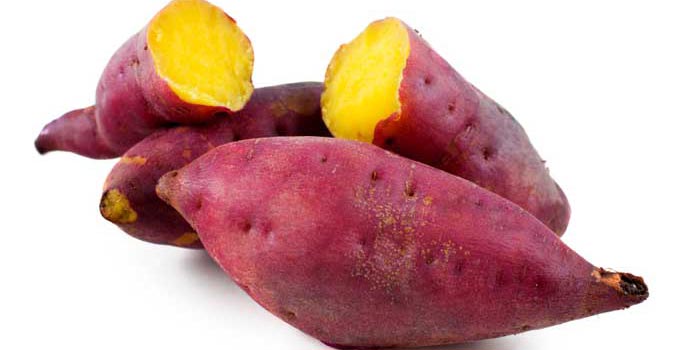
SWEET POTATO – Best Workout Meal

sweet-potato

You must have heard of protein shakes and eggs as good work out meals. But, have you heard of Sweet Potatoes as a workout meal?

Well, the Sweet potato is a large, starchy, sweet tasting tuberous root vegetable which is usually consumed by people only during fast.  But, apart from having it as a fasting food, the other best time to consume sweet potato is either before or after your regular ‘moderate to intense’ workouts.

Referring to my previous blog on “Pre and Post Workout meals” where I mentioned the importance of having carbohydrates before your workout to keep you energetic throughout the exercise regime and post workout to replenish the depleted stores and to help the recovery process faster, SWEET POTATO is one of the best choices. One should have approximately 100 gms of boiled sweet potatoes.

How does it work?

Sweet potatoes have natural sugar and complex carbohydrates which are slowly released into the bloodstream, helping to ensure a balanced and regular source of energy without sudden blood sugar spikes. When you consume them before a workout, it gives you a slow and steady form of energy and hence keep’s you energetic throughout the workout. Post workout sweet Potatoes help to replenish the glycogen stores which are lost during the workout.

Also, there are lots of water-soluble nutrients and electrolytes which are lost during your workouts. To replenish them, SWEET POTATO is the best choice once again. It is a treasure trove of vitamins and minerals. Let us have a look at all of them:

Magnesium:  It is called a relaxation and anti-stress mineral. This clearly says that grab on the sweet potato to relieve stress (mental or physical).

Potassium: Helps in relaxing muscle contractions, reducing swellings and controlling kidney activities.

Vitamin B 6: Helps maintain healthy brain and normal nerve function. It also helps in forming red blood cell.

Vitamin C (powerful healer): This vitamin not only helps to ward off cold and flu viruses but also plays a crucial role in bone and tooth formation, digestion and blood cell formation. Helps wound healing, produces collagen which helps maintain skin’s elasticity thus keeping you young and beautiful.

Vitamin A (a powerful antioxidant): Keep’s your eyesight perfect and keeps your immune system boosted to fight against any diseases.

Vitamin D: It is crucial to maintaining your overall health as it is critical for the immune system. It plays an important role in keeping our energy levels boosted, controls mood swings and helps to build healthy bones, heart, nerves, skin and teeth and also it supports the thyroid gland to function effectively.

Iron: Necessary for red and white blood cell production

Apart from using it as the best workout food, sweet potato serves as a great choice for people who are trying to lose weight. Isn’t that great? Let’s look into it.

  • Sweet potato is high on fibre. Fibre is bulky and hence will occupy a lot of space in your stomach making you feel full for a long period of time, thus preventing one from overeating. i.e. You won’t feel hungry for a long time.
  • Sweet potato has high water content so just like fibre; water takes up a lot of room in your stomach making you feel full and will prevent overeating and snacking between meals. This will help both in your weight loss goals and will also help you prevent the weight from coming back on.
  • Lastly, it is low on calories, so people keeping a watch on calories can just go for it.

To conclude, include sweet potatoes in your routine and not only during the fast as it is one of the best workout meals and also helps with weight loss.  If sweet potato is eaten along with its skin, which is an excellent source of insoluble fibre, it may prevent constipation and diverticulitis. It also contains soluble fibre which may help control cholesterol.

We hope this article helps you! Find more articles on fitness and nutrition here. You can also get all this information and more, directly from a GOQii Coach by subscribing to Personalised Health Coaching here.

#BeTheForce

Disclaimer: The information provided in this blog is for general awareness and educational purposes only. It is not intended to replace professional medical advice, diagnosis, or treatment. Always consult a qualified healthcare provider for personalised medical guidance or concerns related to your health. Images shown are for representation purposes only and may not depict the exact recommendations or outcomes.
July 22, 2025 By Neha Goyal 6 Comments

Why Does Your Body Look Different From Others? We’ve Got the Answer!

Have you ever wondered why a friend or neighbour, who’s the same age, height and weight as you, appears leaner? Or why they fit into size M clothes while you need size L- even if the numbers look similar? The answer lies in Body Composition.

What is Body Composition?

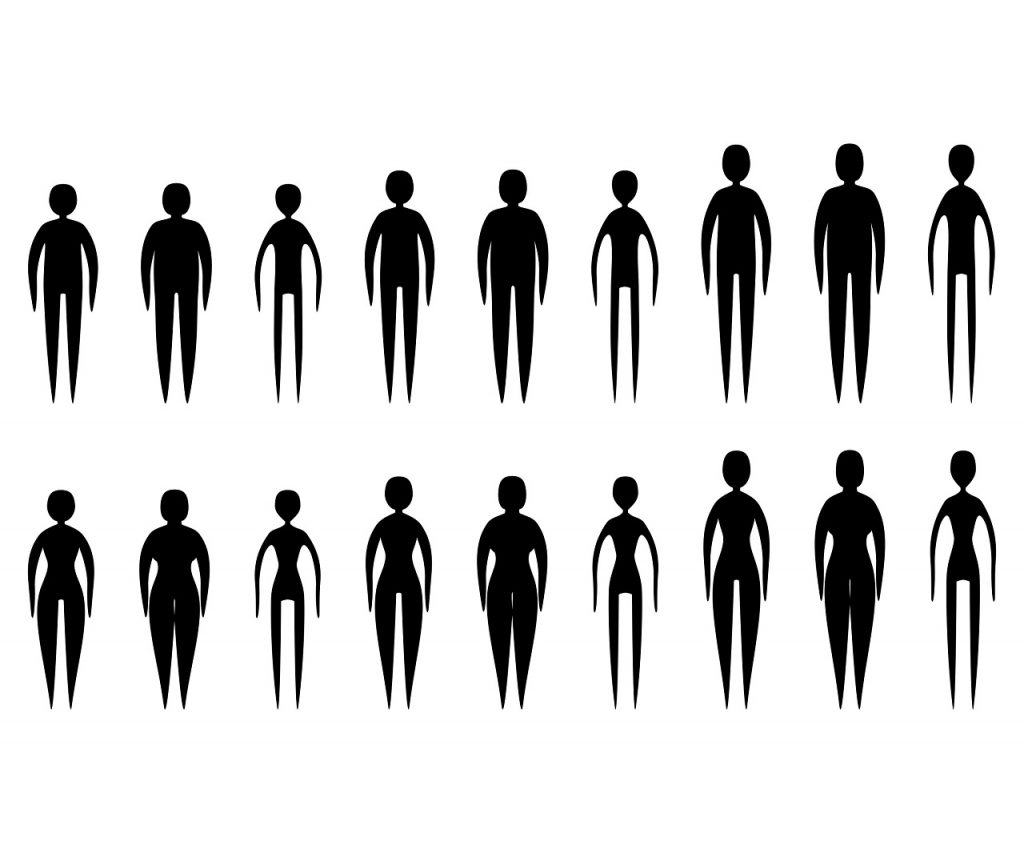
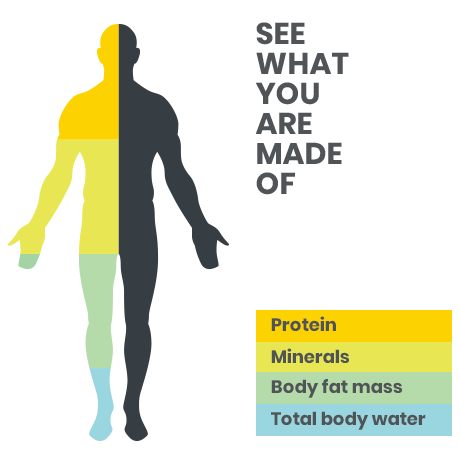
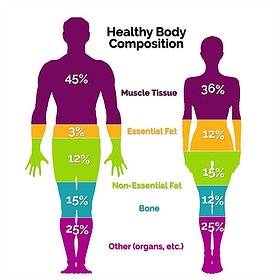
Body composition refers to the percentages of fat, bone, water and muscle in the human body. Two individuals of the same sex and weight may look completely different because they have different amounts of fat and lean mass.

In physical fitness, body composition is important because muscular tissue takes up less space than fat tissue. So it’s not just your weight that determines how lean you look – it’s the ratio of fat to muscle and other lean tissues.

body composition

What is Body Composition Analysis (BCA)?

As rates of overweight and obesity continue to rise, Body Composition Analysis is gaining traction as a more accurate way to assess health than simply looking at weight or BMI. Unlike weight scales or BMI charts, BCA tells you how much of your body is fat versus lean tissue such as muscle, water, bone, and organs.

Lean tissue is metabolically active, meaning it burns calories even when you’re at rest. So a person with more lean mass generally has a higher metabolism.

Why Should You Measure It?

Health experts agree: excess body fat increases the risk of numerous conditions including:

  • High blood pressure
  • High cholesterol and triglycerides
  • Type 2 diabetes
  • Heart disease
  • Breathing difficulties
  • Gallbladder disease
  • And more

Measuring body composition provides better insights than weight alone. It’s common to assume that “thin” means “healthy,” but that’s not always true. Being thin refers to weighing less than average, while leanness refers to a healthier ratio of muscle to fat. You can be thin and still have high body fat (sometimes called “skinny fat”).

body composition

Benefits of BCA

Understanding your body composition helps you and your healthcare providers in several ways:

  • Establishes a baseline for nutrition and obesity treatment
  • Supports targeted plans for muscle gain and fat loss
  • Tracks fat loss and muscle gain from diet and exercise
  • Gives insights into your metabolic rate and hydration levels
  • Highlights fat distribution, which can signal hormonal imbalances
  • Measures dangerous visceral fat (fat around organs)
  • Helps assess bone health and risk for osteoporosis
  • Identifies personal long-term health risks

How Do You Measure Body Composition?

There are several ways to estimate your body fat percentage, either at home, at the gym, or via a medical professional. Common methods include:

  1. Body Circumference Measurements:This involves measuring body parts like the waist, hips, and neck to estimate fat levels. It’s simple, affordable and useful for tracking changes over time. However, it may be inaccurate for certain body shapes and fat distributions.body composition
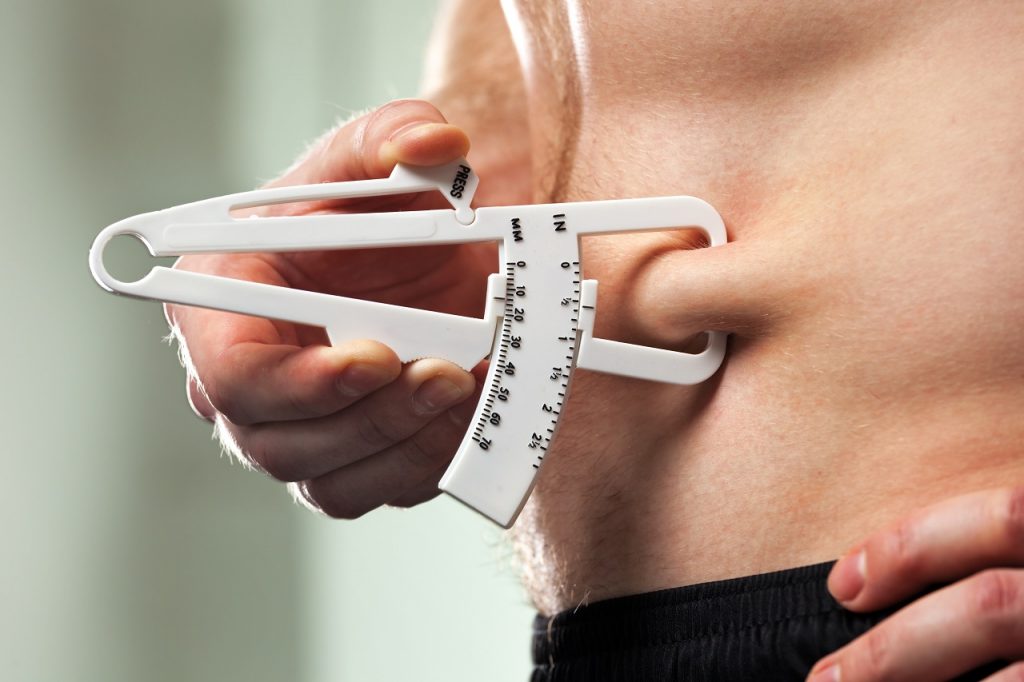
  1. Skinfold Calipers:Calipers measure the thickness of skin and subcutaneous fat in specific areas such as the triceps, abdomen, and shoulder blades. It’s affordable and quick but requires some practice and anatomical knowledge.body composition
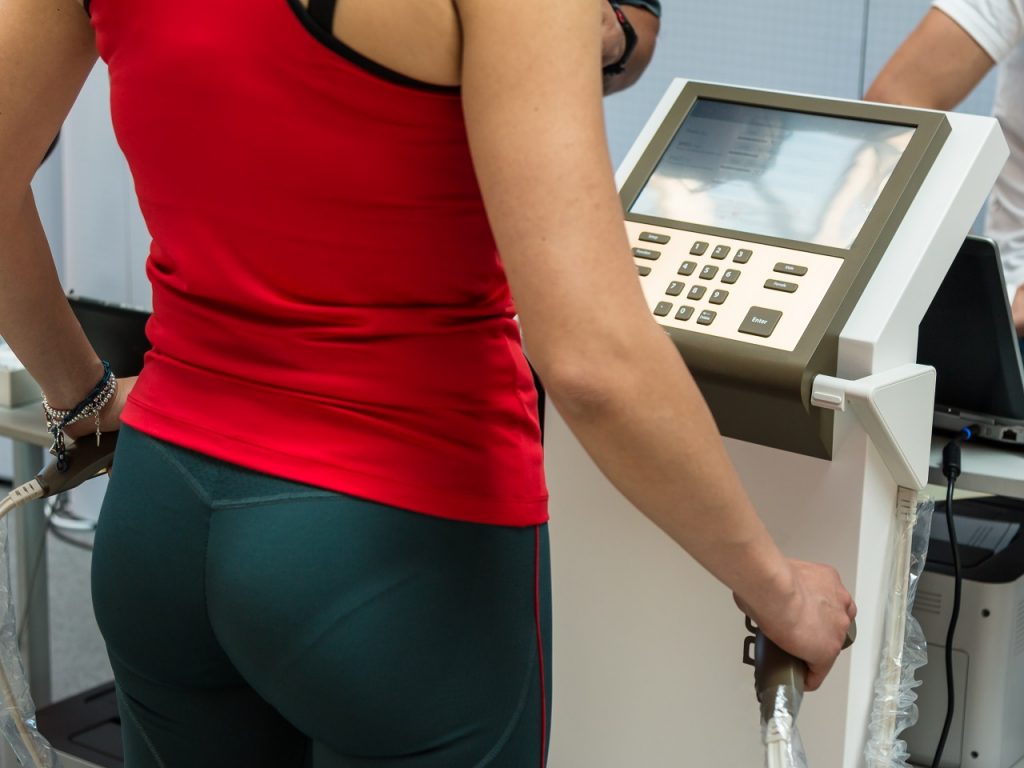
  1. Bioelectrical Impedance Analysis:This method sends a small electrical current through your body via a handheld or scale-based device. Since fat resists electrical flow more than muscle or water, the drop in current gives an estimate of body fat percentage. It’s convenient and non-invasive, but hydration levels can affect accuracy.body composition

Advanced (But Less Accessible) Methods

Some highly accurate methods are available in medical or research settings but are expensive and less accessible:

  • Dual-energy X-ray absorptiometry (DEXA)
  • Hydrostatic weighing
  • Air displacement plethysmography (e.g. Bod Pod)
  • 3D body scanning
  • MRI or Spectroscopy
  • Isotopic dilution

When to Measure

No matter the method, it’s best to measure body composition first thing in the morning, on an empty stomach, after using the toilet. This helps reduce variation due to hydration, food intake, or daily activities.

Body composition helps explain why people with the same weight may look or feel very different. It’s a far more insightful indicator of health than the number on a scale.

Want to learn more about nutrition and fat loss? Browse Healthy Reads. Or get personalised guidance from a GOQii Coach by subscribing here.

#BeTheForce 

Disclaimer: The information provided in this blog is for general awareness and educational purposes only. It is not intended to replace professional medical advice, diagnosis, or treatment. Always consult a qualified healthcare provider for personalised medical guidance or concerns related to your health. Images shown are for representation purposes only and may not depict the exact recommendations or outcomes.
June 27, 2025 By GOQii Leave a Comment

All You Need To Know About Visceral Fat

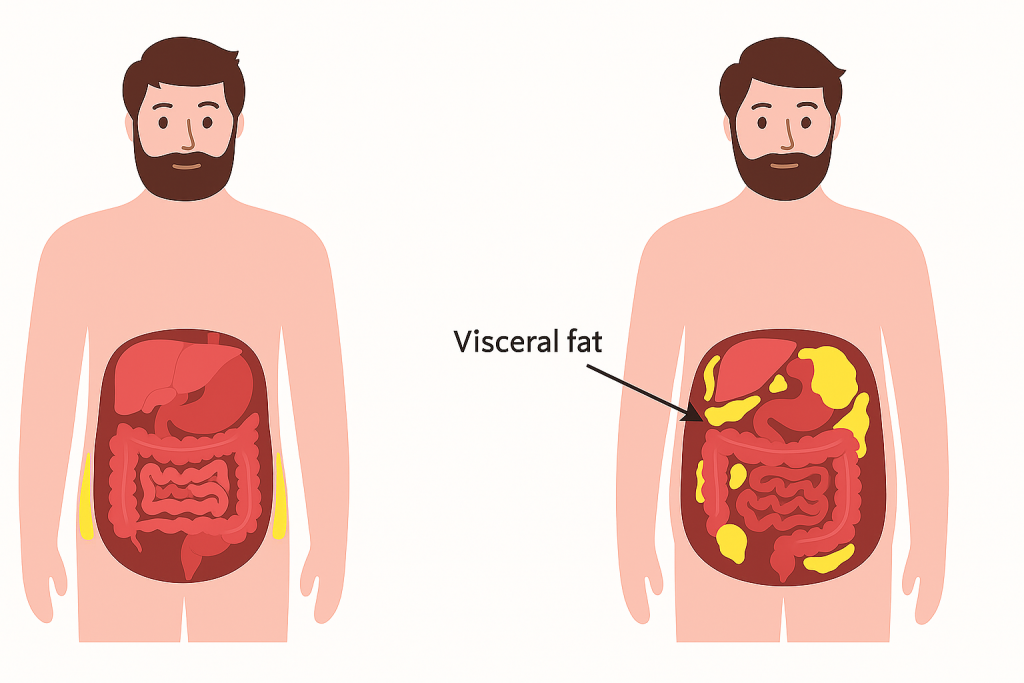
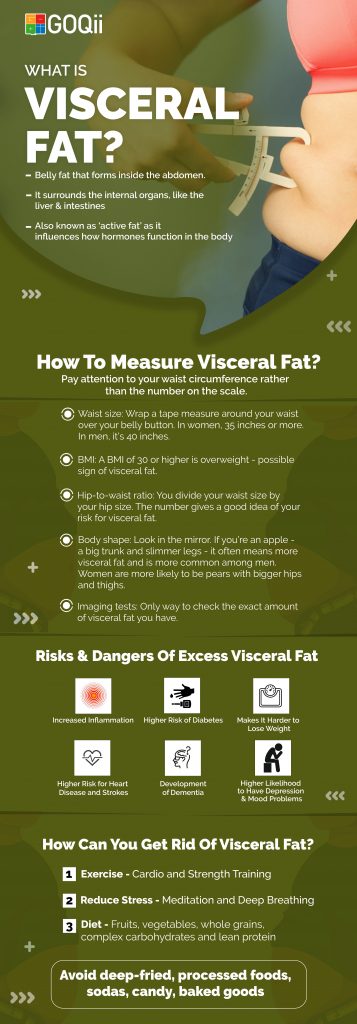
Have you come across the term visceral fat? You’ve likely heard it mentioned. It refers to the unwanted belly fat that forms deep inside the abdomen. This type of fat is considered particularly dangerous because it surrounds your vital internal organs, including the liver and intestines. It’s often referred to as active fat because it directly influences how hormones function within the body.

Why Visceral Fat Is a Concern

Visceral fat can pose a number of health risks. If you have more fat stored than your body requires, especially around the liver, heart, kidneys, pancreas, and intestines, your body becomes inflamed. This kind of fat stores inflammatory white blood cells, which is why belly fat has been linked to cognitive decline, arthritis, diabetes, and more.

The inflammatory substances generated by excess fat known as cytokines, are major contributors to heart disease and other inflammatory conditions. When the body is inflamed, the liver struggles to process cholesterol and toxins effectively, leading to plaque build-up in the arteries. Visceral fat is also associated with an increased risk of cardiovascular disease markers such as:

  • High triglycerides
  • Raised blood pressure
  • Elevated cholesterol levels

In addition, visceral fat plays a significant role in insulin resistance, increasing the risk of developing type 2 diabetes.

Refer to the image below to know more:

Visceral Fat

Lifestyle Factors That Influence Visceral Fat

While regular exercise, stress management, and a balanced diet are essential to keeping visceral fat in check, how you cook your meals also matters.

Healthier Cooking Methods:

✔️ Boiling
✔️ Steaming
✔️ Baking
✔️ Grilling

These methods help reduce excess fat in meals while preserving nutrients.

Foods That Encourage Belly Fat:

❌ Trans fats (found in some meats, dairy, deep-fried and processed foods)
❌ Sugary drinks like sodas
❌ Confectionery, baked goods, and other foods sweetened with fructose

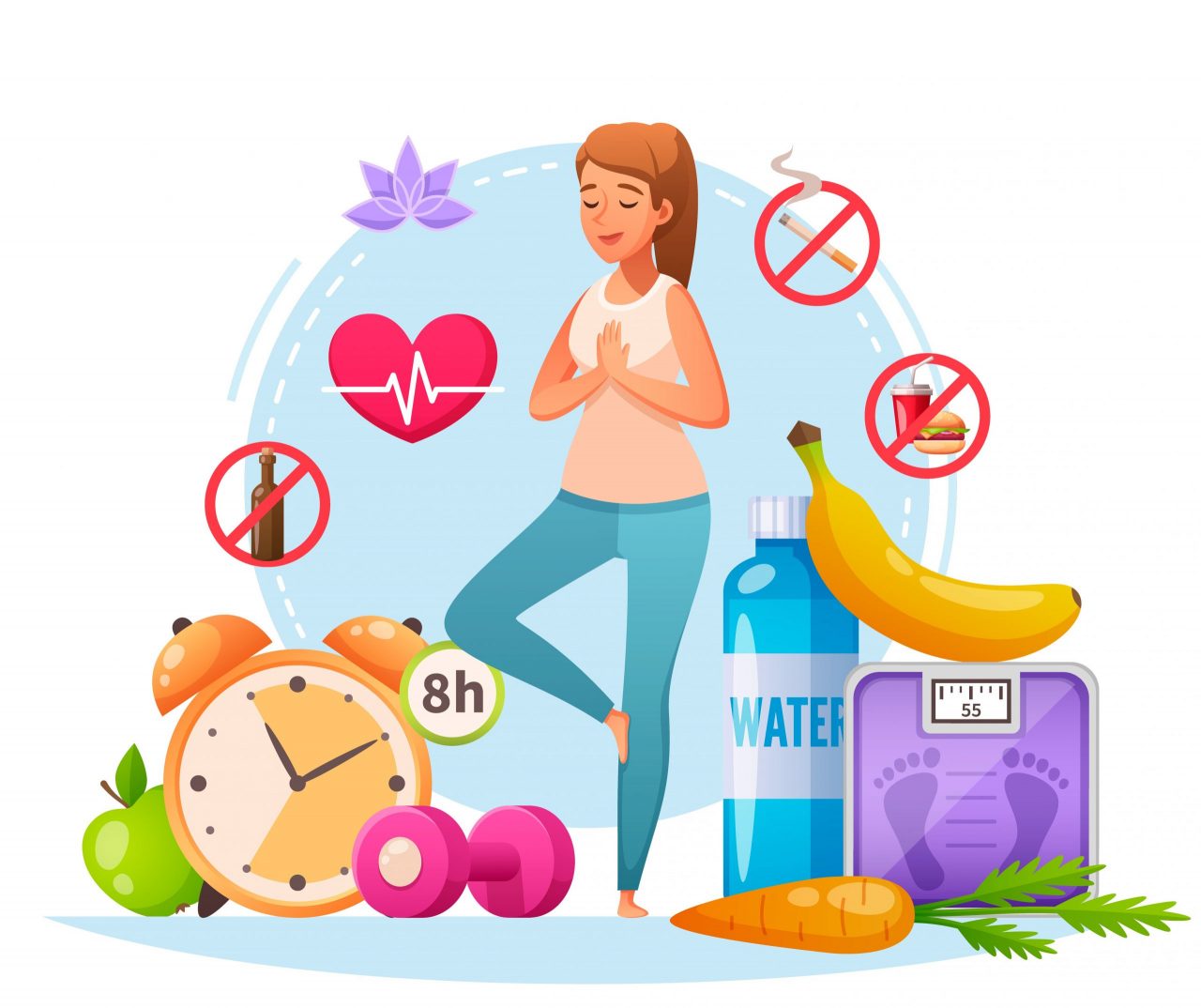
Managing visceral fat is not just about aesthetics — it’s about protecting your long-term health. Small, sustainable changes to your eating habits, cooking style, and daily routine can go a long way in reducing this harmful fat.

To understand more about visceral fat and how to lose it effectively, connect with your GOQii Coach by subscribing to Personalised Health Coaching here. For more articles on weight loss, check out Healthy Reads.

#BeTheForce 

Disclaimer: The information provided in this blog is for general awareness and educational purposes only. It is not intended to replace professional medical advice, diagnosis, or treatment. Always consult a qualified healthcare provider for personalised medical guidance or concerns related to your health. Images shown are for representation purposes only and may not depict the exact recommendations or outcomes.

June 24, 2025 By Palak Mittal 3 Comments

Living well with regular Yoga and good Nutrition


preliminary step to weight loss

Yoga is not simply a set of exercises but a lifestyle. When practising yoga, asanas and nutrition go hand in hand to improve your quality of life. Your digestive system, immunity and energy levels are directly linked to the food you intake. If there is a problem with any of these, yoga asanas can help resolve it.

Digestion: Not all food is easy to digest. Instead of popping laxatives and antacids after every meal, change the food you’re eating. Citrus fruits and leafy vegetables that are rich in fibre aid digestion and prevent constipation. Some foods like yoghurt, buttermilk are probiotics that support the growth of gut bacteria and keep your stomach healthy. Also include carminatives or foods that prevent the formation of gas like cumin, ginger and oatmeal.

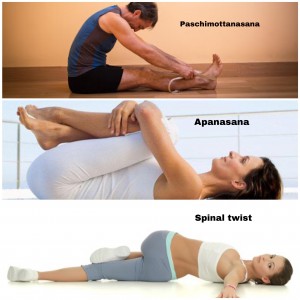
Yogic Asanas such as the Spinal twist, Apanasana and Paschimottanasana can help smoothen the digestive process.


apanasana

Immunity: Eating the right food can help boost your immunity. Citrus fruits are rich sources of vitamin C that directly strengthen the immune system. Herbs like turmeric, ginger and garlic are rich in antioxidants and linked to the prevention of a number of diseases including several types of Cancer. Proteins also help nourish your immune system and hence should not be ignored.

A combination of asanas and yogic breathing techniques can help boost your immunity. Some asanas to try to include Viparita Karani, Bhujangasana, Matsyasana and Adho Mukha Svanasana. These poses help lower stress and boost immunity by pumping rich oxygenated blood to all the parts of the body.

bhujangasana

Energy: The food you eat is turned into glucose to fuel the body and maintain a constant supply of energy. Soy and green leafy vegetables that are rich in iron can effectively boost your energy levels. Fruits like apples, bananas and oranges can also help increase your energy. Yoghurt rich in magnesium does not directly contribute towards the creation of glucose but helps the body release this energy whenever needed.

Yoga asanas help increase blood flow and increase the heart’s capacity to pump blood through the body. A few yoga poses that can boost energy are the camel pose, tree pose and warrior asana.

Relaxation: Sipping on a cup of green tea is a good way to end the day and relax. Other food like honey, milk, celery and oatmeal can also help calm the body and fight off the day’s stress. Apart from being delicious, dark chocolate also releases hormones that ease stress and help relax a person.

image1

Practising yoga breathing techniques like Pranayama can effectively release tension. Supta Baddha Konasana, Viparita Karani and the Supta Matsyendrasana can also help increase energy levels.

We trust that this holistic approach to living well through yoga and good nutrition resonates with you. If you found these insights beneficial and have your own experiences or tips to share, we invite you to do so in the comments section below. For more articles and resources on enhancing your well-being through yoga and nutrition, explore our Healthy Reads. And, if you’re seeking personalised guidance and support on your journey to optimal health, consider subscribing to GOQii’s Personalised Health Coaching here.

#BeTheForce

Disclaimer: The information provided in this blog is for general awareness and educational purposes only. It is not intended to replace professional medical advice, diagnosis, or treatment. Always consult a qualified healthcare provider for personalised medical guidance or concerns related to your health. Images shown are for representation purposes only and may not depict the exact recommendations or outcomes.
  • « Previous Page
  • 1
  • …
  • 55
  • 56
  • 57
  • 58
  • 59
  • …
  • 136
  • Next Page »

Search

Recent Posts

  • Beyond the Screen: How Your Digital Habits Are Impacting Your Longevity
  • Healthy Eating: Vegetable Stuffed Ragi Paratha
  • Sustaining the “GLP-1 Glow”: Nutrition for Skin and Tissue Elasticity
  • Nutritional Deficiencies That Can Cause Hair Loss (And How to Fix Them)
  • The Recovery Gap: Sleep Debt, Overwork and Silent Burnout Are Ageing You Faster

Stay Updated

Archives

  • March 2026 (11)
  • February 2026 (14)
  • January 2026 (14)
  • December 2025 (19)
  • November 2025 (15)
  • October 2025 (20)
  • September 2025 (6)
  • August 2025 (6)
  • July 2025 (12)
  • June 2025 (18)
  • May 2025 (16)
  • April 2025 (22)
  • March 2025 (23)
  • February 2025 (22)
  • January 2025 (25)
  • December 2024 (22)
  • November 2024 (23)
  • October 2024 (21)
  • September 2024 (24)
  • August 2024 (30)
  • July 2024 (21)
  • June 2024 (26)
  • May 2024 (31)
  • April 2024 (27)
  • March 2024 (27)
  • February 2024 (25)
  • January 2024 (21)
  • December 2023 (15)
  • November 2023 (11)
  • October 2023 (19)
  • September 2023 (22)
  • August 2023 (18)
  • July 2023 (22)
  • June 2023 (24)
  • May 2023 (24)
  • April 2023 (23)
  • March 2023 (23)
  • February 2023 (19)
  • January 2023 (15)
  • December 2022 (11)
  • November 2022 (15)
  • October 2022 (15)
  • September 2022 (12)
  • August 2022 (10)
  • July 2022 (17)
  • June 2022 (11)
  • May 2022 (10)
  • April 2022 (6)
  • March 2022 (6)
  • February 2022 (13)
  • January 2022 (11)
  • December 2021 (7)
  • November 2021 (3)
  • October 2021 (6)
  • September 2021 (3)
  • August 2021 (8)
  • July 2021 (7)
  • June 2021 (15)
  • May 2021 (16)
  • April 2021 (10)
  • March 2021 (7)
  • February 2021 (4)
  • January 2021 (4)
  • December 2020 (3)
  • November 2020 (4)
  • October 2020 (10)
  • September 2020 (3)
  • August 2020 (3)
  • July 2020 (2)
  • June 2020 (4)
  • May 2020 (10)
  • April 2020 (12)
  • March 2020 (10)
  • February 2020 (4)
  • January 2020 (4)
  • December 2019 (3)
  • November 2019 (7)
  • October 2019 (5)
  • September 2019 (4)
  • August 2019 (9)
  • July 2019 (9)
  • June 2019 (11)
  • May 2019 (4)
  • April 2019 (8)
  • March 2019 (8)
  • February 2019 (9)
  • January 2019 (8)
  • December 2018 (9)
  • November 2018 (3)
  • October 2018 (3)
  • September 2018 (5)
  • August 2018 (10)
  • July 2018 (6)
  • June 2018 (13)
  • May 2018 (8)
  • April 2018 (18)
  • March 2018 (9)
  • February 2018 (8)
  • January 2018 (15)
  • December 2017 (12)
  • November 2017 (19)
  • October 2017 (13)
  • September 2017 (15)
  • August 2017 (4)
  • July 2017 (8)
  • June 2017 (7)
  • May 2017 (6)
  • April 2017 (8)
  • March 2017 (6)
  • February 2017 (7)
  • January 2017 (9)
  • December 2016 (10)
  • November 2016 (7)
  • October 2016 (7)
  • September 2016 (7)
  • August 2016 (11)
  • July 2016 (9)
  • June 2016 (9)
  • May 2016 (12)
  • April 2016 (17)
  • March 2016 (17)
  • February 2016 (8)
  • January 2016 (6)
  • December 2015 (2)
  • November 2015 (9)
  • October 2015 (7)
  • September 2015 (9)
  • August 2015 (11)
  • July 2015 (9)
  • June 2015 (12)
  • May 2015 (9)
  • April 2015 (13)
  • March 2015 (8)
  • February 2015 (5)
  • January 2015 (12)
  • December 2014 (14)
  • November 2014 (11)
  • October 2014 (6)
  • September 2014 (13)
  • August 2014 (12)
  • July 2014 (6)
  • June 2014 (2)
  • May 2014 (7)
  • April 2014 (4)

From “Laddu Nawin” to Fit and Fierce: How a 25-Year-Old Insurance Advisor Shed 20 Kilos and Gained His Life Back

When 25-year-old Nawin Yadav from Hyderabad walked into his office every morning, he carried more than just his files and policy papers. He had the weight of fatigue, sluggish energy, and an ever-growing belly that was becoming the butt of jokes. “People … [Read More...]

“I’ve Challenged Myself to Live 100 Years” – The Story of Chandubhai Savani’s Second Chance at Life

At 67, most people start slowing down. Not Chandubhai Savani. A resident of Surat, Chandubhai, thought life was on track. “My life was going well till I had my bypass surgery,” he says. That surgery, back in 2021, was a wake-up call.  Medication was routine, but exercise wasn’t. His diet? What he calls ‘normal.’ “I […]

From Shimla’s Slopes to Chandigarh’s Sidewalks: Surinder Kaur Bhalla’s Journey from Chaos to Control

Some journeys start with a plan. Others begin with a stumble literally. Surinder Bhalla, a government professional, born and raised in the scenic hill town of Shimla, had always lived a life of movement. “In Shimla, you walked everywhere,” she reflects. “Walking was never an exercise. It was just life.” But after shifting to Chandigarh, […]

Ananda Mukherjee Health Story

From Terminal Illness To Complete Wellness! Ananda Mukherjee Health Story

As we observe World Cancer Day under the powerful theme ‘United by Unique’ (2025-2027)**, we are reminded that every individual’s journey with cancer is distinct, yet united by shared resilience, hope, and the collective fight against this disease. This theme places people at the centre of care and their stories at the heart of the […]

  • HOME
  • HEALTHY LIVING
  • FITNESS
  • HEALTHY RECIPES
  • USER STORIES
  • KARMA
  • BUY GOQii

Copyright ©2016 GOQii