GOQii

Blog

  • HOME
  • HEALTHY LIVING
  • FITNESS
  • HEALTHY RECIPES
  • USER STORIES
  • KARMA
  • BUY GOQii

Search Results for: heart health

May 11, 2015 By Shimpli Patil 10 Comments

Kick your bad cholesterol with the top 10 cholesterol lowering foods

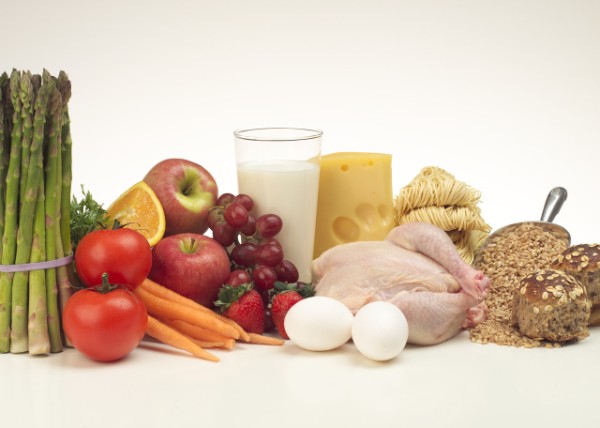
Source-of-Omega-3

In my previous blog on Cholesterol, I had talked about the different kinds of cholesterol, including the good and bad cholesterol and the vital functions that it performs in our body (Refer-https://goqii.com/blog/the-truth-about-cholesterol/).

In this blog I am listing out a few  foods which overstep the rest in lowering the bad cholesterol (LDL), out of which a few also help in increasing the good one (HDL).

A few key things that we need to look at when we are aiming at cholesterol reduction:

*A high fiber diet: Adding vegetable salads in the meals, having unstrained vegetable juices and soups, consuming whole fruits, choosing whole flour over the refined one etc. Fiber binds with the cholesterol and removes it out of the system through stools.

*An Omega 3 intake- Omega 3 has a wonder effect of reducing the LDL, total cholesterol, triglycerides and increasing HDL.

*Reduction of red meat consumption- Eggs, chicken and fish are a better choice.

*An overall low fat intake- Choosing a good quality fat and staying away from saturated and trans-fat. Full fat dairy products, red meat and some oils contain saturated fats which raise the total cholesterol level. Trans-fats found in bakery items (cookies, biscuits, cakes and crackers) increase the bad cholesterol and lower the good one.

Check out the list-

1)      Omega 3 Containing foods-

This category includes flaxseeds, walnuts, fatty fish like salmon, sardine, tuna, mackerel, herring and halibut.

As per the American Heart Association guidelines, we need to eat minimum 2 servings of fish a week to get maximum Omega 3 for healthy cholesterol levels. Since Omega 3 is heat susceptible, make sure you do not overcook the fish, you can simply bake it or grill it.

If you do not eat fish, you can get your Omega 3 dose from 1 tbsp flaxseed once a day OR a handful of walnuts on a regular basis.

2)      Lycopene-
Lycopene is a carotenoid pigment responsible for giving fruits and vegetables their red color. It’s seen in tomatoes, watermelon, guava, etc.

An intake of 25 mg of lycopene on a regular basis helps knock off 10% of LDL. It not only stops the LDL synthesis but also helps break down the existing LDL in the body.

1 cup of tomatoes provides us with 5 mg of lycopene, so imagine how many tomatoes we need to eat every day to get the 25 mg lycopene dose (Do the math)! One more interesting fact about lycopene is, it gets activated only when heat is applied to it. Thus, a raw tomato salad is good, but a better choice would be a tomato soup or a ravishing red tomato base in your meal preparations.

 3)      Green Tea

This antioxidant packed herbal beverage does good to our body in multiple ways. A regular intake of sugarless green tea has been shown to reduce cholesterol by 2-5% keeping the HDL levels untouched.

To make the cholesterol reducing efficacy of green tea even better (and to enhance its flavor), we can add half a tsp of cinnamon into it which has also shown to reduce triglycerides, LDL and total cholesterol levels.

4)      Almonds

They are not only packed with good quality fat but also with fiber and Vitamin E which prevent LDL from getting oxidized. Now this is an interesting trait because once LDL is oxidized, it tends to choke the arteries, which restricts the blood flow to heart, leading to heart attacks and stroke. Almonds prevent all of it! Snack on it more often, mix them with walnuts to reap most benefits.

5)      Olive Oil

It tops among all the oils in terms of fatty acid profile. Being rich in MUFA (heart healthy fat), antioxidants and phenolics, it lowers the LDL, increases the HDL and makes blood less likely to clot. 2 tbsp a day can be used for shallow frying or salad dressing purpose.

6)   Oats and barley

They are rich soluble fiber, called beta-glucan which forms a gel in the intestine and prevents cholesterol from being absorbed into the bloodstream. 5-10 gm of soluble fiber a day is good enough to take care of the cholesterol levels. One and half cup of cooked oatmeal supplies 6 gm of fiber, top it with an apple or a banana to get the extra 3-4 gm of fiber and we are sorted.

7)   Unstrained bottle guard juice with a dash of crushed garlic-

It’s the perfect mix for cholesterol reduction. Rich in soluble and highly alkaline in nature, bottle guard is very well appreciated in the weight loss segment. However, regular consumption of bottle guard also helps keeping the lipid profile in check. Adding crushed garlic while juicing this fiber rich veggie enhances the cholesterol reducing properties to a great extent.

8)    Avocados

Generally, fruits do not contain fat. But, this is one peculiar fruit that is full of fat, but thankfully, a good quality fat- MUFA that helps kick off LDL and triglyceride and boosts up the HDL. You can snack on avocado, add it in the salads or sandwiches or make a spread out of it to smear on a whole wheat bread slice. Definitely, it’s the best substitute to butter and cheese.

9)      Dark chocolate-

For all the chocolate lovers! Since it is rich in flavanoids and oleic acid, dark chocolate does good to our lipid profile. We can nibble on 2 pieces of 70-80%  dark to get the most of its benefits.

10)  Fenugreek seeds-

They provide a 3 way benefit- They contain saponins that reduce body’s absorption of cholesterol. These saponins also reduce cholesterol synthesis in the body. Apart from saponins, the fiber component of fenugreek also helps fight cholesterol in all the ways.

The best way to incorporate fenugreek is:  To consume 1 tbsp of seeds soaked in 1 cup water overnight on an empty stomach in the morning OR you can dry roast 1 tbsp of seeds until they turn brown, powder it and add it in our meal preparations.

That was a comprehensive list of cholesterol lowering foods, however, for any of these foods to work, it’s necessary we make other lifestyle changes too, including a regular physical activity, adequate water intake and balanced meals.Now you know which foods to fill up your cart with, the next time you are at the grocery store.
 

March 18, 2015 By Ami Shah 1 Comment

It’s just not a Peanut: it’s a nutritional pill

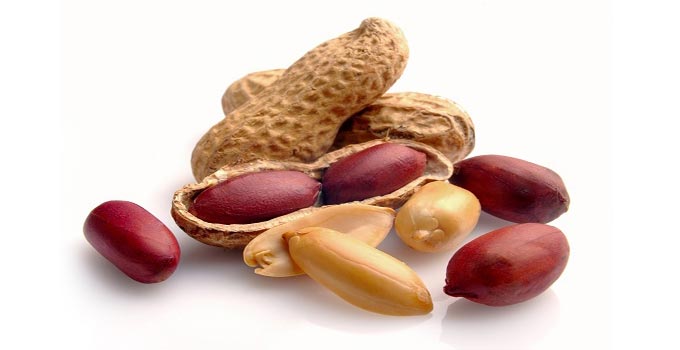
peanutPeanuts, commonly known as groundnuts or even monkey nuts are the cheapest and the healthiest protein available. A native to South America, Mexico and Central America it is an annual herbaceous plant, that grows almost at ground level.

It is almost used every day in one form or the other for cooking. They can be eaten in various forms like roasted, boiled, and fried. Also, now these days, you get many products made out of peanuts like peanut butter, peanut oil, peanut flour, dry roasted peanuts (snacks).

Peanuts play a vital nutritional role in human beings when consumed since they are high in protein and healthy fats. It is a good handy option for snacking provided the portion is controlled.

Avoid mindless eating by pre-portioning your nuts in small bags for a great snack to take on the go or to the office. Choose nuts in the shell and you’ll probably eat fewer since it takes time to crack them. Or take one handful and put the package away.

Let us have a look at its nutritional and health benefits.

  • Peanut has 166 calories and 7.8 gm of protein. Peanuts are heart healthy because they’re a good source of monounsaturated fatty acids. Eating peanuts may help lower your total cholesterol.
  • Peanuts are good sources of vitamin E, niacin, folate(6 mcg), protein and manganese (49.3 mg).
  • The nuts are an excellent source ofvitamin E, containing about 8 g per100 g. Vitamin E is a powerful lipid soluble antioxidant which helps maintain the integrity of cell membrane of mucus membranes and skin by protecting from harmful oxygen free radicals.
  • The nuts are packed with many important B-complex groups of vitamins such as riboflavin, niacin, thiamin, pantothenic acid, vitamin B-6, andfolates. 100 g of peanuts provide about 85% of RDI of niacin, which contribute to brain health and blood flow to brain.
  • The nuts are rich source of minerals like copper, manganese, potassium, calcium, iron, magnesium, zinc, and selenium.

To sum it up, these tiny looking nuts are packed with good amount of vitamins and minerals. So, make sure that you are incorporating them in your daily routine.

Having talked of all the benefits, Peanuts can also cause side effects. Excessive peanuts intake may lead to gas and heartburn. Peanut allergy is also very common and is a very serious food allergy that one can develop. Peanut allergy causes severe allergic reactions that can actually be life threatening. It’s best to do an allergy test if you suspect you have a peanut allergy.

People with peanut allergy will experience a reaction within minutes of eating a peanut or a product that is made from peanuts. The reaction typically starts with a tingling sensation in the mouth followed by swelling of the face, throat and mouth. It can result in difficulty breathing, an asthma attack, anaphylactic shock and death. Less severe reactions include rash, hives and upset stomach. If you have a peanut allergy, you will want to carry an Epinephrine pen to counter any episodes while waiting for emergency assistance.

Individual with peanut allergy have to be very cautious and check the nutritional label or the menu before buying any product or eating a dish in a restaurant.

January 14, 2015 By ASHWINI PRAKASH CHAUDHARI Leave a Comment

Have a Rainbow in your plate

rainbow-eating

Monsoons are the time when we see rainbows in the sky. Just like the rainbow in the sky did you know that you can have a rainbow in your plate daily? Rainbow in your plate refers to eating colourful fruits and veggies daily. Wondering what do I mean by this? Have you ever heard of a rainbow diet? It’s not an actual diet – it refers to choosing fruits and vegetables of every colour that is there in the rainbow.

We have always been told to ‘eat our greens’, but now health experts say it’s just as important to eat our reds, oranges, yellows, blues and purples, too…Fruits and vegetables fall in five different colour categories- Red, Purple/Blue, Orange, Green and White/Brown. Each colour carries its own set of unique disease fighting chemicals called Phytochemicals.

The phytochemicals are responsible to give the fruits and vegetables their vibrant colour and of course some of their healthy properties. Fruits and vegetables contain hundreds of colourful phytochemicals that act as antioxidants, which help to ‘mop up’ potentially harmful molecules called free radicals before they get a chance to damage cells.

Eating the full rainbow of foods regularly helps to give your body the nutrients it needs. All those different colours will add plenty of flavours and textures to your dishes, making meals not just more healthy, but more enjoyable and satisfying.

Research has shown that eating a variety of these nutrients can work together to:

  • Strengthen your immune system
  • Lower your risk for certain cancers
  • Help ward off type 2 diabetes
  • Reduce high blood pressure
  • Prevent some eye diseases
  • Maintain urinary tract health
  • Maintain heart health
  • Improve memory
  • Help build strong bones and teeth

So what’s in these Colours?

Choose from: Raspberries, Cranberries, Strawberries, Cherries, Pomegranates, Red Apples, Grapes, Watermelon, Guava, Red Capsicum, Tomatoes, Peppers, Radishes, Red peppers, Red Onions and Potatoes.

RED- Red fruits and vegetables are coloured by a natural plant pigment called lycopene. Lycopene is a powerful antioxidant that can help reduce the risk of cancer, especially prostate cancer, keep our heart healthy, improve vision and avoid urinary tract infections. We absorb lycopene more easily when foods have been heated, so processed tomatoes are better than Raw. Fat, such as olive oil or cheese, also helps enhance absorption.

ORANGE/YELLOW– Choose from: Apricots, Cantaloupe, Mangoes, Peaches, Papaya, Oranges, Lemon, Grapefruit, Pineapple, Carrots, Sweet Potatoes, Yellow and Orange Peppers,Pumpkin and Sweet Corn.

Carotenoids are the ones who are responsible to give this group their vibrant colour. A well-known Carotenoid called Betacarotene is found in Sweet Potatoes, Pumpkins and Carrots. It is converted to vitamin A, which helps maintain healthy mucous membranes, healthy eyes and helps maintaining the skin and cells that line the airways and the digestive and urinary tracts. Another Carotenoid called Lutein is stored in the eye and has been found to prevent cataracts and age-related macular degeneration, which can lead to blindness. Beta-cryptoxanthin – in Mangoes,Nectarines, Peaches, Peppers and Citrus fruit – may maintain the respiratory tract, reduce the risk of lung cancer and ease inflammation associated with arthritis.

GREEN-Choose from: Asparagus, Avocado, Spinach, Lettuce, Lime, Cucumber, Broccoli, Leafy Cabbage, Green Beans, Peas, Sugar Snap Peas, Mangetout, Cress, Peppers, Spring Onions, Leeks, Green Apples, Green Grapes and Kiwi Fruit.

Green vegetables contain a range of phytochemicals including carotenoids, indoles and saponins, all of which have anti-cancer properties. Research shows that lutein and zeaxanthin act as ‘natural’ sunglasses and filter out harmful light that can damage the eyes. A good intake of these antioxidants may help prevent age-related macular degeneration, a leading cause of blindness, and may help protect against cataracts. Leafy veggies such as Spinach and Broccoli are also excellent sources of Folate.

PURPLE /BLUE-Choose from: Blackberries, Blueberries, Grapes, Black currants, Plums, Prunes, Raisins, Purple Cabbage, Red onions, Brinjal and Beetroot.

The plant pigment anthocyanin is what gives blue/purple fruits and vegetables their distinctive colour. Anthocyanin also has antioxidant properties that protect cells from damage and can help reduce the risk of cancer, stroke and heart disease. Good intakes of anthocyanins have also been linked to improving balance, co-ordination and short-term memory in old age, as well as better vision, although more research needs to be carried out to confirm these findings. Research shows that proanthocyanidins may help to protect against urinary tract infections.

BROWN/WHITE-Choose from: Cauliflower, Mushroom, Garlic, Banana, Potatoes, Dates, Onions, Ginger, Turnip.

White fruits and vegetables contain a range of health-promoting phytochemicals such as allicin (found in garlic) which is known for its antiviral and antibacterial properties. Some members of the white group, such as bananas and potatoes, are also a good source of potassium.

Your Daily Quota

  • Children 2 to 6 years oldshould get three servings of vegetables and two servings of fruit, that’s a total of five.
  • Children older than 6, teenage girls, active women and most men should get at least four servings of vegetables and three servings of fruit, a total of seven.
  • Teenage boys and active menshould get five servings of vegetables and four servings of fruits, a total of nine.

Create a Rainbow in Your Plate

Make a tropical rainbow fruit salad with fruits of each colour: Oranges, Strawberries, Mango, Watermelon, Kiwifruit, Bananas, and Blueberries. Stir fry your own mix of vegetables using each colour: Onions, Carrots, Baby Corn, Broccoli and Mushrooms.

Fruits and vegetables tend to be filling and low in calories, they can also be a good way to help you reduce or manage your weight. So eat a Rainbow even when it is not raining.

November 14, 2014 By SANA SHAIKH Leave a Comment

The small beneficial pod – Green Peas

green-peas

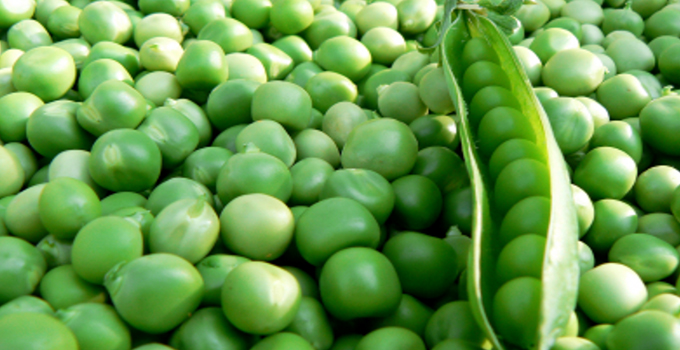
It’s often said that “Good things come in small packages.” I came across one such small package. And indeed a familiar vegetable which is a power house of nutrients given to us by Mother Nature – ‘Green Peas’.

Green peas are botanically considered to be a fruit, but are often sold as a veggie. These are considered to be a poor man’s meat or a way to put some greens on the plate, but this native food provides us with array of benefits. Some of them are…

  1. Peas are low calorie foods rich in proteins, fibre and other micronutrients. Thus making them an apt food, effective in weight management ensuring longer satiety levels.
  1. Peas contain phytonutrients that are healthy for the body. One such phtyonutrient that is recently researched on is a polyphenol known as the coumestrol. A Study in Mexico City determined that only 2 milligrams per day of this phytonutrient is needed to prevent stomach cancer. A cup of peas gives you at least 10 miligrams.
  1. Peas not only contains anti–inflammatory compounds but also anti –oxidants that help’s one to boost their immunity levels and prevent ageing. The presence of Vitamin C in good amounts just adds up to the benefits!
  1. Recent studies have shown that this small package also holds alpha linolenic acid (ALA) precursor of the heart healthy omega –3. The combined effect of anti – oxidants+ omega-3 + anti–inflammatory compounds maintains heart health by promoting healthy blood vessels and preventing their blockage. Also the presence of B- vitamins like B1, B2, B3, B6 and folate help to reduce the homocysteine levels that is a risk factor for heart diseases.
  1. Green peas are rich in Vitamin K essential to hold calcium within the bones. Thus, promoting bone health.
  1. Being a good source of fibre relieves constipation.
  1. These are environmental friendly, nitrogen fixers, do not require artificial fertilizers. After the crop is harvested the tender plant is used as an organic fertilizer.

So let’s gauge the essential nutrients from the tiny package of Mother Nature. Just one cup at a time and all the benefits are thine!

  • « Previous Page
  • 1
  • …
  • 49
  • 50
  • 51
  • 52
  • 53
  • …
  • 136
  • Next Page »

Search

Recent Posts

  • Beyond the Screen: How Your Digital Habits Are Impacting Your Longevity
  • Healthy Eating: Vegetable Stuffed Ragi Paratha
  • Sustaining the “GLP-1 Glow”: Nutrition for Skin and Tissue Elasticity
  • Nutritional Deficiencies That Can Cause Hair Loss (And How to Fix Them)
  • The Recovery Gap: Sleep Debt, Overwork and Silent Burnout Are Ageing You Faster

Stay Updated

Archives

  • March 2026 (11)
  • February 2026 (14)
  • January 2026 (14)
  • December 2025 (19)
  • November 2025 (15)
  • October 2025 (20)
  • September 2025 (6)
  • August 2025 (6)
  • July 2025 (12)
  • June 2025 (18)
  • May 2025 (16)
  • April 2025 (22)
  • March 2025 (23)
  • February 2025 (22)
  • January 2025 (25)
  • December 2024 (22)
  • November 2024 (23)
  • October 2024 (21)
  • September 2024 (24)
  • August 2024 (30)
  • July 2024 (21)
  • June 2024 (26)
  • May 2024 (31)
  • April 2024 (27)
  • March 2024 (27)
  • February 2024 (25)
  • January 2024 (21)
  • December 2023 (15)
  • November 2023 (11)
  • October 2023 (19)
  • September 2023 (22)
  • August 2023 (18)
  • July 2023 (22)
  • June 2023 (24)
  • May 2023 (24)
  • April 2023 (23)
  • March 2023 (23)
  • February 2023 (19)
  • January 2023 (15)
  • December 2022 (11)
  • November 2022 (15)
  • October 2022 (15)
  • September 2022 (12)
  • August 2022 (10)
  • July 2022 (17)
  • June 2022 (11)
  • May 2022 (10)
  • April 2022 (6)
  • March 2022 (6)
  • February 2022 (13)
  • January 2022 (11)
  • December 2021 (7)
  • November 2021 (3)
  • October 2021 (6)
  • September 2021 (3)
  • August 2021 (8)
  • July 2021 (7)
  • June 2021 (15)
  • May 2021 (16)
  • April 2021 (10)
  • March 2021 (7)
  • February 2021 (4)
  • January 2021 (4)
  • December 2020 (3)
  • November 2020 (4)
  • October 2020 (10)
  • September 2020 (3)
  • August 2020 (3)
  • July 2020 (2)
  • June 2020 (4)
  • May 2020 (10)
  • April 2020 (12)
  • March 2020 (10)
  • February 2020 (4)
  • January 2020 (4)
  • December 2019 (3)
  • November 2019 (7)
  • October 2019 (5)
  • September 2019 (4)
  • August 2019 (9)
  • July 2019 (9)
  • June 2019 (11)
  • May 2019 (4)
  • April 2019 (8)
  • March 2019 (8)
  • February 2019 (9)
  • January 2019 (8)
  • December 2018 (9)
  • November 2018 (3)
  • October 2018 (3)
  • September 2018 (5)
  • August 2018 (10)
  • July 2018 (6)
  • June 2018 (13)
  • May 2018 (8)
  • April 2018 (18)
  • March 2018 (9)
  • February 2018 (8)
  • January 2018 (15)
  • December 2017 (12)
  • November 2017 (19)
  • October 2017 (13)
  • September 2017 (15)
  • August 2017 (4)
  • July 2017 (8)
  • June 2017 (7)
  • May 2017 (6)
  • April 2017 (8)
  • March 2017 (6)
  • February 2017 (7)
  • January 2017 (9)
  • December 2016 (10)
  • November 2016 (7)
  • October 2016 (7)
  • September 2016 (7)
  • August 2016 (11)
  • July 2016 (9)
  • June 2016 (9)
  • May 2016 (12)
  • April 2016 (17)
  • March 2016 (17)
  • February 2016 (8)
  • January 2016 (6)
  • December 2015 (2)
  • November 2015 (9)
  • October 2015 (7)
  • September 2015 (9)
  • August 2015 (11)
  • July 2015 (9)
  • June 2015 (12)
  • May 2015 (9)
  • April 2015 (13)
  • March 2015 (8)
  • February 2015 (5)
  • January 2015 (12)
  • December 2014 (14)
  • November 2014 (11)
  • October 2014 (6)
  • September 2014 (13)
  • August 2014 (12)
  • July 2014 (6)
  • June 2014 (2)
  • May 2014 (7)
  • April 2014 (4)

From “Laddu Nawin” to Fit and Fierce: How a 25-Year-Old Insurance Advisor Shed 20 Kilos and Gained His Life Back

When 25-year-old Nawin Yadav from Hyderabad walked into his office every morning, he carried more than just his files and policy papers. He had the weight of fatigue, sluggish energy, and an ever-growing belly that was becoming the butt of jokes. “People … [Read More...]

“I’ve Challenged Myself to Live 100 Years” – The Story of Chandubhai Savani’s Second Chance at Life

At 67, most people start slowing down. Not Chandubhai Savani. A resident of Surat, Chandubhai, thought life was on track. “My life was going well till I had my bypass surgery,” he says. That surgery, back in 2021, was a wake-up call.  Medication was routine, but exercise wasn’t. His diet? What he calls ‘normal.’ “I […]

From Shimla’s Slopes to Chandigarh’s Sidewalks: Surinder Kaur Bhalla’s Journey from Chaos to Control

Some journeys start with a plan. Others begin with a stumble literally. Surinder Bhalla, a government professional, born and raised in the scenic hill town of Shimla, had always lived a life of movement. “In Shimla, you walked everywhere,” she reflects. “Walking was never an exercise. It was just life.” But after shifting to Chandigarh, […]

Ananda Mukherjee Health Story

From Terminal Illness To Complete Wellness! Ananda Mukherjee Health Story

As we observe World Cancer Day under the powerful theme ‘United by Unique’ (2025-2027)**, we are reminded that every individual’s journey with cancer is distinct, yet united by shared resilience, hope, and the collective fight against this disease. This theme places people at the centre of care and their stories at the heart of the […]

  • HOME
  • HEALTHY LIVING
  • FITNESS
  • HEALTHY RECIPES
  • USER STORIES
  • KARMA
  • BUY GOQii

Copyright ©2016 GOQii


