GOQii

Blog

  • HOME
  • HEALTHY LIVING
  • FITNESS
  • HEALTHY RECIPES
  • USER STORIES
  • KARMA
  • BUY GOQii

Search Results for: heart health

October 4, 2016 By Komilla Pareek 1 Comment

High Fructose diet and Vitamin D

high_fructose_corn_syrup_570

We are all aware that lack of sun exposure and spending more time indoors makes us prone to Vitamin D deficiency. But, did you know that Vitamin D deficiency could also occur due to an unhealthy diet –especially one that is loaded with high fructose.

In fact, what led me to write this blog is a recent conversation with a close friend of mine. Anita, as I knew her was always conscious about her diet and what she ate. Her seemingly healthy breakfast included packaged cereals and fruit yogurt. Trying to keep her meals small and frequent, her snacking included salads from fast food joints and her quick fix dinner at home mostly comprised of fruit juices with a veg sandwich.

But, something seem to bother hear off late. When I casually asked her how she was doing and that she looks a bit perturbed, she mentioned about her recently diagnosed Vitamin D deficiency at the age of 35 years.

What triggered the check up? Well she had a fall and fractured her right hand. It intrigued me to find out more. Anita was also keen to find out if there was anything in her diet that had led to the Vitamin D deficiency. She was obviously under the impression that she was eating healthy.

As a nutritionist, let me tell you that the sunshine vitamin-Vitamin D, can have reasons other than insufficient exposure for its deficiency. Fast paced lifestyle and dependence on packaged foods pointed to high fructose in the diet, which could be a major cause. Precisely, what triggered the deficiency in Anita as well?  Surviving on packaged foods is not a good idea at all.

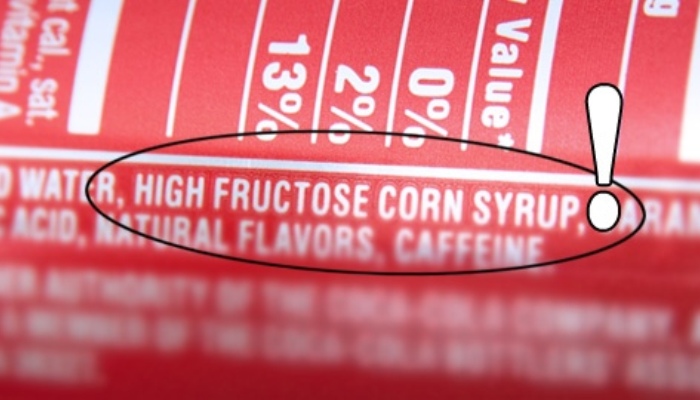
Fructose, as we know is a fruit-sugar; unfortunately, it’s not fruits from where we get most of the fructose in our diet. A large part of fructose in our food enters via HFCS – High fructose corn syrup which is an alternative to sugar in most packaged foods.

This low cost sweetener is favorite of food processing industries.Being stable in acidic foods and beverages, HFCS is attractive alternative to sucrose and is found in many unsuspecting packaged foods such as – Packaged fruit juices, carbonated drinks, breakfast cereals, flavored yogurt, salad dressing, ketchups, soups, sauces, nutrition bars etc. Baked products such as biscuits and breads, which is a classic case of ‘HFCS camouflaged with the whole grain marketing’.

When we consume high levels of fructose, an enzyme called  24-hydroxylase (which is responsible for degrading vitamin D3) becomes more active, while another enzyme, 1α-hydroxylase (which helps synthesize vitamin D) becomes less active.  As a result of this high level of fructose consumption, the body tends to start breaking down whatever levels of Vitamin D you have. In other words Fructose reduces blood levels of active Vitamin D.

Vitamin D in the form of calcitriol plays a critical role in maintaining calcium levels in blood. It regulates active calcium transport in the intestine, helping increase its absorption from food. In fact, in Vitamin D deficiency, we absorb only about 10 to 15% of the dietary calcium we eat!

We need calcium for proper functioning of nerves and muscles, including the cardiac muscle –Heart. When calcium levels go too low,in its survival mode body starts pulling calcium from bones. Boom: suddenly we enter a state of bone-tissue breakdown, because of a chain of events initiated by excess fructose. Over time, skeletal health becomes compromised, and the risk of osteopenia, osteoporosis, and fracture may go up.

A study published by PLOS One in April 2014 demonstrated that a chronic intake of high levels of dietary fructose can lead to a decrease in circulating levels of Vitamin D and also creates physiological increases in calcium requirement. They quoted this finding as highly relevant since fructose, a sugar contained in many types of foods that are being consumed at high levels, may contribute to the increasing prevalence of vitamin D insufficiency, especially in sensitive populations with high, processed sugar intakes. (http://journals.plos.org/plosone/article?id=10.1371%2Fjournal.pone.0093611).

Before it’s too late, cut down on your fructose intake. Less than 40 g of fructose from whole foods sources per day is a great target. For reference, that’s what we’d get from 1.3 whole mangoes or 3.5 apples. Yes, 2-5 servings of fruit per day (depending on fruit choice, stick to max 2 if high fructose fruit) is perfectly fine!
October 4, 2016 By Dr Manali Rao 1 Comment

What is contraception?? Birth control or fertility control

csphonqik1

Why or how does it play such a major role in the betterment of a society? I have a little story to share. Like all women, my friend was also super excited about her wedding. It was the perfect match, the man was perfect with a well-paying job, loving family and most importantly he was a man with a heart of gold. Are you wondering how our discussion on contraception fits into the scheme of this here?

Let me explain. Here’s what happened! Couple of days before their big day, my friend’s to be husband made it very clear to her that he does not want to use any contraceptive. But, he did not want a child for a year at least. And, that he also did not want her to use a barrier method of contraception (female condoms) either! The other conditions laid down by her to be partner was also that she had to lose weight and remain slim for the rest of her life. This is kind of a heard story right? It does not come as a surprise.

Now, my friend was in atotal fix. There were so many terms and conditions and unfortunately she had no say in the matter. It was told to her and she had to follow it. She was not very keen on OCPs (Oral Contraceptive Pills) given their side effects like weight gain, nausea, sore or swollen breasts, lighter or heavy periods, mood changes, abdominal pain and headaches. So what other option was she left with?

IUCD (Intrauterine Contraceptive Device)-It is a small contraceptive device, often ‘T’-shaped, containing either copper or levonorgestrel, which is inserted into the uterus. They are one form of long-acting reversible contraception which are the most effective types of reversible birth control.

Was my friend aware that it is not advisable to use IUCDs unless you have conceived at least once? Nope! She wasn’t aware nor did she take any medical advice. So just to keep her husband happy, she opted for IUCD.

What happened next?!!

She started having adverse effects like excessive bleeding during menses, abdominal pain, and loss of weight and before we knew it, she looked under nourished.

What led to all this? Who was to be blamed? Was it the girl’s fault?  Or was it her husband, who had the notion that using a barrier method reduces the pleasure or the basic psyche that the girl must to do all that pleases her husband irrespective of what the consequences could be. I would say all three and most importantly it’s the lack of knowledge about contraception.

I am saddened by the thought that some people still think contraception is unnecessary as it decreases libido and that it’s a taboo. Well, trust me folks it is not so. When one uses contraception, they can avoid unwanted pregnancies and space planned pregnancies to promote optimal birth outcomes.

When a pregnancy is planned, one can start prenatal care, including increasing their intake of folic acid; work with the gynecologists to address relevant medical conditions, as well as substance abuse; and take other steps that lead to healthier outcomes for both the mother and the infant.

Pregnancies that are unplanned are more likely to be affected by delayed prenatal care, maternal depression, low birth weight, poorer childhood physical and mental health, and other complications. Breastfeeding rates are also lower after unintended pregnancies. We should also remember that most of the unintended pregnancies end in abortion, which affects both the parents psychologically and affects the mother physically.

When you look at the facts, contraception is a smart public health policy.

Of course, for some women, birth control is essential for other health reasons, including acne, fibroids, and endometriosis and to reduce problems associated with irregular or very heavy periods.

There are several methods of contraception:

Natural Family Planning (NFP): Couples can use NFP techniques like the rhythm method, basal body temperature, or the cervical mucus method to try to pinpoint when a woman is ovulating (fertile). To prevent pregnancy, sexual intercourse is to be avoided around the time of ovulation.

Other methods include barrier method (condoms), OCPs, IUCDs.

Remember, contraception plays an important role in the well-being of the family and the society as a whole.

Finally, don’t forget to consult your gynecologist for advice on the right Contraceptive method for you.

September 27, 2016 By Leah Burkhart 1 Comment

The Foods all Nutritionists agree are ‘Good For You’.

344361-vegetables

We all love reading about the latest trending super food. Whether its Acai berry, Maca powder, or cacao nibs…we wanna know what’s going to up our metabolism or give us that boost of energy we are absolutely itching to have again.

Well folks…let the drum roll begin. Because the REAL super food category of the hour is not some fancy-named upgraded coffee bean or a concoction of some super vitamin made in a lab somewhere.

It is…..

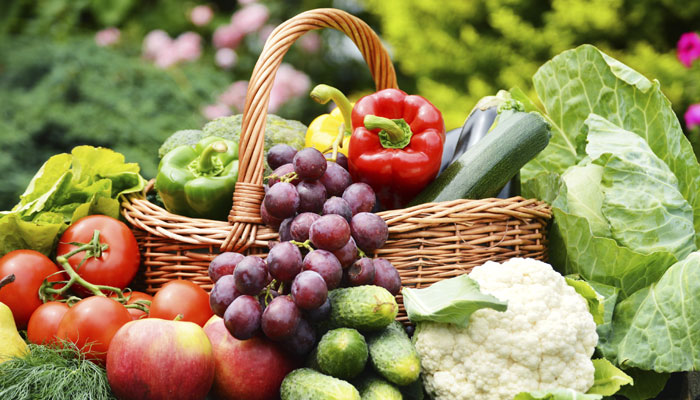
Plants. Specifically fruits and vegetables (Background applause!!!)

Wait….how come you’re leaving? Wait! No…seriously! they are SUPER good for you!

I know, I know. It’s WAY snazzier to imagine that the secret ingredient is some hidden oil or seed or fruit buried at the bottom of Indiana Jones’ cavern. We want the food to be a singular holy grail. But, that is just not the way of it.

No – I’m afraid your mother, and her mother before her and HER mother before HER knew what they were talking about when they said simply “eat your vegetables.”

We have the evidence to prove it. Here are just a FEW examples of the tangible benefits researchers have uncovered about eating more vegetables.

  1. Those who eat more fruits and vegetables (at least 8 servings per day) are 30 percent less likely to have heart disease. (https://www.hsph.harvard.edu/nutritionsource/what-should-you-eat/vegetables-and-fruits/)
  2. Those who eat more fruits and vegetables (specifically 8 servings or more) report greater levels of happiness and emotional satisfaction. http://sciencenewsjournal.com/eat-fruit-veggies-happy/
  3. Eating fruits and vegetables is associated with better weight loss and management outcomes:https://www.cdc.gov/nccdphp/dnpa/nutrition/pdf/rtp_practitioner_10_07.pdf
  4. Eating a high concentration of fruits and vegetables are associated with a reduced risk of cancer:http://www.cancerresearchuk.org/about-cancer/causes-of-cancer/diet-and-cancer/how-healthy-eating-prevents-cancer
  5. Those who eat as few as five servings of fruits and vegetables every day tend to live longer. http://nutritionfacts.org/2015/09/17/how-much-longer-do-fruit-and-vegetable-eaters-live/
  6. Eating fruits and vegetables can even improve your sex life:http://www.huffingtonpost.com/knowmore-tv/8-ways-eating-fruit-juice_b_9872488.html

So if you’re looking for the newest, latest and greatest super-food, you really need no look toward the dark corners of the Bermuda triangle. It’s right in front of you at your local farmer’s market.

September 14, 2016 By Saba Mirza 4 Comments

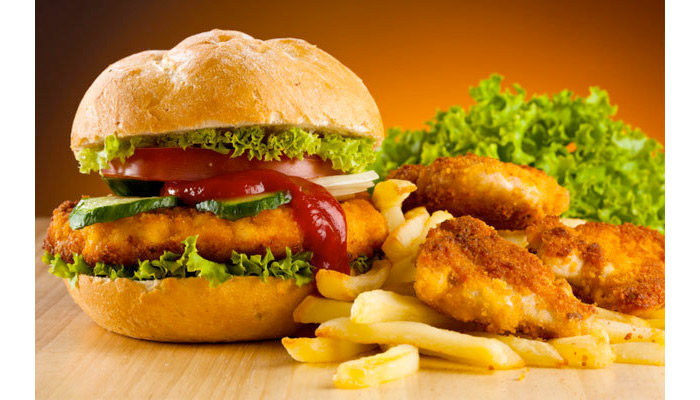
Know about ‘PROCESSED’ foods and its harmful effects

425-food-bad-effects-of-fast-foods

Processed foods are something we humans cannot seem to stay away from. What starts with saying “once in a while,” invariably becomes an addiction that cannot be given up easily.

Why are they so hard to refuse? First off…the term ‘Processed foods’ can be a bit ambiguous. It can encompass foods that is commercially prepared to ease their consumption. Given that vague definition…it’s important to note that not all the processed food are bad. Some foods, for example,are “processed” mechanically and are still considered “whole foods.” One good example of this would be like packed, chopped vegetables, fruits cut and packed would be another example. In their own juices are few examples.

For the purposes of this article, we are referring to foods that are industrially processedand chemically altered in a fairly significant way.

In other words, the foods we are concerned about include:

  • Instant noodles (& please keep in mind..am not just talking about maggi!!)
  • Chips such as potato chips.
  • Pretzels
  • Beverages such as soft drinks, juices
  • Fast food
  • Candies,
  • Cookies
  • Canned products such as soups and pasta
  • All ready to cook food items like ready to cook soup packets, oats, and pasta
  • Packaged mixes like cake mixes, mac & cheese, brownie mixes and different gravymixes

In other words, when I say “processed food” I’m primarily referring to those foods considered “junk food.”

But It’s Just Food. What Could Possibly be the harm in Eating Food?

It’s a fair question to ask. After all…why should we avoid them if our FDA has approvedall these products in the market and deemed them “safe” for consumption?

Well…the thing is “safe” is a relative term. The FDA has found it to be true that none of these foods will kill you on the spot but that doesn’t mean they won’t cause cumulative harm in the long term. Nor does it mean it won’t disrupt your health…

Here is why you should run away from all these devils…

A) TRANS-FATS: (http://goqii.com/blog/trans-fat-the-biggest-enemy-of-your-heart/)

This should be the single most pressing reason for you to leave all your favorite noodles and chips.. But what are Trans-Fats, anyway?

  • Trans-fats are the hydrogenated oils which after processing act as saturated fats. Have youever noticed that vegetable oils are liquid? But butter is solid? A trans-fat is a fat that began as aliquid, but by changing the chemical structure of the oil, became a hardened fat. Think…margarine.
  • They are considered as the most dangerous fats more harmful than saturated fats.
  • They increases the levels of bad cholesterol (LDL) and decreases good cholesterol (HDL) thus making you more prone to heart diseases,hypertension.

SO WHY FDA IS ALLOWING THEM IN THE FOOD?

Yes, FDA has made it mandatory for all the food companies to mention trans-fat levels on their nutritional labels.But a ‘zero’ level of trans-fat doesn’t indicate that the product is completely trans-fat free.The products which contain trans-fat below 0.5g are free permitted to omit or to market it as ‘trans-fat free’,So, a product which is containing 0.4g of trans fat can claim is as ‘trans-fat’ free…But 0.4 g is a significant level to be harmful (at least cumulatively)and, moreover, we don’t stop with a single serving of these items.

How often have you foundyourself opening a bag of potato chips only to find you have dug your way through half the bag?That’s well over a single serving. And that double serving will for sure make a huge impact.. Thus, even if a package says it is “free of trans fats” – check the ingredient list. Make sure it doesn’t say “hydrogenated oils” in the list. Any hydrogenated oil is a trans-fat.

WHICH FOODS CONTAIN TRANS-FATS?

You’re most likely to find them in processed foods which are either fried or processed in fat or oil. Trans-fats tend to be cheaper to make, so you’ll also find them in low-cost foods like instant noodles,chips, and ready- to- make flour mixes. Another section to keep an eye on is in the bakery. They are often put in cookies, cakes,and breads made in stores. Trans-fats can help preserve these foods longer, so it makes for a useful ingredient for those making them behind the scenes.

B) SUGAR: (http://goqii.com/blog/are-you-a-sugar-addict/). Most of the processed foods contain very high amount of sugar. In many cases, a single serving of these packaged foods contain a sugar amount that is higher than the recommended daily intake of sugar. That’s right. That one serving of cake from the store may have more than the total daily amount of sugar that you should consume.

For example. A half litreof coke contains 70g of sugar..this means you are taking in

12-14 teaspoons of sugar you are drinking in one go!!! Why should you worry about this?

Read this earlier blog on Sugary drinks: (http://goqii.com/blog/hidden-dangers-of-sugary-drinks/) Well…high amounts of sugar in our diet is linked with Diabetes, heart disease and even cancer.That’s true even if you stay lean and manage your weight.

A study published in the British Medical Journal finds that people in the habit of drinking one sugar-sweetened beverage — such as a soda or sweetened tea — every day had an 18 percent increased risk of developing the disease over a decade. That’s compared with people who steer clear of sugary beverages.

C) SODIUM: (http://goqii.com/blog/salty-facts/)

We derive our daily sodium dose from the common salt we use in our kitchen. As we all know, there are harmful side effects associated with an excess dose of sodium including hypertension,water retention, and kidney dysfunction.We should take sodium in limited amounts.

The upper safe limit to take sodium is 2200 mg/day …which we are able to get from whole food sources such as meats, beans, dairy, grains and even some vegetables.

Almost all the processed foods contain relatively high amounts of sodium. It makes sense! Doing so increases the flavor as well as the shelf life of the product. That’s great news for the company trying to sell the food…and but, as a single serving of most of these products often cover more than half of your recommended daily intake, it’s not really good news for you or for your health.

D) FIBER CONTENT: (http://goqii.com/blog/finding-health-through-fiber/) Most processed foods lose their fiber contents during all those chemical processes. Fiber makes the food harder to cook. Removing it makes their preparation easier. Again – that is great for the food industry, but it’s NOT so good for your health. They turn a profit. All you are left with are empty calories without any nutritional value.

Bottom Line:

Almost all the junk foods are devoid of any nutritional value,contain very harmful substances (or substances in higher amounts than our bodies need) making you prone to different life style diseases like hypertension,obesity,cardiac disorders and type 2 diabetes.

So stay away from them and go for real food!!

  • « Previous Page
  • 1
  • …
  • 121
  • 122
  • 123
  • 124
  • 125
  • …
  • 136
  • Next Page »

Search

Recent Posts

  • Healthy Eating: Vegetable Stuffed Ragi Paratha
  • Sustaining the “GLP-1 Glow”: Nutrition for Skin and Tissue Elasticity
  • Nutritional Deficiencies That Can Cause Hair Loss (And How to Fix Them)
  • The Recovery Gap: Sleep Debt, Overwork and Silent Burnout Are Ageing You Faster
  • Sleep Well, Live Better: Lifestyle Habits That Improve Sleep Quality

Stay Updated

Archives

  • March 2026 (10)
  • February 2026 (14)
  • January 2026 (14)
  • December 2025 (19)
  • November 2025 (15)
  • October 2025 (20)
  • September 2025 (6)
  • August 2025 (6)
  • July 2025 (12)
  • June 2025 (18)
  • May 2025 (16)
  • April 2025 (22)
  • March 2025 (23)
  • February 2025 (22)
  • January 2025 (25)
  • December 2024 (22)
  • November 2024 (23)
  • October 2024 (21)
  • September 2024 (24)
  • August 2024 (30)
  • July 2024 (21)
  • June 2024 (26)
  • May 2024 (31)
  • April 2024 (27)
  • March 2024 (27)
  • February 2024 (25)
  • January 2024 (21)
  • December 2023 (15)
  • November 2023 (11)
  • October 2023 (19)
  • September 2023 (22)
  • August 2023 (18)
  • July 2023 (22)
  • June 2023 (24)
  • May 2023 (24)
  • April 2023 (23)
  • March 2023 (23)
  • February 2023 (19)
  • January 2023 (15)
  • December 2022 (11)
  • November 2022 (15)
  • October 2022 (15)
  • September 2022 (12)
  • August 2022 (10)
  • July 2022 (17)
  • June 2022 (11)
  • May 2022 (10)
  • April 2022 (6)
  • March 2022 (6)
  • February 2022 (13)
  • January 2022 (11)
  • December 2021 (7)
  • November 2021 (3)
  • October 2021 (6)
  • September 2021 (3)
  • August 2021 (8)
  • July 2021 (7)
  • June 2021 (15)
  • May 2021 (16)
  • April 2021 (10)
  • March 2021 (7)
  • February 2021 (4)
  • January 2021 (4)
  • December 2020 (3)
  • November 2020 (4)
  • October 2020 (10)
  • September 2020 (3)
  • August 2020 (3)
  • July 2020 (2)
  • June 2020 (4)
  • May 2020 (10)
  • April 2020 (12)
  • March 2020 (10)
  • February 2020 (4)
  • January 2020 (4)
  • December 2019 (3)
  • November 2019 (7)
  • October 2019 (5)
  • September 2019 (4)
  • August 2019 (9)
  • July 2019 (9)
  • June 2019 (11)
  • May 2019 (4)
  • April 2019 (8)
  • March 2019 (8)
  • February 2019 (9)
  • January 2019 (8)
  • December 2018 (9)
  • November 2018 (3)
  • October 2018 (3)
  • September 2018 (5)
  • August 2018 (10)
  • July 2018 (6)
  • June 2018 (13)
  • May 2018 (8)
  • April 2018 (18)
  • March 2018 (9)
  • February 2018 (8)
  • January 2018 (15)
  • December 2017 (12)
  • November 2017 (19)
  • October 2017 (13)
  • September 2017 (15)
  • August 2017 (4)
  • July 2017 (8)
  • June 2017 (7)
  • May 2017 (6)
  • April 2017 (8)
  • March 2017 (6)
  • February 2017 (7)
  • January 2017 (9)
  • December 2016 (10)
  • November 2016 (7)
  • October 2016 (7)
  • September 2016 (7)
  • August 2016 (11)
  • July 2016 (9)
  • June 2016 (9)
  • May 2016 (12)
  • April 2016 (17)
  • March 2016 (17)
  • February 2016 (8)
  • January 2016 (6)
  • December 2015 (2)
  • November 2015 (9)
  • October 2015 (7)
  • September 2015 (9)
  • August 2015 (11)
  • July 2015 (9)
  • June 2015 (12)
  • May 2015 (9)
  • April 2015 (13)
  • March 2015 (8)
  • February 2015 (5)
  • January 2015 (12)
  • December 2014 (14)
  • November 2014 (11)
  • October 2014 (6)
  • September 2014 (13)
  • August 2014 (12)
  • July 2014 (6)
  • June 2014 (2)
  • May 2014 (7)
  • April 2014 (4)

From “Laddu Nawin” to Fit and Fierce: How a 25-Year-Old Insurance Advisor Shed 20 Kilos and Gained His Life Back

When 25-year-old Nawin Yadav from Hyderabad walked into his office every morning, he carried more than just his files and policy papers. He had the weight of fatigue, sluggish energy, and an ever-growing belly that was becoming the butt of jokes. “People … [Read More...]

“I’ve Challenged Myself to Live 100 Years” – The Story of Chandubhai Savani’s Second Chance at Life

At 67, most people start slowing down. Not Chandubhai Savani. A resident of Surat, Chandubhai, thought life was on track. “My life was going well till I had my bypass surgery,” he says. That surgery, back in 2021, was a wake-up call.  Medication was routine, but exercise wasn’t. His diet? What he calls ‘normal.’ “I […]

From Shimla’s Slopes to Chandigarh’s Sidewalks: Surinder Kaur Bhalla’s Journey from Chaos to Control

Some journeys start with a plan. Others begin with a stumble literally. Surinder Bhalla, a government professional, born and raised in the scenic hill town of Shimla, had always lived a life of movement. “In Shimla, you walked everywhere,” she reflects. “Walking was never an exercise. It was just life.” But after shifting to Chandigarh, […]

Ananda Mukherjee Health Story

From Terminal Illness To Complete Wellness! Ananda Mukherjee Health Story

As we observe World Cancer Day under the powerful theme ‘United by Unique’ (2025-2027)**, we are reminded that every individual’s journey with cancer is distinct, yet united by shared resilience, hope, and the collective fight against this disease. This theme places people at the centre of care and their stories at the heart of the […]

  • HOME
  • HEALTHY LIVING
  • FITNESS
  • HEALTHY RECIPES
  • USER STORIES
  • KARMA
  • BUY GOQii

Copyright ©2016 GOQii