GOQii

Blog

  • HOME
  • HEALTHY LIVING
  • FITNESS
  • HEALTHY RECIPES
  • USER STORIES
  • KARMA
  • BUY GOQii

Search Results for: heart health

December 30, 2018 By Trupti Hingad 1 Comment

BAJRA—THE WINTER FOOD!

          Bajri_Ki_Roti                                            

As winter has set in full swing from the mid of this month, we end up having sips of coffee and cuddle up in our blankets/sweaters. While the caffeine can give instant high, why not eat foods that can keep you energetic and regulate your body temperature. During winters, we tend to feel hungrier and body engine works better. I remember being given Bajra Roti with ghee and jaggery in winters as it produces heat in the body (Thermogenic effect).

Bajra also called as PEARL MILLET is packed with nutrients and has various health benefits.

It is the perfect satisfying meal and simply delicious. The Staple diet across Maharashtra, Gujarat and Rajasthan. It gives you satiating feeling faster and releases energy slowly keeping you full for longer periods.

100gm of Bajra has about approx 370 calories, 4.2gm fat, 11gm of protein, 5mg of sodium, 196mg of potassium and 9gm of dietary fibre.

This millet has low Glycemic Index and is considered good for diabetics. Its insoluble fibre helps in the slow release of carbs into your system, thus, providing energy for a longer period of time and keep blood sugar levels under check. Bajra has high amounts of magnesium in it, due to which it helps control the glucose receptors in the body.

It is good for the heart too. Since it is rich in magnesium, it helps your cardiovascular system by lowering your blood pressure, which in turn helps reduce the chances of heart attack or stroke. Moreover, bajra also contains high amounts of potassium which makes it a good vasodilator.

Bajra is also known for controlling the cholesterol levels. This is because it contains a lot of fibre, which goes a long way in lowering the bad cholesterol in your bloodstream.

This Millet is filled with a ton of fibre. It helps to get regular and better bowel movements as it bulks up the stool and stimulates peristalsis, which moves it to the colon. It also avoids any digestive issues.

Another great benefit of eating bajra is that it detoxifies your body. It is filled with antioxidants which help in getting rid of free radicals from your body. It also contains catechins like quercetin that help keep the kidney and liver functioning properly by excreting the toxins from the body.

Bajra is rich in vitamin B components. Rich in Vitamin B (Niacin, Riboflavin, Thiamine, pantothenic acid, pyridoxine, folate) that is B1, B2, B3, B5, B6, B9, it also has minerals such as iron, potassium, magnesium, manganese, copper, zinc and selenium making it a well-enriched meal by itself. This means that it helps to break down the carbohydrates and fat in your body.

It does not contain any vitamin A, C, D, or B12 in it. It is gluten-free. So good for people with celiac disease

Bajra is good for muscles too. One of the best ways that bajra impacts your muscular system is that it allows your muscles to become leaner and stronger over time. Bajra is not only good for health but also for the skin. It contains zinc which repairs skin and slows down the ageing process.

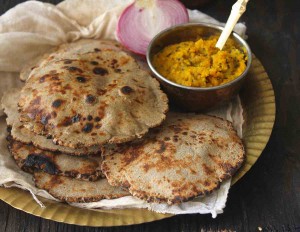
Bajra can be used in various forms to enjoy this winter. You can try making Bajra roti ( flat Bread), Bajra Khakhra or Bajra Carrot-Onion Uttapam, Bajra Khichdi or Bajra Fritters.

When ground into powder form, mixed with water and boiled makes a perfect porridge. A sustainable meal for the children and elder who are unable to eat.

Roughly grounded Bajra cooked with yoghurt and water for hours on a slow flame tempered with asafoetida (Hing) and fennel is a Rajasthani delicacy called the “Ghaat”. A staple diet to sustain the cold in the desert regions

Powdered Bajra mixed with rice paste fermented with sour curds can be used to make Uttapams or even steamed as Idlis, a healthy south Indian variety.

If you have known the importance of whole grains, then you should make a conscious effort to include Bajra in your diet.

So, forget that Fancy Quinoa and get to basics, add this millet in your diet plan and reap its benefits.


–
December 28, 2018 By Arooshi Garg 1 Comment

Potato juice- The Ancient Elixir

potato juice

For the longest time potatoes have been listed in the high carb fattening food category and all we keep hearing is to avoid potatoes if you want to be healthy. Well, there exists another unexplored side of the story! Potatoes are loaded with essential micronutrients like Vitamin A, C, B, and iron and phosphorous. These starchy tubers have amazing health benefits! For those who believe in the power of nature read on!

From our Desi Aloo Parathas (Wheat Flat Breads) to the world famous fries, Potatoes are loved widely by all cultures across the globe. Apart from being a star in the kitchen space, there are several other uses one is unaware of. Did you know that Potato juice can be used for hair, skin care, tackling joint pains & immunity related issues?

Potato Juice for Skin Care: Skin related issues such as skin darkening, scars, spots, blemishes, hard skin and tan reduction can be tackled with Potato juice. It removes excess oil, acne, clears pores and makes the skin look radiant. With skin bleaching properties that help to clear blemishes and correct uneven skin tone, Potato juice reduces appearances of fine lines, tightened skin and reduces wrinkles. So much from a simple juice!

How to USE: Potato juice can easily be combined with a range of skin-benefiting ingredients like Cucumber juice, Fuller’s Earth (Multani Mitti), Gram Flour (Besan), Aloe Vera and even Olive oil.

A scrub can be made by combining Gram flour (Besan)/ Wheat Bran/ Ground Oats with equal quantities of Lemon juice and Potato juice. Mix well and gently rub it on the affected area.

Potato juice can also be mixed with curd/ honey/ lemon juice/orange juice to be used as a face pack. It will help tighten the skin and give a clearer, brighter glow.

Potato Juice for Haircare: Potato juice overall improves hair health and treats conditions like dandruff, dryness, redness, flaking and itching of the scalp. It can help improve hair texture by making it softer, delaying early grey hair and helps hair fall conditions too It helps in persisting eczema or reduces oozing of the sebum from scalp pores.

How to USE: Take the juice of 2 raw potatoes and add 1 tablespoon of honey, 1 egg yolk. If you want to avoid egg you can add 2 tsp of Aloe Vera gel. If you find honey sticky- you can use 1 tsp of virgin coconut or olive oil instead. Apply this mixture to the roots and shampoo as usual, after one hour. You will notice good results after applying this every once or twice in a week.

Eye care: Potato juice comes to the rescue of people facing under eye issues. It helps reduce under eye circles speedily and effectively. It helps the eyes to relax and reduces strain after a long day at work. Since the skin under the eyes is very thin, it tends to wrinkle very fast. Regular application of potato juice on the affected area can lead to positive results.

How to USE: Soak eye size cotton pads in cold potato juice and apply on eyes for 20 minutes. Remove and gently wash eyes. You can use a moisturizer if your skin feels dry.

Immune system: Potatoes contain a significant amount of vitamin C -the nutrient that fights colds and infection and helps to strengthen the immune system. Drinking a glass of potato juice regularly wards off diseases and helps improve one’s immunity. It also increases circulation in the human system, thereby improving overall health.

Joint related issues: Potato juice has wonderful anti-inflammatory properties that help to relieve all most all kinds of pain related to swelling, inflammation, or redness. It helps in neutralising and flushing out Uric acid which is the major cause of joint relates issues. Applying compressed potatoes to the joints directly or wrapping a sliced potato to the joint with the help of fabric bandages is helpful in eliminating the soreness and pain. This makes potato juice one of the best natural treatments for gout and pain associated with arthritis.

How to USE: To extract maximum benefit drink raw potato juice, 1 glass in the morning and 1 glass in the night.

GI tract benefits: Potato juice works as an excellent antibacterial probiotic drink.  It helps reduce acidity, heartburn, constipation, bloating and flatulence. Potatoes contain a significant amount of fibre, with unique antibacterial molecules which help in treating constipation and cleansing our digestive system. Drinking 1 glass of potato juice every day can help in preventing and treating many gastric and digestion related issues.

Heart-healthy ingredient: Potatoes contain essential nutrients like fibre and vitamins A, B-complex and Vitamin C fibre. These nutrients help lower the cholesterol levels in the body. Potato juice can help prevent strokes by reducing deposition of fats in arteries as it contains antioxidant and anti-inflammatory compounds.

Simple ways to prepare & use potato juice:

  1. Wash the potatoes thoroughly and clean out any sprouts and green spots.
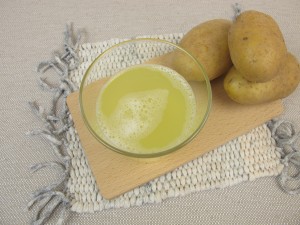
  2. Peel the potatoes and grate them. Or you can also chop the potato and grind them in a mixer.
  3. Put the grated potatoes on a linen cloth/ sieve and squeeze out the juice.
  4. Since potatoes are 80% water one can get around 1/2 cup juice from 2 medium sized potatoes. Which is safe to be consumed.
  5. Drink the juice immediately or you could let it cool in the refrigerator for a while and then drink it.

Side effects: All good things if taken in the wrong way or quantity can cause harm:

  1. If you have any health-related issue and are advised to stay low on potassium then check with your doctor before consuming potato juice as it has high potassium levels.
  2. Pregnant and breastfeeding women and diabetic patients should consult their physician before drinking potato juice as it is high in sugar content.
  3. Also, this juice can cause an upset stomach, or cause diarrhoea and vomiting if consumed in excess.


November 13, 2018 By Samar Hafeez 9 Comments

Link between Vitamin D Deficiency & Depression

Vitamin-D- deficiency

Depression has been called the world’s number one public health problem. The American psychological association states that it is the most commonly occurring mental disorder. In India statistics show a shocking rise in the number of depression cases every single year and it affects almost every age group irrespective of gender.

Most of us know depression is a heterogeneous illness and has many different triggers. Let’s try to identify if VITAMIN D deficiency is one among them.

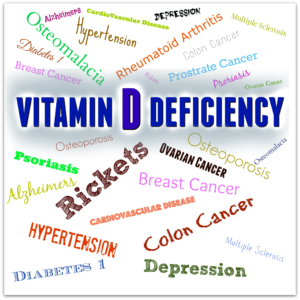
Vitamin D also was known as the “Sunshine” vitamin is a steroid hormone precursor. It was originally thought to play a role in mineralization of bones for keeping them strong and healthy, but over time research has linked low levels of Vitamin D levels to obesity, heart disease, diabetes, cancer, anxiety and DEPRESSION!

Limited sun exposure, darker skin tone, higher altitudes, poor diet, liver and kidney diseases, age etc., are few risk factors for Vitamin D deficiency.

Diagnosis:  The most accurate way to measure how much Vitamin D is in your body is the 25- hydroxylated blood test (25(OH)D). In my practice, I have observed not many have enough or optimal Vitamin D levels which should be over 35 ng/ml

I personally feel that it’s the most underrated and undervalued vitamin of all

Symptomology:  If you have a Vit D deficiency you may experience following physical symptoms

  • Aching bones, joint pains
  • Poor muscle endurance
  • Muscle cramps and weakness
  • Fatigue and generalized weakness
  • DIFFICULTY LOSING WEIGHT
  • Low immunity
  • Decreased stamina and endurance

You may also experience symptoms of Depression that include:

  • Overwhelming sadness, hopelessness, feeling empty
  • Diminished interest or pleasure in activities
  • Loss of appetite
  • Significant weight loss(when not on diet) or weight gain
  • Insomnia or Hypersomnia(excessive sleep) nearly every day
  • Lethargy
  • Problems concentrating
  • Headaches, back and neck pains
  • Psychomotor agitation/retardation(restlessness or sluggishness)
  • Recurrent suicidal ideations.

A link between Vitamin D deficiency and Depression

Many research studies have concluded that Vitamin D receptors have been found in the areas of brain that are linked to the onset of depression, It has also been found that Vitamin D affects the number of chemicals called Monoamines such as serotonin, dopamine (also known as ‘happy hormones’) and how they work in brain. Many anti-depressants medications work by increasing the number of monoamines in the brain.

A review of an international research shows Over 31,000 people participated in 13 studies that efficiently studied this area and the results showed a significant relationship between low levels of Vitamin D and depression.

According to a study in the Netherlands involving 1,702 people found that significant low levels of Vitamin D cause the developing of depressive symptoms in individuals. A 2 year follow up suggested that Vitamin D could be a cost-effective part of prevention and treatment interventions for depression.

One type of depression that appears to be even more strongly associated with Vitamin D is Seasonal Affective Disorder (SAD), a mood disorder characterized by depressive symptoms during times of year when there is relatively less sunshine. It occurs majorly during winter seasons. Symptoms of SAD coincide with a reduction in Vitamin D which in turn effects serotonin levels in the brain, thereby causing depressive symptoms.

Food sources of Vitamin D:

  • Fatty fish like tuna, mackerel, salmon, sardines and herring
  • Cod liver oil contains 450 IU of Vitamin D per teaspoon(5ml)
  • Oysters, shrimp
  • Egg yolks
  • Mushrooms: Like humans, mushrooms synthesize D when exposed to UV light
  • Vitamin D fortified cereals, milk, orange juice or soy milk.

Other helpful options are to get enough sun (at the least for around 15 mints daily) around midday which can be between 11 am to 1 pm. At this time sunlight is at its highest point and your body may manufacture it more efficiently in less time.

Also, get Vitamin D supplements if your D levels are at extremely low levels, recommended daily allowance (RDA) would be of 600 IU daily, plus a 60,000 IU Vitamin D sachet in milk/curd once every month for 4-6 months(see your physician for more information)

Of course, Vitamin D supplementation is only a part of a comprehensive treatment plan. A plan whether based on pharmaceuticals or natural methods should include psychotherapy. However, low levels of Vitamin D can impair and prolong recovery from depression. Hence, it’s always best to treat a problem holistically!

NOTE:

  • Healing properties of natural sunlight cannot penetrate glass, you cannot sit inside your home or car and reap its benefits
  • If you have darker skin, you will need about 25 times more exposure than a light-skinned individual to produce the same amount of D
  • You are looking at months of sunlight/supplements before levels return to normal
  • Kidneys and liver activates Vitamin D, having a kidney disease or damaged liver will hinder the activation of Vitamin D
  • SUNSCREENS- From strongest to weakest prohibit the body from making vitamin D by 95%. Your body needs sunlight without sunscreens to produce vitamin D. Even SPF 8 creams can prevent the production of vitamin D

October 23, 2018 By Trishala Chopra Leave a Comment

Do you really need a multivitamin?                  


Multivitamins

The topmost questions on the mind of all my patients are “I am getting so tired these days, doctor do you think that I should take a multivitamin?” and “I am taking these multivitamins which I got from the US, do you think it’s good enough for me to have?”

These are just 2 such questions but trust me, I get loads of such questions on Multivitamins. Based on these questions, I decided I should talk about it in my blog and present the facts on the matter.

Let us first understand

What is multivitamin?

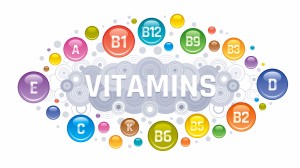
If I just try to understand the word in literal terms, a multivitamin is a supplement that contains more than one vitamin. But is it just vitamins? Certainly not. Multivitamin is a supplement that contains many vitamins and essential minerals which helps you fight against different nutritional deficiencies and their symptoms.

Who actually needs a multivitamin?

  1. You need a multivitamin if you are not able to get adequate nutrition from your diet.
  2. You need a multivitamin if you are severely deficient in different nutrients as detected in your blood reports
  3. You need a multivitamin if you are looking for micronutrients for specific symptoms.

Apart from this, there are other population groups as well which might need a multivitamin in addition to a variety of foods in their diet.

  1. Pregnant women
  • During pregnancy, consumption of multivitamins reduces the risk of birth defects in the foetus.
  • There are different kinds of research which are done taking multivitamins into consideration but since multivitamins consist of various vitamins and minerals, we don’t exactly know which nutrient is giving the maximum benefits.
  • Folic acid perhaps is the most important micronutrient but doctors anyways give it in a completely separate form so talk to your healthcare professional before starting on any multivitamin.
  1. Senior citizens
  • People over the age of 65 are generally low on B- vitamins, vitamin D, iron and magnesium.
  • Supplementing senior citizens with a multivitamin can definitely help in reducing their nutritional deficiencies to a great extent.
  1. People who are on different food restrictions
  • People who are on a gluten-free diet are usually low on calcium, iron, magnesium, zinc, folate, vitamin B12 and vitamin D.
  • Vegan people are usually low in calcium, iron, zinc and vitamin B12.
  • People who are on low carb diet are usually low in calcium, copper, magnesium, potassium and vitamin E

Multivitamin in these cases will help in overcoming these nutritional deficiencies.

  1. People who have undergone bariatric surgery
  • During bariatric surgery, size of the stomach is reduced which reduces nutrient absorption which can further lead to nutritional deficiencies.
  • Even after taking a multivitamin, nutrient absorption is not very high but this will be much better than not taking a supplement and remain extremely nutritionally deficient

The above is related specifically for people with some health issues. Let us now look at the general population! Does the general population need a multivitamin and what can be the possible benefits?

  1. Multivitamins can help in increasing the quality of life
  2. Multivitamins can help in reducing mood swings
  3. Multivitamins can help in reducing complications related to eyes

These are some points which researches have come up with however nothing is claimed so far.

Normally what I have seen is that when people are taking multivitamin they are okay to substitute it for a balanced diet but a multivitamin is a SUPPLEMENT and not a SUBSTITUTE.

Let’s understand about how to select a multivitamin for you.

Your healthcare professional can suggest you one but, you should always know how to pick up one for yourself!

Consider the following points when you buy a multivitamin

  1. Choose a multivitamin that contains close to your recommended dietary allowance (RDA) of vitamins and minerals. Sometimes a particular multivitamin crosses much more than your RDA per day.

For example:

  • Excess of potassium at one go on an empty stomach can lead to elevated potassium levels in the body which can affect your heart rhythm that is why your potassium in a multivitamin should always be limited to 99 mg.
  • Magnesium in your multivitamin should be limited to 350 mg because higher doses of magnesium in the body can lead to diarrhoea and other stomach issues.
  • Excess of calcium in your multivitamin might increase the risk of kidney stones, and too much total calcium can result in hypercalcemia in the body.

B. If a multivitamin supplement is only having vitamins and minerals then its fine to pick it up but usually this doesn’t happen. A single multivitamin is full of special ingredients which can put a body into negative balance hence avoid taking multivitamins which has too many extra ingredients.

C. I have seen my patients doing this a lot that they get confused between the pill and serving.

For example: A multivitamin pack might mention that it contains 300 mg of vitamin C per serving. When it is said so, please understand that a serving does not necessarily mean that 1 pill equals 1 serving. Serving completely depends upon how the company is depicting it. It could mean a whole pack is 300 mg.

D. I have seen this quite often that many people are usually only deficient in one or 2 nutrients in such cases taking a multivitamin is not a very good option. Pick up those nutritional supplements only which are on the lower side.

Hence, it is always good to take Vitamins after you speak to your doctor. Do not indulge in self- medication.

You might need a multivitamin but, it is not necessary that everyone might need it.


  • « Previous Page
  • 1
  • …
  • 109
  • 110
  • 111
  • 112
  • 113
  • …
  • 136
  • Next Page »

Search

Recent Posts

  • Healthy Eating: Vegetable Stuffed Ragi Paratha
  • Sustaining the “GLP-1 Glow”: Nutrition for Skin and Tissue Elasticity
  • Nutritional Deficiencies That Can Cause Hair Loss (And How to Fix Them)
  • The Recovery Gap: Sleep Debt, Overwork and Silent Burnout Are Ageing You Faster
  • Sleep Well, Live Better: Lifestyle Habits That Improve Sleep Quality

Stay Updated

Archives

  • March 2026 (10)
  • February 2026 (14)
  • January 2026 (14)
  • December 2025 (19)
  • November 2025 (15)
  • October 2025 (20)
  • September 2025 (6)
  • August 2025 (6)
  • July 2025 (12)
  • June 2025 (18)
  • May 2025 (16)
  • April 2025 (22)
  • March 2025 (23)
  • February 2025 (22)
  • January 2025 (25)
  • December 2024 (22)
  • November 2024 (23)
  • October 2024 (21)
  • September 2024 (24)
  • August 2024 (30)
  • July 2024 (21)
  • June 2024 (26)
  • May 2024 (31)
  • April 2024 (27)
  • March 2024 (27)
  • February 2024 (25)
  • January 2024 (21)
  • December 2023 (15)
  • November 2023 (11)
  • October 2023 (19)
  • September 2023 (22)
  • August 2023 (18)
  • July 2023 (22)
  • June 2023 (24)
  • May 2023 (24)
  • April 2023 (23)
  • March 2023 (23)
  • February 2023 (19)
  • January 2023 (15)
  • December 2022 (11)
  • November 2022 (15)
  • October 2022 (15)
  • September 2022 (12)
  • August 2022 (10)
  • July 2022 (17)
  • June 2022 (11)
  • May 2022 (10)
  • April 2022 (6)
  • March 2022 (6)
  • February 2022 (13)
  • January 2022 (11)
  • December 2021 (7)
  • November 2021 (3)
  • October 2021 (6)
  • September 2021 (3)
  • August 2021 (8)
  • July 2021 (7)
  • June 2021 (15)
  • May 2021 (16)
  • April 2021 (10)
  • March 2021 (7)
  • February 2021 (4)
  • January 2021 (4)
  • December 2020 (3)
  • November 2020 (4)
  • October 2020 (10)
  • September 2020 (3)
  • August 2020 (3)
  • July 2020 (2)
  • June 2020 (4)
  • May 2020 (10)
  • April 2020 (12)
  • March 2020 (10)
  • February 2020 (4)
  • January 2020 (4)
  • December 2019 (3)
  • November 2019 (7)
  • October 2019 (5)
  • September 2019 (4)
  • August 2019 (9)
  • July 2019 (9)
  • June 2019 (11)
  • May 2019 (4)
  • April 2019 (8)
  • March 2019 (8)
  • February 2019 (9)
  • January 2019 (8)
  • December 2018 (9)
  • November 2018 (3)
  • October 2018 (3)
  • September 2018 (5)
  • August 2018 (10)
  • July 2018 (6)
  • June 2018 (13)
  • May 2018 (8)
  • April 2018 (18)
  • March 2018 (9)
  • February 2018 (8)
  • January 2018 (15)
  • December 2017 (12)
  • November 2017 (19)
  • October 2017 (13)
  • September 2017 (15)
  • August 2017 (4)
  • July 2017 (8)
  • June 2017 (7)
  • May 2017 (6)
  • April 2017 (8)
  • March 2017 (6)
  • February 2017 (7)
  • January 2017 (9)
  • December 2016 (10)
  • November 2016 (7)
  • October 2016 (7)
  • September 2016 (7)
  • August 2016 (11)
  • July 2016 (9)
  • June 2016 (9)
  • May 2016 (12)
  • April 2016 (17)
  • March 2016 (17)
  • February 2016 (8)
  • January 2016 (6)
  • December 2015 (2)
  • November 2015 (9)
  • October 2015 (7)
  • September 2015 (9)
  • August 2015 (11)
  • July 2015 (9)
  • June 2015 (12)
  • May 2015 (9)
  • April 2015 (13)
  • March 2015 (8)
  • February 2015 (5)
  • January 2015 (12)
  • December 2014 (14)
  • November 2014 (11)
  • October 2014 (6)
  • September 2014 (13)
  • August 2014 (12)
  • July 2014 (6)
  • June 2014 (2)
  • May 2014 (7)
  • April 2014 (4)

From “Laddu Nawin” to Fit and Fierce: How a 25-Year-Old Insurance Advisor Shed 20 Kilos and Gained His Life Back

When 25-year-old Nawin Yadav from Hyderabad walked into his office every morning, he carried more than just his files and policy papers. He had the weight of fatigue, sluggish energy, and an ever-growing belly that was becoming the butt of jokes. “People … [Read More...]

“I’ve Challenged Myself to Live 100 Years” – The Story of Chandubhai Savani’s Second Chance at Life

At 67, most people start slowing down. Not Chandubhai Savani. A resident of Surat, Chandubhai, thought life was on track. “My life was going well till I had my bypass surgery,” he says. That surgery, back in 2021, was a wake-up call.  Medication was routine, but exercise wasn’t. His diet? What he calls ‘normal.’ “I […]

From Shimla’s Slopes to Chandigarh’s Sidewalks: Surinder Kaur Bhalla’s Journey from Chaos to Control

Some journeys start with a plan. Others begin with a stumble literally. Surinder Bhalla, a government professional, born and raised in the scenic hill town of Shimla, had always lived a life of movement. “In Shimla, you walked everywhere,” she reflects. “Walking was never an exercise. It was just life.” But after shifting to Chandigarh, […]

Ananda Mukherjee Health Story

From Terminal Illness To Complete Wellness! Ananda Mukherjee Health Story

As we observe World Cancer Day under the powerful theme ‘United by Unique’ (2025-2027)**, we are reminded that every individual’s journey with cancer is distinct, yet united by shared resilience, hope, and the collective fight against this disease. This theme places people at the centre of care and their stories at the heart of the […]

  • HOME
  • HEALTHY LIVING
  • FITNESS
  • HEALTHY RECIPES
  • USER STORIES
  • KARMA
  • BUY GOQii

Copyright ©2016 GOQii