
GOQii

Blog

  • HOME
  • HEALTHY LIVING
  • FITNESS
  • HEALTHY RECIPES
  • USER STORIES
  • KARMA
  • BUY GOQii

Search Results for: hair

February 7, 2024 By Trupti Hingad 3 Comments

The connection between Sleep and Liver!

Improve sleep and sleep qualitySleep can never be categorised as a boring topic to discuss. 8 out of 10 people love to sleep at any time of the day. For some sleeping is one of the best relaxation techniques.

An old adage says ‘Early to bed, Early to rise, Make a man healthy, wealthy and wise’. How true is this phrase? Is it alright to sleep late and wake up late?

In this digital world the bedtime for most people has changed drastically. Mobile phones, laptop, work pressure, deadlines and online markets have captured most of the sleep time leading to sleep issues for most. I have many clients who have everything in life but not good sleep.

We all know good sleep is very necessary for good health and to live long years. Lack of sleep or sleeping late can reduce your cognitive power, ages your skin faster, leads to weight gain, increased risk of death and also impairs judgment and decision making ability.

While sleep requirements vary from person to person, most adults require about 7-8 hours of sleep. Children and teens need even more. But, yes the quality of sleep is more important than quantity of sleep.

We have an amazing biological clock given by nature inside our body. Various functions occur in our body when we are sleeping. The most important function is detoxification which happens during our sleep hours.

So ideally between 11 pm to 3 am most of our blood circulation concentrates in our liver. The liver gets larger when filled with more blood. This is the time when liver undergoes detoxification process. But, if you cannot sleep during this hour, the liver cannot perform its function smoothly.

Later you sleep lesser the body detoxifies and keeps accumulating toxins in the body leading to weight gain, ageing, greying hair, belly fat, low immunity, multiple organ disorders and impure blood too.

Have you ever noticed when you go to bed very late you end up feeling tired and lazy the next day? Why does this happen?

In yoga practice, it is advised to wake up as early as 4 am and 5 am and exercise. Why is that?

Because between 3-5 am, most of the blood circulation is concentrated in the lungs. Breathing fresh air and exercise during this time is good. As per yoga, this is called Brahma Muhurat. During this time, the air is fresh, the mind is calm and stable and there is very less pollution.

Between 5-7 am most of the blood circulation concentrates in the large intestine. This is the right time to Poop. Pass out all unwanted toxins from the body, preparing the body to absorb good nutrients during the rest of the day.

From 7-9 am most of the blood circulation concentrates in the stomach. This is a good time to have breakfast and digest food well. Having healthy breakfast is a great way to start the day.

Have you ever noticed the daily routine of our grandparents? No matter what happens they sleep early and wake up early and carry out their routine work. This is the only reason they are so fresh, energetic and healthier even in the old age as they have followed their biological clock.

If you go against nature, things will turn out bad!

Some helpful tips to support your liver and get a good night sleep.

  1. Drinking lemon water in the morning
  2. Choose cruciferous veggies in the day for their liver supporting properties
  3. Try to express emotions in the best way rather than suppressing it as the liver is somewhere connected to your emotions too
  4. Have a light dinner and keep a gap of 2 hours before bed
  5. Turn off the phone, laptop, Ipad for one hour before bedtime. Use this time as ME time by reading books, meditation, reflection and yes chatting with family members
  6. Avoid stimulants like caffeine and sugar post 5 pm
  7. Practice yoga
  8. Have warm milk at bedtime to get good sleep as it enhances the production of sleep hormone.

In the symphony of health, the link between quality sleep and a thriving liver is undeniable. A commitment to early, restful nights not only enhances detoxification but also rejuvenates our vitality. Embrace the magic of a good night’s sleep for a healthier, more vibrant you. For personalised guidance on optimizing your sleep and liver health, connect with our experts through GOQii’s Personalised Health Coaching here.

#BeTheForce 
February 2, 2024 By CHARMI GOGRI 2 Comments

Healing power of herbs and spices – Part 2

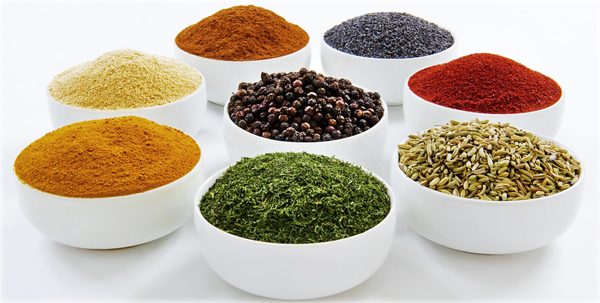
spice_palette1 copy

I hope you found the first part of the blog interesting enough for you to come back and read Part 2. Herbs and spices have always been used by our ancestors and grandmothers as home remedies. They have found cure for any ailment purely through herbs and spices. Today, slowly and steadily we are getting back to our roots. This is one of the reasons why I got down to researching on herbs and spices. In this Part two we will talk of herbs and spices such as Mint, Himalayan Salts, Parsley, Paprika to name a few…

    1. Dill: Dill has much more to offer than just serving the ornamental purpose in the gardens. Due to its anti-bacterial nature, helps in killing harmful intestinal bacteria, E.coli. The seeds also contain substantial amounts of calcium, and regular intake of dill seeds may help to boost bone strength. One outstanding use of dill is in treating hiccups. Hiccups occur for various reasons, but most likely, they occur due to trapped gas and repeated upward movement of gases through the food pipe. It can also be caused due to certain allergies, hypersensitivity, hyperactivity and nervous malfunctioning. Dill helps the expulsion of gases and also reduces gas formation at the same time it helps to calm down hiccups due to allergies, hyperactivity, or nervous disorders.
    2. Fennel Seeds : It’s most popularly used as a breath freshener but has many health benefits attached to it. They are highly beneficial in relieving digestive problems such as indigestion, bloating, flatulence, constipation, colic, intestinal gas, heartburn, and even irritable bowel. Also, Fennel is excellent for combating obesity as it suppresses the appetite and creates a feeling of fullness. Phytoestrogens present in fennel seeds helps to deal premenstrual syndrome, menstrual pain and menopausal disorders. Apart from these, fennel is traditionally used as a galactagogue to promote lactation in nursing mothers.
    3. Himalayan Salt : Gorgeous pink colored salt is much more beneficial over regular table salt. These light pink crystals are full of minerals. In fact, they come packed with over 80 minerals and elements that have shown to create an electrolyte balance within your body, strengthen bones, lower blood pressure, prevent muscle cramping, and improve circulation. On the other hand common table salts are stripped of any extra minerals. Adding to other crucial benefit, Himalayan salt is also lower in sodium than regular table salt which is one of the deadly nutrients when it comes to heart disease.
    4. Mint: Mint, the well known mouth and breath freshener, is an herb that has been used for hundreds of years for its remarkable medicinal properties. The menthol present in it activates digestive system, helps to calm stomach cramps, beat acidity and flatulence. Mint has a very strong smell that has ability to open up nasal passages and airways to allow relaxed breathing. It is also an expectorant and helps the expulsion of phlegm. Its anti-bacterial and anti-inflammatory properties help relieve inflammation along the respiratory tract. Since mint leaves purify the blood and have an anti-spasmodic effect on the soothe muscles of our body, it is a great remedy to relieve the pain of menstrual cramps.
    5. Mustard Seeds: Mustard seeds have been valued for their therapeutic effects in curing cold and sinus It is a wonderful decongestant and expectorant which helps in clearing the mucus in the air passages. A decoction made with mustard seeds helps in cleansing the body especially in the poisoning caused by narcotics and excess intake of alcohol.
    6. Nutmeg: It has been considered to be a useful medicine in a number of Asian societies. It induces the secretion of various gastric and intestinal juices that ease the digestive process. The fiber content of nutmeg can bulk up the bowel movement; it reduces the frequency and discomfort of constipation and other intestinal issues. Since olden days, nutmeg has been recommended as a home remedy for sleeplessness and insomnia. A pinch of nutmeg in warm milk before sleeping always seemed to help in better sleep quality. Nutmeg has a high content of magnesium which stimulates the release of serotonin and hormone responsible for relaxation. This serotonin is changed to melatonin in the brain, which is a sleep inducer.
    7. Oregano: This warm aromatic herb boasts several medicinal qualities. This marvelous herb is an excellent source of minerals like potassium, calcium, manganese, iron, and magnesium. Potassium is an important component of cell and helps control heart rate and blood pressure caused by high sodium. Magnesium and calcium are important minerals for bone metabolism. Oregano also being a rich source of dietary fiber helps to control blood cholesterol levels. The major components of oregano, carvacrol and thymol, are wonderfully anti-viral, anti-bacterial, anti-parasitic, and anti-fungal. Presence of powerful antioxidants in this herb makes it great for immune system. Also, Consuming 2 tsp of oregano daily during menses reduces cramps this is because carvacrol and thymol present in the herb relaxes uterine muscles and prevents painful contractions.
    8. Parsley: Most people are familiar with parsley as a food garnish and often discard the herb used for decoration without realizing the health benefits. Myricetin, a flavonol found in parsley and other plants, has been shown to have chemopreventive effects on skin cancer. A natural chemical found in parsley (apigenin ) has been found to decrease tumor size in an aggressive form of breast cancer and will play a promising role in treating cancer in future. Parsley also acts as a natural diuretic and helps in body cleansing.
    9. Paprika: Warm and spicy flavor of this herb has much more to offer apart fro imparting color to the meals. Capsanthin present in Paprika promoted increased activity of an enzyme involved in production of HDL (good) cholesterol. The presence of capsaicin has also attributed to lower blood pressure levels in the body. Vitamin B6 present in it stimulates the production of melanin, a pigment that lends hair its colour hence it’s a boon for spice lovers as it helps prevent premature greying of hair.
    10. Rosemary: This herb packs a powerful punch in the form of rosmarinic acid, carnosic acid and carnosol. It’s incredibly anti-carcinogenic, and has been found to significantly decrease levels of dangerous heterocyclic amines when cooked with meats at high temperatures. It’s also been shown to be effective in improving dermatitis, cognitive stimulant, enhancing memory and focus, protecting the liver (detoxification) and alleviating arthritis pain. The Eucalyptol present in this herb helps to loosen the chest congestion making phlegm easier to expel plus Rosemary is rich in anti-inflammatory tannin which helps to soothe a sore throat.
    11. Saffron : This is the world’s most expensive spice. Active components of Saffron i.e. crocin and safranal, helps preserve levels of dopamine, serotonin, and norepinephrine in the brain thereby helping in treating depression. Saffron may help protect against Alzheimer’s disease, anxiety, insomnia, multiple sclerosis and Parkinson’s disease. Saffron can function as an effective energy booster and can increase body’s metabolism by increasing blood circulation. Consuming a pinch of saffron with a spoonful of honey can be an effective remedy for heavy periods. It’s also known for it’s ability to beautify your skin. Wearing a saffron face mask can help clear up acne and blemishes, brighten dull skin, and give you a glow.
    12. Sage: Sage is an herb native to the Mediterranean. Sage has a long history of medicinal use for ailments ranging from mental disorders to gastrointestinal discomfort. It boosts brain function, improves memory and concentration, helps in easing alzheimer’s symptoms. Also, Sage helps prevents arteries from hardening and thereby reducing risk of heart attack. Another promising role which is heart healthy, Sage helps in maintaining the healthy lipid profile.
    13. Turmeric: Turmeric was once called a poor man’s saffron, but now we know how incredibly healing and powerful this spice truly is. Curcumin is the active compound in turmeric that is powerfully anti-inflammatory as well as rich in antioxidants. I have written a blog focusing on health benefits of turmeric, it would be worthwhile to read that, it’s accessible on http://goqii.com/blog/why-should-we-all-eat-more-turmeric
    14. Thyme: Thyme is an herb more native to Mediterranean and French cuisine. It has a long history of use in natural medicine in connection with chest and respiratory problems including coughs, bronchitis, and chest congestion. The volatile oil present in thyme are believed to increase the content of omega 3 fatty acids in brain. Thyme has decent number of flavonoids and is proven to posses’ cancer preventing properties. Thyme is also believed to relieve pain of difficult menstruation better than ibruprofen. An ounce (28g) of the herb is steeped in two cups water is consumed after straining and sweetening (optional) for optimal benefits.

Phew !! Now that was pretty exhaustive list. Isn’t it amazing that these sparingly required ingredients can have such a huge impact on our health?? Now that you know about some of these amazing key benefits, go ahead, spread the word and try out a new recipe using one of the spices above.

Be sure to comment below and letting me know what you’re going to cook up !

We hope this article helps you. For further information or guidance, reach out to our certified experts by subscribing to GOQii’s Personalised Health Coaching here.

#BeTheForce
January 21, 2024 By Vandana Juneja 6 Comments

Remedies For Leg Pain During Winter

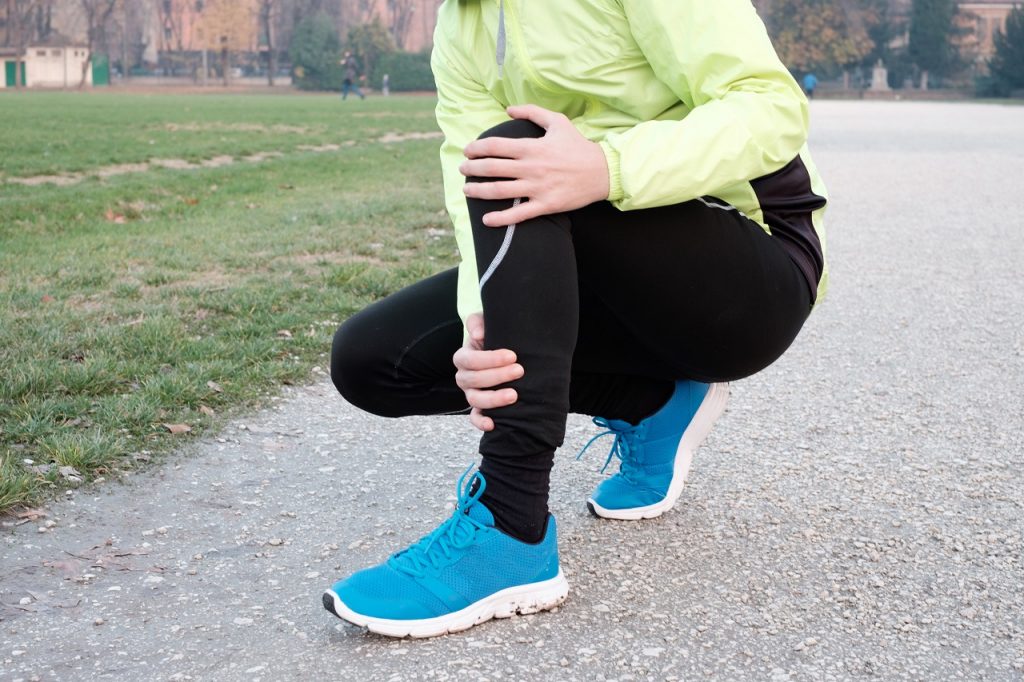
leg pain during winterAs winter sets in, there are many health issues that some people face, and one of them is feeling immense stiffness and soreness in the legs leading to being less active. Is it normal to feel these aches and pain? or is it a serious health concern? Let’s find out the reason for leg pain during winter. 
Why do we feel pain and stiffness in Winter?

According to various studies, the cold causes your muscles to lose heat and contract, this makes you feel tight especially around the joints, and eventually you tend to lose range of motion and your nerves can also be easily pinched.

Another theory says a drop in barometric pressure in winters, cause the tendons, muscles and surrounding tissues to expand. Because of the confined space within the body, this can cause pain, especially in joints affected by arthritis.

In general, during winters, we limit our movement due to the cold weather, don’t exercise much, and keep ourselves wrapped up in blankets to stay warm, eat calorie dense food and put on a few extra kilos! All these factors also attribute to increased sensation of pain and stiffness in the legs.

Whatever the reason, it is a fact that many people have “flare ups” or aggravated symptoms of aches and pains in their body especially the lower limbs. Though you may not take it as a serious health concern, one should work towards preventing and dealing with it, so that the aches and pain do not aggravate and restrict your mobility in winters.

Tips to Reduce Leg Pain During Winter

1. Keep Yourself Warm with Proper Clothing
Use cotton, wool or fleece long-sleeved clothing since these materials work the best at maintaining body heat. Wear slim-fitting clothes for your underlayer, so that you don’t look bulky and can easily move your limbs. Don’t forget to wear your woolen cap, gloves, scarf and overcoat (if really cold); with a warm pair of socks and shoes while going out for a walk or even for an outing. Long woolen socks are advised to keep your legs warm. There are woolen thermals available that cover your legs from mid thigh to ankle and are very comfortable. Keeping your muscles warm is important to feel good and comfortable. The right kind of shoe will prevent any kind of injury from a fall or slip.

2. Stay Active
It is important to stay active and exercise your joints and muscles to reduce pain and stiffness during winters. Exercise increases blood circulation, boosts production of your body’s synovial fluid, which lubricates your joints and makes movement easy and comfortable. Plus, a good workout releases your body’s natural feel-good compounds (happy hormones: endorphins, dopamine and serotonin), resulting in reduced perception of pain and boosting your mood and overall sense of well-being. Walking and stationary cycling are good low-impact options to improve blood flow and leg strength. Just remember to warm-up a bit first and skip high-impact exercises if they bother your joints.

Some exercises you should be doing at regular intervals are:

  • Ankle Circles: This exercise is great to warm the muscles in the lower legs before starting a full exercise routine. Ankle circles also increase joint flexibility. The technique can easily be performed while sitting or standing and holding a chair or railing for support.
  • Leg Raises While Sitting: This exercise will improve your quadriceps strength and can be easily done while watching T.V. or sitting with friends/ family. Sit with your thighs well placed on a chair, back touching the backrest and then raise your foot up till it is in line with the thigh. Repeat both sides, 10 times each, twice a day.
  • Calf Raises: By strengthening the calf muscles, you can comfortably climb up and down stairs or walk on elevated terrain. Use a chair for support, and stand on a large book or small stool. Rise up on the toes and hold for five seconds, then lower, repeat five to ten times. Drop the heels to the floor to stretch the calves. Hold for five seconds and relax.
  • Standing Leg Raises: This exercise strengthens the muscles in the lower back, buttocks, hips, and thighs. Stand sideways behind a chair while holding the chair back for support. Lift the outer leg to the side while keeping it straight from the hip to the heel. Keeping the back straightened, hold for five seconds, and lower. With the same leg, stand straight and move the leg back while keeping it straightened. Hold for five seconds and relax. Repeat the process with the other leg. Perform 10 repetitions with each leg, then repeat.
  • Knee Ups: High Knees are a cardio-intensive exercise performed at a fast pace. It engages your core, strengthens all the muscles in your legs, gets your heart rate up and improves momentum, coordination and flexibility. Stand with your feet hip-width apart. Lift up your left knee to your chest. Switch to lift your right knee to your chest. Continue the movement, alternating legs and moving at a sprinting or walking pace for 4-5 minutes.

Similarly there are many other exercises that you can do at home to avoid leg pain during winter, depending upon your current physical health. For instance, squats/wall squats, straight leg raises, prone leg raises, lunges, etc.

3. Add Anti-Inflammatory Components to your Daily Diet
It is important to include anti-inflammatory foods in your daily diet, to reduce inflammation, pain and stiffness in the joints and muscles. You can include super foods such as Ginger, Turmeric, Chilly Peppers, Mint and Virgin Olive Oil. Choose colourful foods like blueberries, blackberries, cherries, spinach, kale and broccoli. Opt for Salmon, Tuna, Sardines, nuts and seeds. Avoid processed foods, excess sugar and salt; high intake of alcohol.

4. Get Enough Vitamin D
During winter, Vitamin D levels naturally dip as we get less exposure to sunlight. Low levels of Vitamin D increase sensitivity to pain. Vitamin D-rich foods such as salmon, tuna, mackerel, cheese and egg yolks are important since Vitamin D helps your body absorb calcium from food, which is another important mineral for bone health that can help reduce pain. Get your levels checked and ask your doctor about supplements if your levels are low.

5. Hydrate Well
We tend to drink less water during winter, leading to dehydration and even the slightest of dehydration can cause increased sensitivity to pain. Drink at least 2-2.5 litres of water daily. You can have lukewarm water if not comfortable with water at room temperature.

6. Treat Yourself to a Massage
Massaging the legs increases the blood and lymphatic circulation, relaxes and normalises the soft tissues (muscle, connective tissue, tendons, ligaments), which releases nerves and deeper connective tissues; hence reducing spasm in the muscles and overall pain sensation. There are many essential oils that you can use to massage gently on your muscles as they have anti-inflammatory and analgesic properties, like lavender oil, eucalyptus oil, peppermint oil, rosemary oil. Other commonly used oils for massage include – coconut oil, sesame oil, mustard oil, almond oil and olive oil.

The mentioned tips, should keep the leg pain during winter away! So leave the quilts and start moving! Eat right, hydrate well, stay active, enjoy and level up this beautiful winter weather! But if your symptoms aggravate, despite all precautions, do consult your doctor.

Do you have a special remedy you use for aches and pains during winter? Share them with us in the comments below. For more winter tips, check out Healthy Reads or ask a GOQii Coach by subscribing for Personalised Health Coaching here.

#BeTheForce 

January 19, 2024 By Divya Thampi 2 Comments

5 Steps To Cure The “What Will People Think” Syndrome

what will people thinkYou watch an invigorating dance performance on YouTube and feel your heart race and blood sing in your veins. Your love for dance has once again been roused. The image of you enthralling an auditorium full of people with your outstanding dance performance flashes through your mind – A dream you had nursed throughout your teens and 20’s. You close the door to your room, put on some music with fast beats and dance energetically in the safety of your room. You almost make up your mind that you are going to enroll for a dance class and perform to an audience sometime soon. But as the night passes and the new day breaks, you remind yourself that you have to be “practical”…



You consider yourself overweight. You are convinced that your family, friends and even strangers would laugh at you. You imagine the looks of ridicule on their faces when they get to know about your dream to dance. The decision is easy – “People see me as a responsible father, husband and professional. What would they think if they found out that I was training for dance and planning to perform in public?” And another dream is sacrificed at the altar of “What will people think”.

In my work with people, I have lost count of the number of times I have heard them say that they suppressed their needs & desires or gave up on their dreams, wishes, and hopes for a better life, because they were worried about what people would think. These wishes and dreams varied from wanting to cut their hair short or allowing themselves a weekend trip, to dreaming of starting an enterprise or wanting to walk away from an abusive relationship. I strongly suspect  that “What will people think” syndrome is the single biggest killer of hopes, possibilities and dreams. what will people think syndrome

What’s Behind The Fear?

If you have had this syndrome or still do, it just shows that you are human. This is driven by our evolutionary history. Thousands of years ago when humans were hunters and gatherers, avoiding disapproval from others was important for our survival. And of course we have been further conditioned by our families and schools to see others’ approval as the gauge of our worthiness. But then how does one overcome this fear?

Some Ways To Beat The “What Will People Think Syndrome”

1. Remember, people really don’t think or care that much about you
We humans are too busy obsessing about our own lives and spend very little time thinking about others. Even when we do think about others, it is in the context of how that impacts “me”, otherwise those thoughts are momentary. If you are not convinced, consider this – how much time of your day do you spend thinking about others’ (people who you are not close to) choices about their lives, particularly what may be deemed as stupid or poor choices? 5 hours? 2 hours? Half an hour? 2 minutes? 30 seconds? I am guessing it is more like the last figure. See what I mean? And here you are trying to conform to what you assume is others’ expectation of you, just so that for those few flashing moments people may approve of you (in your imagination). When you conform to imaginary rules so as to not attract disapproval, the only thing you manage to do is live a life of insignificance and make yourself invisible. On the other hand living by your own priorities and needs makes life more meaningful and engaging.

2. Stop judging and gossiping
We have a tendency to second guess other people’s reaction based on our own. Hence if you are in the habit of making judgmental, insensitive comments about others and are easily given to reveling in juicy pieces of gossip, it’s only natural for you to worry about others’ judging you the same way. So when you make it a practice to think compassionately about others, your worry about others’ judgment also diminishes.

3. Be accepting and kind to yourself
The people who fear judgment the most are the ones who judge THEMSELVES very harshly. When you are disapproving of yourself, then it is only natural for your mind to look for approval from others. That’s the only way to survive. I recently heard a well known actress admit during an interview that she used to constantly worry about her acne and imagined that when people spoke to her they only saw her acne. And she then went on to do her first movie while the acne still existed and she was amazed at how no one seemed to care about her acne. When we judge ourselves harshly we are constantly looking for cues for others’ disapproval and find it even where there is none. So spare yourself the torture by being kind and accepting of yourself.

4. Protect your dreams from harm
Many times it is our very own families and loved ones that plant the fear about other people’s opinions. They are just projecting their own insecurities on to you. Hence when you have ideas that you want to try out and suspect that your immediate family may not be thrilled about the idea, don’t share it with them till you have a clearer plan about how you want to take it forward. But do share it with one or two people who you know would support and encourage you. Your dream is like a seed. Once planted you need to water and nurture it and protect it from weeds and pests. Once the sapling grows into a strong plant and then a tree, it can withstand the strong sun and the storms. Same applies to your ideas and dreams.

5. Feel the fear and do it anyway
Rather than trying to avoid fear altogether, focus on taking action even when you feel worried or scared about other people’s reactions. Two things happen. One, you will realise that your anticipation of how others would react is either unfounded or exaggerated. Secondly you will feel more confident about the direction you want to move in, once you take the first few steps, rather than feeling confused and stuck.

Conclusion

You owe it to yourself to give yourself a chance and live a life that is genuinely joyful and meaningful. Your values and desires exist for a reason. Get out there and experiment with life, allow yourself to perspire, attract some unfavourable attention, fail a few times, laugh at yourself, get your hands dirty, stain your clothes; use up all those ideas, talents and gifts that you came to this earth with, because the best gift you can give this world is to be truly yourself!

We hope this article helps you overcome the “What will people think” syndrome. Do let us know your thoughts in the comments below. For more from our Emotional Wellness Expert Divya Thampi, check out Healthy Reads or tune in to her LIVE sessions on GOQii Play. Subscribe now! 

#BeTheForce

  • « Previous Page
  • 1
  • …
  • 13
  • 14
  • 15
  • 16
  • 17
  • …
  • 41
  • Next Page »

Search

Recent Posts

  • Best Foods To Alleviate Irritable Bowel Syndrome
  • ALL ABOUT VERTIGO!
  • PCOS and Anxiety: Discover Relief with the 54321 Technique
  • Navigating the Maze of Nutrition: Finding Clarity Amidst Confusion
  • Get children active and keep them healthy

Stay Updated

Archives

  • December 2025 (6)
  • November 2025 (15)
  • October 2025 (20)
  • September 2025 (6)
  • August 2025 (6)
  • July 2025 (12)
  • June 2025 (18)
  • May 2025 (16)
  • April 2025 (23)
  • March 2025 (23)
  • February 2025 (22)
  • January 2025 (26)
  • December 2024 (26)
  • November 2024 (25)
  • October 2024 (22)
  • September 2024 (24)
  • August 2024 (31)
  • July 2024 (21)
  • June 2024 (26)
  • May 2024 (31)
  • April 2024 (27)
  • March 2024 (29)
  • February 2024 (26)
  • January 2024 (25)
  • December 2023 (15)
  • November 2023 (11)
  • October 2023 (22)
  • September 2023 (22)
  • August 2023 (20)
  • July 2023 (22)
  • June 2023 (24)
  • May 2023 (24)
  • April 2023 (24)
  • March 2023 (23)
  • February 2023 (20)
  • January 2023 (16)
  • December 2022 (12)
  • November 2022 (15)
  • October 2022 (15)
  • September 2022 (12)
  • August 2022 (10)
  • July 2022 (17)
  • June 2022 (11)
  • May 2022 (10)
  • April 2022 (6)
  • March 2022 (6)
  • February 2022 (13)
  • January 2022 (12)
  • December 2021 (7)
  • November 2021 (3)
  • October 2021 (6)
  • September 2021 (3)
  • August 2021 (8)
  • July 2021 (7)
  • June 2021 (15)
  • May 2021 (16)
  • April 2021 (10)
  • March 2021 (7)
  • February 2021 (4)
  • January 2021 (4)
  • December 2020 (3)
  • November 2020 (4)
  • October 2020 (10)
  • September 2020 (3)
  • August 2020 (3)
  • July 2020 (2)
  • June 2020 (4)
  • May 2020 (10)
  • April 2020 (12)
  • March 2020 (10)
  • February 2020 (4)
  • January 2020 (4)
  • December 2019 (3)
  • November 2019 (7)
  • October 2019 (5)
  • September 2019 (4)
  • August 2019 (9)
  • July 2019 (9)
  • June 2019 (11)
  • May 2019 (4)
  • April 2019 (9)
  • March 2019 (8)
  • February 2019 (9)
  • January 2019 (8)
  • December 2018 (9)
  • November 2018 (3)
  • October 2018 (3)
  • September 2018 (5)
  • August 2018 (10)
  • July 2018 (6)
  • June 2018 (13)
  • May 2018 (8)
  • April 2018 (18)
  • March 2018 (9)
  • February 2018 (8)
  • January 2018 (15)
  • December 2017 (12)
  • November 2017 (19)
  • October 2017 (13)
  • September 2017 (15)
  • August 2017 (4)
  • July 2017 (8)
  • June 2017 (7)
  • May 2017 (6)
  • April 2017 (8)
  • March 2017 (6)
  • February 2017 (7)
  • January 2017 (9)
  • December 2016 (10)
  • November 2016 (7)
  • October 2016 (7)
  • September 2016 (7)
  • August 2016 (11)
  • July 2016 (9)
  • June 2016 (9)
  • May 2016 (12)
  • April 2016 (17)
  • March 2016 (17)
  • February 2016 (8)
  • January 2016 (6)
  • December 2015 (2)
  • November 2015 (9)
  • October 2015 (7)
  • September 2015 (9)
  • August 2015 (11)
  • July 2015 (9)
  • June 2015 (12)
  • May 2015 (9)
  • April 2015 (13)
  • March 2015 (8)
  • February 2015 (5)
  • January 2015 (12)
  • December 2014 (14)
  • November 2014 (11)
  • October 2014 (6)
  • September 2014 (13)
  • August 2014 (12)
  • July 2014 (6)
  • June 2014 (2)
  • May 2014 (7)
  • April 2014 (5)

From “Laddu Nawin” to Fit and Fierce: How a 25-Year-Old Insurance Advisor Shed 20 Kilos and Gained His Life Back

When 25-year-old Nawin Yadav from Hyderabad walked into his office every morning, he carried more than just his files and policy papers. He had the weight of fatigue, sluggish energy, and an ever-growing belly that was becoming the butt of jokes. “People … [Read More...]

“I’ve Challenged Myself to Live 100 Years” – The Story of Chandubhai Savani’s Second Chance at Life

At 67, most people start slowing down. Not Chandubhai Savani. A resident of Surat, Chandubhai, thought life was on track. “My life was going well till I had my bypass surgery,” he says. That surgery, back in 2021, was a wake-up call.  Medication was routine, but exercise wasn’t. His diet? What he calls ‘normal.’ “I […]

From Shimla’s Slopes to Chandigarh’s Sidewalks: Surinder Kaur Bhalla’s Journey from Chaos to Control

Some journeys start with a plan. Others begin with a stumble literally. Surinder Bhalla, a government professional, born and raised in the scenic hill town of Shimla, had always lived a life of movement. “In Shimla, you walked everywhere,” she reflects. “Walking was never an exercise. It was just life.” But after shifting to Chandigarh, […]

Ananda Mukherjee Health Story

From Terminal Illness To Complete Wellness! Ananda Mukherjee Health Story

As we observe World Cancer Day under the powerful theme ‘United by Unique’ (2025-2027)**, we are reminded that every individual’s journey with cancer is distinct, yet united by shared resilience, hope, and the collective fight against this disease. This theme places people at the centre of care and their stories at the heart of the […]

  • HOME
  • HEALTHY LIVING
  • FITNESS
  • HEALTHY RECIPES
  • USER STORIES
  • KARMA
  • BUY GOQii

Copyright ©2016 GOQii



