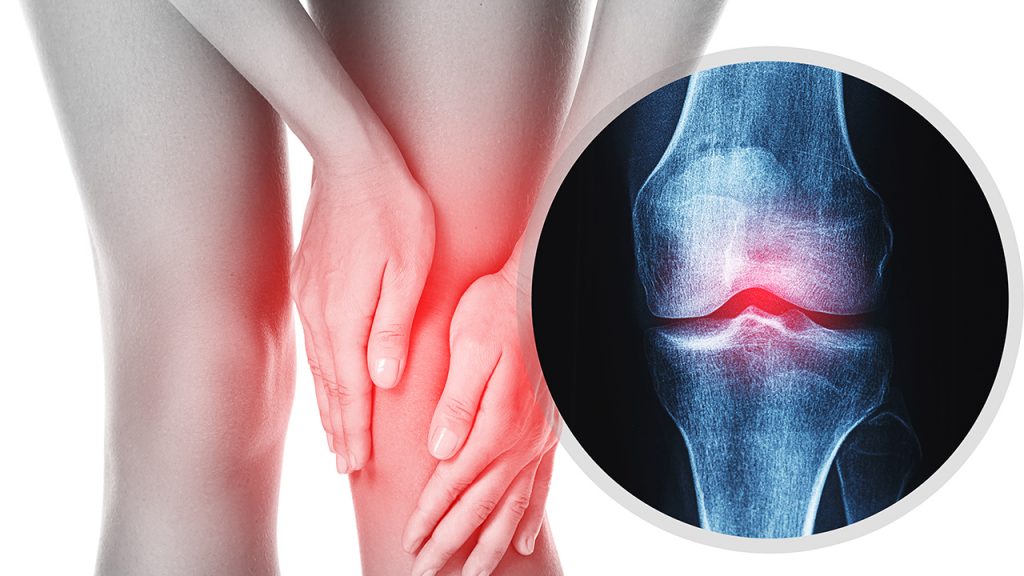
 The other day one of my patients who is in her 60s fell while walking and she got a hip fracture. When I asked what the reason for your fracture was? She said it’s my old age. I asked if you would have fallen like this 30 years back, would you have got a fracture? She said No.
As we age, naturally our bones start becoming weaker. But there are certain milestones we need to be aware of. And menopause is one important milestone in women’s life.
The menopause is NOT JUST the end of your period cycle. A lot more changes happen in your body before, during and after menopause. And changes in your bones are very important because bone is NOT JUST a hard and brittle skeleton but it’s a living organ, alive with cells. Bones are constantly renewed. And during menopause women may lose bone mass rapidly for several years.
Why is Bone Health Important During Menopause?
Oestrogen hormone is crucial for bone formation. During menopause, oestrogen levels decrease, leading to rapid bone density loss and increasing the risk of osteoporosis, which weakens bones and heightens fracture risk. Bone loss begins 1-3 years before your last period, accelerating rapidly after menopause and continuing for the next 5-10 years, with an average annual bone density loss of 2%.
What to Check for Osteoporosis Risk?
Be aware of conditions that increase osteoporosis risk, aside from menopause:
- Low Bone Mass: High risk if you had lower bone mass in your younger years.
- Early Menopause: Increased risk if menopause occurs before age 45.
- Lifestyle Factors: Smoking and alcohol use elevate risk.
- Medications: Taking depression medicine or steroids adds further risk.
Steps for healthy Bone Life
- Seek Medical Help: Osteoporosis is often called a silent disease because it has no symptoms until a fracture occurs. Don’t wait for a fracture to find out about your bone health. Talk to your doctor about the need for osteoporosis screening. Hormone treatments can also be used to help manage bone density.
- Do Weight-Bearing Exercises: Exercise is crucial in preventing osteoporosis. Weight-bearing activities like walking, running, and lifting weights help strengthen bones. Start with light exercises for about 30 minutes daily and include strength training 2-3 times a week. Activities like brisk walking, cycling, swimming, and controlled dancing can be very beneficial.
- Eat Calcium and Vitamin D: 50-70% of your bones are made up of calcium. Vitamin D is essential for calcium absorption. Include dairy products, green leafy vegetables, almonds, fish with bones, and soy in your diet. Exposure to sunlight is the primary source of Vitamin D, but dietary sources include egg yolk, fatty fish like mackerel, salmon, tuna, and fortified foods. If necessary, consult your doctor about supplements.
Additional Tips
- Quit Smoking: Smoking increases the risk of osteoporosis.
- Limit Alcohol: Reducing alcohol intake can help protect your bones.
- Reduce Caffeine: Switch to decaf drinks to minimize the impact of caffeine on bone health.
- Maintain a Healthy Weight: Both overweight and underweight conditions can increase the risk of osteoporosis.
If you or someone you know is at risk for osteoporosis, it’s crucial to take preventive steps before a fracture affects the quality of life. By following a triangle of exercise, diet, and medical help, you can continue to enjoy activities like hiking, dancing, or playing with your grandkids. Take care of your bone health as soon as possible to avoid osteoporosis from becoming a significant issue in your life. For further information or guidance, reach out to our certified experts by subscribing to GOQii’s Personalised Health Coaching here.
#BeTheForce
Disclaimer: The information provided in this blog is for general awareness and educational purposes only. It is not intended to replace professional medical advice, diagnosis, or treatment. Always consult a qualified healthcare provider for personalised medical guidance or concerns related to your health.

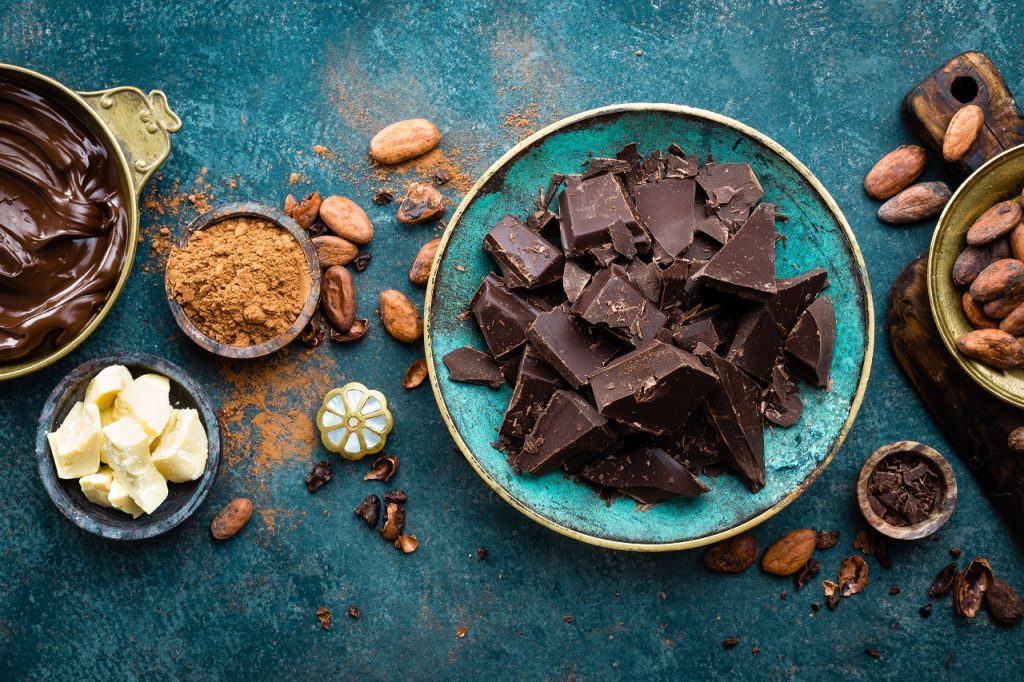 These are made with varying proportions of chocolate liquor, cocoa solids, cocoa butter, milk and sugar. Cocoa is a source of flavonoids and alkaloids such as theobromine, phenethylamine and caffeine. These acts as stimulants to the central nervous system.
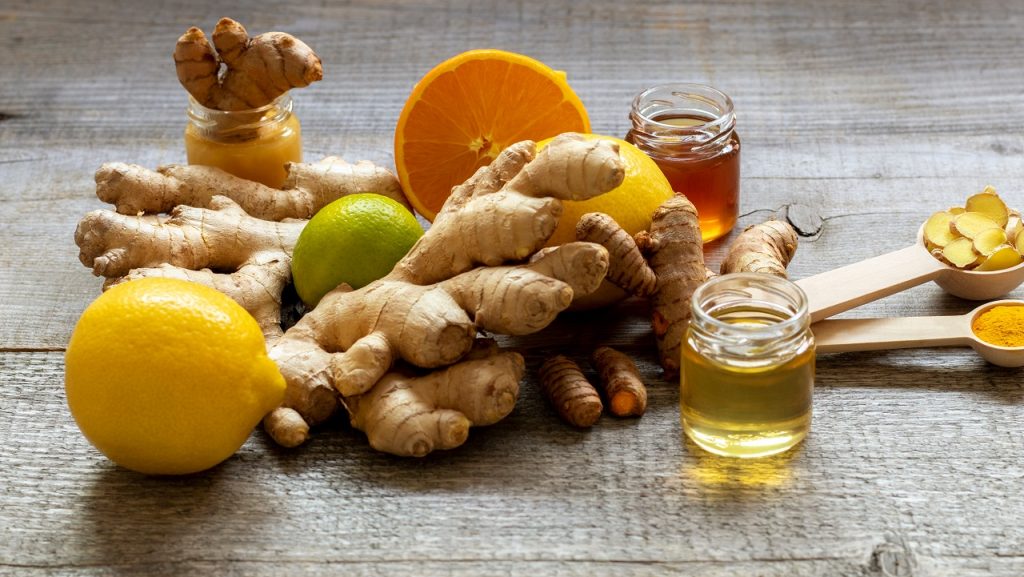 We all welcome the monsoon every year to find relief from the scorching summer heat. Rains are beautiful and can quickly elevate your mood. Since monsoon weather is damp and humid, it is the perfect environment for microbes to grow and flourish. Thanks to this, people with low immunity are prone to suffer and fall sick frequently during this season. The weather can ruin your immune system and a good immune system is needed during the rainy season. There are a number of ways to build immunity and one of those ways is by eating healthy food! So, let’s look at some useful tips to boost immunity during monsoon!
 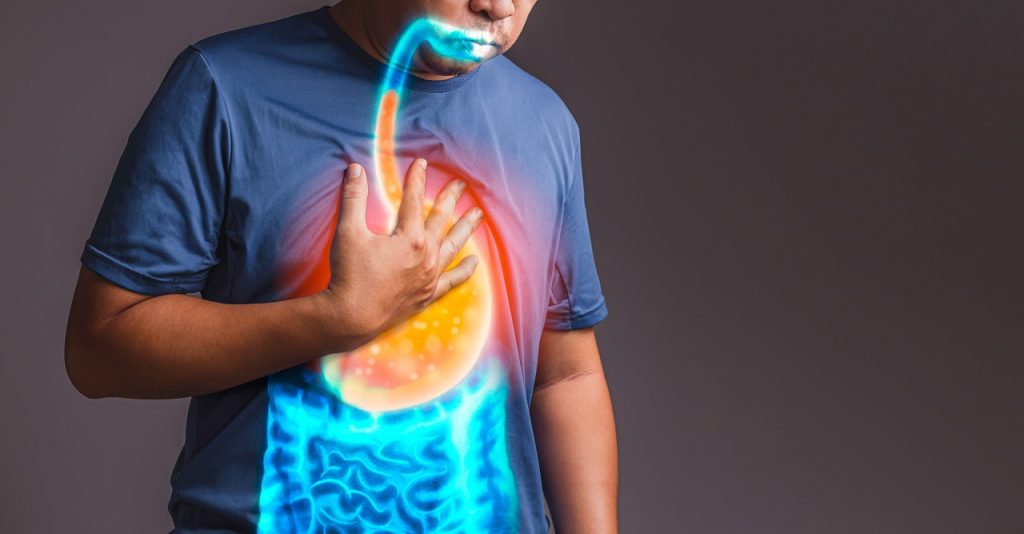 Acidity can literally be a pain to deal with but before we move on to home remedies to reduce acidity, it’s important to know its origin, symptoms and causes. Hydrochloric Acid (HCL) is produced in the stomach to digest food and it plays an important role in digestion but sometimes, HCL is produced when there is no food inside the stomach and it leads to the eruption of the lining of the stomach, giving rise to acidity.


