GOQii

Blog

  • HOME
  • HEALTHY LIVING
  • FITNESS
  • HEALTHY RECIPES
  • USER STORIES
  • KARMA
  • BUY GOQii

Search Results for: disease

March 17, 2024 By Chhavi Goel Manglik 4 Comments

All you need to know about Vitamin K

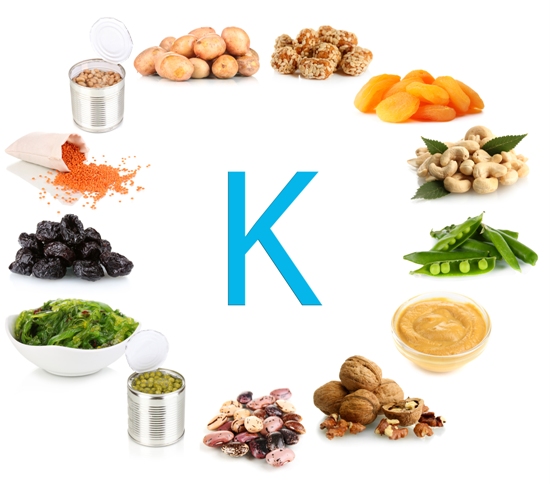
Vitamin-k-foods

Most of us are aware of Vitamin A, B, C, D and E. But do you know there is Vitamin K as well?  Yes there is Vitamin K which is an essential vitamin for our body.

Vitamin K is a fat soluble Vitamin is founded by Henrick Dam in 1934. It is also referred as antihemorrhagic factor or coagulation vitamin which has been derived from the Danish word Koagulations.

It is available in two forms

Vitamin K1, also known as phylloquinone, phytomenadione, or phytonadione. It is largely found in green leafy vegetables.

Vitamin K2 is known as menaquinones and is mainly found in the bacteria of colon (Large intestine).

FUNCTIONS

  1. It helps in maintaining bone matrix (bone mineralization)
  2. It helps in cellular growth
  3. It acts as a co factor for enzyme that validates protein to bind calcium
  4. It is important for normal clotting of blood
  5. It helps in synthesis of protein in plasma, bone and kidney
  6. It reduces the risk of cardio vascular diseases
  7. It lowers down the risk of type 2 diabetes
  8. It helps in the maintaining the bone health
  9. Ministry of Japan used it in treating osteoporosis
  10. It lowers the risk of liver cancer
  11. It diminishes the risk of non-Hodgkin lymphoma
  12. It is used in treatment of Alzheimer’s disease
  13. It’s antidote treatment of poisoning byrodenticide

Daily Dietary Recommendations

Infants

  • 0-6 months: 2 mcg
  • 6-12 months: 2.5 mcg

Toddlers 

  • 1-3 years: 30 mcg
  • 4-8 years: 55 mcg
  • 9-12 years: 60 mcg 

Teenagers

  • 13 years: 60 mcg
  • 14-18 years: 75 mcg

Adults

  • 19+ years, Female: 90 mcg
  • 19+ years, Male: 120 mcg

Pregnacy and lactation

  • Pregnant or lactating women, 14-18 years: 75 mcg
  • Pregnant or lactating women, 19+ years: 90 mcg 

Food sources for K1

Spinach, alfalfa, cabbage, kale, mustard leaves, collard greens, lettuce, Brussels greens, turnip greens, broccoli, parsley

Food sources for K2

Egg yolk, egg white, chicken, cheddar cheese, salmon, goose liver, bacon

Necessary as supplements for

1.   It is rare in adults but common in new born

2.   People suffering from

a.  Crohn’s disease

b.   Celiac disease

c.   Malnutrition

d.  Gall bladder diseases

e.  Cystic fibrosis

f.   Burn patients

g.  On hemodialysis

3.   People who are alcoholic.

4.   People on thinners

a.  Warfarin (Coumadin)

5.  People on drug (antibiotics) that interferes with vitamin K metabolism

a.   Cefamandole (Mandol)

b.  Cefoperazone (Cefobid)

c.  Cefmetazole (Zefazone)

d.  Cefotetan (Cefotan)

6. People on anticonvulsants

a. Phenytoin (Dilantin)

7. People on cholesterol lowering medications

a. Cholestyramine (Questran)

b. Colestipol (Colestid)

c. Colsevelam (Welchol)

Deficiencies & Toxicity

The deficiency of Vitamin K results in hemorrhage and lowering of blood clotting process. Whereas, steatorrhea may occur in the case of Vitamin K toxicity, though very rare.

Understanding the importance of Vitamin K in maintaining bone health, supporting blood clotting, and reducing the risk of various diseases is crucial for overall wellness. Incorporate Vitamin K-rich foods into your diet and consult with certified expert by subscribing to GOQii’s Personalised Health Coaching here, to ensure optimal levels of this essential nutrient.

#BeTheForce

March 15, 2024 By GOQii Leave a Comment

A Dream Deferred: The Quest for Sleep Equity on World Sleep Day

Improve sleep and sleep quality

In the garden city of Bengaluru, Raj, a night-shift worker, tosses and turns in his bed, struggling to find sleep as the relentless Indian sun climbs higher into the sky. His small, shared apartment offers little respite from the cacophony of daytime noises and the sweltering heat. Meanwhile, across the world, in the quiet suburbs of Stockholm, Anna drifts into a restful slumber in her climate-controlled, noise-cancelled bedroom after a day’s work. This stark contrast in sleeping conditions underscores a profound but often overlooked issue: the global disparity in sleep health, also known as sleep equity.

The theme for World Sleep Day, “Sleep Equity for Global Health,” aims to highlight the considerable disparities in sleep quality that affect diverse populations around the globe.

It’s a day marked to bring attention to the social and environmental factors that contribute to these disparities, which can further compound existing health inequities.

Sleep: A Foundation of Health

Sleep is the cornerstone of good health, an essential process that allows our bodies and minds to recharge, healing us from the day’s toils and preparing us for the challenges ahead. Yet, the ability to obtain restorative sleep is not a privilege afforded to all. Factors like socio-economic status, employment conditions, geographical location, and even cultural attitudes towards sleep can create vast chasms in sleep health across populations.

In developing countries like India, long work hours, limited access to comfortable sleeping environments, and the burden of noise and light pollution are just some of the barriers preventing a good night’s rest. In wealthier nations, while the quality of sleep environments may be higher, the pressures of a 24/7 society and the intrusion of technology into the bedroom can similarly impair sleep.

Bridging the Sleep Divide

The concept of sleep equity goes beyond the individual, implicating the collective health of societies. Chronic sleep deprivation is linked to a myriad of health issues, including heart disease, diabetes, and weakened immune function. When whole communities are sleep-deprived, these health issues can become prevalent, increasing healthcare costs and reducing overall productivity and quality of life.

World Sleep Day aims to galvanise change, encouraging global action to bridge the sleep divide. This can take various forms, from advocating for policies that protect workers’ rights to sleep, such as regulated work hours and rest periods, to investing in urban planning that creates quieter, more restful environments in densely populated areas.

The Call for Global Action

As we observe World Sleep Day, we’re called to consider our sleep health and recognise the disparities that exist. It’s a call for researchers to deepen our understanding of the societal factors that influence sleep, for policymakers to create environments conducive to rest, and for individuals to practice and promote good sleep hygiene.

Addressing sleep equity is a multifaceted challenge that requires a concerted effort from governments, health organisations, communities, and individuals alike. It’s a global health priority that has the potential to improve not just the quality of sleep but the overall well-being and productivity of societies.

By acknowledging the importance of sleep and the disparities that exist, we can work towards a world where restful sleep is not a luxury but a common reality for all. As we champion this cause, we move closer to a world where health equity includes one of the most basic yet vital components of life—sleep.

#BeTheForce

March 14, 2024 By GOQii Leave a Comment

Empowering Lives on World Kidney Day: A Global Call for Equitable Kidney Care

Priya and Maya, two sisters deeply connected by laughter and shared experiences, lived together in the bustling suburbs of Mumbai. Priya was battling kidney failure, her life entwined with the rhythm of dialysis machines. Despite her fading hope, she hoped for a transplant to restore her vitality.

Maya, observing her sister’s suffering, decided to offer her kidney if she was a match. This act of courage led them through anxious days of tests until they received the news: Maya was a compatible donor.

The surgery that followed was a testament to their bond, as Maya’s kidney was successfully transplanted into Priya. The sisters recovered, their lives enriched by this profound act of love and sacrifice. They returned to their daily routines, their bond now encompassing the shared beat of a single kidney.

Their story, resounding with the spirit of World Kidney Day 2024, illuminates the transformative power of organ donation—a gift that transcends the physical to touch the essence of human connection.

March 14, 2024, marks a significant milestone as the world unites under the banner of World Kidney Day. This year’s theme, “Kidney Health for All – Advancing Equitable Access to Care and Optimal Medication Practice,” champions a universal crusade against disparities in kidney care. It’s a clarion call for collective action, aiming to bridge the gap and ensure comprehensive access to preventative measures and treatments for kidney disease, irrespective of geographical or socio-economic barriers.

The Unsung Heroes: Our Kidneys

Our kidneys, the vigilant custodians of our health, perform crucial roles that extend far beyond waste elimination. These remarkable organs regulate blood pressure, produce vital hormones, and maintain our body’s electrolyte balance. World Kidney Day 2024 serves as a reminder of our kidneys’ indispensable role in our well-being, emphasizing the importance of safeguarding these vital organs through proactive health practices and education.

Bridging the Healthcare Divide: A Journey Towards Kidney Health for All

In India, a nation marked by its rich tapestry of cultures and histories, the challenge of kidney health emerges as a critical concern. The “Kidney Health for All” campaign illuminates the stark disparities that punctuate the landscape of kidney care in the country. Despite the strides made in medical technology and treatment methods, a significant portion of India’s population confronts kidney diseases from the shadows, encumbered by the lack of access to essential diagnostics, treatments, and the financial resources necessary for managing their conditions.

Access and Education

In the quest for optimal kidney health management, the role of appropriate medication cannot be overstated. Medications are pivotal in decelerating the progression of kidney diseases and enhancing the quality of life for those affected. However, in India, the path to optimal medication practice is fraught with obstacles—chief among them being the disparities in access and education. There is a pressing need for improvements in prescription practices and patient education, emphasizing the imperative of policies that bolster medication affordability and accessibility for all citizens.

World Kidney Day 2024 serves as a beacon, highlighting the urgent requirement for a comprehensive approach that addresses these disparities head-on. It advocates for an inclusive healthcare system where every individual, regardless of their socio-economic status or geographical location, has access to the screenings, treatments, and support essential in combating kidney disease.

A Unified Effort for Kidney Health in India

The call for awareness, education, and advocacy grows louder on World Kidney Day 2020. It is a clarion call here to the healthcare professionals, policymakers, patients, and the public—to unite in a shared mission to champion kidney health equity. This is an opportune moment to enrich our collective understanding of the challenges besetting kidney health in India and to actively participate in the global movement advocating for equitable kidney care.

From policy advocacy aimed at eliminating barriers to kidney care to supporting research that pioneers new treatment modalities, every action contributes to sculpting a future where kidney health is prioritized, and equitable care is a reality for everyone. It underscores the collective responsibility we hold to foster an environment where the advancements in kidney health are accessible to all, bridging the healthcare divide that has long affected the Indian populace.

As we mark World Kidney Day 2024, let us rally together to advance kidney health for all in India. Inspired by the global theme, our focus remains steadfast on ensuring that every Indian has access to the care and knowledge needed to combat kidney disease. In embracing the pillars of awareness, education, and advocacy, we pave the way for a future where disparities in kidney care are a thing of the past, and optimal kidney health is within the reach of every individual across the nation.

Inspired by stories like Priya and Maya’s, we are reminded of the life-altering impact of organ donation and the collective responsibility to advance kidney health globally. Let us stand together to champion kidney health for all, fostering a world where health equity is not just an aspiration but a reality.

#BeTheForce

March 7, 2024 By Dr. Viral Thakkar 10 Comments

Vitamin B12: The Energy Nutrient many of you should be thinking about!

cc

As a medical practitioner, I am appalled by the number of patients suffering from B12 deficiency. Patients complain about fatigue, vague pains, tingling, numbness, loss of concentration. Many tests are conducted with no results and the one missed is the test for vitamin B12. Vitamin B12 is the only vitamin that contains a trace element – cobalt – which gives this vitamin its chemical name – cobalamin – which is at the centre of its molecular structure.

B12 is required

  • For the manufacture of red blood cells; deficiency leads to a characteristic kind of anemia
  • To support the normal function of nerve cells, and to manufacture myelin, the insulating material that surrounds some of our nerve cells and speeds neural transmission. B12 deficiency impairs brain function. Advanced B12 deficiency causes dementia resembling Alzheimer’s.
  • The deficiency leads to difficulty in regeneration of new healthy cells- mimics all of the effects of aging.
  • B12 is involved in the metabolism of every cell of the human body, especially affecting DNA synthesis, fatty acid and amino acid metabolism.

Vitamin B12 is produced by some species of bacteria in colon. The colon is followed by the small intestine & is a part of large intestine and hence the B12 produced there is not absorbed which results in the need of supplementation.

Who should be concerned about B12 deficiency?

  1. If you are or were a vegetarians / a vegan – get yourself tested
  2. Babies born to mothers who are vegetarians
  3. Risk of B12 deficiency increases with age. So test yourself and fortify your meals
  4. Pernicious anaemia – is an autoimmune condition that affects your stomach. In your stomach, Vitamin B12 is combined with a protein called intrinsic factor. This mix of Vitamin B12 and intrinsic factor is then absorbed into the body in part of the gut called the distal ileum. Pernicious anaemia causes your immune system to attack the cells in your stomach that produce the intrinsic factor, which means your body is unable to absorb Vitamin B12.
  5. Conditions affecting your intestines – E.g. Crohn’s disease (a long-term condition that causes inflammation of the lining of the digestive system)
  6. Some types of medicine – E.g. proton pump inhibitors (PPIs) –a medication sometimes used to treat indigestion – can make a Vitamin B12 deficiency worse.
  7. People suffering from Atrophic Gastritis (the stomach line becomes thin)
  8. Surgery where a part of the stomach is removed, including weight loss surgery like bariatric surgery.
  9. Smoking, drinking & stress increases the requirement of B12
  10. Few autoimmune disorders
  11. Chronic illnesses leads to a deficiency of this diseases

Move towards a B12 rich diet if you have the following symptoms

  • Weakness, tiredness, dizziness or lightheadedness
  • Smooth tongue
  • Palpitations and dyspnea
  • Pale skin
  • Constipation, diarrhea, a loss of appetite, or dyspepsia
  • Nerve problems – numbness or tingling, muscle weakness,
  • Loss of weight
  • Mental problems – memory loss, or behavioral changes, confusions
  • Glove & stocking neuropathy (tingling of palms & forearms, feet till knees) – in this scenario B12 deficiency is the majorly deficient apart from other nutrients

Untitled

Sources of B12

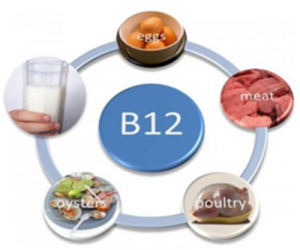
Sources of B12 are animal products (meat, fish, and dairy products), fortified foods. Ensure sufficient quantities of these foods to maintain your B12 levels. If your count is low, consider oral or injectable forms of the vitamin. But why reach that stage?

Have the above mentioned foods in your routine.  The best part of this Energy Nutrient is that the excess is excreted by the body or stored in the liver for use when supplies are scarce. Stores of B12 can last for up to a year. Unfortunately sometimes catching the B12 deficiency late can result in permanent damage. Any neurological damage due to B12 deficiency cannot be reversed. Ensure that your B12 levels are maintained at levels 200 to 900 picograms per milliliter (pg/mL).

#BeTheForce

  • « Previous Page
  • 1
  • …
  • 44
  • 45
  • 46
  • 47
  • 48
  • …
  • 131
  • Next Page »

Search

Recent Posts

  • Accelerate Action for Your Health: Why Self-Care Matters This International Women’s Day
  • 4 Reasons Why Affirmations Are Not Working For You
  • The Social Side of GLP-1: Navigating “Food Culture” and Peer Pressure
  • Leaky Gut: Symptoms and Causes
  • Muscle Is Your Insurance Policy: Why Strength Predicts Lifespan More Than Cardio

Stay Updated

Archives

  • March 2026 (2)
  • February 2026 (14)
  • January 2026 (14)
  • December 2025 (19)
  • November 2025 (15)
  • October 2025 (20)
  • September 2025 (6)
  • August 2025 (6)
  • July 2025 (12)
  • June 2025 (18)
  • May 2025 (16)
  • April 2025 (22)
  • March 2025 (23)
  • February 2025 (22)
  • January 2025 (25)
  • December 2024 (22)
  • November 2024 (23)
  • October 2024 (21)
  • September 2024 (24)
  • August 2024 (30)
  • July 2024 (21)
  • June 2024 (26)
  • May 2024 (31)
  • April 2024 (27)
  • March 2024 (29)
  • February 2024 (25)
  • January 2024 (21)
  • December 2023 (15)
  • November 2023 (11)
  • October 2023 (19)
  • September 2023 (22)
  • August 2023 (18)
  • July 2023 (22)
  • June 2023 (24)
  • May 2023 (24)
  • April 2023 (23)
  • March 2023 (23)
  • February 2023 (19)
  • January 2023 (15)
  • December 2022 (11)
  • November 2022 (15)
  • October 2022 (15)
  • September 2022 (12)
  • August 2022 (10)
  • July 2022 (17)
  • June 2022 (11)
  • May 2022 (10)
  • April 2022 (6)
  • March 2022 (6)
  • February 2022 (13)
  • January 2022 (11)
  • December 2021 (7)
  • November 2021 (3)
  • October 2021 (6)
  • September 2021 (3)
  • August 2021 (8)
  • July 2021 (7)
  • June 2021 (15)
  • May 2021 (16)
  • April 2021 (10)
  • March 2021 (7)
  • February 2021 (4)
  • January 2021 (4)
  • December 2020 (3)
  • November 2020 (4)
  • October 2020 (10)
  • September 2020 (3)
  • August 2020 (3)
  • July 2020 (2)
  • June 2020 (4)
  • May 2020 (10)
  • April 2020 (12)
  • March 2020 (10)
  • February 2020 (4)
  • January 2020 (4)
  • December 2019 (3)
  • November 2019 (7)
  • October 2019 (5)
  • September 2019 (4)
  • August 2019 (9)
  • July 2019 (9)
  • June 2019 (11)
  • May 2019 (4)
  • April 2019 (8)
  • March 2019 (8)
  • February 2019 (9)
  • January 2019 (8)
  • December 2018 (9)
  • November 2018 (3)
  • October 2018 (3)
  • September 2018 (5)
  • August 2018 (10)
  • July 2018 (6)
  • June 2018 (13)
  • May 2018 (8)
  • April 2018 (18)
  • March 2018 (9)
  • February 2018 (8)
  • January 2018 (15)
  • December 2017 (12)
  • November 2017 (19)
  • October 2017 (13)
  • September 2017 (15)
  • August 2017 (4)
  • July 2017 (8)
  • June 2017 (7)
  • May 2017 (6)
  • April 2017 (8)
  • March 2017 (6)
  • February 2017 (7)
  • January 2017 (9)
  • December 2016 (10)
  • November 2016 (7)
  • October 2016 (7)
  • September 2016 (7)
  • August 2016 (11)
  • July 2016 (9)
  • June 2016 (9)
  • May 2016 (12)
  • April 2016 (17)
  • March 2016 (17)
  • February 2016 (8)
  • January 2016 (6)
  • December 2015 (2)
  • November 2015 (9)
  • October 2015 (7)
  • September 2015 (9)
  • August 2015 (11)
  • July 2015 (9)
  • June 2015 (12)
  • May 2015 (9)
  • April 2015 (13)
  • March 2015 (8)
  • February 2015 (5)
  • January 2015 (12)
  • December 2014 (14)
  • November 2014 (11)
  • October 2014 (6)
  • September 2014 (13)
  • August 2014 (12)
  • July 2014 (6)
  • June 2014 (2)
  • May 2014 (7)
  • April 2014 (5)

From “Laddu Nawin” to Fit and Fierce: How a 25-Year-Old Insurance Advisor Shed 20 Kilos and Gained His Life Back

When 25-year-old Nawin Yadav from Hyderabad walked into his office every morning, he carried more than just his files and policy papers. He had the weight of fatigue, sluggish energy, and an ever-growing belly that was becoming the butt of jokes. “People … [Read More...]

“I’ve Challenged Myself to Live 100 Years” – The Story of Chandubhai Savani’s Second Chance at Life

At 67, most people start slowing down. Not Chandubhai Savani. A resident of Surat, Chandubhai, thought life was on track. “My life was going well till I had my bypass surgery,” he says. That surgery, back in 2021, was a wake-up call.  Medication was routine, but exercise wasn’t. His diet? What he calls ‘normal.’ “I […]

From Shimla’s Slopes to Chandigarh’s Sidewalks: Surinder Kaur Bhalla’s Journey from Chaos to Control

Some journeys start with a plan. Others begin with a stumble literally. Surinder Bhalla, a government professional, born and raised in the scenic hill town of Shimla, had always lived a life of movement. “In Shimla, you walked everywhere,” she reflects. “Walking was never an exercise. It was just life.” But after shifting to Chandigarh, […]

Ananda Mukherjee Health Story

From Terminal Illness To Complete Wellness! Ananda Mukherjee Health Story

As we observe World Cancer Day under the powerful theme ‘United by Unique’ (2025-2027)**, we are reminded that every individual’s journey with cancer is distinct, yet united by shared resilience, hope, and the collective fight against this disease. This theme places people at the centre of care and their stories at the heart of the […]

  • HOME
  • HEALTHY LIVING
  • FITNESS
  • HEALTHY RECIPES
  • USER STORIES
  • KARMA
  • BUY GOQii

Copyright ©2016 GOQii