GOQii

Blog

  • HOME
  • HEALTHY LIVING
  • FITNESS
  • HEALTHY RECIPES
  • USER STORIES
  • KARMA
  • BUY GOQii

Search Results for: disease

November 29, 2017 By Richa Athavale 1 Comment

Know your blood/ serum Creatinine

creatinine-private-blood-tests-in-london

When it comes to blood tests, most are aware of blood sugar, cholesterol or haemoglobin levels. In the current times, we also know about Vitamin B12, D, and Calcium etc. But, have you ever come across “blood/serum creatinine levels”?

Recently, I came across somebody I know well with high levels of high blood/ serum creatinine levels. And, observed there is a lot of confusion between “Blood/serum creatinine levels” & “creatinine” that one takes as a supplement while working out in the gym. These are two different things. In this blog, I am talking about –Blood Creatinine.

What does it means when you have high blood creatinine levels?

Creatinine is produced in the body constantly. It is a by-product of creatinine phosphate in the muscle. Its value depends on the muscle mass that one has. Creatinine is carried through the bloodstream to the kidneys. It is filtered out by the kidneys and thrown out of the body through urine. The kidneys maintain the creatinine levels in the blood to a normal range. A creatinine level is an indicator of kidney function. High creatinine levels is a warning for impaired kidney function.

High level of creatinine is found during:

  1. Impaired kidney function
  2. kidney disease like glomerulonephritis, pyelonephritis
  3. Prostate disease
  4. Kidney Stones (urinary tract blockage)
  5. Heart disease
  6. Diabetes
  7. Medicines like ACE inhibitor (ACEI) or angiotensin II receptor antagonist (or angiotensin receptor blocker, ARB) taken.

creatinine-blood-test-s1-illustration

Creatinine Blood Test should be done if following symptoms are seen:

  1. fatigue and trouble sleeping
  2. loss of appetite
  3. swelling in the face, wrists, ankles, or abdomen
  4. lower back pain near the kidneys
  5. changes in urine output and frequency
  6. high blood pressure
  7. nausea
  8. vomiting

Normal Values of the Creatinine in Blood:

In male – 0.6 to 1.1 milligrams per dl of blood.

In female – 0.5 to 1.1 milligrams per dl of blood.

Infant – 0.2 milligram per dl of blood or above (due to less muscle mass).

A person with one kidney – 1.8 to 1.9 milligram per dl of the blood.

Lifestyle & Dietary modifications for high creatinine:

  1. Reduce water/fluid intake: Fluid intake needs to be monitored. Do not restrict fluids unless there is a fluid overload problem. If fluid retention is a problem, limit salt intake.
  1. Limit salt intake (Sodium): You should control the amount of salt going through the food. Add minimum salt as required. High sodium will cause water retention. Cut down on salt, cheese, pickles, instant soups, roasted and salted seeds and nuts & all types of fast foods. Specifically, avoid canned foods.
  1. Limit Potassium: Low-salt substitutes are not good either, as they contain high levels of potassium. Restricted eating high potassium containing such as tomato, potato, nuts and chocolates etc.
  1. Limit Phosphorus: Excess phosphorus can cause total kidney failure as well as bone disease and heart ailments. Reduce dairy products including milk, curd, and cheese. Cut down intake of foods like Shellfish, nuts, soya bean foods etc.
  1. Control Calcium: It is another concern for kidney patients, causing serious bone disease in later years if not controlled.
  1. Low protein diet: Low protein diet is recommended to reduce creatinine level. This avoids build-up of excess urea.
  1. Cigarettes and Alcohol: kill you anyway and, also does not help in the case of high Creatinine either.
  1. With diet control, the portion size also matters. If you eat in excess, the nutritional value changes considerably.
  1. Be active & Exercise regularly: High-intensity exercise could lead to impressive results. It may also help lower your risk for high blood pressure and diabetes which are the two main causes that lead to developing CKD (Chronic Kidney Diseases).

 Fruits and vegetables that are advised/not advised in kidney diseases:

  • It is advisable to take peaches, broccoli, onion, grapes, cabbage, pepper, cherries, cauliflower, apples, celery, berries, cucumber, pineapple, eggs, plums, green beans, tangerine, lettuce, watermelon and pears.
  • Restrict the intake of oranges and orange juice, asparagus, avocado, kiwi fruit, raisins or other dried fruits, bananas, cooked spinach, potatoes, pumpkin, prunes, etc.

November 23, 2017 By Dr. Viral Thakkar 2 Comments

Identify Slow Poisons in your Life


chronicXdisease

According to the EURO Symposium, a chronic disease has been defined as “An impairment and/or function that necessitates a modification of patient’s normal life, and has persisted over an extended period of time”. According to a report by WHO, the total number of people dying from chronic diseases is double that of all infectious diseases (including HIV/AIDS, tuberculosis and malaria), maternal and perinatal conditions, and nutritional deficiencies combined. The exact cause of any chronic disorder is not yet known, though it is concluded that it is multifactorial and many theories have proved there are associated risk factors.

slow poison-1

Prominent of chronic diseases are

  • Coronary artery disease including blood pressure
  • Ischemic stroke
  • Mental disease
  • Diabetes
  • Thyroid
  • Some Cancers

Main causes for these are

  • Over-nutrition
  • Lack of physical activity
  • Addictions like smoking, alcohol, tobacco etc.
  • Poor sleeping habits
  • Stressful lives

These lead to raised blood pressure, glucose levels, abnormal blood lipids, overweight and obesity. If you indulge in the above, you are at risk! There are numerous other factors which cause chronic disorders and are beyond your control, for instance:

Conditions before birth and in early childhood influence health later. E,g, low birth weight is known to be associated with high blood pressure, heart disease, stroke and diabetes.

  1. The impact of risk factors increases with age.
  2. Social, economic and cultural change – globalization, urbanization, pollution, population ageing, and the general policy environment have impacted health.
  3. Psychosocial and genetic factors also play a role.


healt check up-diagnosis

Listen to your Body– Meet a medical practitioner if you have the below symptoms –

  • Unusual pain/ discomfort in your chest, neck, jaw or arms, pressure or tightness in the chest usually points towards a heart attack
  • Dizziness, lightheadedness, or fainting with exercise or exertion
  • Shortness of breath with mild exertion, at rest, or when lying down or going to bed
  • Ankle swelling, especially at night
  • A rapid or pronounced heartbeat
  • Lower leg pain when you walk, which goes away with rest
  • Frequent urination, excessive thirst, increased hunger, weight loss, tiredness, lack of interest and concentration, a tingling sensation or numbness in the hands or feet usually point towards diabetes.

What can be done?

You can’t blame the government for your health! You play a VERY IMPORTANT role in being healthy

  1. Eating healthy won’t kill you! Include fruits & green vegetables in your meals. Indulge, but complement it with exercising & prevent risk factors like cholesterol, diabetes and all metabolic syndromes
  2. Get Moving! People don’t swear by Yoga, gym workouts and walk for nothing! Exercise delivers oxygen and nutrients to your tissues and helps your cardiovascular system to work efficiently.
  3. Tobacco, alcohol and drugs run havoc with your system. The nicotine makes your heart beat faster; the particulates will make it harder for your lungs to exchange gasses; the carbon monoxide will make it harder for your blood to carry oxygen efficiently, and the carcinogens make it harder for your body to keep itself cancer-free.  Illegal drugs can damage the brain, heart, and other important organs.
  4. It is a good practice to conduct basic medical tests. The symptoms discussed are just a tip of the iceberg. Many times when symptoms set in, all the physiological compensatory mechanisms also set in, so to pick up a disease early in an annual checkup plays a major role. To know more, read the blog “A stitch in time saves nine”.

A detailed account of all chronic disorders is difficult to mention in this blog, but be rest assured, you are shaping your health every moment. Your attitude, mental health, physical habits and way of living life at this moment decide your next. So you take a call whether you want to stay healthy and cherish this creation or be a victim of chronic disorder tsunami which is engulfing us today. CHOICE IS YOURS…….

November 16, 2017 By Dr. Viral Thakkar 2 Comments

A stitch in time saves nine


There are a number of discussions these days on why medical tests should be conducted at all. The veracity of tests is questioned many times by patients or health seekers, and this is what prompts me to write this blog on ‘Significance of Regular Medical Checkup’.

healt check up-diagnosis

‘Health is Wealth’ is a significant phrase and rightly so. Maintaining one’s health is a continuous process. Nature has created this body which is a sophisticated software and gives feedback in case of a major change. Your today’s body and personality is that feedback. When anything is amiss it manifests in the form of symptoms or alteration in the investigations.

You cannot eat healthy, exercise for a week and expect lifelong results. Maintaining one’s health stems from dietary habits, physical activity (including exercises), rest, occupation, exposure to high-risk factors, etc. To measure the above influential parameter, health checkup plays a vital role for every individual. Hence, health checkups including pathological and radiological investigations are useful if used judiciously and under health provider advice.

health check up-image 2

Benefits of a Medical Check

  1. Prevention of disease

People falling into the high-risk category can easily detect the onset of a problem before it occurs.

  1. Prevention / Early detection of incurable diseases

Regular medical checkup ensures catching up with body signals before an incurable disease becomes unmanageable. For instance, cervical cancer, breast cancer can be detected early if clinically examined at regular intervals. Usually, these can be caught during the basic 6 monthly or yearly checkups.

  1. Since every person is different, a health issue might occur specifically due to age, sex, hereditary conditions, etc. Therefore, every individual will have a varied checkup according to the background. A person with a family history of diabetes can start taking early precautions, deliver lifestyle modifications to delay/stop the disease from affecting the body.
  1. Another scenario is where the patient is suffering from a disease and the tests affirm or give indication of a change in the management. For instance, a person suffering from a high blood pressure needs to check his BP (blood pressure) regularly to ensure all is well.
  1. If the disease is detected early and managed appropriately it can avoid the economic burden of long hospitalization.
  1. A wonderful example is the detection of thalassemia minor patient to be careful while choosing a partner.
  1. Investigations also play an essential role in altering one’s habits for good. eg. fired lungs act as a motivation for smokers to quit!

It must be pointed out here that before any test is run, the complete history of the person must be taken to ensure correct tests are recommended.

Commonly advised investigations are;

CBC- Complete Blood Count

ESR- Erythrocyte Sedimentation Rate

LFT- Liver Function Test

RFT- Renal Function Test

Blood sugar fasting and post lunch, HBA1C

B12 and D3

Lipid profile

X-ray Chest

Pap smear for adult female

PSA for prostate adult males

Mammography

Thyroid Profile

Additional investigations might be prescribed depending on the history, age, sex, and other influential factors of the person.

Depending on what stage the disease is one can decide the line of action. Investigations if done under the supervision of a good practitioner can play a major role in the prevention of a disease.

So friends just like there are numerous facets of maintaining good health, ensure you do not forget the role played by a scientific investigation in helping you to be fit, fine and healthy.

November 13, 2017 By Dr Akshat Chadha Leave a Comment

Diabetes – (Die-in-bits OR NOT)

So I started writing this blog almost a year back and could not complete it in this one year because I felt everybody knows everything about diabetes and what was the point of repeating the same things over and over again. Then, I realized, that this World Diabetes Day instead of the same diabetes facts, what we really need is a real patient case and scenarios to make everybody understand how intense and life-threatening, diabetes as a disease can be.

I remember long back we had a worried parent of a 6year old come into our clinic saying that his son’s urine had ants in it. After taking a proper history we realized that it was not ants in his urine but sugar in the kid’s urine left on the commode which was attracting the ants. Few blood tests later the child was diagnosed with Juvenile Diabetes. That’s Type 1 diabetes, the type which is most commonly seen in the younger kids. Basically, the pancreas barely produces any insulin in these kids which leads to sugar flowing through the blood and causing diabetes.

Diabetes is a group of metabolic disorders in which the person has high blood glucose (blood sugar), either because insulin production is inadequate, or because the body’s cells do not respond properly to insulin or both.

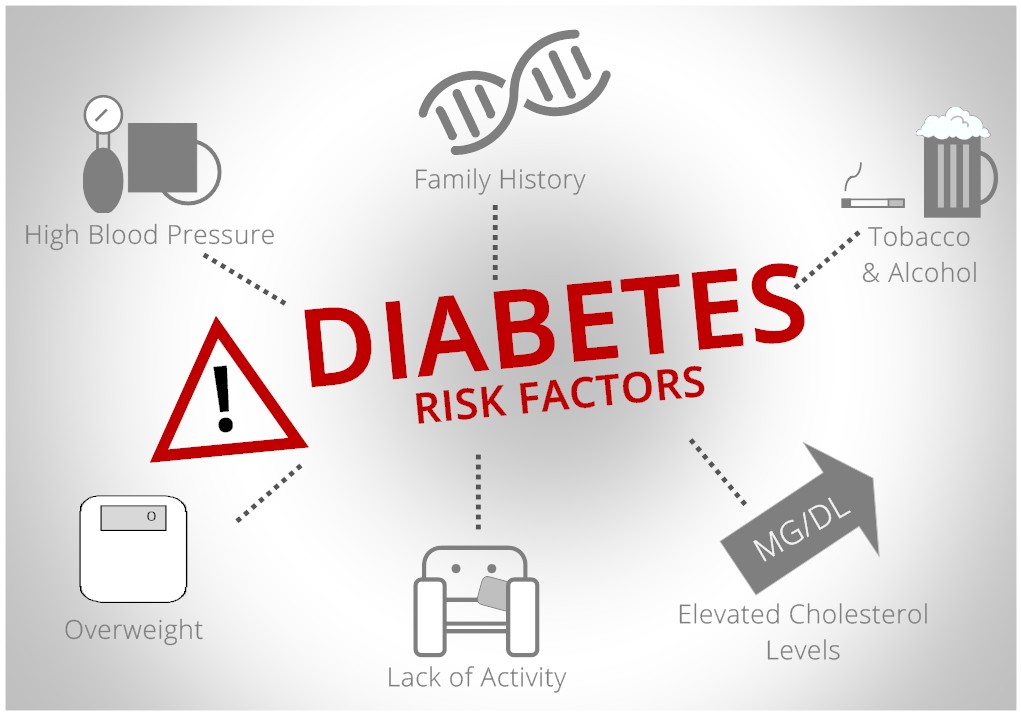
Causes can range from autoimmune destruction, heredity or positive family history, insulin resistance to various infections like pancreatitis. But, the main cause or the root cause of Diabetes especially type 2 which affects mostly the adult population has to be a poor lifestyle.

Diabetes-like we all know can easily go unnoticed, even when a patient has already been diagnosed. Because of this, unfortunately, many don’t pay attention to the possible terrible problems that can happen if your diabetes is not under control.

I remember a case at the beginning of my career, a 40year old man having diabetes for more than 10 years came to our clinic with a complain that he had wound on his foot which was not healing. He knew his sugars were high but still wasn’t taking care. We started him off on the required medicines and within 10 days of better sugars, the wound had healed. He had no memory of how he had hurt himself. After 4months the same patient came back with an even bigger wound but unfortunately this time it had spread so much that his foot could not be saved and had to be amputated.

Does it make sense being so careless with your health and losing your foot just because your sugars are not controlled?

diabetes 1

Let’s discuss the complications of uncontrolled diabetes which can affect almost every organ of your body. Most commonly Diabetes affects your heart, kidneys, eyes, feet and your nerves (neuropathy) at varying degrees. Apart from these, diabetics have a higher risk of infections and dental problems. It is difficult to say what gets affected first but easier to remember that if your blood sugars are not under control, you have set yourself on the path to trouble.

diabetes image 3

During my internship, I got a call from a friend that his dad had a heart attack and they were shifting him to the same hospital where I was working. Fortunately, that month I was posted in the ICU itself so I was happy that I was going to be able to monitor his dad. Just on the opposite bed, there was another man of the same age who had suffered a heart attack the morning before. Almost two weeks later, my friend’s dad was still in the ICU whereas the other man was on his way to get discharged. Another 2 weeks went by but unfortunately, we didn’t see much signs of improvement and eventually we lost him in the next few days. The only big difference between the two patients was that my friend’s dad had uncontrolled diabetes!!

Diabetes dramatically increases the risk of various cardiovascular problems, including coronary artery disease with chest pain (angina), heart attack, stroke and narrowing of arteries (atherosclerosis). If you have diabetes, you are more likely to have heart disease or stroke.

Your body and your health need a lot of care, attention and need to be your first priority not only at the time when you are sick but more when you are well. The point of this blog is not to scare you but to make you aware, and part of that awareness is knowing how to be able to help yourself. Follow the below tips and start your healthy journey today!

diabetes image 4

Tips to prevent or live well with diabetes

  • Maintain a healthy weight and look out for belly fat
  • Make healthy food choices
  • Be physically active (gradually increase everyday steps and try and reach the 10,000 target)
  • Monitor your sugar levels regularly and keep a check on your blood pressure
  • Get your full body tests done once a year
  • Sleep well and work to manage daily stress
  • Quit smoking
  • If on medications, make sure you take them regularly
  • « Previous Page
  • 1
  • …
  • 106
  • 107
  • 108
  • 109
  • 110
  • …
  • 131
  • Next Page »

Search

Recent Posts

  • 4 Reasons Why Affirmations Are Not Working For You
  • The Social Side of GLP-1: Navigating “Food Culture” and Peer Pressure
  • Leaky Gut: Symptoms and Causes
  • Muscle Is Your Insurance Policy: Why Strength Predicts Lifespan More Than Cardio
  • The Fiber Gap: Managing Digestion on GLP-1 Therapy

Stay Updated

Archives

  • March 2026 (1)
  • February 2026 (14)
  • January 2026 (14)
  • December 2025 (19)
  • November 2025 (15)
  • October 2025 (20)
  • September 2025 (6)
  • August 2025 (6)
  • July 2025 (12)
  • June 2025 (18)
  • May 2025 (16)
  • April 2025 (22)
  • March 2025 (23)
  • February 2025 (22)
  • January 2025 (25)
  • December 2024 (22)
  • November 2024 (23)
  • October 2024 (21)
  • September 2024 (24)
  • August 2024 (30)
  • July 2024 (21)
  • June 2024 (26)
  • May 2024 (31)
  • April 2024 (27)
  • March 2024 (29)
  • February 2024 (25)
  • January 2024 (21)
  • December 2023 (15)
  • November 2023 (11)
  • October 2023 (19)
  • September 2023 (22)
  • August 2023 (18)
  • July 2023 (22)
  • June 2023 (24)
  • May 2023 (24)
  • April 2023 (23)
  • March 2023 (23)
  • February 2023 (19)
  • January 2023 (15)
  • December 2022 (11)
  • November 2022 (15)
  • October 2022 (15)
  • September 2022 (12)
  • August 2022 (10)
  • July 2022 (17)
  • June 2022 (11)
  • May 2022 (10)
  • April 2022 (6)
  • March 2022 (6)
  • February 2022 (13)
  • January 2022 (11)
  • December 2021 (7)
  • November 2021 (3)
  • October 2021 (6)
  • September 2021 (3)
  • August 2021 (8)
  • July 2021 (7)
  • June 2021 (15)
  • May 2021 (16)
  • April 2021 (10)
  • March 2021 (7)
  • February 2021 (4)
  • January 2021 (4)
  • December 2020 (3)
  • November 2020 (4)
  • October 2020 (10)
  • September 2020 (3)
  • August 2020 (3)
  • July 2020 (2)
  • June 2020 (4)
  • May 2020 (10)
  • April 2020 (12)
  • March 2020 (10)
  • February 2020 (4)
  • January 2020 (4)
  • December 2019 (3)
  • November 2019 (7)
  • October 2019 (5)
  • September 2019 (4)
  • August 2019 (9)
  • July 2019 (9)
  • June 2019 (11)
  • May 2019 (4)
  • April 2019 (8)
  • March 2019 (8)
  • February 2019 (9)
  • January 2019 (8)
  • December 2018 (9)
  • November 2018 (3)
  • October 2018 (3)
  • September 2018 (5)
  • August 2018 (10)
  • July 2018 (6)
  • June 2018 (13)
  • May 2018 (8)
  • April 2018 (18)
  • March 2018 (9)
  • February 2018 (8)
  • January 2018 (15)
  • December 2017 (12)
  • November 2017 (19)
  • October 2017 (13)
  • September 2017 (15)
  • August 2017 (4)
  • July 2017 (8)
  • June 2017 (7)
  • May 2017 (6)
  • April 2017 (8)
  • March 2017 (6)
  • February 2017 (7)
  • January 2017 (9)
  • December 2016 (10)
  • November 2016 (7)
  • October 2016 (7)
  • September 2016 (7)
  • August 2016 (11)
  • July 2016 (9)
  • June 2016 (9)
  • May 2016 (12)
  • April 2016 (17)
  • March 2016 (17)
  • February 2016 (8)
  • January 2016 (6)
  • December 2015 (2)
  • November 2015 (9)
  • October 2015 (7)
  • September 2015 (9)
  • August 2015 (11)
  • July 2015 (9)
  • June 2015 (12)
  • May 2015 (9)
  • April 2015 (13)
  • March 2015 (8)
  • February 2015 (5)
  • January 2015 (12)
  • December 2014 (14)
  • November 2014 (11)
  • October 2014 (6)
  • September 2014 (13)
  • August 2014 (12)
  • July 2014 (6)
  • June 2014 (2)
  • May 2014 (7)
  • April 2014 (5)

From “Laddu Nawin” to Fit and Fierce: How a 25-Year-Old Insurance Advisor Shed 20 Kilos and Gained His Life Back

When 25-year-old Nawin Yadav from Hyderabad walked into his office every morning, he carried more than just his files and policy papers. He had the weight of fatigue, sluggish energy, and an ever-growing belly that was becoming the butt of jokes. “People … [Read More...]

“I’ve Challenged Myself to Live 100 Years” – The Story of Chandubhai Savani’s Second Chance at Life

At 67, most people start slowing down. Not Chandubhai Savani. A resident of Surat, Chandubhai, thought life was on track. “My life was going well till I had my bypass surgery,” he says. That surgery, back in 2021, was a wake-up call.  Medication was routine, but exercise wasn’t. His diet? What he calls ‘normal.’ “I […]

From Shimla’s Slopes to Chandigarh’s Sidewalks: Surinder Kaur Bhalla’s Journey from Chaos to Control

Some journeys start with a plan. Others begin with a stumble literally. Surinder Bhalla, a government professional, born and raised in the scenic hill town of Shimla, had always lived a life of movement. “In Shimla, you walked everywhere,” she reflects. “Walking was never an exercise. It was just life.” But after shifting to Chandigarh, […]

Ananda Mukherjee Health Story

From Terminal Illness To Complete Wellness! Ananda Mukherjee Health Story

As we observe World Cancer Day under the powerful theme ‘United by Unique’ (2025-2027)**, we are reminded that every individual’s journey with cancer is distinct, yet united by shared resilience, hope, and the collective fight against this disease. This theme places people at the centre of care and their stories at the heart of the […]

  • HOME
  • HEALTHY LIVING
  • FITNESS
  • HEALTHY RECIPES
  • USER STORIES
  • KARMA
  • BUY GOQii

Copyright ©2016 GOQii