GOQii

Blog

  • HOME
  • HEALTHY LIVING
  • FITNESS
  • HEALTHY RECIPES
  • USER STORIES
  • KARMA
  • BUY GOQii

Search Results for: diabetes

November 10, 2016 By Farida Gohil 1 Comment

Whole Grains slash Pre-Diabetes Risk!

Whole grains

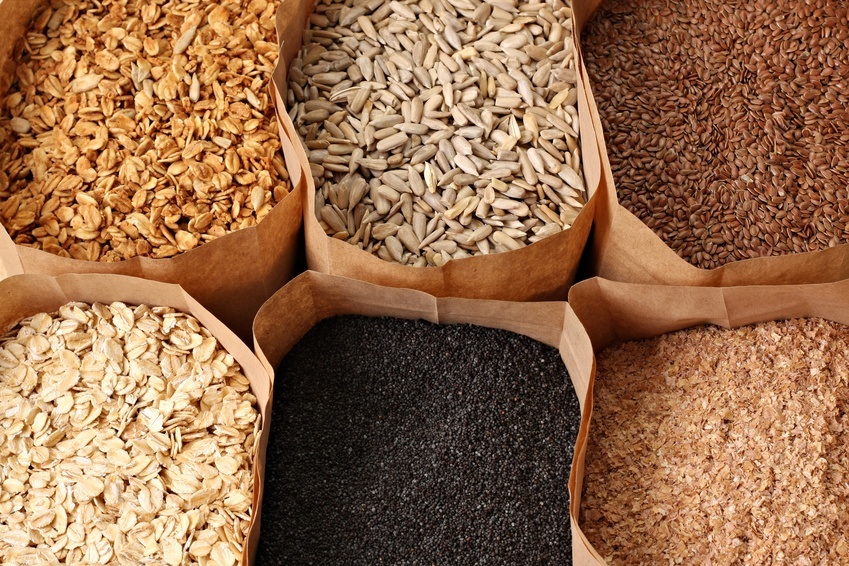
Whole grains are packed with nutrients, including protein, fiber, B vitamins, anti-oxidants, and trace minerals (iron, zinc, copper, and magnesium). A diet rich in whole grains has been shown to reduce the risk of heart disease, type 2 diabetes, obesity, and some forms of cancer.

The addition of more whole grains into a healthy diet is associated with a decreased risk of deteriorating glucose tolerance, including progression from normal glucose tolerance to pre-diabetes, according to a new study published in the American Journal of Clinical Nutrition.

According to a research paper titled Food Product Design, dated Dec 26, 2012 published in Health and Nutrition, researchers at Karolinska Institute and Karolinska University Hospital investigated whether a higher intake of whole grains protects against the development of pre-diabetes and type 2 diabetes and tested for modulation by polymorphisms of the TCF7L2 gene. Participants included 5,477 Stockholm residents aged 35 to 56 years who were not diagnosed with diabetes and who kept food journals of how much whole and refined grains they consumed. Researchers measured blood glucose in study participants and followed up 10 years later.

Participants who ate 59 grams of whole grains a day had a 34% lower risk to deteriorate in glucose tolerance compared to those who ate 30 grams of whole grains a day. Risk reduction was significant in men, but not in women. Participants who consumed 59 grams of whole grains a day also had a 27% reduced risk of becoming pre-diabetic.

Whole grains are rich in fibre. Fibre in the diet does not allow the blood glucose levels to rise thereby controls the rise in sugar levels in the body. Fibre also helps in lowering cholesterol as it helps in decreasing the low density lipoprotein whch is bad cholesterol and increases high density lipoprotein which is good cholesterol.

What foods are in the grains group?

Any food made from wheat, rice, oats, cornmeal, barley or another cereal grain is a grain product. Bread, pasta, oatmeal, breakfast cereals, tortillas, and grits are examples of grain products.

It is advised that at least half the grains in your diet should be whole grains. Whole-grain versions of rice, bread, cereal, flour and pasta can be found at most grocery stores. Many whole-grain foods come ready to eat. These include a variety of breads, pastas and cereals.

Examples of whole grains include:

  • Barley
  • Brown rice
  • Buckwheat
  • Bulgur (cracked wheat)
  • Millet
  • Oatmeal
  • Popcorn
  • Whole-wheat bread, pasta or crackers
  • Wild rice

It’s not always easy to tell what kind of grains a product has, especially bread. For instance, a brown bread isn’t necessarily whole wheat — the colour may come from added colouring. If you’re not sure something has whole grains, check the product label or the Nutrition Facts panel. Look for the word “whole” on the package, and make sure whole grains appear among the first items in the ingredient list.
April 7, 2016 By GOQii Editor 4 Comments

India becoming a ‘Sweet Nation’: Let’s beat Diabetes

diabetes
India is becoming a sweeter nation by the day. Wondering what I mean by a sweeter nation. Today , on this day of World Diabetes day we would like to take you through some facts about diabetes. According to the World Health Organisation, India has been declared as the Diabetic capital of the world.

The statistics are alarming. In 2000 there were 32 million diabetics in India, in 2013, the figure doubled to 63 million and by 2030 it has been projected to touch 101.2 million. India ranks second, between China with 90 million and the USA with 24 million diabetics. The factors largely driving this dramatic rise include overweight and obesity. The annual spend on diabetes is Rs 1.5 lakh crore, 4 times the central Government’s allocation of Rs 32000 crore.

The Prime Minster of India Narendra Modi on World health day said on twitter that a healthy lifestyle is a key to overcoming diabetes. “Our lifestyle is the biggest cause for diabetes. If every citizen of my country is healthy, then my country will be healthy. I call upon you to defeat diabetes, which plays host to so many diseases,” said Modi in his message to Indians on World health day.

Some Facts

  • 422 Million adults globally suffer from diabetes
  • 5 million deaths are directly attributed to diabetes each year
  • 1 in 3 adults aged over 18 years is overweight and 1 in 10 is obese

Source: WHO

Diabetes can be controlled however with exercise. Here are some excerpts from a blog written by one of the GOQii coaches Disti Shah. According to Disti, the facts and myths about diabetes are plenty especially on the kind of foods one should have or not have, whether one should exercise to control diabetes etc. But diet is not all that one needs to focus on. Exercise is equally important.

However, when diabetes exercises one should keep in mind the following at what sugar levels should we allow or not allow a diabetic person to exercise? What should be the intensity and frequency of exercise and What type of exercise should a Diabetic do?

Here are some information on about how regular exercise can control your Diabetes.

How does Exercise Help in Diabetes?

  1. Lowers blood sugar levels.
  2. Helps you feel better.
  3. Help maintain proper body weight.
  4. Help keep the heart rate and blood pressure lower.
  5. Helps keep blood fats levels normal.
  6. Improves insulin sensitivity.
  7. Help maintain normal blood circulation in the feet.

Now that we know seven of the many reasons why exercise is important for a person with diabetes, let’s know which exercise benefits diabetics.

Which kinds of Exercise are Best?

Expert agrees you need either

  1. 30 minutes of “moderate intensity” aerobic activity – 5 days a week.
  2. “Vigorous intense” aerobic activity 20 minutes or more a day – 3-5 days a week.

In addition, you should add flexibility and strength training to your routine.

  1. Flexibility activities 5-7 days a week.
  2. Strength training 8-10 exercise, 10-15 repetitions of each exercise, 2-3 days a week.

Calories Per hour and the types of moderate and vigorous exercises

Moderate physical activity for one hour Calorie burnt per hour
Hiking 370
Light gardening / Yard work 330
Dancing 330
Golf(walking and carrying clubs) 330
Bicycling (<10mph) 290
Walking   (3.5mph) 280
Weight lifting (light workout) 220
Stretching 180
Vigorous physical activity for one hour


Running / Jogging (5mph) 590
Bicycling (>10mph) 590
Swimming (Slow freestyle laps) 510
Aerobics 480
Walking (4-5 mph) 460
Heavy Yard work (chopping wood) 440
Weight lifting (vigorous effort) 440
Basket ball (vigorous) 440

Source – Dietary guidelines for Americans – 2005 *(These values are not specifically for Indians as they are taken from American journals)

Remember that Diabetes cannot take your hope, faith, attitude, courage, happiness, and happy life away from you. We are the author of our own health and disease. Let’s overcome it, no matter what type or what level of disease it is. Let’s help others and ourselves to be active most of the time. Exercise can permanently remove or reduce medication.

To read it at length go to http://goqii.com/blog/regular-exercise-can-control-diabetes/

October 13, 2014 By SANA SHAIKH Leave a Comment

Control Diabetes with Lente Carbohydrates

diabetes

Diabetes has become a common ailment today. There are more people being detected with diabetes than ever before.

Diabetes is a group of metabolic disorders characterized by increased sugar levels (hyperglycemia) resulting from relative/absolute deficiency of insulin or impaired action on target tissue or both. The chronic nature of diabetes is associated with long term damage, dysfunction and failure of various organs. Hence, effective self- diabetes control is essential.

Along with the use of appropriate medication/insulin as required, a diabetic should also pay attention on to his/her dietary pattern. Few measures well taken could prove beneficial for their sugar and insulin levels.

The primary concern for a diabetic is the intake of carbohydrates because the body uses them as the primary source of energy. Simple or easily digestible carbohydrate foods like refined flour products, juices, sugar should be limited/ avoided within the diet, since they tend to increase the post- prandial levels.

Hence, intake of lente carbohydrate should be included within the diet apart from complex carbohydrates. Lente carbohydrates  are slowly absorbed within the body, due to the presence of high amounts of viscous fiber within them, thereby delaying gastric emptying time. They also reduce the glycemic response of a meal.

Slow absorption has been shown to have beneficial effects such as  improved insulin sensitivity (i.e. easy acceptance of insulin by the target cells within the body), thereby lowering the insulin requirements; decreased LDL/ Bad cholesterol, decreased clotting factors leading to reduced risk of cardiovascular diseases (CVD’s).

Lente carbohydrates are readily available in the foods such as  legumes (viz lentils,Split grams, Kidney beans, green peas etc. ) soaked pulses, cereal oat bran & barley; most of them being a part of the staple diet.

Thus, lente carbohydrates would not only help in maximizing diabetes control but also provides preventive measures against CVD’s…

February 27, 2026 By Dhwani Bagadia 1 Comment

Leaky Gut: Symptoms and Causes

leaky gutThe gut is considered to be the “Gateway to Health”. It consists of approximately 80% of the immune system. 95% of “serotonin”, the “feel-good” hormone, is also produced in the Gut. Healing and improving your gut is of the utmost importance to lead a healthy and happy life. Your gut is responsible for stomach conditions, pain and even eagerness. Poor gut health can cause various issues such as a Leaky Gut.

A Leaky Gut is one of the most puzzling illnesses/diseases to be diagnosed and to get treated. It is a very puzzling disease or illness majorly due to the gut having a very extensive and complex structure. “There is still so much science that proceeds with finding newly developed methods, where the gut can have an impact on the health of the heart to brains being young and active,” says Dr. Alessio Fasano, Director of the Center for Celiac Research and Treatment with Harvard-affiliated Massachusetts General Hospital.

What is Leaky Gut?

The digestive system is where food is broken down and nutrients are absorbed. It also plays a major role in safeguarding your body from detrimental or dangerous substances. The intestinal walls act as a barrier/hurdle to check what is passing into the bloodstream, to be carried to different organs of the body.

Water and nutrients are passed into and out of the small holes (tight junctions) in the walls of the intestine when obstructing the movement of detrimental substances. Intestinal Permeability is defined as an easy passage of the substances through the walls of the intestine. When the small holes (tight junction) of the intestinal wall become loose, the permeability of the gut increases and results in bacteria and toxins passing from the gut into the bloodstream. This event is termed as “Leaky Gut”.  

Due to Leaky Gut, toxins and bacteria enter the blood-stream, resulting in inflammation and activating a reaction from the immunity. Proponents declare that it is one of the major causes of several medical conditions such as chronic fatigue syndrome, migraine, multiple sclerosis, fibromyalgia, food sensitivities, thyroid abnormalities, mood swings, skin conditions, and autism.

Many Health-care professionals say that an increase in the permeability of the intestine occurs in a few chronic diseases. It is a challenge to calculate the strength of an individual’s gut barrier, so it becomes difficult to identify whether a person has a leaky gut and what impact it will have on the body.

Symptoms to Watch Out For

As per Dr. Leo Galland, the director of the Foundation for Integrated Medicine, the symptoms below could indicate a Leaky Gut.

  • Digestive issues such as chronic diarrhea, constipation, gas or bloating or IBS (Irritable Bowel Syndrome)
  • Nutritional Deficiencies such as anemia, omega-3 fatty acids, vitamin deficiencies
  • Excess weight, obesity, diabetes
  • Poor immunity such as frequent cold, flu, and infection. Auto-immune disease such as rheumatoid arthritis, lupus, celiac disease or chron’s disease, Hashimoto’s thyroiditis
  • Brain: Headaches, brain fog and memory loss and Depression/Eagerness/ADHD (Attention Deficient Hyperactive Disorder)
  • Excessive tiredness or fatigue
  • Rashes on skin such as acne, eczema
  • Cravings for refined carbs or sugar
  • Bones: Arthritis or Joint Pain and Osteoporosis
  • Seasonal Allergies or Asthma
  • Imbalance in the hormones such as PMS or PCOD i.e. Pre-menstrual Syndrome and Polycystic Ovarian Syndrome
  • Diagnosis of candida overgrowth
  • Food Allergies, food sensitivities or intolerances

What Causes a Leaky Gut?

There are several factors that can cause a Leaky Gut. Gluten, food, infection and toxins being a few of them. The following factors can also be considered.

  • Food Sensitivities, Candida or yeast over-growth, Parasites, Medications and Drugs
  • Excessive sugar intake and other un-healthy food affect the barrier of the wall of the intestine
  • Non-steroidal anti-inflammatory drugs (NSAID’s): Excess and too much use of NSAID’s like ibuprofen leads to leaky gut due to an increase in the wall of intestinal permeability
  • Excess alcohol intake may also cause intestinal permeability
  • Nutritional Deficiencies: Deficiencies of Vitamins such as A, D and Zinc result in increases intestinal permeability
  • Inflammation: Can also result in the leaky gut
  • Stress: Excess Stress also results in gastro-intestinal disorder, leading to leaky gut
  • Poor Gut Condition: There is a mix of good and harmful bacteria which are almost in millions in the gut. If the balance of the good and harmful bacteria is affected, it can affect the intestinal wall.
  • Yeast Overgrowth: Natural existence of yeast is there in the gut, but excess growth of yeast can lead to leaky gut

Stay tuned and stay healthy. For more topics on Gut Health, click here. If you’re experiencing any of the above symptoms, consult a doctor or speak to our experts for lifestyle changes that will help you heal. 

#BeTheForce

Disclaimer: The information provided in this blog is for general awareness and educational purposes only. It is not intended to replace professional medical advice, diagnosis, or treatment. Always consult a qualified healthcare provider for personalised medical guidance or concerns related to your health.

  • « Previous Page
  • 1
  • …
  • 6
  • 7
  • 8
  • 9
  • 10
  • …
  • 82
  • Next Page »

Search

Recent Posts

  • 4 Reasons Why Affirmations Are Not Working For You
  • The Social Side of GLP-1: Navigating “Food Culture” and Peer Pressure
  • Leaky Gut: Symptoms and Causes
  • Muscle Is Your Insurance Policy: Why Strength Predicts Lifespan More Than Cardio
  • The Fiber Gap: Managing Digestion on GLP-1 Therapy

Stay Updated

Archives

  • March 2026 (1)
  • February 2026 (14)
  • January 2026 (14)
  • December 2025 (19)
  • November 2025 (15)
  • October 2025 (20)
  • September 2025 (6)
  • August 2025 (6)
  • July 2025 (12)
  • June 2025 (18)
  • May 2025 (16)
  • April 2025 (22)
  • March 2025 (23)
  • February 2025 (22)
  • January 2025 (25)
  • December 2024 (22)
  • November 2024 (23)
  • October 2024 (21)
  • September 2024 (24)
  • August 2024 (30)
  • July 2024 (21)
  • June 2024 (26)
  • May 2024 (31)
  • April 2024 (27)
  • March 2024 (29)
  • February 2024 (25)
  • January 2024 (21)
  • December 2023 (15)
  • November 2023 (11)
  • October 2023 (19)
  • September 2023 (22)
  • August 2023 (18)
  • July 2023 (22)
  • June 2023 (24)
  • May 2023 (24)
  • April 2023 (23)
  • March 2023 (23)
  • February 2023 (19)
  • January 2023 (15)
  • December 2022 (11)
  • November 2022 (15)
  • October 2022 (15)
  • September 2022 (12)
  • August 2022 (10)
  • July 2022 (17)
  • June 2022 (11)
  • May 2022 (10)
  • April 2022 (6)
  • March 2022 (6)
  • February 2022 (13)
  • January 2022 (11)
  • December 2021 (7)
  • November 2021 (3)
  • October 2021 (6)
  • September 2021 (3)
  • August 2021 (8)
  • July 2021 (7)
  • June 2021 (15)
  • May 2021 (16)
  • April 2021 (10)
  • March 2021 (7)
  • February 2021 (4)
  • January 2021 (4)
  • December 2020 (3)
  • November 2020 (4)
  • October 2020 (10)
  • September 2020 (3)
  • August 2020 (3)
  • July 2020 (2)
  • June 2020 (4)
  • May 2020 (10)
  • April 2020 (12)
  • March 2020 (10)
  • February 2020 (4)
  • January 2020 (4)
  • December 2019 (3)
  • November 2019 (7)
  • October 2019 (5)
  • September 2019 (4)
  • August 2019 (9)
  • July 2019 (9)
  • June 2019 (11)
  • May 2019 (4)
  • April 2019 (8)
  • March 2019 (8)
  • February 2019 (9)
  • January 2019 (8)
  • December 2018 (9)
  • November 2018 (3)
  • October 2018 (3)
  • September 2018 (5)
  • August 2018 (10)
  • July 2018 (6)
  • June 2018 (13)
  • May 2018 (8)
  • April 2018 (18)
  • March 2018 (9)
  • February 2018 (8)
  • January 2018 (15)
  • December 2017 (12)
  • November 2017 (19)
  • October 2017 (13)
  • September 2017 (15)
  • August 2017 (4)
  • July 2017 (8)
  • June 2017 (7)
  • May 2017 (6)
  • April 2017 (8)
  • March 2017 (6)
  • February 2017 (7)
  • January 2017 (9)
  • December 2016 (10)
  • November 2016 (7)
  • October 2016 (7)
  • September 2016 (7)
  • August 2016 (11)
  • July 2016 (9)
  • June 2016 (9)
  • May 2016 (12)
  • April 2016 (17)
  • March 2016 (17)
  • February 2016 (8)
  • January 2016 (6)
  • December 2015 (2)
  • November 2015 (9)
  • October 2015 (7)
  • September 2015 (9)
  • August 2015 (11)
  • July 2015 (9)
  • June 2015 (12)
  • May 2015 (9)
  • April 2015 (13)
  • March 2015 (8)
  • February 2015 (5)
  • January 2015 (12)
  • December 2014 (14)
  • November 2014 (11)
  • October 2014 (6)
  • September 2014 (13)
  • August 2014 (12)
  • July 2014 (6)
  • June 2014 (2)
  • May 2014 (7)
  • April 2014 (5)

From “Laddu Nawin” to Fit and Fierce: How a 25-Year-Old Insurance Advisor Shed 20 Kilos and Gained His Life Back

When 25-year-old Nawin Yadav from Hyderabad walked into his office every morning, he carried more than just his files and policy papers. He had the weight of fatigue, sluggish energy, and an ever-growing belly that was becoming the butt of jokes. “People … [Read More...]

“I’ve Challenged Myself to Live 100 Years” – The Story of Chandubhai Savani’s Second Chance at Life

At 67, most people start slowing down. Not Chandubhai Savani. A resident of Surat, Chandubhai, thought life was on track. “My life was going well till I had my bypass surgery,” he says. That surgery, back in 2021, was a wake-up call.  Medication was routine, but exercise wasn’t. His diet? What he calls ‘normal.’ “I […]

From Shimla’s Slopes to Chandigarh’s Sidewalks: Surinder Kaur Bhalla’s Journey from Chaos to Control

Some journeys start with a plan. Others begin with a stumble literally. Surinder Bhalla, a government professional, born and raised in the scenic hill town of Shimla, had always lived a life of movement. “In Shimla, you walked everywhere,” she reflects. “Walking was never an exercise. It was just life.” But after shifting to Chandigarh, […]

Ananda Mukherjee Health Story

From Terminal Illness To Complete Wellness! Ananda Mukherjee Health Story

As we observe World Cancer Day under the powerful theme ‘United by Unique’ (2025-2027)**, we are reminded that every individual’s journey with cancer is distinct, yet united by shared resilience, hope, and the collective fight against this disease. This theme places people at the centre of care and their stories at the heart of the […]

  • HOME
  • HEALTHY LIVING
  • FITNESS
  • HEALTHY RECIPES
  • USER STORIES
  • KARMA
  • BUY GOQii

Copyright ©2016 GOQii