
GOQii

Blog

  • HOME
  • HEALTHY LIVING
  • FITNESS
  • HEALTHY RECIPES
  • USER STORIES
  • KARMA
  • BUY GOQii

Search Results for: diabetes

January 26, 2024 By Dr Akshat Chadha 2 Comments

When Was The Last Time You Had A Complete Health Check?

complete health checkThe week began on a sad note. Monday morning was a morning, I would like to erase out of my memory as soon as possible. I was sitting at the breakfast table with my wife when I got a call from my mom saying that one of my cousins-Raj had suffered a major heart attack and had passed away even before reaching the hospital. It was an untimely death. He was barely 40 years of age, young and happy with no major worries. Nobody in the family had seen this coming, not even his wife.

He displayed no signs of stress, worry or any kind of illness. He was not fat nor did he lead a sedentary lifestyle. Then what happened? This thought kept bothering me ever since I heard of what had happened. Being a Doctor, I was determined to delve deep to find the root cause of the problem. After probing some of the family members, I found that there was a family history of heart disease and diabetes. Despite this, he had not done a single blood check in the last 3 years. Whenever I would enquire about getting a health checkup, he would brush it aside and say, “I am healthy and I do not see a need to get pricked unnecessarily”.

What upsets me more is that we are a family of doctors and within my own family, I have people who think otherwise about health check-ups and feel it is unnecessary to have one done regularly, more so, when you do not display any symptoms of illness. The importance of health checkups is highlighted only when you encounter health problems you really can’t predict. Isn’t it better to be safe than sorry later?

Let me be loud and clear when I say, there is a reason why blood tests have been invented and have a huge diagnostic value. Unfortunately, getting a blood test today, is considered as a money making a source for the Doctor. I don’t want to talk about blood tests today, I just want to emphasize the importance of getting a whole body check-up done once a year, especially if you are over 30 years old. Timely medical checkups could make all the difference between prevention and cure; especially when each decade comes with its own set of lifestyle ailments.

What is the harm I ask? What do you have to lose? If it’s the money, then maybe you can cut down on eating out one weekend or reduce your shopping one month and instead utilize that money to get to know about your health?

A lot changes in 30 days leave alone in 365 days. We go through several ups and downs and our body goes through a lot of wear and tear process be it physical or mental. Our internal organs such as the heart, liver, kidneys are designed to work non-stop and there is no harm in knowing the state of our organs and bones in real time so that the necessary lifestyle changes can be made if needed.

One does not have to necessarily pop pills, more often than not, lifestyle changes can make a huge difference. If a machine works well with regular maintenance and check-ups, then why do we leave the most important machine (our body) to chance? You need to listen to your body, feel the pain when it happens, and address the breakdown in a way to avoid its re-occurrence. You need to give your body a good fighting chance by living a good healthy life which is supported by well-functioning internal organs.

Personally, a good comprehensive screening package including CBC ( Complete Blood Count), Lipids, Renal (Kidney) and Liver profile, Sugar tests, Thyroid and basic Vitamins like D and B12 is a must for every individual once a year even if he or she is absolutely healthy. The Thyrocare Aarogyam C package covers all these tests and is available on the GOQii Health Store here.

Age is not a factor. Anybody at the age of 30 years and above should get their blood tests done once a year at least. This is an excellent comprehensive screening of your entire body including heart, liver, and kidney along with important vitamins. We are putting in a lot of effort taking care of our bodies but, if our organs don’t support it then we will always fall short of results.

The prerequisite for leading a healthy life is a comprehensive health check-up once a year. You don’t even need to step out to get a test done. You can even do it from the convenience of your home! So hurry up, get a complete health check now and stay safe.

#BeTheForce 
January 18, 2024 By Deepanshu Sharma 2 Comments

Carbo-Loading: All You Need To Know!

Carbo LoadingAt some point or the other, we have come across the term Carbo-Loading. While there are some people who know what it is, there are people who are unaware about this helpful hack. Carbo-Loading is the process of ‘loading’ your body’s muscles with excess glycogen. Glycogen is the energy source derived from eating carbohydrates and Carbo-Loading when done well, can lead to improvement in performance of endurance athletes.


What is Carbo-Loading?

In detail, Carbo-Loading means eating excess carbohydrates to fill the muscles with glycogen while also lowering your activity levels 3-4 days before the event.

Glycogen is the fuel which powers our body when we exercise. The carbohydrates that we eat are broken down to make glycogen, which is stored in the muscles to provide energy while exercising. The main aim of Carbo-Loading is to ensure that muscles have larger energy stores so that they don’t tire easily. Just like a car with a full tank would run longer, similarly, glycogen loaded muscles will perform longer.

Who needs Carbo-Loading?

Carbo-Loading helps athletes who compete in endurance events such as running over 10 kms, triathlons, treks, etc. Since the body already has enough glycogen stored in the muscles, it can perform short exercises with like weight training or jogging at sustained energy levels. It is the endurance runs which makes us use all our resources. This is where the extra glycogen can help to avoid cramps, prevent fatigue and keep one going till the finish line.

How to Carbo-Load?

Now this is the most important part. If done correctly, you will surely reap the benefits. If done incorrectly, it won’t help you much. It may even lead to feeling heavy before the marathon and even vomiting. You usually start 3-4 days before the event. It is recommended to start with 5 gm carbohydrates per kg body weight. You can increase it to 7-8 gm from your second attempt at Carbo-Loading.

4 Days Before the Event: You are eat the same number of calories as before but 60-70% of it should come from carbohydrates. Mostly complex carbs.

3 & 2 Days Before the Event: Eat more of simple carbs. They will provide instant energy! It is important to avoid processed forms of these simple carbs (like biscuits, rusk).

1 Day Before the Event: Almost all the carbohydrate calories should come from simple carbs one day before the event. Your last dinner before the event should be at least 12 hours prior to the race. The dinner should be heavy, made entirely of simple carbs, with little fats and proteins.

Before the Event: 2-3 hours before the event, eat a light and easy simple carb snack and also keep it for eating during the race.

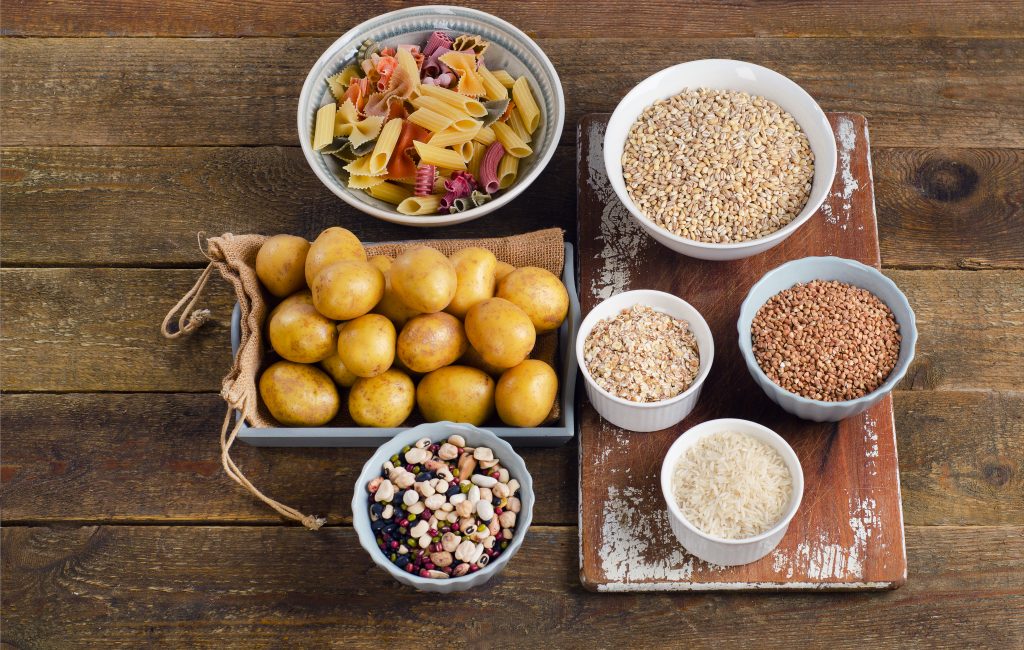
Some Simple Carbs: Banana, milk, curd, honey, white bread, white rice, potato

Some Complex Carbs: Chapati, pulses, brown rice, sweet potato, green leafy vegetables, apples

Few Tips to Remember During Carbo-Loading

  • As it involves eating a high carb diet, people with diabetes and other medical problems which restrict the consumption of carbohydrates should consult their doctors before starting
  • Perform only light exercise when starting Carbo-Loading and rest the entire day before the event
  • Avoid adding new foods to your routine
  • Avoid eating fiber rich foods as they will give a feeling of satiety
  • Eat a moderate amount of fats and proteins
  • On all days of Carbo-Loading, eat 5-6 meals instead of eating only three to avoid a feeling of heaviness
  • After the event, have a carb-only meal to replenish the glycogen stores
  • Eat some salty snacks after the event (preferably salted nuts)
  • Drink lots of water during and after Carbo-Loading

Effects of Carbo-Loading

  • You will see a slight weight gain but it will only be due to the body retaining excess water. This weight will be gone in 1-2 days after the event
  • Expect a little stomach discomfort in this phase. It will not bother you much if you divide the total calories into 5-6 meals for the day

Have any questions about Carbo-Loading? Ask a GOQii Coach by subscribing for Personalised Health Coaching here.

#BeTheForce

January 11, 2024 By Farhat Khan 2 Comments

What is Resting Heart Rate & How Can You Improve It?

Resting Heart Rate

If you want to know more about heart health, your Resting Heart Rate can tell you a lot! As we all know, our heart is responsible for providing blood and oxygen to each and every organ in the body and if there is any trouble in the heart, automatically the rest of the body will be impacted too.

What is Resting Heart Rate?

Resting heart rate (RHR) is known as your base or lowest heart rate. It can be defined as the number of times your heart beats per minute while you’re resting or not active. The normal resting heart rate reading should be in between 60 to 100 beats per minute (BPM). The term use for a heart rate below 60 bpm is called Bradycardia while a heart rate above 100 bpm is called Tachycardia. Usually, children tend to have a higher heart rate than adults. It is because of their faster metabolism. For a newborn, resting heart rate around 100 to 150 bpm is considered normal.

How Can You Measure It? 

Measuring heart rate is the same as checking your pulse. Currently, there are different ways to measure it – you can even measure it using your fitness tracker or band. You can also use the ancient method wherein, you place your index and middle finger on your wrist just below the thumb, or along either side of your neck, so you can feel your pulse. Remember not to use your thumb to take this measurement as it has its own pulse so you might not get the accurate measurement. Use a watch to count the number of beats for 30 seconds and double it so you will get the reading for per minute. Repeat it twice or thrice to make sure you get the accurate measurements. 

To get the proper readings, it is advised to check your resting heart rate as soon as you wake up before carrying out any other work or activity. 

Factors That Affect RHR 

Daily activities such as walking or drinking a cup of coffee, medications, hormones, body size, stress and activity level can change your resting heart rate. Some major factors include: 

  • Age
  • Lack of sleep
  • Dehydration
  • Stress
  • Obesity
  • Health conditions, lung disease and diabetes
  • Some medications like Beta blockers & calcium channels
  • Temperature
  • Exercise

Generally, lower heart rates are considered better as it shows your heart is working well with no extra effort. On the other side, a higher resting heart rate shows your heart has to work extra hard to pump blood.

Ways to Improve or Lower Heart Rate

  1. One of the reasons for increased RHR as one ages, is the lack of or less physical activity. As aging is a natural process, we can improve its impact on heart health by adding 30 minutes of walking or any other low impact exercise like cycling, swimming and dancing. Of course, your heart will beat fast during the activity and for a short time after that, but practicing it every day will automatically help in reducing your elevated resting heart rate.
  2. Guided breathing practices, yoga, tai chi, meditation, long walks and reading are all great ways to calm your mind and body, which will help in controlling your heart rate.
  3. Always try to get at least seven hours of sleep every night so your body gets sufficient time to recover from stress.
  4. Keeping yourself well hydrated helps blood flow through the body and makes the functioning of the heart easy as well. 
  5. Those who smoke have a higher RHR. Quitting brings it back down. 
  6. Keep a watch on body weight. The larger the body, the more the heart has to work to supply it with blood. Losing body weight helps in lowering elevated RHR.

It’s important to maintain an active lifestyle with regular aerobic exercise, a balanced diet, quality sleep and hydration. By measuring your resting heart rate regularly, you can see both your long-term progress and daily fluctuations in it. When your resting heart rate decreases as a result of training, it’s a sign that your cardiovascular health is improving.

We hope this article helps you make heart-healthy choices! Do let us know your thoughts in the comments below. For more on heart health, check out Healthy Reads or reach out to our certified experts by subscribing to GOQii’s Personalised Health Coaching here.

#BeTheForce 

December 11, 2023 By Kusum Soni Leave a Comment

Can You Reverse NAFLD With Dietary Changes

NAFLD

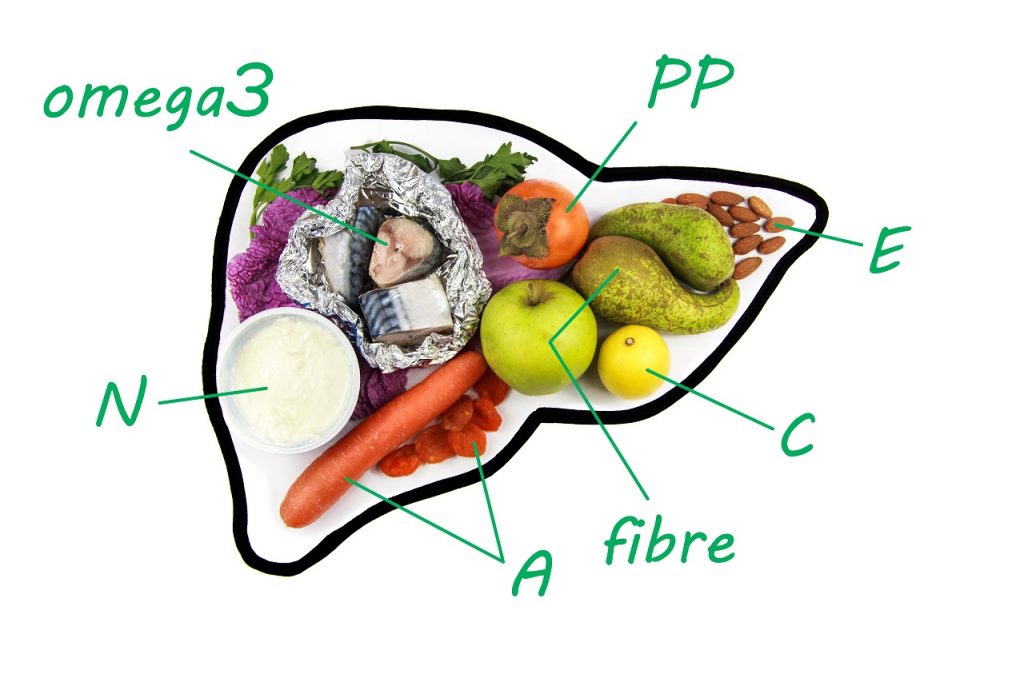
Liver is the largest gland in the human body and is also known as the Chemical Factory of the body. More than 500 vital functions have been identified with the liver, ranging from fighting infection, breakdown of fats, filtering blood of toxins, storing vitamins, iron, to manufacturing proteins and hormones, and helping clot your blood. Like any other organ in the body, this busy organ can also have issues, which is a condition called Non-alcoholic fatty liver disease (NAFLD). Normally, the liver stores some fat. However, in some cases when the liver stores more than healthy fat, that extra fat causes inflammation, which is known as NAFLD. 

Usually, there are no symptoms of NAFLD in the early stages. When it does, they may include, enlarged liver, fatigue or pain in the upper right abdomen. In most cases, fatty liver disease is diagnosed after blood tests show elevated levels of liver enzymes released from damaged liver cells, namely Alanine aminotransferase test (ALT) and aspartate aminotransferase test (AST).

Luckily, lifestyle changes such as dietary intervention and increased physical activity are the first-line treatment and support not only for NAFLD but also associated diseases such as obesity, insulin resistance, diabetes and dyslipidemia. And, gradual weight loss can take the pressure off the liver, allowing it to regenerate itself.

Dietary Changes To Reverse NAFLD

1. Complex Carbs
Complex Carbohydrates are packed with dietary fibre and micronutrients which help in appetite regulation as it takes longer to digest plus DF prevents absorption of fats in the intestine, thereby helping you lose weight, and also lowering the amount of fat in your liver.

  • Include Whole Grains in the form of chapati, upma, dosa, idli, porridge, khichdi, etc.
  • Include sprouted or boiled whole pulses.
  • Seasonal vegetables and Fruits.
  • Reduce sugar intake as it stimulates de novo lipogenesis and finally development of nonalcoholic fatty liver disease (NAFLD) & nonalcoholic steatohepatitis (NASH). So, replace packaged drinks with fresh coconut water/lime water; biscuits with nuts/roasted chana; reduce tea quantity to half cup every time you drink and no sauce/jam /salad dressing .
  • Soluble fiber Supplementation 

2. Fats
Increased fat intake has been linked to insulin resistance, impaired postprandial lipid metabolism and the development or progression of NAFLD. So, reduce intake  of ‘Visible fat’, & try to limit oil/fat intake to less than 500 ml/person/month. Choose Extra Virgin/Filtered /kachhi ghani oils (mustard, sesame, groundnut, Olive oil, Canola oil etc.) in place of refined oils to have anti-inflammatory and insulin sensitizing effects.

  • Complete No for Trans fatty acids and saturated fats . So, no fried or gravy foods/eating out /packaged food.
  • Choose healthy Invisible Fats rich in Omega 3 fatty acids such as nuts, avacado, flaxseeds, chia seeds, sabja seeds, etc.

3. Protein Source
A fair increase in protein intake combined with a low-GI diet, is associated with improved weight-loss maintenance due to its satiating effect and increased thermogenic effect of protein metabolism. So, include options like nuts, low-fat dairy, beans, whole pulses, fish, and poultry, sprouts/roasted chana/nuts/ Sattu drink, nuts smoothie (without sugar), etc. Cut meat intake to once a week. Prefer white/lean meats such as fish/poultry. And completely avoid Red meats as they are high in cholesterol & saturated fats because many studies have associated it with increased risk of liver related diseases and cancer, whereas white meat has been associated with reduced risk.

4. Herbs and supplements
Certain herbs and supplements have shown to play a key role in glucose and fat metabolism, insulin signalling, and energy balance, thereby helping in reversing the fatty liver condition. This may include Apple Cider Vinegar, Fenugreek Seeds, Flaxseed, Nigella Seeds, Milk Thistle, Coffee, Quercetin, Resveratrol etc. 

Having discussed the dietary changes, this journey is incomplete without the inclusion of at least 30 mins of physical Activity, 4-5 days a week, management of  Sleep and Stress issues. Do consult your dietitian/nutritionist to help fine-tune your diet so you are not aggravating your condition.

We hope this article helps you reverse NAFLD. Do leave your thoughts in the comments below. For more information to help you reverse NAFLD, check out Healthy Reads or speak to a certified expert by subscribing to GOQii’s Personalised Health Coaching here. 

#BeTheForce 

  • « Previous Page
  • 1
  • …
  • 35
  • 36
  • 37
  • 38
  • 39
  • …
  • 82
  • Next Page »

Search

Recent Posts

  • 4 Reasons Why Affirmations Are Not Working For You
  • The Social Side of GLP-1: Navigating “Food Culture” and Peer Pressure
  • Leaky Gut: Symptoms and Causes
  • Muscle Is Your Insurance Policy: Why Strength Predicts Lifespan More Than Cardio
  • The Fiber Gap: Managing Digestion on GLP-1 Therapy

Stay Updated

Archives

  • March 2026 (1)
  • February 2026 (14)
  • January 2026 (14)
  • December 2025 (19)
  • November 2025 (15)
  • October 2025 (20)
  • September 2025 (6)
  • August 2025 (6)
  • July 2025 (12)
  • June 2025 (18)
  • May 2025 (16)
  • April 2025 (22)
  • March 2025 (23)
  • February 2025 (22)
  • January 2025 (25)
  • December 2024 (22)
  • November 2024 (23)
  • October 2024 (21)
  • September 2024 (24)
  • August 2024 (30)
  • July 2024 (21)
  • June 2024 (26)
  • May 2024 (31)
  • April 2024 (27)
  • March 2024 (29)
  • February 2024 (25)
  • January 2024 (21)
  • December 2023 (15)
  • November 2023 (11)
  • October 2023 (19)
  • September 2023 (22)
  • August 2023 (18)
  • July 2023 (22)
  • June 2023 (24)
  • May 2023 (24)
  • April 2023 (23)
  • March 2023 (23)
  • February 2023 (19)
  • January 2023 (15)
  • December 2022 (11)
  • November 2022 (15)
  • October 2022 (15)
  • September 2022 (12)
  • August 2022 (10)
  • July 2022 (17)
  • June 2022 (11)
  • May 2022 (10)
  • April 2022 (6)
  • March 2022 (6)
  • February 2022 (13)
  • January 2022 (11)
  • December 2021 (7)
  • November 2021 (3)
  • October 2021 (6)
  • September 2021 (3)
  • August 2021 (8)
  • July 2021 (7)
  • June 2021 (15)
  • May 2021 (16)
  • April 2021 (10)
  • March 2021 (7)
  • February 2021 (4)
  • January 2021 (4)
  • December 2020 (3)
  • November 2020 (4)
  • October 2020 (10)
  • September 2020 (3)
  • August 2020 (3)
  • July 2020 (2)
  • June 2020 (4)
  • May 2020 (10)
  • April 2020 (12)
  • March 2020 (10)
  • February 2020 (4)
  • January 2020 (4)
  • December 2019 (3)
  • November 2019 (7)
  • October 2019 (5)
  • September 2019 (4)
  • August 2019 (9)
  • July 2019 (9)
  • June 2019 (11)
  • May 2019 (4)
  • April 2019 (8)
  • March 2019 (8)
  • February 2019 (9)
  • January 2019 (8)
  • December 2018 (9)
  • November 2018 (3)
  • October 2018 (3)
  • September 2018 (5)
  • August 2018 (10)
  • July 2018 (6)
  • June 2018 (13)
  • May 2018 (8)
  • April 2018 (18)
  • March 2018 (9)
  • February 2018 (8)
  • January 2018 (15)
  • December 2017 (12)
  • November 2017 (19)
  • October 2017 (13)
  • September 2017 (15)
  • August 2017 (4)
  • July 2017 (8)
  • June 2017 (7)
  • May 2017 (6)
  • April 2017 (8)
  • March 2017 (6)
  • February 2017 (7)
  • January 2017 (9)
  • December 2016 (10)
  • November 2016 (7)
  • October 2016 (7)
  • September 2016 (7)
  • August 2016 (11)
  • July 2016 (9)
  • June 2016 (9)
  • May 2016 (12)
  • April 2016 (17)
  • March 2016 (17)
  • February 2016 (8)
  • January 2016 (6)
  • December 2015 (2)
  • November 2015 (9)
  • October 2015 (7)
  • September 2015 (9)
  • August 2015 (11)
  • July 2015 (9)
  • June 2015 (12)
  • May 2015 (9)
  • April 2015 (13)
  • March 2015 (8)
  • February 2015 (5)
  • January 2015 (12)
  • December 2014 (14)
  • November 2014 (11)
  • October 2014 (6)
  • September 2014 (13)
  • August 2014 (12)
  • July 2014 (6)
  • June 2014 (2)
  • May 2014 (7)
  • April 2014 (5)

From “Laddu Nawin” to Fit and Fierce: How a 25-Year-Old Insurance Advisor Shed 20 Kilos and Gained His Life Back

When 25-year-old Nawin Yadav from Hyderabad walked into his office every morning, he carried more than just his files and policy papers. He had the weight of fatigue, sluggish energy, and an ever-growing belly that was becoming the butt of jokes. “People … [Read More...]

“I’ve Challenged Myself to Live 100 Years” – The Story of Chandubhai Savani’s Second Chance at Life

At 67, most people start slowing down. Not Chandubhai Savani. A resident of Surat, Chandubhai, thought life was on track. “My life was going well till I had my bypass surgery,” he says. That surgery, back in 2021, was a wake-up call.  Medication was routine, but exercise wasn’t. His diet? What he calls ‘normal.’ “I […]

From Shimla’s Slopes to Chandigarh’s Sidewalks: Surinder Kaur Bhalla’s Journey from Chaos to Control

Some journeys start with a plan. Others begin with a stumble literally. Surinder Bhalla, a government professional, born and raised in the scenic hill town of Shimla, had always lived a life of movement. “In Shimla, you walked everywhere,” she reflects. “Walking was never an exercise. It was just life.” But after shifting to Chandigarh, […]

Ananda Mukherjee Health Story

From Terminal Illness To Complete Wellness! Ananda Mukherjee Health Story

As we observe World Cancer Day under the powerful theme ‘United by Unique’ (2025-2027)**, we are reminded that every individual’s journey with cancer is distinct, yet united by shared resilience, hope, and the collective fight against this disease. This theme places people at the centre of care and their stories at the heart of the […]

  • HOME
  • HEALTHY LIVING
  • FITNESS
  • HEALTHY RECIPES
  • USER STORIES
  • KARMA
  • BUY GOQii

Copyright ©2016 GOQii


