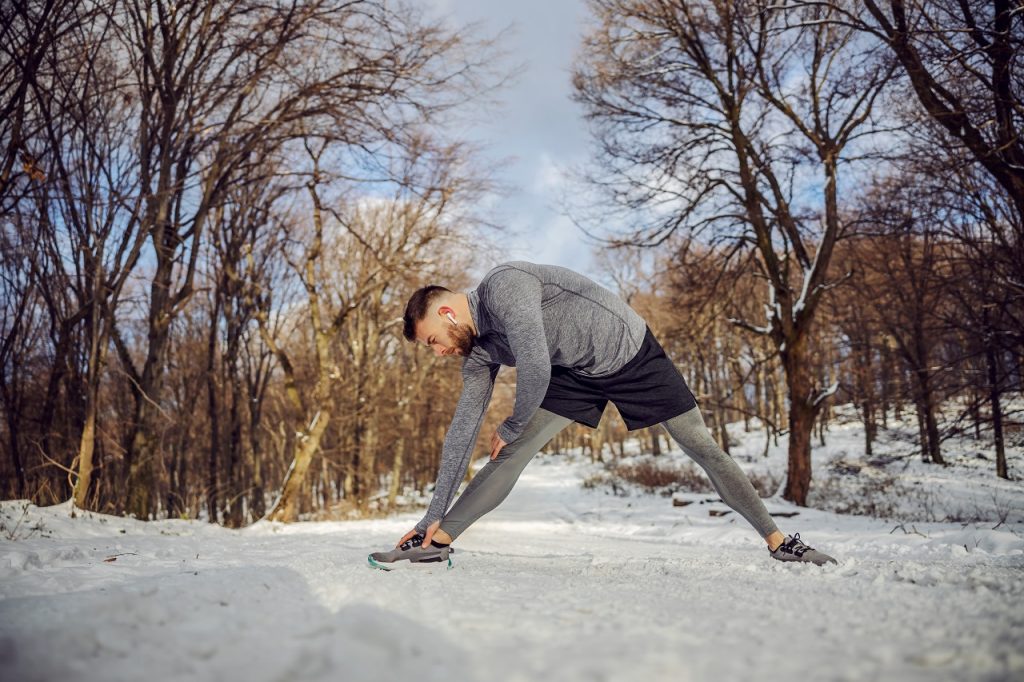
 Winter, if not very cold, is a very pleasant season. We feel quite lazy, comfy under a blanket and don’t feel like getting up from bed at all! More often than not, we just like to sleep and let the day pass by. Today, we would like to share some very interesting information on how we could utilize this season to our benefit. If you intend to have a lean or bulky body, this is the right season to start.
Winter season is mostly dry. Apart from that, the cold weather can boost our endurance. Calorie burn can be higher in the cold, as the body has to expend energy on staying warm. It’s one of the best times of the year to train and get fit. Here are some benefits of working out during winter.
Benefits Of Working Out During Winter
- Burn more: This is probably the best and most popular perk. Because your body is working hard, your metabolism revs up and your body burns more calories and fat to produce energy for your workout.
- Endurance boosts up: By challenging yourself in the cold weather, you are strengthening your heart, lungs and circulatory system, thereby improving your overall health.
- Helps against SAD (Seasonal Affective Disorder): Being out in the open and taking in more sun during the daylight helps keep the mind sharp and relieves you of SAD. It also helps your body get more vitamin D.
- Makes us feel happy: The cold stimulates our parasympathetic system. The sympathetic system is known as the fight response while the parasympathetic is known as relax and renew system. These endorphins can trigger the release of dopamine and serotonin, neurotransmitters that keep us happy, feeling good and eases the mood.
- Increases blood flow: We place greater toxic burden on our poor liver during this time and it could really do with some support. Moderate exercise increases the blood flow to the liver, thereby improving its ability to detoxify waste.
- Improves Immunity: We all need protection from germs that circulate around the office or being brought home from school by our children. Regular moderate exercise will boost immunity by improving the lymphatic and cardiovascular circulation. Try to choose an activity that increases your heart rate but make sure that you can still hold a conversation. i.e. brisk walking, gentle jogging, swimming, cycling, etc.
Don’t let the pleasant cold weather keep you glued to your sheets. Get outside, get yourself moving and enjoy the extra health benefits offered by working out during winter! If you prefer working out indoors, join a GOQii PRO class where you’ll be guided by an expert in a live, interactive session. Book a class through the GOQii App now.
We hope this article helps you. Let us know your thoughts in the comments below. For more on getting healthier during winter, check out Healthy Reads.
#BeTheForce
 Picture this: you’re starting your day with a sense of inner calm, strength, and clarity, all thanks to the practice of morning yoga at home. Before we unravel the numerous benefits that come with this enriching practice, let’s first take a moment to delve into the heart of yoga and what it signifies.