GOQii

Blog

  • HOME
  • HEALTHY LIVING
  • FITNESS
  • HEALTHY RECIPES
  • USER STORIES
  • KARMA
  • BUY GOQii

Search Results for: heart health

September 30, 2024 By Dr. Viral Thakkar Leave a Comment

Your Heart and You 2: Habits for a Healthy Heart

heart healthAakash wondered why every Hollywood and Bollywood movie stressed the “heart”. Some dialogues bothered him:

“My heart aches at the way you have treated your friends.”

“Don’t you feel anything? Are you heartless?”

What Affects Heart Health?

It is interesting to note that a heart attack is usually the result of an emotional outburst or a very emotionally charged situation. While many of us have similar experiences, some are potent to handle such sudden shocks that the heart receives. This depends on the emotional and mental health of a person, dietary habits, sleep quality, the capability of handling stress, faulty habits, etc.

The heart, apart from pumping blood and ensuring every cell receives blood and oxygen, governs largely the emotional and physical well-being of a person (it also overlaps with the Anahat or Hridaya chakra in Indian Vedic understanding). So, a healthy heart depends largely on the emotional and mental well-being of a person as well as nutrition.

It is now a known fact that feelings of stress, anxiety, etc. adversely impact the overall health of a person, especially the heart. As stress increases, the cortisol levels (stress hormone) impacts all the hormones and organs, affecting basic  physiology, including the cardiovascular system.

These emotions create a chain reaction in the body — stress hormone levels increase, blood vessels constrict, blood pressure rises, and the immune system is weakened. If we consistently experience these emotions, it can put a strain on the heart and other organs, and eventually lead to serious health problems.

In my previous article, I spoke about the signs of heart disease to watch out for. Here, let us look at healthy habits for a healthy heart!

Do the Following to Ensure a Healthy Heart

  1. Be happy: If you cannot feel positive and good, simply recall a time when you felt sincere appreciation and try to recreate that feeling. Look at photographs of happier times, keep a diary where you record your positive events and feelings from your life.
  2. Exercise: Get regular with yoga, especially pranayama and exercise. Exercising helps heart muscles become more efficient at pumping blood throughout the body. It allows the body’s tissue (including the heart) to do a better job of pulling oxygen from the blood. This allows your heart to work effectively under stress. It also helps the body make more branches and connections between these blood vessels (collaterals), so there are other routes for the blood to travel if the usual path is blocked by narrow arteries or fatty deposits. Instead of a 45-minute workout, it is best that the body is moving every half an hour! A small 2-minute walk every half an hour is also helpful as, along with the cardiovascular system, it also keeps our lymphatic system active. However, if you have a heart condition, please take the advice of your doctor before taking strenuous exercises or pranayama.
  3. Do what you like doing and stop what you don’t! It will help you keep your stress levels in check and be happy!
  4. Take care of what you eat: Have a good portion of breakfast, followed by small meals, lunch and dinner 2-4 hours before you sleep. Follow the advice of your nutritionist/doctor, if something special has been designed for you!
  5. Vegetarian food is easily digested by the body. It will also help you cut back on higher-calorie foods such as meat, cheese and snack foods. Whole grains play a role in regulating blood pressure and heart health. Add flaxseeds to your diet as they are rich in fiber and omega-3 fatty acids.
  6. Limit unhealthy choices: Reduce or stop refined oils, refined sugar and aerated drinks.
  7. Choose low-fat protein sources like flaxseed, walnuts, soybeans and canola oil. Legumes, beans, peas and lentils are good sources of protein and contain less fat and no cholesterol, making them good substitutes for meat.
  8. Reduce the sodium in your food: You can replace your normal salt with rock salt or pink salt.
  9. Quality is better than quantity: If your body feels fresh and charged after 4-5 hours of sleep, it implies quality sleep. But tiredness even after 6-8 hours of sleep is worrisome. Usually deep breathing before sleep and dinner 4 hours prior to sleep helps one sleep better.

The heart is the biggest miracle which works every moment to keep you alive! Cherish it by living healthy. For more on heart health, check out Healthy Reads or speak to a certified expert by subscribing to GOQii’s Personalised Health Coaching here.

#BeTheForce
Disclaimer: The information provided in this blog is for general awareness and educational purposes only. It is not intended to replace professional medical advice, diagnosis, or treatment. Always consult a qualified healthcare provider for personalised medical guidance or concerns related to your health.

July 5, 2023 By Neha Sharma Leave a Comment

Healthy Heart Diet: 8 Steps to Prevent Heart Disease

Prevent Heart Disease 2The heart plays a very vital role in the well-being of an individual. It supplies oxygenated blood to all organs of the body and also carries nutrients, fuel, hormones, and other components.
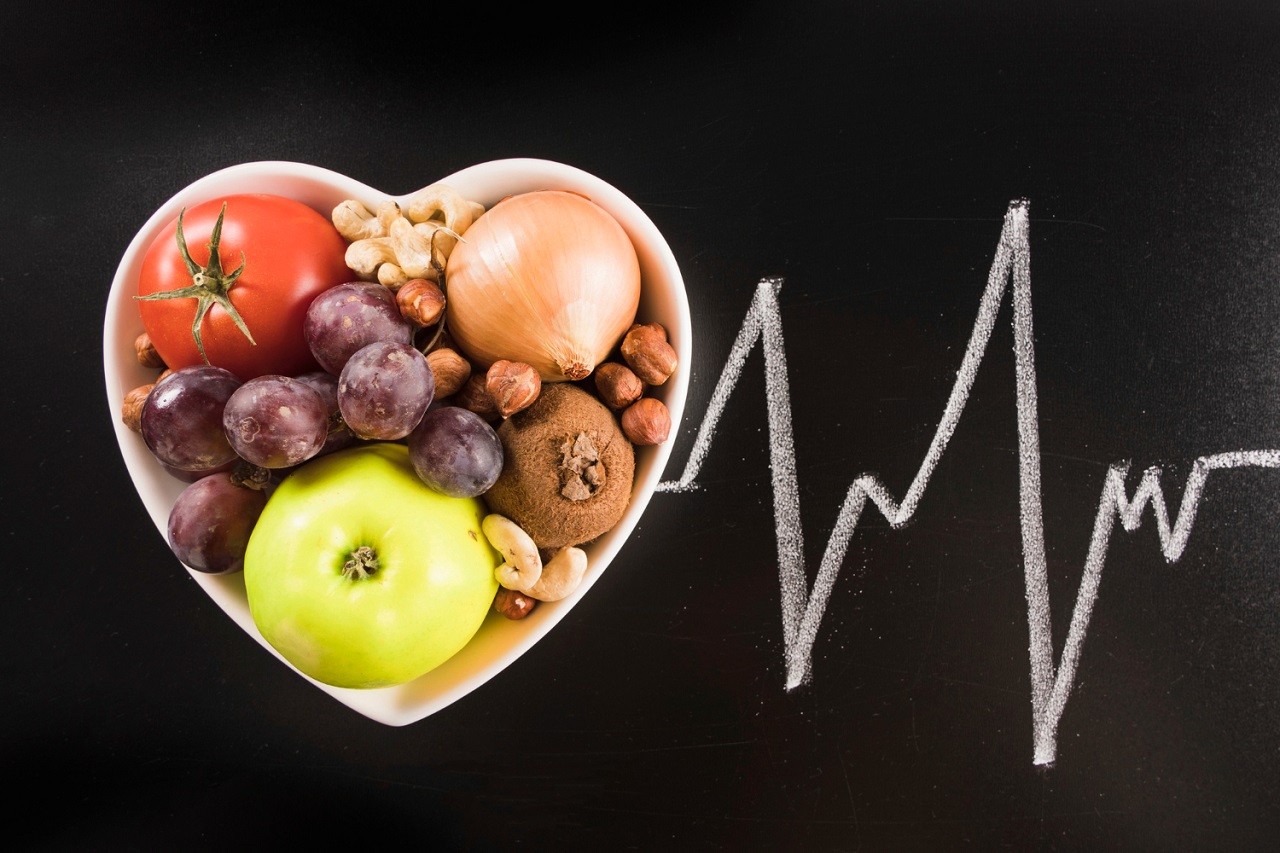
Its tremendous work pressure is never-ending but meritorious. But sometimes, just because of negligence and ignorance, we cannot pay attention to the well-being of our hearts. Lack of proper diet, eating fried foods, inactive lifestyle, smoking, and infection give rise to malfunctioning of the heart.

How Can You Prevent Heart Disease?

Changes in lifestyle and modification of diet are the key factors in improving the functioning of the heart and its long life. By following these 8 simple steps, you can have a healthy heart to lead a healthy life!

1. Include more Fruits, Vegetables and Whole grains

Prevent Heart DiseaseFruits & vegetables are rich in vitamins & minerals and low in calories. They also keep a check on cholesterol levels as they are very rich in dietary fiber. A diet rich in dietary fiber maintains weight as well as the gut. You need to select whole grains over refined grains as whole grains are rich in complex carbohydrates and control blood pressure and are good for the heart. Include quinoa, broken wheat, barley, oats, and whole wheat flour.

2. Keep a Check on Foods Containing Sodium

Sodium plays an important role in elevating blood pressure, increasing the risk of heart disease. Limiting salt intake is very important as in every meal, sodium is introduced and the total count increases unknowingly.

Canned food, pickles, chutneys, sauces, soups, and market mixtures are all loaded with salt and increase the total intake of salt. It’s always advised to keep an eye on evening snacks too, which are generally filled with biscuits, cookies, and mixtures.

Salads and fruits should be taken without salt and as these are rich in potassium – which can help to keep sodium on the lower front. The habit of table salt should be discouraged.

3. Choose Healthy Fats

Healthy fats should be an integral part of a heart-healthy diet. One should limit fat intake to 2-3 tsp per day including visible and non-visible fats. Butter, mayonnaise, and cheese can be replaced with homemade healthy spreads.

Poly and mono-unsaturated fats are good choices over saturated fats but all should be taken in limited amounts as all fats are high in calories. Nuts, seeds, and olive oil are good choices.

4. Make Portion Control a Habit

Portion ControlQuality and quantity both are important while having meals. Portion control is very important as it maintains and controls calories and weight. Utensils are selected for portion control and all food groups should be included to make it a balanced diet.

5. Never Skip Breakfast

Skipping breakfast and having unhealthy foods for breakfast is not at all good. As breakfast is the first meal of the day, it should be healthy and should contain a combination of proteins & complex carbohydrates. Skipping breakfast lowers the metabolism and makes the next meal heavier.  A healthy breakfast makes a healthy heart and mind too.

6. Choose Low-Fat Sources of Protein

Try to incorporate protein in every meal as it maintains weight and as the body is made up of protein, the requirement of protein is more. Pulses, seeds, and nuts are good low-fat sources of protein and should be included in daily routines.

Toned milk & milk products are preferred over whole-fat milk to keep a check on cholesterol levels. Lean meat, poultry, fish & eggs are also some of the best sources of protein that can be taken.

7. Menu Planning Should Be Done Prior & Keep One Day for a Treat

A menu can be made so that all options are at your doorstep and you don’t need to think daily about what to have in meals. Include all veggies, fruits, pulses, grains, nuts, seeds, milk & milk products.

Any one day, you can add a little cheat meal so that overindulgence will not happen and your taste buds will get satisfied as a little fun is important as well.

8. Set a 30 min Physical Activity Goal

To maintain proper functioning of the heart, one should do daily 30 min of physical activity that could be anything including brisk walking, yoga, cardio, or strength training. Walking is an overall exercise that improves blood supply, improves lung capacity and is also good for the gut. Take out 30 min of time for walking either in the evening or morning.

The above points, if kept in accordance with daily routine, will make the heart stronger and happier for a long period of time. If your heart is happy, you are happy!

If this article helped you, let us know in the comments below! Find more tips on living a healthy life here. If you want to make these habits a part of your daily life and need help, reach out to a GOQii Coach by subscribing to Personalised Health Coaching here.

#BeTheForce 

January 31, 2026 By Mrinali Dwivedi Leave a Comment

Carrots, Beetroots and Tomatoes For Good Health!

carrots, beetroots and tomatoesStress, oily foods, greasy foods, smoke, smog and air pollution give rise to free radicals in our body. These free radicals cause cell damage and bring about aging in us. Antioxidants capture these free radicals and protect our cells and blood vessels from the damage caused by them. Thus, antioxidants are great for our skin, heart, metabolism and are anti-aging. Carrots, Beetroots and Tomatoes are among the vegetables that have the highest amount of these antioxidants. Carrots are rich in Vitamin A that helps build immunity and eyesight, while beetroots have blood pressure lowering properties and tomatoes are heart healthy and skin brightening!

The combination of carrots, beetroots and tomatoes helps in weight loss and curb constipation as well. The nutrients of these are best absorbed when taken in combination with each other. Though available throughout the year, they’re the best during winter! Here are some easy ways to make very low calories, yet satiating recipes with this wonderful combination. 

3 Healthy Recipes Using Carrots, Beetroots and Tomatoes

1. CBT Juice
Want to get rid of toxins? Employ Carrots, Beetroots and Tomatoes for a cleansing, detox drink that will flush out all those toxins! 

What you will need: 

  • Carrot – 1 medium sized 
  • Beetroot – 1 
  • Tomato – 1 
  • Mint – 5-6 leaves
  • Coriander – 2-3 twigs 
  • Rock salt and lemon juice – to taste 

Method:

  1. Peel and roughly chop the carrot, beetroot and tomato
  2. Blend them along with mint and coriander leaves in a blender/juicer
  3. Add some water if required while blending to bring a juice like consistency.
  4. Add lemon juice, rock salt and mix well

Important: Do not strain, or you’ll lose all the good fiber. Drink the juice within 15 minutes of preparation or else the juice gets oxidised and may lose most of its healthy goodness. The best time to have this is on an empty stomach in the morning – do not eat anything for the next half an hour. 

2. CBT Salad
Confused about what to eat for lunch? Want something that’s filling and low on calories? Let this CBT Salad be your go-to recipe! 

What you will need: 

  • Carrot – ½ cup grated
  • Beetroot – ½ cup 
  • Tomato – ½ cup finely chopped            
  • Onion – ¼ cup 
  • Coriander leaves – 1 tablespoon chopped
  • Mint leaves – 1 tablespoon 
  • Lemon juice – 1 tablespoon 
  • Sesame seeds – 1 teaspoon 
  • Salt to taste 
  • You can also add: Yoghurt, chopped walnuts, feta cheese

Method:

  • Mix and toss all the chopped and grated vegetables
  • Add lemon juice and salt.
  • Garnish with chopped coriander and mint leaves
  • You can pour a temper of curry leaves and mustard seeds over this salad
  • Yoghurt can be mixed with this salad
  • Add some finely chopped walnuts or sesame seeds for a nutty flavour and the good fats.
  • Feta cheese will add some first class protein

Important: Wash all the vegetables properly. Squeeze the lemon just before consuming the salad. Salad should be consumed within 20-25 minutes of preparation to avoid the nutrients getting oxidised. Start lunch with this salad as it will curb post-meal glucose excursion. Aids weight loss, as it is filling and has less calories.

3. Soup
In the mood for soup? Here’s something we’re sure you haven’t tried before! 

  • Tomatoes – 5 
  • Carrots – 2 
  • Beetroot – 1 
  • Ginger garlic paste – 1 tablespoon 
  • Cinnamon stick – 1 inch 
  • Bay leaf – 1 
  • Ghee (Clarified butter) – 1 tablespoon 
  • Salt, cumin powder, chili flakes, fresh pepper, dry herbs (oregano, basil, parsley) to taste.

Method:

  1. Pressure cook the carrots, beetroots and tomatoes with the cinnamon stick, bay leaf and enough water to soak for 2 whistles
  2. Cool down the boiled vegetables. Discard the cinnamon stick, bay leaf and the skin from the tomatoes. Puree the rest in a blender
  3. Heat 1 tablespoon ghee (clarified butter) in a medium pot. Add the ginger garlic paste and be sure to not burn it
  4. Carefully pour the puree in the pot
  5. Add cumin powder, salt, chili flakes and fresh ground pepper as per taste
  6. Bring to a boil on medium high heat, stirring the mixture a few times
  7. Sprinkle some dry herbs and serve hot! 

Important: The best time to have this soup is for a light dinner or a healthy evening snack. 

We hope you enjoy all the amazing benefits offered by this healthy combination of Carrots, Beetroots and Tomatoes! Do try out all the recipes and let us know in the comments below! For more on nutrition, check out Healthy Reads or ask a GOQii Coach by subscribing for Personalised Health Coaching here.

Eat healthy and #BeTheForce  

Disclaimer: The information provided in this blog is for general awareness and educational purposes only. It is not intended to replace professional medical advice, diagnosis, or treatment. Always consult a qualified healthcare provider for personalised medical guidance or concerns related to your health.

January 28, 2026 By GOQii Leave a Comment

The Hidden Longevity Divide in India: How Urban Health Expectations Are Declining

The life expectancy in India has steadily increased over the years. We live longer lives compared to our past generations, and that is something to be proud of. However, a hidden reality lies beneath these figures.

The years that remain free from illness known as Healthy Life Expectancy haven’t increased at the same rate as our lifespan.

World Health Organisation (WHO) data from 2021 indicates that our healthy life expectancy at birth was approximately 58 years, a slight increase from 54 years in 2000, despite our overall life expectancy rising much faster.

The implication is clear: Urban Indians are living an increasingly larger portion of their lives afflicted by diseases. We aren’t just adding years to life; we are adding years of life with conditions like diabetes, hypertension, and cardiac issues.

To understand the forces creating this hidden divide and how to close it, let’s look at the “Four Horsemen” of urban health.

  1. Pollution: The Invisible Ager

The air pollution problem in India is vast. According to the landmark Global Burden of Disease (GBD) Study, an estimated 1.67 million deaths in India were associated with air pollution.

The effects of breathing toxic air in cities like Delhi, Mumbai, and Kolkata are not restricted to the lungs. It leads to systemic inflammation, accelerating ageing from within. It increases the risk of:

  • Heart attacks and strokes
  • Insulin resistance
  • Metabolic disturbances

Toxic air is an everyday stress factor that your body fights 24/7.

  1. The Urban Plate: Stuffed with Calories, Starved of Nutrients

The food environment in our cities has transformed. Traditional, home-cooked meals are being replaced by ultra-processed foods, sugary drinks, and industrial bakery products.

These foods interfere with your metabolism long before you see changes on the weighing scale. They cause spikes in insulin and inflammation—major drivers of Metabolic Syndrome.

In select cities, over 30% of the adult population faces metabolic syndrome (a combination of obesity, hypertension, and high cholesterol). This isn’t just a statistic; it is a warning that the disease burden looms large.

  1. The “Sitting” Epidemic

Physical inactivity is a public health crisis. Worldwide, almost 31% of adults do not fulfil the lowest standards of physical activity. In India, the urban corporate culture of long commutes and desk jobs exacerbates this.

Inactivity accelerates:

  • Glucose metabolism deterioration
  • Muscle wasting
  • Obesity

A 30-minute workout is great, but it cannot fully reverse the consequences of sitting in a chair for 10 hours. We need to move throughout the day, not just at the gym.

  1. The Reactive Trap: Late Diagnosis

The most devious aspect of this health shift is its timing. Issues like fatty liver or insulin resistance can lie latent for years before symptoms appear.

Most urban Indians visit a doctor only after symptoms develop. This “reactive approach” means we miss the golden window for early intervention and reversal.

Flipping the Script: How Digital Health Can Help

Here is where the picture stops being dark. Digital health isn’t just a tech trend; it is the tool we need to close the longevity gap.

  • Wearables & AI: Continuous Glucose Monitors (CGM) and fitness trackers make invisible patterns visible. You can see exactly how that samosa or that stressful meeting affects your body in real-time.
  • Upstream Care: We need to move from episodic care (hospital visits) to daily awareness. Postponing the progression of diabetes by even a few years can drastically improve your quality of life.

Conclusion: From “Living Longer” to “Living Well”

There is a strong urge to celebrate increased life expectancy, but a lifespan without vitality is not a success. A nation that lives longer but stays sick for longer incurs a heavy cost—both financial and physical.

Closing this gap demands broad changes: cleaner cities, better food choices, and intelligent workplaces. But it also requires you.

India’s hidden longevity divide is not inevitable. It is the consequence of choices we can change. The goal is to ensure your Healthspan (years of health) increases at the same rate as your Lifespan.

That is the point when “to live longer” will finally mean “to live well.”

Ready to close the gap and take control of your healthspan? Reach out to our certified experts by subscribing to GOQii’s Personalised Health Coaching here.

#BeTheForce

Disclaimer: The information provided in this blog is for general awareness and educational purposes only. It is not intended to replace professional medical advice, diagnosis, or treatment. Always consult a qualified healthcare provider for personalised medical guidance or concerns related to your health.

  • « Previous Page
  • 1
  • 2
  • 3
  • 4
  • …
  • 136
  • Next Page »

Search

Recent Posts

  • Healthy Eating: The Ultimate Healthy Chivda
  • Nutrition Guidelines For Seniors During Winter
  • Unleashing the Power of Polyphenols: A Vital Ally for Cancer Survivors
  • The Longevity Plate: A Guide to Assembling a Functional Diet at 80 Years Old
  • Carrots, Beetroots and Tomatoes For Good Health!

Stay Updated

Archives

  • February 2026 (4)
  • January 2026 (14)
  • December 2025 (19)
  • November 2025 (15)
  • October 2025 (20)
  • September 2025 (6)
  • August 2025 (6)
  • July 2025 (12)
  • June 2025 (18)
  • May 2025 (16)
  • April 2025 (22)
  • March 2025 (23)
  • February 2025 (22)
  • January 2025 (25)
  • December 2024 (22)
  • November 2024 (24)
  • October 2024 (22)
  • September 2024 (24)
  • August 2024 (30)
  • July 2024 (21)
  • June 2024 (26)
  • May 2024 (31)
  • April 2024 (27)
  • March 2024 (29)
  • February 2024 (26)
  • January 2024 (21)
  • December 2023 (15)
  • November 2023 (11)
  • October 2023 (19)
  • September 2023 (22)
  • August 2023 (19)
  • July 2023 (22)
  • June 2023 (24)
  • May 2023 (24)
  • April 2023 (24)
  • March 2023 (23)
  • February 2023 (19)
  • January 2023 (15)
  • December 2022 (11)
  • November 2022 (15)
  • October 2022 (15)
  • September 2022 (12)
  • August 2022 (10)
  • July 2022 (17)
  • June 2022 (11)
  • May 2022 (10)
  • April 2022 (6)
  • March 2022 (6)
  • February 2022 (13)
  • January 2022 (12)
  • December 2021 (7)
  • November 2021 (3)
  • October 2021 (6)
  • September 2021 (3)
  • August 2021 (8)
  • July 2021 (7)
  • June 2021 (15)
  • May 2021 (16)
  • April 2021 (10)
  • March 2021 (7)
  • February 2021 (4)
  • January 2021 (4)
  • December 2020 (3)
  • November 2020 (4)
  • October 2020 (10)
  • September 2020 (3)
  • August 2020 (3)
  • July 2020 (2)
  • June 2020 (4)
  • May 2020 (10)
  • April 2020 (12)
  • March 2020 (10)
  • February 2020 (4)
  • January 2020 (4)
  • December 2019 (3)
  • November 2019 (7)
  • October 2019 (5)
  • September 2019 (4)
  • August 2019 (9)
  • July 2019 (9)
  • June 2019 (11)
  • May 2019 (4)
  • April 2019 (8)
  • March 2019 (8)
  • February 2019 (9)
  • January 2019 (8)
  • December 2018 (9)
  • November 2018 (3)
  • October 2018 (3)
  • September 2018 (5)
  • August 2018 (10)
  • July 2018 (6)
  • June 2018 (13)
  • May 2018 (8)
  • April 2018 (18)
  • March 2018 (9)
  • February 2018 (8)
  • January 2018 (15)
  • December 2017 (12)
  • November 2017 (19)
  • October 2017 (13)
  • September 2017 (15)
  • August 2017 (4)
  • July 2017 (8)
  • June 2017 (7)
  • May 2017 (6)
  • April 2017 (8)
  • March 2017 (6)
  • February 2017 (7)
  • January 2017 (9)
  • December 2016 (10)
  • November 2016 (7)
  • October 2016 (7)
  • September 2016 (7)
  • August 2016 (11)
  • July 2016 (9)
  • June 2016 (9)
  • May 2016 (12)
  • April 2016 (17)
  • March 2016 (17)
  • February 2016 (8)
  • January 2016 (6)
  • December 2015 (2)
  • November 2015 (9)
  • October 2015 (7)
  • September 2015 (9)
  • August 2015 (11)
  • July 2015 (9)
  • June 2015 (12)
  • May 2015 (9)
  • April 2015 (13)
  • March 2015 (8)
  • February 2015 (5)
  • January 2015 (12)
  • December 2014 (14)
  • November 2014 (11)
  • October 2014 (6)
  • September 2014 (13)
  • August 2014 (12)
  • July 2014 (6)
  • June 2014 (2)
  • May 2014 (7)
  • April 2014 (5)

From “Laddu Nawin” to Fit and Fierce: How a 25-Year-Old Insurance Advisor Shed 20 Kilos and Gained His Life Back

When 25-year-old Nawin Yadav from Hyderabad walked into his office every morning, he carried more than just his files and policy papers. He had the weight of fatigue, sluggish energy, and an ever-growing belly that was becoming the butt of jokes. “People … [Read More...]

“I’ve Challenged Myself to Live 100 Years” – The Story of Chandubhai Savani’s Second Chance at Life

At 67, most people start slowing down. Not Chandubhai Savani. A resident of Surat, Chandubhai, thought life was on track. “My life was going well till I had my bypass surgery,” he says. That surgery, back in 2021, was a wake-up call.  Medication was routine, but exercise wasn’t. His diet? What he calls ‘normal.’ “I […]

From Shimla’s Slopes to Chandigarh’s Sidewalks: Surinder Kaur Bhalla’s Journey from Chaos to Control

Some journeys start with a plan. Others begin with a stumble literally. Surinder Bhalla, a government professional, born and raised in the scenic hill town of Shimla, had always lived a life of movement. “In Shimla, you walked everywhere,” she reflects. “Walking was never an exercise. It was just life.” But after shifting to Chandigarh, […]

Ananda Mukherjee Health Story

From Terminal Illness To Complete Wellness! Ananda Mukherjee Health Story

As we observe World Cancer Day under the powerful theme ‘United by Unique’ (2025-2027)**, we are reminded that every individual’s journey with cancer is distinct, yet united by shared resilience, hope, and the collective fight against this disease. This theme places people at the centre of care and their stories at the heart of the […]

  • HOME
  • HEALTHY LIVING
  • FITNESS
  • HEALTHY RECIPES
  • USER STORIES
  • KARMA
  • BUY GOQii

Copyright ©2016 GOQii