GOQii

Blog

  • HOME
  • HEALTHY LIVING
  • FITNESS
  • HEALTHY RECIPES
  • USER STORIES
  • KARMA
  • BUY GOQii

September 26, 2024 By Hardika Vira 1 Comment

Learn and know the symptoms of Poly Cystic Ovarian Syndrome (PCOS)

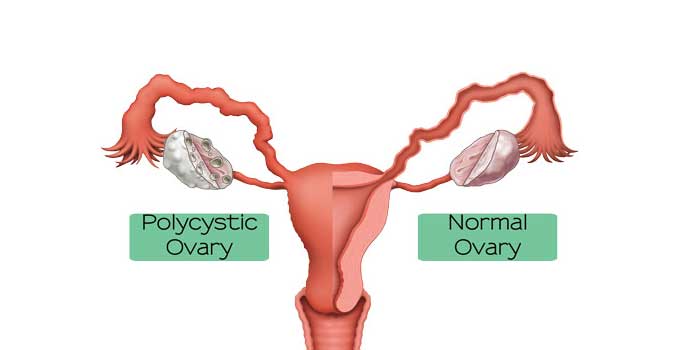
PCOYou must have come across many women among your friends, neighbourhood and even within your family suffering from PCOS, a common endocrine disorder among women of reproductive age. Women with PCOS may have enlarged ovaries that contain small collections of fluid — called follicles — located in each ovary, as seen during an ultrasound exam.

A woman diagnosed with PCOS often feels like she has acquired a severe condition, worrying that she will not be able to conceive, her menstrual cycle will remain irregular, and she will continuously gain weight. These negative thoughts and stress can further worsen the condition. When they visit gynecologists, the treatment often involves oral contraceptives, hormonal pills, insulin sensitizers, and diuretics, which treat the symptoms but do not reverse the condition.

In my 4 years of practice as a dietician, I have encountered many women with PCOS, and by purely implementing lifestyle changes, I have successfully helped them reverse PCOS. Many have also been able to conceive and deliver healthy babies.

To help you better understand and relate to this condition, here is some important information about PCOS and ways to reverse it.

Signs and Symptoms of PCOS:

  1. Irregular or no menses, leading to weight gain
  2. Acne and oily skin
  3. Hirsutism Facial hair growth, abnormal hair growth and distribution
  4. Obesity, which increases insulin resistance and hormonal imbalance
  5. Dandruff or excessive flaky skin
  6. Skin discoloration
  7. Hypercholesterolemia due to poor diet and lifestyle
  8. Hypertension, due to weight gain, which puts pressure on the arteries
  9. Diabetes caused by insulin resistance, leading to weight gain

Causes:

  1. Obesity: Especially abdominal obesity
  2. Stress: Stress and lack of sleep lead to excessive production of cortisol, a stress hormone that raises blood sugar levels and insulin resistance, contributing to belly fat accumulation
  3. Lack of exercise: Physical activity improves insulin sensitivity and glucose uptake, while the release of endorphins (feel-good hormones) reduces cortisol levels
  4. Excessive intake of aerated drinks: These drinks contain high-fructose corn syrup (HFCS), which is not metabolized properly and gets stored as fat, particularly in the abdominal area

What Should the Treatment Be?

A simple lifestyle change can work wonders. A good exercise regime, regular and balanced meal patterns, and a stress-free life can reverse PCOS.

So you would want to know what should be done and how, right?

Some Do’s and Don’ts:                                                                        

1. Meal patterns:

  • Consume whole grain products over refined ones
  • Stop consuming aerated drinks
  • Include a variety of colored vegetables rich in fiber, vitamins, and minerals
  • Drink at least 2-3 liters of water a day
  • Include foods rich in Omega 3 fatty acids like flaxseeds, almonds, nuts, and fatty fish
  • Consume at least 3-4 servings of soy per week, as it is rich in phytoestrogen, which helps improve estrogen levels in women. Processed soy is better as processing removes natural inhibitors.
  • Avoid alcohol consumption

2. Physical activity:

Engage in at least 30 minutes to 1 hour of physical activity daily. This helps produce endorphins, reducing cortisol levels and relieving stress. Exercise also improves glucose uptake, normalizes blood sugar levels, reduces insulin resistance, aids in weight control, increases HDL cholesterol, and lowers blood pressure.

3. Stress reduction:

Stress plays a major role in acquiring lifestyle related disorders

It is very important to keep your stress levels under control.

Ways to reduce stress levels:

  • Getting enough good sleep each day
  • Practicing pranayama (deep breathing exercises)
  • Meditation
  • Pursing hobbies or sports
  • Spending time with loved ones

By maintaining an active body, a peaceful mind, and healthy eating habits, you can reverse many lifestyle-related disorders. The power to change lies within you, and taking small steps towards a better lifestyle can make all the difference.

We hope this article provided valuable insights into managing PCOS. If you’ve found these tips helpful or have your own experiences to share, let us know in the comments below! For more articles on reversing PCOS and improving your overall well-being, check out Healthy Reads, or speak to a certified expert by subscribing to GOQii’s Personalised Health coaching here.

#BeTheForce

Disclaimer: The information provided in this blog is for general awareness and educational purposes only. It is not intended to replace professional medical advice, diagnosis, or treatment. Always consult a qualified healthcare provider for personalised medical guidance or concerns related to your health.
September 12, 2024 By Pradnya Shinde Leave a Comment

Dealing with Menopausal Hot Flushes and Night Sweats

“A sharp sensation of heat suddenly rises to my head. I go red in my face, but after a few minutes, its gone”.



“I begin to perspire. My clothes and hair start to get drenched as though I’ve just run few kms. Suddenly, after a while, it vanishes. Then, I’m not sure when this will occur again.

The above are statements made to me by women who experienced hot flashes for a long time. It is ANNOYING and EMBARRASSING.

This is a typical problem that women face during menopause. In order to escape this awkward circumstance, a lot of women even have a tendency to quit their jobs. Let us understand this issue a little more better.

Understanding Hot Flushes

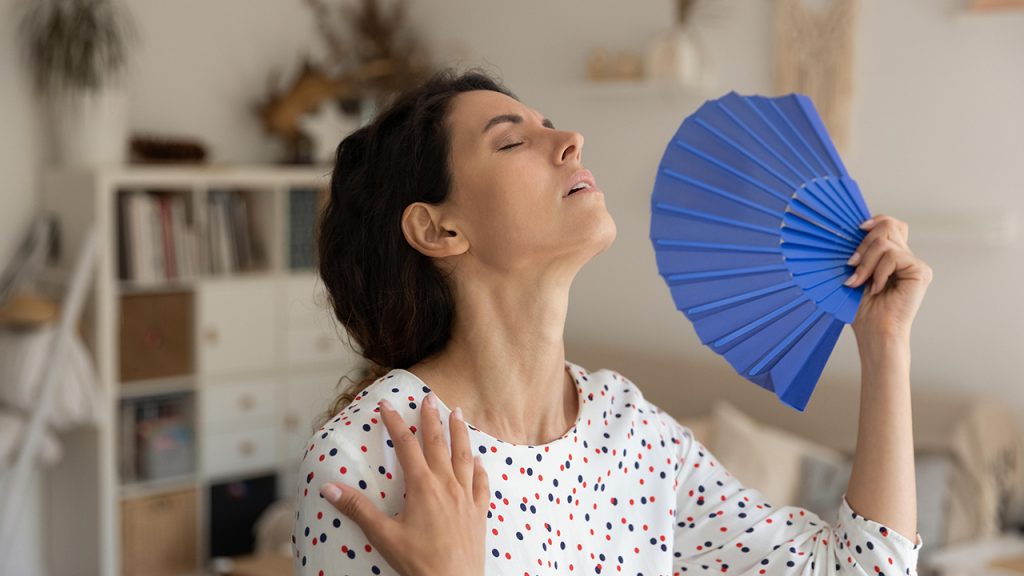
A hot flush, commonly experienced as a sudden and intense sensation of heat affecting the upper body, primarily impacts the face, neck, chest, back, and arms. This phenomenon is characterized by visible redness and can lead to heavy perspiration. In some cases, the sensation may extend throughout the entire body.

The duration of a hot flush can vary significantly, lasting from a few seconds to as long as ten minutes. The frequency of these episodes also varies widely among individuals, occurring several times within an hour, a few times daily, or even just once weekly.

Hot flushes that occur during the night are referred to as night sweats. These can significantly disrupt sleep and are often troublesome. Typically beginning at the onset of menopause, hot flushes may persist for a decade or longer, affecting each individual differently.

Understanding Hot Flushes: Causes, Triggers, and Management

What Causes a Hot Flush?
Hot flushes commonly occur during perimenopause, a phase marked by the onset of irregular menstrual cycles. This period is characterized by significant fluctuations in estrogen levels, which disrupt the brain’s temperature regulation system. As a result, the body attempts to cool down through sweating.

What Triggers a Hot Flush?
Several factors can trigger hot flushes, including dietary and environmental influences, as well as lifestyle habits. Common triggers include:

  • Spicy foods
  • Caffeine
  • Smoking
  • Alcohol consumption
  • Wearing tight clothing
  • Obesity
  • Stress
  • Exposure to warm environments or consuming warm or icy foods

Managing Hot Flushes:

It is essential to consult a healthcare provider annually for reproductive health issues. During these consultations, doctors can offer guidance on managing symptoms of perimenopause, including hot flushes. Treatment options may include hormonal therapies, which help stabilize hormone levels, or non-hormonal strategies, which can alleviate symptoms without using hormone replacement therapies.

Lifestyle Adjustments to Manage Hot Flushes Effectively

To reduce the frequency and intensity of hot flushes, consider making several key lifestyle changes:

Avoid Triggers: Steer clear of known triggers like spicy foods, caffeine, and tobacco. Opt for decaffeinated coffee, limit alcohol intake to one drink at a time, and control smoking habits to minimize occurrences.

Increase Omega-3 Intake: Omega-3 fatty acids, known for their anti-inflammatory properties, may help alleviate hot flushes. Sources include fatty fish like salmon, tuna, and mackerel, as well as vegan options such as flax seeds, chia seeds, and hemp seeds.

Incorporate Plant-Based Estrogens: Consuming foods rich in isoflavones and phytoestrogens, such as soy, tofu, chickpeas, and lentils, may help manage symptoms by mimicking estrogen.

Try Seed Cycling: This technique involves consuming specific seeds at different times of the month to balance hormone levels. For the first 14 days, eat two tablespoons of pumpkin and flax seeds, followed by two tablespoons of sesame and sunflower seeds for the next 15 days. These seeds also offer healthy fats, fiber, and nutrients.

Opt for Natural Fabrics: Wear comfortable undergarments and clothing made from natural fibers like cotton, linen, and bamboo, which are breathable. Dress in layers to easily adjust to temperature changes, and consider light, loose-fitting clothing for additional comfort.

Manage Body Temperature: Start your day with a cold shower to decrease the likelihood of hot flushes. Carry a portable or neck fan when outdoors. For night sweats, use breathable cotton bedding, cooling blankets, or cooling pillows, and keep your sleeping environment cool with air conditioning or fans.

Maintain a Healthy Weight: Address obesity by adhering to a nutritious diet and regular exercise routine. Aim for 30 minutes of mild exercise daily to help manage weight and reduce hot flush occurrences.

Practice Stress-Relief Techniques: Engage in relaxation practices such as yoga, mindfulness, and meditation. Simple deep breathing exercises can also be effective—inhale slowly through the nose, hold your hand on your belly to feel it rise, and exhale slowly through the mouth.

Consider Cognitive Behavioral Therapy (CBT): CBT can be beneficial for reducing anxiety related to hot flushes. It helps in identifying and reforming anxiety-triggering thoughts. Discuss the possibility of CBT with your therapist for tailored advice.

Implementing these strategies can significantly improve your management of hot flushes, enhancing comfort and overall quality of life.

Embracing Menopause with Confidence
Now that you have a better understanding of how to manage and mitigate hot flushes and night sweats, it’s important to remember that menopause is a natural phase of life, not a disease. With the right strategies and care, you can continue to lead a fulfilling and normal life.

We hope this article provides valuable insights for managing menopausal hot flushes and night sweats, helping you maintain a comfortable and balanced life. If you found this information useful, share your thoughts in the comments below. For personalised guidance and support, connect with our certified experts by subscribing to GOQii’s Personalised Health Coaching here.

#BeTheForce

Disclaimer: The information provided in this blog is for general awareness and educational purposes only. It is not intended to replace professional medical advice, diagnosis, or treatment. Always consult a qualified healthcare provider for personalised medical guidance or concerns related to your health.

August 26, 2024 By Ravishankar Balasubramanian 3 Comments

How to Create a Better and Healthy India

women's healthA young woman, who seemed slightly on the heavier side, approached me on the walking track at the Coimbatore-Race Course. She asked for tips on health management and weight reduction, even suggesting that I create a group to help with these goals. This encounter inspired me to share my thoughts in this blog.

Creating awareness among women about the importance of staying physically fit is the first step towards building a healthier India. In my opinion, healthy women are the cornerstone of healthy societies. Health and fitness are two sides of the same coin, both essential for living a healthy and happy life.

While women excel in many areas, taking care of their health is often not one of them. The reality is that women are more likely than men to neglect preventive health care. My conversations with women reveal that fitness is one of their top wellness challenges. But why is that?

Following are the commonly cited reasons by women as barriers to exercise:

  1. Women are too busy taking care of others to focus on themselves. Their dedication to family creates significant time and logistical barriers to being physically active. Many women juggle household responsibilities and jobs, leaving little time for their health or self-care.
  2. They may not have access to resources such as parks and gyms, and they often lack motivation and confidence to exercise.
  3. Reasons for weight gain may be attributed to the inheritance of genetic predisposition or caesarean sections undergone by them.
  4. Lack of energy is yet another factor as fatigue is a by-product of a tiring lifestyle and women are often tired.
  5. Women with low incomes are less likely to exercise regularly.  They do not realize that not all exercises require expensive clothes or a gym membership. One of the most beneficial forms of exercise is free – brisk walking!
  6. Mindset is yet another factor, as women feel that going outside for a walk or to hit the gym is not necessary for them.
  7. Breaking the laziness barrier is the main hurdle for most people irrespective of gender.
  8. Women feel that they are constantly being looked at by others when walking in public. They are reluctant and shy to wear jogging suits and walk with their cellulite jiggling appearance, as they feel that they will be laughed at. This is true especially among South Indian women as cultural factors play a major role in this part of India. The fear of judgement is greater than the women’s self-confidence.
  9. Women who believe that child-rearing and domestic chores are ‘women’s work’ are less likely to take time to exercise – perhaps they feel guilty taking time out for themselves. Sexism proves to be one of the barriers.
  10. Some others think that to be useful, exercise must be painful, sweaty and gruelling, which of course is not true.

How Can Women Improve Their Health?

Women, as health managers or promoters within their families, have a significant role in influencing overall family health. It’s time for women to prioritize their well-being and adopt a healthy lifestyle.

  • Lose weight if you are overweight, start with just 15 minutes of walking a day.
  • Eat a balanced diet. Cook healthy meals for yourself and your family instead of relying on takeout or processed foods.
  • Eat the right food in correct proportions at the right time as women have the habit of delaying their meal timings owing to the pressure of work.
  • Create time for walking as walking is considered the king of exercises. It offers numerous benefits without risking injury or stress on the body.
  • Regular Brisk Walking can help you maintain a healthy weight. It prevents and/or manages various medical conditions, including heart disease, high blood pressure and type 2 diabetes.
  • Find a walking partner if you are not motivated to walk alone. For instance, your husband, parents, friends, relatives or your children. You can even join a local walking group.

Delaying simple aerobic exercise can lead to obesity and various health issues. Without proper awareness, women may feel lost when it comes to maintaining their health. By overcoming initial reluctance, women can adopt a balanced approach to fitness, directly influencing the well-being of their families. Women are the backbone of India, and their health is crucial to the nation’s well-being.

We hope this article encourages you to prioritize your health. If it did, share your thoughts in the comments below! For more tips on fitness and nutrition, explore our Healthy Reads. Ready to take charge of your health? Get personalized guidance from GOQii’s health experts by subscribing here.

#BeTheForce for a healthier you!

August 18, 2024 By Apurwa Agrawal 3 Comments

Antenatal Exercises for a good pregnancy

safe-pregnancy-exercises

One of the most beautiful experiences a woman can have is that of being pregnant. However, a first-time pregnancy often brings with it a lot of uncertainty and hesitancy. To ease this pressure, I decided to share my experience of pregnancy and how I overcame the uncertainties and other challenges.

Ideally, a woman should enjoy her pregnancy, indulging herself without being overly concerned with the weighing scale. I understand that the body undergoes several changes during this period, which can create mental and physical stress. Hormonal changes also occur, with one of the major hormones, RELAXIN, causing joint to become hypermobile and increasing ligament laxity, which can lead to pain and inflammation.

How Do We Balance This Situation with Recommendations for Pregnancy?

Just two words – Prenatal Exercises

Yes, you heard it right!

A sensible workout plan and willpower during pregnancy were key for me. Being open to maintaining self-control and moderation with indulging truly made all the difference.

It is recommended that women who have normal, healthy pregnancy should get 30 minutes of exercise on most days of the week (at least 5 days).

Let’s take a look at how these exercises help during pregnancy:

  • Reduces aches and pains during pregnancy
  • Improves stamina and provides more energy to cope with the growing demands of pregnancy
  • Improves posture and sleeping patterns
  • Helps in more controlled weight gain
  • Increases the chance of a normal delivery
  • Enhances psychological well-being
  • Increases circulation, thereby reducing swelling and edema
  • Reduces the risk of gestational diabetes and pregnancy-induced hypertension

Keep these tips in mind while exercising:

  • Always warm up before exercising, and cool down afterward
  • Avoid any strenuous exercise in hot weather
  • Drink plenty of water and other fluids
  • If you attend exercise classes, make sure your instructor is properly qualified and knows that you’re pregnant including how many weeks pregnant you are
  • Swimming is a good cardio exercise as the water supports your increased weight, but it should be done under the supervision of a professional trainer.

If you’ve never worked out before, start slowly. Listen to your body and proceed accordingly. There’s no point in rushing and risking injury. Additionally, there are certain situations in which you should stop exercising immediately:

  • Excessive shortness of breath
  • Chest pain or palpitations
  • Pre-syncope or dizziness
  • Painful uterine contractions or preterm labour
  • Leakage of amniotic fluid
  • Vaginal bleeding
  • Excessive fatigue
  • Abdominal pain, particularly in back or pubic area
  • Reduced fetal movement.

I hope this blog encourages you to maintain or increase your fitness level during pregnancy. I’ll be sharing my workout routine in my next blog for you to use as a reference or adopt if you feel so inclined. Until then, stay tuned, and feel free to comment if you have any questions and don’t forget to share it with someone who may need it. You can find more articles on Women’s Health here. You can also use the Women’s Care feature in the GOQii App to track your menstrual cycles, pregnancy and more. Download the app now.

#BeTheForce 

Disclaimer: The information provided in this blog is for general awareness and educational purposes only. It is not intended to replace professional medical advice, diagnosis, or treatment. Always consult a qualified healthcare provider for personalised medical guidance or concerns related to your health.

  • « Previous Page
  • 1
  • 2
  • 3
  • 4
  • 5
  • …
  • 13
  • Next Page »

Search

Recent Posts

  • Navigating the Maze of Nutrition: Finding Clarity Amidst Confusion
  • Get children active and keep them healthy
  • What Gestational Diabetes Can Do To You & Your Unborn Child
  • Breathing – A Forgotten Art
  • The Incredible Benefits Of Milk You Might Not Know

Stay Updated

Archives

  • December 2025 (3)
  • November 2025 (15)
  • October 2025 (20)
  • September 2025 (6)
  • August 2025 (6)
  • July 2025 (12)
  • June 2025 (18)
  • May 2025 (16)
  • April 2025 (23)
  • March 2025 (23)
  • February 2025 (22)
  • January 2025 (26)
  • December 2024 (26)
  • November 2024 (25)
  • October 2024 (22)
  • September 2024 (24)
  • August 2024 (31)
  • July 2024 (21)
  • June 2024 (26)
  • May 2024 (31)
  • April 2024 (27)
  • March 2024 (29)
  • February 2024 (26)
  • January 2024 (25)
  • December 2023 (15)
  • November 2023 (11)
  • October 2023 (22)
  • September 2023 (22)
  • August 2023 (20)
  • July 2023 (22)
  • June 2023 (24)
  • May 2023 (24)
  • April 2023 (24)
  • March 2023 (23)
  • February 2023 (20)
  • January 2023 (16)
  • December 2022 (12)
  • November 2022 (15)
  • October 2022 (15)
  • September 2022 (12)
  • August 2022 (10)
  • July 2022 (17)
  • June 2022 (11)
  • May 2022 (10)
  • April 2022 (6)
  • March 2022 (6)
  • February 2022 (13)
  • January 2022 (12)
  • December 2021 (7)
  • November 2021 (3)
  • October 2021 (6)
  • September 2021 (3)
  • August 2021 (8)
  • July 2021 (7)
  • June 2021 (15)
  • May 2021 (16)
  • April 2021 (10)
  • March 2021 (7)
  • February 2021 (4)
  • January 2021 (4)
  • December 2020 (3)
  • November 2020 (4)
  • October 2020 (10)
  • September 2020 (3)
  • August 2020 (3)
  • July 2020 (2)
  • June 2020 (4)
  • May 2020 (10)
  • April 2020 (12)
  • March 2020 (10)
  • February 2020 (4)
  • January 2020 (4)
  • December 2019 (3)
  • November 2019 (7)
  • October 2019 (5)
  • September 2019 (4)
  • August 2019 (9)
  • July 2019 (9)
  • June 2019 (11)
  • May 2019 (4)
  • April 2019 (9)
  • March 2019 (8)
  • February 2019 (9)
  • January 2019 (8)
  • December 2018 (9)
  • November 2018 (3)
  • October 2018 (3)
  • September 2018 (5)
  • August 2018 (10)
  • July 2018 (6)
  • June 2018 (13)
  • May 2018 (8)
  • April 2018 (18)
  • March 2018 (9)
  • February 2018 (8)
  • January 2018 (15)
  • December 2017 (12)
  • November 2017 (19)
  • October 2017 (13)
  • September 2017 (15)
  • August 2017 (4)
  • July 2017 (8)
  • June 2017 (7)
  • May 2017 (6)
  • April 2017 (8)
  • March 2017 (6)
  • February 2017 (7)
  • January 2017 (9)
  • December 2016 (10)
  • November 2016 (7)
  • October 2016 (7)
  • September 2016 (7)
  • August 2016 (11)
  • July 2016 (9)
  • June 2016 (9)
  • May 2016 (12)
  • April 2016 (17)
  • March 2016 (17)
  • February 2016 (8)
  • January 2016 (6)
  • December 2015 (2)
  • November 2015 (9)
  • October 2015 (7)
  • September 2015 (9)
  • August 2015 (11)
  • July 2015 (9)
  • June 2015 (12)
  • May 2015 (9)
  • April 2015 (13)
  • March 2015 (8)
  • February 2015 (5)
  • January 2015 (12)
  • December 2014 (14)
  • November 2014 (11)
  • October 2014 (6)
  • September 2014 (13)
  • August 2014 (12)
  • July 2014 (6)
  • June 2014 (2)
  • May 2014 (7)
  • April 2014 (5)

From “Laddu Nawin” to Fit and Fierce: How a 25-Year-Old Insurance Advisor Shed 20 Kilos and Gained His Life Back

When 25-year-old Nawin Yadav from Hyderabad walked into his office every morning, he carried more than just his files and policy papers. He had the weight of fatigue, sluggish energy, and an ever-growing belly that was becoming the butt of jokes. “People … [Read More...]

“I’ve Challenged Myself to Live 100 Years” – The Story of Chandubhai Savani’s Second Chance at Life

At 67, most people start slowing down. Not Chandubhai Savani. A resident of Surat, Chandubhai, thought life was on track. “My life was going well till I had my bypass surgery,” he says. That surgery, back in 2021, was a wake-up call.  Medication was routine, but exercise wasn’t. His diet? What he calls ‘normal.’ “I […]

From Shimla’s Slopes to Chandigarh’s Sidewalks: Surinder Kaur Bhalla’s Journey from Chaos to Control

Some journeys start with a plan. Others begin with a stumble literally. Surinder Bhalla, a government professional, born and raised in the scenic hill town of Shimla, had always lived a life of movement. “In Shimla, you walked everywhere,” she reflects. “Walking was never an exercise. It was just life.” But after shifting to Chandigarh, […]

Ananda Mukherjee Health Story

From Terminal Illness To Complete Wellness! Ananda Mukherjee Health Story

As we observe World Cancer Day under the powerful theme ‘United by Unique’ (2025-2027)**, we are reminded that every individual’s journey with cancer is distinct, yet united by shared resilience, hope, and the collective fight against this disease. This theme places people at the centre of care and their stories at the heart of the […]

  • HOME
  • HEALTHY LIVING
  • FITNESS
  • HEALTHY RECIPES
  • USER STORIES
  • KARMA
  • BUY GOQii

Copyright ©2016 GOQii