GOQii

Blog

  • HOME
  • HEALTHY LIVING
  • FITNESS
  • HEALTHY RECIPES
  • USER STORIES
  • KARMA
  • BUY GOQii

June 4, 2025 By GOQii 20 Comments

Myths, Tips and Tricks for Weight Loss

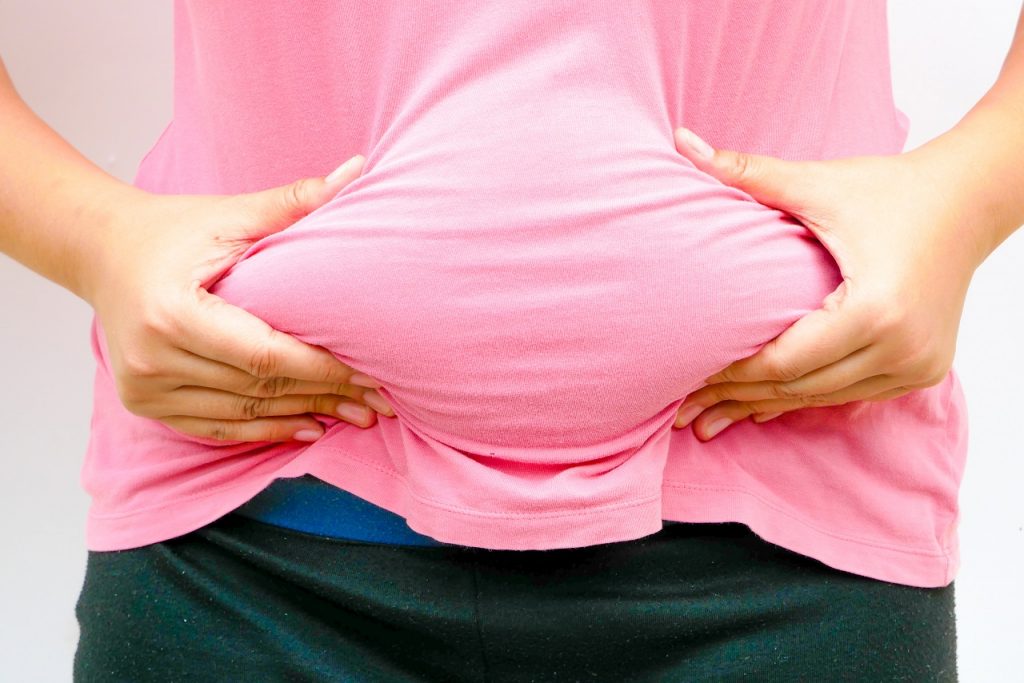
Weight LossAre you struggling to lose weight? Have you tried everything from fad diets to exercise routines and health clubs but found no lasting results? Perhaps you’ve even regained the kilos as quickly as you lost them. So, when it comes to weight loss—what actually works?

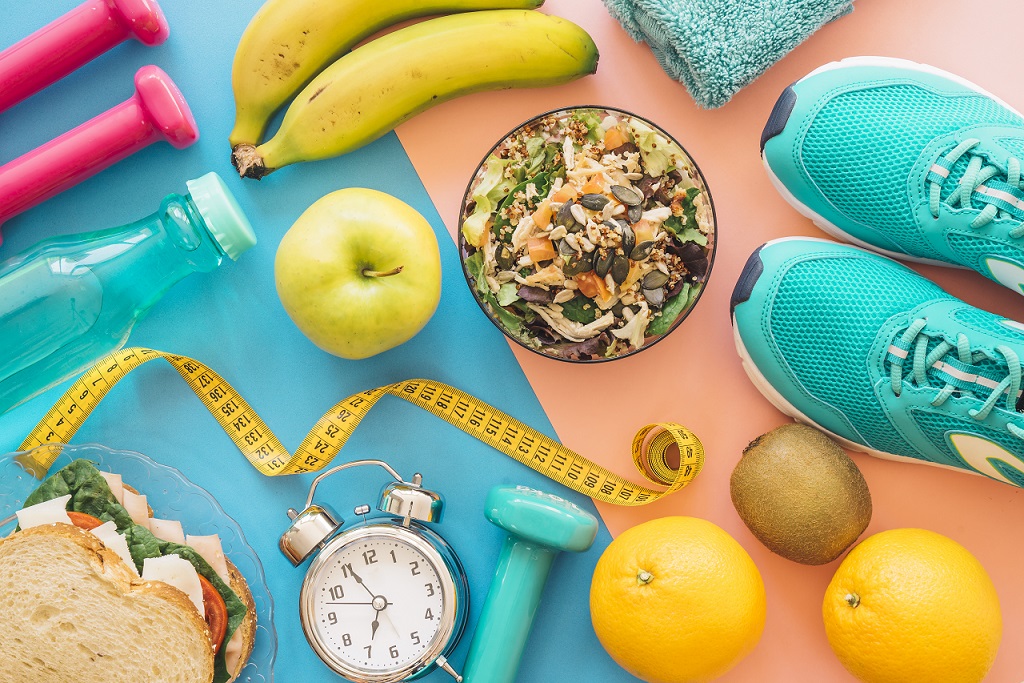
Since every person’s body type and composition differ, weight loss varies from individual to individual. What remains common, however, is that weight loss must be holistic—diet alone isn’t the answer. The ideal approach combines several lifestyle factors.

The key to weight loss lies in making lasting changes to both your eating habits and overall lifestyle. Weight gain doesn’t happen overnight—it’s not the result of a few weeks or even months, but often years of overeating and poor habits. The safest and most effective way to lose weight is sensibly. For instance, shedding a kilo a week is both achievable and sustainable.

Crash diets should be avoided—they tend to fail over time. Extreme diets can slow down the body’s metabolism. Sustainable weight loss comes from gradual, permanent dietary changes. Don’t try to overhaul your diet all at once. Begin with small tweaks and build on them until balanced, nutritious choices become your new normal. Gradual change is more likely to form lasting habits.

Some Myths, Tips & Fun Tricks For Weight Loss

Myths

  • A glass of warm water in the morning helps you lose weight: Many believe hot water on an empty stomach melts fat. But fat doesn’t dissolve in water—hot or cold.
  • Switching sugar with honey will aid weight loss: While honey has many therapeutic properties, curing obesity isn’t one of them.
  • Bananas are fattening: This fruit is often misunderstood. It has calories similar to other fruits and is a great source of potassium. It’s filling and helps relieve constipation.
  • Standing while eating burns more calories: Not quite. You’re likely to eat more while standing. It’s always better to sit and eat mindfully—unless circumstances demand otherwise.
  • Skipping breakfast is good for dieting: Avoid skipping breakfast. It may lead to overeating later. Your body is in a fasting state overnight, and breakfast helps refuel and kickstart metabolism.
  • Potatoes are fattening: Surprisingly, potatoes are a better option than bread—boiled potatoes are far less fattening than fried ones or refined carbs.
  • Saunas help in shedding kilos: You might feel refreshed post-sauna, but the weight lost is only water. Once you rehydrate, your weight returns.

Tips

  • Eat plenty of leafy greens, fruits and whole grains.
  • Stay well-hydrated. Often, what feels like hunger is actually thirst. Here’s how to tell the difference.
  • Watch your nutrient intake. Divide your plate into four quarters – fill half with vegetables and fruits. The rest can be balanced between dairy, beans or cereals.
  • Choose smaller, more frequent meals over the traditional three – breakfast, lunch and dinner. Ideally, eat every 2.5–3 hours.
  • Have a colourful plate – with natural colours! Think vibrant vegetables and fruits for both nutrition and visual appeal.
  • Eat mindfully and chew thoroughly. It improves digestion, encourages portion control and reduces overeating.
  • Got a sweet tooth? Don’t deny it—satisfy it mindfully. Pick something that lasts, like a peppermint. If it’s high in sugar or fat, just take a bite—you’re after the taste, not the calories.
  • If indulging in sweets or fried food, have them at breakfast. Your metabolism is most active then—and you’ve got the rest of the day to burn off the extra energy.
  • Lack of sleep can lead to unnecessary snacking. Prioritise restful sleep to support your weight goals.
  • Breathe deeply into your belly. Fat burns in the flame of oxygen. Equal focus on exhaling helps detoxify your system.
  • Move every day. If you’re short on time, even 20 minutes of activity makes a difference. Remember, some movement is better than none!

Tricks

  • Set up a reward system. Having something to look forward to at each milestone helps keep you emotionally and mentally on track.
  • Be realistic with your goals – don’t aim for an unrealistic figure. Achieving a practical target can boost your confidence to keep going.
  • This might sound odd – but it works. When tempted by a snack, take a deep breath and count to 100. Chances are, the craving will pass.
  • Craving chocolate? Take a whiff of a strong perfume—it can dull the urge.
  • Try pinching your ear! Reflexologists believe it can curb cravings and reduce appetite.
  • Stay motivated. Visualise your desired weight or outfit. Imagine how you’ll feel and how others will respond. That mental image can be a powerful motivator.

The takeaway? Weight loss is a by-product of a healthy, active lifestyle. It’s you who has to get up, get moving, and choose a healthier path—meal by meal, step by step.

Do you have any other myths, tips or tricks you’d like to share? Drop them in the comments below! For more on Weight Loss, check out Healthy Reads. For the right guidance and motivation to work towards your health goals, subscribe for GOQii’s Personalised Health Coaching here.

#BeTheForce

Disclaimer: The information provided in this blog is for general awareness and educational purposes only. It is not intended to replace professional medical advice, diagnosis, or treatment. Always consult a qualified healthcare provider for personalised medical guidance or concerns related to your health. Images shown are for representation purposes only and may not depict the exact recommendations or outcomes.
June 2, 2025 By Meenakshi Sharma 2 Comments

What Is Visceral Fat & Why It Is Dangerous

visceral fat

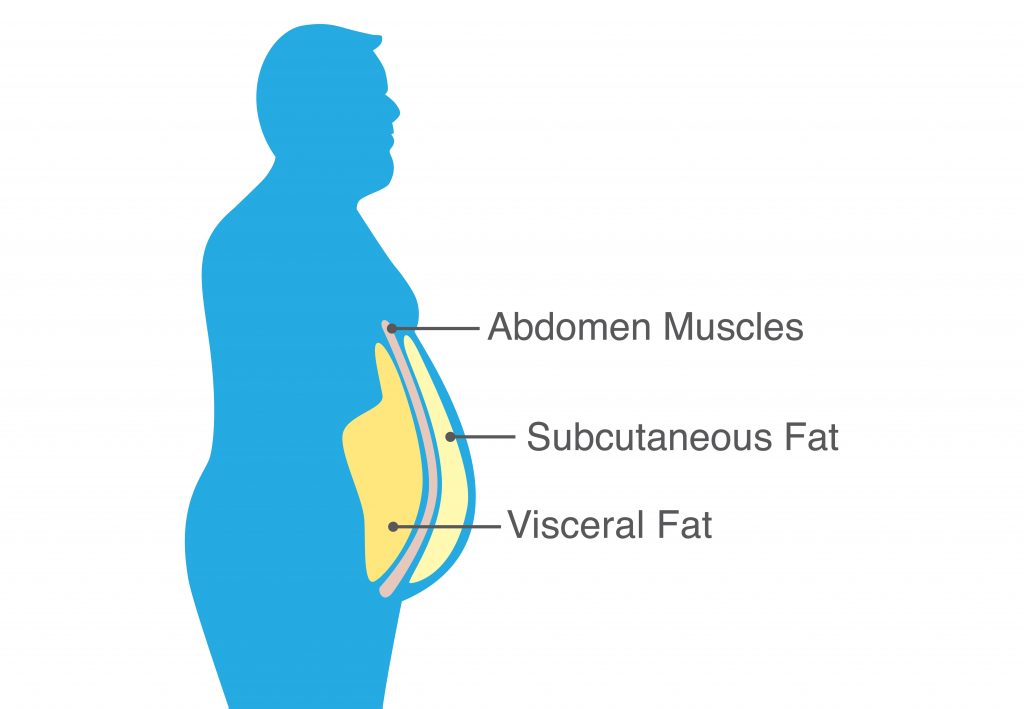
You might have heard of the term belly fat, but you might not be aware of terms like subcutaneous and visceral fat. Subcutaneous fat is the kind you can grasp with your hand on any part of your body. It sits under the skin. Belly fat, or what experts call visceral fat, is a particularly dangerous type of fat that forms inside the abdomen. It surrounds internal organs like the liver and intestines, and is also known as ‘active fat’ because it influences how hormones function in the body.

You can have too much belly fat even with a normal BMI. So, pay attention to your waist circumference rather than the number on the scale.

How To Measure It

  1. Waist size: This is an easy way to get a rough estimate. Wrap a tape measure around your waist over your belly button (don’t suck in your stomach). For women, 35 inches or more is a sign of visceral fat. For men, it’s 40 inches.
  2. BMI: Body mass index is a formula for how much you weigh relative to your height. A BMI of 30 or higher is overweight. That could be a sign of visceral fat. In Asia, a BMI of 23 or higher could be a concern.
  3. Waist-to-hip ratio: Divide your waist size by your hip size. Some doctors think this gives a good indication of your risk for visceral fat. But studies suggest it may be no better than a simple waist measurement.
  4. Body shape: Look in the mirror. If you’re an apple – a big trunk and slimmer legs – it often means more visceral fat, which is more common among men. Women are more likely to be pears with bigger hips and thighs. Research shows that upper body fat is more dangerous to your health, which might be one reason why women usually live longer than men.
  5. Imaging tests: These scans are the only way to check the exact amount of visceral fat you have. If your doctor orders a CT scan or an MRI for another medical condition, they can also assess your visceral fat.

Risks & Dangers Of Excess Visceral Fat

  • Increased Inflammation: If you have more fat stored than needed, especially around visceral organs like the liver, heart, kidneys, pancreas, and intestines, your body becomes inflamed. This fat stores inflammatory white blood cells and is linked with cognitive decline, arthritis, diabetes, and more.
  • Higher Risk of Diabetes: Visceral fat plays a significant role in insulin resistance, heightening the risk of developing diabetes. Abdominal fat is viewed as a bigger health risk than hip or thigh fat. While men are more likely to store visible visceral fat, women are also at risk.
  • Makes It Harder to Lose Weight: Stored body fat, especially visceral fat, affects hunger levels. Leptin, a hormone released by stored fat, regulates appetite, metabolism, and weight. When you eat refined carbs such as white flour and sugar, fat-storing hormones are produced in excess, raising your body’s “set point” and making it hard to follow a moderate, healthy diet.
  • Higher Risk for Heart Disease and Strokes: Inflammatory cytokines produced by fat contribute to heart disease and other inflammatory disorders. Visceral fat is linked to cardiovascular risk factors like high triglycerides, high blood pressure, and high cholesterol.
  • More Likely to Battle Dementia: Studies show that people with larger waistlines have a higher risk of dementia. In fact, many experts believe visceral fat levels (rather than BMI) are a more relevant risk factor in dementia development.
  • Increased Risk of Depression and Mood Disorders: Visceral fat is metabolically active and can interfere with hormones and neurotransmitter function. Depression is especially associated with greater fat storage in women. In one study, visceral fat – not subcutaneous belly fat or waist circumference – was linked with depressive symptoms in women over 50.

How Can You Reduce Visceral Fat? 

  • Exercise: A mix of cardiovascular exercise (e.g. running, cycling, swimming, aerobics, circuit training) and strength training (e.g. squats, weights, push-ups) helps reduce visceral fat.
  • Manage Stress: Chronic stress raises cortisol, which increases fat storage around the abdomen. Relaxation techniques like meditation, deep breathing, and other stress management practices can support fat loss.
  • Balance Diet: Focus on whole foods—fruits, vegetables, whole grains (quinoa, millets, oats), and lean proteins (skinless chicken, fish, eggs, beans). Calcium and Vitamin D are also associated with lower visceral fat. Include leafy greens, tofu, sardines, and low-fat dairy products.

Boiling, steaming, baking, and grilling are healthier cooking methods. Avoid trans fats (often found in processed foods and deep-fried items) and reduce sugar intake. Check labels for ingredients like “partially hydrogenated oils” or “high-fructose corn syrup.”

We hope this article helps you! If you are keen on losing weight in a healthy, sustainable way, you can reach out to an expert by subscribing for Personalised Health Coaching here.

For more articles on weight loss, check out Healthy Reads.

#BeTheForce 

Disclaimer: The information provided in this blog is for general awareness and educational purposes only. It is not intended to replace professional medical advice, diagnosis, or treatment. Always consult a qualified healthcare provider for personalised medical guidance or concerns related to your health. Images shown are for representation purposes only and may not depict the exact recommendations or outcomes.

April 24, 2025 By Luke Coutinho 1 Comment

Start Living, Stop Dieting

drink-more-waterDiets don’t work. They just don’t. You lose weight, and a few months later, it’s all back—sometimes with a little extra.



The ‘diet game’ leads to frustration, guilt, starvation, and social isolation. It begins to dominate conversations at every gathering—someone’s always talking about their weight, their new diet, or envying someone else’s transformation. And slowly, insecurity creeps in. Self-worth becomes tied to a number on the scale.

But here’s the truth: your weight doesn’t define your worth.

The Illusion of Quick Fixes

Now take a moment and really think—if it took you a year or more to gain the extra weight, is it realistic to expect a miracle fix in 3 or 6 months? The human body doesn’t work like that.

If you’re struggling with weight, the first thing to do is reflect. Think about the habits and behaviours that have crept in over the months or years:

  • Extra coffees or sugary drinks
  • Skipping workouts
  • Bigger portions
  • Frequent takeaways or dinners out
  • Mindless snacking
  • Long work hours or disrupted sleep
  • Holiday indulgences

Write it all down. Your solution is in that list. Reduce. Cut back. Add. Shift. You don’t need a specialist to tell you what’s right. Your lifestyle already holds the answers.

One Change Can Spark a Transformation

The most powerful insight from recent research is this:
Even one positive lifestyle change a month, if sustained consistently, can create a ripple effect in your overall health.

You don’t need to overhaul everything overnight. Pick one habit, build it into your routine, and let it settle before moving on to the next.

Some examples:

  • Drink more water
  • Reduce portion sizes
  • Eat fewer processed foods
  • Move your body more often
  • Sleep 7+ hours
  • Cut back on sugar or alcohol
  • Add more fruits and vegetables
  • Practise daily gratitude or breathwork
  • Keep dinner light
  • Stretch before bed

It’s not about extremes. It’s about sustainable, small shifts—ones that make you feel good, not deprived.

Ditch the Fads, Choose What Feels Right

Burning fat and building health is multi-factorial. A diet alone won’t get you there. And if you’re following something you don’t understand or believe in, you’re less likely to stick with it.

Instead, choose what resonates with you. Know your ‘why’. What truly motivates you to feel better, move more, or change the way you eat? Then build from that place—one step, one habit, one victory at a time.

Lasting health doesn’t come from quick fixes or fads—it comes from consistency, patience, and belief in yourself. Stop obsessing over the diet. Start reconnecting with your body, your choices, and your values.

You deserve to feel good in your skin, at your own pace. So start small, stay kind to yourself, and remember:

Real change comes from living—not dieting.

#BeTheForce

April 22, 2025 By Hardika Vira 5 Comments

Common Reasons For Not Losing Belly Fat

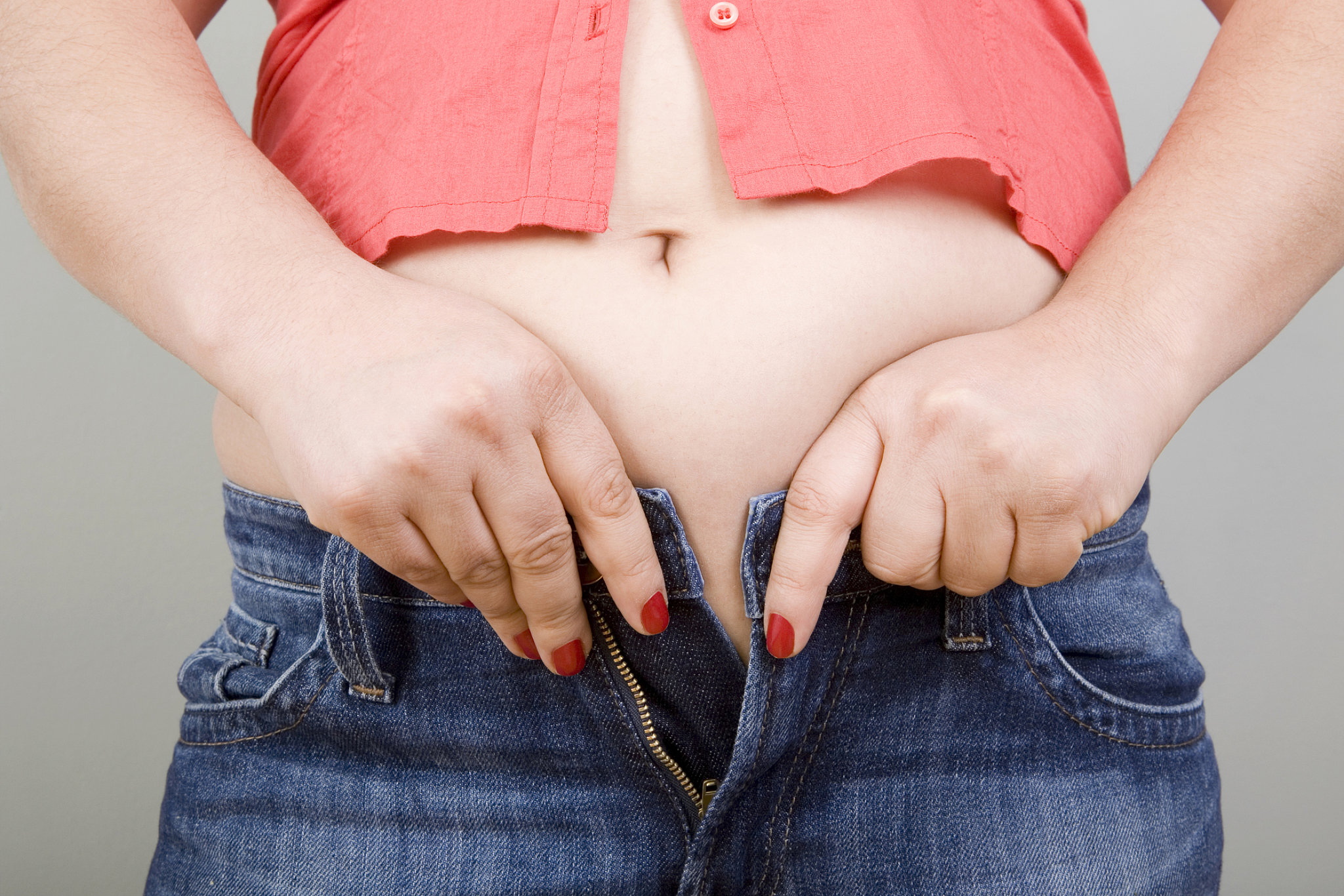
Commons Reasons For Not Losing Belly FatBelly fat is not accumulated in a day or two. It takes several weeks and months of unhealthy eating and lifestyle to build it. When people finally decide to lose belly fat, the first thing they wonder is ‘Why am I not losing belly fat even after exercising so much and cutting down on junk food?’ There are several reasons for it.

Reasons Why You’re Not Losing Belly Fat

Here are a few common reasons why most individuals find it difficult to lose belly fat.

1. Eating Heavy Meals At One Time
Most people struggling with losing belly fat and weight loss are the ones who tend to have too much food at one time. The reason for this is largely either long gaps between the meals or skipping previous meal or if the person consumes food very fast. How is this related to belly fat?

When a person consumes food, it gets broken down to release/provide energy. Firstly, it will fill in the glycogen stores and then the excess calories that are not used up with good physical activity get converted into fats and the most common sites of fat storage is the belly, arms, thighs and buttocks.

When you are having food, only post 20-25 mins of eating, the satiety centers in the brain are activated and you feel full and satisfied. When you eat fast the satiety centers of the brain are not activated and you end up eating more. Small frequent meals and chewing your food thoroughly and eating mindfully is the key to control food portion.

2. Dinner Meals Are High In Carbs & High In Quantity
Due to a hectic schedule, the only meal that we have together with the family turns out to be ‘dinner’ and in turn, it ends up to be the largest meal with a variety of food that the entire family enjoys. Ideally, dinners should be light and should be high in proteins and less in carbs. This is actually vice versa of what is generally practiced.

The reason for the dinners to be light and high in proteins and less in carbs is that post dinner, we are not that active. Hence, there’s no real requirement of all the carbs for energy. The process of recovery of all the muscles that are used up throughout the day, the repairing of all the wear and tear happens during the night and that requires proteins, not carbs.

3. Physical & Mental Stress
This is only with regards to people who are excessively obsessed with exercise to lose belly fat. Excessive exercise leads to physical stress and thus, high cortisol levels. In case of mental stress, you might have noticed that the first thing you would choose is chocolates/ice creams or any comfort foods that are high in sugar or carbs for that matter. At this point of stress, the food gets broken down and is converted to fat and stored in your belly area. Exercise in moderation and keep yourself stress free by indulging in some yoga and meditation or your hobbies.

4. Consumption Of Processed Food
Do you have the habit of reading labels? Do pick one product that you eat the most and read the label today. Most of the processed or ready to eat food products are high in sugar, fat or refined carbs. They are extremely low in fiber as well. Even the fiber enriched product gives less than 2gm of fiber per serving. Read labels and choose wisely. The best solution here is to eat homemade food or you can try some variations to increase fiber intake by incorporating more veggies/fruits along with the main product.

5. Aerated Drinks
Products containing HFCS (High Fructose Corn syrup) or liquid glucose, that are present in all the aerated drinks like Cola, flavored sugar syrups, etc. do not get metabolized and are stored in the belly as fat, which is really tough to get rid off through just activities. Instead, opt for buttermilk, lemon water, coconut water, and fresh lime soda (salted) over the above drinks.

We hope this article helps you make better choices and avoid these common reasons for not losing belly fat.

#BeTheForce

Disclaimer: The information provided in this blog is for general awareness and educational purposes only. It is not intended to replace professional medical advice, diagnosis, or treatment. Always consult a qualified healthcare provider for personalised medical guidance or concerns related to your health.

  • « Previous Page
  • 1
  • …
  • 4
  • 5
  • 6
  • 7
  • 8
  • …
  • 11
  • Next Page »

Search

Recent Posts

  • Navigating the Maze of Nutrition: Finding Clarity Amidst Confusion
  • Get children active and keep them healthy
  • What Gestational Diabetes Can Do To You & Your Unborn Child
  • Breathing – A Forgotten Art
  • The Incredible Benefits Of Milk You Might Not Know

Stay Updated

Archives

  • December 2025 (3)
  • November 2025 (15)
  • October 2025 (20)
  • September 2025 (6)
  • August 2025 (6)
  • July 2025 (12)
  • June 2025 (18)
  • May 2025 (16)
  • April 2025 (23)
  • March 2025 (23)
  • February 2025 (22)
  • January 2025 (26)
  • December 2024 (26)
  • November 2024 (25)
  • October 2024 (22)
  • September 2024 (24)
  • August 2024 (31)
  • July 2024 (21)
  • June 2024 (26)
  • May 2024 (31)
  • April 2024 (27)
  • March 2024 (29)
  • February 2024 (26)
  • January 2024 (25)
  • December 2023 (15)
  • November 2023 (11)
  • October 2023 (22)
  • September 2023 (22)
  • August 2023 (20)
  • July 2023 (22)
  • June 2023 (24)
  • May 2023 (24)
  • April 2023 (24)
  • March 2023 (23)
  • February 2023 (20)
  • January 2023 (16)
  • December 2022 (12)
  • November 2022 (15)
  • October 2022 (15)
  • September 2022 (12)
  • August 2022 (10)
  • July 2022 (17)
  • June 2022 (11)
  • May 2022 (10)
  • April 2022 (6)
  • March 2022 (6)
  • February 2022 (13)
  • January 2022 (12)
  • December 2021 (7)
  • November 2021 (3)
  • October 2021 (6)
  • September 2021 (3)
  • August 2021 (8)
  • July 2021 (7)
  • June 2021 (15)
  • May 2021 (16)
  • April 2021 (10)
  • March 2021 (7)
  • February 2021 (4)
  • January 2021 (4)
  • December 2020 (3)
  • November 2020 (4)
  • October 2020 (10)
  • September 2020 (3)
  • August 2020 (3)
  • July 2020 (2)
  • June 2020 (4)
  • May 2020 (10)
  • April 2020 (12)
  • March 2020 (10)
  • February 2020 (4)
  • January 2020 (4)
  • December 2019 (3)
  • November 2019 (7)
  • October 2019 (5)
  • September 2019 (4)
  • August 2019 (9)
  • July 2019 (9)
  • June 2019 (11)
  • May 2019 (4)
  • April 2019 (9)
  • March 2019 (8)
  • February 2019 (9)
  • January 2019 (8)
  • December 2018 (9)
  • November 2018 (3)
  • October 2018 (3)
  • September 2018 (5)
  • August 2018 (10)
  • July 2018 (6)
  • June 2018 (13)
  • May 2018 (8)
  • April 2018 (18)
  • March 2018 (9)
  • February 2018 (8)
  • January 2018 (15)
  • December 2017 (12)
  • November 2017 (19)
  • October 2017 (13)
  • September 2017 (15)
  • August 2017 (4)
  • July 2017 (8)
  • June 2017 (7)
  • May 2017 (6)
  • April 2017 (8)
  • March 2017 (6)
  • February 2017 (7)
  • January 2017 (9)
  • December 2016 (10)
  • November 2016 (7)
  • October 2016 (7)
  • September 2016 (7)
  • August 2016 (11)
  • July 2016 (9)
  • June 2016 (9)
  • May 2016 (12)
  • April 2016 (17)
  • March 2016 (17)
  • February 2016 (8)
  • January 2016 (6)
  • December 2015 (2)
  • November 2015 (9)
  • October 2015 (7)
  • September 2015 (9)
  • August 2015 (11)
  • July 2015 (9)
  • June 2015 (12)
  • May 2015 (9)
  • April 2015 (13)
  • March 2015 (8)
  • February 2015 (5)
  • January 2015 (12)
  • December 2014 (14)
  • November 2014 (11)
  • October 2014 (6)
  • September 2014 (13)
  • August 2014 (12)
  • July 2014 (6)
  • June 2014 (2)
  • May 2014 (7)
  • April 2014 (5)

From “Laddu Nawin” to Fit and Fierce: How a 25-Year-Old Insurance Advisor Shed 20 Kilos and Gained His Life Back

When 25-year-old Nawin Yadav from Hyderabad walked into his office every morning, he carried more than just his files and policy papers. He had the weight of fatigue, sluggish energy, and an ever-growing belly that was becoming the butt of jokes. “People … [Read More...]

“I’ve Challenged Myself to Live 100 Years” – The Story of Chandubhai Savani’s Second Chance at Life

At 67, most people start slowing down. Not Chandubhai Savani. A resident of Surat, Chandubhai, thought life was on track. “My life was going well till I had my bypass surgery,” he says. That surgery, back in 2021, was a wake-up call.  Medication was routine, but exercise wasn’t. His diet? What he calls ‘normal.’ “I […]

From Shimla’s Slopes to Chandigarh’s Sidewalks: Surinder Kaur Bhalla’s Journey from Chaos to Control

Some journeys start with a plan. Others begin with a stumble literally. Surinder Bhalla, a government professional, born and raised in the scenic hill town of Shimla, had always lived a life of movement. “In Shimla, you walked everywhere,” she reflects. “Walking was never an exercise. It was just life.” But after shifting to Chandigarh, […]

Ananda Mukherjee Health Story

From Terminal Illness To Complete Wellness! Ananda Mukherjee Health Story

As we observe World Cancer Day under the powerful theme ‘United by Unique’ (2025-2027)**, we are reminded that every individual’s journey with cancer is distinct, yet united by shared resilience, hope, and the collective fight against this disease. This theme places people at the centre of care and their stories at the heart of the […]

  • HOME
  • HEALTHY LIVING
  • FITNESS
  • HEALTHY RECIPES
  • USER STORIES
  • KARMA
  • BUY GOQii

Copyright ©2016 GOQii