GOQii

Blog

  • HOME
  • HEALTHY LIVING
  • FITNESS
  • HEALTHY RECIPES
  • USER STORIES
  • KARMA
  • BUY GOQii

June 30, 2016 By Tasneem Jawadwala 12 Comments

All about Snacking

It’s a very common suggestion from most nutritionists to eat “small frequent meals”. Well, however most of the people get confused about what we should eat in-between breakfast –lunch and lunch-dinner.

Ideally, we should keep eating every 2-3 hours so that our metabolism stays high throughout the day but, the question is, ‘IS IT OK TO EAT ANYTHING’?

I am sharing a few points that could help us make right choices to munch on in-between meals.

  1.  Avoid consuming cereal based products in-between meals – This is the most common mistake which I have observed in a lot of people that they snack on cereal items like Sandwich, biscuits, noodles, Puffed Rice, Steamed Rice Cakes (Idli) etc. Some of them may not be unhealthy but they add on to our servings of cereals per day. If we are looking towards weight reduction we should avoid such a mistake.However, adding cereals in-between meals would be a good option for healthy weight gain.
  1.  Add on fruits and vegetables as snacks before meals– Snacking on fruits and salads before meals help us keep our belly full and prevent overeating during main meals.
  1.  Snacks should not always be a solid– Yes we can snack on healthy drinks like coconut water, barley water, lemon water or even vegetable juices like cucumber &tomato juice or radish& lemon juice etc.They make great snack. These liquids hydrate us, therefore they are especially good for people who are not much fond of drinking water.
  1.  Pulses – like Roasted Chick Pea (Chana), Peas, Kidney beans, Whole Sprouts (moong)can be a good protein rich evening snack, if we are looking forward to have light dinners.
  1.  Dried Fruits – Serve as filling and nutritious snacks too. However, we should limit its quantity. For example if we are having almonds then 4-5 almonds would be enough. 7 raisins would make a serving or just 1-2 dates would be a good dose of energy.
  1.  Curd – Homemade curd, I would always say is the best option if you are going through any digestion problems. It also adds to our protein intake and at the same time increases our gut micro flora. Fruit yogurt or buttermilk are other options that could be considered.
  1.  This is my favourite snacking option. It looks filling and tasty but gives minimum calories. I am sure many people opt for them. These are Popcorn, Puffed rice, dried lotus seeds (Makhana) or Roasted grains. Having 1 fistful of them may not give us much calories but it satisfies our gut. They fall in the cereal group however the quantity of cereal is so less that if may not even make ½ a serving when weighed.

Snacking has a lot of benefits, but all we need to do is, keep these points in mind while selecting our snacks. So, next time, when we plan a 6 meal pattern, this is what we shall, consider for best results.

March 30, 2016 By Princee Kalra 3 Comments

‘Do not blame the fats for what the carbohydrate did!’

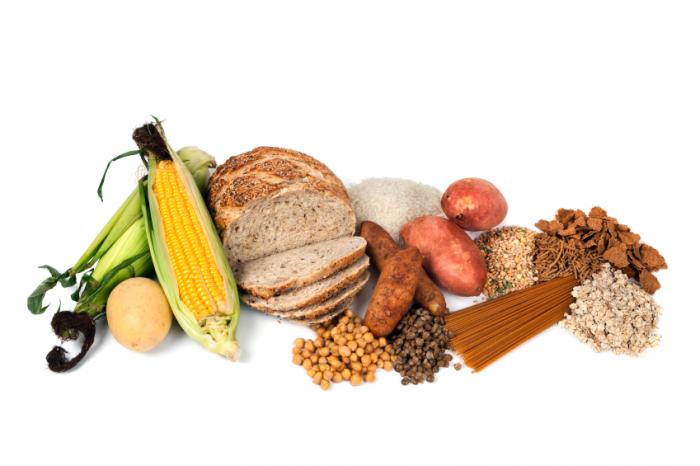
carbohydrate-foods

More than calculating calories it’s imperative to count the composition of each meal with respect to carbohydrates, proteins and fats. Let us Centre our attention on carbohydrates. India is a carbohydrate rich country but, carbohydrate over time is not doing much good to us. All our concerns lie with consuming excess carbohydrate. Carbohydrate (Sugars & Starches) forms a greater proportion of our diet and hence there is manifestation of carbohydrate toxicity which in turn is leading us on the road to impaired insulin levels, weight gain, hormonal imbalance & cardiovascular diseases.

Carbohydrates, like any other nutrient are beneficial only if consumed in the right proportion. The right amount of carbohydrate for most Indians is about 55-60% of total calories with emphasis on complex variety as against 70-72% being consumed at present.  Much of the benefits attributed to carbohydrate foods come from slow digesting, complex variety. They are high in fibre, low in fat and a good source of vitamins hence a crucial part of diet.

Balancing carbohydrate intake is central for managing our diet. So how do we know if we are having the right proportion?

  • Firstly, we need to distribute carbohydrate in our main meals plus in our snacking hours. Piling up carbohydrates during main meals and skipping it at snacks creates a problem.
  • Ditch the wheatflour in chapatti and white rice in main meals atleast thrice a week, try variety of complex carbohydrates such as

Sorghum (Jowar), Pearl Millet (Bajra), Ragi or Red Millet (Nachni), Corn or Maize, Quinoa, Oats, Barley, Semolina(Rava), broken wheat and brown rice. These taste great in our age old recipes such as Sorghum bread, Mix flour cutlets, Ragi or Red Millet Porridge, Mix Flour breads, Brown Rice steamed Idlis, Semolina Pancake, Corn bread, Pearl millet roasted crispy breads!!

  • Avoid refined carbohydrates like Bread (sandwiches), Maida(is a finely milled refined and bleached, closely resembling Cake Flour (Biscuits, Bakery Items, Noodles, Fried Breads (Puri, Bhatura, Naan), Pasta, White Sauce), Sugar (White Sugar, Brown Sugar, Honey, Soft Drinks, Energy Drinks, Sugar Containing Breakfast Cereals, Sweets, Chocolates).
  • Simple carbohydrate such as Fresh fruits are great but avoid fruit juices, 1 glass fruit juice has triple the amount of carbohydrate!
  • Please do not consider Potato, Sweet Potato, Yam (Suran), Colocasia (Arvi) as vegetable, consider it in a carbohydrate rich cereal group. Limit adding of these in vegetables – we love potato mixed with all possible vegetables and even cereals.
  • Do not get tricked with Wheatflour written on food products, Wheatflour is essentially Maida(is a finely milled refined and bleached, closely resembling Cake Flour). Choose food products that have atleast 75% whole wheat flour (WHOLE word is important)! (Oops, do check your brown breads ;))
  • Do not eliminate carbohydrate from your diet just to have a temporary goal satisfaction. Balance is important. It is not the carbohydrate that is immoral but our very low intake of protein and wrong fats, so be smart and choose your foods wisely.

•          Lastly do not eat carb alone – couple 1 serving carb with 1 serving protein & 1 serving vegetables.

March 15, 2016 By Arooshi Garg 3 Comments

9 foods to boost brain functioning during exams

education_student_news

Just as the months of February and March draw near, parents and students both start getting jitters with the onset of examinations. Students spend all their energy and attention towards their studies. Exams are on and it is not just children who are under stress but parents alike.

At times like this, what you eat can make a huge difference in how children and parents deal with the stress. A good diet can significantly reduce stress levels, irritability and promote calmness. Thus, it becomes, even more, important for parents to give them a healthy and wholesome diet which in turn will boost their energy as well as their mental capacity.

Here is a list of foods proven to help in relieving exam stress and giving the much needed increased attention span:

  1. Green vegetables:

Boring and usual as it may sound, all green vegetables have a lot of iron, which helps in increasing memory with the help of increased neurotransmitter flow. Also, high levels of antioxidants keep your child’s brain sharper.

  1. Blue-black-red fruits:

Blackberries, black grapes, blueberries, plums, pomegranate and other fruits black-blue-red in color have high concentrations of antioxidants, vitamins and plant compounds called as phytochemicals which control and inhibit the action of various free radicals which can damage the brain.

  1. Dry fruits and seeds:

Walnuts, almonds, cashew nuts, flax seeds, pumpkin seeds, peanut butter, and hazelnuts are all super rich in vitamin-E. All these keep brain and eyes healthy and stress-free! So include loads of these in their daily diet in raw form, honey coated nuts, in shakes, and salads.

  1. Green Beans and pulses:

Green beans, broad beans, black beans, whole green lentils in sprouted form, soups or stews help in providing regular glucose supply to the brain. As brain can’t store energy for later use like some other organs, it needs continuous supply from glucose. All green beans, lentils help in providing the same.

  1. Strawberries!

Wow!so this is one berry that all kids love. So why not include this in their diet in the form of fruit salads, shakes, and smoothies! These contain compounds called as polyphenolics which reduce oxidative stress on body and brain, repair cell damage and refreshes at the same time!

  1. Soya

Active compounds like peptides in soybean considerably improve stress hormone unbalance, brain circulation and energy metabolism. A study has found high levels of estrogen in soy, which helps in mental alertness. So do add up good amounts of tofu, and soya products in your kid’s diets.

  1. Dark Chocolate:

Believe it or not, this is 100% true. Eating dark chocolate which is over 70% cocoa fights the stress hormone cortisol and has an overall relaxing effect on the body. Plus chocolate releases endorphins which act as a natural stress fighter. So, kids, this is good news, but remember not to go overboard with this one!

  1. Whole grains:

Choose whole grains such as oats, barley, brown rice, whole wheat and Quinoa, sprouted grains and wheat germ to ensure adequate intake of vitamin B and zinc.  B Vitamins and zinc are needed for the proper functioning of the central nervous system. It improves concentration, memory, balance and relieves irritability.

  1. Probiotics:

Yogurt, fermented foods like rice cakes, rice pancakes, and other probiotic foods and drinks are easy to digest, low in fat and high in beneficial gut bacteria, which help in enhancing brain receptors. Also fermented foods are rich in vitamin B-12, excellent for boosting immunity.

Some more pointers:

  • Outside eating is a strict NO-NO- stress levels are high and immune system is weak, so avoiding outside food is the safest bet to avoid infections.
  • Don’t go overboard on caffeine. Caffeine can make you feel anxious, which can contribute to feelings of stress and anxiety. Have a cup of coffee or tea, but don’t go overboard. Experts recommend getting no more than 400mg of caffeine per day for adults. Kids and teens should limit themselves to about 100mg per day (one cup of coffee). If you have had an excess of coffee or tea, try having lemon water for neutralizing effect.
  • Take frequent breaks. The average human brain can only focus on one task effectively for about 45 minutes. In addition, research in neuroscience suggests that focusing on the same thing for too long diminishes the brain’s ability to accurately process it. So take a break every hour and take a walk, listen to music, stretch and relax.
  • Stay hydrated.Be sure to drink plenty of water. Aim for at least 3 liters of water per day. Not drinking enough water can make you feel sluggish and stressed. Add coconut water, buttermilk, apple-beetroot juice, sweet lime juice, and lemon water for a change.
  • A cup of herbal tea can help you feel more relaxed and stay hydrated. Peppermint, chamomile, and green tea are safest and most effective.
  • Exercise regularly. Aerobic exercise can relieve stress, so if you find yourself a nervous wreck before an exam, go for a run, do some yoga or hit the gym.
  • Get enough sleep.Not getting a full night’s rest can contribute to feelings of fatigue, stress, and anxiety. Rest well, maintain a regular wake up and sleep time, read a book before sleeping and make your sleep environment calm and quiet.
  • Eat a proper exam day breakfast.Without a proper breakfast, your energy levels will quickly crash and may lead to stress, anxiety, and fatigue. Be sure to have a healthy, energy packed breakfast on exam day. Try eating foods that provide long lasting energy, such as eggs or oats. Avoid foods that are high in sugar, which will give temporary energy but may cause you to crash mid-exam
  • Remember to breathe.With your eyes closed, take three large breaths, then pause, exhale, and repeat the process. Large, deliberate breaths not only help relax the body but also increases the flow of oxygen to the brain. Use this technique both before the test and during difficult exams.

December 13, 2015 By Parwage Alam 2 Comments

The Best Post-Run Recovery Foods

healthy_food_zps7b67d197

All athletes plan their routine, in terms of their exercise, nutrition; practice sessions all of this is done to get the best results from his/her body. While you might get the expected results with your performance but, that certainly does not mean that your body is also getting the expected nutrition. In fact, some of the best athletes and more recently we have come across cases of regular marathon runners fainting or blacking out during the run or after the run. This situation occurs due to nutrition imbalance in body.

To be healthy we have to take care of our meals throughout the day. Similarly, we have to take care of our post run meals as well to recover our body. By eating the right foods at right times your body will recover and be able to perform the way you want it to. So if you are a runner or planning to run you need to be aware of what exactly you should be eating before, during and after your running events. This is important so that you are able to keep your body in optimal condition.

So let’s understand more about this.

  1. Some basics before your run: If you are planning to jog no longer than 40 or 50 minutes at a relaxed pace, a glass of water might be all that’s needed ahead of time—provided you have had a decent dinner the night before. But, if the previous night’s meal wasn’t filling or if you ate it early, downing some orange juice or a banana will replace glycogen stores in your muscles to wave off sluggishness. If you’re heading out in the afternoon, have a snack with about 50 grams of carbs in it—like yogurt and a granola bar—an hour or two before hand
  2. Post run, our body requires lot of different nutrition, so let’s divide into different category – PROTEIN, CARBS, ELECTROLYTES AND ANTIOXIDANTS.
  • Protein: Protein is the best resource to repair your body. It repairs muscle damage, diminishes the effects of cortisol—the so-called “stress” hormone that breaks down muscle—and, when taken with carbohydrates it speeds your body’s ability to replenish its glycogen stores, your all-important energy source for those long runs during marathon season. So post run your Protein ratio should be 1:4 which means 1 gram of protein for every 4 gram of CARBS
  • Carbs: Carbohydrates or carbs as is known commonly are body’s main fuel source, and are stored as glycogen in the muscles and liver, so eating carbs shortly after your workout helps optimize your body’s recovery. And it is during this time that your muscles are most receptive to rebuilding your glycogen reserves.
  • Electrolytes and Antioxidants: Electrolytes are minerals in our blood and other body fluids like Calcium, Chloride, Magnesium, Phosphorous, Potassium, Sodium, etc that carry an electric charge. It also affects the percentage of water in our body, the acidity of our blood (pH), our muscle functionality, and other important processes. While running, we sweat a lot and we lose electrolytes when we sweat. So we really have to replace our sweat by drinking fluids that contain electrolytes.

The techniques we can use

The fastest recovery techniques post training is rehydration, glycogen resynthesis and protein and antioxidant supplementation. These techniques replenish our muscle fuel supplies, hasten the repair of muscle damage and combat free radical formation in our cells.

Having said all of the above now it’s time for me to provide you with some resources for the post recovery foods that can help to replenish your body with the vital nutrients discussed above.

At first you start restoring the fluids in the body after your long run – the quick fixes for this are sports drink, lemon water or some plain water. However, the recovery process does not stop here so we have some specific foods that can help you to restore your body in recovery.

  • Salmon
  • Cherries
  • Kale
  • Oatmeal
  • Greek yogurt
  • Banana
  • Skim Milk
  • Chicken
  • Hummus
  • Green Tea
  • Tomatoes
  • Lean beef
  • Turkey breast
  • Sports/Energy bar
  • Whole-Wheat Pasta
  • Berries
  • Fruit Juice
  • Low-fat cottage cheese
  • Eggs
  • Almonds or other nuts
  • Vegetables

Its recommended to have your post run meal within an hour or so, but incase if it is not possible then you can go for the following options, which will help you to sustain for some time:

  • Have an apple which will give you some energy and raise your glucose level to sustain.
  • Protein bars, Protein shake with the combination of milk or water, whatever is convenient for you.
  • Banana is really good option to get quick energy.
  • Have Bread with some peanut butter.
  • My Favorite – Chocolate Milkshake.
  • Hummus and carrots
  • Some Greek yogurt.

As we love running and it’s a part of our lifestyle, routine and our health journey, so we really need to take care of the hard impact of it on our body. To continue our journey with running and healthy lifestyle we need to give appropriate rest and relaxation after every run and make sure that our body recovers completely after a every rigorous workout/running.


  • « Previous Page
  • 1
  • …
  • 54
  • 55
  • 56
  • 57
  • 58
  • …
  • 68
  • Next Page »

Search

Recent Posts

  • PCOS and Anxiety: Discover Relief with the 54321 Technique
  • Navigating the Maze of Nutrition: Finding Clarity Amidst Confusion
  • Get children active and keep them healthy
  • What Gestational Diabetes Can Do To You & Your Unborn Child
  • Breathing – A Forgotten Art

Stay Updated

Archives

  • December 2025 (4)
  • November 2025 (15)
  • October 2025 (20)
  • September 2025 (6)
  • August 2025 (6)
  • July 2025 (12)
  • June 2025 (18)
  • May 2025 (16)
  • April 2025 (23)
  • March 2025 (23)
  • February 2025 (22)
  • January 2025 (26)
  • December 2024 (26)
  • November 2024 (25)
  • October 2024 (22)
  • September 2024 (24)
  • August 2024 (31)
  • July 2024 (21)
  • June 2024 (26)
  • May 2024 (31)
  • April 2024 (27)
  • March 2024 (29)
  • February 2024 (26)
  • January 2024 (25)
  • December 2023 (15)
  • November 2023 (11)
  • October 2023 (22)
  • September 2023 (22)
  • August 2023 (20)
  • July 2023 (22)
  • June 2023 (24)
  • May 2023 (24)
  • April 2023 (24)
  • March 2023 (23)
  • February 2023 (20)
  • January 2023 (16)
  • December 2022 (12)
  • November 2022 (15)
  • October 2022 (15)
  • September 2022 (12)
  • August 2022 (10)
  • July 2022 (17)
  • June 2022 (11)
  • May 2022 (10)
  • April 2022 (6)
  • March 2022 (6)
  • February 2022 (13)
  • January 2022 (12)
  • December 2021 (7)
  • November 2021 (3)
  • October 2021 (6)
  • September 2021 (3)
  • August 2021 (8)
  • July 2021 (7)
  • June 2021 (15)
  • May 2021 (16)
  • April 2021 (10)
  • March 2021 (7)
  • February 2021 (4)
  • January 2021 (4)
  • December 2020 (3)
  • November 2020 (4)
  • October 2020 (10)
  • September 2020 (3)
  • August 2020 (3)
  • July 2020 (2)
  • June 2020 (4)
  • May 2020 (10)
  • April 2020 (12)
  • March 2020 (10)
  • February 2020 (4)
  • January 2020 (4)
  • December 2019 (3)
  • November 2019 (7)
  • October 2019 (5)
  • September 2019 (4)
  • August 2019 (9)
  • July 2019 (9)
  • June 2019 (11)
  • May 2019 (4)
  • April 2019 (9)
  • March 2019 (8)
  • February 2019 (9)
  • January 2019 (8)
  • December 2018 (9)
  • November 2018 (3)
  • October 2018 (3)
  • September 2018 (5)
  • August 2018 (10)
  • July 2018 (6)
  • June 2018 (13)
  • May 2018 (8)
  • April 2018 (18)
  • March 2018 (9)
  • February 2018 (8)
  • January 2018 (15)
  • December 2017 (12)
  • November 2017 (19)
  • October 2017 (13)
  • September 2017 (15)
  • August 2017 (4)
  • July 2017 (8)
  • June 2017 (7)
  • May 2017 (6)
  • April 2017 (8)
  • March 2017 (6)
  • February 2017 (7)
  • January 2017 (9)
  • December 2016 (10)
  • November 2016 (7)
  • October 2016 (7)
  • September 2016 (7)
  • August 2016 (11)
  • July 2016 (9)
  • June 2016 (9)
  • May 2016 (12)
  • April 2016 (17)
  • March 2016 (17)
  • February 2016 (8)
  • January 2016 (6)
  • December 2015 (2)
  • November 2015 (9)
  • October 2015 (7)
  • September 2015 (9)
  • August 2015 (11)
  • July 2015 (9)
  • June 2015 (12)
  • May 2015 (9)
  • April 2015 (13)
  • March 2015 (8)
  • February 2015 (5)
  • January 2015 (12)
  • December 2014 (14)
  • November 2014 (11)
  • October 2014 (6)
  • September 2014 (13)
  • August 2014 (12)
  • July 2014 (6)
  • June 2014 (2)
  • May 2014 (7)
  • April 2014 (5)

From “Laddu Nawin” to Fit and Fierce: How a 25-Year-Old Insurance Advisor Shed 20 Kilos and Gained His Life Back

When 25-year-old Nawin Yadav from Hyderabad walked into his office every morning, he carried more than just his files and policy papers. He had the weight of fatigue, sluggish energy, and an ever-growing belly that was becoming the butt of jokes. “People … [Read More...]

“I’ve Challenged Myself to Live 100 Years” – The Story of Chandubhai Savani’s Second Chance at Life

At 67, most people start slowing down. Not Chandubhai Savani. A resident of Surat, Chandubhai, thought life was on track. “My life was going well till I had my bypass surgery,” he says. That surgery, back in 2021, was a wake-up call.  Medication was routine, but exercise wasn’t. His diet? What he calls ‘normal.’ “I […]

From Shimla’s Slopes to Chandigarh’s Sidewalks: Surinder Kaur Bhalla’s Journey from Chaos to Control

Some journeys start with a plan. Others begin with a stumble literally. Surinder Bhalla, a government professional, born and raised in the scenic hill town of Shimla, had always lived a life of movement. “In Shimla, you walked everywhere,” she reflects. “Walking was never an exercise. It was just life.” But after shifting to Chandigarh, […]

Ananda Mukherjee Health Story

From Terminal Illness To Complete Wellness! Ananda Mukherjee Health Story

As we observe World Cancer Day under the powerful theme ‘United by Unique’ (2025-2027)**, we are reminded that every individual’s journey with cancer is distinct, yet united by shared resilience, hope, and the collective fight against this disease. This theme places people at the centre of care and their stories at the heart of the […]

  • HOME
  • HEALTHY LIVING
  • FITNESS
  • HEALTHY RECIPES
  • USER STORIES
  • KARMA
  • BUY GOQii

Copyright ©2016 GOQii