GOQii

Blog

  • HOME
  • HEALTHY LIVING
  • FITNESS
  • HEALTHY RECIPES
  • USER STORIES
  • KARMA
  • BUY GOQii

August 30, 2018 By Divya Thampi Leave a Comment

Empowering Ourselves Against Hopelessness – II

Empowering Practices

What can we do to create an environment of growth and well-being? To build resilience within ourselves and others? To encourage connection and autonomy? Here are few things each of us can do depending upon the roles we play:

  • Invest in relationships

Most people in their 20s, 30s and even in their 40s are busy chasing material wealth along with all the material things that constitute the idea of success in our society. But as mentioned in Part I of this blog, human connection is at the heart of our happiness. To nurture these relationships, try and plan for time with your friends and family, listen deeply and use every opportunity to tell your loved ones how much you love them, not just because it will make them happy but also because it may remind people that they are not alone after all. You never know what magic your words and actions set off.

divya-image 1-part 2

  • Disconnect from social media

Spending a few hours on social media every now and then, every day, may seem like a harmless habit. But it is harmful in more ways than one. One of the more obvious effects of social media is that by its very nature it compels you to compare yourself with others, leaving most users feeling inadequate, isolated and unhappy. Secondly, social media aims to encourage the behaviour of seeking validation. Once you become dependent on external validation, it is almost impossible to experience any peace of mind or keep up your motivation to get through important tasks on your own. Thirdly the only way for social media companies to leverage these virtual platforms is by ensuring that people use it often and for longer periods of time – these platforms are designed to be addictive.

If you haven’t realised it already, then you would like to know that our capability to focus and pay unwavering attention to the tasks we do, is the single most important skill that allows us to grow and progress in our personal and professional life. Consequently, social media when used indiscreetly can strip us of this valuable ability to focus, learn and grow. Use it with care.

divya-image 2-part 2

  • Take care of your body

Body is the only home you have– Mind and body are connected and your body is designed to be used for tasks that activate the muscles. Today’s sedentary lifestyle is hazardous for your health. Imagine a fully powered sports car sitting in the garage. What would happen to it if it is never taken for a ride? It would rust, deteriorate and even become non-functional after a few years. We are no different. The mantra “use it or lose it” is quite apt when it comes to our physical fitness.

Get moving – do yoga, go for walks, hit the gym, play a sport, engage in domestic chores, join a trek, practice dance – do whatever it takes because those muscles and joints need the movement to keep you not just physically but also mentally fit. Besides strengthening the body, physical exercise also helps your brain release endorphins which makes your mind sharper, improves your memory and makes you feel good about yourself.

divyan-image3-part 2

  • Connect with yourself every day

Personal and professional responsibilities, big and small, leave most of us with precious little time for ourselves and whatever little time we do get, gets used up in checking messages, watching mindless TV, browsing the internet or surfing the social media sites. One of the reasons why a lot of us feel disconnected despite being so connected through technology is because we don’t etch out time for introspection – there’s no time to reflect on our daily experiences.

Just like each of us schedules time for personal hygiene, it is important that we make time for emotional and mental hygiene each day. It will not only help us to feel grounded but will also help us to learn and grow as the days come and go, rather than life passing us by in a blur. If possible maintain a notebook to jot down your thoughts about the important events of the day before going to bed or then just do a quick mental review, without getting drawn into over-analysis. Daily practices of mindfulness, even for 20 minutes a day, go a long way toward helping us sleep better and experience a sense of peace.

  • Explore your interests and strengths

Each of us has come into this world with our unique strengths, talents and skills and our most important duty in this lifetime is to use and hone those gifts productively because that’s the only way we can truly and authentically contribute to the world. Pay attention to the tasks that you find interesting and easy to do. These have to be things where you bring something into the world or something that helps your mind grow. Playing video games and watching Television doesn’t count!

Whatever activity it may be, it doesn’t matter whether others consider it valuable or not. These may include doodling, dancing, writing poetry, making origami, acting, compiling letters, writing articles, sketching, painting, growing mushrooms, training or grooming pets or a million other things that you can choose from. Whatever it is, just spend some time doing it and getting better at it every day; if not every day then every other day. Once again, if you don’t schedule time, you will never find the time. Spending even 10 minutes every day in your area of interest/strength is better than waiting for the day when you have 2 hours to spare for that activity. With this simple change, you will find yourself blossoming in ways you didn’t imagine possible!

  • Set goals

“Dreams don’t come true, goals do”

We could keep dreaming about a better life and not a thing would change unless we get up and take action. Goals do just that, they push you into action; they remind you about things that are important to you, they awaken you to the reality of time slipping through your fingers. How many times have you thought that you want to learn something only to realise that even 5 years down the line you haven’t taken any initiative towards the learning? Or you said you want to be a morning person and find yourself waking up after 8 am day after day? Just wishing that your circumstances would change will not cut it. Our mind requires a timeline, clarity, measurability and a constant reminder. Set goals for anything that’s important to you, be it relationships, art, work, interest or a lifestyle. And make sure that these goals are YOURS and not set because others think it is important for you. When there is a purpose to your day, you will see yourself get more effective, efficient and happier.

divya-image 4-part 2

  • Learn to say “no”

I recently had a client who was unhappy because he just could not walk up to people and say what was on his mind. He would keep worrying that he would be taking up their valuable against their will. After some more discussion, it became apparent that the root cause of this challenge was that he himself would never turn away people who made excessive demands on his time.

Innumerable people who feel taken for granted or unvalued do so because they inadvertently end up making themselves available for every small need that others have. Partly our culture may be to blame for this ingrained habit of putting others’ needs ahead of ours. This is not to say that you should selfishly cater only to your own needs, but just like you take care to respect others’ time and needs, you must practice respect for your own needs and time.

Once the consciousness sets in that you always have the option of saying “no” to a request, it will become easier to practice it. Start with smaller requests and before you agree to anything check with yourself if you are also being considerate to yourself. Setting boundaries without a doubt is a significant way in which we can improve our sense of self-worth and self-esteem.

We all aspire to live happy meaningful lives and do not consciously choose to be miserable. At the same time, difficulties and disappointments are an integral part of life. Ending one’s life is not just a random decision people arrive at, rather it is a desperate act resulting from acknowledged and unacknowledged fears, anxieties, disappointments and a hoard of other emotions that may feel overwhelming.

People need to be empowered to understand the fundamentals of living a meaningful life and be equipped to deal with their internal turmoil. It is important to watch out for any signs of abnormal behaviour in our loved ones and let them know that we are available in case they need to speak or just need company. Some empathy, thoughtfulness and gentle care go a long way in bringing people back from the clutches of isolation. Despite that, if someone feels trapped then they should be able to reach out for help from a professional counsellor or psychologist and we must encourage our loved ones to seek help when required.

Like they say ‘charity begins at home’ and hence each of us first needs to focus on living a healthy life ourselves because the important people in our lives are watching and learning from us. We are far more influential than we think, let us infect others with our empowering ways!




August 29, 2018 By Divya Thampi 2 Comments

Empowering Ourselves Against Hopelessness – I

What makes life meaningful?

Divya blog image 1-part 1

News about a school child who just called it quits or a financially troubled couple who decided to give it all up or then a 70-year old who reached the dismal decision to end her life seems to be commonplace these days. It doesn’t surprise us anymore to know that yet another person has resorted to suicide. The ever-increasing number of deaths due to suicide is not just alarming and confounding but also calls for immediate action from individuals, families, organisations and societies at large because it is starting to look like we as a society has lost our moorings.

So what drives people to the brink of such hopelessness? Why do people conclude that only death can save them from their misery? The reasons expressed by the people, before they take this step, are hugely varied; from not scoring high enough marks to feeling like a misfit, to being overcome by a general sense of meaninglessness, the reasons are many. But is there something more fundamental we may be missing? Let’s delve a little deeper…

We know for sure that anyone who decides to end their lives has to be deeply unhappy. Instead of looking at all the reasons why a person may be unhappy, let’s start by looking at what makes people happy. Here, by using the term “happiness” I am not referring to momentary feelings of pleasure but to a sustained sense of well-being despite the challenges that life throws at you.

There are 3 significant contributors to our overall sense of wellbeing and to our feeling of engagement in life. In his book “Drive”, the well-known author Daniel Pink talks about three factors which have a significant impact on an individual’s intrinsic motivation. They are:

  1. Autonomy
  2. Purpose and
  3. Mastery

Divya-Image 2-Part 1

  1. Autonomy – This refers to the freedom to live life on one’s own terms. It is having the ability to make choices as per one’s will (Whether this choice is real or imagined is irrelevant). To understand “Autonomy” better, let’s look at some examples. Autonomy is about the freedom to make significant life choices like what job to take up, whom to marry, where to reside, where to invest one’s money, but it is not limited to these choices. Enjoying the liberty to take day to day and moment to moment decisions like what to wear, what to have for breakfast, whether to exercise or not, how to spend our leisure time etc., goes a long way in establishing our sense of autonomy. The need for autonomy is hardwired in humans and whenever we feel forced to do something against our will, we feel oppressed. This sense of coercion that makes us unhappy may be external or even internal. For instance, when we do things out of a sense of guilt, that feels like a lack of autonomy too and lack of autonomy is one of the most important factors leading to dissatisfaction and unhappiness. Life, of course, doesn’t allow us to live a completely autonomous life because each of us is part of a larger community and compromises are an integral part of community living. However, when we feel that we are largely in charge of our lives, it gives us a sense of satisfaction and happiness, while the lack of it leaves us feeling deeply dissatisfied.
  1. Purpose – When we have a purpose in life we have something to believe in and work towards, which is larger and more important than ourselves. Purpose drives us to persist even in the face of what may seem like an insurmountable challenge and keeps us grounded. When our sense of purpose is strong we often willingly surrender our autonomy and do things we do not enjoy, to progress towards that purpose. Parents may be willing to keep their preferences aside to help move towards their own purpose of helping their child have a better life or an actor may sacrifice opportunities to make money, so as to work towards her purpose of doing great work.

divya-image 3-part 1

  1. Mastery – Mastery is the desire to improve. When we work towards improving a skill through learning and practising, we are working towards mastery. Mastery again requires us to be committed, to overcome obstacles, to practice perseverance and consciously correct our course and practice a skill. For an athlete who is working towards becoming a better runner, her daily improvement gives her a higher sense of fulfilment that does the appreciation and recognition from others. Mastery in itself motivates people to do well and as the mastery in any area of one’s life goes up, it has a knock-on effect on the other parts of their lives and raises their self-esteem. It goes without saying that self-esteem is at the heart of a meaningful and well-lived life.

There’s a fourth aspect which is critical to our happiness, especially when we live as part of a community and that is the connection we have with others.

  1. Relationship with others – A 75 year-long Harvard study on Human happiness, that involved studying the lives of 724 men from the time they were in their early teens up until the time that they reached the ripe old age of 80s and 90s, threw up a very interesting statistic, with regards to happiness. The study established that the single most important factor when it comes to happiness and health is the relationships in our lives. The study found that people who were more socially connected to friends, family and community were happier, physically healthier and lived longer. So, it is not about how many friends you have or whether you are in a committed relationship but about the quality of the close relationships in your life.

As you can see, all these four factors namely Autonomy, Purpose, Mastery and Relationships are interconnected and each has a significant role in contributing to our overall sense of balance and well-being. The absence of any of these factors may foster feelings of oppression, aimlessness, disconnection or a sense of inadequacy or then a combination of all/some of these. These missing pieces leave people feeling like rudderless boats and drive one to take extreme steps to end the feeling of desolation.

(But there is hope and we talk about the steps we can take to live more meaningful lives in Part II of this blog.)


August 9, 2018 By Parwage Alam 196 Comments

Yoga for the beginners: Some myths and benefits

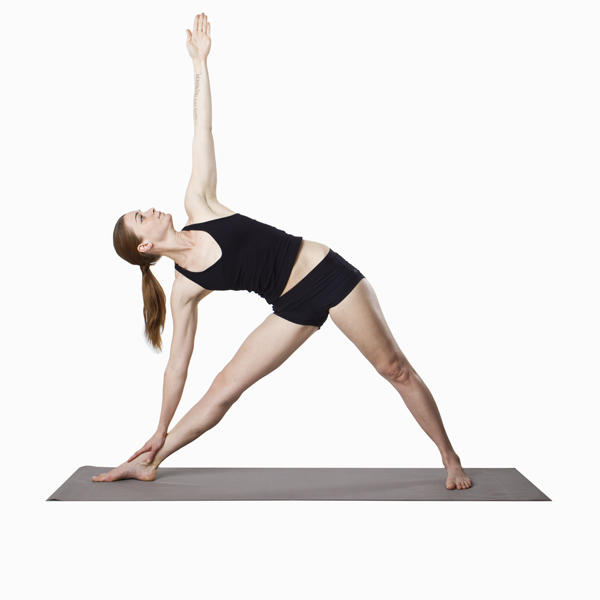
Triangle-PoseCouple of months ago I had written a blog on meditation.(http://goqii.com/blog/author/parwage/). I now follow this written piece with a blog on Yoga which is also one of the ways to get stress free in your life and relax. I have been practicing Yoga for the last 8 years and have full faith in this form of exercise. Yoga can bring about positive changes in your life if practiced well. I personally feel the ‘Power of Yoga’.
Yoga is a precious gift given to us by our elders and can be practiced to better our lives. Originated in India, almost 26,000 years ago, Yoga is believed to have evolved during the period of the ‘Sat Yuga’, also called the Golden age. The term yoga can be derived from either yujir yoga (to yoke) or yujsamadhau (to concentrate).

While Yoga originated in India today, many people across the world practice yoga. Yoga in a way is helping many to achieve their physical fitness goal. Through this blog post, I would like to talk about the myths that are attached with Yoga and the benefits of Yoga for one and all.

A strong and flexible body, glowing beautiful skin, peaceful mind, good health – whatever you may be looking for, yoga has it on offer. Yoga helps you to achieve your overall fitness level. If you do follow Yoga regularly you are not just physically fit but, also mentally and emotionally balanced.

Ten minutes of yoga during the day can be a great way to get rid of stress that accumulates daily – in body and in the mind. This will also help you to achieve your inner peace. Some of yoga asanas are effective techniques to release stress.

Some myths regarding yoga :

  1. There is only one type of yoga:Vinyasa is the most popular type of yoga right now and involves using your breath with movement. Hatha yoga is slower with more static postures. Power yoga is more strengthening and cardiovascular. These are just a sampling of the many available styles today.
  2. Yoga requires time-commitment:If you give 10 min in a day daily to yoga, you can change your life.
  3. Yoga is only for women: This is not true. It has been proven by many schools of yoga that one and all can practice Yoga
  4. You have to be extremely agile: Yes, it’s true that there are some difficult yoga positions but, that doesn’t necessarily mean that you need to be super agile to practice yoga. Most postures can be modified to fit all skill levels or you can choose a position that isn’t so hard on the body.

Benefits of Yoga:

Yoga has both physical and mental benefits to the body and mind.

Health Benefits:

Physical benefits: Yoga improves flexibility and muscle joint mobility (Moving and stretching in new ways will help you become more flexible,).

Tones, strengthens and builds muscles; corrects posture; strengthens the spine (Many yoga poses require you to support the weight of your own body in new ways, including balancing on one leg (such as in Tree Pose) or supporting yourself with your arms (such as in Downward Facing Dog). Holding poses over the course of several breaths also builds strength.

Eases back pain; improves muscular-skeletal conditions such as bad knees, tight shoulders and neck, swayback and scoliosis; increases stamina; boosts immune response; stimulates the glands of the endocrine system; creates balance and grace; improves digestion and elimination; increases circulation; improves heart conditions; improves breathing disorders; decreases cholesterol and blood sugar levels.

Mental benefits:

Mental Calmness, Stress Reduction, Body Awareness

Asanas are good for developing coordination and helps to improve your concentration levels and memory. Regular practice can enable young people to keep their natural flexibility for many years. There is no age bar for Yoga.Yoga allows each and everyone who is practicing it to retain mobility and relieve problems such as arthritis and poor circulation. During pregnancy, yoga promotes good health in both mother and the unborn child. Yoga asanas lessen the effects of problems such as overweight, backache, and depression.

Here are some Yoga Asanas for the Beginners:

Mountain Pose (Tadasana) :Stand tall with feet together, shoulders relaxed, weight evenly distributed between your soles, arms on the sides.Take a deep breath and raise your hands overhead, palms facing each other with arms straight. Reach up toward the sky with your fingertips.

Downward Facing Dog (Adhomukhasvanasana): Get on all fours with your hands and knees and shoulder-and-hips-width apart. Walk with your hands a few inches forward and spread the fingers wide, pressing the palms into mat. Curl toes under and slowly press hips toward ceiling, bringing your body into an inverted V, pressing shoulders away from ears. Feet should be hip-width apart, knees slightly bent. Hold for 3-4 full breaths.

Warrior Pose (Virabhadrasana): Stand with legs 3 to 4 feet apart, turning right foot out 90 degrees and left foot in slightly. Bring your hands to your hips and relax your shoulders, then extend arms out to the sides, palms down. Bend right knee 90 degrees, keeping the knee over the ankle; gaze out over right hand. Stay for 1 minute. Switch sides and repeat.

Tree Pose (Vriksasana): Take mountain pose. Then shift your weight onto your left leg. With your hips facing forward, place the sole of your right foot inside your left thigh and find your balance. When you’re there, take a prayer position with your hands. To kick it up a notch, reach your arms up as you would in a mountain pose. Be sure to repeat with the other side.

Bridge Pose (Setubhanda): Lie on the floor with your knees bent and directly over the heels. Place the arms on your sides, palms down. Exhale, then press feet onto the floor as you lift your hips. Clasp hands under lower back and press arms down, lifting hips until thighs are parallel to the floor, bringing chest toward chin. Hold for 1 minute.
Make it easier: Place a stack of pillows underneath your tailbone.

Triangle Pose (Trikonasana): Take warrior pose on your right side without lunging into your knee. Then touch the inside of your right foot with the outside of your right hand. Reach up to the ceiling with your left hand. Turn your gaze toward and pass your left hand to stretch your back. Don’t forget to repeat it on the other side.

Upward Facing Dog (Urdhvamukhasvanasana): Lie face down on the floor with your thumbs under shoulders, legs extended with the top of your feet on the floor. Tuck your hips downward as you squeeze your glutes. Keeping your shoulders down, push up and lift your chest off the ground. Relax and repeat.

Pigeon Pose (Ekapadarajakapotasana): Start in a push-up position, your palms under your shoulders. Place your left knee on the floor near your shoulders with your left heel by your right hip. Press your hands to the floor and sit back with your chest lifted. You can also lower your chest closer to the floor for a stretch. Try it on the other side.

Child’s Pose (Balasana): Sit up comfortably on your heels. Roll your torso forward, bringing your forehead to rest on the bed in front of you. Lower your chest as close to your knees as you comfortably can, extending your arms in front of you. Hold the pose and breathe.

What are you waiting for, get up, plan your day and bring Yoga into your lifestyle and stay stress-free lifelong.

August 7, 2018 By Anusha Subramanian Leave a Comment

Is Organic a strict requisite? Not really

        cover pic

There is always this debate on what is organic and oh organic foods are so expensive? in the third and last blog of the series on how we consume foods that can be hazardous to our health due to various reasons, in today’s blog we talk of is organic food a strict requirement to eat healthily?

Please keep in mind that we are in no way trying to say that consuming organic food is not necessary. This blog here is purely intended to give you an insight into those fruits and veggies that you don’t necessarily have to buy organic if you are planning to cut down on your expenditure. It is no secret that organic food is expensive, with a steady rise in demand for organic produce, the prices are hiking relatively. We live in a world where almost every conventionally produced food item comes adulterated with many chemicals and pesticides. The silver lining is that there are still some edibles out there which are least likely to be contaminated with pesticide residues. So if budget is a concern, you can buy the conventional production of these food items.

  1. Avocados

IMG-5886

For all the guacamole lovers out there, rejoice. Avocados have very little pesticide residue on it. This makes avocados a safe conventional product to consume.

  1. Sweet Corn

IMG-5890

Worried of pesticides? Sweet corn is a very safe option to choose from among conventional produces. It is one of the cleanest foods you can buy.

  1. Pineapples

IMG-5891

My personal favourite, we all love Pineapples, don’t we? The thick skin absorbs most of the pesticides residues used on pineapples. Don’t let your budget shadow your love for pineapples. Buy them conventionally.

  1. Papayas

IMG-5887

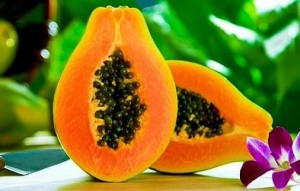
It’s hard to imagine your fruit salad without papayas. That would be like The Beatles without McCartney. You need not worry, a large percentage of papaya generally come with no pesticide residues in them. And hence, it is a very safe option to choose from conventional foods.

  1. Cabbage

IMG-5888

I’m surprised to find cabbage in the list. Their leafy exterior is bound to have pesticide residue, but that isn’t the truth. Apparently, the leafy exterior tends to leave a very little residue, making cabbage a safe conventional produce to consume.

  1. Onions

IMG-5895

As we all know, cutting an onion literally brings you to tears. Cultivators tend to use fewer pesticides on Onions because not a lot of pests try to mess with onion due to their lethal defensive mechanism.

  • « Previous Page
  • 1
  • …
  • 34
  • 35
  • 36
  • 37
  • 38
  • …
  • 78
  • Next Page »

Search

Recent Posts

  • Top 10 Weird Excuses We Make To Skip A Workout
  • The “Protein Ceiling”: Why Spacing Your Intake is the Secret to Muscle Health
  • Healthy Eating: The Ultimate Healthy Chivda
  • Nutrition Guidelines For Seniors During Winter
  • Unleashing the Power of Polyphenols: A Vital Ally for Cancer Survivors

Stay Updated

Archives

  • February 2026 (6)
  • January 2026 (14)
  • December 2025 (19)
  • November 2025 (15)
  • October 2025 (20)
  • September 2025 (6)
  • August 2025 (6)
  • July 2025 (12)
  • June 2025 (18)
  • May 2025 (16)
  • April 2025 (22)
  • March 2025 (23)
  • February 2025 (22)
  • January 2025 (25)
  • December 2024 (22)
  • November 2024 (23)
  • October 2024 (22)
  • September 2024 (24)
  • August 2024 (30)
  • July 2024 (21)
  • June 2024 (26)
  • May 2024 (31)
  • April 2024 (27)
  • March 2024 (29)
  • February 2024 (25)
  • January 2024 (21)
  • December 2023 (15)
  • November 2023 (11)
  • October 2023 (19)
  • September 2023 (22)
  • August 2023 (18)
  • July 2023 (22)
  • June 2023 (24)
  • May 2023 (24)
  • April 2023 (24)
  • March 2023 (23)
  • February 2023 (19)
  • January 2023 (15)
  • December 2022 (11)
  • November 2022 (15)
  • October 2022 (15)
  • September 2022 (12)
  • August 2022 (10)
  • July 2022 (17)
  • June 2022 (11)
  • May 2022 (10)
  • April 2022 (6)
  • March 2022 (6)
  • February 2022 (13)
  • January 2022 (11)
  • December 2021 (7)
  • November 2021 (3)
  • October 2021 (6)
  • September 2021 (3)
  • August 2021 (8)
  • July 2021 (7)
  • June 2021 (15)
  • May 2021 (16)
  • April 2021 (10)
  • March 2021 (7)
  • February 2021 (4)
  • January 2021 (4)
  • December 2020 (3)
  • November 2020 (4)
  • October 2020 (10)
  • September 2020 (3)
  • August 2020 (3)
  • July 2020 (2)
  • June 2020 (4)
  • May 2020 (10)
  • April 2020 (12)
  • March 2020 (10)
  • February 2020 (4)
  • January 2020 (4)
  • December 2019 (3)
  • November 2019 (7)
  • October 2019 (5)
  • September 2019 (4)
  • August 2019 (9)
  • July 2019 (9)
  • June 2019 (11)
  • May 2019 (4)
  • April 2019 (8)
  • March 2019 (8)
  • February 2019 (9)
  • January 2019 (8)
  • December 2018 (9)
  • November 2018 (3)
  • October 2018 (3)
  • September 2018 (5)
  • August 2018 (10)
  • July 2018 (6)
  • June 2018 (13)
  • May 2018 (8)
  • April 2018 (18)
  • March 2018 (9)
  • February 2018 (8)
  • January 2018 (15)
  • December 2017 (12)
  • November 2017 (19)
  • October 2017 (13)
  • September 2017 (15)
  • August 2017 (4)
  • July 2017 (8)
  • June 2017 (7)
  • May 2017 (6)
  • April 2017 (8)
  • March 2017 (6)
  • February 2017 (7)
  • January 2017 (9)
  • December 2016 (10)
  • November 2016 (7)
  • October 2016 (7)
  • September 2016 (7)
  • August 2016 (11)
  • July 2016 (9)
  • June 2016 (9)
  • May 2016 (12)
  • April 2016 (17)
  • March 2016 (17)
  • February 2016 (8)
  • January 2016 (6)
  • December 2015 (2)
  • November 2015 (9)
  • October 2015 (7)
  • September 2015 (9)
  • August 2015 (11)
  • July 2015 (9)
  • June 2015 (12)
  • May 2015 (9)
  • April 2015 (13)
  • March 2015 (8)
  • February 2015 (5)
  • January 2015 (12)
  • December 2014 (14)
  • November 2014 (11)
  • October 2014 (6)
  • September 2014 (13)
  • August 2014 (12)
  • July 2014 (6)
  • June 2014 (2)
  • May 2014 (7)
  • April 2014 (5)

From “Laddu Nawin” to Fit and Fierce: How a 25-Year-Old Insurance Advisor Shed 20 Kilos and Gained His Life Back

When 25-year-old Nawin Yadav from Hyderabad walked into his office every morning, he carried more than just his files and policy papers. He had the weight of fatigue, sluggish energy, and an ever-growing belly that was becoming the butt of jokes. “People … [Read More...]

“I’ve Challenged Myself to Live 100 Years” – The Story of Chandubhai Savani’s Second Chance at Life

At 67, most people start slowing down. Not Chandubhai Savani. A resident of Surat, Chandubhai, thought life was on track. “My life was going well till I had my bypass surgery,” he says. That surgery, back in 2021, was a wake-up call.  Medication was routine, but exercise wasn’t. His diet? What he calls ‘normal.’ “I […]

From Shimla’s Slopes to Chandigarh’s Sidewalks: Surinder Kaur Bhalla’s Journey from Chaos to Control

Some journeys start with a plan. Others begin with a stumble literally. Surinder Bhalla, a government professional, born and raised in the scenic hill town of Shimla, had always lived a life of movement. “In Shimla, you walked everywhere,” she reflects. “Walking was never an exercise. It was just life.” But after shifting to Chandigarh, […]

Ananda Mukherjee Health Story

From Terminal Illness To Complete Wellness! Ananda Mukherjee Health Story

As we observe World Cancer Day under the powerful theme ‘United by Unique’ (2025-2027)**, we are reminded that every individual’s journey with cancer is distinct, yet united by shared resilience, hope, and the collective fight against this disease. This theme places people at the centre of care and their stories at the heart of the […]

  • HOME
  • HEALTHY LIVING
  • FITNESS
  • HEALTHY RECIPES
  • USER STORIES
  • KARMA
  • BUY GOQii

Copyright ©2016 GOQii