GOQii

Blog

  • HOME
  • HEALTHY LIVING
  • FITNESS
  • HEALTHY RECIPES
  • USER STORIES
  • KARMA
  • BUY GOQii

April 13, 2024 By GOQii 1 Comment

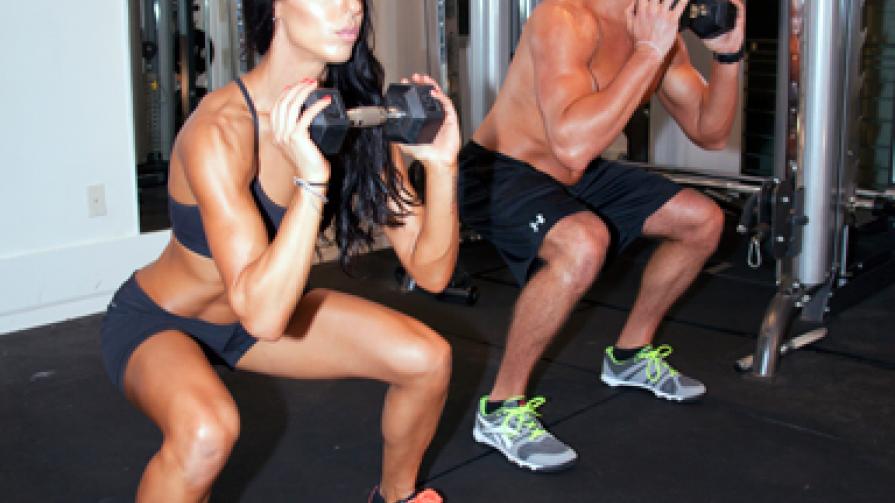
Fitness for women over 40

women fitness @40
Turning 40 is the new 20s. But, remember your body is not what it used to be in its 20s. At 40 and over, women’s bodies go through several challenges. The older you grow the more the challenges. Which is even more reason to ensure you’re getting the nutrients you need through a healthy diet.

Now, despite all the exercise and fitness regime and being careful with your diet, you find that your waistline is expanding and don’t know what to do. Let me tell there is no magic formula, but certainly, I can say there is hope.

Did you know? When a woman is her 30s, the body’s metabolism (the rate that helps you burn calories) begins to slow down. In turn, means that she turns 40, she needs about 6 per cent fewer calories than when she was younger. This leaves little less room for that extra piece of pie those oily and carbohydrates filled French fries.

Most women fret over the fact that they are unable to maintain their beauty and body after their first pregnancy. This is because most turn to be careless towards their health, diet and medication. During pregnancy women generally face problems like the weakness of bones because of the deficiency of calcium, lower back pain due to lack of strength of lower back muscles same applies for knee pain as well.

Well, it’s not too late… You can be in your 40s and still be fit and feel good about yourself. Good food choices and exercise in your 40s and 50s can have a significant effect on your health and quality of life in your 60s, 70s and 80s. It’s never too late to start.

In my neighbourhood, I had a woman who was in her early 40s and she was detected with diabetes and blood pressure. Further due to weak knees she wasn’t able to do any kind of physical workout and that led her to become very lethargic and inactive. She knew I was in the fitness industry and a personal trainer and so approached me for some tips on how she can be fit at her age.

1women@40

Her is what I suggested to her …

Exercise – When you are over 40 and if you haven’t been fitness training then lifting any kind of weights or doing cardio in the gym might become strenuous … so here’s a solution …

* Walking – is better than any exercise… it helps to maintain and build your lost muscles as we age and also increases metabolism in the body. WALKING & EXERCISE also helps us to keep our heart more healthy and prevent illness.

*Yoga – Yoga is good for adults of all ages. Studies have shown that yoga can be extremely helpful when it comes to combating stress, fatigue and pain. Some yoga poses increase core strength and balance, which reduces the risk of fall-related injuries. Other poses can alleviate senior women-related health issues such as menopause. Above all, yoga is a form of exercise that can help senior women feel better and younger. Here are some of the yoga asanas which can help

(1)  Pranayama: Yoga Sutra cites Pranayama as a means to accomplishing higher status of awareness. The holding of breath is an important practice of reaching ultimate salvation or Samadhi. “Prana” is Breath or vital energy in the body. On subtle levels, prana represents the pranic energy responsible for life or life force, and “ayama” means control. Pranayama means the holding up of the process of exhaling and inhaling.

(2)  Surya Namaskara: Surya Namaskara has its origins in Hindu worship of the solar deity. It is a completely safe set of yoga poses that will not cause strain or injury. Surya Namaskar provides all of the key health benefits of yoga in a very concise package. This holistic exercise provides not only physical health benefits but also mental or emotional as well as spiritual benefits. The apparent gain of Surya Namaskar is the workout it provides for the muscles, but it also benefits joints, ligaments and the skeletal system by improving posture, flexibility and balance. 

(3)  Yoga Mudra: Yoga mudra in an entwined contemplative posture and cures constipation; exercises the intestines and has beneficial effects for asthmatics. It is a perfect asana for women who want to hang on to their beauty and youthfulness. It activates and exercises the lungs, cures loss of appetite, ulcer, indigestion and constipation. It also makes spine, waist, veins and muscles flexible, cures diabetes and reduces obesity

Spice it up: As you grow older, your taste buds decrease, causing many people to eat more bitter and sweet foods. Adding, natural herbs and spices to meals can keep the food healthy and appealing without adding more fat, salt and/or sugar.

Fruits and veggies: Eat two cups of fruit like oranges, apple and watermelon and 2 ½ cups of vegetables with variety each day. One serving can be a cup of frozen or fresh fruit or half a cup of dried fruit. If you have difficulty chewing raw fruits and vegetables, consider adding soups, vegetable juice, tomato sauce, stir fry or a cup of fresh fruits and vegetables to your diet.

Stay hydrated: Ageing diminishes thirst perception. Drink fluids throughout the day. Water is probably the best calorie-free beverage and best for a flawless skin, but don’t go for soda’s and those carbohydrate drinks can be harmful to your blood sugar level.

Women in their 40s and above should never feel old but, feel good about themselves. You can feel energized and fit by doing these simple exercises. You follow this regime you will achieve your goal. All you need some willpower and dedication to follow a routine.  

As you embrace the journey of aging, remember that wellness knows no age limit. With dedication to exercise, yoga, and a balanced diet, women over 40 can thrive in both body and spirit. Take charge of your health today and unlock the vitality that lies within you.

We hope this article helps you! For more articles on Women’s Health, check out Healthy Reads or speak to an expert by subscribing for GOQii’s Personalised Health Coaching here.

#BeTheForce

April 3, 2024 By Shagufta Raza 1 Comment

5 Alarming Effects of Overtraining & How To Manage Them

overtrainingOvertraining, in essence, is performing excessive training which your body is unable to recover from – both in and outside the gym. The less severe versions of overtraining may take you a week to recover from. While most fitness experts will tell you that overtraining is worse than undertraining, some people still choose to push themselves which result in alarming physical and psychological effects. 

Signs That You’re Overtraining 

Can you tell the difference between giving it your all and pushing yourself too hard? Here are some signs, symptoms and effects of overtraining you need to watch out for. 

  1. Increased Heart Rate: Check for the elevated resting heart rate. A healthy resting heart rate range is 60-100bpm (beats per minute) and usually, the fitter you are, the lower your resting heart rate will be. If you’re overtraining, you may notice your resting heart rate will be 10-15 bpm higher than usual.
  2. 2. The Gaining or Losing Dilemma: This issue can be extremely problematic for people who gain weight unintentionally. The unexpected weight gain can lead to excessive workouts. The hormonal and inflammatory effects of overtraining can lead the body to lower thyroid function, crank out stress hormones, ramp up inflammatory cytokines, and create an overall environment that favours fat storage.
  3. Muscle Soreness: This is common when you exercise regularly. However, if you’re experiencing soreness for longer than 72hrs, you need a break as this could be a sign of overtraining. If you are aiming to build muscle, recovery is equally important. If your muscles aren’t recovering, it will have a negative impact on muscle gains and can also lead to muscle loss.
  4. Sleep Quality & Insomnia: Generally after a good workout at the gym, you may feel exhausted and fall asleep in no time. But you may notice that even after you have hit the gym and you are exhausted, you are still struggling to fall asleep. This can be linked to an overload on the hormonal and nervous system.
  5. Injuries: If you’re always getting injured or soreness which isn’t healing, then this could mean your body can’t cope with the pressure. Give it a break and take it slow. It’s absolutely vital to rest so that your body regains its strength.

The other signs and effects of overtraining may also include nausea, decreased appetite, allergic reactions, head colds/persistent upper respiratory tract infections, changes in menstrual patterns, decreased coordination and loss of strength. 

How Can You Manage It Effectively? 

Now that you’re aware of the effects, let’s take a look at how you can manage and take possible precautions! 

  • When you are weight training, ensure that you don’t exceed more than 45-75 minutes.
  • The right nutrition is the key to recovery. Make sure you plan your meals to ensure you’re refuelling effectively and getting the right amount of nutrients in your diet with your Pre and Post workout meals. You may require expert advice on this. You can subscribe to GOQii to get personalized advice from a coach and an expert. 
  • Quality Sleep: Physical recovery happens between 10pm to 2am. So getting in some early nights in will aid your recovery.
  • Heart rate devices are a great tool to measure recovery rates. Try these awesome GOQii Trackers. 
  • Plan Regular Rest Days: An excessively sore or weak muscle should be given adequate rest. A good rule of thumb is to wait for 48 hours before working the same muscle group. If that muscle group is still sore, you may need to wait even longer – sometimes up to 5 days.
  • Avoid eating late, sugary foods (or other stimulants). Follow a healthy diet and plan regular rest days until you’re back into a regular sleeping pattern.

 We hope this article helps you overcome all the hurdles to your training. Remember that giving it your best is okay but never overdo it. Do leave your thoughts in the comments below. 

For more articles on training or for some effective and easy home workouts, check out Healthy Reads. To get into a proper training routine and not over-train, speak to an expert by subscribing for Personalised Health Coaching here.

#BeTheForce 

March 16, 2024 By Anusha Subramanian 3 Comments

10 simple tips for Running everyday

Running every day can get boring sometimes. It happened to me there was a point in time when I got bored of running and started cycling more often. I had been running for over 15 years. Running every day is not for everybody if you have never run before. Running requires a lot of patience and practice. You have to beat it to be able to make it your daily routine.

Lots of us have to keep going back to square one to pull it off. Newbies should be especially careful because lack of training and/or lack of adequate preparation can easily result in injury. Having said the above, running is very doable and the key to keeping yourself motivated to run is finding the right balance between the quantity and the quality of your runs.

Here are a few simple tips that one can follow. This is applicable to both the new first time runners and those who have been running but once in a way get bored

Start Easy: Do not go all out the first time. Start easy and gradually progress if you are a beginner and new to the concept of running.

Keep short distances: Learn to start running by keeping short distances. Do not start with sprinting. That is not running. I always find people when they start running they start sprinting. Sprinting tires you within seconds of the start. More so when you have never ever run in your life. Jogging is the way to start.

Time train instead of distance train: Ideally it is better to train with time rather than with distance. You can start with a 1-minute run and 3 minutes of walk, to begin with. Most find it difficult to run for even 5 minutes continuously if you are just starting to run. Increase the 1-minute run to 5 minutes and walk for a minute. Try to run for 20 minutes a day for a month in this order and gradually increase to 3 km a day next month.

Do not overdo: If you realize that you are breathing hard or rather panting it means that you are overdoing it. Give your body enough time to get adapted to your routine. Human bodies are very quick to adapt to certain physiological stresses provided you allow it enough time. For instance, if you feel you can increase your time from 20 minutes to 45 minutes with a 5-minute break after every 20 minutes, then walk for 5 minutes. There is nothing wrong with it. Moderation is a key whenever you are starting a new physical activity.

Prepare a schedule: Just do not randomly run whenever you want to. Prepare a daily routine. If you have a trainer or a coach sit with him/her and chalk out a proper schedule for running.

Your schedule should also include good rest periods. For instance, if you ran at 6 am the day before, consider running at 5 pm or 6 pm the day after or aim for (at least) a 24-hour rest period between runs. If you want to shorten your distance do that. Do what is comfortable. Run a km or a mile on some days. Have 3 days in a week with real easy runs when you start out and be cautious. If you need an extra day of rest. Take it. 

Pace yourself better. Try and do the long slow distance pace. You will only become better at doing something when you’re able to understand how well your body is reacting and how you have been performing over time. Slow and steady progress is good progress.

Proper nutrition and rest are important: Make sure that the schedule includes proper exercises, nutrition inputs and rest as 3 important components. If you just run without proper pre-workout and post-work meal, stretching and strength training exercises and proper rest all the effort that you are putting to run will be of no use. Go for a balanced diet with simple and complex carbohydrates and protein. Not to mention, getting enough sleep is just as important.

To keep yourself interested run with a partner: There are chances that you are kicked about going running every day but you can easily get bored of your routine. So to tread that path go running with a friend who is equally interested in running or get yourself a trainer who can motivate you every day.

Set a goal to do a long run within 3 months of starting of Aim to run 5 km after 3 months of starting off. Also, set a time goal for completion of this run. Register for a run. Eventually, this will help you bring about a change in your routine and above all, it will give you a chance to look forward to something eventful.

Reward yourself: Last but not the least reward yourself after a good long run. It will not cost much to get a good massage or visit a spa after a long run to feel good about yourself. 

Finally, I would like to end by saying that most of us out there run for varied reasons. Some run to just stay fit and because they enjoy running, some run to get over the runner block that they may have. Some run for a cause so they are motivated to run every day. Whatever the reason may be, run every day or at least 3 days a week because it will keep you healthy. It’s a great addition to have! For further information or guidance, reach out to our certified experts by subscribing to GOQii’s Personalised Health Coaching here.

#BeTheForce

March 3, 2024 By Urvashi Sareen 2 Comments

Fluid Replacement and Athletic Performance

water_intake

I am not sure how many of you know that hydration and athletic performance is connected? In this blog, I am precisely going to tell you this aspect. Adequate fluid replacement helps maintain hydration and, therefore, promotes the health, safety, and optimal physical performance of individuals participating in the regular physical activity.

Dehydration can compromise athletic performance and increase the risk of exertion heat injury. Athletes do not voluntarily drink sufficient water to prevent dehydration during physical activity.

The two main factors influencing early fatigue and impaired performance (both physical and mental) in all types of sports and exercise are depletion of body levels of Carbohydrate and/or fluid. Fluid replacement is probably the most important nutritional concern for athletes. As an athlete exercise, fluid is lost through the skin as sweat and through lungs when an athlete breathes. If this fluid is not replaced at regular intervals during exercise, the athlete can become dehydrated bringing about metabolic changes.

Hypohydration (total body water below normal) impairs the body’s ability to regulate heat resulting in increased body temperature and an elevated heart rate. Perceived exertion is increased causing the athlete to feel more fatigued than usual at a given work rate. Mental function is reduced which can have negative implications for motor control, decision making and concentration.

Gastric emptying is slowed, resulting in stomach discomfort. All these effects lead to impairment in exercise performance. Most types of exercise are adversely affected by hypohydration, especially when they are undertaken in hot conditions, and negative effects have been detected when fluid deficits are as low as 2 %

Recommended water intake before, during and after sport/workout

Before Sports

Drinking fluids prior to exercise appear to reduce or delay the detrimental effects of dehydration.

  • 1 to 2 hours before sports: 4 to 8 ounces of cold water
  • 10 to 15 minutes before sports: 4 to 8 ounces of cold water
  • A good meal with containing water (e.g. fruits).

During Sports

  • Every 20 minutes: 5 to 9 ounces of a sports drink, depending on weight (5 for a child weighing 88 pounds, 9 ounces for a child weighing 132 pounds)
  • Any time a child feels thirsty
  • Encourage drinking fluids during timeouts and breaks
  • Encourage drinking from their own fluid container and avoid sharing with others
  • Encourage the ability to drink whenever they want and not to wait until they are told to take a break
  • Adjust fluid needs during practice according to the weather, the amount of equipment worn, and practice duration and intensity.

After Sports

Post-exercise hydration should aim to correct any fluid lost during the practice and help the body to recover from the sports activity:

  • Within the first 30 minutes after exercise, drink chocolate milk or a specially formulated sports drink containing protein and carbohydrates such as Gatorade G3 Recover.  Not only do they hydrate but, the protein helps the body recover from exercise by enhancing muscle repair, and the carbohydrate replenishes glycogen stores in muscles, which are a source of fuel during prolonged exercise of an hour or more.
  • Within two hours: 20-24 ounces of a sports drink for every pound (16 ounces) of weight loss
  • Replace all fluids lost during exercise plus any lost after exercise through urination
  • Eat a good meal with foods containing water

Given the above before, during and after sports water intake recommendations, one should follow these properly for healthy and active life

Proper hydration is the cornerstone of athletic excellence. Understanding the connection between fluid balance and performance can significantly enhance your physical and mental well-being during sports activities. Follow these recommended water intake strategies to fuel your body for peak performance and sustained health. For further information or guidance, reach out to our certified experts by subscribing to GOQii’s Personalised Health Coaching here.

#BeTheForce

  • « Previous Page
  • 1
  • …
  • 6
  • 7
  • 8
  • 9
  • 10
  • …
  • 43
  • Next Page »

Search

Recent Posts

  • Navigating the Maze of Nutrition: Finding Clarity Amidst Confusion
  • Get children active and keep them healthy
  • What Gestational Diabetes Can Do To You & Your Unborn Child
  • Breathing – A Forgotten Art
  • The Incredible Benefits Of Milk You Might Not Know

Stay Updated

Archives

  • December 2025 (3)
  • November 2025 (15)
  • October 2025 (20)
  • September 2025 (6)
  • August 2025 (6)
  • July 2025 (12)
  • June 2025 (18)
  • May 2025 (16)
  • April 2025 (23)
  • March 2025 (23)
  • February 2025 (22)
  • January 2025 (26)
  • December 2024 (26)
  • November 2024 (25)
  • October 2024 (22)
  • September 2024 (24)
  • August 2024 (31)
  • July 2024 (21)
  • June 2024 (26)
  • May 2024 (31)
  • April 2024 (27)
  • March 2024 (29)
  • February 2024 (26)
  • January 2024 (25)
  • December 2023 (15)
  • November 2023 (11)
  • October 2023 (22)
  • September 2023 (22)
  • August 2023 (20)
  • July 2023 (22)
  • June 2023 (24)
  • May 2023 (24)
  • April 2023 (24)
  • March 2023 (23)
  • February 2023 (20)
  • January 2023 (16)
  • December 2022 (12)
  • November 2022 (15)
  • October 2022 (15)
  • September 2022 (12)
  • August 2022 (10)
  • July 2022 (17)
  • June 2022 (11)
  • May 2022 (10)
  • April 2022 (6)
  • March 2022 (6)
  • February 2022 (13)
  • January 2022 (12)
  • December 2021 (7)
  • November 2021 (3)
  • October 2021 (6)
  • September 2021 (3)
  • August 2021 (8)
  • July 2021 (7)
  • June 2021 (15)
  • May 2021 (16)
  • April 2021 (10)
  • March 2021 (7)
  • February 2021 (4)
  • January 2021 (4)
  • December 2020 (3)
  • November 2020 (4)
  • October 2020 (10)
  • September 2020 (3)
  • August 2020 (3)
  • July 2020 (2)
  • June 2020 (4)
  • May 2020 (10)
  • April 2020 (12)
  • March 2020 (10)
  • February 2020 (4)
  • January 2020 (4)
  • December 2019 (3)
  • November 2019 (7)
  • October 2019 (5)
  • September 2019 (4)
  • August 2019 (9)
  • July 2019 (9)
  • June 2019 (11)
  • May 2019 (4)
  • April 2019 (9)
  • March 2019 (8)
  • February 2019 (9)
  • January 2019 (8)
  • December 2018 (9)
  • November 2018 (3)
  • October 2018 (3)
  • September 2018 (5)
  • August 2018 (10)
  • July 2018 (6)
  • June 2018 (13)
  • May 2018 (8)
  • April 2018 (18)
  • March 2018 (9)
  • February 2018 (8)
  • January 2018 (15)
  • December 2017 (12)
  • November 2017 (19)
  • October 2017 (13)
  • September 2017 (15)
  • August 2017 (4)
  • July 2017 (8)
  • June 2017 (7)
  • May 2017 (6)
  • April 2017 (8)
  • March 2017 (6)
  • February 2017 (7)
  • January 2017 (9)
  • December 2016 (10)
  • November 2016 (7)
  • October 2016 (7)
  • September 2016 (7)
  • August 2016 (11)
  • July 2016 (9)
  • June 2016 (9)
  • May 2016 (12)
  • April 2016 (17)
  • March 2016 (17)
  • February 2016 (8)
  • January 2016 (6)
  • December 2015 (2)
  • November 2015 (9)
  • October 2015 (7)
  • September 2015 (9)
  • August 2015 (11)
  • July 2015 (9)
  • June 2015 (12)
  • May 2015 (9)
  • April 2015 (13)
  • March 2015 (8)
  • February 2015 (5)
  • January 2015 (12)
  • December 2014 (14)
  • November 2014 (11)
  • October 2014 (6)
  • September 2014 (13)
  • August 2014 (12)
  • July 2014 (6)
  • June 2014 (2)
  • May 2014 (7)
  • April 2014 (5)

From “Laddu Nawin” to Fit and Fierce: How a 25-Year-Old Insurance Advisor Shed 20 Kilos and Gained His Life Back

When 25-year-old Nawin Yadav from Hyderabad walked into his office every morning, he carried more than just his files and policy papers. He had the weight of fatigue, sluggish energy, and an ever-growing belly that was becoming the butt of jokes. “People … [Read More...]

“I’ve Challenged Myself to Live 100 Years” – The Story of Chandubhai Savani’s Second Chance at Life

At 67, most people start slowing down. Not Chandubhai Savani. A resident of Surat, Chandubhai, thought life was on track. “My life was going well till I had my bypass surgery,” he says. That surgery, back in 2021, was a wake-up call.  Medication was routine, but exercise wasn’t. His diet? What he calls ‘normal.’ “I […]

From Shimla’s Slopes to Chandigarh’s Sidewalks: Surinder Kaur Bhalla’s Journey from Chaos to Control

Some journeys start with a plan. Others begin with a stumble literally. Surinder Bhalla, a government professional, born and raised in the scenic hill town of Shimla, had always lived a life of movement. “In Shimla, you walked everywhere,” she reflects. “Walking was never an exercise. It was just life.” But after shifting to Chandigarh, […]

Ananda Mukherjee Health Story

From Terminal Illness To Complete Wellness! Ananda Mukherjee Health Story

As we observe World Cancer Day under the powerful theme ‘United by Unique’ (2025-2027)**, we are reminded that every individual’s journey with cancer is distinct, yet united by shared resilience, hope, and the collective fight against this disease. This theme places people at the centre of care and their stories at the heart of the […]

  • HOME
  • HEALTHY LIVING
  • FITNESS
  • HEALTHY RECIPES
  • USER STORIES
  • KARMA
  • BUY GOQii

Copyright ©2016 GOQii