Yes, you heard it right. Rest is an essential part of any training program. Even when it comes to classes or work, we recognize that a few days leave can be recharging and renewing. For athletes, this can be harder, as they may feel guilty for taking a day, a week or a month off their training plan. Whether you are training for a competition or feeling extra motivated, more is not always better. Rest days are just as important as exercise. In fact, a successful fitness regimen isn’t complete without rest days.
What is Active Rest?
In terms of Rest days, there are 2 types of rest days
- Passive Rest
- Active Rest
Passive rest means a day of total rest without any physical activity, whereas Active rest means including low-intensity exercise that promotes blood flow to the muscles, helping them to recover better and faster.
Active rest is the sweet spot between being idle and training intensely. The goal of Active rest is to help your body heal from exercising by reducing the likelihood of inflammation and soreness. It allows your body to recover and repair. On your Active rest day you need to be active enough to increase blood flow, but gentle enough to allow your muscles to heal.
Benefits of Active Rest
Whenever we use our muscles for exercising, our body turns glucose into Lactic acid; this is how our muscles get the energy to perform. Once our muscles stop working, the lactic acid our body remains in our muscles and causes that dreaded post-workout soreness. Active rest helps lactic acid move out of our muscles and dissolve into our bloodstream, so it’s not around to cause us pain afterward. The increased blood flow also makes it to our joints, reducing the chance of joint and muscle inflammation. It is essential for muscle growth. Exercise creates microscopic tears in your muscle tissues. But during rest, cells called fibroblasts repair it. This helps the tissue heal and grow, resulting in stronger muscles.
Active rest is also known to improve our mood and keep us from getting the post-workout blues, while also alleviating any fatigue. Plus, it’s great for our heart since it increases our heart rate and builds endurance.
Planning an Active Rest Day
An active rest day should include a different activity from your usual workout at the gym. You shouldn’t be working at maximum effort. Rather, go slow and don’t push yourself too hard.
Examples of active recovery exercises include:
- Stretching: is a simple and effective way to maintain increased blood flow and relaxation.
- Yoga: lengthens our muscles and tendons, aids in their recovery, and helps our body develop better mobility and flexibility.
- Meditation: is a great way to rest and refresh your mind. If sitting still for extended periods isn’t for you, there are alternative ways of meditating that keep your body busy and your mind free, such as doing the dishes or knitting.
- Swimming: is a low-impact exercise that’s easy on your joints and muscles.
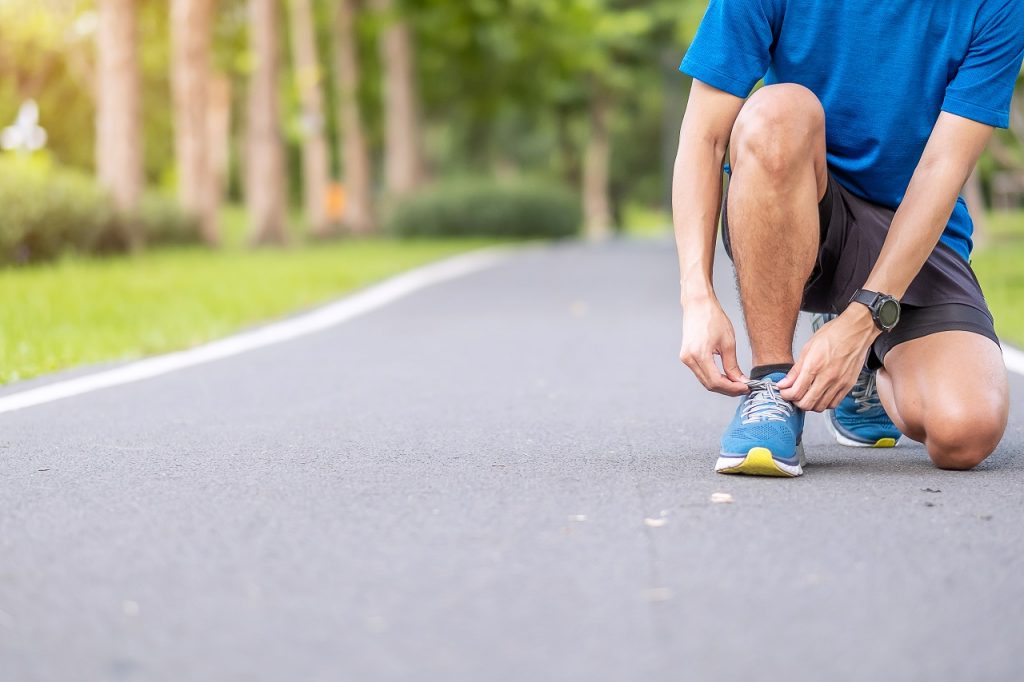
- Walking or Jogging: is one of the best forms of Active Rest. Walking or jogging at a leisurely pace can enhance blood flow and help with recovery.
- Cycling: at a leisurely pace is an excellent way to get in an active recovery. It is low-impact and doesn’t put pressure on the joints. One can cycle either on a stationary bike or on a bicycle outdoors.
- Myofascial release with a foam roller: Active rest doesn’t only include movement. One also can stretch and roll a foam roller over parts of your body and get many of the same benefits. If your muscles are sore, foam rolling can help relieve tightness, reduce inflammation, and increase your range of motion.
A Word of Caution
Active rest day exercises are generally considered safe. During active recovery, make sure you aren’t working harder than about 50 percent of your maximum effort. This will give your body the chance it needs to rest. You may find that you feel less tight, sore, and even have more energy to exercise after active recovery. If you’re injured, in pain, or very fatigued, your body may need passive recovery which means total rest.
We hope this article helps you make the most of your workout and recovery. Do let us know your thoughts in the comments below.
You can find more information on muscle building here. You can also get these tips and know more about Active Rest or set up your own fitness routine by speaking to a GOQii Coach. All you need to do is subscribe to GOQii’s Personalised Health Coaching here.
#BeTheForce
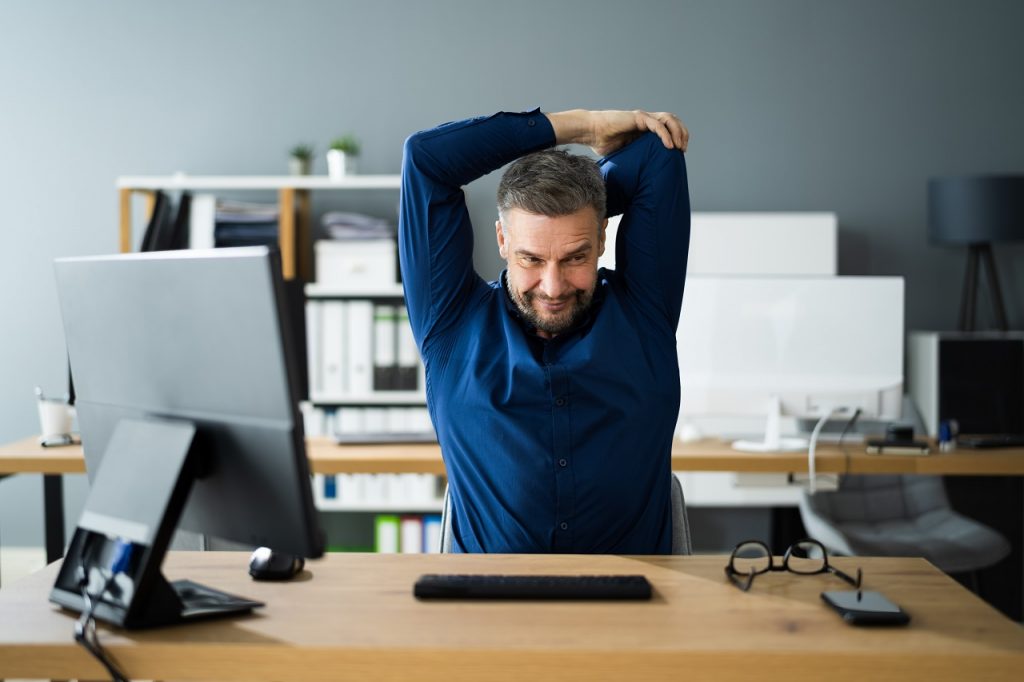 It is easy to fall prey to a sedentary lifestyle especially with a hectic schedule that revolves around work, home and stress. Somewhere, a healthy life and fitness has taken a backseat for most people. But, most people forget that staying fit and active is a mantra to being more productive at work! There may be many constraints that might prevent you from working out but there’s always a solution. We call it the Lunchtime Workouts!
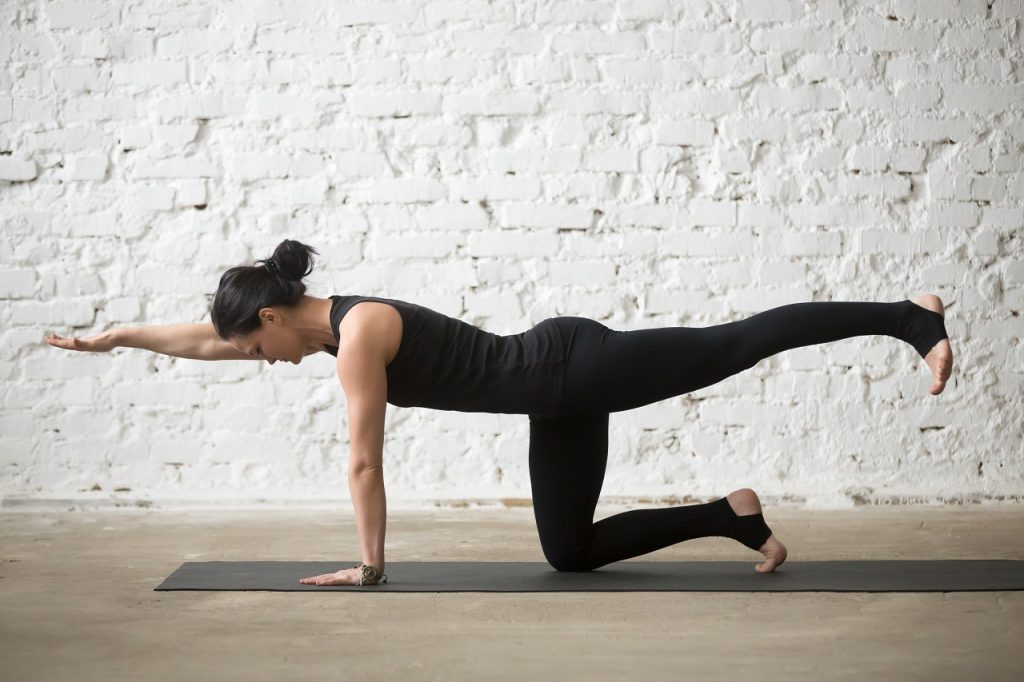
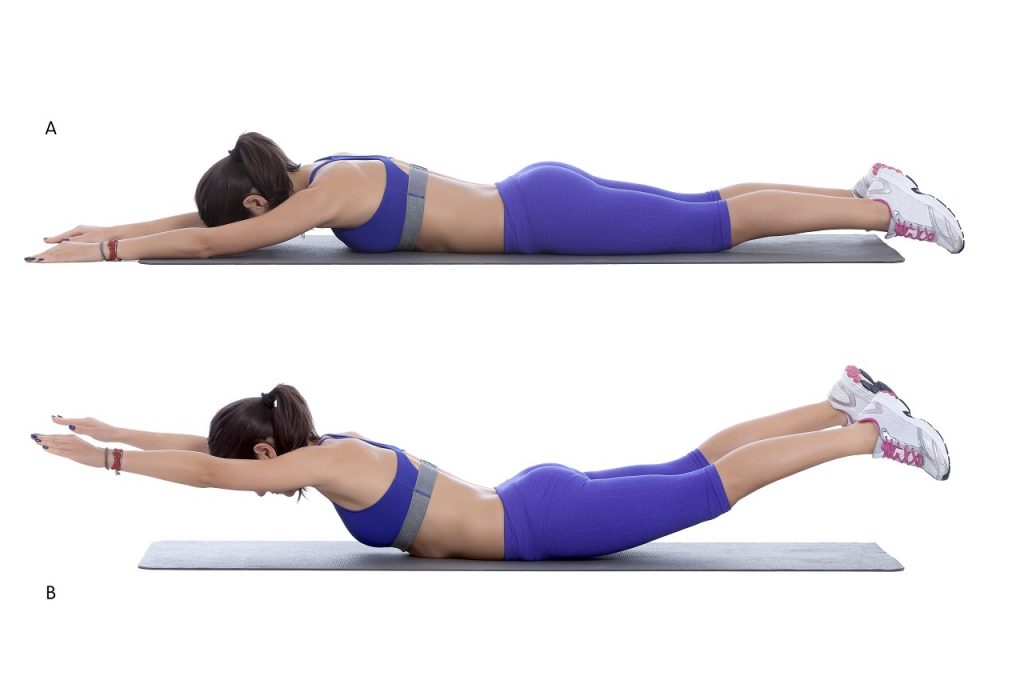
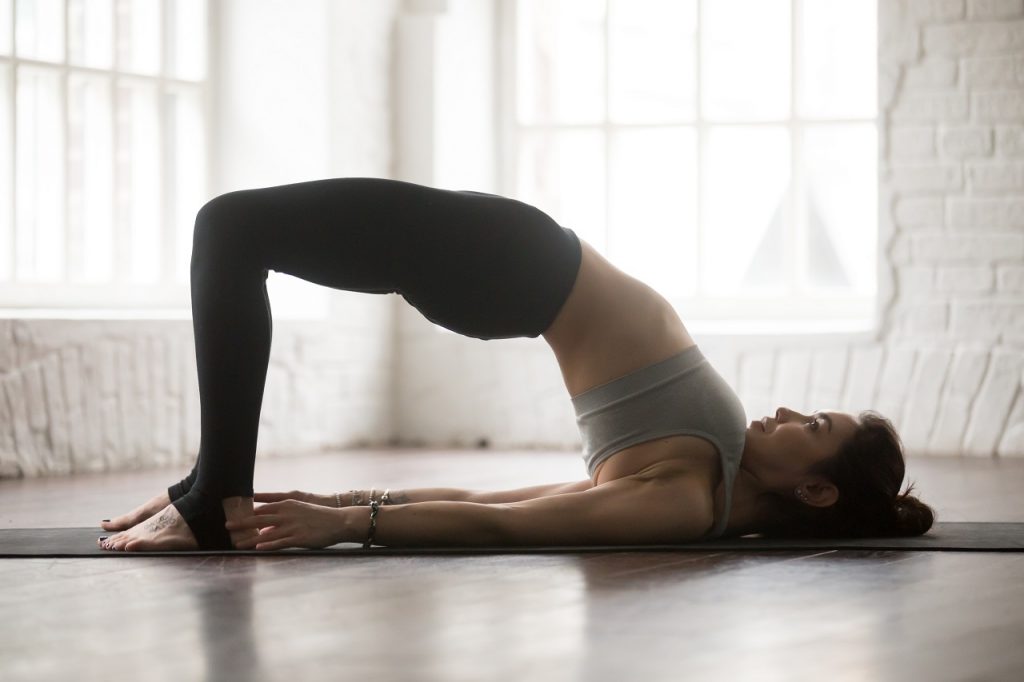
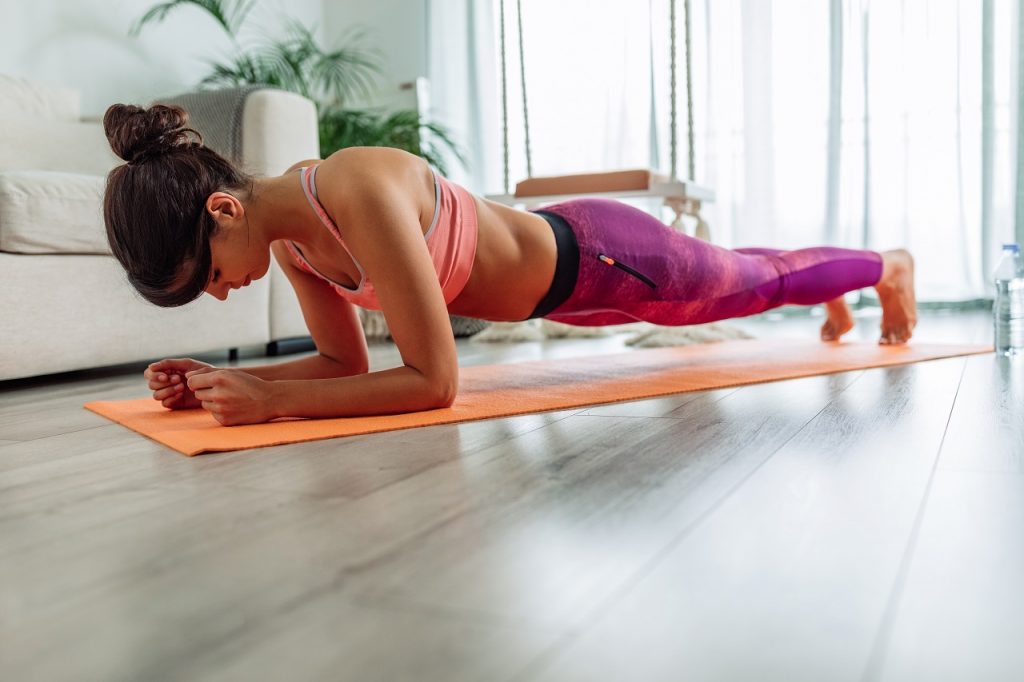
 With sedentary jobs and increased sitting time, we are much more prone to weak and underutilized muscles, leading to faulty postures and eventually lower back pain. So, it’s all the more important to work on strengthening our core/lower back muscles. A strong back not only makes you look aesthetically great, it also helps you maintain/improve your posture and protects from any back pain/injury. And what’s best, when you can use your own bodyweight as a tool to gain strength, rather than rely on fancy equipment!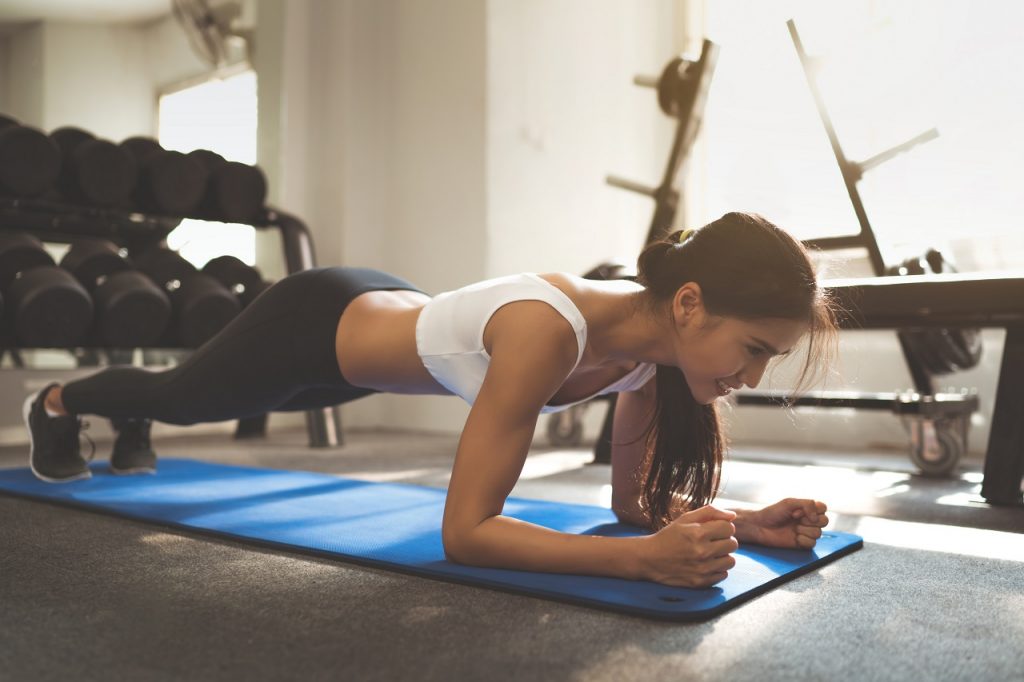

 More often than not, when you’ve begun a new exercise routine to get in shape, your intentions don’t often match your actions. You begin to realize there’s a big gap between having an intention of achieving something and actually doing the work to fulfil that intention. There’s no need to beat yourself about it. There’s always a way to bridge that gap. Let’s look at a few tricks that can help you make exercise a habit!


