GOQii

Blog

  • HOME
  • HEALTHY LIVING
  • FITNESS
  • HEALTHY RECIPES
  • USER STORIES
  • KARMA
  • BUY GOQii

February 3, 2023 By Poonam Goyal 1 Comment

Sugar Cravings and How to Curb Them

sugar cravings

Do you grab a candy bar to cope with your afternoon slump and then reach for a cola to get out of your post-slump slump? Or have you realized that munching sugary snacks makes you crave for more?

Why Should We Reduce Sugar?

  • Sugar is called an empty calorie, which means it is a calorie without any nutrients.
  • Health professionals believe that it is one of the main reasons why it can be so hard to stick to a healthy diet and maintain a healthy weight.
  • There is a belief that sugar restriction is only for diabetics but the facts are quite different. Excess sugar can lead to coronary heart disease, obesity, insulin resistance, metabolic syndrome, PCOS, low immunity, cancer, bone issues, etc.
  • Another effect of excessive sugar intake changes in microbial flora. This can lead to bloating, GI issues, heartburn, etc.

The World Health Organization has recently lowered the recommendation for sugar from 10% to no more than 5% of the total caloric intake. This translates to 4-5 teaspoons a day for a 2000 kcal diet.

You must wonder why we keep talking about excess sugar all the time. This is because sugar is addictive in nature. The more you have, the more you want. The taste of sugar releases endorphins that calm and relax us, offering a natural high.

Causes of sugar cravings

  • Habitual: Habit can be one of the major causes which are formed deep within our brains
  • Hard workout: Many people are likely to experience sugar cravings following a workout. As depleted glycogen stores are likely to crave sugar to replenish it.
  • Your diet is not right: The more you eat these simple sugary things, the more your brain will want them, which can continue the vicious cycle of sugar cravings.
  • Use of artificial sweetener: The use of these alternative sugars may save on calories but they trick the mind into thinking you ate something that was extremely sweet or far sweeter than sugar. For this reason, the brain will crave for food or beverages that are as sweet as what you had.
  • Poor sleep quality: The body needs a certain amount of REM and deep sleep as a way to replenish the mind and body. When you have inadequate amount of sleep, the body is susceptible to craving sweets the next day.
  • Stress: High levels of stress can also cause craving. As stress increases cortisol levels, serotonin, which is a calming and relaxing hormone, is released by sugar.
  • Meal skipping: Skipping meals can cause you to have sugar cravings due to reduced blood sugar levels.
  • Boredom: It’s another reason why we end up eating sugar or sugary products.
  • Sugar is hiding everywhere: Sugar is hiding in many foods you would never think of as sweet from bread to pasta.
  • Few deficiencies which can cause sugar cravings include:
    1. Chromium deficiency can cause intense cravings for sugar.
    2. If your body lacks Magnesium, you may have strong cravings for sugar products especially chocolates.
    3. Zinc deficiency can result in low insulin levels which may lead to sugar cravings

How to stop sugar Cravings

  • Give in a little: Eat a bit of what you are craving for. Enjoying a little of what you love can help you steer clear of feeling denied.
  • Try to combine foods: When you crave for sweets, try combining it with a healthy option. For instance, strawberry dipped in chocolate sauce.
  • Grab some gum: If you want to avoid giving in to a sugar craving completely try a stick of gum.
  • Reach for a fruit: Keep fruit handy when a sugar craving hits! Fruits are rich in fibres and nutrients along with some awesome sweetness!
  • Choose quality over quantity: If you crave for sugar, pick a healthier option but keep it small. For instance, dark chocolate with 70% cocoa.
  • Eat regularly: Eating meals at regular intervals keeps your blood sugar level stable and help in avoiding irrational eating behavior.
  • Skip artificial sweeteners: as they tend to increase your cravings
  • Get support: Stress, depression or anger turns people to eating sweet foods. But food doesn’t solve emotional issues.
  • Drink a glass of water: Some people say that dehydration can cause sugar cravings
  • Eat more protein: as proteins increase your satiety level.
  • Sleep well: It is important for overall health and may help prevent cravings.
  • Get up and go: When you feel sugar cravings, get up and go for a walk. You can also phone a friend or take a bath to relax.
  • Avoid certain triggers like places or activities that induce sugar cravings.
  • Eat more fibers: They help to slow the absorption of the food you eat and also help to curb sugar cravings
  • Keep and maintain a list of reasons why you want to eat healthy as its hard to remember when you get the cravings.

Few food options to opt for when you get sugar cravings

  • Fruits: contain sugar along with lots of healthy nutrients
  • Berries: taste sweet but are high in fibre and low in sugar
  • Dark Chocolate: swap regular chocolate with dark chocolate
  • Snack Bars: are made of whole foods and can make a healthy sweet treat
  • Chia Seeds: are high in soluble fibre so you feel fuller for longer
  • Cinnamon: because of its sweet taste and it is healthy
  • Yoghurt: is high in protein and can control appetite and craving
  • Dates: are very sweet and can fix your cravings
  • Sweet Potatoes: sweet in taste and give a feeling of fullness
  • Smoothies: are another healthy nutrient rich option
  • Prunes: are sweet in taste and good for the stomach
  • Trail Mix: has the sweetness of dry fruits and nuts with all their benefits

Do Sugar Detox Diets Work?

Sugar Detox Plans urge you to avoid all sweets. That means all fruits, dairy and refined grains. The idea is to purge your system of sugar. Diet changes like this are too drastic to keep up and you will fall back to your old habits. If you make simple changes to your diet, it is easy to keep them up.

Sugar cravings can be a challenging part of your everyday life. When they set in, they can take over your mind in a hurry. Make these small changes which can go a long way and hopefully, they will help you win the battle against your cravings.

We hope this article helps you reduce sugar cravings and make a positive lifestyle change. If this helped, let us know in the comments below. For more on nutrition, click here. If you need help to curb sugar cravings, speak to an expert by subscribing for GOQii’s Personalised Health Coaching here.

#BeTheForce
February 2, 2023 By GOQii 2 Comments

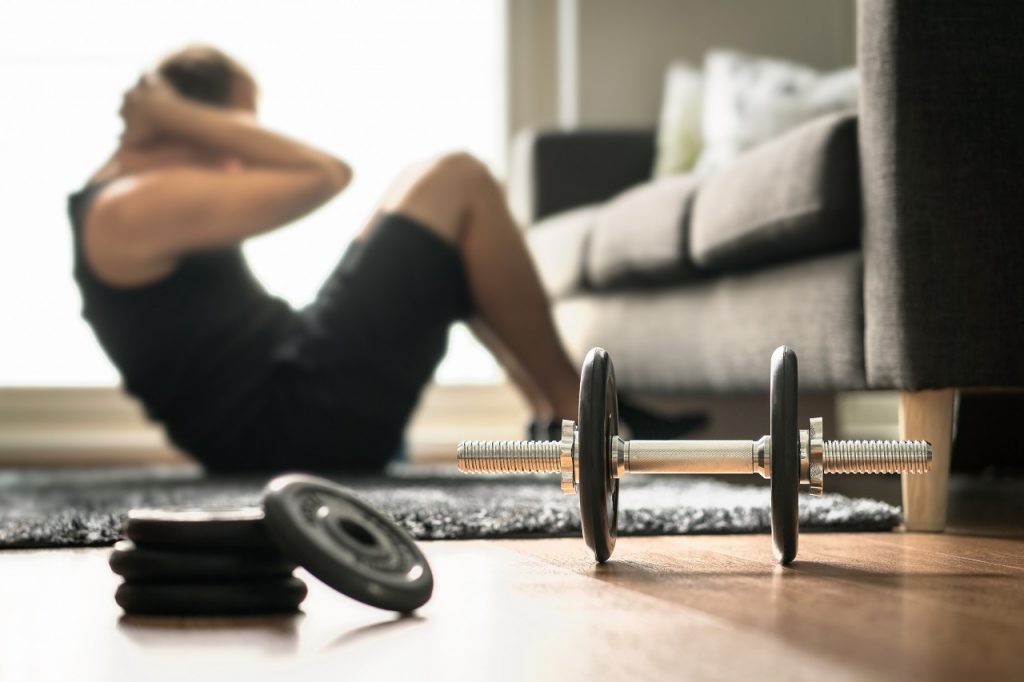
Benefits Of Working Out During Winter

Benefits Of Working Out During WinterWinter, if not very cold, is a very pleasant season. We feel quite lazy, comfy under a blanket and don\’t feel like getting up from bed at all! More often than not, we just like to sleep and let the day pass by. Today, we would like to share some very interesting information on how we could utilize this season to our benefit. If you intend to have a lean or bulky body, this is the right season to start.

Winter season is mostly dry. Apart from that, the cold weather can boost our endurance. Calorie burn can be higher in the cold, as the body has to expend energy on staying warm. It\’s one of the best times of the year to train and get fit. Here are some benefits of working out during winter.

Benefits Of Working Out During Winter 

  • Burn more: This is probably the best and most popular perk. Because your body is working hard, your metabolism revs up and your body burns more calories and fat to produce energy for your workout.
  • Endurance boosts up: By challenging yourself in the cold weather, you are strengthening your heart, lungs and circulatory system, thereby improving your overall health.
  • Helps against SAD (Seasonal Affective Disorder): Being out in the open and taking in more sun during the daylight helps keep the mind sharp and relieves you of SAD. It also helps your body get more vitamin D.
  • Makes us feel happy: The cold stimulates our parasympathetic system. The sympathetic system is known as the fight response while the parasympathetic is known as relax and renew system. These endorphins can trigger the release of dopamine and serotonin, neurotransmitters that keep us happy, feeling good and eases the mood.
  • Increases blood flow: We place greater toxic burden on our poor liver during this time and it could really do with some support. Moderate exercise increases the blood flow to the liver, thereby improving its ability to detoxify waste.
  • Improves Immunity: We all need protection from germs that circulate around the office or being brought home from school by our children. Regular moderate exercise will boost immunity by improving the lymphatic and cardiovascular circulation. Try to choose an activity that increases your heart rate but make sure that you can still hold a conversation. i.e. brisk walking, gentle jogging, swimming, cycling, etc.

Don’t let the pleasant cold weather keep you glued to your sheets. Get outside, get yourself moving and enjoy the extra health benefits offered by working out during winter! If you prefer working out indoors, join a GOQii PRO class where you\’ll be guided by an expert in a live, interactive session. Book a class through the GOQii App now.

We hope this article helps you. Let us know your thoughts in the comments below. For more on getting healthier during winter, check out Healthy Reads. #BeTheForce 

January 19, 2023 By Saba Mirza 3 Comments

How to Set SMART Goals and Achieve Them

smart goalsAs a lifestyle coach, I often hear people complain about how they have been working on their health goals, but not getting anywhere. Most times, they aren’t able to achieve that “perfect target” is because they are either confused about the target they want to set or don’t know how to plan a strategy to achieve that goal. The simple solution is to plan SMART goals.

What are SMART Goals?  

SMART is an acronym which was first used by George Doran in a Management Review Magazine in 1981. It gained popularity not just in companies but, also in other relevant fields including health and fitness.

SMART stands for:

  • Specific
  • Measurable
  • Achievable
  • Realistic
  • Time bound

In essence, a SMART goal is a simple formula which helps you define your goal clearly, focus your efforts, and utilize your time and resources productively to increase your chances of achieving a particular goal successfully.

How Do We Achieve It?

1. Specific
Your goal should be clear and specific! It is crucial to focus your effort towards one point and feel truly motivated to achieve it. When planning the goal, ask the five “W” questions, namely:

  • What do I want to accomplish?
  • Why is it important to me?
  • When do I want to achieve this goal?
  • How will I achieve this goal?
  • Which resources will help me in achieving them?

For example, a general goal would be ‘I want to get a toned body’. While a SMART goal would be ‘I want to join a Zumba class near my house and I will go there 4 days a week to improve flexibility and muscle strength’.

2. Measurable
It is important to measure your goals in order to track your progress regularly and feel motivated. Assessing your progress with specific indicators at regular intervals helps you stay focused and feel the thrill of getting closer to your goals. In fact, it even helps you change your strategy if needed. To make a goal measurable, ask:

  • How many/much?
  • How will I know when it is accomplished?
  • What is the indicator of my progress?

For example, building on a specific goal, we will add, ‘I will join the Zumba class near my house for 4 days a week to improve flexibility and muscle strength. I will aim to lose 1kg of body fat weight every 15 days’.

3. Achievable
Ensure that your goal is achievable. While it should stretch your abilities enough to make you feel challenged, it should also be possible to achieve. An achievable goal should answer the following questions:

  • How can I achieve it?
  • Do I have the proper resources and capabilities to achieve the goal? If not, what am I missing?
  • Is the goal approved by experts in that field?

For example, setting a goal of reducing 4-5kg weight in one month may not be achievable and neither advisable by health professionals because of its harmful effects on the body. It can also demotivate you if you don’t achieve that goal.

4. Realistic
Keep your goals realistic! It should be practically achievable, given the resources and time available to you! A realistic goal should fulfil the following criteria:

  • Is the goal realistic and within reach?
  • Is the goal reachable given the time and resources?
  • Am I able to commit to achieving the goal?

For example, setting a specific goal of attending Zumba classes seven days a week may not be realistic if you have other commitments towards your family or professional life!

5. Time-Bound
Your goal should also have a specific deadline. This is to ensure that you have a well-defined duration to work towards it. Making your goal time-bound can also prevent the goal from slipping down your priority list.

A time-bound goal should answer the following questions:

  • When?
  • What can I achieve from six months now?
  • What can I achieve from six weeks now?
  • What can I achieve today?

For example, building on our goal above: ‘I will join a Zumba class from October 1 near my home. In order to improve muscle flexibility and strength, I will workout 4 days a week. Every 15 days I will target 1kg weight loss! By the end of October, I will have realised my goal if I lose 2kg of fat weight over the course of the month’.

As Bill Copeland has quoted, ”The trouble with not having a goal is that you can spend your life running up and down the field and never score!” So choose your goals SMARTly and get set to hit the bull’s eye!

What are some of your long-term and short-term health and fitness goals? Are they smart goals? Let us know in the comments below!

For more on goal setting and healthy living, check out Healthy Reads. To get started on your resolutions, sign up for GOQii’s Personalised Health Coaching and let our experts guide and motivate you!

#BeTheForce

November 23, 2022 By CHARMI GOGRI 1 Comment

Top 5 Habits You Need To Avoid After a Meal

avoid after a meal

There are a lot of myths regarding nutrition and food floating around on the internet. Some of them include things we should do and should avoid after a meal. When it finally comes down to facts, what’s the right way to go? We have briefly listed down the top 5 habits you need to avoid after a meal. You might know some of them but you might not be familiar with the reasoning.

What Should You Avoid After a Meal?

  1. Smoking: It is the most important habit that people should avoid after a meal. Smoking 1 cigarette after eating food is equivalent to the ill-effects of smoking 10 cigarettes. The chances of cancer are more in such cases. This is primarily because the body’s absorption rate increases after eating, which means that the harmful effects of tobacco (nicotine) are amplified as well. You could be risking damage to your intestines, heart, lungs and other internal organs.
  2. Fruits: It is advised that you should not eat fruits along with your meal and immediately after it as well. Fruits that are eaten after a meal cannot be digested easily in the intestine which causes air bloating in the stomach. Fruits are best absorbed when consumed as a meal in itself. You can have them either before or after a meal with a gap of at least 2–3 hours.
  3. Tea: Whenever you eat a heavy meal, keep yourself away from tea for a while. Tea leaves contains acids in it. When this acid enters the digestive system along with food, it makes the process of digestion (particularly proteins) process slow and difficult by hardening them.
  4. Bathing: Whenever we bathe, the blood-flow towards extremities increases and this is how you feel fresh after a bath. But, after eating, blood-flow towards the digestive system should be high, and not the extremities, so as to maintain the normal digestive system. That is why people are advised not to take a bath immediately after eating.
  5. Sleep: There always has to be gap of 1-2 hours between your meals and the time you sleep. Sleeping immediately after eating will result in improper digestion as efficiency of the digestive system decreases. Also, sleeping immediately may lead to gastric problems and infection in the intestines. Habitually sleeping immediately after eating will also increase the chances of obesity.

We hope these facts help you make better choices, bust myths with reason and eat healthy. Have you ever been told to avoid something before or after a meal? Let us know in the comments below!

For more articles like this, check out Healthy Reads. To know more about eating habits you should avoid or to introduce new habits to help you get healthier, speak to an expert by subscribing for GOQii’s Personalised Health Coaching here.

#BeTheForce

  • « Previous Page
  • 1
  • …
  • 97
  • 98
  • 99
  • 100
  • Next Page »

Search

Recent Posts

  • Best Foods To Alleviate Irritable Bowel Syndrome
  • ALL ABOUT VERTIGO!
  • PCOS and Anxiety: Discover Relief with the 54321 Technique
  • Navigating the Maze of Nutrition: Finding Clarity Amidst Confusion
  • Get children active and keep them healthy

Stay Updated

Archives

  • December 2025 (6)
  • November 2025 (15)
  • October 2025 (20)
  • September 2025 (6)
  • August 2025 (6)
  • July 2025 (12)
  • June 2025 (18)
  • May 2025 (16)
  • April 2025 (23)
  • March 2025 (23)
  • February 2025 (22)
  • January 2025 (26)
  • December 2024 (26)
  • November 2024 (25)
  • October 2024 (22)
  • September 2024 (24)
  • August 2024 (31)
  • July 2024 (21)
  • June 2024 (26)
  • May 2024 (31)
  • April 2024 (27)
  • March 2024 (29)
  • February 2024 (26)
  • January 2024 (25)
  • December 2023 (15)
  • November 2023 (11)
  • October 2023 (22)
  • September 2023 (22)
  • August 2023 (20)
  • July 2023 (22)
  • June 2023 (24)
  • May 2023 (24)
  • April 2023 (24)
  • March 2023 (23)
  • February 2023 (20)
  • January 2023 (16)
  • December 2022 (12)
  • November 2022 (15)
  • October 2022 (15)
  • September 2022 (12)
  • August 2022 (10)
  • July 2022 (17)
  • June 2022 (11)
  • May 2022 (10)
  • April 2022 (6)
  • March 2022 (6)
  • February 2022 (13)
  • January 2022 (12)
  • December 2021 (7)
  • November 2021 (3)
  • October 2021 (6)
  • September 2021 (3)
  • August 2021 (8)
  • July 2021 (7)
  • June 2021 (15)
  • May 2021 (16)
  • April 2021 (10)
  • March 2021 (7)
  • February 2021 (4)
  • January 2021 (4)
  • December 2020 (3)
  • November 2020 (4)
  • October 2020 (10)
  • September 2020 (3)
  • August 2020 (3)
  • July 2020 (2)
  • June 2020 (4)
  • May 2020 (10)
  • April 2020 (12)
  • March 2020 (10)
  • February 2020 (4)
  • January 2020 (4)
  • December 2019 (3)
  • November 2019 (7)
  • October 2019 (5)
  • September 2019 (4)
  • August 2019 (9)
  • July 2019 (9)
  • June 2019 (11)
  • May 2019 (4)
  • April 2019 (9)
  • March 2019 (8)
  • February 2019 (9)
  • January 2019 (8)
  • December 2018 (9)
  • November 2018 (3)
  • October 2018 (3)
  • September 2018 (5)
  • August 2018 (10)
  • July 2018 (6)
  • June 2018 (13)
  • May 2018 (8)
  • April 2018 (18)
  • March 2018 (9)
  • February 2018 (8)
  • January 2018 (15)
  • December 2017 (12)
  • November 2017 (19)
  • October 2017 (13)
  • September 2017 (15)
  • August 2017 (4)
  • July 2017 (8)
  • June 2017 (7)
  • May 2017 (6)
  • April 2017 (8)
  • March 2017 (6)
  • February 2017 (7)
  • January 2017 (9)
  • December 2016 (10)
  • November 2016 (7)
  • October 2016 (7)
  • September 2016 (7)
  • August 2016 (11)
  • July 2016 (9)
  • June 2016 (9)
  • May 2016 (12)
  • April 2016 (17)
  • March 2016 (17)
  • February 2016 (8)
  • January 2016 (6)
  • December 2015 (2)
  • November 2015 (9)
  • October 2015 (7)
  • September 2015 (9)
  • August 2015 (11)
  • July 2015 (9)
  • June 2015 (12)
  • May 2015 (9)
  • April 2015 (13)
  • March 2015 (8)
  • February 2015 (5)
  • January 2015 (12)
  • December 2014 (14)
  • November 2014 (11)
  • October 2014 (6)
  • September 2014 (13)
  • August 2014 (12)
  • July 2014 (6)
  • June 2014 (2)
  • May 2014 (7)
  • April 2014 (5)

From “Laddu Nawin” to Fit and Fierce: How a 25-Year-Old Insurance Advisor Shed 20 Kilos and Gained His Life Back

When 25-year-old Nawin Yadav from Hyderabad walked into his office every morning, he carried more than just his files and policy papers. He had the weight of fatigue, sluggish energy, and an ever-growing belly that was becoming the butt of jokes. “People … [Read More...]

“I’ve Challenged Myself to Live 100 Years” – The Story of Chandubhai Savani’s Second Chance at Life

At 67, most people start slowing down. Not Chandubhai Savani. A resident of Surat, Chandubhai, thought life was on track. “My life was going well till I had my bypass surgery,” he says. That surgery, back in 2021, was a wake-up call.  Medication was routine, but exercise wasn’t. His diet? What he calls ‘normal.’ “I […]

From Shimla’s Slopes to Chandigarh’s Sidewalks: Surinder Kaur Bhalla’s Journey from Chaos to Control

Some journeys start with a plan. Others begin with a stumble literally. Surinder Bhalla, a government professional, born and raised in the scenic hill town of Shimla, had always lived a life of movement. “In Shimla, you walked everywhere,” she reflects. “Walking was never an exercise. It was just life.” But after shifting to Chandigarh, […]

Ananda Mukherjee Health Story

From Terminal Illness To Complete Wellness! Ananda Mukherjee Health Story

As we observe World Cancer Day under the powerful theme ‘United by Unique’ (2025-2027)**, we are reminded that every individual’s journey with cancer is distinct, yet united by shared resilience, hope, and the collective fight against this disease. This theme places people at the centre of care and their stories at the heart of the […]

  • HOME
  • HEALTHY LIVING
  • FITNESS
  • HEALTHY RECIPES
  • USER STORIES
  • KARMA
  • BUY GOQii

Copyright ©2016 GOQii