
GOQii

Blog

  • HOME
  • HEALTHY LIVING
  • FITNESS
  • HEALTHY RECIPES
  • USER STORIES
  • KARMA
  • BUY GOQii

December 2, 2025 By Parveen Nake 3 Comments

What Gestational Diabetes Can Do To You & Your Unborn Child

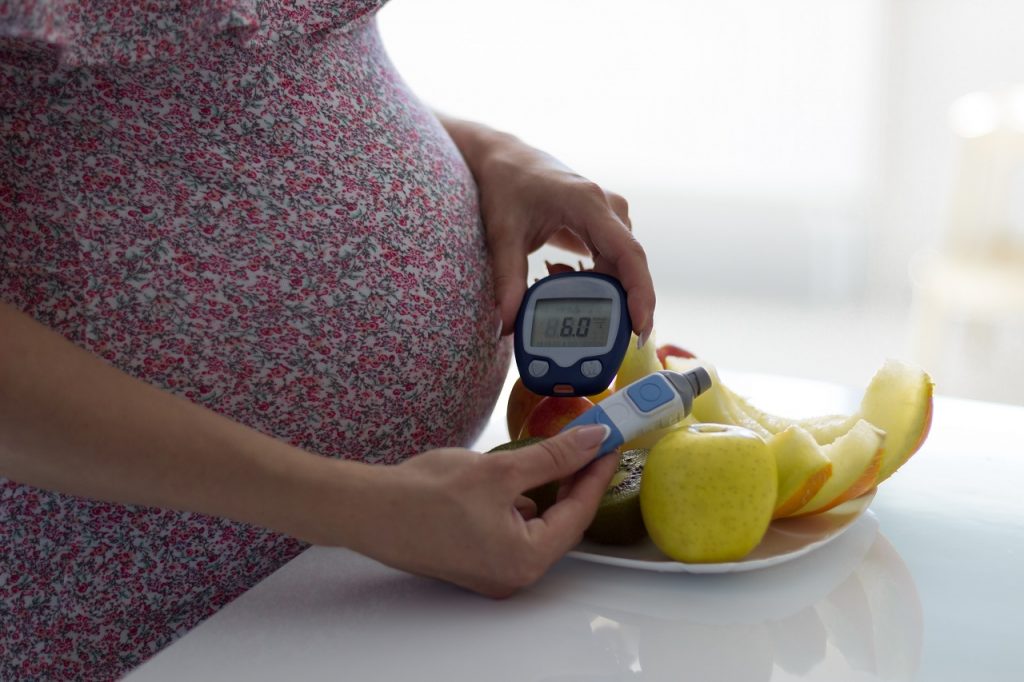
Gestational DiabetesWe all know about Diabetes Mellitus to some extent as Diabetes Mellitus is a chronic metabolic disorder that prevents the body from utilising glucose completely or partially. It is characterised by raised glucose concentration in the blood and alterations in carbohydrate, protein and fat metabolism. But have you ever heard of Gestational Diabetes or Pregnancy Diabetes?

Gestational Diabetes is a high blood sugar (glucose) condition that develops during pregnancy and usually disappears after giving birth. It can happen at any stage of pregnancy, but is more common in the second or third trimester. Insulin requirements goes up one to three times in pregnancy. During normal pregnancy the level of plasma insulin is raised by the action of placental hormones thus placing a burden on the insulin secreting cells of the pancreatic islets. The pancreas may be unable to meet these demands in women genetically predisposed to develop both types of diabetes. Long term studies show that some 80% of women with gestational diabetes ultimately develop permanent clinical diabetes requiring treatment.

What Causes Gestational Diabetes?

The causes of Gestational Diabetes is not known clearly yet. Some, but not all women with gestational diabetes are found to be overweight before getting pregnant or have a family history of diabetes. It is more common in Native American, Alaskan Native, Asian and Black women, but white women may develop it due to poor lifestyle.

Are There Tests to Determine it?

Oral glucose tolerance test (OGTT) is a confirmatory test. The OGTT measures blood glucose after you fast for at least 8 hours. Firstly, the blood sample is drawn in fasting state. Then, 75g of glucose dissolved in 250-300 ml of water is given, Lemon juice may be added for flavour and to prevent nausea. Then the blood specimens are collected every 30 mins for 2-3 hours after the administration of glucose.

High blood glucose levels at any two or more blood test times – Fasting, 1 hour, 2 hours or 3 hours – mean you have Gestational diabetes.

Complications During Pregnancy

If blood sugar is not controlled, it can lead to problems for both maternal and foetal health. Uncontrolled diabetes during the first trimester of pregnancy increases the risk of abortions and congenital malfunctions in the foetus. Some of the major consequences are:

  • High Blood Pressure (Preeclampsia): Preeclampsia is a potentially dangerous pregnancy complication characterised by high blood pressure. Due to the high blood pressure levels of the mother, the protein in urine spikes up and swelling in fingers and toes and lower body persists. High blood pressure can be harmful to both – the mother and the unborn baby. It might lead to the baby being born early and also could cause seizures or a stroke (a blood clot or a bleed in the brain that can lead to brain damage) in the woman during labour or delivery.
  • An Extra Large Baby: Uncontrolled Diabetes in the mother causes the baby’s blood sugar to be high. The baby tends to “overfeed” and grows extra-large. Besides, causing discomfort to the mother, it can lead to problems during delivery causing prolonged labour pain which might need a C-section to deliver the baby. The baby can be born with nerve damage due to pressure on the shoulder during delivery.
  • Low Blood Sugar (Hypoglycaemia): People with diabetes who take insulin or other medications can develop blood sugar that is too low or hypoglycaemia. Low blood sugar can be very serious and even fatal if not treated quickly.

How to Manage Gestational Diabetes

The main modes of treatment of Gestational Diabetes include:

1. Eating a Healthy Diet: Dietary measures are an essential part of the treatment of diabetic patients whether they are on diet alone or on metformin drug or insulin. Carbohydrate restriction impairs insulin sensitivity and reversed by high carbohydrate diet but it needs to be maintained between 60-65% of total calories. So include more complex carbohydrates or polysaccharides like Multi-grain flour, Oats, Muesli, Granola, Amaranth, Pearl Millet (Bajra), Finger Millet (Ragi), Quinoa, etc. Studies have shown that raising carbohydrates does not adversely affect the fasting blood glucose levels, glucose tolerance or insulin requirements provided that total calories are not increased.

Along with carbs, include more protein-rich foods like pulses and lentils, Kidney beans (Rajma), Soya Bean, peas, beans, peanuts, milk and dairy products like yogurt, buttermilk, cottage cheese (paneer), eggs, chicken, etc. to ensure weight gain and prevent osteomalacia during pregnancy. Inclusion of fibre like fruits and green leafy vegetables are must as it improves glucose metabolism without increasing insulin secretion. It increases the intestinal transit-time, delay gastric emptying slow glucose absorption.

2. Drugs or Insulin Treatment: Metformin or Insulin therapy is the accepted medical management of gestational diabetes. Insulin is the first drug of choice and metformin can be considered after 20 weeks of gestation. Insulin must be taken without delay if it is suggested by the doctor.

3. Exercise: Stay Active to help keep your blood sugar under control. Exercise regularly – before, during and after pregnancy. Moderate exercise such as brisk walking for 30mins a day for 5 times a week is a good goal to set.

4. Monitoring Blood Sugar Often: Be aware that your blood sugar can change very quickly, becoming too high or too low depending on what you eat and how much you exercise and your growing baby’s blood sugar also varies several times during the day. Check your blood sugar level as often as directed by the doctor and any time you have symptoms.

By adopting these measures one can enjoy a healthy Antenatal period. For more articles on managing Diabetes, check out Healthy Reads or for further information or guidance, reach out to our certified experts by subscribing to GOQii’s Personalised Health Coaching here.

#BeTheForce

Disclaimer: The information provided in this blog is for general awareness and educational purposes only. It is not intended to replace professional medical advice, diagnosis, or treatment. Always consult a qualified healthcare provider for personalised medical guidance or concerns related to your health. Images shown are for representation purposes only and may not depict the exact recommendations or outcomes.
November 14, 2025 By Pradnya Shinde Leave a Comment

The Hidden Link Between Diabetes and Mental Health – And How to Break the Cycle

A concerned woman holding a glucose meter with a high blood sugar reading, symbolising the connection between diabetes and mental health.This World Diabetes Day, the theme is “Diabetes across life stages,” with a special focus on “Diabetes and Well-being.” This highlights a crucial truth: managing diabetes isn’t just about blood sugar; it’s a lifelong mental and emotional journey.

Is the fear of diabetes complications weighing you down, leaving you anxious and uncertain about your health?

Living with diabetes can feel like a full-time job. The constant blood sugar checks, meal planning, and insulin management can be overwhelming. However, what often goes unnoticed is how much diabetes affects mental health. Did you know that people with diabetes are 50% more likely to experience depression than those without it? And the connection works both ways, depression can also increase the risk of developing diabetes.

So, what’s the link? And more importantly, what can you do about it?

How Diabetes Affects Your Brain

High blood sugar doesn’t just impact your body, it affects your brain too. The hippocampus, which controls memory and emotions, is particularly vulnerable. Over time, elevated blood sugar levels can shrink brain cells, making it harder to focus, think clearly, or remember things.

But that’s not all. It can also trigger mood swings, anxiety, and even lead to depression or dementia. If you’ve been feeling foggy, forgetful, or just “off,” your blood sugar levels might be playing a bigger role than you realise.

Can Depression Lead to Diabetes?

It’s not just diabetes affecting mental health—mental health can impact diabetes too. Depression makes it harder to stay active, eat well, or take care of yourself. This, in turn, can lead to weight gain and insulin resistance, increasing the risk of type 2 diabetes.

To make things even trickier, some antidepressants can cause weight gain, making it harder to manage blood sugar. It’s a vicious cycle—similar to the classic “chicken or egg” dilemma.

The Role of Stress in All of This

Stress is the common thread linking diabetes and depression. When you’re stressed, your body releases cortisol, the “fight or flight” hormone. While short bursts of cortisol are helpful, chronic stress can raise blood sugar levels and make your body less responsive to insulin.

This is why managing stress is just as important as managing your diet or exercise routine. The good news? There are proven ways to break the diabetes-stress cycle.

Stress Through the Life Stages

This “diabetes-stress cycle” can feel different depending on your stage of life.

  • In Childhood & Teens: The stress often comes from feeling different at school, managing blood sugar during exams, or navigating social events and peer pressure.
  • In Adulthood: The pressure shifts to the workplace. This includes discreetly checking blood sugar in meetings, worrying about a hypo-glycaemic episode during a presentation, or balancing a demanding career with self-care.
  • In Older Age: The anxiety might shift to a greater focus on managing complications or fears about the future.

The good news is that the same mind-body tools can help you take control, no matter your age or environment.

How to Take Control of Your Health (Both Physical & Mental)

The key is a mind-body approach—where you care for your mental well-being just as much as your physical health. Here are two effective strategies:

  1. Move More

Exercise is one of the best natural antidepressants out there. When you work out, your body releases endorphins, the “feel-good” chemicals that boost your mood and lower stress. Plus, exercise improves insulin sensitivity, helping your body use glucose more effectively.

Even 15-30 minutes of movement a day—like walking, dancing, or yoga—can make a huge difference in both diabetes management and mental well-being.

  1. Try Cognitive Behavioural Therapy (CBT)

CBT is a type of therapy that helps you reframe negative thoughts. Studies show that when combined with exercise, CBT is more effective than medication alone for improving mental health—and it has long-term benefits.

Here’s a simple CBT trick:

  • If you find yourself thinking, “I’ll never stick to this diet,” try shifting it to, “I might struggle, but I can take it one step at a time.”
  • Small shifts in mindset can reduce stress and help you stay on track.

CBT usually involves 6 to 18 sessions with a therapist, where you’ll set goals, learn healthy coping skills, and challenge unhelpful thinking patterns. Over time, this can transform how you approach both diabetes and your overall well-being.

Dealing With Emotional Eating

Ever find yourself reaching for food when you’re stressed, bored, or feeling low? You’re not alone. Emotional eating is common—but recognising triggers is the first step in managing it.

Here’s how to keep it under control:

  • Keep healthy snacks nearby – like nuts, yoghurt, or fruit.
  • Stay hydrated – sometimes thirst feels like hunger.
  • Practise mindful eating – focus on your food, chew slowly, and avoid distractions.
  • Find other stress relievers – try deep breathing, a short walk, or listening to music.

Balanced meals with protein, healthy fats, and fibre can also help stabilise mood and reduce cravings.

Breaking the Cycle

Living with diabetes can be overwhelming, but you don’t have to do it alone. By incorporating simple strategies like exercise, CBT, and mindful eating, you can take charge of both your mental and physical health.

It’s not about being perfect—it’s about progress. Small changes, done consistently, can have a huge impact over time.

By addressing both physical and mental health, you can break the diabetes-stress cycle and regain control of your well-being. Whether it’s through movement, therapy, stress management, or better eating habits, the goal is progress—not perfection.

If you’re struggling, reach out for support—you deserve to feel your best.

What has helped you manage stress or mental health while living with diabetes? Share your experience in the comments below!

#BeTheForce

Disclaimer: The information provided in this blog is for general awareness and educational purposes only. It is not intended to replace professional medical advice, diagnosis, or treatment. Always consult a qualified healthcare provider for personalised medical guidance or concerns related to your health.

November 13, 2025 By GOQii Leave a Comment

Delicious Low-Carb Desserts You Can Enjoy Guilt-Free

Who says you can’t have your dessert and eat it too, without compromising your health goals? Satisfying your sweet tooth doesn’t have to mean ditching nutrition! These low-carb, nutrient-rich, and utterly delicious treats let you indulge in the flavours you love while staying on track with your wellness journey.



From the fudgy richness of Flourless Chocolate Avocado Brownies to the creamy delight of Keto-Friendly Cheesecake Bites, and the refreshing fruitiness of Raspberry/Strawberry Chia Seed Pudding, each recipe is crafted with wholesome ingredients that nourish your body and leave you feeling great.

So go ahead, treat yourself and feel good about every bite!

Flourless Chocolate Avocado Brownies

Who said brownies need sugar and flour to be tasty? These brownies are proof that you can indulge in rich, fudgy goodness without the guilt. Packed with healthy fats from avocado and naturally sweetened, this dessert is a dream come true for chocolate lovers following a low-carb lifestyle.

Ingredients

  • 2 ripe avocados
  • ½ cup unsweetened cocoa powder
  • ½ cup sugar-free sweetener (erythritol or stevia)
  • 2 eggs
  • 1 tsp vanilla extract
  • ¼ tsp salt
  • Optional: sugar-free chocolate chips for added indulgence

Method

  1. Preheat oven to 350°F (175°C) and grease a baking dish.
  2. In a food processor, blend avocados, cocoa powder, sugar-free sweetener, eggs, vanilla extract, and salt until smooth and creamy.
  3. Pour into the greased dish and spread evenly. Add sugar-free chocolate chips if desired.
  4. Bake for 25–30 minutes, or until a toothpick inserted comes out clean.
  5. Let cool completely before slicing into squares.

Why It’s Good for You

✔ Rich in healthy fats from avocado to support heart health
✔ Low in sugar, perfect for low-carb or keto lifestyles
✔ Antioxidant boost from cocoa to help reduce inflammation

These brownies are everything you could want—rich, fudgy, and packed with nutrients. Have a slice (or two) without the guilt!

Keto-Friendly Cheesecake Bites

Craving cheesecake while watching carbs? You can absolutely indulge with these mini creamy delights that hit the sweet spot while staying healthy.

Ingredients

  • 225g (8oz) cream cheese, softened
  • ¼ cup sugar-free sweetener (erythritol or stevia)
  • 1 egg
  • 1 tsp vanilla extract
  • Optional: sugar-free fruit preserves for topping

Method

  1. Preheat oven to 350°F (175°C) and line a mini muffin tin with paper liners.
  2. In a mixing bowl, beat the softened cream cheese and sugar-free sweetener until smooth.
  3. Add egg and vanilla extract, mixing well.
  4. Spoon the mixture into liners, filling each nearly to the top.
  5. Bake for 12–15 minutes, until lightly golden at edges.
  6. Cool before topping with sugar-free fruit preserves if using.

Why It’s Good for You

✔ High in protein and healthy fats for sustained energy
✔ Low in carbs, ideal for keto and diabetic-friendly diets
✔ Small portions, big flavour – indulgence without overdoing it

Chilled or room temperature, these cheesecake bites are a creamy, satisfying treat you’ll want to make again and again.

Raspberry/Strawberry Chia Seed Pudding

Looking for a light yet satisfying dessert? This pudding is creamy, fruity, and loaded with nutrients—perfect for a refreshing end to your day.

Ingredients

  • 1 cup unsweetened almond milk
  • ¼ cup chia seeds
  • ½ tsp vanilla extract
  • 1 tbsp sugar-free sweetener (erythritol or stevia)
  • ½ cup fresh raspberries / strawberries

Method

  1. Whisk almond milk, chia seeds, vanilla extract, and sugar-free sweetener in a bowl.
  2. Let sit for 5 minutes, whisk again to avoid clumping.
  3. Cover and refrigerate for at least 2 hours or overnight.
  4. Stir well before serving, top with raspberries / strawberries.

Why It’s Good for You

✔ High in fibre – aids digestion and keeps you fuller for longer
✔ Rich in omega-3s – supports brain and heart health
✔ Naturally sweet & low-carb – enjoy without a sugar crash

A perfect make-ahead dessert that’s simple, tasty, and good for your health!

With the right ingredients and smart swaps, desserts can be both indulgent and nutritious. These low-carb delights show that you don’t need refined sugar or heavy carbs to enjoy rich, satisfying treats.

Whether you’re after chocolatey decadence, creamy cheesecake, or fruity, nutrient-packed pudding, these recipes fit into a balanced, healthy lifestyle.

Simple to prepare and a joy to eat—because healthy eating should always taste this good!

💬 Which one will you try first? Let us know in the comments!

#BeTheForce

Disclaimer: The information provided in this blog is for general awareness and educational purposes only. It is not intended to replace professional medical advice, diagnosis, or treatment. Always consult a qualified healthcare provider for personalised medical guidance or concerns related to your health.

October 30, 2025 By Priyanka Mangla 3 Comments

The Early Signs & Symptoms of Diabetes

symptoms of diabetesDiabetes has become one of the most common lifestyle disorders affecting both, urban and rural areas alike. You can attribute this to overeating, obesity, stressful, busy and sedentary lifestyles which lead to the early symptoms of diabetes. This also includes lack of proper nutrition which leads to disturbed glucose metabolism. Heredity is also a major factor in the development of the disease. It is usually misunderstood that eating only refined sugar in excess will lead to diabetes but that’s not the case. Excess intake of proteins and fats also leads to development of diabetes because ultimately they are also metabolized and converted to glucose.

Diabetes is characterized by the elevated levels of glucose in the blood and urine. It is of 2 types:

  • Type 1: is present since birth due to complete absence of insulin 
  • Type 2: Develops later in life due to the deficiency of insulin

There are other variants too like gestational diabetes which occur during  pregnancy. Read more about it here: https://goqii.com/blog/what-gestational-diabetes-can-do-to-you-your-unborn-child/ 

Since untreated or uncontrolled diabetes gradually starts affecting the functioning of major organs of the body, like the heart, kidneys, brain, nervous system, eyes, etc. it is important to diagnose and manage diabetes as early as possible.  

How Can You Diagnose It? 

It is diagnosed by a blood test, in which the blood glucose in the fasting state (normal values range between 80-120 mg/100 ml of blood) and 2 hours after having the meal (normal values, 140 mg/100 ml of blood) are measured. Now, even before getting your blood glucose tested, there are certain signs and symptoms which our body shows which indicate the development of diabetes. 

Early Signs and Symptoms of Diabetes

  1. 3P’s: Polyphagia (increased hunger), polydipsia (increased thirst), polyuria (increased urination). Remember these 3 P’s and look out if you are experiencing these. 
  2. Loss of weight: In spite of increased hunger, there will be a very sharp loss of weight, which again is a warning symptom. This is happening because the glucose is getting lost in the urine, also due to insufficient insulin, the available glucose is not getting utilized to provide energy and to function, the body has started utilizing the glucose which is stored in the muscles and organs. 
  3. Getting tired: Loss of weight due to this condition leads to early tiredness. The person gets tired easily both mentally and physically. 
  4. Dry mouth: Despite drinking more water, there will be dryness in the mouth. 
  5. Paleness: appears because of anemia.
  6. Frequent infections and delayed healing of wounds: happens due to excess of glucose in the blood. 
  7. Loss of libido. 

In its early stages, we can easily prevent it from progressing further to a full blown Diabetes Mellitus with: 

  • Regular exercise: for a minimum of 30 minutes to maintain optimum weight. Engage yourself in light games. 
  • Proper diet: Which includes salads with meals (this slows down digestion and prevents an immediate spike in blood sugar levels) and excluding refined sugar, alcohol, smoking and high fat foods. 
  • Yoga & meditation: take care of the stress levels and curb the disease from getting any worse. Pranayama (Breath Control) and certain yoga asanas like Cobra Pose (Bhujangasana), Shoulder Stand (Sarvangasana) and various others help in stimulating the pancreas to produce insulin . 

There are certain home remedies which can be used as a supportive measure. I want to discuss here the two most important ones. 

  1. Bitter gourd (Karela): is highly beneficial in the treatment of diabetes. It contains an insulin-like principle, known as plant-insulin which has been found effective in lowering the blood and urine sugar levels.
  2. Java Plum (Jamun): The seeds contain a glycoside ‘jamboline’ which has the power to check the pathological conversion of starch into sugar in cases of increased production of glucose. In the Homoeopathic system of medicine, we have a very effective medicine prepared from this fruit to treat diabetes. 

We hope this article helps you manage Diabetes and helps you spot the early signs and symptoms. Do leave your thoughts in the comments below! For more articles on managing Diabetes, check out Healthy Reads. 

For further guidance and motivation by certified experts, join the GOQii Diabetes Care program. It’s India’s only diabetes program that is driven by Smart Science and Personal Coaching to improve Fasting Blood Sugar (FBS), Postprandial Blood Sugar (PP), and reduce HbA1c levels. You can subscribe here: https://store.goqii.com/diabetescare.

#BeTheForce Against Diabetes! 

Disclaimer: The information provided in this blog is for general awareness and educational purposes only. It is not intended to replace professional medical advice, diagnosis, or treatment. Always consult a qualified healthcare provider for personalised medical guidance or concerns related to your health. Images shown are for representation purposes only and may not depict the exact recommendations or outcomes.

  • 1
  • 2
  • 3
  • …
  • 14
  • Next Page »

Search

Recent Posts

  • Navigating the Maze of Nutrition: Finding Clarity Amidst Confusion
  • Get children active and keep them healthy
  • What Gestational Diabetes Can Do To You & Your Unborn Child
  • Breathing – A Forgotten Art
  • The Incredible Benefits Of Milk You Might Not Know

Stay Updated

Archives

  • December 2025 (3)
  • November 2025 (15)
  • October 2025 (20)
  • September 2025 (6)
  • August 2025 (6)
  • July 2025 (12)
  • June 2025 (18)
  • May 2025 (16)
  • April 2025 (23)
  • March 2025 (23)
  • February 2025 (22)
  • January 2025 (26)
  • December 2024 (26)
  • November 2024 (25)
  • October 2024 (22)
  • September 2024 (24)
  • August 2024 (31)
  • July 2024 (21)
  • June 2024 (26)
  • May 2024 (31)
  • April 2024 (27)
  • March 2024 (29)
  • February 2024 (26)
  • January 2024 (25)
  • December 2023 (15)
  • November 2023 (11)
  • October 2023 (22)
  • September 2023 (22)
  • August 2023 (20)
  • July 2023 (22)
  • June 2023 (24)
  • May 2023 (24)
  • April 2023 (24)
  • March 2023 (23)
  • February 2023 (20)
  • January 2023 (16)
  • December 2022 (12)
  • November 2022 (15)
  • October 2022 (15)
  • September 2022 (12)
  • August 2022 (10)
  • July 2022 (17)
  • June 2022 (11)
  • May 2022 (10)
  • April 2022 (6)
  • March 2022 (6)
  • February 2022 (13)
  • January 2022 (12)
  • December 2021 (7)
  • November 2021 (3)
  • October 2021 (6)
  • September 2021 (3)
  • August 2021 (8)
  • July 2021 (7)
  • June 2021 (15)
  • May 2021 (16)
  • April 2021 (10)
  • March 2021 (7)
  • February 2021 (4)
  • January 2021 (4)
  • December 2020 (3)
  • November 2020 (4)
  • October 2020 (10)
  • September 2020 (3)
  • August 2020 (3)
  • July 2020 (2)
  • June 2020 (4)
  • May 2020 (10)
  • April 2020 (12)
  • March 2020 (10)
  • February 2020 (4)
  • January 2020 (4)
  • December 2019 (3)
  • November 2019 (7)
  • October 2019 (5)
  • September 2019 (4)
  • August 2019 (9)
  • July 2019 (9)
  • June 2019 (11)
  • May 2019 (4)
  • April 2019 (9)
  • March 2019 (8)
  • February 2019 (9)
  • January 2019 (8)
  • December 2018 (9)
  • November 2018 (3)
  • October 2018 (3)
  • September 2018 (5)
  • August 2018 (10)
  • July 2018 (6)
  • June 2018 (13)
  • May 2018 (8)
  • April 2018 (18)
  • March 2018 (9)
  • February 2018 (8)
  • January 2018 (15)
  • December 2017 (12)
  • November 2017 (19)
  • October 2017 (13)
  • September 2017 (15)
  • August 2017 (4)
  • July 2017 (8)
  • June 2017 (7)
  • May 2017 (6)
  • April 2017 (8)
  • March 2017 (6)
  • February 2017 (7)
  • January 2017 (9)
  • December 2016 (10)
  • November 2016 (7)
  • October 2016 (7)
  • September 2016 (7)
  • August 2016 (11)
  • July 2016 (9)
  • June 2016 (9)
  • May 2016 (12)
  • April 2016 (17)
  • March 2016 (17)
  • February 2016 (8)
  • January 2016 (6)
  • December 2015 (2)
  • November 2015 (9)
  • October 2015 (7)
  • September 2015 (9)
  • August 2015 (11)
  • July 2015 (9)
  • June 2015 (12)
  • May 2015 (9)
  • April 2015 (13)
  • March 2015 (8)
  • February 2015 (5)
  • January 2015 (12)
  • December 2014 (14)
  • November 2014 (11)
  • October 2014 (6)
  • September 2014 (13)
  • August 2014 (12)
  • July 2014 (6)
  • June 2014 (2)
  • May 2014 (7)
  • April 2014 (5)

From “Laddu Nawin” to Fit and Fierce: How a 25-Year-Old Insurance Advisor Shed 20 Kilos and Gained His Life Back

When 25-year-old Nawin Yadav from Hyderabad walked into his office every morning, he carried more than just his files and policy papers. He had the weight of fatigue, sluggish energy, and an ever-growing belly that was becoming the butt of jokes. “People … [Read More...]

“I’ve Challenged Myself to Live 100 Years” – The Story of Chandubhai Savani’s Second Chance at Life

At 67, most people start slowing down. Not Chandubhai Savani. A resident of Surat, Chandubhai, thought life was on track. “My life was going well till I had my bypass surgery,” he says. That surgery, back in 2021, was a wake-up call.  Medication was routine, but exercise wasn’t. His diet? What he calls ‘normal.’ “I […]

From Shimla’s Slopes to Chandigarh’s Sidewalks: Surinder Kaur Bhalla’s Journey from Chaos to Control

Some journeys start with a plan. Others begin with a stumble literally. Surinder Bhalla, a government professional, born and raised in the scenic hill town of Shimla, had always lived a life of movement. “In Shimla, you walked everywhere,” she reflects. “Walking was never an exercise. It was just life.” But after shifting to Chandigarh, […]

Ananda Mukherjee Health Story

From Terminal Illness To Complete Wellness! Ananda Mukherjee Health Story

As we observe World Cancer Day under the powerful theme ‘United by Unique’ (2025-2027)**, we are reminded that every individual’s journey with cancer is distinct, yet united by shared resilience, hope, and the collective fight against this disease. This theme places people at the centre of care and their stories at the heart of the […]

  • HOME
  • HEALTHY LIVING
  • FITNESS
  • HEALTHY RECIPES
  • USER STORIES
  • KARMA
  • BUY GOQii

Copyright ©2016 GOQii



