

With No Smoking Day upon us, there is no better time to evaluate the true impact of this habit. We are all incredibly familiar with this warning. Research consistently indicates that smoking is the number one cause of preventable death globally. By now, most of us are acutely aware of the severe toll it takes on the body.
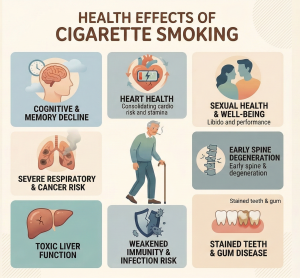
Chronic smoking is directly linked to:
- Cardiovascular disease
- Impotence, lack of sexual desire, and inability to perform
- Various forms of cancer
- A weakened immune system
- Severely stained teeth
- Early degeneration of bones (especially the spine)
- Reduced lung function and capacity
- Liver toxicity
- Reduced stamina and endurance
- Premature aging
Besides the above, there are several benefits of kicking the butt, apart from of course saving loads of money and time.
Interesting fact: 75% to 85% of smokers want to quit, but simply don’t know how, or find the withdrawal process too daunting.
One of the main reasons it is so hard to stop is because the dangers of continuing, and the benefits of quitting, seem very far away. However, your body begins to heal almost instantly.
The Healing Timeline: What Happens Right Now?
Here is a timeline detailing the immediate and long-term effects of quitting smoking, showing exactly how your body recovers minute by minute, and year by year.
- In 20 minutes: Your blood pressure and heart rate will drop back down to normal levels.
- In 8 hours: The carbon monoxide (a toxic gas) levels in your bloodstream will drop by half. Oxygen levels will return to normal, and your metabolism will begin to stabilize.
- In 48 hours: Your chances of having a heart attack will have already decreased. All nicotine will have left your body. You will also notice your sense of taste and smell returning to normal levels.
- In 72 hours: Your bronchial tubes will relax. You will notice an increase in your energy levels and lung volume.
- In 2 weeks: Your blood circulation will increase, and it will continue to improve over the next 10 weeks.
- In 3 to 9 months: Coughs, wheezing, and breathing problems will dissipate as your lung capacity improves by an impressive 10%.
- In 1 year: Your risk of suffering a heart attack will have dropped by half compared to a smoker.
- In 5 years: Your risk of having a stroke returns to that of a non-smoker.
- In 10 years: Your risk of developing lung cancer will have dropped to that of a non-smoker.
- In 15 years: Your overall risk of a heart attack will have entirely returned to that of someone who has never smoked.
You have far more immediate benefits to look forward to than you might realize. The healing starts the moment you put out your last cigarette. Make this No Smoking Day the day you finally kick the habit. Quit now!
Nutritional Support for Smokers
If you are currently smoking or in the process of quitting, nutritional support is vital. Smokers should ensure they take Vitamin C regularly, as smoking heavily depletes the body’s natural levels of this crucial antioxidant. Additionally, regular consumption of Curcumin (turmeric extract) is known to help clear nicotine patches from the lungs and is widely studied for its role in possible cancer prevention.
#BeTheForce
Disclaimer: GOQii is committed to providing accurate, up-to-date, and comprehensive health information. This article is intended for informational purposes only and should not be used as a substitute for professional medical advice, diagnosis, or treatment. Always consult a qualified healthcare professional before starting or changing any medication or supplement. Individual responses to treatment may vary.
 Every nutritionist will tell you to improve your fibre intake, particularly because of the role it plays in supporting fat loss, reducing the risk of heart disease, and certain cancers. It plays a key role in digestive health and creating a sense of fullness which essentially means that enough fibre can help you manage your weight effectively!
 The principles of weight gain and loss remain consistent, regardless of emerging theories on molecular science, blood group diets, fad exercise programmes, or restrictive eating plans. Fundamentally, your body utilises only the amount of food it requires for its functions. Any surplus is stored, potentially leading to fat accumulation.
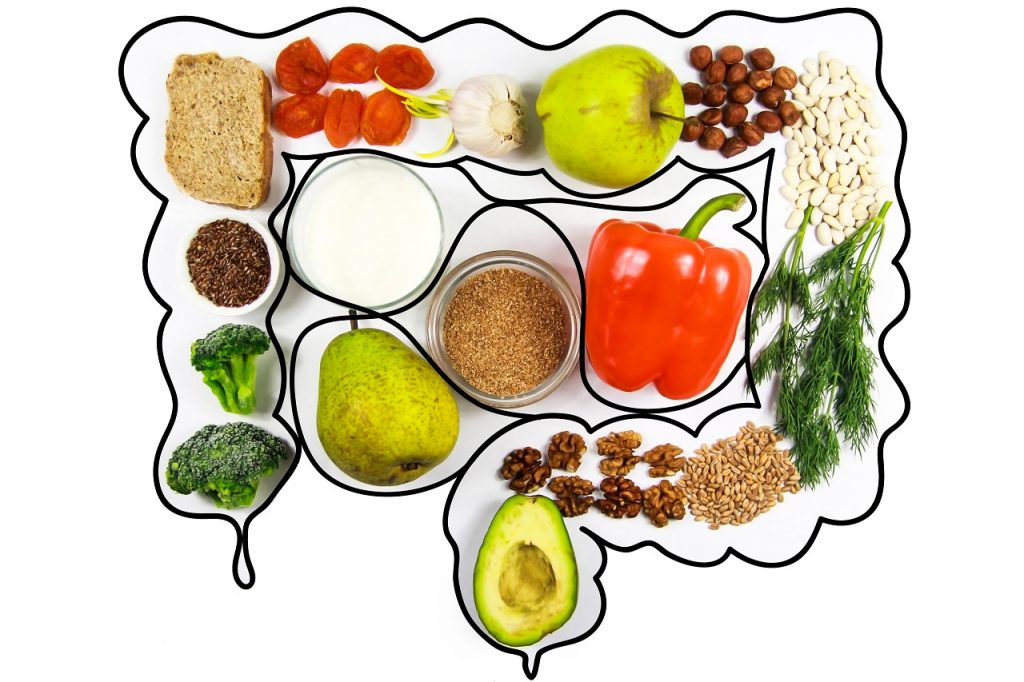 How often are you worried about that sneaky fat creeping up around your mid-section, a bloated belly after meals or low energy sabotaging your workout? What do all of these have in common? They reflect the direct relationship between sluggish digestion, slow metabolism, and weight gain. Overeating during the holidays and less physical activity means this process can really snowball in the winter.


