Women’s empowerment is no longer just a buzzword—it’s a movement reshaping the world around us. From leading innovative tech startups in bustling cities to creating change in grassroots movements and local communities, women prove every day that there’s no limit to what they can achieve.
This year’s theme for International Women’s Day—‘Accelerate Action: Forge an Inclusive Workplace for Women’—is a powerful reminder that, while we’ve made significant progress, there is still much more to be done. Women everywhere must be given the opportunities they deserve, particularly in the workplace. When women rise, they don’t just elevate themselves—they uplift others, creating a ripple effect that transforms communities and societies.
Prioritising Self-Care Isn’t a Luxury
As women take on larger roles and greater responsibilities, both in the workplace and at home, they mustn’t lose sight of their health. In the pursuit of success, too many women find themselves overwhelmed, trying to juggle multiple roles while neglecting their own well-being.
Prioritising self-care isn’t a luxury—it’s a necessity. Women must perform at their best and avoid burnout. Whether it’s making time for exercise, ensuring proper nutrition, or simply taking moments to rest and recharge, maintaining a healthy work-life balance is crucial for long-term success.
Women can’t pour from an empty cup. Taking care of their mental and physical health is just as important as excelling in their careers.
The Value of Women in Leadership
When women are empowered with equal opportunities and included in decision-making, the value they bring to organisations is immeasurable. Women bring diverse perspectives, innovative problem-solving abilities, and leadership qualities that enrich workplaces in ways beyond profit margins.
Several studies have shown that companies with more women in leadership roles consistently outperform their competitors, demonstrating the undeniable benefits of diverse leadership in driving success.
Women’s leadership styles tend to be inclusive, transformational, and collaborative—qualities that create thriving workplace cultures and foster stronger team dynamics. These leadership approaches drive creativity, build loyalty, and encourage innovation, making organisations more adaptable and future-ready.
Building a Better Future Through Inclusion
Incorporating more women into leadership positions doesn’t just improve businesses—it also drives societal change. When women are included in key decision-making roles, issues like gender equity, family policies, and community welfare rise to the forefront. Their involvement ensures that solutions are crafted with everyone in mind, leading to more inclusive and equitable societies.
Women’s voices in leadership also have a powerful impact on shaping policies that promote social good—whether in healthcare, education, or economic development.
A Future Full of Possibilities
While we must acknowledge the challenges women still face, it’s important to focus on the boundless potential ahead. The actions we take today to ensure equal opportunities for women aren’t just about fairness—they’re about unlocking the full power of inclusion.
When women are empowered and supported in every aspect of life, they can transform workplaces, economies, and entire societies.
Let’s work towards a future where every woman, no matter her background, has the tools, support, and opportunities to realise her fullest potential—while also making space to care for her well-being. By embracing both empowerment and self-care, we’ll create a more inclusive world for women and unlock the full potential of humanity as a whole.
✨ The future is bright, and it’s waiting for us to seize it—together. ✨
#BeTheForce







 Many people use food as a coping mechanism, but when does it cross the line into something more serious like Binge Eating Disorder (BED)? Let’s explore the key differences.
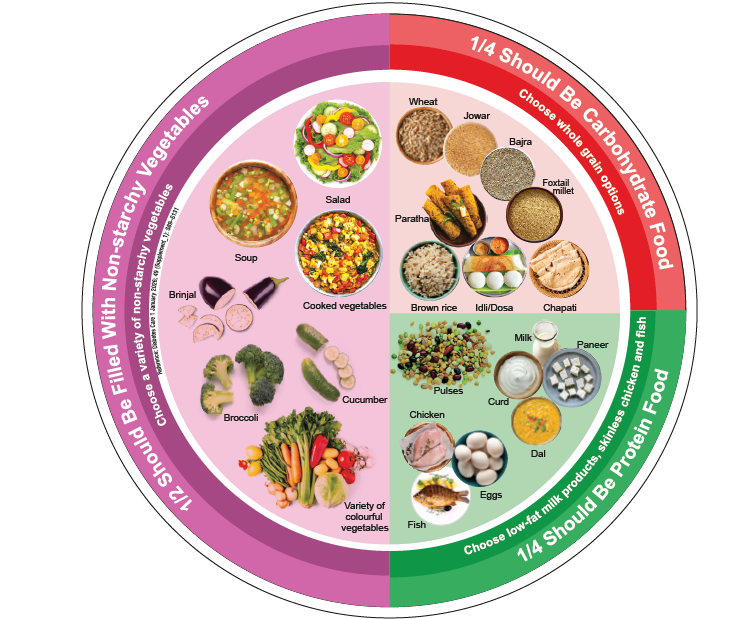
 How USEMA works and why diet matters?