GOQii

Blog

  • HOME
  • HEALTHY LIVING
  • FITNESS
  • HEALTHY RECIPES
  • USER STORIES
  • KARMA
  • BUY GOQii

October 29, 2023 By Farida Gohil 1 Comment

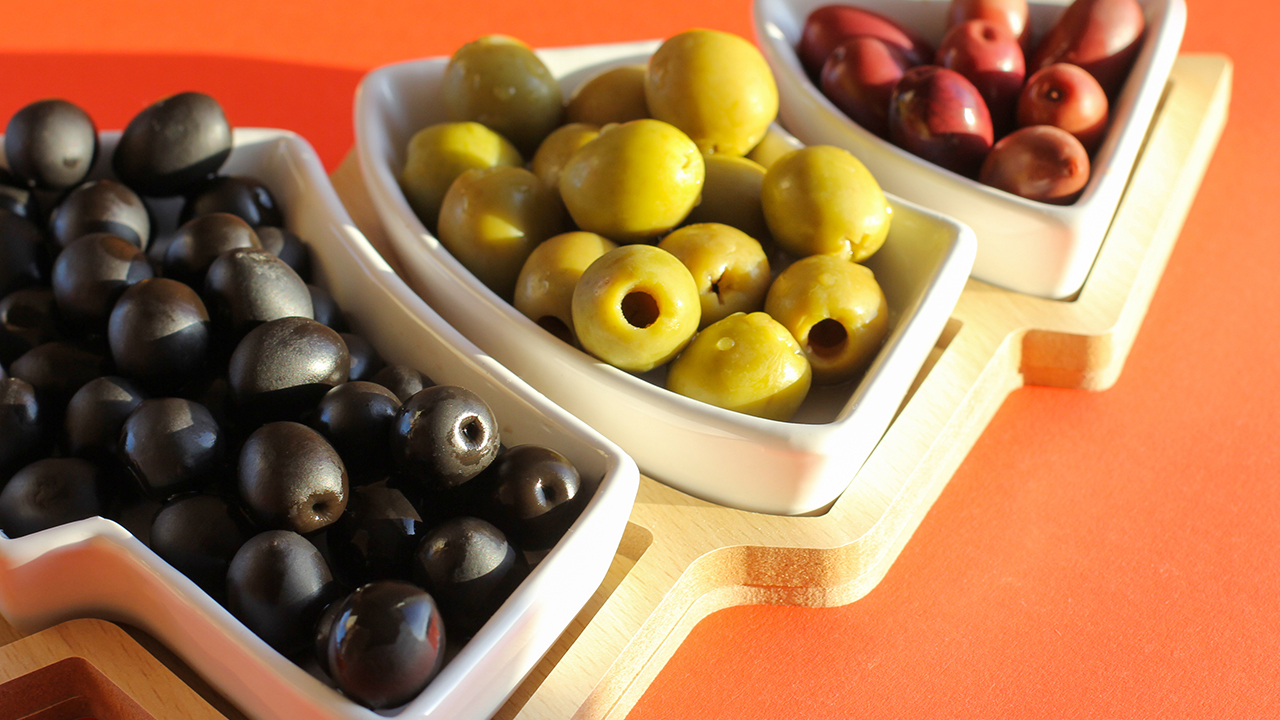
Olives and its benefits

OlivesOlives are a colourful, sour taste fruit but most of the time counted as a vegetable too. It has tremendous health benefits…

BENEFITS OF OLIVES

1. Weight Loss-It appears that monounsaturated fats, the kind found in olives, may encourage weight loss. Olive oil consumption has been shown to breakdown fats inside fat cells, get rid of belly fat and reduce insulin insensitivity.

People who have the highest olive consumption eat fewer calories overall and are rarely overweight. Blood tests show they have higher levels of serotonin, a so-called satiety hormone that makes us feel full. The aroma extracts from olive oil can leave us feeling fuller, cutting our calorie intake by almost 200 a day, they said.

By eating just 10 olives before a meal, you can reduce your appetite by up to 20%. This is because the monounsaturated fatty acids contained in olives slow down the digestion process and stimulate the hormone cholecystokinin, a hormone that sends messages of fullness to the brain. Not only does it do that, but it also helps your body to stimulate the production of adiponectin, a chemical that burns fat for up to five hours after ingestion.

2. Cardiovascular benefits-When free radicals oxidize cholesterol, blood vessels are damaged and fat builds up in arteries, possibly leading to a heart attack. The antioxidant nutrients in black olives impede this oxidation of cholesterol, thereby helping to prevent heart disease. Olives do contain fat, but it’s the healthy monounsaturated kind, which has been found to shrink the risk of atherosclerosis and increase good cholesterol.When diets low in monounsaturated fat are altered to increase the monounsaturated fat content (without becoming too high in total fat), research study participants typically experience a decrease in their blood cholesterol, LDL cholesterol, and LDL: HDL ratio. All of these changes lower our risk of heart disease.

Recent research studies have also shown that the monounsaturated fat found in olives (and olive oil) can help to decrease blood pressure. The oleic acid found in olives–once absorbed up into the body and transported to our cells–can change signalling patterns at a cell membrane level (specifically, altering G-protein associated cascades). These changes at a cell membrane level result in decreased blood pressure.

3. Cancer prevention-The antioxidant and anti-inflammatory properties of olives make them natural for protection against cancer because chronic oxidative stress and chronic inflammation can be key factors in the development of cancer. If our cells get overwhelmed by oxidative stress (damage to cell structure and cell function by overly reactive oxygen-containing molecules) and chronic excessive inflammation, our risk of cell cancer is increased. By providing us with rich supplies of antioxidant and anti-inflammatory nutrients, olives can help us avoid this dangerous combination of chronic oxidative stress and chronic inflammation. Black olives are a great source of vitamin E, which has the ability to neutralize free radicals in body fat. Especially when working with the stable monounsaturated fats found in olives, vitamin E can make cellular processes safer. When such processes such as mitochondrial energy production are not well protected, the free radicals produced can cause oxidation, damaging a cell’s mitochondria, and preventing the cell from producing enough energy to supply its needs. If the DNA of a cell is damaged, it may well mutate and become cancerous. Studies have shown that a diet supplemented with olive oil leads to a lower risk of colon cancer, almost as low a risk as a diet rich in fish oil.

4. Skin and hair health-Eating olives can improve the appearance of wrinkles by 20% since they contain oleic acid, which keeps skin soft and healthy. Black olives are rich in fatty acids and antioxidants that nourish, hydrate and protect. Chief among those is vitamin E. Whether applied topically or ingested, vitamin E has been shown to protect skin from ultraviolet radiation, thus guarding against skin cancer and premature ageing. You can gain a healthy, glowing complexion by washing your face in warm water, applying a few drops of olive oil to vulnerable spots, and letting it work its magic for 15 minutes before rinsing it off. In fact, you can moisturize with olive oil before any bath, and even condition your hair with it by mixing it with an egg yolk and leaving it before rinsing and washing.

5. Bone and connective tissue-The anti-inflammatory abilities of the monounsaturated fats, vitamin E, and polyphenols in black olives may also help dull the asperity of asthma, osteoarthritis, and rheumatoid arthritis. Most of the suffering in having one of these three bone maladies is brought about by high levels of free radicals. Olive oil also contains a chemical called oleocanthal, which acts as a painkiller. Research has found that oleocanthal inhibits inflammation by the same means that drugs like Ibuprofen do.

6. Digestive tract health-Frequent consumption of both vitamin E and the monounsaturated fats in black olives is associated with lower rates of colon cancer. These nutrients help prevent colon cancer by neutralizing free radicals. Olive oil’s protective function also has a beneficial effect on ulcers and gastritis. Olive oil activates the secretion of bile and pancreatic hormones much more naturally than prescribed drugs, thereby lowering the incidence of gallstone formation. A cup of black olives also contains 17% of the daily allowance of fiber, which promotes digestive tract health by helping to move food through the system at a healthier pace. This keeps any one part of the digestive tract from having to work too hard and supports the ideal balance of chemicals and populations of microorganisms required for a healthy digestive system.

7. Less Allergies-New research may help explain how olives work to provide us with anti-inflammatory benefits, especially during circumstances involving allergy. Olive extracts have now been shown to function as anti-histamines at a cellular level. By blocking special histamine receptors (called H1 receptors), unique components in olive extracts may help to lessen a cell’s histamine response. Because histamine is a molecule that can get overproduced in allergy-related conditions and can be a key player in the inflammatory process, it’s likely that the anti-inflammatory benefits we get from olives involve this anti-histamine pathway. It’s also possible that olives may have a special role to play as part of an overall anti-allergenic diet. Your circulation will improve and you’ll be able to breathe easier with olive consumption. They can increase blood flow and help lessen the effects of illnesses such as asthma through its anti-inflammatory properties.

8. Good source of iron

Just one cup of olives is a great source of iron – 4.4mg.

Black olives are very high in iron. The ability of red blood cells to carry oxygen throughout the body is due to the presence of iron in the blood. If we suffer from a lack of iron, our tissues don’t get enough oxygen, and we may feel cold or weak. Iron also plays a vital role in the production of energy. It is a necessary part of a number of enzymes, including iron catalase, iron peroxidase, and the cytochrome enzymes. It also helps produce carnitine, a nonessential amino acid important for the utilization of fat. To top it all off, the proper function of the immune system is dependent on sufficient iron.

Olives are a great protection against anaemia

9. Eye health

One cup of black olives contains ten percent of the daily recommended allowance of vitamin-A which, when converted into the retinal form, is crucial for healthy eyes. It enables the eye to better distinguish between light and dark, thereby improving night vision. Furthermore, Vitamin A is believed effective against cataracts, macular degeneration, glaucoma and other age-related ocular diseases.

10. Less Pain 

Spanish-style green olives, Kalamata-style olives, and many different methods of olive preparation provide us with valuable amounts of many different antioxidant and anti-inflammatory nutrients which can act as a natural Ibuprofen. Their oils contain oleocanthal, a substance with anti-inflammatory agents. Similar to classical NSAIDs, they are a type of non-selective inhibitor of cyclooxygenase (COX). 50g (more than three and a half tablespoons) of a typical virgin olive oil per day contains an amount of oleocanthal with similaranti-inflammatory effect as 1/10 of the adult ibuprofen dose.

11. Increases Blood Levels of Glutathione

Olives have shown the ability to increase blood levels of glutathione (one of the body’s premier antioxidant nutrients). Consumption of olive pulp is associated with significantly increased glutathione levels in the blood and improvement in antioxidant capacity.

Here are some MORE interesting olive health facts:

– Olives reduce the effects of degenerative diseases like Alzheimer’s, benign and malignant tumours, including less serious varicose veins and cavities

– Olives help prevent blood clots that could lead to a myocardial infarction or deep vein thrombosis (DVT)

– Olives enhances fertility and reproductive system

– Olives play an important role in maintaining a healthy immune system, especially during oxidative stress and chronic viral diseases

– And just in case these benefits weren’t enough, they are also a great aphrodisiac.

– Olives are nutritious and rich in mineral content as sodium, potassium, magnesium, iron, phosphorus and iodine

– Olives contain polyphenols, a natural chemical that reduce oxidative stress in the brain. So by eating a daily serving of olives helps improve your memory by up to 25%.

-Olives are a savory and delicious addition to meals or appetizers. They are low in carbs, but high in healthy fats.

So Go ahead and incorporate Olives into your diet in any form like Raw or oil form, and make a great addition to a healthy, real food-based diet!!!

If you found this information helpful, please share your thoughts in the comments below. For further guidance and personalised tips, reach out to our certified experts by subscribing to GOQii’s Personalised Health Coaching here.
October 20, 2023 By Farida Gohil 7 Comments

10 foods with super qualities that will help in healthy living

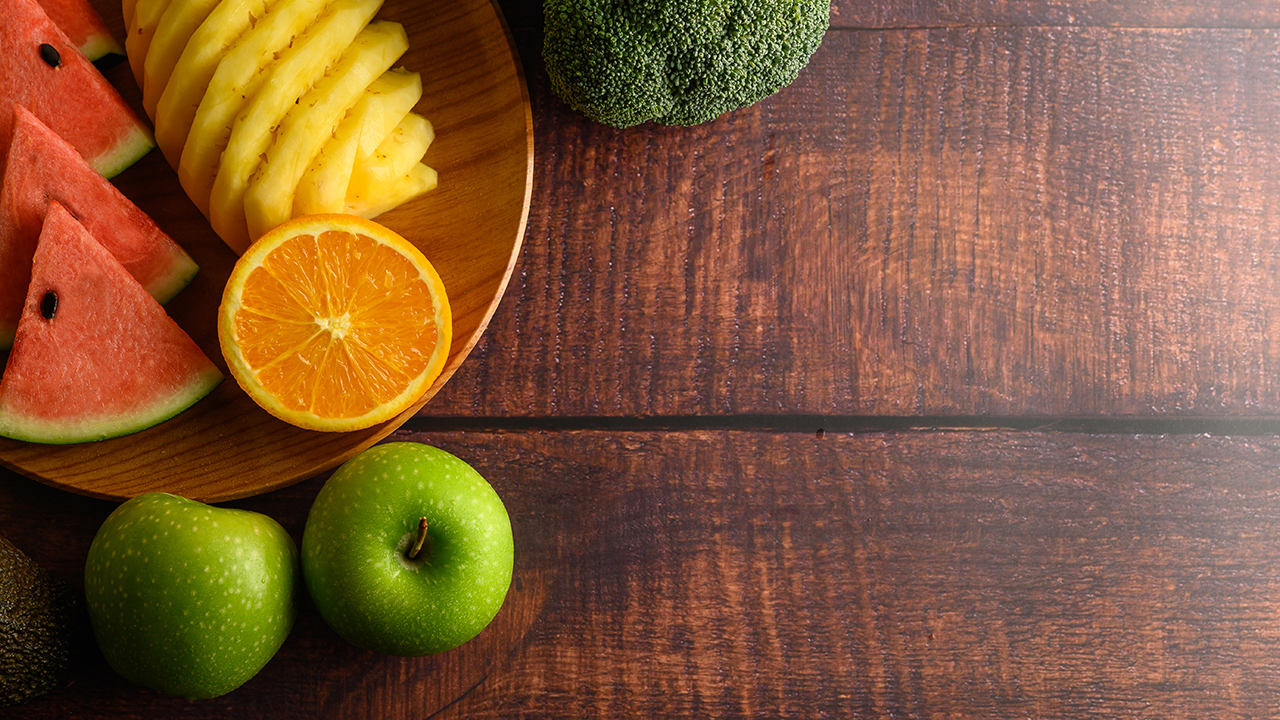
image of fruits and brocolli

All foods are unique in their calorie count, and unique in the way they are digested. Those foods with negative calories burn more calories than they contain. These foods are usually plant-derived foods that are high in water content and rich in fiber: grains, legumes, vegetables, and fruits, except for fatty fruits like avocados and olives. Since your body takes a longer time to burn off fibrous foods, your metabolism continues to stay revved up, giving you a jump start to your weight loss.

While these foods may be an important source of micronutrients, they are not sources of fat packing calories.That works because your stomach senses when it is physically full, and it will trigger your brain to stop eating when you can’t handle more food.

This is why, believe it or not, the simple act of drinking a glass of water before each meal is a proven weight loss strategy. It fills your belly with water, thereby reducing the amount of space left for other foods.

This is the common property among all: They all contain a lot of water locked in a fibrous matrix. Apples are essentially “water fruits,” as are grapes and watermelons (hence the name). Many vegetables are also “water vegetables,” meaning that they’re loaded with water. Celery, for example, is the classic example of a water-rich negative-calorie food. I am providing you with the examples of negative calorie foods:

  1. Apple:Apple contain amazingly powerful nutrients that improve your quality of life. Studies have also shown some evidence that the quercetin found in apples could lower the risk of Alzheimer’s disease by protecting your body from the damage that can be caused by dangerous free radicals.
  2. Lettuce and leafy Veggies:Lettuce and other leafy greens, including kale and spinach, are extremely low in calories. These contain 50% water to 50% fiber. As a result, leafy greens are an excellent source of energy, and definitely help to reduce the urge to eat sweet treats.Dark greens are packed with Vitamins and nutrients as well.
  3. Broccoli:Broccoli has a couple of different properties that make it an ally of those who are trying to lose weight. The fibre content is huge, helping to keep you feeling full and satisfied after you eat broccoli, and the protein is equal to that found in rice (while it contains just a fraction of the calorie content of rice). You should either steam the Broccoli or consume it raw if you want to make sure that you preserve all of the nutrients that make this vegetable a superfood.
  4. Papaya:Papaya’s also like Oranges are just as rich as oranges in vitamin C and contain 15 times more of the antioxidant beta-cryptoxanthin. Papaya’s fibre is also good for combating constipation and keeping cholesterol in check.
  5. Celery: About 75% of a celery stick is actually water; the other 25% is fibre and other roughage. The high water content of celery means that you will burn more calories eating it than it actually contains.
  6. Cucumber:Cucumbers are mostly made up of water. The cucumber is one of the best vegetables when it comes to providing vitamin C, and there is plenty of evidence suggesting that a high intake of vitamin C is linked to an improved ability to resist invasion by bacteria and viruses.
  7. Tomato:This veggie is more than 90 percent water. t has small amounts of carbohydrate, protein and fat, and it is rich in vitamin C, B, E and K, carotenoids and lycopene.The chromium that they contain might help your body to regulate blood sugar levels, keeping them within healthy limits by controlling the amount of sugar that gets absorbed in your blood.
  8. Radish: Radish has an extremely low calorific value. It has good amount of of vitamin C, B and A. It is interesting that in the same amount of radishes there is 2 mg of iron and other minerals.
  9. Watermelon: This fruit is extremely low in calories and contains no fat. It is a rich source of B vitamins, which increase your energy levels and reduce your need to eat extra foods.
  10. Orange: Oranges are wonderful for heart health in a couple of different ways. Firstly, they contain magnesium and potassium, which naturally regulate blood pressure. They are also a source of something called herperidin, which lowers levels of bad cholesterol. .

Having talked about negative calorie foods, please understand that eating negative calories will not replace exercise.In GOQii, we do not believe in Calorie intake and we do not cunt calories, what we encourage is to eat a balanced diet and exercise to live a healthy life.

To sum up, these super foods with negative calorie qualities can significantly benefit your journey to healthy living. If you’ve found this information helpful or have any thoughts to share on these foods, please feel free to do so in the comments below. Remember, embracing a balanced diet and regular exercise is the key to achieving and maintaining a healthy lifestyle. For more articles and guidance on holistic well-being, explore our Healthy Reads or speak to a certified expert by subscribing to GOQii’s Personalised Health Coaching here.
#BeTheForce

August 3, 2017 By Farida Gohil 1 Comment

Kid’s Salt intake linked to Obesity Risk & 5 ways to Use less Salt


Children who consume a high amount of salt are likely to consume more sugary beverages, putting them at risk of unhealthy weight gain and obesity, Says a new study published online in journal Pediatrics.

Researchers at Deakin University’s Centre for Physical Activity and Nutrition Research analysed data from the 2007 Australian National Children’s Nutrition and Physical Activity Survey, which collected diet and physical activity information from 4,283 children aged 2 to 16 years. The researchers looked at the children’s consumption of dietary salt, fluids and sugar sweetened drinks.

They found 62% reported consuming sugar-sweetened drinks. In this group, children who consumed more salt consumed more fluid and in particular more sugar-sweetened drinks. Children who consumed more than one sugary drink per day were 34% more likely to be overweight or obese. They also found that for every one gram of salt consumed per day, the children drank 46 grams more fluid, with those who reported consuming sugar sweetened drinks, drinking 17 grams more for every one gram of salt.

Previous Deakin research has shown children are eating around 6 grams of salt a day or four times more than is recommended. The researcher said, together with the results of this new study, it is becoming even clear that there is a need to keep a closer eye on how much salt our children eat to help ensure they lead long and healthy lives.

They also concluded that High salt diets not only put children at risk of serious long-term health problems, such as developing high blood pressure later in life which is a major cause of stroke and heart disease, they are likely to be contributing to the rates of overweight and obesity. 

So here are 5 ways to Use less Salt

Sodium chloride (salt) is essential to the body. The Sodium in salt helps transmit nerve impulses and contract muscle fibres. Working with potassium, it balances fluid levels in the body. But, you only need a tiny amount of salt to do this, less than one-tenth of a teaspoon. The Average American gets nearly 20 times that much.

The body can generally rid itself of excess sodium. In some people, though, consuming extra sodium makes the body hold onto water. This increases the amount of fluid flowing through blood vessels, which can increase blood pressure.

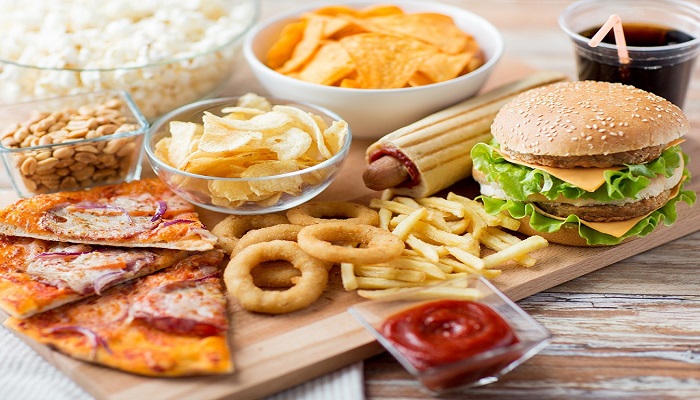
Most of the salt that we consume comes from prepared and processed foods. The leading culprits include snack foods, sandwich meats, smoked and cured meat, canned juices, Canned and dry soups, pizza and other fast foods, and many condiments, relishes, and sauces-for starters. But enough comes from the salt shaker that it’s worth finding alternatives.

Here are 5 ways to cut back on sodium when cooking or at the table:

  1. Use spices and other flavour enhancers: Add flavour to your favourite dishes with spices, dried and fresh Herbs, roots (such as garlic and Ginger), citrus, vinegar, and wine. From black pepper, cinnamon, and turmeric to fresh Basil, Chili Peppers, and lemon juice, these flavour enhancers create excitement for the palate – and with less sodium.
  1. Go nuts for healthy fats in the kitchen: Using the right healthy fats – from roasted nuts and avocados to Olive, canola, soybean, and other oils – can add a rich flavour to foods, minus the salt.
  1. Sear, sauté, and Roast. Searing and sautéing foods in a pan build flavour: Roasting brings out the natural sweetness of many vegetables and the taste of fish and chicken. If you do steam or microwave food, perk up these dishes with a finishing drizzle of flavourful oil and squeeze of citrus.
  1. Get your whole grains from sources other than bread: Even whole-grain bread, while a healthier choice than white, can contain considerable Sodium. And bread contains salt, not just for flavour but to ensure that the dough rises properly. You can skip that extra salt when you use whole grains outside of baking. Try a Mediterranean-inspired whole-grain salad with chopped vegetables, nuts, and legumes, perhaps a small amount of cheese, herbs and spices, and healthy oils and vinegar or citrus. For breakfast, cook up steel-cut oats, or other intact whole grains with fresh or dried fruit, and you can skip the toast (and the extra sodium).
  1. Know your Seasons, and, even better, your local farmer: Shop for raw ingredients with maximum natural flavour, thereby avoiding the need to add as much (if any) sodium. Shop for peak-of-season produce from farmers’ Markets and your local supermarket.

July 30, 2017 By Farida Gohil 1 Comment

Vegetables can boost enjoyment of meals!

344361-vegetables

Did you know vegetables can make you look like a hero and a better cook?

According to a new study published in the journal of Public Health Nutrition, smart preparation and presentation of a vegetable entree not only enhances the enjoyment of a meal but also boosts a diner’s perception of the person who prepared it.

Researchers at Cornell University explored the impact that adding a vegetable to the plate has on perceptions of both the meal and the person who prepared it. With the majority of vegetable consumption in the American diet taking place at dinner time but only 23% of those meals being served with a vegetable, the study explored what added psychological motivation to include vegetables in meals might exist.

The study consisted of two phases. Twenty -two laddering interviews were conducted, followed by a national survey of 500 American mothers with two or more children under age 18. The survey asked participants to evaluate meals served either with or without vegetables, as well as the cook who did or did not include a vegetable with the dinner time meal. Participants who were asked to choose from a list of 12 attributes, such as “selfish” or “loving” to describe the meal preparation. No respondent saw both versions of the meal or meal preparer. The survey also asked questions regarding children’s favourite vegetable.

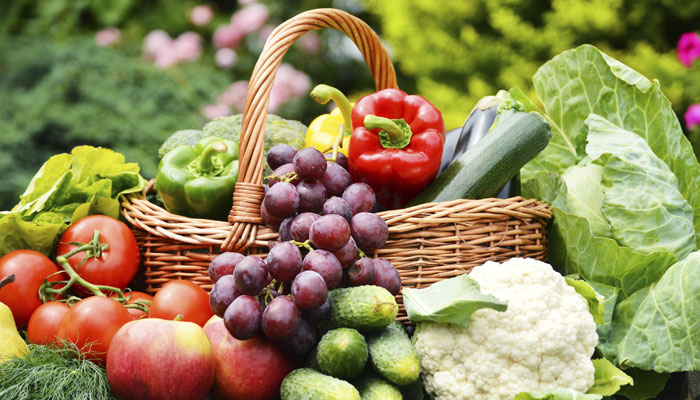
vegetable-rainbowParticipants eating meals that included a vegetable gave significantly higher ratings to dishes such as chicken, steak and pasta on a variety of dimensions including “tasty” and “loving”.



Results showed that meals were favoured when a vegetable was included. For example, plain Steak versus Steak with broccoli (score of 7.00 as opposed to 8.08), but also received better descriptions such as “loving” for the same meal (7.00 vs. 7.92).

They also choose much more positive descriptors for the meal preparer that served a vegetable, including a much more frequent selection of “thoughtful”, “attentive” and “capable” accompanied by a decrease in the selections of “neglectful”, “selfish” and boring.

Overall, vegetables “made the meal” not only in terms of enhancing expectations of the main dish but in terms of creating a better perception of the cook as well.

The researchers also uncovered a number of interesting insights concerning children’s favourite vegetables.Most participants easily recalled their children’s favourite vegetable, with over a dozen different vegetables receiving multiple mentions.Vegetable preference also changed with age; broccoli was the overall favourite for older children, while the carrots and corn topping the list for the younger kids.

Go ahead and do not forget to include a variety of veggies in your meal!

  • « Previous Page
  • 1
  • 2
  • 3
  • 4
  • Next Page »

Search

Recent Posts

  • Navigating the Maze of Nutrition: Finding Clarity Amidst Confusion
  • Get children active and keep them healthy
  • What Gestational Diabetes Can Do To You & Your Unborn Child
  • Breathing – A Forgotten Art
  • The Incredible Benefits Of Milk You Might Not Know

Stay Updated

Archives

  • December 2025 (3)
  • November 2025 (15)
  • October 2025 (20)
  • September 2025 (6)
  • August 2025 (6)
  • July 2025 (12)
  • June 2025 (18)
  • May 2025 (16)
  • April 2025 (23)
  • March 2025 (23)
  • February 2025 (22)
  • January 2025 (26)
  • December 2024 (26)
  • November 2024 (25)
  • October 2024 (22)
  • September 2024 (24)
  • August 2024 (31)
  • July 2024 (21)
  • June 2024 (26)
  • May 2024 (31)
  • April 2024 (27)
  • March 2024 (29)
  • February 2024 (26)
  • January 2024 (25)
  • December 2023 (15)
  • November 2023 (11)
  • October 2023 (22)
  • September 2023 (22)
  • August 2023 (20)
  • July 2023 (22)
  • June 2023 (24)
  • May 2023 (24)
  • April 2023 (24)
  • March 2023 (23)
  • February 2023 (20)
  • January 2023 (16)
  • December 2022 (12)
  • November 2022 (15)
  • October 2022 (15)
  • September 2022 (12)
  • August 2022 (10)
  • July 2022 (17)
  • June 2022 (11)
  • May 2022 (10)
  • April 2022 (6)
  • March 2022 (6)
  • February 2022 (13)
  • January 2022 (12)
  • December 2021 (7)
  • November 2021 (3)
  • October 2021 (6)
  • September 2021 (3)
  • August 2021 (8)
  • July 2021 (7)
  • June 2021 (15)
  • May 2021 (16)
  • April 2021 (10)
  • March 2021 (7)
  • February 2021 (4)
  • January 2021 (4)
  • December 2020 (3)
  • November 2020 (4)
  • October 2020 (10)
  • September 2020 (3)
  • August 2020 (3)
  • July 2020 (2)
  • June 2020 (4)
  • May 2020 (10)
  • April 2020 (12)
  • March 2020 (10)
  • February 2020 (4)
  • January 2020 (4)
  • December 2019 (3)
  • November 2019 (7)
  • October 2019 (5)
  • September 2019 (4)
  • August 2019 (9)
  • July 2019 (9)
  • June 2019 (11)
  • May 2019 (4)
  • April 2019 (9)
  • March 2019 (8)
  • February 2019 (9)
  • January 2019 (8)
  • December 2018 (9)
  • November 2018 (3)
  • October 2018 (3)
  • September 2018 (5)
  • August 2018 (10)
  • July 2018 (6)
  • June 2018 (13)
  • May 2018 (8)
  • April 2018 (18)
  • March 2018 (9)
  • February 2018 (8)
  • January 2018 (15)
  • December 2017 (12)
  • November 2017 (19)
  • October 2017 (13)
  • September 2017 (15)
  • August 2017 (4)
  • July 2017 (8)
  • June 2017 (7)
  • May 2017 (6)
  • April 2017 (8)
  • March 2017 (6)
  • February 2017 (7)
  • January 2017 (9)
  • December 2016 (10)
  • November 2016 (7)
  • October 2016 (7)
  • September 2016 (7)
  • August 2016 (11)
  • July 2016 (9)
  • June 2016 (9)
  • May 2016 (12)
  • April 2016 (17)
  • March 2016 (17)
  • February 2016 (8)
  • January 2016 (6)
  • December 2015 (2)
  • November 2015 (9)
  • October 2015 (7)
  • September 2015 (9)
  • August 2015 (11)
  • July 2015 (9)
  • June 2015 (12)
  • May 2015 (9)
  • April 2015 (13)
  • March 2015 (8)
  • February 2015 (5)
  • January 2015 (12)
  • December 2014 (14)
  • November 2014 (11)
  • October 2014 (6)
  • September 2014 (13)
  • August 2014 (12)
  • July 2014 (6)
  • June 2014 (2)
  • May 2014 (7)
  • April 2014 (5)

From “Laddu Nawin” to Fit and Fierce: How a 25-Year-Old Insurance Advisor Shed 20 Kilos and Gained His Life Back

When 25-year-old Nawin Yadav from Hyderabad walked into his office every morning, he carried more than just his files and policy papers. He had the weight of fatigue, sluggish energy, and an ever-growing belly that was becoming the butt of jokes. “People … [Read More...]

“I’ve Challenged Myself to Live 100 Years” – The Story of Chandubhai Savani’s Second Chance at Life

At 67, most people start slowing down. Not Chandubhai Savani. A resident of Surat, Chandubhai, thought life was on track. “My life was going well till I had my bypass surgery,” he says. That surgery, back in 2021, was a wake-up call.  Medication was routine, but exercise wasn’t. His diet? What he calls ‘normal.’ “I […]

From Shimla’s Slopes to Chandigarh’s Sidewalks: Surinder Kaur Bhalla’s Journey from Chaos to Control

Some journeys start with a plan. Others begin with a stumble literally. Surinder Bhalla, a government professional, born and raised in the scenic hill town of Shimla, had always lived a life of movement. “In Shimla, you walked everywhere,” she reflects. “Walking was never an exercise. It was just life.” But after shifting to Chandigarh, […]

Ananda Mukherjee Health Story

From Terminal Illness To Complete Wellness! Ananda Mukherjee Health Story

As we observe World Cancer Day under the powerful theme ‘United by Unique’ (2025-2027)**, we are reminded that every individual’s journey with cancer is distinct, yet united by shared resilience, hope, and the collective fight against this disease. This theme places people at the centre of care and their stories at the heart of the […]

  • HOME
  • HEALTHY LIVING
  • FITNESS
  • HEALTHY RECIPES
  • USER STORIES
  • KARMA
  • BUY GOQii

Copyright ©2016 GOQii
