GOQii

Blog

  • HOME
  • HEALTHY LIVING
  • FITNESS
  • HEALTHY RECIPES
  • USER STORIES
  • KARMA
  • BUY GOQii

About Dr. Viral Thakkar

Dr. Viral Thakkar, M.B.B.S is a general physician with extensive experience in community and preventive medicine. He also has a vast experience in emergency care. With years of experience in allopathy and understanding of NLP (Neuro Linguistic Programming) and Mind Empowerment, Dr. Thakkar is a firm believer that the body can cure itself with the right management. The human body is the best software designed by creation which guides every moment to keep one healthy. The body produces the disease and also has an innate ability to heal. Modern medicine is a quick fix to the disease (body) but, ignores the mind and soul which are an important aspect of human existence. Hence a holistic approach of healing of mind, body and soul is essential and modern medicine should be judiciously used. He practices what he preaches. Meditation and yoga along with a complete diet govern his lifestyle. As a mentor, Dr. Thakkar conducts individual sessions, group sessions with corporates and civil society groups on ideal lifestyle.

January 16, 2025 By Dr. Viral Thakkar 39 Comments

Tulsi or Basil: Queen of Herbs

1

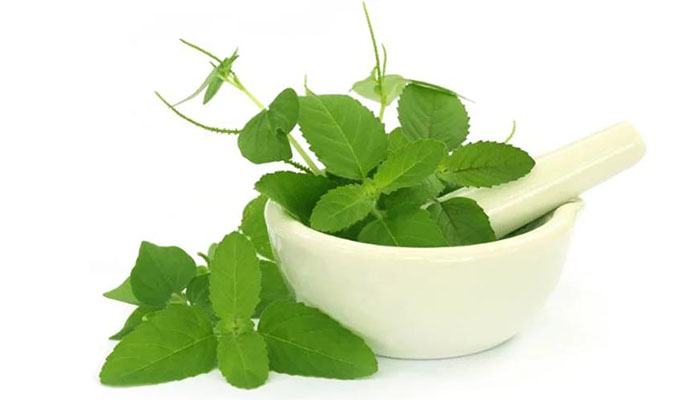
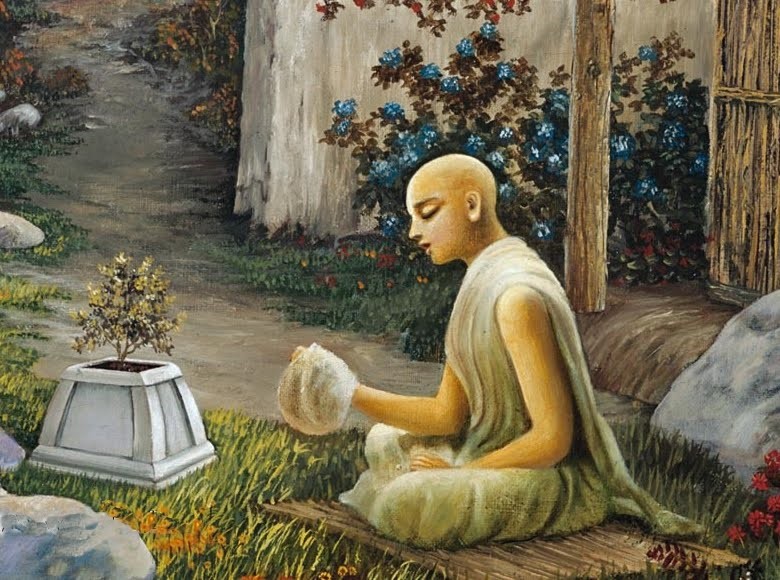
I have always wondered why ‘Tulsi’ is given so much importance in India. I recall my aunts and great-grand aunts narrating stories about Tulsi being the consort of Lord Vishnu. As an inquisitive child, I questioned this. “How can a plant be a consort? A plant is a plant! Period! It gives oxygen and takes in carbon dioxide.”

tulsi

Today, as a doctor, I understand that the significance of many plants is rooted in folklore. Unfortunately, while the stories remain, the importance is often forgotten.

In this article, I delve into the significance of Tulsi – The Holy Basil, also known as the Queen of Herbs! It is grown in almost every Indian household for religious purposes. However, I suggest we grow it not just for spiritual reasons but also for its remarkable medicinal properties—saving us from hefty medical bills for minor ailments!

Tulsi 2

Why is Tulsi Known as the Queen of Herbs?

Tulsi is

  • Antibacterial
  • Antiviral
  • Antifungal
  • Antipyretic
  • Antioxidant
  • Antiseptic
  • Anti-cancer

Health benefits of Tulsi

  1. Cold & Cough Relief
    Tulsi’s antiviral and antibacterial properties make it effective for colds and coughs. Combine tulsi juice with ginger and betel leaf juice, mixed in honey, and consume twice or thrice a day. For severe coughs, add a pinch of black pepper powder and black salt to the mixture.
  2. Fever Reduction
    Tulsi’s antipyretic properties help manage fevers from malaria, influenza, or colds. Juice 10-12 tulsi leaves, mix with honey, and consume thrice daily.
  3. Detoxification
    Regularly consuming 10 tulsi leaves with jaggery for 15 days helps control worm formation in the abdomen. For ringworm, apply tulsi juice mixed with camphor twice daily on the affected area.
  4. Liver Health
    Mixing juice from 15-20 tulsi leaves with aloe vera supports liver health and detoxification.
  5. Oral Health
    • Apply a mixture of tulsi leaves and clove powder on teeth for instant pain relief.
    • Use dried tulsi leaves mixed with mustard oil as toothpaste to prevent bad breath and maintain gum health.
  6. Kidney Health
    Tulsi acts as a diuretic and detoxifier, reducing uric acid levels and aiding in breaking down kidney stones. Consume tulsi juice with honey daily for six months for relief.
  7. Skin and Hair Care
    • Tulsi purifies the blood, reducing acne and blemishes.
    • Its antifungal properties soothe itchy scalps and reduce hair fall. Mix powdered tulsi in coconut oil and apply it regularly for healthier hair.
  8. Stress Relief
    Consuming 10-12 tulsi leaves daily can help alleviate stress, thanks to its calming properties.

Environmental Benefits

According to Shyamkant Padoley, an eminent botanist, “Tulsi gives out oxygen for 20 hours and ozone for four hours a day, along with nascent oxygen that absorbs harmful gases like carbon monoxide, carbon dioxide, and sulfur dioxide from the environment.”

A Part of Your Daily Diet

Incorporating tulsi into your daily diet is easy, cost-effective, and side-effect-free. Let Tulsi become your go-to natural remedy for better health and well-being!

If you found this article helpful, share your thoughts in the comments below! Explore more tips on natural remedies and healthy living on Healthy Reads. To learn more about personalised health guidance, subscribe to GOQii’s Personalised Health Coaching here.

#BeTheForce

December 30, 2024 By Dr. Viral Thakkar Leave a Comment

Celebrating the New Year? Read This Before You Head Out!

It’s that time of the year again! The Christmas bells are ringing, and the New Year sweeps us away with celebrations and endless possibilities. For some, it sweeps in a whirlwind of booze and regret, and for others, it’s just another weekend ritual.

So, here it is—the essential gyaan on what you should and shouldn’t do this New Year (or even on any weekend for that matter).

A Firm Belief: Health First

Whether it’s New Year’s Eve, Diwali, or any celebration, your health should always take precedence. While the New Year comes once a year, the impact of unhealthy habits can linger far longer, wreaking havoc on your system.

Trust me, if your body had a say, it would dread New Year’s Eve every single year!

Let’s Talk About Alcohol

The body can safely process about one unit of pure alcohol per hour. Drinking more than this overwhelms your system, leading to alcohol accumulation in your body. The strain on your liver—and your overall health—is immense.

What Happens When You Binge Drink?
Binge drinking increases the risk of blackouts, especially on an empty stomach. During blackouts, a person might do things they won’t remember later. If you plan to drink:

  • Know your limits.
  • Listen to your body.
  • Remember, booze might be free, but your body is priceless.

How Alcohol Affects Your Liver
Your liver metabolizes alcohol but can only process so much at a time. Any excess alcohol is distributed throughout the rest of your body, causing more harm than you might realize.

The Perils of Drugs

Know this: consuming, sharing, or distributing drugs is illegal. Apart from the legal risks, high quantities of drugs can lead to poisoning, severe health complications, and even death. Addiction makes recovery incredibly challenging, leaving individuals vulnerable to dangerous situations.

If you’re planning to party, prioritize safety. Better yet, skip the rave altogether.

Too Much of Anything Is Never Good

Whether it’s food, drinks, dancing, or loud music—anything in excess is bad for your health.

  • Loud music can damage your eardrums. That buzzing sensation you feel after a loud party is your body’s way of saying, “Enough!”
  • Sex can be great for your health, but only if done safely and with a known partner. If you’re drinking, surround yourself with trusted friends who can protect you from unwanted attention.

Tips for a Happy, Healthy and Safe New Year

  1. Handle Excessive Alcohol Consumption:
    If someone passes out or vomits, stay with them. Ensure they don’t choke on their vomit and monitor their breathing. Seek medical help if needed.
  2. Pace Yourself:
    Stick to one peg per hour, giving your body time to process it.
  3. Listen to Your Body:
    If you feel uncomfortable or breathless after drinking, stop immediately. Hydrate with water and seek medical attention if symptoms persist.
  4. Detox Post-Celebration:
    After a night of indulgence, give your body rest. Flush out toxins with plenty of fluids, salads, and a proper detox routine.
  5. Don’t Overload Your System:
    Treat your body like a car loader—it can only handle so much before breaking down.
  6. Plan Your Ride Home:
    If you plan to drink, hire a driver or use car rentals to avoid accidents.

A Different Way to Celebrate

Personally, I prefer celebrating at home with close friends. We order our favorite food, play board games, share stories, and end the night with a calming meditation session. It’s cost-effective, relaxing, and keeps me in sync with my health-first philosophy.

But hey, that’s just me! If you plan to party, consider the tips above to ensure your celebration is safe and enjoyable.

As we step into 2025, let’s celebrate responsibly and prioritize our health. Remember, a truly enjoyable party is one that leaves you feeling great the next day—physically and emotionally. If these tips resonated with you or helped you plan a healthier celebration, let us know in the comments below! For more insights on staying healthy and making mindful choices, speak to a certified expert by subscribing to GOQii’s Personalised Health Coaching here.

Wish you all a Happy, Healthy and Prosperous New Year!

#BeTheForce 

December 16, 2024 By Dr. Viral Thakkar 15 Comments

Menstrual Pain: Every Woman’s Nightmare No more!!

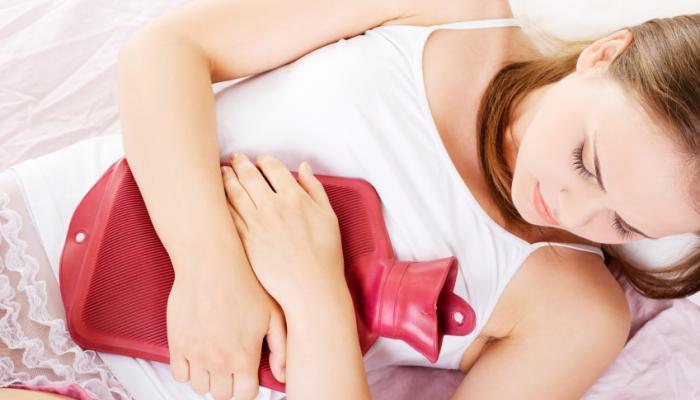
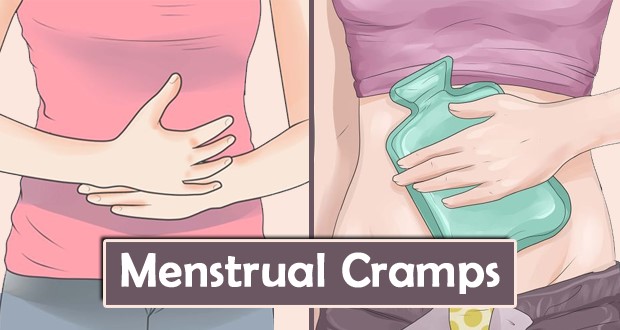
woman-with-hot-water-bottleI know many women, especially adolescents, who don’t like ‘being a woman’ because of the pain during menstruation. If you are one of those or know such women, this article is for you.
Primary dysmenorrhea (menstrual pain) is a normal part of menstruation. It affects girls during adolescence and eases as they mature. It may be painful, but it is not harmful.

Prostaglandins (hormones that causes your uterus to contract during menstruation and childbirth) are responsible for the pain. This pain results from contractions of your uterus that occur when the blood supply to its lining (endometrium) is reduced. (But hey! It is a part of you, and it is important, so blame it, but accept it and get on with it).

menstrual cramps Image 1

Other factors include a uterus that tilts backward instead of forward, lack of exercise, psychological or social stress, smoking, drinking alcohol or being overweight.

Secondary dysmenorrhea is generally related to some kind of gynecological disorder. It is most likely to affect women during adulthood.

Causes

  1. Fibroids that develop within the uterine wall or are attached to it cause inflammation leading to pain.
  2. Adenomyosis – the tissue that lines the uterus (called the endometrium) begins to grow within its muscular walls. This makes the uterine walls thicker. It may lead to heavy or longer-than-usual menstrual bleeding, as well as pain during menstrual cycle or intercourse.
  3. A sexually transmitted infection.
  4. Endometriosis – fragments of the endometrial lining that are found on other pelvic organs.
  5. Pelvic inflammatory disease, primarily an infection of the fallopian tubes, but it can also affect the ovaries, uterus, and cervix. It is caused primarily by sexually transmitted infections that spread up from the opening of the uterus to these organs.
  6. An ovarian cyst or tumor is a sac filled with fluid that forms on or inside of an ovary, causing pain.
  7. The use of an intrauterine device (IUD), a birth control method, leads to painful menstruation, which decreases over time.

‘Pain’ is the body telling us that something is not right. So listen to what your body is telling you. While you must seek medical advice for secondary dysmenorrhea, consider the following as well.

Be comfortable with your body. Negative messaging at times can become part of the subconscious mind, which rejects the female body. So anything that reminds the body of being a ‘woman’ can hurt.

Have a balanced diet. Ensure your diet includes foods rich in Vitamin B12, D, omega-3 fatty acids and calcium. As an extra tip, ginger is a wonder herb that can effectively ease menstrual cramps as it lowers the levels of pain-causing prostaglandins.

A hot water bag relaxes the contracting muscles in your uterus.

Make sure your hemoglobin level is within the normal range by including iron rich foods along with foods high in Vitamin C in your everyday diet.

An orgasm can help relieve all kinds of pains. Before an orgasm, the uterus is more relaxed, and during climax, blood flow increases, helping to relieve the cramps. The endorphins released after sex will make you feel better instantly.

Eat 2tbs of flaxseeds every day during periods reduces prostaglandin levels in the body.

Keep yourself hydrated during your period (and otherwise too!).

Exercise increases the blood flow, which calms the pain naturally.

Be happy, and you will feel your body responding better and dealing better with pain during your period.

Yoga Postures to relieve menstrual pain

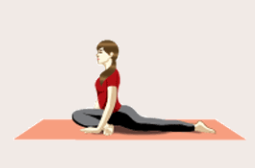
One Legged Pigeon Pose stretches the entire lower part of the body and stimulates the abdominal organs.

menstrual cramps- yoga pose 1

Matsyasana (Fish pose) is a backbend that stretches and stimulates the belly muscles.

menstrual cramps- yoga pose 2

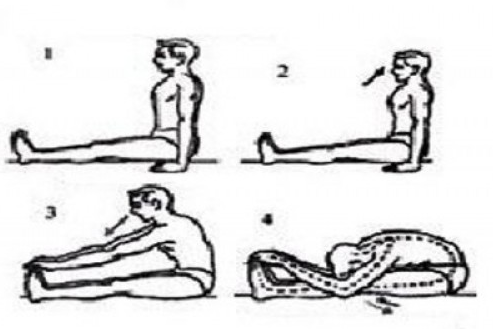
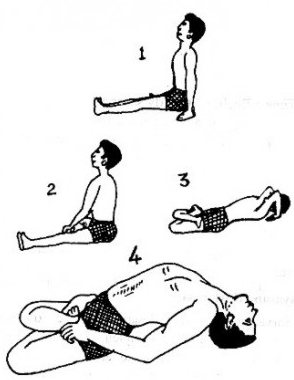
JanuShirasana (One-legged Forward bend) massages the abdominal organs.

menstrual cramps-yoga pose 3

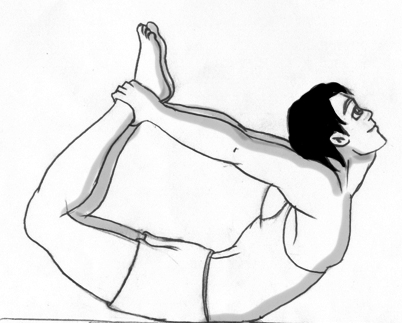
Dhanurasana (Bow pose) strengthens the abdominal muscles and stimulates the reproductive organs.

Menstrual cramps-Yoga pose 4

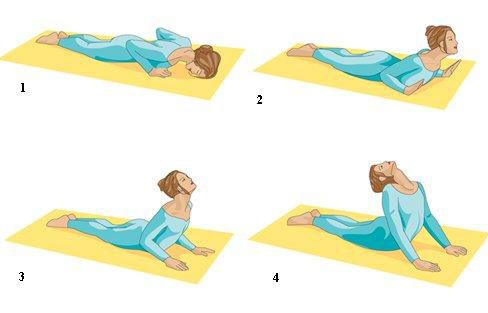
Bhujangasana (Cobra pose) stretches and tones the abdomen.

Menstrual Cramps-Yoga pose 5

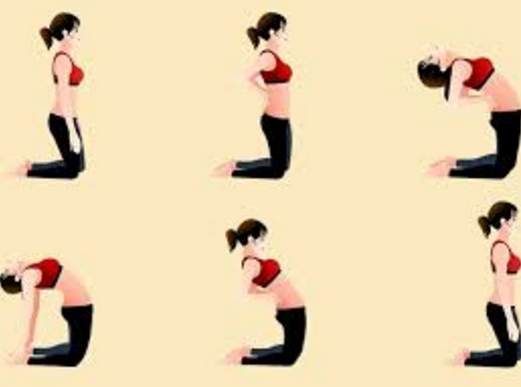
Ustrasana (Camel pose) stretches and opens the front of the body.

menstrual cramps-yoga pose 6

Yoga is one of the means to reach your goal of painless menstruation. Don’t forget to respect your body and give it time to overcome the pain.

We hope this article provides valuable insights into managing menstrual pain and helps you feel more empowered during your menstrual cycle. Remember, it’s essential to listen to your body and seek professional advice when needed. Do you have your own tips or experiences to share? Let us know in the comments below! For further information or guidance, reach out to our certified experts by subscribing to GOQii’s Personalised Health Coaching here.

#BeTheForce

Disclaimer: The information provided in this blog is for general awareness and educational purposes only. It is not intended to replace professional medical advice, diagnosis, or treatment. Always consult a qualified healthcare provider for personalised medical guidance or concerns related to your health.

December 6, 2024 By Dr. Viral Thakkar 3 Comments

MIGRAINE – AN EXPLOSION IN YOUR HEAD

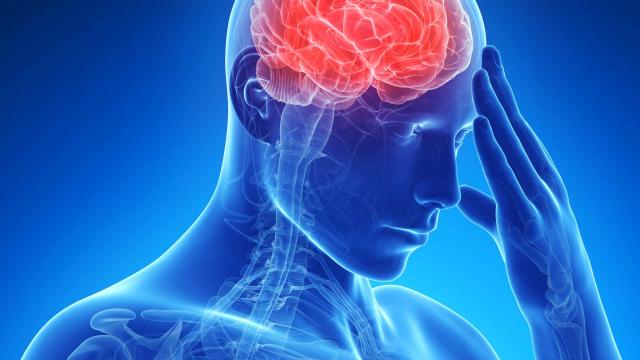
brain-headache-migraine“I don’t want that explosion in my head that my father used to have,” said Ramesh N., an 18-year-old engineering student, during his visit to my clinic. He was distressed by a severe headache that had lasted 5-6 hours, especially with exams around the corner. The throbbing pain made it impossible for him to concentrate.



Headaches are a common reason for visits to physicians, with migraine being the second most common cause of headache globally. Despite its prevalence, migraine often goes unnoticed or misunderstood, especially in childhood and adolescence. Many parents and teachers dismiss it as an excuse to avoid studying or working.

Migraine is a benign, episodic syndrome characterized by headache and accompanying neurological symptoms. A positive family history of migraines is common in those affected.

What Is Migraine?

A migraine attack can last anywhere from 4 to 72 hours. While predicting when an attack will occur is challenging, the pattern of each attack can often be identified. Understanding the stages of a migraine and sharing a detailed history with a doctor can help in diagnosis and treatment, reducing the intensity or frequency of attacks.

Stages of Migraine

Prodormal Phase: This phase includes subtle physical or mental changes like mood swings, thirst, or tiredness. It may last for minutes or hours.

Aura Phase: Neurological symptoms appear during this phase, such as:

    • Visual disturbances (dark spots, colored spots, or zigzag lines)
    • Numbness or weakness
    • Dizziness or vertigo
    • Speech changes or confusion

Attack Phase: The headache begins, often behind the eyes. It is typically severe, throbbing, and unilateral but can sometimes be bilateral. This stage is often accompanied by nausea, vomiting, and sensitivity to light (photophobia) or sound (phonophobia).

Postdromal Phase: After the headache subsides, many experience lingering effects like fatigue or a “hangover” feeling, which can take hours or even days to resolve.

Diagnosing Migraine: A simplified diagnostic criterion includes repeated headaches lasting 4-72 hours with no underlying physical or neurological causes. Migraine symptoms include:

  • Unilateral pain
  • Throbbing sensation
  • Worsening with movement
  • Nausea or vomiting
  • Sensitivity to light and sound

While the exact timing of an episode is unpredictable, lifestyle changes and triggers management can reduce the frequency or severity of attacks.

  1. Identifying and avoiding triggers is one of the most important ways to avoid an attack.
  2. Research shows that foods like nuts, cheese, citrus foods, chocolates, hot and spicy food, fermented, sour foods, alcohol and smoking can trigger a migraine attack.
  3. Untimely meals, irregular sleeping patterns which result in lack of sleep, excessive intake of processed or junk food, overthinking, extended exposure to laptops, mobile phones can all be responsible for triggering an attack.
  4. Increased exposure to direct sunlight is known to cause an attack. If sun exposure cannot be decreased or stopped, one must wear glasses and have to protect oneself. One must also be aware of strong odours and changes in weather.
  5. Being constantly acidic or constipated will always make you prone for repeated attacks.

A lifestyle change with proper sleeping hours, adequate water and the right food intake along with minimum 30minutes exercise will cause wonders in the management of Migraine.

  1. Certain yoga postures are extremely beneficial for migraine. Some of these are moon salutation, boat pose, bow pose (dhanurasan), spinal twist (matsyendrassana), tree pose and standing on toes.
  2. Meditation puts your mind at ease and reduces stress levels which brings a balance in one’s being.
  3. Pranayam (breathing exercises) has a long term impact in maintaining good health.
  4. 5 drops of brahmi ghee in each nostrils sometimes helps relieve the pain.
  5. During an attack it is best that you confine yourself to a closed dark room to avoid any loud sounds and excess light.
  6. You can also try tying a scarf or dupatta around your head if the pain is too much. Place some eye cubes wrapped in a towel on your eyes.
  7. Medicines are available to halt the progression of aura to a full-blown attack or to manage pain during the headache phase. However, always seek a doctor’s advice before taking any medication.

Migraines often improve over time, with many experiencing reduced severity and frequency after early adulthood. Adopting a healthy lifestyle can bring long-term benefits, making migraine episodes less frequent and more manageable.

If this article helped you understand migraines better, share your thoughts in the comments below! For further information or guidance, reach out to our certified experts by subscribing to GOQii’s Personalised Health Coaching here.

#BeTheForce

  • 1
  • 2
  • 3
  • …
  • 8
  • Next Page »

Search

Recent Posts

  • Navigating the Maze of Nutrition: Finding Clarity Amidst Confusion
  • Get children active and keep them healthy
  • What Gestational Diabetes Can Do To You & Your Unborn Child
  • Breathing – A Forgotten Art
  • The Incredible Benefits Of Milk You Might Not Know

Stay Updated

Archives

  • December 2025 (3)
  • November 2025 (15)
  • October 2025 (20)
  • September 2025 (6)
  • August 2025 (6)
  • July 2025 (12)
  • June 2025 (18)
  • May 2025 (16)
  • April 2025 (23)
  • March 2025 (23)
  • February 2025 (22)
  • January 2025 (26)
  • December 2024 (26)
  • November 2024 (25)
  • October 2024 (22)
  • September 2024 (24)
  • August 2024 (31)
  • July 2024 (21)
  • June 2024 (26)
  • May 2024 (31)
  • April 2024 (27)
  • March 2024 (29)
  • February 2024 (26)
  • January 2024 (25)
  • December 2023 (15)
  • November 2023 (11)
  • October 2023 (22)
  • September 2023 (22)
  • August 2023 (20)
  • July 2023 (22)
  • June 2023 (24)
  • May 2023 (24)
  • April 2023 (24)
  • March 2023 (23)
  • February 2023 (20)
  • January 2023 (16)
  • December 2022 (12)
  • November 2022 (15)
  • October 2022 (15)
  • September 2022 (12)
  • August 2022 (10)
  • July 2022 (17)
  • June 2022 (11)
  • May 2022 (10)
  • April 2022 (6)
  • March 2022 (6)
  • February 2022 (13)
  • January 2022 (12)
  • December 2021 (7)
  • November 2021 (3)
  • October 2021 (6)
  • September 2021 (3)
  • August 2021 (8)
  • July 2021 (7)
  • June 2021 (15)
  • May 2021 (16)
  • April 2021 (10)
  • March 2021 (7)
  • February 2021 (4)
  • January 2021 (4)
  • December 2020 (3)
  • November 2020 (4)
  • October 2020 (10)
  • September 2020 (3)
  • August 2020 (3)
  • July 2020 (2)
  • June 2020 (4)
  • May 2020 (10)
  • April 2020 (12)
  • March 2020 (10)
  • February 2020 (4)
  • January 2020 (4)
  • December 2019 (3)
  • November 2019 (7)
  • October 2019 (5)
  • September 2019 (4)
  • August 2019 (9)
  • July 2019 (9)
  • June 2019 (11)
  • May 2019 (4)
  • April 2019 (9)
  • March 2019 (8)
  • February 2019 (9)
  • January 2019 (8)
  • December 2018 (9)
  • November 2018 (3)
  • October 2018 (3)
  • September 2018 (5)
  • August 2018 (10)
  • July 2018 (6)
  • June 2018 (13)
  • May 2018 (8)
  • April 2018 (18)
  • March 2018 (9)
  • February 2018 (8)
  • January 2018 (15)
  • December 2017 (12)
  • November 2017 (19)
  • October 2017 (13)
  • September 2017 (15)
  • August 2017 (4)
  • July 2017 (8)
  • June 2017 (7)
  • May 2017 (6)
  • April 2017 (8)
  • March 2017 (6)
  • February 2017 (7)
  • January 2017 (9)
  • December 2016 (10)
  • November 2016 (7)
  • October 2016 (7)
  • September 2016 (7)
  • August 2016 (11)
  • July 2016 (9)
  • June 2016 (9)
  • May 2016 (12)
  • April 2016 (17)
  • March 2016 (17)
  • February 2016 (8)
  • January 2016 (6)
  • December 2015 (2)
  • November 2015 (9)
  • October 2015 (7)
  • September 2015 (9)
  • August 2015 (11)
  • July 2015 (9)
  • June 2015 (12)
  • May 2015 (9)
  • April 2015 (13)
  • March 2015 (8)
  • February 2015 (5)
  • January 2015 (12)
  • December 2014 (14)
  • November 2014 (11)
  • October 2014 (6)
  • September 2014 (13)
  • August 2014 (12)
  • July 2014 (6)
  • June 2014 (2)
  • May 2014 (7)
  • April 2014 (5)

From “Laddu Nawin” to Fit and Fierce: How a 25-Year-Old Insurance Advisor Shed 20 Kilos and Gained His Life Back

When 25-year-old Nawin Yadav from Hyderabad walked into his office every morning, he carried more than just his files and policy papers. He had the weight of fatigue, sluggish energy, and an ever-growing belly that was becoming the butt of jokes. “People … [Read More...]

“I’ve Challenged Myself to Live 100 Years” – The Story of Chandubhai Savani’s Second Chance at Life

At 67, most people start slowing down. Not Chandubhai Savani. A resident of Surat, Chandubhai, thought life was on track. “My life was going well till I had my bypass surgery,” he says. That surgery, back in 2021, was a wake-up call.  Medication was routine, but exercise wasn’t. His diet? What he calls ‘normal.’ “I […]

From Shimla’s Slopes to Chandigarh’s Sidewalks: Surinder Kaur Bhalla’s Journey from Chaos to Control

Some journeys start with a plan. Others begin with a stumble literally. Surinder Bhalla, a government professional, born and raised in the scenic hill town of Shimla, had always lived a life of movement. “In Shimla, you walked everywhere,” she reflects. “Walking was never an exercise. It was just life.” But after shifting to Chandigarh, […]

Ananda Mukherjee Health Story

From Terminal Illness To Complete Wellness! Ananda Mukherjee Health Story

As we observe World Cancer Day under the powerful theme ‘United by Unique’ (2025-2027)**, we are reminded that every individual’s journey with cancer is distinct, yet united by shared resilience, hope, and the collective fight against this disease. This theme places people at the centre of care and their stories at the heart of the […]

  • HOME
  • HEALTHY LIVING
  • FITNESS
  • HEALTHY RECIPES
  • USER STORIES
  • KARMA
  • BUY GOQii

Copyright ©2016 GOQii