GOQii

Blog

  • HOME
  • HEALTHY LIVING
  • FITNESS
  • HEALTHY RECIPES
  • USER STORIES
  • KARMA
  • BUY GOQii

Search Results for: stroke

October 29, 2024 By Shazia Sadruddin Leave a Comment

How a Healthy Lifestyle Can Reduce Your Stroke Risk: The Importance of Exercise, Diet, and Stress Management

stroke

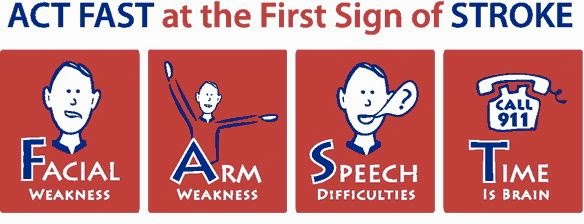
Imagine waking up one morning and feeling a sudden numbness or weakness on one side of your body. Your speech is slurred, and you have trouble understanding others. These are all classic symptoms of a stroke, a medical emergency that can have devastating consequences.

A stroke occurs when a blood vessel that delivers oxygen and nutrients to the brain is either blocked or ruptured. However, the risk of stroke can be greatly reduced through lifestyle changes. By controlling your blood pressure and embracing healthy habits—such as a balanced diet, regular exercise, and effective stress management—you can significantly lower the chances of stroke, disability, or even death. Let’s explore how these changes can enhance your overall well-being.

Keep Moving: The Importance of Exercise

Physical activity is crucial for preventing strokes. It helps improve blood vessel function and tackles several risk factors directly.

 Why Exercise Matters:

  • Manage Risk Factors: Regular exercise can help control conditions like high blood pressure, high cholesterol, diabetes, and obesity. It also reduces the likelihood of binge drinking and smoking.
  • Boost Heart Health: Both moderate and high-intensity workouts can increase levels of good cholesterol (HDL-C), which is beneficial for your heart.

How to Get Started: Aim for at least 30 minutes of moderate exercise three to five times a week. If you’re short on time, try fitting in 10-minute bursts of activity throughout your day, like during breaks between meetings.

Feed Your Body: The Role of Diet

A healthy diet can help control many stroke risk factors, including high inflammation and diabetes. 

What to Include:

  • Fruits and Vegetables: Aim for 4 to 5 servings a day to support heart health and maintain a healthy weight.
  • Omega-3 Fatty Acids: Include flaxseeds, walnuts, or chia seeds, or eat two to three servings of oily fish weekly, like salmon or herring.
  • Fiber-Rich Whole Grains: These provide essential nutrients and fiber that are good for your heart.

What to Avoid:

  • High Sodium: Too much salt can lead to high blood pressure, increasing stroke risk.
  • No Smoking: Quit smoking and avoid secondhand smoke, which can damage your arteries.
  • Alcohol: It is advisable to limit/avoid alcohol

Discover Your Zen: Managing Stress

Stress is a significant factor that can increase stroke risk, both in the short and long term. The good news is that there are effective ways to manage stress.

Mindfulness Matters: Being present and engaged in your surroundings can enhance your mental well-being and reduce stress.

Breathing Techniques:

Deep Breathing: Find a comfortable position, inhale deeply through your nose, hold for a count of five, and then exhale slowly through your nose. Repeat this 3-5 times to calm your mind.

  • Progressive Muscle Relaxation: Tense and then relax each muscle group in your body, beginning with your toes and gradually moving up to your head. This method can aid in releasing tension and fostering a sense of relaxation.
  • Building a Support System
    Creating a strong network of relationships can provide emotional support and help you manage stress more effectively. Surrounding yourself with friends and family who encourage healthy habits can make a significant difference in your lifestyle choices.

Thus, incorporating regular exercise, a balanced diet, and effective stress management into your daily routine can play a crucial role in reducing the risk of stroke. Even small, consistent changes can lead to significant improvements in your overall health. Make your well-being a priority and don’t hesitate to seek support from those around you. Remember, your health is always worth the effort!

If these tips helped, let us know in the comments! For further information or guidance, reach out to our certified experts by subscribing to GOQii’s Personalised Health Coaching here.

#BeTheForce
Disclaimer: The information provided in this blog is for general awareness and educational purposes only. It is not intended to replace professional medical advice, diagnosis, or treatment. Always consult a qualified healthcare provider for personalised medical guidance or concerns related to your health.

October 29, 2021 By Dr. Viral Thakkar Leave a Comment

Stroke: Warning Signs, Causes & Prevention

stroke“Doctor please help! Half of my body does not move anymore” came a slurry cry from a helpless Vinod Agrawal, a businessman. His wife stood next to him in the emergency department weeping profusely and their 16 year old son watched his parents helplessly.

When examined thoroughly, Agrawal was diagnosed with STROKE. Thanks to the lifestyles that most people lead these days, this is a common site in hospitals.

A stroke strikes when the blood supply to the brain is affected either due to blockage leading to ischemia or rupturing of vessels. Due to this the brain does not receive enough oxygen and nutrition causing cell death, which is the ideal condition for stroke.

How Does a Stroke Happen?

  1. Ischemia: Occurs due to narrowing or blockage of blood vessels due to blood clots formed either in arteries connecting brains or other vessels or due to dislodgment of fatty deposits called plaques (atherosclerosis).
  2. Haemorrhagic: Bursting or leaking of blood vessels which compresses the brain cells. This leakage of blood puts pressure on brain cells which is accumulated in brain due to trauma, hypertension or some blood thinning medication.
  3. TIA – Transient Ischemic Attack (Mini Stoke): Brief episodes of stroke which is self-limiting. Blood flow is briefly interrupted and these are the warning signs of future stroke. It is like an alarm from the body.

Common Presentation of Stroke

  • Weakness or tingling in half or full body depending on the involved artery
  • Deviation of face with difficulty in speech and closure of one eye
  • Mental Confusion, severe headache, loss of power in the limbs

When any of the above symptoms are seen, the patient must be rushed to the hospital.

Stroke

After thoroughly understanding the history and general examination, few specific tests and examination like CT scan are done to find out the cause of the stroke. The treatment is very complicated and management is done in ICU and Neuro-physician may be required.

As there are two major causes of stroke – ischemia and haemorrhage – both have different management.

  • If ischemic– the focus is to restore adequate blood flow-clot is broken or dissolved.
  • If haemorrhagic – stop bleeding or leakage of blood, to reduce the pressure of brain cells. Surgical intervention may be required if there is any arterial malformation or rupture of vessels.

Rehabilitation activities like physiotherapy, speech therapy, etc. help to restore physical activities gradually.

Prevent It!

All the above symptoms and complications can be prevented if a healthy lifestyle is followed.

  • Eat a healthy – diet which includes fresh fruits, vegetables, avoiding processed meat and avoid junk food.
  • Yoga, especially Pranayama, ensures that every cell of the body receives adequate oxygen for appropriate functioning. Pranayama rejuvenates the body cells which ensures the ideal functioning of the body.
  • Stress kills! Accept what life offers happily and keep working towards your goal without killing yourself.
  • Remember Smoking Kills – all advertisements shown are true. STOP smoking.
  • Avoid alcohol, if you do consume it, make it minimal.
  • If you are hypertensive, keep an absolute check on blood pressure and follow all dietary and physical discipline so that blood pressure is controlled.
  • If one is diabetic, regular check of sugar is important.

Listen to your body. It always warns you before the disease sets in.

Stroke is an acute emergency but the root cause lies in chronic habits and patterns of life. Every moment, even at this moment of reading the blog, we can choose health or disease. Either you choose to pick up alarming signals of body and employ the necessary preventive measures to live a healthy life or be undisciplined and get hospitalized. THE CHOICE IS YOURS!

We hope this article helps you. For more on stroke and prevention, check out Healthy Reads or ask a GOQii Coach for guidance by subscribing for Personalised Health Coaching here.

#BeTheForce 
Disclaimer: The information provided in this blog is for general awareness and educational purposes only. It is not intended to replace professional medical advice, diagnosis, or treatment. Always consult a qualified healthcare provider for personalised medical guidance or concerns related to your health.

November 6, 2019 By Dr. Viral Thakkar Leave a Comment

Stroke: A Few Untouched Aspects

stroke

Stroke is the sudden death of some brain cells due to lack of oxygen when the blood flow to the brain is lost by blockage or rupture of an artery to the brain. According to the WHO, it is the second leading cause of death and the third leading cause of disability. Stroke is also a leading cause of dementia and depression. For commonly known causes of stroke, please refer to the article “Stroke: Straight Dive or Pavilion” published earlier. While you might have read a number of reasons which lead to stroke, this article focuses on the importance of emotional health to prevent stroke.

 There Are 2 Main Types of Stroke  

  1. Hemorrhagic Stroke: is caused by bleeding in the brain due to a weak spot in the wall of the vessel, which can cause an aneurysm (bulging of the vessel wall). The vessels can also be weakened by chronic or very high blood pressure and break from force. When the vessel breaks, blood leaks into surrounding tissue, and the brain doesn’t get the oxygen and nutrients it needs.
  2. Ischemic Stroke: results from blocked arteries, which often occur from cholesterol build-up, called plaque. Plaques on the inside of the vessel can be fragile when blood flows past, causing the plaque to lift.  But in the blood vessel, when a plaque lifts-up and the body tries to heal it, like it would scab on your arm, it makes a clot where that plaque lifted up, which blocks blood flow and can lead to ischemic stroke.

The human body is magical. When the mind perceives a threat or stress, the body releases cortisol and adrenaline to cope with it. These hormones impact the homeostasis of the body; the other parameters get deranged and affect the healing processes of the body. Now, if your personality is to take constant stress, cortisol and level of other stress hormones will be high to ensure the body deals with stress. This could cause retention of salt which might increase blood pressure. Stress also causes an increase in blood sugar, which means the vessels can’t dilate or contract to better control blood flow. Increased cortisol is also known to disrupt sleep cycles leading to fatigue.

Anyone Can Be At Risk…

…for many reasons, not just stress. Sometimes, it just how your body responds.

While there is no concrete reason to state that positive emotions, a stress-free life or a balanced psychological state will not lead to stroke. However, there are numerous research studies to indicate that there might be a relationship between negative emotions, stress & stroke. In my practice, I have usually seen stressed people holding negative emotions fall prey to issues like stress, heart ailments, etc.  A University of Michigan study found that men who were more physiologically reactive to stress were 72% more likely to suffer a stroke.

Regardless of how your life or your job is, if you feel you are stressed, you most probably are.

If you’re still unsure, ask yourself these questions:

  • Does your significant other tell you, you seem stressed?
  • You tend to pick up fights and arguments with your family and co-workers more than normal?
  • You resort to alcohol, drugs, smoking to alleviate stress?
  • Do you find less joy in things that normally make you happy?
  • Do you find it difficult to fall or stay asleep compared to normal?
  • You don’t like to get up in the morning, especially on days you know you will come across stress causing situations

If the answer to the above is yes, then it’s time for you to work on yourself. Contemplate on the reason, give attention to the little things in life… It is the little things which lead to bigger changes! Some attitude changes like acceptance and forgiveness make a lot of difference!

Quick tip: Whenever you feel stress, start taking deep breaths. Mentally count till 5 & inhale, count another 5 and exhale. Make it as slow and steady as possible. Taking in more oxygen allows more oxygen to be available to the brain tissues. Some research suggests that deep breathing helps to rehabilitate the brain after a stroke. This style of breathing also helps to relax and calm the mind and whole being.

While everyone faces issues in life, it is the ability to cope with it, be in sync with one’s body which determines health!

#BeTheForce

November 3, 2025 By Urvi Gohil 4 Comments

5 Simple Lifestyle Changes To Manage Hypertension

manage hypertensionBy now, anyone conscious about their health is aware of hypertension. In case you’re unfamiliar, hypertension is simply another name for high blood pressure. Blood pressure is the force exerted by blood against the walls of the blood vessels. This force depends on vascular resistance and how hard the heart has to work. Hypertension is a major risk factor for cardiovascular diseases, including stroke, heart attack, heart failure, and aneurysm.

An optimal blood pressure level is a reading under 120/80 mmHg, while a reading over 140/90 mmHg is generally considered high. It is crucial to keep blood pressure under control, and lifestyle management is the first-line treatment for hypertension.

5 Lifestyle Changes to Manage Hypertension

1. Cut Down on Alcohol & Quit Smoking
Drinking too much alcohol can raise blood pressure to unhealthy levels. Having more than three drinks in one sitting temporarily spikes blood pressure, and frequent drinking can lead to long-term increases. Heavy drinkers should gradually reduce their alcohol intake over 1-2 weeks to prevent sudden blood pressure surges.
Similarly, smoking can raise blood pressure immediately after each cigarette. Quitting smoking helps to normalise BP, reduces the risk of heart disease, and significantly improves overall health.

2. Managing Stress Effectively
Your body produces stress hormones when faced with pressure or anxiety, causing your heart to beat faster and blood vessels to narrow—leading to temporary blood pressure spikes. While these return to normal once stress subsides, frequent episodes of high stress can damage blood vessels, the heart, and kidneys.

          How to manage stress:

    • Exercise regularly—30 minutes, 3-5 times a week, helps reduce stress.
    • Try yoga & meditation—Deep breathing and mindfulness can help regulate stress levels.
    • Get enough sleep—Quality rest is essential for keeping BP under control.
    • Maintain social connections—Engaging in enjoyable activities and staying socially active reduces stress.

3. Reduce Sodium Intake:
Even a small reduction in sodium can significantly improve heart health and lower blood pressure by 5-6 mmHg in hypertensive individuals.

          Recommended Daily Sodium Intake:

    • Limit sodium to 2300 mg per day (ideal for general adults)
    • 1500 mg per day is ideal for those with high BP (less than one teaspoon of salt)

          How to reduce sodium:

    • Read food labels and choose low-sodium options
    • Avoid processed & packaged foods (e.g., noodles, soups, crisps, biscuits)
    • Use herbs & spices instead of salt to add flavour
    • Gradually reduce salt intake so your palate adjusts over time

4. Increase Fruit & Vegetable Intake
A diet rich in whole grains, fruit, vegetables, and low-fat dairy—while avoiding saturated fats and cholesterol—can lower blood pressure by 11 mmHg.

This approach is called the DASH (Dietary Approaches to Stop Hypertension) Diet, which emphasises:

  • Fruits & vegetables—Great sources of potassium, which counteracts sodium.
  • Whole grains—Support heart health and lower BP naturally.
  • Low-fat dairy—Helps regulate blood pressure.
  • Beetroot—A powerhouse for reducing BP (add it to smoothies!).

⚠ If you have blood sugar concerns, consult your doctor before consuming beetroot.

5. Exercise Regularly
Making exercise a habit is one of the best ways to naturally lower BP. You don’t need to hit the gym—just ensuring regular movement is enough.

Engage in moderate exercise (e.g., brisk walking, jogging, cycling, swimming) for 30 minutes a day, at least 5 days a week. Even small activities—taking the stairs, stretching, or walking short distances—help maintain heart health. Always consult a doctor or health coach before starting a new fitness routine if you have high BP.

By incorporating these five simple lifestyle changes, you can effectively manage hypertension while improving overall health. Making small but consistent changes in your diet, exercise, and stress management will lead to long-term benefits for your heart and well-being.

Which lifestyle change has worked best for you? Share your experience in the comments below!

#BeTheForce

Disclaimer: The information provided in this blog is for general awareness and educational purposes only. It is not intended to replace professional medical advice, diagnosis, or treatment. Always consult a qualified healthcare provider for personalised medical guidance or concerns related to your health.

  • 1
  • 2
  • 3
  • …
  • 26
  • Next Page »

Search

Recent Posts

  • 5 Simple Lifestyle Changes To Manage Hypertension
  • Vegging Out: My Unexpected Journey to Veganism
  • Natural Skincare For Healthy, Glowing Skin!
  • The Early Signs & Symptoms of Diabetes
  • Exhausted At Work? Here’s Everything You Need To Know About Burnout!

Stay Updated

Archives

  • November 2025 (2)
  • October 2025 (20)
  • September 2025 (6)
  • August 2025 (6)
  • July 2025 (12)
  • June 2025 (18)
  • May 2025 (16)
  • April 2025 (23)
  • March 2025 (24)
  • February 2025 (23)
  • January 2025 (26)
  • December 2024 (26)
  • November 2024 (26)
  • October 2024 (22)
  • September 2024 (24)
  • August 2024 (31)
  • July 2024 (22)
  • June 2024 (27)
  • May 2024 (31)
  • April 2024 (27)
  • March 2024 (29)
  • February 2024 (26)
  • January 2024 (26)
  • December 2023 (17)
  • November 2023 (15)
  • October 2023 (23)
  • September 2023 (23)
  • August 2023 (21)
  • July 2023 (22)
  • June 2023 (24)
  • May 2023 (25)
  • April 2023 (24)
  • March 2023 (23)
  • February 2023 (20)
  • January 2023 (16)
  • December 2022 (12)
  • November 2022 (15)
  • October 2022 (15)
  • September 2022 (13)
  • August 2022 (11)
  • July 2022 (17)
  • June 2022 (11)
  • May 2022 (10)
  • April 2022 (6)
  • March 2022 (6)
  • February 2022 (13)
  • January 2022 (12)
  • December 2021 (7)
  • November 2021 (3)
  • October 2021 (6)
  • September 2021 (3)
  • August 2021 (8)
  • July 2021 (7)
  • June 2021 (15)
  • May 2021 (16)
  • April 2021 (10)
  • March 2021 (7)
  • February 2021 (4)
  • January 2021 (4)
  • December 2020 (3)
  • November 2020 (4)
  • October 2020 (10)
  • September 2020 (3)
  • August 2020 (3)
  • July 2020 (2)
  • June 2020 (4)
  • May 2020 (10)
  • April 2020 (12)
  • March 2020 (10)
  • February 2020 (4)
  • January 2020 (4)
  • December 2019 (3)
  • November 2019 (7)
  • October 2019 (5)
  • September 2019 (4)
  • August 2019 (9)
  • July 2019 (9)
  • June 2019 (11)
  • May 2019 (4)
  • April 2019 (9)
  • March 2019 (8)
  • February 2019 (9)
  • January 2019 (8)
  • December 2018 (9)
  • November 2018 (3)
  • October 2018 (3)
  • September 2018 (5)
  • August 2018 (10)
  • July 2018 (6)
  • June 2018 (13)
  • May 2018 (8)
  • April 2018 (18)
  • March 2018 (9)
  • February 2018 (8)
  • January 2018 (15)
  • December 2017 (12)
  • November 2017 (19)
  • October 2017 (13)
  • September 2017 (15)
  • August 2017 (4)
  • July 2017 (8)
  • June 2017 (7)
  • May 2017 (6)
  • April 2017 (8)
  • March 2017 (6)
  • February 2017 (7)
  • January 2017 (9)
  • December 2016 (10)
  • November 2016 (7)
  • October 2016 (7)
  • September 2016 (7)
  • August 2016 (11)
  • July 2016 (9)
  • June 2016 (9)
  • May 2016 (12)
  • April 2016 (17)
  • March 2016 (17)
  • February 2016 (8)
  • January 2016 (6)
  • December 2015 (2)
  • November 2015 (9)
  • October 2015 (7)
  • September 2015 (9)
  • August 2015 (11)
  • July 2015 (9)
  • June 2015 (12)
  • May 2015 (9)
  • April 2015 (13)
  • March 2015 (8)
  • February 2015 (5)
  • January 2015 (12)
  • December 2014 (14)
  • November 2014 (11)
  • October 2014 (6)
  • September 2014 (13)
  • August 2014 (12)
  • July 2014 (6)
  • June 2014 (2)
  • May 2014 (7)
  • April 2014 (5)

From “Laddu Nawin” to Fit and Fierce: How a 25-Year-Old Insurance Advisor Shed 20 Kilos and Gained His Life Back

When 25-year-old Nawin Yadav from Hyderabad walked into his office every morning, he carried more than just his files and policy papers. He had the weight of fatigue, sluggish energy, and an ever-growing belly that was becoming the butt of jokes. “People … [Read More...]

“I’ve Challenged Myself to Live 100 Years” – The Story of Chandubhai Savani’s Second Chance at Life

At 67, most people start slowing down. Not Chandubhai Savani. A resident of Surat, Chandubhai, thought life was on track. “My life was going well till I had my bypass surgery,” he says. That surgery, back in 2021, was a wake-up call.  Medication was routine, but exercise wasn’t. His diet? What he calls ‘normal.’ “I […]

From Shimla’s Slopes to Chandigarh’s Sidewalks: Surinder Kaur Bhalla’s Journey from Chaos to Control

Some journeys start with a plan. Others begin with a stumble literally. Surinder Bhalla, a government professional, born and raised in the scenic hill town of Shimla, had always lived a life of movement. “In Shimla, you walked everywhere,” she reflects. “Walking was never an exercise. It was just life.” But after shifting to Chandigarh, […]

Ananda Mukherjee Health Story

From Terminal Illness To Complete Wellness! Ananda Mukherjee Health Story

As we observe World Cancer Day under the powerful theme ‘United by Unique’ (2025-2027)**, we are reminded that every individual’s journey with cancer is distinct, yet united by shared resilience, hope, and the collective fight against this disease. This theme places people at the centre of care and their stories at the heart of the […]

  • HOME
  • HEALTHY LIVING
  • FITNESS
  • HEALTHY RECIPES
  • USER STORIES
  • KARMA
  • BUY GOQii

Copyright ©2016 GOQii