
GOQii

Blog

  • HOME
  • HEALTHY LIVING
  • FITNESS
  • HEALTHY RECIPES
  • USER STORIES
  • KARMA
  • BUY GOQii

Archives for April 2025

April 21, 2025 By Arooshi Garg Leave a Comment

Improve your immunity with yoga

Interesting facts about yogaOur immune system is constantly working behind the scenes to protect us from illness and infection. But sometimes, it needs a little help. The good news? Yoga can offer that support. Practised regularly, specific yoga poses not only strengthen the body but also stimulate the physiological systems closely linked to immunity—such as the digestive, circulatory, endocrine, and nervous systems.

Let’s explore how yoga can enhance your immunity and the simple poses you can start with today.

How Yoga supports immunity?

  • Stimulates key systems: Yoga activates the digestive, circulatory, endocrine, and nervous systems—each crucial for immune function.
  • Improves detoxification and oxygenation: It boosts lymphatic circulation, helping your body remove toxins more efficiently.
  • Balances body chemistry: Through stimulation of glands like the thymus and thyroid.
  • Reduces stress and fatigue: Chronic stress compromises immunity—yoga counters this by calming the mind and body.
  • Supports digestion: Better digestion leads to improved nutrient absorption and toxin elimination.
  1. Legs Up The Wall (Viparita Karani)

legs-up-the-wall-pose-viparita-karani

This gentle inversion helps drain lymphatic fluid, refresh tired legs, and ease tension in the lower back.

How to do it:

  • Sit side-on to a wall and swing your legs up as you lie back.
  • Adjust your hips closer to the wall for comfort.
  • Rest your arms by your side or on your belly.
  • Stay for 5–10 minutes, breathing slowly and deeply.

Benefits:

  • Reduces swelling and fatigue
  • Aids circulation and relaxation
  • Calms the nervous system

Avoid if you have: Glaucoma, hernia, hypertension, or serious cardiac issues.

  1. Cobra Pose (Bhujangasana)

Bhujangasana-2

A gentle backbend that stimulates the thymus gland—boosting T-cell production and improving immune response.

How to do it:

  • Lie on your stomach, hands beneath your shoulders.
  • Press into your palms as you lift your chest, engaging your core.
  • Keep your elbows close and neck neutral.
  • Hold for a few breaths, then release.

Benefits:

  • Strengthens the back and spine
  • Improves breathing capacity

Boosts circulation and energy

Precautions: Common postural errors during this asana include overarching the neck and lower back. One recommendation is to keep the gaze directed down at the floor and focus on bringing movement into the area between the shoulder blades (the thoracic area, or middle back).

  1. Fish Pose (Matsyasana)

Fishpose-3

This heart-opening posture supports lung health and stimulates the immune-regulating thymus gland.

How to do it:

  • Lie on your back and prop yourself up on your elbows.
  • Gently arch your back and allow the crown of your head to rest lightly on the mat.
  • Breathe deeply and hold for 30 seconds to a minute.

Benefits:

  • Enhances respiratory health
  • Releases chest and sinus congestion

Improves digestion and spinal mobility

  1. Downward Dog Asana (Urdhav Mukha Svanasana)

Adho Mukha Svanasana-4 - Copy

This classic pose energises the body, stretches key muscles, and improves blood flow—especially to the head and sinuses.

How to do it:

  • Start on all fours.
  • Tuck your toes and lift your hips, forming an inverted “V”.
  • Keep your spine long, arms strong, and heels reaching towards the floor.

Benefits:

  • Strengthens the whole body
  • Drains sinuses and boosts immunity
  • Calms the mind and relieves fatigue
  1. Bridge Pose (Setu Bandhasana)

setu -5

This restorative backbend opens the chest, massages the spine, and relieves stress and tension.

How to do it:

  • Lie on your back, knees bent, feet hip-width apart.
  • Press your feet into the floor and lift your hips.
  • Clasp your hands under your back and roll onto your shoulders.
  • Hold for 30 seconds to 1 minute.

Benefits:

  • Stimulates the lungs and thyroid gland
  • Relieves anxiety and fatigue
  • Encourages spinal flexibility

Yoga is more than physical movement—it’s a tool for resilience. Regular practice can support immunity not only by enhancing the body’s natural defences but also by calming the mind and easing stress, both of which are critical for immune health.

That said, if you have an existing medical condition, are recovering from illness, or are new to yoga, please consult your doctor before beginning any new exercise routine—especially if you’re unsure whether certain poses are safe for you.

Start small. Choose one or two poses that resonate with you and practise them daily. Over time, you’ll feel stronger, calmer, and better equipped to handle whatever life throws your way.

#BeTheForce

Disclaimer: The information provided in this blog is for general awareness and educational purposes only. It is not intended to replace professional medical advice, diagnosis, or treatment. Always consult a qualified healthcare provider for personalised medical guidance or concerns related to your health.
April 19, 2025 By GOQii Leave a Comment

Your Liver, Your Lifeline: How Food Can Be Your Best Medicine

How often do we acknowledge the silent hero inside us—our liver? On World Liver Day, it’s time to give this powerhouse organ the attention it deserves. Quietly working 24/7, your liver keeps you healthy, energised, and toxin-free—yet we often notice it only when something goes wrong.
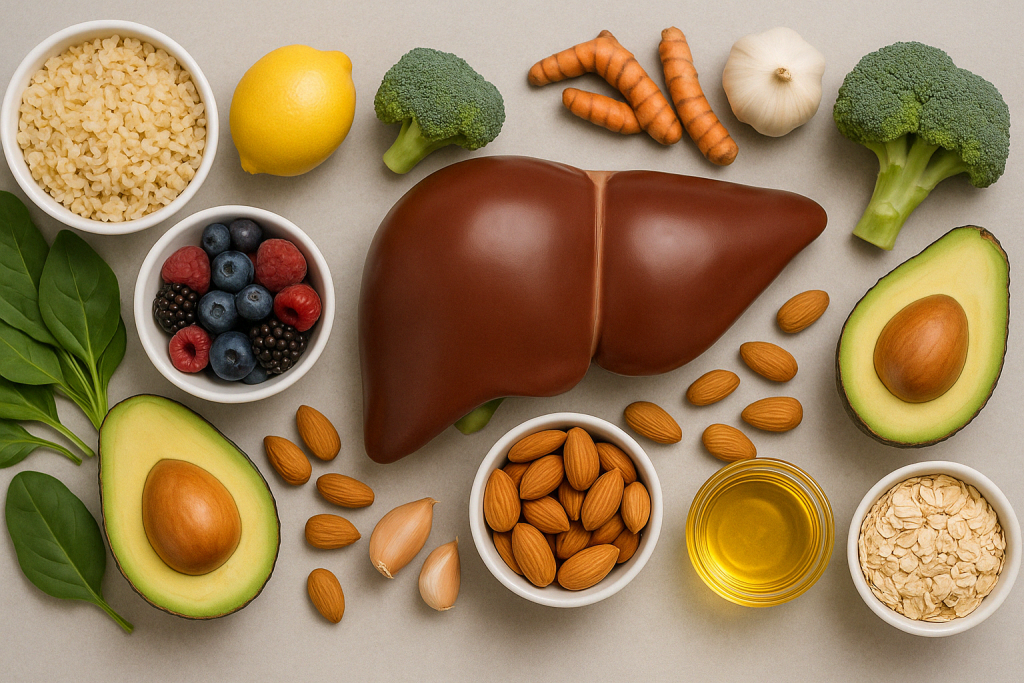
A healthy liver is the cornerstone of a healthy life. Every sip and every bite you take impacts this vital organ. It metabolises nutrients, filters toxins, stores essential vitamins, and supports countless bodily functions.

But your liver also reflects your lifestyle. Poor nutrition, stress, pollution, alcohol, and inactivity can slowly take a toll. The good news? Even years of damage can be reversed. Studies show that adopting healthier habits today can reduce your risk of liver disease by up to 50%.

Whether you’re 25 or 55, it’s never too early—or too late—to start. This World Liver Day, the theme “Food as Medicine” reminds us that the path to prevention starts in the kitchen. You can help your liver heal, regenerate, and thrive with the right nutrition. Small changes on your plate can spark powerful transformations, starting with your liver.

The Liver: Your Body’s Natural Detox Lab

Your liver performs more than 500 functions—from breaking down fats to filtering out toxins. Here’s what it does every single day:

  • Processes nutrients from the food you eat, converting them into energy or storing them for future use.
  • Filters toxins from alcohol, medications, and harmful chemicals.
  • Stores essential vitamins and minerals like A, D, E, K, iron, and copper.
  • Produces bile, which helps digest fats and eliminate waste.
  • Regulates blood sugar, cholesterol levels, and protein metabolism.

In short, a healthy liver is non-negotiable for a healthy you. However, there is also a growing threat of lifestyle-linked liver disease. It’s not rocket science, research has proved that diet is key to a healthy you. But our modern diets—laden with processed foods, refined sugars, and unhealthy fats—are placing an increasing burden on our liver. Also, thanks to high-stress lifestyles and sedentary habits, liver diseases are on the rise—even among those who don’t drink alcohol. The consequences are becoming alarmingly visible:

  • Non-Alcoholic Fatty Liver Disease (NAFLD) now affects over 25% of the global population. It’s linked to diets high in sugar, trans fats, and refined carbs.
  • Alcoholic Liver Disease progresses faster when combined with poor nutrition.
  • Hepatitis, though viral, worsens when the liver is nutritionally compromised.

Research shows that targeted dietary changes can not only reduce liver fat but also reverse early damage. But just like any sophisticated machine, the liver requires the right inputs—nutrients, not toxins—to function optimally.

A poor diet can act as a silent saboteur, slowly impairing liver function long before symptoms arise.

Healing from the Inside: Food as Preventive Medicine

Science is catching up with what many traditional systems of medicine have long believed: nutrition is a powerful tool in preventing and managing liver diseases.

According to the Journal of Hepatology, nutritional interventions, like lowering sugar and fat intake and increasing antioxidants, can help prevent or slow the progression of liver conditions.

Here’s what a liver-loving plate should include:

  • Leafy greens: Spinach, kale, and arugula help neutralise heavy metals and support bile production.
  • Cruciferous vegetables: Broccoli, cauliflower, and Brussels sprouts boost detox enzymes.
  • Turmeric: Curcumin, its active compound, has anti-inflammatory and antioxidant properties.
  • Garlic: Helps activate liver detox enzymes and reduce fat accumulation.
  • Berries: Packed with antioxidants that reduce oxidative stress and inflammation.
  • Healthy fats: Nuts, seeds, avocados, and olive oil help reduce fatty build-up.
  • Whole grains: Oats, brown rice, and millets help maintain insulin sensitivity, important for liver health.

5 Simple Habits to Protect Your Liver Every Day

  1. Cut down on sugar and refined carbs
  2. Avoid excessive alcohol and processed foods
  3. Eat more fibre and antioxidant-rich foods
  4. Stay physically active
  5. Get regular liver check-ups, especially if you’re at risk

Nourish to Flourish

On this World Liver Day, let’s move beyond reactive healthcare. By embracing the “Food as Medicine” philosophy, we can actively support our liver, not just avoid harming it.

Your liver doesn’t ask for much—just a little love at the dining table. So the next time you plan a meal, ask yourself: Is this helping or hurting my liver? Because every bite counts.

#BeTheForce

Disclaimer: The information provided in this blog is for general awareness and educational purposes only. It is not intended to replace professional medical advice, diagnosis, or treatment. Always consult a qualified healthcare provider for personalised medical guidance or concerns related to your health.

April 17, 2025 By Uzma Salam Leave a Comment

Role of Plant-Based Diets for Chronic Kidney Disease

Chronic Kidney Disease (CKD) affects millions globally and is one of the leading contributors to long-term health complications and premature deaths. CKD is marked by a gradual loss of kidney function, and in advanced stages, it can result in the build-up of fluids, toxins, and electrolytes—putting immense strain on the body.

While medication and medical monitoring are essential, diet plays a pivotal role in preventing and managing the progression of CKD. Emerging research points to the power of a plant-based diet, especially plant-based proteins, in helping slow down kidney damage and supporting overall well-being. Here’s how making some intentional dietary shifts can positively impact kidney health.

What Counts as Plant-Based Protein?

When most people think of protein, their minds go straight to animal sources like meat, fish, or eggs. But there’s a wide variety of plant-based foods rich in protein that offer just as much (if not more) benefit—without the downsides of saturated fat and cholesterol.

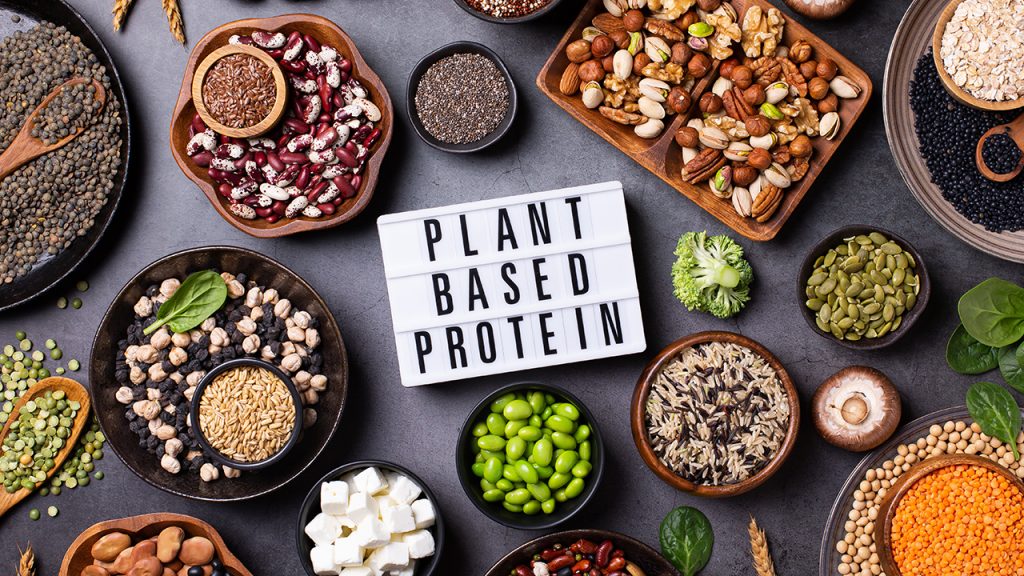
Common Plant-Based Protein Sources:

  • Lentils, chickpeas, green peas
  • Quinoa, oats, barley, rice with beans
  • Almonds, walnuts, peanuts
  • Chia seeds, pumpkin seeds
  • Potatoes

These foods are not only nutrient-dense but are also packed with fibre, antioxidants, vitamins and minerals.

Why Consider Plant-Based Proteins for CKD?

Proteins are essential for everything from muscle repair and hormone production to immune function. However, the source of your protein matters a great deal, especially for those with kidney conditions.

Animal proteins—particularly processed meats and red meats—are associated with:

  • Increased inflammation
  • Higher acid load
  • Elevated risk of heart disease and CKD progression

Plant-based proteins, on the other hand:

  • Are low in saturated fat
  • Contain natural antioxidants
  • Provide fibre, which supports gut health and blood sugar regulation
  • May improve blood pressure and cholesterol levels

Contribute to lowering the risk of diabetes—a major contributor to CKD

Pros and Cons of a Plant-Based Diet for CKD

Pros:

  • Reduces inflammation and acid load on kidneys
  • Helps manage blood pressure, blood sugar, and cholesterol
  • Supports gut health and overall digestive function
  • Associated with lower risk of CKD-related mortality
  • High in beneficial nutrients like magnesium, calcium, and vitamin C

Cons:

  • Many plant proteins are incomplete (they may lack one or more essential amino acids)
  • Risk of Vitamin B12 deficiency, which can lead to anaemia or neurological issues
  • Lower absorption rates than animal proteins—so quantity and variety matter
  • Some individuals may need supplementation or careful meal planning to meet protein needs

Kidneys work silently in the background—filtering blood, regulating blood pressure, and supporting vital body functions. With CKD, even small lifestyle shifts like embracing more plant-based proteins can delay progression, reduce complications, and improve quality of life.

If you’re exploring plant-based eating:

  • Diversify your sources (e.g., combine legumes with whole grains to get complete proteins)
  • Be mindful of any deficiencies, especially B12
  • Monitor portion sizes and nutrients—not all plant-based options are equally kidney-friendly

You don’t have to go fully vegan—but a gradual move towards plant-forward meals can make a real difference.

#BeTheForce

Disclaimer: The information provided in this blog is for general awareness and educational purposes only. It is not intended to replace professional medical advice, diagnosis, or treatment. Always consult a qualified healthcare provider for personalised medical guidance or concerns related to your health.

April 16, 2025 By Roopa Tandur 1 Comment

6 Tips and Tricks to Help You Stay Motivated

stay motivatedMotivation is a tricky thing. One moment it’s with you, and the next, it vanishes. The enthusiasm you began with slowly fades, and before you know it, your drive to work towards your goal has dwindled. We’ve all been there.



Whether it’s your health, work, or personal goals—staying motivated isn’t just about initial excitement. It’s about creating the conditions for consistency and success. Motivation—be it driven by a desire for better health, more energy, or a sense of achievement—needs a bit more than just enthusiasm.

Factors Which Help One Stay Motivated

While discipline is a key factor, there are many other tips and tricks that can help you stay on track with your goals. Let’s look at them in detail.

1. Set Defined and Realistic Goals
Setting goals that are too ambitious or misaligned with your lifestyle can set you up for failure. Instead, focus on goals that are meaningful to you—not ones based on someone else’s expectations.

Start small and achievable. For example:

  • “I’ll walk for 30 minutes, three days a week”
  • “I’ll begin with 5,000 steps a day”

Jumping to 10,000 steps a day may be overwhelming, while aiming for 1,000 won’t offer much benefit. Keep it challenging, but doable.

2. Break Goals into Smaller Tasks
The mind is often the first barrier. You might find yourself saying, “I just don’t have time.” But big goals are simply small tasks stacked together.

If 30 minutes of exercise seems like too much, break it down:

  • Three 10-minute movement sessions spread through the day
  • A mix of morning walking and stair exercises at work

Little changes go a long way.

3. Make It Fun and Avoid Distractions
Switch up your walking routes. Try new exercises. Add variety to keep things engaging.

And most importantly—avoid comparison. What works for someone else might not work for your body. Stick to the plan tailored for you—especially if you’re working with a health coach.

Involve family, especially kids. Their energy is contagious! You could also go live on social media—it adds positive pressure and builds accountability.

4. Reward Yourself
Celebrate your wins—big or small. Rewards don’t need to be extravagant. A kind message to yourself, a new skipping rope, or even a quiet moment of reflection can be powerful motivators.

Plan these rewards ahead of time—they’ll give you something to look forward to, and they’ll make the journey more enjoyable.

5. Visualise Your Success
Take a moment to picture where you want to be in six months. What does your healthier, stronger self look like?

  • Set that image as your phone wallpaper
  • Stick up a photo of your past self when you felt your best
  • Surround yourself with quotes, music, or visuals that uplift and remind you why you started

Mental imagery is a powerful tool.

6. Know Your Shortcomings—and Challenge Them
Identify your personal roadblocks. Is it snacking? Weekends? Lack of planning?

Then, plan around them:

  • Keep healthy snacks at home
  • Prep your meals in advance to avoid ordering out
  • Choose social settings with healthy options
  • Embrace the sweet pain of new workouts—your body is getting stronger!

New routines take time, and muscle soreness is normal. The trick is to keep going, not give up.

Motivation is easier to build when you mix in a bit of fun and laughter. Whether you’re working out alone or with company, the key is to enjoy the process. Consistency is important, but without joy, the journey can feel like a chore.

So smile more, celebrate your effort—not just the results—and take pride in every step forward.

Even the smallest progress is still progress. Keep showing up. Keep moving. Keep going.

#BeTheForce 

Disclaimer: The information provided in this blog is for general awareness and educational purposes only. It is not intended to replace professional medical advice, diagnosis, or treatment. Always consult a qualified healthcare provider for personalised medical guidance or concerns related to your health.

  • « Previous Page
  • 1
  • 2
  • 3
  • 4
  • …
  • 6
  • Next Page »

Search

Recent Posts

  • Ideal Weekly Workout Routine For Beginners
  • Gond Ladoo: Your Much Needed Winter Essential
  • Marathon Countdown: A 2-Week Preparation Guide for Runners
  • Your Body’s Real Age: Why Biological Age Matters More Than Your Birthday
  • Resolving to Evolve on your New Year Health Resolutions

Stay Updated

Archives

  • January 2026 (5)
  • December 2025 (19)
  • November 2025 (15)
  • October 2025 (20)
  • September 2025 (6)
  • August 2025 (6)
  • July 2025 (12)
  • June 2025 (18)
  • May 2025 (16)
  • April 2025 (22)
  • March 2025 (23)
  • February 2025 (22)
  • January 2025 (25)
  • December 2024 (22)
  • November 2024 (25)
  • October 2024 (22)
  • September 2024 (24)
  • August 2024 (31)
  • July 2024 (21)
  • June 2024 (26)
  • May 2024 (31)
  • April 2024 (27)
  • March 2024 (29)
  • February 2024 (26)
  • January 2024 (23)
  • December 2023 (15)
  • November 2023 (11)
  • October 2023 (19)
  • September 2023 (22)
  • August 2023 (20)
  • July 2023 (22)
  • June 2023 (24)
  • May 2023 (24)
  • April 2023 (24)
  • March 2023 (23)
  • February 2023 (20)
  • January 2023 (15)
  • December 2022 (11)
  • November 2022 (15)
  • October 2022 (15)
  • September 2022 (12)
  • August 2022 (10)
  • July 2022 (17)
  • June 2022 (11)
  • May 2022 (10)
  • April 2022 (6)
  • March 2022 (6)
  • February 2022 (13)
  • January 2022 (12)
  • December 2021 (7)
  • November 2021 (3)
  • October 2021 (6)
  • September 2021 (3)
  • August 2021 (8)
  • July 2021 (7)
  • June 2021 (15)
  • May 2021 (16)
  • April 2021 (10)
  • March 2021 (7)
  • February 2021 (4)
  • January 2021 (4)
  • December 2020 (3)
  • November 2020 (4)
  • October 2020 (10)
  • September 2020 (3)
  • August 2020 (3)
  • July 2020 (2)
  • June 2020 (4)
  • May 2020 (10)
  • April 2020 (12)
  • March 2020 (10)
  • February 2020 (4)
  • January 2020 (4)
  • December 2019 (3)
  • November 2019 (7)
  • October 2019 (5)
  • September 2019 (4)
  • August 2019 (9)
  • July 2019 (9)
  • June 2019 (11)
  • May 2019 (4)
  • April 2019 (9)
  • March 2019 (8)
  • February 2019 (9)
  • January 2019 (8)
  • December 2018 (9)
  • November 2018 (3)
  • October 2018 (3)
  • September 2018 (5)
  • August 2018 (10)
  • July 2018 (6)
  • June 2018 (13)
  • May 2018 (8)
  • April 2018 (18)
  • March 2018 (9)
  • February 2018 (8)
  • January 2018 (15)
  • December 2017 (12)
  • November 2017 (19)
  • October 2017 (13)
  • September 2017 (15)
  • August 2017 (4)
  • July 2017 (8)
  • June 2017 (7)
  • May 2017 (6)
  • April 2017 (8)
  • March 2017 (6)
  • February 2017 (7)
  • January 2017 (9)
  • December 2016 (10)
  • November 2016 (7)
  • October 2016 (7)
  • September 2016 (7)
  • August 2016 (11)
  • July 2016 (9)
  • June 2016 (9)
  • May 2016 (12)
  • April 2016 (17)
  • March 2016 (17)
  • February 2016 (8)
  • January 2016 (6)
  • December 2015 (2)
  • November 2015 (9)
  • October 2015 (7)
  • September 2015 (9)
  • August 2015 (11)
  • July 2015 (9)
  • June 2015 (12)
  • May 2015 (9)
  • April 2015 (13)
  • March 2015 (8)
  • February 2015 (5)
  • January 2015 (12)
  • December 2014 (14)
  • November 2014 (11)
  • October 2014 (6)
  • September 2014 (13)
  • August 2014 (12)
  • July 2014 (6)
  • June 2014 (2)
  • May 2014 (7)
  • April 2014 (5)

From “Laddu Nawin” to Fit and Fierce: How a 25-Year-Old Insurance Advisor Shed 20 Kilos and Gained His Life Back

When 25-year-old Nawin Yadav from Hyderabad walked into his office every morning, he carried more than just his files and policy papers. He had the weight of fatigue, sluggish energy, and an ever-growing belly that was becoming the butt of jokes. “People … [Read More...]

“I’ve Challenged Myself to Live 100 Years” – The Story of Chandubhai Savani’s Second Chance at Life

At 67, most people start slowing down. Not Chandubhai Savani. A resident of Surat, Chandubhai, thought life was on track. “My life was going well till I had my bypass surgery,” he says. That surgery, back in 2021, was a wake-up call.  Medication was routine, but exercise wasn’t. His diet? What he calls ‘normal.’ “I […]

From Shimla’s Slopes to Chandigarh’s Sidewalks: Surinder Kaur Bhalla’s Journey from Chaos to Control

Some journeys start with a plan. Others begin with a stumble literally. Surinder Bhalla, a government professional, born and raised in the scenic hill town of Shimla, had always lived a life of movement. “In Shimla, you walked everywhere,” she reflects. “Walking was never an exercise. It was just life.” But after shifting to Chandigarh, […]

Ananda Mukherjee Health Story

From Terminal Illness To Complete Wellness! Ananda Mukherjee Health Story

As we observe World Cancer Day under the powerful theme ‘United by Unique’ (2025-2027)**, we are reminded that every individual’s journey with cancer is distinct, yet united by shared resilience, hope, and the collective fight against this disease. This theme places people at the centre of care and their stories at the heart of the […]

  • HOME
  • HEALTHY LIVING
  • FITNESS
  • HEALTHY RECIPES
  • USER STORIES
  • KARMA
  • BUY GOQii

Copyright ©2016 GOQii