
GOQii

Blog

  • HOME
  • HEALTHY LIVING
  • FITNESS
  • HEALTHY RECIPES
  • USER STORIES
  • KARMA
  • BUY GOQii

Archives for July 2024

July 26, 2024 By Urvi Gohil 2 Comments

Healthy Eating: Corn Tikkis

Healthy Recipe

We can all agree that there is something almost nostalgic about breathing in the fresh aroma of corn during the monsoons! Whether boiled or roasted on the cob, relishing the sweet taste of corn is quite the treat during this season. Let’s relish this monsoon treat by putting a healthy twist on corn and prepare some tasty and nutritious Corn Tikkis that you can enjoy.

What You Will Need: 

  • Boiled and Grinded Corn Kernels – 1 Cup
  • Finely Chopped Capsicum, Onion, Carrot, Coriander – 2 tbsp each
  • Boiled Corn Kernels – 2 tbsp
  • Boiled Potatoes – ½ cup
  • Ginger Paste – 1 tbsp
  • Green Chilli Paste – 1 tbsp
  • Red Chilli Powder, Coriander + Cumin Seeds Powder – 1 tsp each
  • Garam Masala – ½ tsp
  • Salt and Chaat Masala – As per taste
  • Wheat Rusk Powder – 2 tbsp
  • Oil For Roasting

Method:

  1. Take a pan, heat 1 tsp of oil and add the ginger paste to it. Saute lightly and add grinded boiled corn and saute for 4-5 min on medium flame until the moisture flies away.
  2. In a big bowl, add mashed potatoes, all chopped vegetables, corn and grinded corn too along with all spices with salt and chat masala.
  3. Using your palms, mould the mixture into flat tikkis (cutlets).
  4. Spread wheat rusk powder on a plate and roll the tikkis in it.
  5. Heat a non-stick pan and brush some oil over it.
  6. Place the tikkis on the pan and roast for 4-5 min on medium flame until golden brown and then flip them over and cook for 4-5 mins on the other side as well
  7. Serve hot along with green chutney or chilly sauce.

Highlights of the Corn Tikkis:

  • Not a very quick recipe but will satisfy your taste buds just as similar to having a crispy pakoda.
  • The recipe will give us so many colourful vegetables which are all good for our system.
  • Corn is extremely good for your eyes with the phytochemicals & vitamins it provides
  • The insoluble fiber in this recipe aids digestion and promotes gut health.

Did you enjoy this Corn Tikkis recipe? Is there a specific recipe you want to see next? Leave your thoughts in the comments below! For more healthy recipes, check out Healthy Reads or get these recipes directly from a GOQii Coach by subscribing for Personalised Health Coaching here.

Eat Healthy and #BeTheForce
July 23, 2024 By Disti Shah 7 Comments

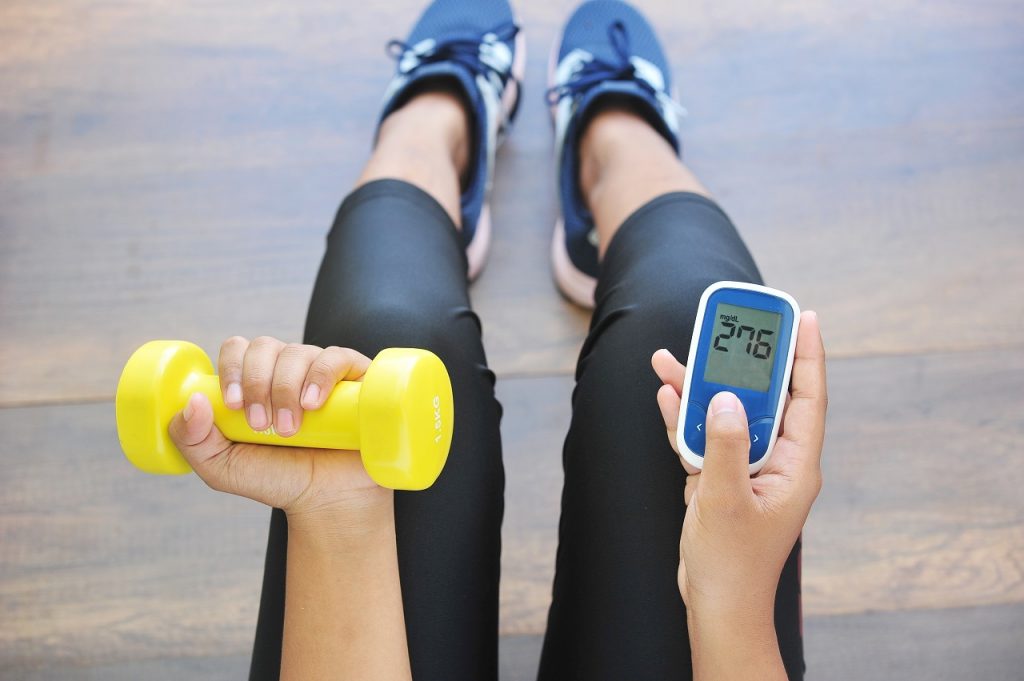
Why You Should Exercise To Manage Diabetes

exercise to manage diabetesThe facts and myths about diabetes are plenty, especially on the kind of foods one should have or not have, whether one should exercise to manage diabetes, etc. But, it’s when I saw my dad exercising one day, a thought struck me – is it not important to test a diabetic before exercise? Is diet all that one needs to focus on?

What if he exercises vigorously and his sugar levels drop down? At what sugar levels should we allow or not allow a person to exercise? What should be the intensity and frequency of the exercise? What type of exercise should a diabetic do?

These questions obviously led me to explore and research more about diabetes and exercise. I would like to share some information about what Diabetes is, what are its types and how regular exercise can control your Diabetes.

What is Diabetes?

Diabetes is a chronic disease where there’s a high level of sugar in the blood, either due to less insulin sensitivity or because of low insulin secretion or no insulin levels in the body.

There are three major types of diabetes. The causes and risk factors are different for each type:

  • Type 1 diabetes: can occur at any age, but it is most often diagnosed in children, teens, or young adults. In this type, the body makes little or no insulin. Daily injections of insulin are needed. The exact cause is unknown.
  • Type 2 diabetes: makes up for most of the diabetes cases. It often occurs in adulthood, but teens and young adults are now being diagnosed because of high obesity rates. In such cases, either the body becomes less sensitive to insulin or insulin secretion decreases.
  • Gestational diabetes: is high blood sugar that develops at any time during pregnancy in a woman who does not have diabetes, and disappears once the pregnancy is over.

Can You Exercise To Manage Diabetes? 

We all know that exercise provides multiple benefits but does it help diabetics as well? In fact, it does! Here are some of the changes you can experience if you exercise to manage diabetes:

  • Exercise helps lower blood sugar levels
  • It helps you feel better
  • Helps maintain proper body weight
  • Keeps the heart rate and blood pressure lower
  • Keeps blood fat levels normal
  • Improves insulin sensitivity
  • Helps in maintaining normal blood circulation in the feet

Now that we know a few of many reasons why exercise is important for a person with diabetes, let’s see which exercises can benefit diabetics.

Which kinds Of Exercise Are Best For Diabetics?

To help manage diabetes, you can try:

  1. 30 minutes of “moderate intensity” aerobic activity – 5 days a week.
  2. “Vigorous intense” aerobic activity for 20 minutes or more a day – 3-5 days a week.

In addition, you should add flexibility and strength training to your routine.

  1. Flexibility activities 5-7 days a week.
  2. Strength training 8-10 exercises, 10-15 repetitions of each exercise, 2-3 days a week.

Calories Per hour and the types of moderate and vigorous exercises

Moderate physical activity for one hour Calorie burnt per hour
Hiking 370
Light gardening / Yard work 330
Dancing 330
Golf (walking and carrying clubs) 330
Bicycling (<10mph) 290
Walking  (3.5mph) 280
Weight lifting (light workout) 220
Stretching 180
Vigorous physical activity for one hour 
Running / Jogging (5mph) 590
Bicycling (>10mph) 590
Swimming (Slow freestyle laps) 510
Aerobics 480
Walking (4-5 mph) 460
Heavy Yard work (chopping wood) 440
Weight lifting (vigorous effort) 440
Basket ball (vigorous) 440

Source – Dietary Guidelines for Americans – 2005 *(These values are derived from American journals and may not be specific to other populations).

When Should One Exercise?

The best time to exercise will vary with the schedule. Preferably, one should pick the same time for exercise each day so that if one is on insulin, the adjustment of insulin dosage is manageable.

  1. Morning exercise may cause your blood glucose to drop less than if you exercised later.
  2. If you are on insulin or taking pills that work by making more insulin, evening exercise may result in low blood glucose while you sleep.

Remember – Your Diabetes Management can be adjusted to suit your lifestyle. Your lifestyle does not have to be adjusted to fit your diabetes.

After knowing what kind of exercise and at what time we should do them, let’s see what precautions should be taken while doing them.

Safety Tips for Active Diabetics

1. Get your doctor’s okay before you start exercising.
This is especially important if you are older than age 35, have had diabetes for more than 10 years, have any complications of diabetes, have not exercised in a long time, or have heart disease. Exercise has the same effect on blood glucose as insulin. It lowers blood glucose, making you more sensitive to insulin. This is a benefit of exercise that can also pose a problem if it lowers your blood glucose too much.

2. Avoid low blood sugar levels
Low blood sugar levels are when the glucose levels dip below <70mg/dl. Common symptoms include shakiness, weakness, abnormal sweating, and anxiety, tingling of mouth and hunger, headache, visual disturbance, confusion, seizures, coma. Monitor your blood glucose before and after working out, especially when beginning or modifying the exercise program. Always keep a 15g of fast-acting carbohydrate (powdered sugar/Glucose tablets 3-4) with you to treat Hypoglycemia.

3. Check your blood glucose levels pre and post workout
If you blood glucose is below 70 –

  1. Take 5g of carbohydrate right away
  2. Wait for 15 minutes
  3. Check again – if still below 70, then have another 15 grams.

It should work now.

If the blood glucose is high – Fasting is>250 and ketosis is present.

Or >300 with or without ketosis. Avoid exercise with such high blood sugar levels.

4. Eat before heavy exercise
If you’re going to exercise around mealtime, you should eat the meal first. When possible, allow half an hour for digestion. Solid foods, such as whole grains, vegetables, etc. are digested slowly than liquids. They provide protection for at least 2-3 hours. When it is possible to choose the exercise time, try to begin the exercise 30-60 minutes after a meal or snack.

Remember – Nothing works better than experience and frequent blood glucose testing. 

5. Diabetic complications 

  • Retinopathy: Patients with retinopathy are at risk for retinal detachment and vitreous hemorrhage associated with vigorous-intensity exercise. For those with retinopathy, vigorous aerobic and resistance, weight-bearing exercises should be avoided.
  • Nephropathy: Should not indulge in vigorous-intensity exercise as protein excretion increases post-exercise.
  • Peripheral Neuropathy: Should take proper care of feet to prevent foot ulcers. Feet should be kept dry. Avoid the wrong type of socks and shoes. Avoid tight elastic bands and ill-fitted shoes (they reduce circulation). Avoid wearing thick or bulky socks (they can fit poorly and irritate the skin). Rather wear light colored cotton socks that dissipate heat faster. Moisturize your feet – but not between your toes- that could encourage a fungal infection. Use a moisturizer daily to keep dry skin from itching or cracking. Consider non-weight bearing activities as they may be better tolerated and aid healing.

6. Stay hydrated
Proper hydration is essential during exercise. Exercising during hot weather requires special attention. Drinking extra fluids should begin an hour or two before you begin exercise to manage diabetes. A general rule is to drink 8 ounces of fluid for every 30 minutes of vigorous activity. 

7. Check your pulse rate
It’s important to check the pulse periodically to see if you are exercising within your target zone. Right after you exercise, take your pulse – count your pulse for 10 secs and multiply the no by 6.

Compare the numbers on the right grouping in the table below.

Age Target Heart range zone
20 years 100-150 beats/min
25 years 98-146 beats/min
30 years 95-142 beats / min
35 years 93-138 beats/ min
40 years 90-135 beats/min
45 years 88-131 beats/min
50 years 85-127 beats/ min
55 years 83-123 beats/min
60 years 80-120 beats/min
65 years 78-116 beats/ min
70 years 75-113 beats / min

Source: Exercise and Your Heart, National Heart, Lung, and Blood Institute/American Heart Association, NIH Publication No. 93-1677.

The good news is that if someone regularly exercises, these benefits can be permanent, and for someone with diabetes, it can mean reducing medication. If younger members of families with a predisposition to diabetes exercise regularly, they could avoid diabetes altogether.

A single bout of exercise can benefit the body’s sensitivity to insulin for 16-18 hours and have positive effects on blood glucose control (glucose absorption) for 24-48hours.

But these effects wear off between 60-72 hours. Hence, staying active most of the time is imperative.

I just want to convey that Diabetes cannot take your hope, faith, attitude, courage and happiness away from you. We are the authors of our own health. Let’s overcome it, no matter what type or what level of disease it is.

Now that you know why you should exercise to manage diabetes, get out there and begin your journey! To read more on Diabetes, check out Healthy Reads.

For further guidance and motivation by certified experts, join the GOQii Diabetes Care program. It’s India’s only diabetes program that is driven by Smart Science and Personal Coaching to improve Fasting Blood Sugar (FBS), Postprandial Blood Sugar (PP), reduce HbA1c levels and let you win gold! You can subscribe here: https://store.goqii.com/diabetescare.

#BeTheForce

July 19, 2024 By Divya Thampi 1 Comment

The One Practice That Can Change Your Life

As she drifts between sleep and wakefulness, her mind brings along a sense of dread; just like a faithful pet would bring a rag doll, and wait, panting in anticipation, for her to wake up. Even before she can start to tell the difference between her own snores and the chimes of the alarm clock, the phone nudges her with notifications about the never-ending list of things to be done. She almost falls off her bed, phone in hand, stumbling from one task to another, trying to keep up with the demands of the day. She races against time, determined to make progress. But as the clock ticks on, her attempts to swim through the sea of distractions, hardly seem to work. She finishes her day feeling exhausted, with a nagging sense that very little has been achieved.
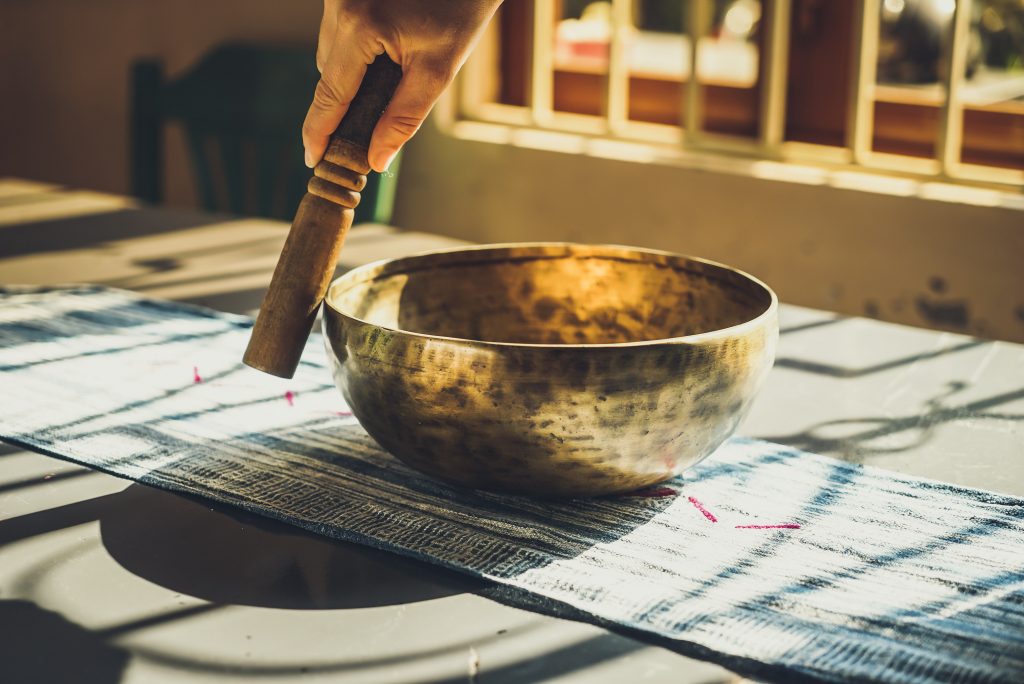


If such stress laden days, sound all too familiar, you are not alone. But knowing that many of us feel this way, hardly brings any reprieve from reality. However, one simple daily practice has the potential to change this experience quite drastically.

How Would You Like Your Day To Begin?

Before we talk about that practice, let’s look at what kind of day we would ideally like to spend – Personally, I would like to wake up feeling rested and refreshed, feeling excited and hopeful and in spite of the zillion things that need to be completed during the day, I would like to feel at peace with myself. Does that resonate with you? If it does, read ahead!

What’s That ONE Thing?

The one activity that could change the way we start and end our day, is Meditation. According to the Buddhist definition ‘Meditation practices are techniques that encourage and develop concentration, clarity, emotional positivity, and a calm seeing of the true nature of things.’

It is the one activity which will not change the circumstances or the people of your life, but has the potential to change the weather inside your mind. In 10 to 20 minutes, it could help your internal weather to change from grey, cloudy and chilly to pleasantly sunny, warm and hopeful. 

How Meditation Helps!

When you meditate regularly, you get better at holding your attention in the present moment. This automatically leads to less distraction. It also improves your ability to process sensory information. Personally, I find myself more capable of holding back angry retorts and loosening the hold of obsessive thoughts, much more now than when meditation was not a part of my life. This is not surprising given the research which shows that regular meditation enlarges the pre-frontal cortex (the part of the brain responsible for logical thinking, and decision making) and reduces the Amygdala activation (the key brain structure known as the emotional or fear center of the brain), leading to improved emotional regulation! According to Dr. Keith Holden, in his book “Power of the mind in health and healing”- “Regular meditation may even help prevent age-related brain atrophy, which has the potential to protect against memory loss and improve brain function as you age.”

In broader terms, a regular meditation practice helps you feel better about yourself, bring more harmony in your relationships, develop your ability to perform better at work, improve your creative thinking and foster the ability to stay calm in the face of uncertainty, not to mention adding to your overall sense of well being.meditation

Yes, You Are Already Good At It! 

Before I started practicing meditation, I used to think that it is meant for people who have a lot of time at hand. For someone who has retired from work life for instance, or someone who doesn’t have much to do. But I couldn’t be farther from the truth on both fronts! (being retired from work life doesn’t mean one is not busy). Meditation is beneficial for every single one of us. The busier you are, the more beneficial it is for you. You may not realise it, but whenever you are in a state of “flow” i.e. when you feel happily engrossed in a task, that you feel competent to do, and enjoy doing – you are meditating; you are meditating on that one task, with absolute focused attention and there’s this feeling of being in a different plane. You are meditating every time you sleep deeply. So, you are already practicing certain forms of meditation in your life and are good at it. Hence saying that “meditation is not my cup of tea” doesn’t hold water (or tea).

Conclusion

There’s no aspect of your life that goes untouched by the benefits of meditation. As an emotional wellness coach and counsellor, I get to hear hundreds of mental health concerns from people on a regular basis. No matter what the complaints are, meditation almost always features in the list of ways in which people can overcome those issues and move towards short term and long mental wellness. So, when do you plan to start?

We hope this article helps you! If you want to begin your meditation practice, check out some interesting articles on Healthy Reads. To get more meditation tips from a certified expert, subscribe to Personalised Health Coaching here.

#BeTheForce 

July 18, 2024 By GOQii Leave a Comment

Understanding the Stress – Skin Connection: Managing Stress for Healthier Skin

Our body and mind are intricately connected, and even a slight imbalance in one can significantly affect the other. A common example of this is stress. Psychological stress can be challenging not only for the mind but also for the body, particularly the skin, which is one of the largest organs. The connection between stress and chronic skin diseases like Atopic Dermatitis (AD) is profound.

Stress impacts many neurological, metabolic, and immune pathways linked to the progression of chronic skin diseases like AD. It can impair skin barrier function, trigger pro-inflammatory factors causing redness and inflammation, and alter the immune response, compromising disease resistance. Consequently, stress worsens AD, and the deteriorated state of the skin further exacerbates stress. This reciprocal relationship underscores the importance of managing stress as a vital part of AD management.

It is crucial to seek professional help for stress management and skin care. Consulting a dermatologist and, if necessary, a psychiatrist can ensure both stress and skin health are properly addressed. Meanwhile, indulging in hobbies, taking prescribed medications regularly, exercising, practicing yoga, and establishing a bedtime ritual can all contribute to better skin health.

A happier mind leads to happier, healthier skin.

We hope this article helps you. For further information or guidance, reach out to your GOQii Skin Coach.

#BeTheForce

Reference –

Evers AWM, van Beugen S. How stress affects the skin: from designs to mechanisms. Br J Dermatol. 2021 Jul;185(1):12-13. doi: 10.1111/bjd.20397. Epub 2021 Jun 11. PMID: 34114221; PMCID: PMC8361690.

Disclaimer: The information provided in this blog is for general awareness and educational purposes only. It is not intended to replace professional medical advice, diagnosis, or treatment. Always consult a qualified healthcare provider for personalised medical guidance or concerns related to your health.

  • « Previous Page
  • 1
  • 2
  • 3
  • 4
  • …
  • 6
  • Next Page »

Search

Recent Posts

  • Navigating the Maze of Nutrition: Finding Clarity Amidst Confusion
  • Get children active and keep them healthy
  • What Gestational Diabetes Can Do To You & Your Unborn Child
  • Breathing – A Forgotten Art
  • The Incredible Benefits Of Milk You Might Not Know

Stay Updated

Archives

  • December 2025 (3)
  • November 2025 (15)
  • October 2025 (20)
  • September 2025 (6)
  • August 2025 (6)
  • July 2025 (12)
  • June 2025 (18)
  • May 2025 (16)
  • April 2025 (23)
  • March 2025 (23)
  • February 2025 (22)
  • January 2025 (26)
  • December 2024 (26)
  • November 2024 (25)
  • October 2024 (22)
  • September 2024 (24)
  • August 2024 (31)
  • July 2024 (21)
  • June 2024 (26)
  • May 2024 (31)
  • April 2024 (27)
  • March 2024 (29)
  • February 2024 (26)
  • January 2024 (25)
  • December 2023 (15)
  • November 2023 (11)
  • October 2023 (22)
  • September 2023 (22)
  • August 2023 (20)
  • July 2023 (22)
  • June 2023 (24)
  • May 2023 (24)
  • April 2023 (24)
  • March 2023 (23)
  • February 2023 (20)
  • January 2023 (16)
  • December 2022 (12)
  • November 2022 (15)
  • October 2022 (15)
  • September 2022 (12)
  • August 2022 (10)
  • July 2022 (17)
  • June 2022 (11)
  • May 2022 (10)
  • April 2022 (6)
  • March 2022 (6)
  • February 2022 (13)
  • January 2022 (12)
  • December 2021 (7)
  • November 2021 (3)
  • October 2021 (6)
  • September 2021 (3)
  • August 2021 (8)
  • July 2021 (7)
  • June 2021 (15)
  • May 2021 (16)
  • April 2021 (10)
  • March 2021 (7)
  • February 2021 (4)
  • January 2021 (4)
  • December 2020 (3)
  • November 2020 (4)
  • October 2020 (10)
  • September 2020 (3)
  • August 2020 (3)
  • July 2020 (2)
  • June 2020 (4)
  • May 2020 (10)
  • April 2020 (12)
  • March 2020 (10)
  • February 2020 (4)
  • January 2020 (4)
  • December 2019 (3)
  • November 2019 (7)
  • October 2019 (5)
  • September 2019 (4)
  • August 2019 (9)
  • July 2019 (9)
  • June 2019 (11)
  • May 2019 (4)
  • April 2019 (9)
  • March 2019 (8)
  • February 2019 (9)
  • January 2019 (8)
  • December 2018 (9)
  • November 2018 (3)
  • October 2018 (3)
  • September 2018 (5)
  • August 2018 (10)
  • July 2018 (6)
  • June 2018 (13)
  • May 2018 (8)
  • April 2018 (18)
  • March 2018 (9)
  • February 2018 (8)
  • January 2018 (15)
  • December 2017 (12)
  • November 2017 (19)
  • October 2017 (13)
  • September 2017 (15)
  • August 2017 (4)
  • July 2017 (8)
  • June 2017 (7)
  • May 2017 (6)
  • April 2017 (8)
  • March 2017 (6)
  • February 2017 (7)
  • January 2017 (9)
  • December 2016 (10)
  • November 2016 (7)
  • October 2016 (7)
  • September 2016 (7)
  • August 2016 (11)
  • July 2016 (9)
  • June 2016 (9)
  • May 2016 (12)
  • April 2016 (17)
  • March 2016 (17)
  • February 2016 (8)
  • January 2016 (6)
  • December 2015 (2)
  • November 2015 (9)
  • October 2015 (7)
  • September 2015 (9)
  • August 2015 (11)
  • July 2015 (9)
  • June 2015 (12)
  • May 2015 (9)
  • April 2015 (13)
  • March 2015 (8)
  • February 2015 (5)
  • January 2015 (12)
  • December 2014 (14)
  • November 2014 (11)
  • October 2014 (6)
  • September 2014 (13)
  • August 2014 (12)
  • July 2014 (6)
  • June 2014 (2)
  • May 2014 (7)
  • April 2014 (5)

From “Laddu Nawin” to Fit and Fierce: How a 25-Year-Old Insurance Advisor Shed 20 Kilos and Gained His Life Back

When 25-year-old Nawin Yadav from Hyderabad walked into his office every morning, he carried more than just his files and policy papers. He had the weight of fatigue, sluggish energy, and an ever-growing belly that was becoming the butt of jokes. “People … [Read More...]

“I’ve Challenged Myself to Live 100 Years” – The Story of Chandubhai Savani’s Second Chance at Life

At 67, most people start slowing down. Not Chandubhai Savani. A resident of Surat, Chandubhai, thought life was on track. “My life was going well till I had my bypass surgery,” he says. That surgery, back in 2021, was a wake-up call.  Medication was routine, but exercise wasn’t. His diet? What he calls ‘normal.’ “I […]

From Shimla’s Slopes to Chandigarh’s Sidewalks: Surinder Kaur Bhalla’s Journey from Chaos to Control

Some journeys start with a plan. Others begin with a stumble literally. Surinder Bhalla, a government professional, born and raised in the scenic hill town of Shimla, had always lived a life of movement. “In Shimla, you walked everywhere,” she reflects. “Walking was never an exercise. It was just life.” But after shifting to Chandigarh, […]

Ananda Mukherjee Health Story

From Terminal Illness To Complete Wellness! Ananda Mukherjee Health Story

As we observe World Cancer Day under the powerful theme ‘United by Unique’ (2025-2027)**, we are reminded that every individual’s journey with cancer is distinct, yet united by shared resilience, hope, and the collective fight against this disease. This theme places people at the centre of care and their stories at the heart of the […]

  • HOME
  • HEALTHY LIVING
  • FITNESS
  • HEALTHY RECIPES
  • USER STORIES
  • KARMA
  • BUY GOQii

Copyright ©2016 GOQii



