GOQii

Blog

  • HOME
  • HEALTHY LIVING
  • FITNESS
  • HEALTHY RECIPES
  • USER STORIES
  • KARMA
  • BUY GOQii

Archives for February 2024

February 6, 2024 By Yogita Agarwal 1 Comment

Foods That Help You Boost Your Mood

boost your mood

When we feel emotionally low, feel sad, anxious or frustrated, we get tempted to eat food that can lift our spirit. But in the bargain of improving our mood, we end up binging on sweets and junk food. These unhealthy foods can have negative outcomes of their own. So, to avoid those unwanted outcomes on your body, let’s look at healthy food sources that can help you boost your mood! 

Foods To Help You Boost Your Mood 

  1. Fermented Foods: The fermentation process allows the bacteria to thrive in foods, being able to convert sugars into alcohol and acids, creating probiotics. This helps increase serotonin levels. Kimchi, kefir, yogurt, kombucha and kanji are the sources of probiotics that support gut health and a healthy gut can help you boost your mood! 
  2. Fatty Fish: are rich sources of 2 types of Omega 3 – DHA (Docosahexaenoic acid) and E (eicosapentaenoic acid), both help lower the levels of depression. Salmon and albacore tuna are fishes we can include in our diet.
  3. Dark Chocolate: helps to improve mood as it may release a cascade of feel-good compounds such as caffeine, theobromine and N-acylethanolamine which is a substance chemically similar to cannabinoids that have been linked to improved mood. It is high in health-promoting flavonoids, which have been shown to increase blood flow to your brain, reduce inflammation, and boost brain health, all of which may support mood regulation.
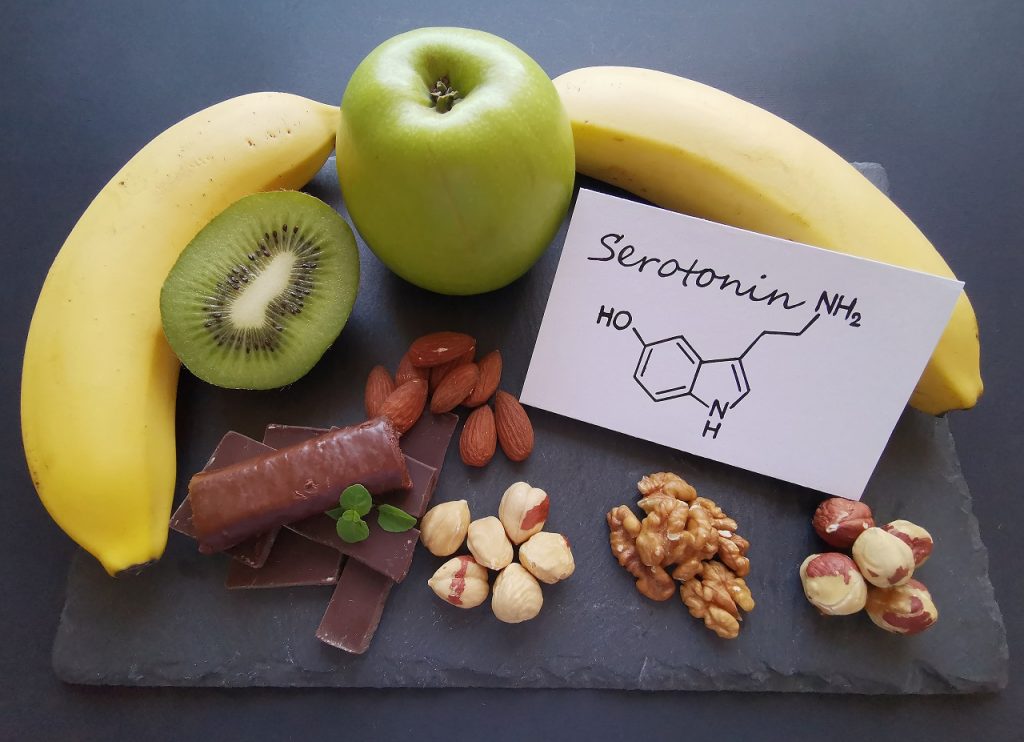
  4. Banana: is a rich source of vitamin B6. It helps in the synthesis of neurotransmitters dopamine and serotonin. It is an excellent source of natural sugar and good probiotics, so it helps in keeping our mood up. 
  5. Whole Grains: like steel-cut oatmeal, quinoa, brown rice, amaranth, millet, bulgur and wild rice are important sources of B vitamins, nutrients vital for brain health. Vitamin B1 (Thiamine) helps in turning glucose into energy, vitamin B5 (pantothenic acid) helps in the production of the neurotransmitter acetylcholine (involved in learning and memory), vitamin B6 is needed to convert the amino acid tryptophan into serotonin, and vitamin B12 helps in the production of neurotransmitters serotonin and dopamine, which can boost your mood. 
  6. Berries: are packed with a wide range of antioxidants and phenolic compounds, which play a key role in combating oxidative stress and an imbalance of harmful compounds in our body. They are a good source of anthocyanins – the pigment in blue-purple colored berries, which helps lift the mood.
  7. Nuts and Seeds: are a good source of plant protein, healthy fats, and fiber. They are a good source of amino acids, which help in the production of serotonin. Seeds like sesame, pumpkin and sunflower aid brain function and can help in making you feel better.
  8. Coffee: Caffeine has been found to trigger the release of brain chemicals such as dopamine, which is important for performance and mood. Caffeine helps in the prevention of a naturally occurring compound called adenosine from attaching to the brain receptors that promote tiredness, therefore, increasing alertness and attention.
  9. Beans and Lentils: are high in fiber and plant-based protein. They are full of feel-good nutrients. They are an excellent source of B vitamins, which help improve mood by increasing levels of neurotransmitters like serotonin, dopamine, norepinephrine, and gamma-aminobutyric acid (GABA), all of which are important for regulating mood. Vitamin B plays a key role in nerve signaling, which allows proper communication between nerve cells. Low levels of these vitamins, especially B12 and folate, can make us feel low.
  10. Leafy Green Vegetables: Spinach and other green vegetables contain folate. Green leafy veggies are an amazing source of vitamin B, fibre, iron, and folate which can help in improving brain function and produce neurotransmitters that help in boosting mood. Adding a good amount of green veggies to your diet will not only boost your mood but your overall health as well. 

With the above food, you should also exercise regularly, sleep for 7-8 hours and focus on the quality of sleep, manage stress and stay hydrated! We hope this article helps you. For more on nutrition, check out Healthy Reads or reach out to our certified experts by subscribing to GOQii’s Personalised Health Coaching here.

#BeTheForce 
February 5, 2024 By GOQii 8 Comments

Burn Belly Fat With Proper Nutrition

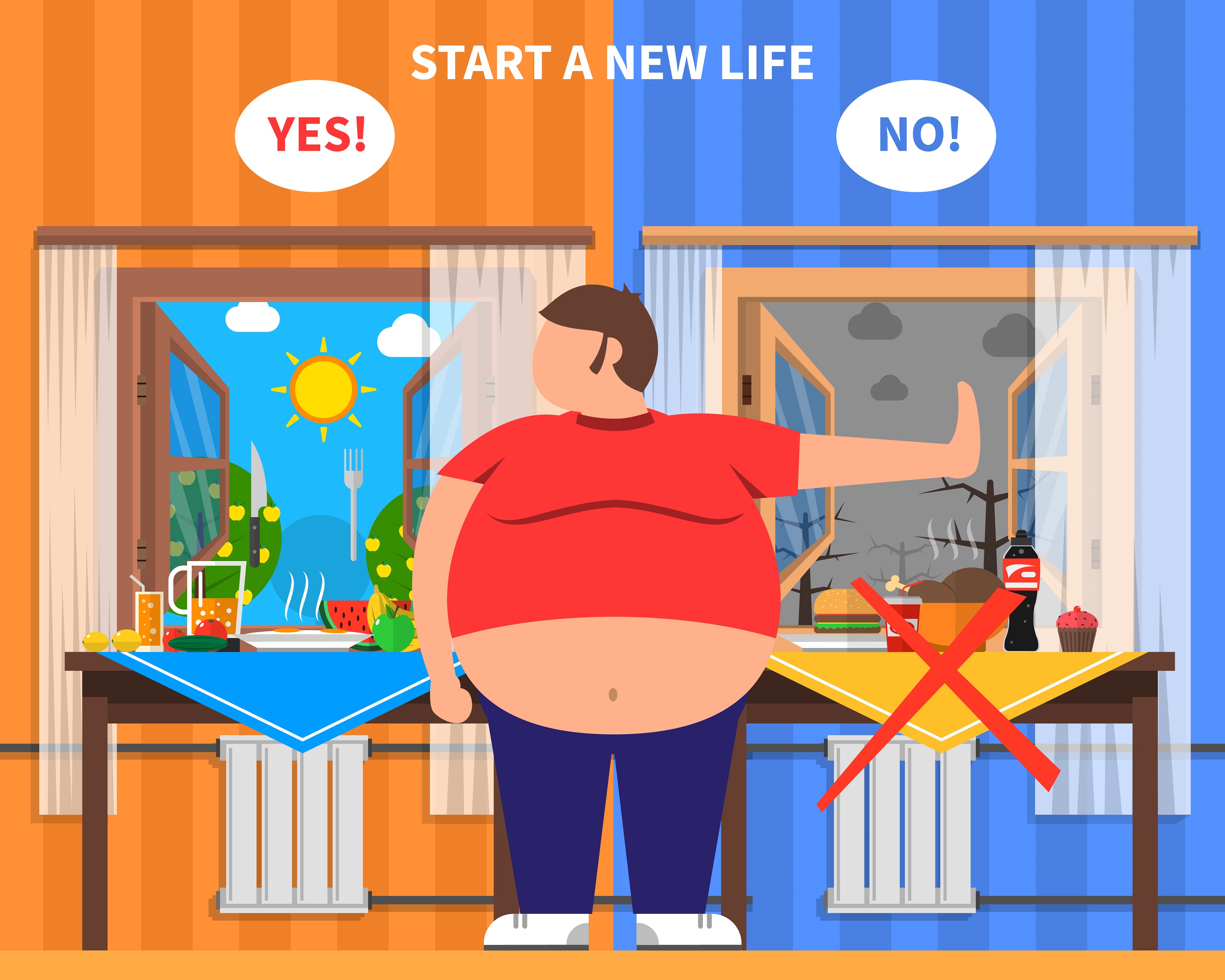
nutrition to burn belly fatBelly fat! A large section of people in this world are obsessed with their body and more so belly fat. They might be pushing themselves with exercise or following a particular diet plan but are still unable to rid themselves of it. The reasons behind not being able to burn belly fat may be excessive use of sugar and fats. This in turn results in weight gain through development of fats around different parts of the body.

Among all body parts, belly is the most affected area. This is because of the fats. The belly grows quickly and leads to increased health problems. Studies have shown that the human body reacts to increased levels of sugar. Generally, 15 grams of sugar is recommended and not more than that. The question is, can a change in diet impact the belly and other body fats? Let’s explore!

6 Nutritional Tips To Help You Burn Belly Fat

  1. Reduce Sugar Intake: Reduction in our daily sugar intake should be at a recommended level of 15 grams. This is one of the most effective steps in reducing belly fat through nutrition. Excess of sugar intake is one of the biggest reasons for obesity and diabetes in the U.S.
  2. Avoid Processed Food: Consumption of processed food items is one of the sources of excessive sugar and fat intake. Try to prepare your food with your hands if you are aware of the ingredients which will be used. Carefully read ingredients used in processed food before you consume them.
  3. Reduce Bad Carbohydrates: Reduction of carbohydrates is another step to reduce belly fat without exercise. Particularly, avoid consuming fizzy drinks. This is one of the sources of high bad carbohydrates.
  4. Increase Intake of Fiber: Increased intake of fiber will constraint your need for carbohydrates. Having more of veggies and fruits will help you with good carbs and avoid the intake of bad carbs.
  5. Eat Raw Vegetables: Eating half cooked or raw vegetables helps you reduce your belly fat. Vegetables are the best solution to fiber requirement. During the day take healthy carbohydrates and at night eat a good meal consisting of proteins/fiber and less carbs.
  6. Know What to Eat: It is essential that you are aware of what you eat. For example, you can do some research about food items that have rich sources of fibre and healthy carbohydrates. You can then add them to your diet.

We hope this article on how to burn belly fat helps you! Remember that it will only work if you are disciplined and follow the routine religiously. Otherwise, no matter how hard you try, there won’t be any significant change for the better. For more on fat and weight loss, check out Healthy Reads or ask a GOQii Coach directly by subscribing for Personalised Health Coaching here.

#BeTheForce

February 4, 2024 By GOQii Leave a Comment

Equality in Healing: Overcoming Global Challenges in Cancer Treatment

World Cancer DayAccess to essential health services is a huge challenge for at least half the world’s population, according to a report from the World Bank and WHO. Many households are pushed into poverty as they have to pay for healthcare from their own pockets. This is especially true for cancer, a disease that many people are denied basic care for, although we live in a time where there are amazing advancements in cancer prevention, diagnostics and treatment.
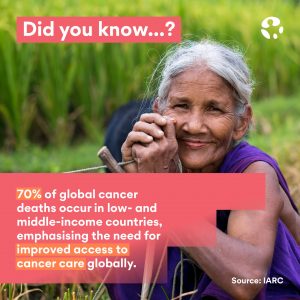
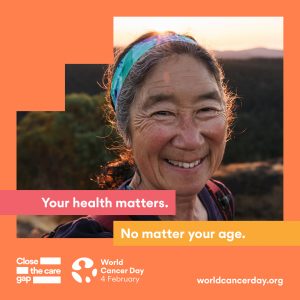

The equity gap is costing people lives as those who need cancer care face barriers at every turn. Factors such as income, education, location and discrimination based on age, gender, ethnicity, sexual orientation, disability and lifestyle affect cancer care negatively. So do risk factors such as tobacco, diet or environmental hazards.

Barriers That Affect Cancer Care Gender Norms and Discrimination:

Women and girls face discrimination because of stereotypes and expected gender roles. Men also face challenges because of social norms surrounding masculinity, which stop them from taking life-saving procedures such as surgery for early prostate cancer, for fear of incontinence or impotence.

Socioeconomic Status: Poverty is a major obstacle to proper care as many people cannot pay for or access screening and treatment services. The ways of prevention and knowledge among these communities are also low.

Age Discrimination: Older individuals are greatly underrepresented in the research that establishes the standards for cancer treatment. Many older women with breast cancer get less chemotherapy than their younger counterparts. More than 70% of deaths caused by prostate cancer happen in men above the age of 75. Age should not affect the quality of care one gets.

Rural-Urban Divide: Where one lives, should not affect if one will live. Rural patients are often diagnosed at later stages and are less likely to get suitable treatment. The financial cost of traveling to a place where one can get treatment and getting the right treatment can be too much.

Homophobia, Transphobia & Related Discrimination: Around the world, the lesbian, gay, bisexual, transgender, queer and intersex (LGBTQAI) community face aggression and discrimination. They are also likely to face lack of awareness or bias from health practitioners.

These barriers to cancer care are only some of the ways in which people can be denied of cancer care. But these barriers can be removed. The first step is to acknowledge this inequality, question our own beliefs and prejudices, listen to the views of people living with cancer and fight these gaps when we see them.

What Leaders and Governments Can Do To Improve Cancer Care:  

Leaders and governments have a vital role in enhancing cancer care and closing the equity gap. Here are some of the steps they can take:

Improve the health system and make cancer services more accessible and affordable, especially in low- and middle-income countries and rural areas. This can be done by investing in infrastructure, equipment, human resources, and supply chains, as well as offering universal health coverage and social protection schemes

  1. Reduce and manage cancer risk factors, such as tobacco, alcohol, unhealthy diet, physical inactivity, and environmental pollution, by enacting effective policies and regulations. These include taxing harmful products, restricting their promotion, enforcing smoke-free and labeling laws, and promoting healthy habits.
  2. Support and apply research and innovation in cancer prevention, diagnosis, treatment, and care. This involves funding and facilitating studies, trials, and technology, and promoting collaboration and knowledge sharing among researchers, practitioners, and policymakers.
  3. Empower and involve people and communities in cancer care and advocacy, and meet their voices and needs. This involves educating on cancer prevention and early detection, providing psychosocial and palliative care, and supporting civil society organizations and patient groups that work for cancer causes.

By taking these steps, leaders and governments can make a change in enhancing cancer care and saving lives. They can also help achieve the global goals and targets set by the World Health Organization and the United Nations, such as the 2030 Agenda for Sustainable Development and the Global Action Plan for the Prevention and Control of Noncommunicable Diseases.

#BeTheForce

Image courtesy: https://worldcancerday.org

February 2, 2024 By CHARMI GOGRI 2 Comments

Healing power of herbs and spices – Part 2

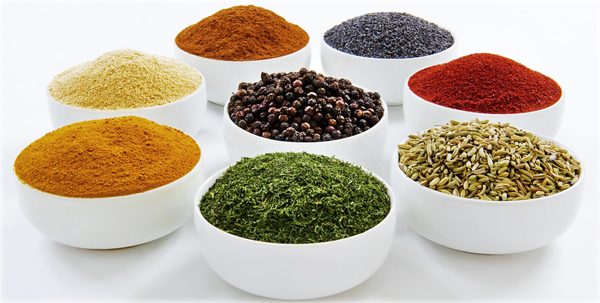
spice_palette1 copy

I hope you found the first part of the blog interesting enough for you to come back and read Part 2. Herbs and spices have always been used by our ancestors and grandmothers as home remedies. They have found cure for any ailment purely through herbs and spices. Today, slowly and steadily we are getting back to our roots. This is one of the reasons why I got down to researching on herbs and spices. In this Part two we will talk of herbs and spices such as Mint, Himalayan Salts, Parsley, Paprika to name a few…

    1. Dill: Dill has much more to offer than just serving the ornamental purpose in the gardens. Due to its anti-bacterial nature, helps in killing harmful intestinal bacteria, E.coli. The seeds also contain substantial amounts of calcium, and regular intake of dill seeds may help to boost bone strength. One outstanding use of dill is in treating hiccups. Hiccups occur for various reasons, but most likely, they occur due to trapped gas and repeated upward movement of gases through the food pipe. It can also be caused due to certain allergies, hypersensitivity, hyperactivity and nervous malfunctioning. Dill helps the expulsion of gases and also reduces gas formation at the same time it helps to calm down hiccups due to allergies, hyperactivity, or nervous disorders.
    2. Fennel Seeds : It’s most popularly used as a breath freshener but has many health benefits attached to it. They are highly beneficial in relieving digestive problems such as indigestion, bloating, flatulence, constipation, colic, intestinal gas, heartburn, and even irritable bowel. Also, Fennel is excellent for combating obesity as it suppresses the appetite and creates a feeling of fullness. Phytoestrogens present in fennel seeds helps to deal premenstrual syndrome, menstrual pain and menopausal disorders. Apart from these, fennel is traditionally used as a galactagogue to promote lactation in nursing mothers.
    3. Himalayan Salt : Gorgeous pink colored salt is much more beneficial over regular table salt. These light pink crystals are full of minerals. In fact, they come packed with over 80 minerals and elements that have shown to create an electrolyte balance within your body, strengthen bones, lower blood pressure, prevent muscle cramping, and improve circulation. On the other hand common table salts are stripped of any extra minerals. Adding to other crucial benefit, Himalayan salt is also lower in sodium than regular table salt which is one of the deadly nutrients when it comes to heart disease.
    4. Mint: Mint, the well known mouth and breath freshener, is an herb that has been used for hundreds of years for its remarkable medicinal properties. The menthol present in it activates digestive system, helps to calm stomach cramps, beat acidity and flatulence. Mint has a very strong smell that has ability to open up nasal passages and airways to allow relaxed breathing. It is also an expectorant and helps the expulsion of phlegm. Its anti-bacterial and anti-inflammatory properties help relieve inflammation along the respiratory tract. Since mint leaves purify the blood and have an anti-spasmodic effect on the soothe muscles of our body, it is a great remedy to relieve the pain of menstrual cramps.
    5. Mustard Seeds: Mustard seeds have been valued for their therapeutic effects in curing cold and sinus It is a wonderful decongestant and expectorant which helps in clearing the mucus in the air passages. A decoction made with mustard seeds helps in cleansing the body especially in the poisoning caused by narcotics and excess intake of alcohol.
    6. Nutmeg: It has been considered to be a useful medicine in a number of Asian societies. It induces the secretion of various gastric and intestinal juices that ease the digestive process. The fiber content of nutmeg can bulk up the bowel movement; it reduces the frequency and discomfort of constipation and other intestinal issues. Since olden days, nutmeg has been recommended as a home remedy for sleeplessness and insomnia. A pinch of nutmeg in warm milk before sleeping always seemed to help in better sleep quality. Nutmeg has a high content of magnesium which stimulates the release of serotonin and hormone responsible for relaxation. This serotonin is changed to melatonin in the brain, which is a sleep inducer.
    7. Oregano: This warm aromatic herb boasts several medicinal qualities. This marvelous herb is an excellent source of minerals like potassium, calcium, manganese, iron, and magnesium. Potassium is an important component of cell and helps control heart rate and blood pressure caused by high sodium. Magnesium and calcium are important minerals for bone metabolism. Oregano also being a rich source of dietary fiber helps to control blood cholesterol levels. The major components of oregano, carvacrol and thymol, are wonderfully anti-viral, anti-bacterial, anti-parasitic, and anti-fungal. Presence of powerful antioxidants in this herb makes it great for immune system. Also, Consuming 2 tsp of oregano daily during menses reduces cramps this is because carvacrol and thymol present in the herb relaxes uterine muscles and prevents painful contractions.
    8. Parsley: Most people are familiar with parsley as a food garnish and often discard the herb used for decoration without realizing the health benefits. Myricetin, a flavonol found in parsley and other plants, has been shown to have chemopreventive effects on skin cancer. A natural chemical found in parsley (apigenin ) has been found to decrease tumor size in an aggressive form of breast cancer and will play a promising role in treating cancer in future. Parsley also acts as a natural diuretic and helps in body cleansing.
    9. Paprika: Warm and spicy flavor of this herb has much more to offer apart fro imparting color to the meals. Capsanthin present in Paprika promoted increased activity of an enzyme involved in production of HDL (good) cholesterol. The presence of capsaicin has also attributed to lower blood pressure levels in the body. Vitamin B6 present in it stimulates the production of melanin, a pigment that lends hair its colour hence it’s a boon for spice lovers as it helps prevent premature greying of hair.
    10. Rosemary: This herb packs a powerful punch in the form of rosmarinic acid, carnosic acid and carnosol. It’s incredibly anti-carcinogenic, and has been found to significantly decrease levels of dangerous heterocyclic amines when cooked with meats at high temperatures. It’s also been shown to be effective in improving dermatitis, cognitive stimulant, enhancing memory and focus, protecting the liver (detoxification) and alleviating arthritis pain. The Eucalyptol present in this herb helps to loosen the chest congestion making phlegm easier to expel plus Rosemary is rich in anti-inflammatory tannin which helps to soothe a sore throat.
    11. Saffron : This is the world’s most expensive spice. Active components of Saffron i.e. crocin and safranal, helps preserve levels of dopamine, serotonin, and norepinephrine in the brain thereby helping in treating depression. Saffron may help protect against Alzheimer’s disease, anxiety, insomnia, multiple sclerosis and Parkinson’s disease. Saffron can function as an effective energy booster and can increase body’s metabolism by increasing blood circulation. Consuming a pinch of saffron with a spoonful of honey can be an effective remedy for heavy periods. It’s also known for it’s ability to beautify your skin. Wearing a saffron face mask can help clear up acne and blemishes, brighten dull skin, and give you a glow.
    12. Sage: Sage is an herb native to the Mediterranean. Sage has a long history of medicinal use for ailments ranging from mental disorders to gastrointestinal discomfort. It boosts brain function, improves memory and concentration, helps in easing alzheimer’s symptoms. Also, Sage helps prevents arteries from hardening and thereby reducing risk of heart attack. Another promising role which is heart healthy, Sage helps in maintaining the healthy lipid profile.
    13. Turmeric: Turmeric was once called a poor man’s saffron, but now we know how incredibly healing and powerful this spice truly is. Curcumin is the active compound in turmeric that is powerfully anti-inflammatory as well as rich in antioxidants. I have written a blog focusing on health benefits of turmeric, it would be worthwhile to read that, it’s accessible on http://goqii.com/blog/why-should-we-all-eat-more-turmeric
    14. Thyme: Thyme is an herb more native to Mediterranean and French cuisine. It has a long history of use in natural medicine in connection with chest and respiratory problems including coughs, bronchitis, and chest congestion. The volatile oil present in thyme are believed to increase the content of omega 3 fatty acids in brain. Thyme has decent number of flavonoids and is proven to posses’ cancer preventing properties. Thyme is also believed to relieve pain of difficult menstruation better than ibruprofen. An ounce (28g) of the herb is steeped in two cups water is consumed after straining and sweetening (optional) for optimal benefits.

Phew !! Now that was pretty exhaustive list. Isn’t it amazing that these sparingly required ingredients can have such a huge impact on our health?? Now that you know about some of these amazing key benefits, go ahead, spread the word and try out a new recipe using one of the spices above.

Be sure to comment below and letting me know what you’re going to cook up !

We hope this article helps you. For further information or guidance, reach out to our certified experts by subscribing to GOQii’s Personalised Health Coaching here.

#BeTheForce

  • « Previous Page
  • 1
  • …
  • 4
  • 5
  • 6
  • 7
  • Next Page »

Search

Recent Posts

  • Accelerate Action for Your Health: Why Self-Care Matters This International Women’s Day
  • 4 Reasons Why Affirmations Are Not Working For You
  • The Social Side of GLP-1: Navigating “Food Culture” and Peer Pressure
  • Leaky Gut: Symptoms and Causes
  • Muscle Is Your Insurance Policy: Why Strength Predicts Lifespan More Than Cardio

Stay Updated

Archives

  • March 2026 (2)
  • February 2026 (14)
  • January 2026 (14)
  • December 2025 (19)
  • November 2025 (15)
  • October 2025 (20)
  • September 2025 (6)
  • August 2025 (6)
  • July 2025 (12)
  • June 2025 (18)
  • May 2025 (16)
  • April 2025 (22)
  • March 2025 (23)
  • February 2025 (22)
  • January 2025 (25)
  • December 2024 (22)
  • November 2024 (23)
  • October 2024 (21)
  • September 2024 (24)
  • August 2024 (30)
  • July 2024 (21)
  • June 2024 (26)
  • May 2024 (31)
  • April 2024 (27)
  • March 2024 (29)
  • February 2024 (25)
  • January 2024 (21)
  • December 2023 (15)
  • November 2023 (11)
  • October 2023 (19)
  • September 2023 (22)
  • August 2023 (18)
  • July 2023 (22)
  • June 2023 (24)
  • May 2023 (24)
  • April 2023 (23)
  • March 2023 (23)
  • February 2023 (19)
  • January 2023 (15)
  • December 2022 (11)
  • November 2022 (15)
  • October 2022 (15)
  • September 2022 (12)
  • August 2022 (10)
  • July 2022 (17)
  • June 2022 (11)
  • May 2022 (10)
  • April 2022 (6)
  • March 2022 (6)
  • February 2022 (13)
  • January 2022 (11)
  • December 2021 (7)
  • November 2021 (3)
  • October 2021 (6)
  • September 2021 (3)
  • August 2021 (8)
  • July 2021 (7)
  • June 2021 (15)
  • May 2021 (16)
  • April 2021 (10)
  • March 2021 (7)
  • February 2021 (4)
  • January 2021 (4)
  • December 2020 (3)
  • November 2020 (4)
  • October 2020 (10)
  • September 2020 (3)
  • August 2020 (3)
  • July 2020 (2)
  • June 2020 (4)
  • May 2020 (10)
  • April 2020 (12)
  • March 2020 (10)
  • February 2020 (4)
  • January 2020 (4)
  • December 2019 (3)
  • November 2019 (7)
  • October 2019 (5)
  • September 2019 (4)
  • August 2019 (9)
  • July 2019 (9)
  • June 2019 (11)
  • May 2019 (4)
  • April 2019 (8)
  • March 2019 (8)
  • February 2019 (9)
  • January 2019 (8)
  • December 2018 (9)
  • November 2018 (3)
  • October 2018 (3)
  • September 2018 (5)
  • August 2018 (10)
  • July 2018 (6)
  • June 2018 (13)
  • May 2018 (8)
  • April 2018 (18)
  • March 2018 (9)
  • February 2018 (8)
  • January 2018 (15)
  • December 2017 (12)
  • November 2017 (19)
  • October 2017 (13)
  • September 2017 (15)
  • August 2017 (4)
  • July 2017 (8)
  • June 2017 (7)
  • May 2017 (6)
  • April 2017 (8)
  • March 2017 (6)
  • February 2017 (7)
  • January 2017 (9)
  • December 2016 (10)
  • November 2016 (7)
  • October 2016 (7)
  • September 2016 (7)
  • August 2016 (11)
  • July 2016 (9)
  • June 2016 (9)
  • May 2016 (12)
  • April 2016 (17)
  • March 2016 (17)
  • February 2016 (8)
  • January 2016 (6)
  • December 2015 (2)
  • November 2015 (9)
  • October 2015 (7)
  • September 2015 (9)
  • August 2015 (11)
  • July 2015 (9)
  • June 2015 (12)
  • May 2015 (9)
  • April 2015 (13)
  • March 2015 (8)
  • February 2015 (5)
  • January 2015 (12)
  • December 2014 (14)
  • November 2014 (11)
  • October 2014 (6)
  • September 2014 (13)
  • August 2014 (12)
  • July 2014 (6)
  • June 2014 (2)
  • May 2014 (7)
  • April 2014 (5)

From “Laddu Nawin” to Fit and Fierce: How a 25-Year-Old Insurance Advisor Shed 20 Kilos and Gained His Life Back

When 25-year-old Nawin Yadav from Hyderabad walked into his office every morning, he carried more than just his files and policy papers. He had the weight of fatigue, sluggish energy, and an ever-growing belly that was becoming the butt of jokes. “People … [Read More...]

“I’ve Challenged Myself to Live 100 Years” – The Story of Chandubhai Savani’s Second Chance at Life

At 67, most people start slowing down. Not Chandubhai Savani. A resident of Surat, Chandubhai, thought life was on track. “My life was going well till I had my bypass surgery,” he says. That surgery, back in 2021, was a wake-up call.  Medication was routine, but exercise wasn’t. His diet? What he calls ‘normal.’ “I […]

From Shimla’s Slopes to Chandigarh’s Sidewalks: Surinder Kaur Bhalla’s Journey from Chaos to Control

Some journeys start with a plan. Others begin with a stumble literally. Surinder Bhalla, a government professional, born and raised in the scenic hill town of Shimla, had always lived a life of movement. “In Shimla, you walked everywhere,” she reflects. “Walking was never an exercise. It was just life.” But after shifting to Chandigarh, […]

Ananda Mukherjee Health Story

From Terminal Illness To Complete Wellness! Ananda Mukherjee Health Story

As we observe World Cancer Day under the powerful theme ‘United by Unique’ (2025-2027)**, we are reminded that every individual’s journey with cancer is distinct, yet united by shared resilience, hope, and the collective fight against this disease. This theme places people at the centre of care and their stories at the heart of the […]

  • HOME
  • HEALTHY LIVING
  • FITNESS
  • HEALTHY RECIPES
  • USER STORIES
  • KARMA
  • BUY GOQii

Copyright ©2016 GOQii