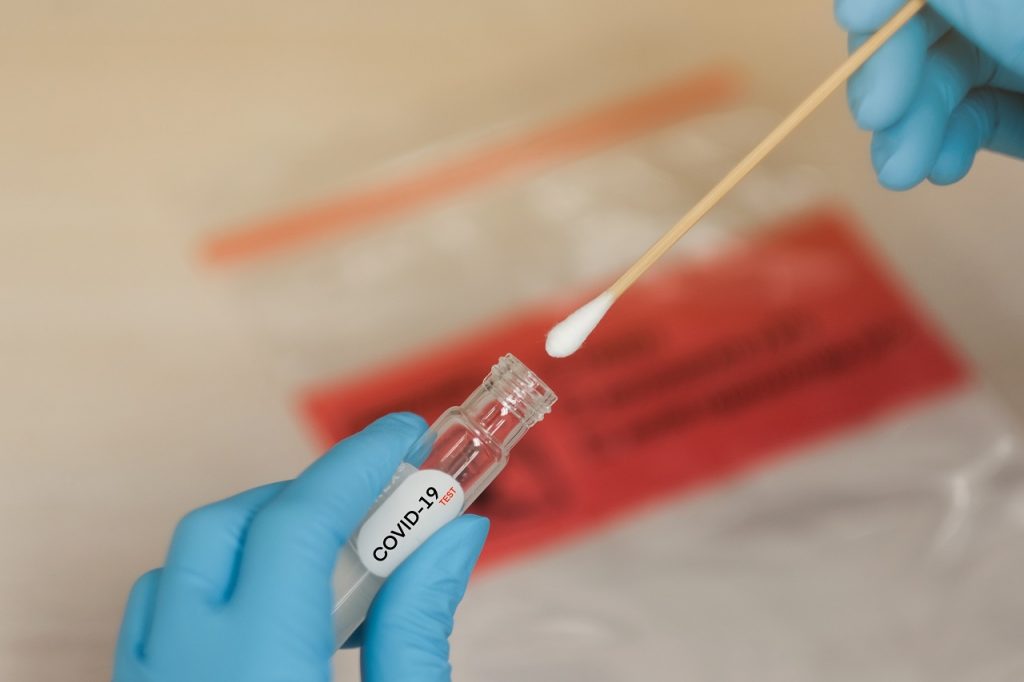
With the unprecedented number of fatalities reported during the last three weeks and the overall nationwide positivity rate hovering above 20%, an obvious question that comes to the mind is- when should you get tested for Covid-19?
According to the updated advisory issued by ICMR on 04 May 21, the use of RT PCR has been optimised considering the extra load on the testing centres. ICMR has indicated that the total national daily capacity is close to 15 lakh tests which includes tests done in 2506 molecular testing laboratories across the country. Considering the limited number of tests that can be done, the advisory recommends the Rapid Antigen Test (RAT) for quick detection, isolation and initiation of treatment for curbing transmission.
This test has a short turn-around time of 15-30 minutes and hence, has a huge advantage of early detection of covid cases and offers an opportunity for quick isolation and treatment, and eventually curb the transmission of the disease.
When Should You Go For A RAT Test?
- If you have been a primary contact of a covid positive person, you should isolate yourself for 7 days and go for a RAT (Rapid antigen test) if you have symptoms such as fever with/without cough, headache, sore throat, breathlessness, body pain, recent loss of taste or smell, fatigue and diarrhea.
- In case you don’t have any of the above symptoms, but were a primary contact, you should still go for a RAT test immediately. In case the RAT test is positive, the advisory recommends that RT PCR is not to be conducted and the individual is to follow home isolation and treatment. However, in case the RAT is negative for symptomatic patients, then RT PCR is to be conducted.
The advisory has been essentially issued to reduce the load on the testing labs with the following additional conditions:
- If an individual is tested positive in RAT/RT PCR, the repeat confirmatory test is not to be done.
- RT PCR test should not be done on discharge from hospital for COVID recovered patients.
- RT PCR test should not be mandatory for any interstate/ domestic travel for healthy individuals.
- Interstate travel to be avoided by symptomatic individuals (Covid related or flu like symptoms)
- Asymptomatic individuals must follow laid down COVID appropriate behaviour.
Hope this article clears your doubts about the recent testing protocol and when to get tested for COVID-19. For more detailed information, you can visit the ICMR website.
To get more COVID-related information, tips on building immunity or isolating safely at home, check out Healthy Reads or tune in to LIVE sessions by experts on GOQii Play.
For further guidance, subscribe to GOQii and get in touch with your GOQii Coach here: https://goqiiapp.page.link/wssu
Stay safe, stay healthy and #BeTheForce
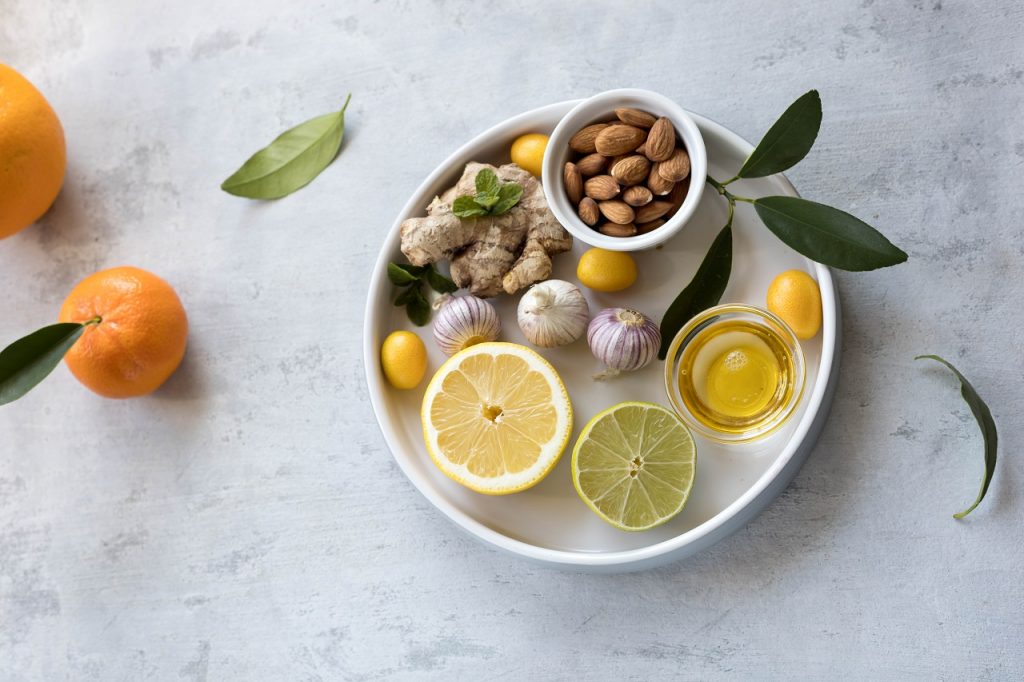 Viral infections are responsible for global morbidity rates across the world. With the second wave of COVID-19 hitting the country hard, It has become an absolute necessity to focus on the treatment as well as prevention of the deadly virus. While the epidemic has already claimed more than 200,000 lives in the country, people are more aware of the immediate need to take precautions than ever before by focusing more on building one’s immunity as well as overall health. One of the key ingredients for good immunity is eating lots of antiviral foods.
  The nasty Coronavirus can have a damaging effect on your body, making it weak, even after months of its occurrence. It mainly causes damage to the lungs as well as other organs. Hence, the body requires time to recover to its formal state. A few common symptoms observed from the infected people include fatigue, loss of appetite and even breathlessness. Even if you have battled the virus, you still need to shower a lot of care and love to your body to ensure complete healing. Here are some home remedies that can help you recover from the infection.
 With COVID-19 still spreading like wildfire and the resulting shortage of medical facilities, people have opted to self-isolate at home. Although hospitals and doctors are best to help you recover fully, here are some tips which will help you safely isolate yourself at home with your family.


