 अमूमन जब आप आपने बॉडी शेप में आने के लिए एक नया वर्कआउट रूटीन सेट करते है, तो आपके इरादे अक्सर आपके एक्शन से मेल नहीं खाते। आपको एहसास होने लगता है कि कुछ हासिल करने का इरादा रखने और उस इरादे को पूरा करने के लिए वास्तव में काम करने के बीच एक बड़ा अंतर है। इसके बारे में खुद को परेशान नहीं करने की जरूरत है। हमेशा कोई न कोई रास्ता होता है जो इस अंतर को कम कर सकता है। आइए कुछ तरकीबों पर गौर करें जो वर्कआउट को आपकी आदत बनाने में आपकी मदद कर सकते हैं!
एक्सरसाइज को आदत कैसे बनाएं
- एक लक्ष्य निर्धारित करें और खुद को उसका एक रिमाइंडर भेजें: मैं कसरत करना चाहता था क्योंकि मैं हमेशा एक सैनिक की तरह फिट रहना चाहता था – यही मेरा लक्ष्य था। मैंने अपने फोन पर सुबह 5 बजे के लिए “एक सैनिक की तरह फिट रहें” के लिए एक रिमाइंडर सेट किया। यह मेरी सुबह के अलार्म के रूप में भी काम करता था। एक ऐसा लक्ष्य निर्धारित करें जहां आप हर रोज खुद को याद दिलाएं और आप जब तक अपना वर्कआउट पूरा ना कर लें आपको नींद नहीं आनी चाहिए।
- दोस्त को चुनौती दें: जिस दिन आप वर्कआउट शुरू करने का प्लान बनाते हैं, उसी दिन अपने दोस्त को चुनौती देदें। मैंने अपने दोस्त को मैसेज किया, “अरे, अगले 30 दिनों में, मैं अपना स्टैमिना 6/10 से बढ़ाकर 10/10 करने जा रहा हूं’। यकीन मानिए, आपका दोस्त आपको यह कभी नहीं भूलने देगा कि आपको रोजाना व्यायाम करने की जरूरत है।
- 21/90 नियम का प्रयोग करें: यह नियम कहता है कि किसी आदत को बनने में 21 दिन लगते हैं। एक लाइफस्टाइल बनाने में 90 दिन लगते हैं। इस नियम के अनुसार आप 21 दिनों तक एक भी दिन स्किप नहीं कर सकते। इन 3 हफ्तों में एक्सरसाइज आपकी आदत बन जाएगी। और एक बार जब आप इसे करने में सक्षम हो जाते हैं, आप इसे अगले 90 दिनों तक करना जारी रखेंगे।
- 1 रेस्ट डे के साथ खुद को रिवार्ड करें: 1 दिन अपने “रेस्ट डे” के रूप में रखें। यह आपकी मांसपेशियों की रिकवरी के लिए भी महत्वपूर्ण है।
- इसे आनंददायक बनाएं: ऐसे में आपका पसंदीदा म्यूजिक एक जादू का काम करेगा। बिना बोर हुए आप अपनने वर्कआउट से प्यार करने लगेंगे। यह वास्तव में कुछ ऐसा है जो मैं करता हूं और इसका भरपूर आनंद लेता हूं।
- बेबी स्टेप्स लें: आखिरी लेकिन सबसे काम की ट्रिक – जब मैंने वर्कआउट शुरू किया, तो मै पूरे “जोश” में था। मैं सेट्स और रेप्स की गिनती करना भूल गया और बहुत सारी एनर्जी के साथ वर्कआउट किया। मुझे हमेशा से लगता था कि जितना ज्यादा वर्कआउट करूंगा, उतनी ही जल्दी मुझे परिणाम मिलेंगे। लेकिन हुआ ठीक इसका उलटा। दूसरे दिन के वर्कआउट के लिए मेरे पास कोई एनर्जी नहीं बची थी। तो, यह मेरे लिए एक सबक के रूप में था – शुरुआत में बहुत ज्यादा करने से बर्नआउट होता है; जो आपकी वर्कआउट कि आदत के छोड़ने का कारण बन सकता है। तो, शुरुआत में 15-30 मिनट के लिए हल्की तीव्रता वाले व्यायाम से शुरुआत करें। हमारा एकमात्र उद्देश्य नियमित होना है – यानी कि हम बिना किसी दिन नागा किये रोज़ाना वर्कआउट करते रहे। “एक समय में एक कसरत। एक बार में एक दिन। एक समय में एक भोजन” – चालेन जॉनसन।
अब जब आप इन आसान ट्रिक्स के बारे में जान गए हैं, आइए वर्कऑउट्स को एक आदत बनाने का लक्ष्य रखें! अच्छी सेहत की चमक का आनंद लेने के लिए अपनी व्यायाम का आनंद लीजिए।
यदि इस लेख ने आपकी मदद की है, अपने विचार हमें नीचे कमेंट्स में बताएं। आप यहां मोटिवेशन और फिटनेस पर और लेख पढ़ सकते हैं। यदि आप लगातार बने रहना चाहते हैं या काम करना शुरू करना चाहते हैं, GOQii PRO पर लाइव, इंटरैक्टिव, मज़ेदार सेशन के माध्यम से एक विशेषज्ञ से सही मार्गदर्शन प्राप्त करें। GOQii ऐप के माध्यम से अभी क्लास बुक करें।
 The heart plays a very vital role in the well-being of an individual. It supplies oxygenated blood to all organs of the body and also carries nutrients, fuel, hormones, and other components.
 Fruits & vegetables are rich in vitamins & minerals and low in calories. They also keep a check on cholesterol levels as they are very rich in dietary fiber. A diet rich in dietary fiber maintains weight as well as the gut. You need to select whole grains over refined grains as whole grains are rich in complex carbohydrates and control blood pressure and are good for the heart. Include quinoa, broken wheat, barley, oats, and whole wheat flour.
 Quality and quantity both are important while having meals. Portion control is very important as it maintains and controls calories and weight. Utensils are selected for portion control and all food groups should be included to make it a balanced diet.
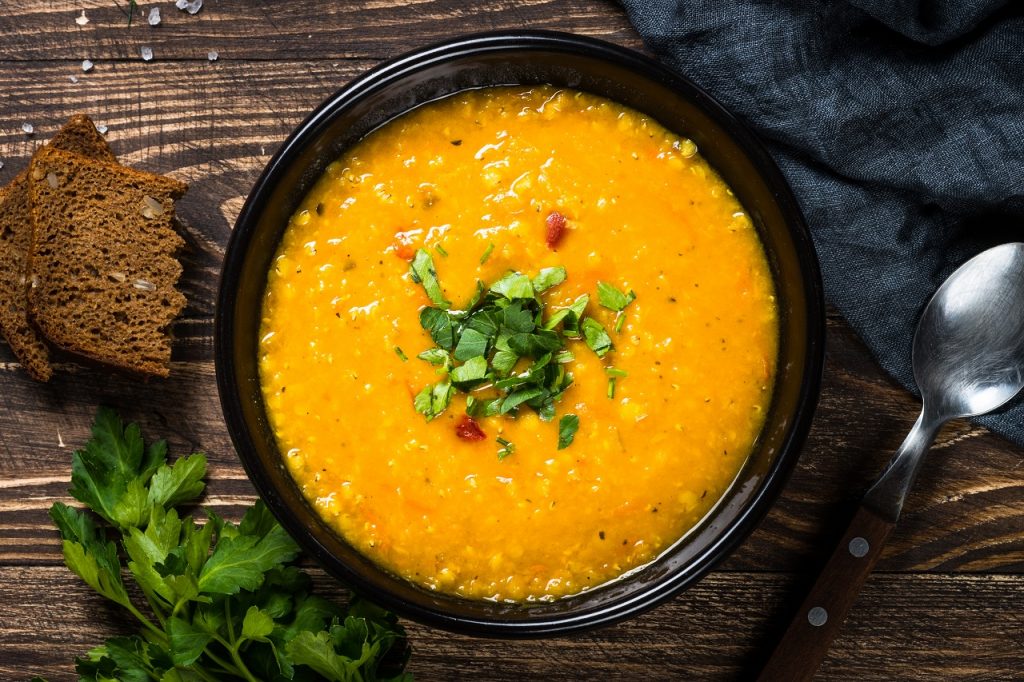 Sabudana Soup is an energy rich, wholesome soup that is packed with several health benefits. It is quite famous in tropical regions and many parts of India consume it during festivals. If you’ve been looking for a nice soup to warm you up during monsoon, this is it! So without further ado, let’s go over this delicious recipe!


