GOQii

Blog

  • HOME
  • HEALTHY LIVING
  • FITNESS
  • HEALTHY RECIPES
  • USER STORIES
  • KARMA
  • BUY GOQii

October 11, 2025 By Anushree Ashtekar 6 Comments

How Much Water Should You Consume Before, During & After A Workout?

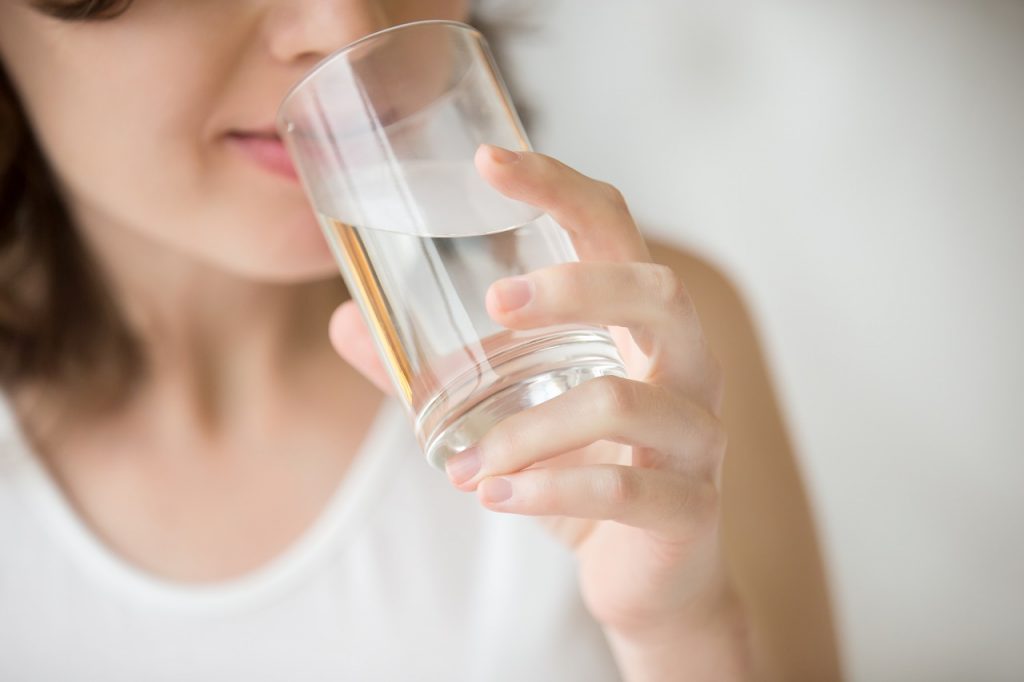
waterWater is an indispensable part of our daily diet. It makes up about 70% of our total body weight. It is also a component that is very easily taken for granted. Staying well hydrated is one of our body’s basic needs. Thirst is a late indicator of dehydration. When thirsty, our body is already dehydrated at a cellular level. The color of the urine can also determine our hydration status. Dark yellow urine indicates dehydration whereas clear urine indicates a well hydrated body. Along with the diet, we must also pay attention to what and how much water we drink, especially before, during and after a workout.

Why Is Water Intake Important? 

1. Pre-Workout Water Intake
If we start our workout in a dehydrated state, it will adversely affect our performance. We would feel low on energy, stiff muscles and also get cramps easily. That is essentially because water forms a major part of our muscles and also helps in keeping the joints well lubricated. Intake must start well 2-3 hours before a workout. The water intake also depends upon the intensity of activity and the individual’s own body condition.

If a person sweats too much, at least 500-600ml of water 2-3 hours prior to exercise is a must. This will ensure good hydration status. If the workout lasts for a longer time, like over an hour, then it would be advisable to consume a carbohydrate drink (up to 8% concentration). This will help to prevent fatigue and dehydration.

2. Water Intake During a Workout
The consumption here depends on the duration of the activity. If the exercise or sport event lasts for less than an hour, then there won’t be a chance to ingest too much fluid within the duration of the activity. Here, we can consume 1 small glass (180-200 ml) of plain cold water every 15-20 minutes. Cold water would make a better choice over water at room temperature because cold water has a faster gastric emptying time. Also, if the person has consumed enough dietary carbohydrates, the glycogen stores in his muscles and liver will suffice for providing energy to sustain the activity. In the case of a high intensity workout or sport event (marathon, game of football, etc), that goes for over 1 hour, the individual is at a risk of decreased performance due to dehydration, fatigue and hypoglycemia. Their fluid intake must include carbohydrates and electrolytes. Carbohydrate will prevent hypoglycemia. The electrolytes like sodium and chloride need to be replenished due to sweating. Also, sodium will help in water retention.

3. Post-Workout Intake
We need to pay good attention to eating and drinking right post any workout or exercise. There arises a need to replenish the carbohydrates, salts and water that are lost during the activity. Immediately after a workout, for the next few hours, work on improving your hydration levels. Do not start with any new activity without attaining good hydration levels. Replenishing the salt reserves must be your top priority as sodium has good fluid retention capacity which keeps up the urge to drink water. Fluid consumption, containing carbohydrates, salts and water, must continue up to 5-6 hours after the activity. The best way to ensure that you are hydrating yourself well is, to weigh yourself before and after the exercise/event and drink at least 400-500 ml of water for every 1 pound lost. Fluid intake needs to be planned and distributed at regular intervals.

It would always be better to carry a bottle of water with you wherever you go and sip on it regularly. Many a times, your performance during a workout can be improved only with optimum hydration. We hope this article helps you. Do leave your thoughts in the comments below.

For more tips on workouts, hydration and being fit, check out Healthy Reads or ask your GOQii Coach directly by subscribing for personalised health coaching here.

#BeTheForce 

Disclaimer: The information provided in this blog is for general awareness and educational purposes only. It is not intended to replace professional medical advice, diagnosis, or treatment. Always consult a qualified healthcare provider for personalised medical guidance or concerns related to your health. Images shown are for representation purposes only and may not depict the exact recommendations or outcomes.
March 22, 2025 By Trupti Hingad 3 Comments

7 Tips To Help You Drink Water The Right Way

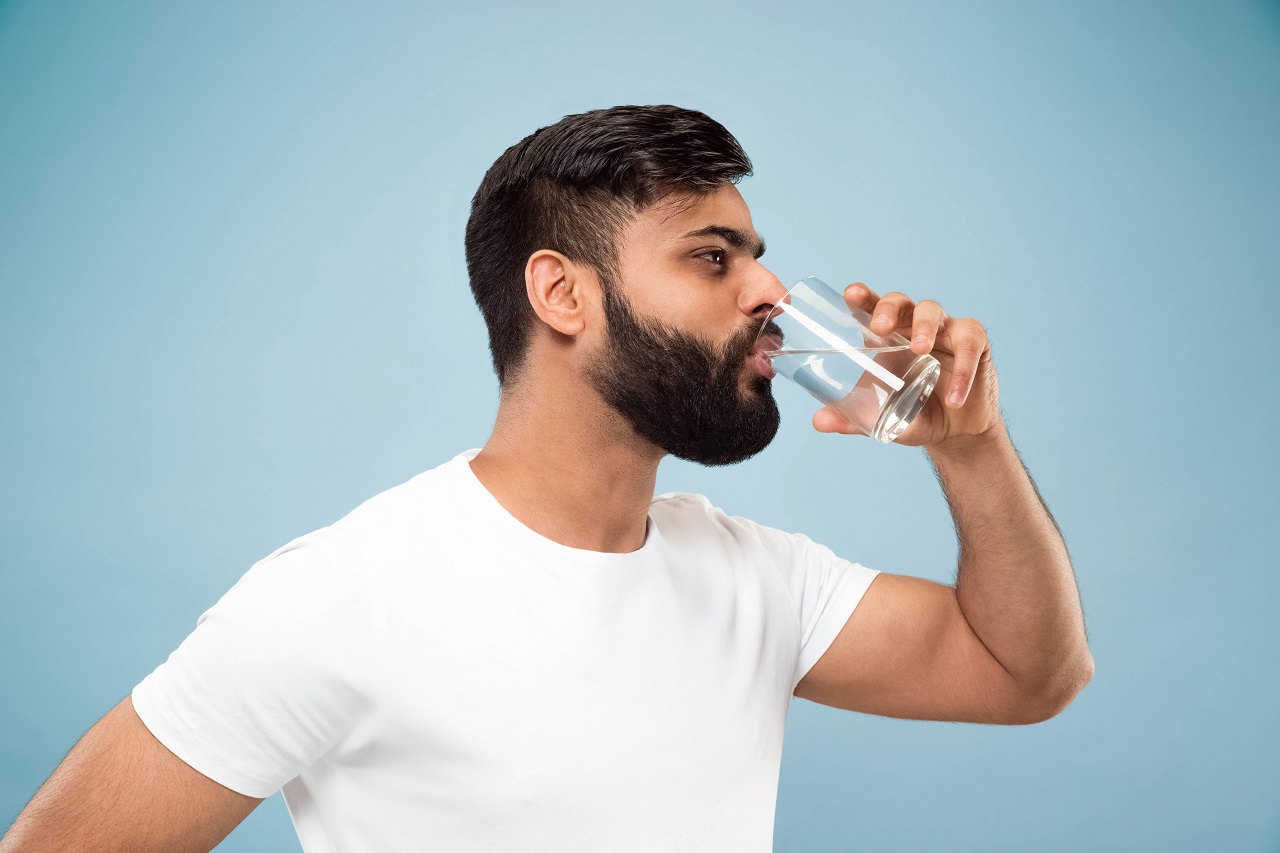
7 tips to help you drink water the right way World Water Day 2025 is a timely reminder of the value water holds in our lives—not just globally, but personally. While this year’s theme focuses on glacier preservation, we often overlook a key question: Are we drinking water in the best possible way for our health?

We all know hydration is important. But how you drink water matters just as much as how much you drink. Water is a vital life force—it fuels digestion, flushes out toxins, supports metabolism, and keeps every cell functioning. Yet, many of us are unaware that drinking water incorrectly can impact our health.

How To Drink Water The Right Way 

Let’s explore 7 essential tips to help you hydrate better, smarter, and more mindfully every day.

  1. Sit Down to Drink Water
    When you stand and drink water you upset the balance of fluids in the body and this may lead to more accumulation of fluids in the joints. When you sit and drink, your muscles and nervous system is relaxed and you absorb it nicely. Also, kidney pace of filtration is good when you sit and drink water
  2. Sip, Don’t Gulp Large Quantities
    Avoid drinking large amounts of water in one go. Gulping too much too quickly can block air intake into your lungs and put undue pressure on your heart and lungs. Instead, sip water slowly throughout the day—this helps your body absorb and utilise it more effectively.
  3. Avoid Ice-Cold Water
    Cold or chilled water may feel refreshing, but it disrupts digestion by cooling the internal fire needed to digest food properly. Cold water also reduces blood flow to various organs and can lead to issues like constipation. Try to drink room temperature or warm water instead—it aids digestion, supports metabolism, and even helps control cholesterol levels.
  4. Listen to Your Body’s Thirst Cues
    Your body is smart—it tells you when it’s low on water. Dark yellow urine, dry lips, dry tongue, and persistent fatigue are signs of dehydration. Clear or pale urine means you’re well-hydrated. Pay attention to these signs and hydrate accordingly.
  5. Start Your Day with Water
    Drinking a glass of water first thing in the morning helps flush out toxins and cleanses your digestive system. It supports smoother bowel movements and kickstarts your metabolism—setting a healthy tone for the rest of the day.
  6. Store Water the Right Way
    Traditionally, water stored in copper or silver vessels is believed to balance the body’s energies by positively charging the water. Copper is known for its antioxidant and antibacterial properties, while silver is believed to have a cooling effect on the digestive system.While copper and silver vessels might not be common everywhere, you can opt for glass or stainless steel bottles as safe and eco-friendly alternatives to plastic. These options are free from harmful chemicals like BPA and help maintain the water’s purity.
  7. Drinking Water Isn’t Just to Quench Thirst
    Water is essential for replenishing lost minerals and salts, especially after sweating or physical activity. It hydrates muscles and joints, supports digestion, maintains fluid balance, and prevents acidity. Make water a daily habit of recovery and rejuvenation, not just a thirst response.

Drinking water the right way is about more than just hitting your daily quota. By being mindful of how and when you drink water—and how you store it—you can improve digestion, boost energy, and support overall well-being.

Let this World Water Day inspire a renewed appreciation for water—not only as a global resource but as a vital part of our personal health.

💧 How do you ensure you stay hydrated daily? Share your tips in the comments below!

#BeTheForce

Disclaimer: The information provided in this blog is for general awareness and educational purposes only. It is not intended to replace professional medical advice, diagnosis, or treatment. Always consult a qualified healthcare provider for personalised medical guidance or concerns related to your health.

February 3, 2025 By GOQii 5 Comments

Why You Need To Consume More Water During Winter

consume more water during winterWinter can be a dreadful experience if you don’t have the resistance to withstand cold. While searching for things to keep us warm from the outside and within, consuming water is quite low on our winter checklist. But there are many reasons why you need to consume more water during winter – one of them being that we get more dehydrated during winter.


Why Do We Feel More Dehydrated During Winter? 

It’s a fact that we get more dehydrated in winter when compared to summer. This is because when the surrounding temperature drops, we cling to the heater or cover ourselves with layers of clothing to keep us warm. This artificial heat causes dehydration.

Though we do not sweat during this season, water vapor is still lost from our body through our breath. Winter can even accelerate dehydration because of the lifesaving mechanism that’s functional in our body which constricts our blood vessels in cold weather, in turn conserving heat and maintaining body temperature.

Shrinking blood vessels increase blood pressure, making our kidneys produce more urine which means less blood to fill in the veins and arteries and frequent visits to the loo, hence, increasing the risk of dehydration. Dehydration causes muscle fatigue, cramps, loss of coordination and even a stroke. A dehydrated body is easily prone to flu and winter cold.

Basically, during winters we refrain from having enough water. With the days being short, it makes us exercise less and our food intake grows. When our body is well hydrated, its efficiency to break down fat for energy increases so that we have better control of our appetite.

The other concern is that of water retention due to the body not being well hydrated during winter. This takes place when our body starts feeling the scarcity of water and it starts holding back water leading to water retention.

How do I know if I am dehydrated? – Thirst is our body’s way of saying “I am on the verge of dehydration”. You can even be watchful of how clear or light colored your urine is. If it is dark, hydrate immediately.

How Do I Consume More Water During Winter?

  1. Drink Warm Water: 90% of the excuses that we give for not having water in winter is that it makes us feel cold. The best solution here is to drink lukewarm water, which would not only soothe your throat but will also replenish your water stores while boosting your metabolism
  2. Balance Tea and Coffee With Water: Caffeine and alcohol are diuretics (they cause us to lose more water through urine), so try to have a glass of water before having your evening tea/coffee. Have another glass after a few mins of after having your tea/coffee This way, we can replenish our body’s water store.
  3. Include Water Based Food In Your Menu: Vegetables and fruits are naturally rich in water, which also provide vital minerals and vitamins. Soups are the best way to go! Try this Chilli Bean Soup to keep you warm.
  4. Drink Water Throughout Your Exercise: Make it a point to have water before, during and after your exercise. Due to the cold climate, there are very fewer chances of sweating too much or feeling too thirsty, mind it your body needs it!
  5. Make Water Interesting: Many find drinking plain water very boring. If you are one of them, then you can add natural flavors to water (not free calories though) by adding some fruits or herbs which give the water some mild taste and make it delicious to sip on.

In conclusion, I would say be it summer, monsoon or winter, our body remains same through the year. So keep sipping and always stay hydrated! If you have difficulty keeping track of your water intake, you can log and track your daily water intake via the GOQii App as well as set reminders to drink water.

We hope this article helps you consume more water. For more on staying healthy during winter, check out Healthy Reads or ask a GOQii Coach by subscribing for Personalised Health Coaching here.

#BeTheForce 

Disclaimer: The information provided in this blog is for general awareness and educational purposes only. It is not intended to replace professional medical advice, diagnosis, or treatment. Always consult a qualified healthcare provider for personalised medical guidance or concerns related to your health.

May 24, 2024 By Azra Faizan 41 Comments

How to Reduce Side effects of most commonly used Drugs

“For every drug that benefits a patient, there is a natural substance that can achieve the same effect.”
– Dr Carl C. Pfeiffer

Then why is it that drugs have become our first choice and not herbs? Well, the answer is obvious, in today’s fast-paced life we all want immediate results and while, some herbs do give immediate results for simple ailments, more serious ailments call for a longer treatment with herbs which most people don’t have the patience for. Also, at times the harm done is so extensive that we do need immediate results.

But, the biggest problem with allopathic medicines is their side effects, they might cure your ailment, but they more often than not, leave you with another one, resulting in the Doctor prescribing you another drug to reduce the side effect. This can sometimes become a vicious cycle.

From my personal experience, I understand that even though medication, long-term or temporary, sometimes is a necessity but, having further prescription drugs to counter the side effects of medications can usually be avoided by adopting simple home remedies instead.

So what are the most commonly occurring side effects of most allopathic medications?

Hyperacidity, constipation, diarrhoea, nausea, abdominal cramps, water retention, oral ulcers, weight gain, weight loss, bone and joint pains, hair fall, high blood pressure, liver toxicity, kidney toxicity, drowsiness and, even hallucinations.

 So let us learn a few tips to keep in mind whenever on medication.

  1. Know your medicine – Don’t blindly accept whatever the Doctor has prescribed, without counter questions. Inquire about the side effect so that you are aware if it ever occurs, check the dosage too, and always make sure to ask your Doctor for the minimum dose required.
  2. WATER, WATER, WATER – Keep yourself hydrated, side effects occur because all oral medicines affect our whole body and not just the affected part. So drinking adequate water helps in flushing out the toxins present in drugs.
  3. Supplementation – Most drugs along with the ailment deplete our body’s vitamin and mineral stores, in turn leading to the side effects. So, why not replenish our vitamin stores instead of treating the symptom alone. Supplementation also helps in a quicker recovery.

Now; I know what my colleagues would be thinking “How can a nutritionist say take supplementation, instead of trying to get essential micronutrients through food?? “

Yes, like most nutritionists I do agree that healthy eating can keep giving us all the essential micronutrients that we need and that supplementation gives us synthetic vitamins and minerals which are not equally effective. But, the rules are changed when on medication, and to make up for the fast depletion and to prevent simple side effects, supplementation is key.

Now let’s take up those common Side effects individually and know what can be done about them.

Hyperacidity – If you have ever been prescribed an antibiotic, you would have noticed that your Doctor always prescribes an antacid along with it. And, it’s not only antibiotics that cause acidity, most drugs do.

DID YOU KNOW – antacids themselves can cause drug dependence, constipation or diarrhoea, the vicious cycle that I was talking about.

Instead, ditch the antacid and go for a glass of warm water with half a lemon squeezed in it – first thing in the morning. In fact, don’t wait till you get the acidity, start beforehand to prevent it, Plus lemon water also helps to remove those toxins I was talking about.

For severe acidity, you can have lemon water after every meal too. And for immediate relief, you can try chewing on a basil leaf – works same as 2 tbsp of prescribed antacid syrup.

Constipation – Another simple side effect, with a simple cure, though in the case of any complaint from the patient for constipation along with medicines, the Doctor will never fail to prescribe yet another syrup for relieving the symptom. The problem – drug dependence again. The Solution – adequate hydration, good soluble fibre in the diet, simple fruits like papaya, and bananas can work wonders.

In the case of severe constipation, a tablespoon of Psyllium husk (Isabgol), that is a naturally occurring fibre can work as good as any prescribed syrup.

Diarrhea – If it’s not constipation, it’s diarrhoea – more often than not diarrhoea is caused due to hyperacidity. So the above-mentioned lemon water works as the best prevention. Another quick age-old cure is black tea with lemon -tea contains astringent tannins that help reduce intestinal inflammation.

And to replenish the electrolytes lost during severe diarrhoea, just have simple ORS solution, lime juice (with sugar and salt), juices and coconut water at short intervals.

Nausea – Nausea or vomiting again usually subsides with lime juice and ORS solution.

Oral ulcers – Another common occurrence whenever someone is prescribed antibiotics. These are caused due to hyperacidity and depletion of B-complex vitamin stores in the body – So a supplementation of B-complex and the first prevention that is lemon water usually works best.

For severe and painful ulcers – applying honey on the affected area, and gargling with lightly salted water usually, helps alleviate the pain.

Water retention and weight gain – Almost 70% of weight gain due to medication is because of water retention. So by simply reducing our salt intake, upping our potassium intake and water intake, we can say goodbye to our water intake.

Fruits like sweet lime, oranges, tomatoes, and bananas are all high in potassium, and not to forget my favourite – coconut water.

Increasing our water intake also helps in reducing water retention.

Replacing some of our salt with black salt also helps in increasing your potassium intake and reduce sodium intake. Another big culprit of high sodium in processed food which can be easily avoided.

Water retention aside, the long-term use of some drugs – like oral steroids, antidepressants, Antihistamines, and even insulin can cause weight gain.

In such a case, eating healthy, and having a good exercise regime helps a lot. If a healthy lifestyle is adopted, these drugs are less likely to affect our waistlines. Knowing that the drug can cause weight gain also helps in making sure we try and avoid long-term use of the same.

Weight loss – With most medications, weight loss results due to severe loss of appetite, and the toll the ailment and its treatment is taking on the body. Good Proteins and good fats to supplement our diet along with medication helps a lot in preventing severe weight loss.

It is also important to understand that this weight loss is temporary and due to the condition, which can be reversed once the medication stops.

Bone and Joint Pain – Many drugs leach calcium from our body and some medicines can also cause depletion of Vitamin D. So, timely Calcium and Vitamin D supplementation along with prescribed drugs can usually reduce these symptoms.

Hair loss – Again, nothing but protein depletion, and your body’s proteins are getting used up elsewhere to fight inflammation.

Liver toxicity – Our liver should be cleansed timely, ailment or no ailment, side effects or no side effects. It may sound complex but, it’s really easy. A daily morning glass of lemon water on an empty stomach can detox your liver. For added toxicity or side effects, garlic is another excellent food to cleanse the liver. Just chew on a clove of raw garlic every morning, and the allicin (an organosulfur compound obtained from garlic) works wonders.

Kidney toxicity – Simple kidney toxicity or high uric acid levels can be easily corrected with just increasing our water intake, for cleansing the liver further, you can just add a cup of coriander or parsley tea to your routine daily.

Drowsiness – Drowsiness is usually just temporary, and again, knowing in advance that a drug can cause you to be sleepy, can prevent any serious damage.

Hallucination – Yes, some drugs do cause hallucination, again temporarily, And the best way to manage these is to be aware that the said drug can cause hallucinations. If we stay aware, it is less likely that the hallucination will scare or disturb us.

Follow the above and avoid complications due to medications.

We hope this article equips you with valuable insights on reducing the side effects of common medications. By incorporating these natural remedies and nutritional tips, you can manage your health more effectively while minimising adverse effects. If you found this information helpful, we’d love to hear your thoughts in the comments below. For further information or guidance, reach out to our certified experts by subscribing to GOQii’s Personalised Health Coaching here.

#BeTheForce

  • 1
  • 2
  • 3
  • Next Page »

Search

Recent Posts

  • India Leads in Longevity: GOQii Sanjeevini Named Top 40 in $101M XPRIZE
  • The Importance Of Knowing If You’re Thirsty Or Hungry
  • Best Foods To Alleviate Irritable Bowel Syndrome
  • ALL ABOUT VERTIGO!
  • PCOS and Anxiety: Discover Relief with the 54321 Technique

Stay Updated

Archives

  • December 2025 (8)
  • November 2025 (15)
  • October 2025 (20)
  • September 2025 (6)
  • August 2025 (6)
  • July 2025 (12)
  • June 2025 (18)
  • May 2025 (16)
  • April 2025 (23)
  • March 2025 (23)
  • February 2025 (22)
  • January 2025 (26)
  • December 2024 (26)
  • November 2024 (25)
  • October 2024 (22)
  • September 2024 (24)
  • August 2024 (31)
  • July 2024 (21)
  • June 2024 (26)
  • May 2024 (31)
  • April 2024 (27)
  • March 2024 (29)
  • February 2024 (26)
  • January 2024 (25)
  • December 2023 (15)
  • November 2023 (11)
  • October 2023 (20)
  • September 2023 (22)
  • August 2023 (20)
  • July 2023 (22)
  • June 2023 (24)
  • May 2023 (24)
  • April 2023 (24)
  • March 2023 (23)
  • February 2023 (20)
  • January 2023 (16)
  • December 2022 (12)
  • November 2022 (15)
  • October 2022 (15)
  • September 2022 (12)
  • August 2022 (10)
  • July 2022 (17)
  • June 2022 (11)
  • May 2022 (10)
  • April 2022 (6)
  • March 2022 (6)
  • February 2022 (13)
  • January 2022 (12)
  • December 2021 (7)
  • November 2021 (3)
  • October 2021 (6)
  • September 2021 (3)
  • August 2021 (8)
  • July 2021 (7)
  • June 2021 (15)
  • May 2021 (16)
  • April 2021 (10)
  • March 2021 (7)
  • February 2021 (4)
  • January 2021 (4)
  • December 2020 (3)
  • November 2020 (4)
  • October 2020 (10)
  • September 2020 (3)
  • August 2020 (3)
  • July 2020 (2)
  • June 2020 (4)
  • May 2020 (10)
  • April 2020 (12)
  • March 2020 (10)
  • February 2020 (4)
  • January 2020 (4)
  • December 2019 (3)
  • November 2019 (7)
  • October 2019 (5)
  • September 2019 (4)
  • August 2019 (9)
  • July 2019 (9)
  • June 2019 (11)
  • May 2019 (4)
  • April 2019 (9)
  • March 2019 (8)
  • February 2019 (9)
  • January 2019 (8)
  • December 2018 (9)
  • November 2018 (3)
  • October 2018 (3)
  • September 2018 (5)
  • August 2018 (10)
  • July 2018 (6)
  • June 2018 (13)
  • May 2018 (8)
  • April 2018 (18)
  • March 2018 (9)
  • February 2018 (8)
  • January 2018 (15)
  • December 2017 (12)
  • November 2017 (19)
  • October 2017 (13)
  • September 2017 (15)
  • August 2017 (4)
  • July 2017 (8)
  • June 2017 (7)
  • May 2017 (6)
  • April 2017 (8)
  • March 2017 (6)
  • February 2017 (7)
  • January 2017 (9)
  • December 2016 (10)
  • November 2016 (7)
  • October 2016 (7)
  • September 2016 (7)
  • August 2016 (11)
  • July 2016 (9)
  • June 2016 (9)
  • May 2016 (12)
  • April 2016 (17)
  • March 2016 (17)
  • February 2016 (8)
  • January 2016 (6)
  • December 2015 (2)
  • November 2015 (9)
  • October 2015 (7)
  • September 2015 (9)
  • August 2015 (11)
  • July 2015 (9)
  • June 2015 (12)
  • May 2015 (9)
  • April 2015 (13)
  • March 2015 (8)
  • February 2015 (5)
  • January 2015 (12)
  • December 2014 (14)
  • November 2014 (11)
  • October 2014 (6)
  • September 2014 (13)
  • August 2014 (12)
  • July 2014 (6)
  • June 2014 (2)
  • May 2014 (7)
  • April 2014 (5)

From “Laddu Nawin” to Fit and Fierce: How a 25-Year-Old Insurance Advisor Shed 20 Kilos and Gained His Life Back

When 25-year-old Nawin Yadav from Hyderabad walked into his office every morning, he carried more than just his files and policy papers. He had the weight of fatigue, sluggish energy, and an ever-growing belly that was becoming the butt of jokes. “People … [Read More...]

“I’ve Challenged Myself to Live 100 Years” – The Story of Chandubhai Savani’s Second Chance at Life

At 67, most people start slowing down. Not Chandubhai Savani. A resident of Surat, Chandubhai, thought life was on track. “My life was going well till I had my bypass surgery,” he says. That surgery, back in 2021, was a wake-up call.  Medication was routine, but exercise wasn’t. His diet? What he calls ‘normal.’ “I […]

From Shimla’s Slopes to Chandigarh’s Sidewalks: Surinder Kaur Bhalla’s Journey from Chaos to Control

Some journeys start with a plan. Others begin with a stumble literally. Surinder Bhalla, a government professional, born and raised in the scenic hill town of Shimla, had always lived a life of movement. “In Shimla, you walked everywhere,” she reflects. “Walking was never an exercise. It was just life.” But after shifting to Chandigarh, […]

Ananda Mukherjee Health Story

From Terminal Illness To Complete Wellness! Ananda Mukherjee Health Story

As we observe World Cancer Day under the powerful theme ‘United by Unique’ (2025-2027)**, we are reminded that every individual’s journey with cancer is distinct, yet united by shared resilience, hope, and the collective fight against this disease. This theme places people at the centre of care and their stories at the heart of the […]

  • HOME
  • HEALTHY LIVING
  • FITNESS
  • HEALTHY RECIPES
  • USER STORIES
  • KARMA
  • BUY GOQii

Copyright ©2016 GOQii

