
GOQii

Blog

  • HOME
  • HEALTHY LIVING
  • FITNESS
  • HEALTHY RECIPES
  • USER STORIES
  • KARMA
  • BUY GOQii

November 30, 2024 By Mubasheera Chaiwala Leave a Comment

Part 2: Stress and Your Diet – Foods to Avoid and Foods to Embrace

Avoid foods that are linked to stress and anxiety.

  1. Caffeine: Caffeine in the form of coffee and soft drinks can cause nervousness, irritation and palpitation
  2. High salt and processed food: High salt consumption increases the risk of heart
  3. Smoking: Causes tension, irritability and sleeplessness and is also linked with cancer.
  4. Alcohol: It depletes the vitamin B which are essential for reducing stress.
  5. Refined sugar: Refined sugar in candies, pastries, soft drinks, ice cream, and biscuits can give a quick energy boost, but it’s often followed by a sugar “crash.” This effect is due to how sugar impacts blood sugar levels. Instead of reaching for sugary treats, try a fruit salad, a homemade fruit-and-nut yogurt, or even a few squares of dark chocolate.

Certain foods are known to help relieve stress and anxiety and should be included regularly in your diet.

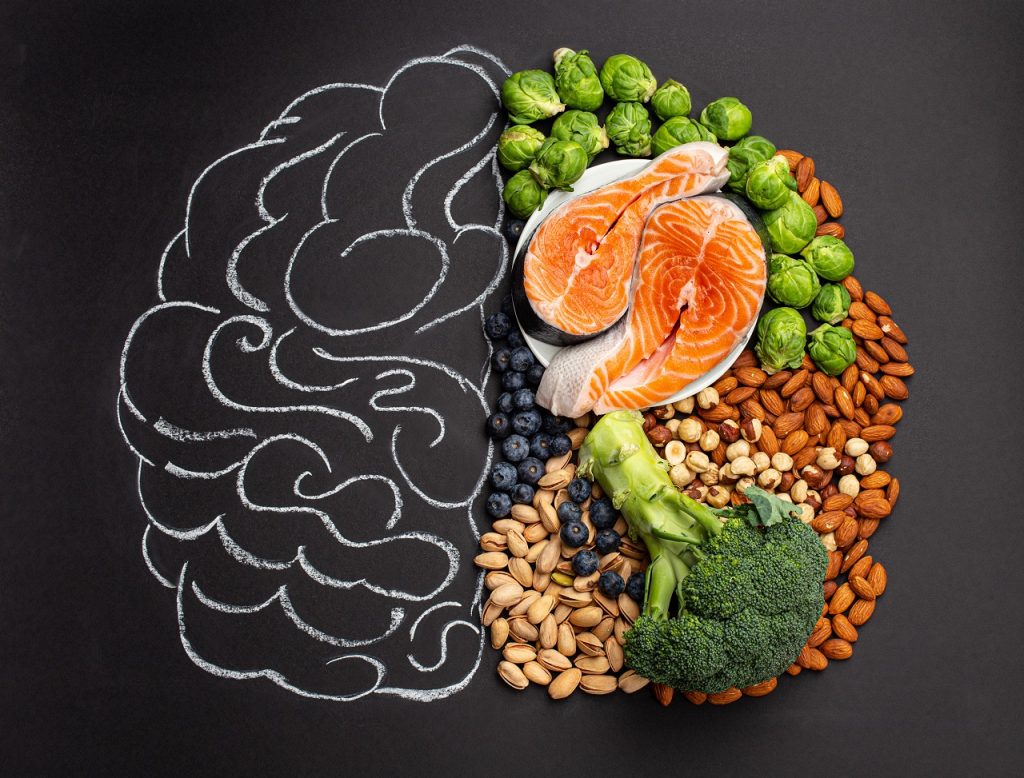
  1. Plant-Based Foods: Vegetables, fruits, legumes, nuts, seeds, and whole grains are packed with essential vitamins and minerals. Maintaining a plant-based diet, especially during stressful times, ensures your body functions optimally.
  2. Herbal Teas: Herbal teas like chamomile, lavender, and passionflower have calming properties that help you relax, reduce stress, and promote better sleep.
  3. Yogurt: Yogurt can help alleviate anxiety by supporting gut health. The brain and gut are connected, so stress can affect digestion. Probiotic yogurt consumed twice a day reduces brain activity in emotional areas, aiding in stress relief and anxiety management.
  4. Dark Chocolate: Cocoa in dark chocolate is rich in antioxidants that buffer stress. Opt for a chocolate bar with over 70% cocoa to enjoy its stress-relieving benefits.
  5. Avocado: Avocados are rich in Vitamin B6, which aids the production of serotonin, a neurotransmitter that influences mood. They also contain other B vitamins and healthy fats, which support the nervous system and reduce anxiety.
  6. Blueberries: Blueberries are high in Vitamin C and antioxidants, helping to repair and protect cells under stress. They also act as a healthier alternative to sugary snacks, boosting immunity and maintaining gut health to reduce anxiety.
  7. Almonds: Almonds are a great source of magnesium, a mineral known to alleviate anxiety-related symptoms. Including them in your diet can effectively support stress management.

In conclusion, the one important to remember is that making mindful dietary choices can significantly affect your stress levels. By avoiding certain foods and incorporating others, you can help manage your stress more effectively. Adjust your diet gradually, and over time, you may notice a positive change in how you feel both mentally and physically.

If you found this article helpful, let us know in the comments below! For further information or guidance, reach out to our certified experts by subscribing to GOQii’s Personalised Health Coaching here.

#BeTheForce

Disclaimer: The information provided in this blog is for general awareness and educational purposes only. It is not intended to replace professional medical advice, diagnosis, or treatment. Always consult a qualified healthcare provider for personalised medical guidance or concerns related to your health.

November 29, 2024 By Mubasheera Chaiwala Leave a Comment

Stress and You: A Comprehensive Guide to Managing Life’s Challenges-Part-1

India is still stressedPicture yourself about to deliver a crucial presentation at work. Standing before your colleagues, you feel your heart racing, your hands slightly sweaty, and your mind zeroing in on every word you’re about to say. That surge you feel? It’s stress at work—a natural response gearing you up to perform at your best. In this moment, stress isn’t a barrier; it’s a boost, keeping you sharp, focused, and ready to engage.
Stress plays a crucial role in many areas of our lives, whether it’s the drive to excel in an exam, perform well in a major game, or stay alert in a risky situation. However, like a double-edged sword, while stress can provide a helpful boost, excessive stress can start to hold us back. By understanding what stress is and how it impacts us, we can learn to harness it when it’s useful and manage it when it starts to feel overwhelming.

Let us understand what is Stress?

Stress is the body’s natural reaction to any demand or threat. When we sense danger—whether it’s real or perceived—the body triggers an automatic “stress response” designed to protect us, keeping us focused, energized, and alert. In emergencies, stress can even be life-saving, providing extra strength and heightened awareness to face the challenge.

However, stress isn’t always a negative force. It can serve as a motivator, helping us rise to challenges. For example, stress can keep us sharp during a work presentation, boost our focus in a game, or push us to study for an exam rather than indulge in distractions. In this way, stress can empower us to exceed our limits and achieve our goals. But when stress becomes chronic, it can start to affect our health, making it essential to manage it well.

What happens when you’re stressed?

When you experience stress, your nervous system releases a surge of stress hormones, including adrenaline and cortisol, priming your body for action. Your heart beats faster, muscles tense, blood pressure rises, breathing quickens, and your senses sharpen. However, after a certain point, stress ceases to be helpful and can begin to harm your health, mood, productivity, relationships, and overall quality of life.

Common symptoms of stress-

Cognitive symptoms

  1. Memory problems- Inability to concentrate
  2. Constant worrying
  3. Mood swings, irritability, anger

Physical symptoms                                                                              

  1. Chest pain, rapid heart rate
  2. Frequent colds or flu
  3. Aches and pains
  4. Dark circles, skin pigmentation

Behavioral symptoms

  1. Eating more or less
  2. Sleeping too much or too little
  1. Withdrawing from others
  2. Procrastinating or neglecting responsibilities
  3. consuming alcohol, smoking, or drugs to relax, Nervous habits (e.g. nail biting)

Health Problems Related to Stress:

Diabetes

Stress can worsen diabetes in two ways. Hormones like cortisol, cortisone, and hydrocortisone play a major role in the body’s response to stress. Under the influence of cortisol, blood sugar levels are maintained and can even rise during stressful times. These hormones are responsible for converting glycogen into glucose. Any type of stress increases cortisol levels in the blood. Additionally, stress raises the likelihood of unhealthy behaviours, such as poor eating habits and excessive drinking.

Hypertension and Heart Disease

People who are stressed have a higher risk of high blood pressure and heart problems. Stress can directly increase heart rate and blood flow, causing the release of cholesterol and triglycerides into the bloodstream. It’s also possible that stress is linked to other issues—like an increased likelihood of smoking or obesity—that indirectly elevate heart risks.

Things to do to effectively manage stress:

  1. Eat a well-balanced diet, food rich in important vitamins and minerals that help in managing stress (we will discuss the food helping in managing stress in PART 2)
  2. Yoga is a popular physical and mental health enhancer
  3. Exercise can be a great stress reliever. It changes one’s outlook and the day will seem far less tense.
  4. Massage is a form of enforced physical relaxation and mental relaxation to reduce stress.
  5. Being assertive. Assertive people tend to have less conflicts, and are understanding.
  6. Cultivate the power of patience, it will do you a lot of good.
  7. Keep yourself occupied so that your mind doesn’t think of those matter that hurt you. (example if watching news that make you sad .. try not to watch it and watch something funny and light.).
  8. Read books that motivate you.
  9. Try doing things that make you happy. For instance playing your favourite sport, going on a long drive, hanging out with friends or calling them home.

This concludes Part 1 of our comprehensive guide to stress management. We hope this article provided valuable insights into understanding and managing stress effectively. Stay tuned for Part 2, where we’ll delve into the role of nutrition and advanced strategies in stress management.

For more informative articles on health and well-being, explore Healthy Reads. For further guidance on managing stress and lifestyle, speak to a certified expert by subscribing to GOQii’s Personalised Health Coaching here.

#BeTheForce

Disclaimer: The information provided in this blog is for general awareness and educational purposes only. It is not intended to replace professional medical advice, diagnosis, or treatment. Always consult a qualified healthcare provider for personalised medical guidance or concerns related to your health.

November 11, 2024 By GOQii 6 Comments

How You Can Manage Stress With Nutrition!

manage stressStress and nutrition have always been linked – it’s a fact that has been in existence for years. It’s no rocket science to realize that someone with a healthy and balanced diet is likely to be far less stressed than someone with a poor diet.

Stress has become a common factor in one’s life. Various factors such as pressures from home or work, some unforeseen circumstances or situations completely beyond our control that lead to stress. What’s even more common is that while stressed, people tend to eat. This involves a lot of comfort food like macaroni and cheese, pizza, and ice cream.

All these high-fat foods are usually the worst possible choices because they can make us feel lethargic and unable to deal with stress. To add to this, stress can drive up our blood pressure and raise serum cholesterol levels, wreaking havoc on our arteries and increasing risk of heart attacks.

Best solution? Low-fat, high-fiber, carbohydrate-rich meals with plenty of fruits and vegetables. They soothe us without sapping our energy and give us the nutrients we need to boost our immune system.

Which Foods Help You Manage Stress? 

  • Water: It hydrates a person, makes one more energetic and less stressed!
  • Asparagus: I know, these slender stalks are known to make your urine smell funny, but they are high in folate, which is essential for keeping your cool 
  • Avocados: These creamy fruits stress proof your body. Rich in glutathione, a substance that specifically blocks intestinal absorption of certain fats that cause oxidative damage, avocados also contain lutein, beta-carotene, Vitamin E and more folate than any other fruit. 
  • Berries: Blueberries have some of the highest levels of antioxidants known as anthocyanin and they have been linked to all kinds of positive health outcomes, including sharper cognition. But, all berries, including strawberries, raspberries and blackberries are rich in vitamin C which has been shown to be helpful in combating stress. 
  • Chocolate: besides the healthy antioxidants in this treat which push chocolate to the top of most heart-healthy food lists, Chocolate also has an undeniable link to mood but, moderation is key to it.
  • Green tea: has an amino acid called theanine. This slimming food is a brain booster as well as enhances mental performance.
  • Oatmeal: a complex carbohydrate, Oatmeal causes your brain to produce serotonin, a feel-good chemical.
  • Fresh fruits and vegetables: Vegetables have high fiber content, which is helpful in treating constipation -another long term effect of stress. Fresh fruits and vegetables provide an array of vitamins and minerals that are great for reducing stress. 
  • Fish: such as Mackerel contain Omega fatty acids, which are extremely good for the heart and can protect you from heart diseases. Fish also contains choline – a great memory booster.
  • Yogurts: provide minerals including calcium, essential to maintain well functioning nerve impulses. 
  • Herbal Products: Herbal items such as Dandelion, Chamomile, and Passion flower to name a few, relax both the body and mind.

Having said the above, there are certain foods and drinks that can aggravate stress. It doesn’t necessarily mean that you should avoid some of them completely but, it is advised that you consume them in moderation.

Foods That May Trigger Stress 

  • Tea, coffee, cocoa, energy drinks: These drinks contain neuro-stimulators like caffeine and theobromine, which are proven to heighten stress. 
  • Fast foods and takeaways: contain high levels of protein, fats and carbohydrates that don’t contain vital minerals and vitamins, which in turn induce stress. 
  • Sugar: Stress causes an increase in blood glucose levels, which can in turn lead to a higher risk of developing diabetes. 
  • Soda, Alcohol, soft drinks and chocolate drinks: The high level of carbon dioxide and sugars in beverages can aggravate stress. Soft drinks need to be considered as an unnecessary addition to your diet. 

So before you go in to grab that cold aerated beverage or have a cheesy burger to relieve your stress, think twice and instead go for the healthier food options suggested above!

We hope this article helps you manage stress with nutrition! For more tips to help you manage stress better, check out Healthy Reads or ask an expert by subscribing for GOQii’s Personalised Health Coaching here.

#BeTheForce

Disclaimer: The information provided in this blog is for general awareness and educational purposes only. It is not intended to replace professional medical advice, diagnosis, or treatment. Always consult a qualified healthcare provider for personalised medical guidance or concerns related to your health.

October 17, 2024 By GOQii Leave a Comment

How to Break the Cycle of Adrenal Stress?

adrenal stressWhen it comes to stress, we often talk about work pressure, personal issues or chronic disease. But there are other elements that influence stress as well. For instance, in your experience, have there been times when you constantly feel tired but can’t explain why? You feel overwhelmed by situations you could handle easily? Do you find yourself drained of energy you may have enjoyed once upon a time? Have you struggled to get out of bed in the mornings even after sleeping for long hours? If this sounds familiar, there is a chance that you are suffering from something called ‘Adrenal stress” or “Adrenal Fatigue”. Simply put, your adrenal glands may be under-performing. All that chronic stress you have been masterfully coping with has finally caught up! Your adrenal glands are responsible for supporting you and sustaining a level of vigilance. Adrenal Stress happens when they show signs of strain.



Is this a death sentence? No! But it is a sign of imbalance. Chronic stress is a part of life. But if left unchecked and unassuaged for too long, it can lead to hormonal depletion, exhaustion, and adrenal fatigue.

Adrenal Glands and Stress

To understand the above, we need to understand how health and metabolism are affected by hormones. One of the glands that play an important role in metabolism is the adrenal cortex. The adrenal cortex gland releases hormones which are vital for biological function. To be more specific, there are two parts which release hormones – Adrenal Cortex and Adrenal Medulla. Adrenal cortex hormones regulate sodium levels, salt, and balances blood volume which directly affects blood pressure.

Another hormone (Cortisol) regulates metabolic rate of carbohydrate, proteins, and fat. It also regulates immune responses. It is responsible for suppressing inflammatory reactions. So it is a potent anti-inflammatory hormone. Finally, the adrenal glands are best known for secreting the hormone adrenaline, which rapidly prepares your body for action in a stressful situation.

When you are stressed, the hormones of the adrenal medulla are released after the sympathetic nervous system is stimulated. The adrenal medulla helps you deal with physical and emotional stress. You want these responses to happen. From an evolutionary perspective, it’s part of why we have survived for so long as a species.

If you encounter a stressful situation, you want your body to fire up stress hormones to feed you energy and adrenaline. You WANT to be able to run from a potential threat or beat it back. The problems come in when you have that relatively high level of stress but then don’t actually end up using that extra energy in the form of movement.

Adrenal Stress, Belly Fat and Weight Gain

During times of stress, there are actual physiological changes that happen in our body. Most of them are helpful for our survival (such as in the situation described above). But, if we continue to experience stress and we don’t actually end up running from our perceived threat or beating it back, those stress hormones increase our blood sugar (in an effort to give us energy) which then requires insulin to bring it back down.

In the short term, it feels like an energy crash. In the long term, it can lead to weight gain. When the adrenal glands are overworked, the body prepares itself by storing fat. We crave food, indulge in binge eating and we gain weight.

Adrenal imbalance causes a number of issues, including the abdominal fat deposition. When we have long term stress, both insulin and cortisol remain elevated in the blood, and the extra glucose is stored as fat–mostly in the abdomen. Studies suggest that fat cells have receptors for the stress hormone cortisol, and there are more of these receptors in our abdominal fat cells than anywhere else in our bodies. Moreover, belly fat is an active tissue, which responds to stress by depositing more fat. This cycle can not end until a step is taken to tackle the root cause of stress.

How to Break The Cycle

  • Go Easy On Food: Eating small and frequent meals helps cortisol balance the blood sugar and take off some stress. Cortisol counterbalances the action of insulin. Under stress when cortisol levels are elevated, it results in a perpetual need for insulin. Eventually, our bodies can develop resistance to it. Hence the name “insulin resistance”. In other words, our body can become less sensitive to insulin, forcing it to produce more for the same effect. If it stops to work altogether, that keeps glucose levels high in the blood.
  • Time to Eat: Our body has circadian rhythms which work closely with cortisol, which is highest in the morning and gradually declines throughout the day. When we eat we elevate our cortisol, so it is best to start heavy with breakfast and go light post evening. Heavy evening meals are the prime reason for an expanding waistline. A Higher waistline is associated with metabolic and lifestyle disease.
  • Unplug: Give time to yourself. Unplug means a disconnect from cell phones, laptops, work, any digital devices. Take out sometime which you spend only with your thoughts. It makes you realize your priorities and your goals better.
  • Sleep: As this gland also controls our circadian rhythms, it is responsible for our sleep cycle. Good 8 hours of sleep will make you take fewer calories through the day. Lack of sleep also makes one drowsy and ends in low energy levels creating stress. Maintain an 8 hour sleeping time for the body to regenerate.
  • Workout: Exercise is the best remedy to reduce stress by releasing pent up energy. As stated earlier, the whole reason our bodies respond to stress by producing more cortisol is so that we have energy available to spend. Having more energy isn’t a bad thing if you actually use it.

The best way to reduce stress levels is to have fun! Having fun and laughing should become one of your top priorities in life! It has multiple benefits, one of them being stress relief. Looking at the day ahead, ask yourself what is that one thing you can do for your body to support your adrenal glands? Then ask yourself how you can set aside some time for fun!

Want to know more about managing stress? Check out Healthy Reads or get expert advice directly from a GOQii Coach by subscribing for Personalised Health Coaching here.

#BeTheForce

Disclaimer: The information provided in this blog is for general awareness and educational purposes only. It is not intended to replace professional medical advice, diagnosis, or treatment. Always consult a qualified healthcare provider for personalised medical guidance or concerns related to your health.

  • « Previous Page
  • 1
  • 2
  • 3
  • 4
  • 5
  • Next Page »

Search

Recent Posts

  • Best Foods To Alleviate Irritable Bowel Syndrome
  • ALL ABOUT VERTIGO!
  • PCOS and Anxiety: Discover Relief with the 54321 Technique
  • Navigating the Maze of Nutrition: Finding Clarity Amidst Confusion
  • Get children active and keep them healthy

Stay Updated

Archives

  • December 2025 (6)
  • November 2025 (15)
  • October 2025 (20)
  • September 2025 (6)
  • August 2025 (6)
  • July 2025 (12)
  • June 2025 (18)
  • May 2025 (16)
  • April 2025 (23)
  • March 2025 (23)
  • February 2025 (22)
  • January 2025 (26)
  • December 2024 (26)
  • November 2024 (25)
  • October 2024 (22)
  • September 2024 (24)
  • August 2024 (31)
  • July 2024 (21)
  • June 2024 (26)
  • May 2024 (31)
  • April 2024 (27)
  • March 2024 (29)
  • February 2024 (26)
  • January 2024 (25)
  • December 2023 (15)
  • November 2023 (11)
  • October 2023 (20)
  • September 2023 (22)
  • August 2023 (20)
  • July 2023 (22)
  • June 2023 (24)
  • May 2023 (24)
  • April 2023 (24)
  • March 2023 (23)
  • February 2023 (20)
  • January 2023 (16)
  • December 2022 (12)
  • November 2022 (15)
  • October 2022 (15)
  • September 2022 (12)
  • August 2022 (10)
  • July 2022 (17)
  • June 2022 (11)
  • May 2022 (10)
  • April 2022 (6)
  • March 2022 (6)
  • February 2022 (13)
  • January 2022 (12)
  • December 2021 (7)
  • November 2021 (3)
  • October 2021 (6)
  • September 2021 (3)
  • August 2021 (8)
  • July 2021 (7)
  • June 2021 (15)
  • May 2021 (16)
  • April 2021 (10)
  • March 2021 (7)
  • February 2021 (4)
  • January 2021 (4)
  • December 2020 (3)
  • November 2020 (4)
  • October 2020 (10)
  • September 2020 (3)
  • August 2020 (3)
  • July 2020 (2)
  • June 2020 (4)
  • May 2020 (10)
  • April 2020 (12)
  • March 2020 (10)
  • February 2020 (4)
  • January 2020 (4)
  • December 2019 (3)
  • November 2019 (7)
  • October 2019 (5)
  • September 2019 (4)
  • August 2019 (9)
  • July 2019 (9)
  • June 2019 (11)
  • May 2019 (4)
  • April 2019 (9)
  • March 2019 (8)
  • February 2019 (9)
  • January 2019 (8)
  • December 2018 (9)
  • November 2018 (3)
  • October 2018 (3)
  • September 2018 (5)
  • August 2018 (10)
  • July 2018 (6)
  • June 2018 (13)
  • May 2018 (8)
  • April 2018 (18)
  • March 2018 (9)
  • February 2018 (8)
  • January 2018 (15)
  • December 2017 (12)
  • November 2017 (19)
  • October 2017 (13)
  • September 2017 (15)
  • August 2017 (4)
  • July 2017 (8)
  • June 2017 (7)
  • May 2017 (6)
  • April 2017 (8)
  • March 2017 (6)
  • February 2017 (7)
  • January 2017 (9)
  • December 2016 (10)
  • November 2016 (7)
  • October 2016 (7)
  • September 2016 (7)
  • August 2016 (11)
  • July 2016 (9)
  • June 2016 (9)
  • May 2016 (12)
  • April 2016 (17)
  • March 2016 (17)
  • February 2016 (8)
  • January 2016 (6)
  • December 2015 (2)
  • November 2015 (9)
  • October 2015 (7)
  • September 2015 (9)
  • August 2015 (11)
  • July 2015 (9)
  • June 2015 (12)
  • May 2015 (9)
  • April 2015 (13)
  • March 2015 (8)
  • February 2015 (5)
  • January 2015 (12)
  • December 2014 (14)
  • November 2014 (11)
  • October 2014 (6)
  • September 2014 (13)
  • August 2014 (12)
  • July 2014 (6)
  • June 2014 (2)
  • May 2014 (7)
  • April 2014 (5)

From “Laddu Nawin” to Fit and Fierce: How a 25-Year-Old Insurance Advisor Shed 20 Kilos and Gained His Life Back

When 25-year-old Nawin Yadav from Hyderabad walked into his office every morning, he carried more than just his files and policy papers. He had the weight of fatigue, sluggish energy, and an ever-growing belly that was becoming the butt of jokes. “People … [Read More...]

“I’ve Challenged Myself to Live 100 Years” – The Story of Chandubhai Savani’s Second Chance at Life

At 67, most people start slowing down. Not Chandubhai Savani. A resident of Surat, Chandubhai, thought life was on track. “My life was going well till I had my bypass surgery,” he says. That surgery, back in 2021, was a wake-up call.  Medication was routine, but exercise wasn’t. His diet? What he calls ‘normal.’ “I […]

From Shimla’s Slopes to Chandigarh’s Sidewalks: Surinder Kaur Bhalla’s Journey from Chaos to Control

Some journeys start with a plan. Others begin with a stumble literally. Surinder Bhalla, a government professional, born and raised in the scenic hill town of Shimla, had always lived a life of movement. “In Shimla, you walked everywhere,” she reflects. “Walking was never an exercise. It was just life.” But after shifting to Chandigarh, […]

Ananda Mukherjee Health Story

From Terminal Illness To Complete Wellness! Ananda Mukherjee Health Story

As we observe World Cancer Day under the powerful theme ‘United by Unique’ (2025-2027)**, we are reminded that every individual’s journey with cancer is distinct, yet united by shared resilience, hope, and the collective fight against this disease. This theme places people at the centre of care and their stories at the heart of the […]

  • HOME
  • HEALTHY LIVING
  • FITNESS
  • HEALTHY RECIPES
  • USER STORIES
  • KARMA
  • BUY GOQii

Copyright ©2016 GOQii
