GOQii

Blog

  • HOME
  • HEALTHY LIVING
  • FITNESS
  • HEALTHY RECIPES
  • USER STORIES
  • KARMA
  • BUY GOQii

June 6, 2025 By Luke Coutinho 6 Comments

Digestion: The Secret to Losing Weight

digestionHow often are you worried about that sneaky fat creeping up around your mid-section, a bloated belly after meals or low energy sabotaging your workout? What do all of these have in common? They reflect the direct relationship between sluggish digestion, slow metabolism, and weight gain. Overeating during the holidays and less physical activity means this process can really snowball in the winter.

The Good News!

By increasing digestive efficiency through diet, lifestyle and targeted supplements, we can effectively shed excess fat, boost metabolism and support nearly every other aspect of health in the process.

Good digestion goes beyond the idea that “You are what you eat”.

Digestion is at the very centre of our core health. It lays the foundation for health, happiness, and wellbeing. We now have greater insight into the many roles digestion plays in immunity, hormone balance and even mental and emotional health.

Traditional healing systems, especially those from Asia, have long recognised these relationships. In fact, many Eastern medical systems treat nearly every condition by first addressing the digestive system. Often, when we optimise it, everything else falls into place – especially the bathroom scale.

Herbs & Supplements For Digestion 

The relationship between herbs and supplements is clear – many nutrients and herbs that support digestion also boost metabolism. They do this by promoting mitochondrial function while improving the breakdown and absorption of nutrients.

Some digestive-supporting herbs and ingredients also increase enzyme activity, improve circulation, and help soothe inflammation in the digestive tract and beyond.

Black Pepper & Other Spices

Pungent culinary herbs and spices have long been recognised as digestive aids. Their strong aromas and spicy flavours stimulate the production of digestive enzymes for better food breakdown. They also bring warmth and circulation to the system, helping to reduce stagnation.

Their antimicrobial properties help maintain a healthy digestive environment. Researchers now confirm that these long-cherished spices also support healthy weight. For example, black pepper, known for aiding digestion, has been found to block the formation of fat cells at a genetic level – helping to manage weight. It’s often paired with curcumin (from turmeric) to further support metabolism and fat burning.

Probiotics

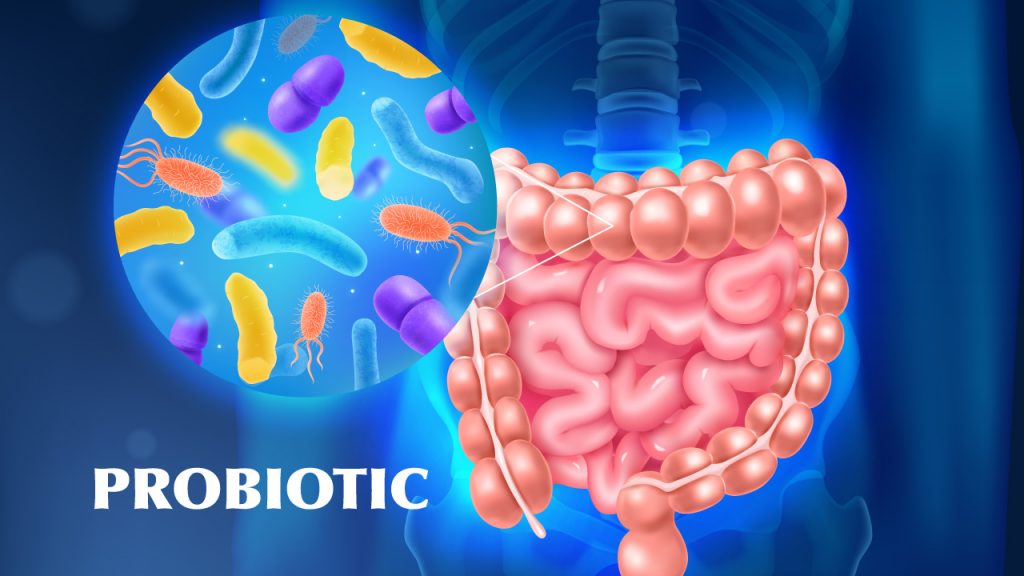
Another key factor in digestive health is probiotics. These friendly bacteria have evolved with us and offer countless benefits — especially for digestion. New research continues to uncover their broader role in health.

Around the world, fermented probiotic foods such as sauerkraut, kimchi and miso have been consumed for their health benefits. In the UK, kefir, live yoghurt (unsweetened), and kombucha are increasingly popular options.

Probiotics help break down food into usable nutrients, manage inflammation, support immunity, and produce digestive enzymes. A specific probiotic strain — Lactobacillus gasseri — has even been shown to reduce visceral fat by up to 9% over three months.

Cinnamon, Cardamom, Turmeric (Curcumin) & Ginger

These spices have long been used in traditional medicine to support digestion, metabolism, and reduce inflammation. In Asian systems, ginger is commonly used for stomach discomfort and is generally safe in small amounts (1–3 grams daily).

These herbs help warm the digestive system, ease occasional discomfort, and enhance nutrient absorption.

Stress, Exercise & Eating Habits

Because digestion and metabolism are connected to other body systems, a holistic approach is key for healthy weight management. Stress can severely disrupt both digestion and metabolism.

Mind-body practices like yoga, Tai Chi, or regular meditation can reduce inflammation, boost energy, and improve digestive efficiency. In fact, any consistent physical activity contributes to better digestion.

Our mothers were right — don’t skip breakfast. Doing so can disrupt metabolism and trigger fat storage.

Chew Slowly

Chewing food thoroughly and eating at a relaxed pace supports digestion and weight in two ways. First, it helps break food down more effectively, improving nutrient absorption. Second, it allows time for satiety signals to register — preventing overeating.

The Bottom Line

Whether you eat to live or live to eat, better digestion brings ripple effects across all aspects of health – not just weight. Improved energy, reduced bloating, less water retention, more regular elimination, and a general sense of wellbeing are among the first signs that your digestion is on track.

If this article helped you, let us know your thoughts in the comments below! Find more articles on weight loss here or get these tips directly from a GOQii Coach by subscribing to Personalised Health Coaching here.

#BeTheForce

Disclaimer: The information provided in this blog is for general awareness and educational purposes only. It is not intended to replace professional medical advice, diagnosis, or treatment. Always consult a qualified healthcare provider for personalised medical guidance or concerns related to your health. Images shown are for representation purposes only and may not depict the exact recommendations or outcomes.

February 13, 2025 By Disti Shah 4 Comments

What is Bloating?

BloatingThere is a lot of confusion around ‘bloating’, a common problem that we come across in our day to day life. In fact, we are witnessing a virtual epidemic of bloating in current times. Abdominal bloating not only looks bad but also causes a lot of discomfort.



But it’s not the end of the road. The good news is that it is one of the conditions that can be avoided. However, before learning how to prevent it, we need to first understand the most common causes of bloating.

Common Causes of Bloating

  1. Constipation
    Too little fibre, fluids, and physical activity may lead to constipation, which can result in bloating.
  2. Eating too fast
    Eating quickly and not chewing your food well can cause air swallowing, which leads to bloating.
  3. Drinking too much carbonated beverages
    The fizz in carbonated drinks (even diet ones) can cause gas to get trapped in your belly.
  4. Too much consumption of sugar-free beverages
    Too much sugar alcohol in artificially sweetened foods and drinks can lead to bloating.
  5. Food allergies and Intolerance
    Food allergies and intolerance can cause gas and bloating. However, these need to be confirmed by your doctor.
  6. Medical conditions
    Conditions like lactose intolerance, irritable bowel syndrome (IBS), Giardiasis (parasite infection), colon cancer, and bacterial overgrowth can also cause bloating.

Simple ways to avoid bloating:

  • Chew your food thoroughly
    Chewing breaks the food down from large particles into smaller particles that are more easily digested. This makes it easier for the intestines to absorb nutrients and prevents improperly digested food from entering your blood, which can cause bloating.
  • Exercise regularly
    Physical activity helps air bubbles pass through your digestive tract more quickly, so the bloated feeling disappears faster.
  • Avoid too much water during meals
    Too many liquids during meals can dilute digestive juices, which may hamper the digestion process. A small amount of liquids aids digestion, so moderation is key.
  • Avoid drinking using straws and narrow mouth bottles
    These can lead to the ingestion of excess air while sucking, which may cause bloating.
  • Avoiding carbonated beverages
    When carbonated drinks are opened, the compressed carbon dioxide forms bubbles and escapes into the air. Drinking large amounts forces the gas into your stomach, where it may pass to your intestines, causing bloating.
  • Eliminate smoking and Hukka
    People who smoke or use Hukka inhale a lot of extra air, which can lead to bloating.
  • Avoid chewing gums and food with artificial sweeteners
    Artificial sweeteners are difficult to digest and may cause bloating if consumed in excess.
  • Avoid gassy vegetables
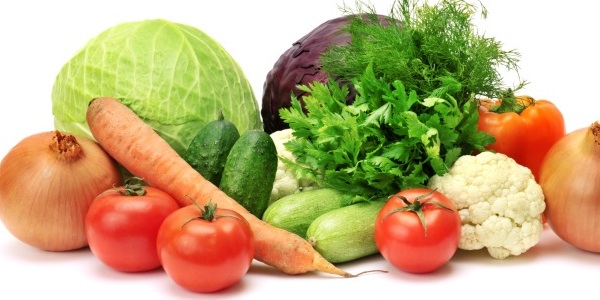
    Vegetables like beans, cabbage, Brussels sprouts, onions, radishes, melons, and broccoli can cause gas during digestion.
  • Avoid foods with air whipped into them
    Foods like soufflés, sponge cakes, and milkshakes can introduce excess air into your stomach.
  • Avoid long gaps between meals
    Long gaps between meals can disrupt digestion and lead to bloating.
  • Limit sodium intake
    Processed foods are high in sodium, which can cause water retention and bloating.
  • Monitor fiber intake
    While fiber is essential, excess fiber can cause gas as gut bacteria break it down, leading to bloating.
  • Avoid milk if you’re lactose intolerant
    If your body doesn’t produce enough lactase, the enzyme needed to break down lactose, dairy can cause bloating.
  • Include Probiotics in your diet
    Probiotics contain good bacteria that aid digestion and help reduce bloating.

Yoga and Exercises to Reduce Bloating

Certain yoga poses and exercises can help relieve bloating by stimulating digestion and releasing trapped gas. Try these:

  • Leg Seated Spinal Twist

Seated-Spinal-Twist

  • Apanasan (Wind-relieving pose)

  • Spinal Twist

maxresdefault

  • Paschimottanasana (Seated forward bend)

Seated-forward-bend-pose

  • Seated Heart Opener

  • Adho Mukha Savanasana (Downward-Facing dog)

27335368_l

Bloating is a common issue with various underlying causes. By understanding these causes and implementing simple lifestyle changes, you can reduce bloating and improve your digestive health. Remember, a healthy and comfortable digestive system is within your reach!

Bloating can be uncomfortable, but it doesn’t have to control your life. Try these tips and let us know what works for you in the comments below! For more articles on digestive health and wellness, explore Healthy Reads or speak to a certified expert by subscribing to GOQii’s Personalised Health Coaching here.

#BeTheForce

August 9, 2024 By GOQii Leave a Comment

Probiotics & Atopic Dermatitis

Are bacteria and microbes always bad and harmful

Bacteria and microbes often get a bad rap, but the truth is, they are not always harmful. In fact, many bacteria and microbes play essential roles in maintaining our health and the environment. While some can cause diseases and infections, the vast majority are considered good and helpful for our body. These good ones are living microbes that are part of our intestine’s normal microbial flora, commonly known as probiotics.

Did you know that our gut is home to millions of microbes that play a crucial role in regulating inflammation and promoting good gut health? These beneficial microbes, or probiotics, aid in timely digestion and excretion, facilitate the intestinal absorption of nutrients, and protect our gut from harmful microbes. Regular intake of probiotics, whether through natural foods like curd or yogurt or as oral supplements, supports healthy skin and gut health.

But are probiotics related to AD? Can they help treat AD?

It is important to understand that probiotics help control the body’s immune response and inflammation, thereby regulating the release of inflammatory factors that aggravate AD. By managing inflammation, probiotics can help reduce the redness and inflammation associated with the disease. Moreover, probiotics not only limit inflammation but also help prevent flares in AD. Therefore, it can be concluded that probiotics promote good gut health, which in turn helps keep inflammation at bay, making them beneficial for managing AD.

So inclusion of probiotics in our daily routine can indeed be life changing!

We hope this article helps you. For further information or guidance, reach out to your GOQii Skin Coach.

#BeTheForce

Reference –

Rusu E, Enache G, Cursaru R, Alexescu A, Radu R, Onila O, Cavallioti T, Rusu F, Posea M, Jinga M, Radulian G. Prebiotics and probiotics in atopic dermatitis. Exp Ther Med. 2019 Aug;18(2):926-931. doi: 10.3892/etm.2019.7678. Epub 2019 Jun 14. PMID: 31384325; PMCID: PMC6639913.

Disclaimer: The information provided in this blog is for general awareness and educational purposes only. It is not intended to replace professional medical advice, diagnosis, or treatment. Always consult a qualified healthcare provider for personalised medical guidance or concerns related to your health.

June 27, 2024 By Luke Coutinho Leave a Comment

Your Gut Health: Why It Matters More Than You Think

You would have heard of the saying, ‘Almost all diseases begin in the gut’. Well, it’s true. Maintaining the right ‘microflora’ (balance of good bacteria) in the gut is crucial for great health, immunity and even preventing, healing and recovering from serious diseases like cancer.

Your intestines (gut) contain pounds of good bacteria that help with the absorption of nutrients from the food you eat. These ‘good bacteria’ determine the strength of your immunity, regulate weight loss, aid recovery, support colon health, manage body toxicity, and handle several other functions.

The gut also contains yeast (fungals), which, if exceeds in number compared to the good bacteria, cause serious digestive issues, affect nutrient assimilation, and can cause leaky gut, vaginal rashes, IBS and other bowel and GI tract disorders. It is crucial to maintain the proportion of good bacteria, especially in children.

A shortage of good bacteria can lead to allergies, skin problems, headaches, migraines, inability to lose weight, and even contribute to fat accumulation. Energy levels can fall when there is an imbalance.

Everything we eat and drink passes through the gut along the gastrointestinal (GI) tract. This tube-like GI tract, lined with a thin, sticky mucous, is embedded with millions of bacteria that live, grow, and metabolize (digesting and absorbing) in a complex ecosystem comprised of both beneficial and harmful bacteria.

Maintaining gut health is one of the most important and least addressed aspects of overall health. Many lifestyles choices deplete the gut of the ‘good’ bacteria’, leading to health problems ranging from acne to deadly diseases like cancer.

If you have more bad bacteria (fungus) than good bacteria in your gut, even the healthy food you eat will not be assimilated the right way. Even if you eat clean, organic, or expensive foods, it does not matter if your gut microflora is out of balance. This is where probiotics come in.

Probiotic bacteria do several things that contribute to good health and immunity.

Their most basic function is to fight harmful foreign substances that enter the body by detoxifying them and easing their elimination. Probiotics can prevent the growth of harmful bacteria, which thrive and grow within a neutral pH environment, by producing organic acids such as acetic and lactic acids that, in turn, lower the pH of the large intestine.

This lower pH also prevents the metabolism of cholesterol and bile acids in the colon. Since cholesterol and bile metabolites act as cancer-causing agents, they can play an important role in the prevention of cancers of the GI tract and other organs as well. These helpful bacteria can even lower serum cholesterol levels along with cardiovascular disease risk by preventing the activity of an enzyme involved in the synthesis of cholesterol.

Inside the gut are about 100 trillion live microorganisms that promote normal GI (gastro intestinal tracts) function, protect the body from infection, and regulate metabolism and the mucosal immune system. They comprise more than 75% of the immune system.

Also important is their role in maintaining and protecting the GI barrier. An intact GI barrier maintains gut health, while a problem with its microbiota composition will affect the body’s defense systems and can create a condition known as leaky gut syndrome, which can compromise gut health and lead to diseases such as inflammatory breast cancer, obesity, chronic fatigue syndrome, and depression.

Your diet is the most important element for building gut health. Include curds or probiotic supplement if you are vegan or cannot have yogurt. Some top natural probiotic-rich foods include:

  • Yogurt (plain kind)
  • Miso
  • Sauekraut
  • Kimchi
  • Kefir
  • Kombucha tea
  • Pickled gherkins
  • Spirulina
  • Chlorella

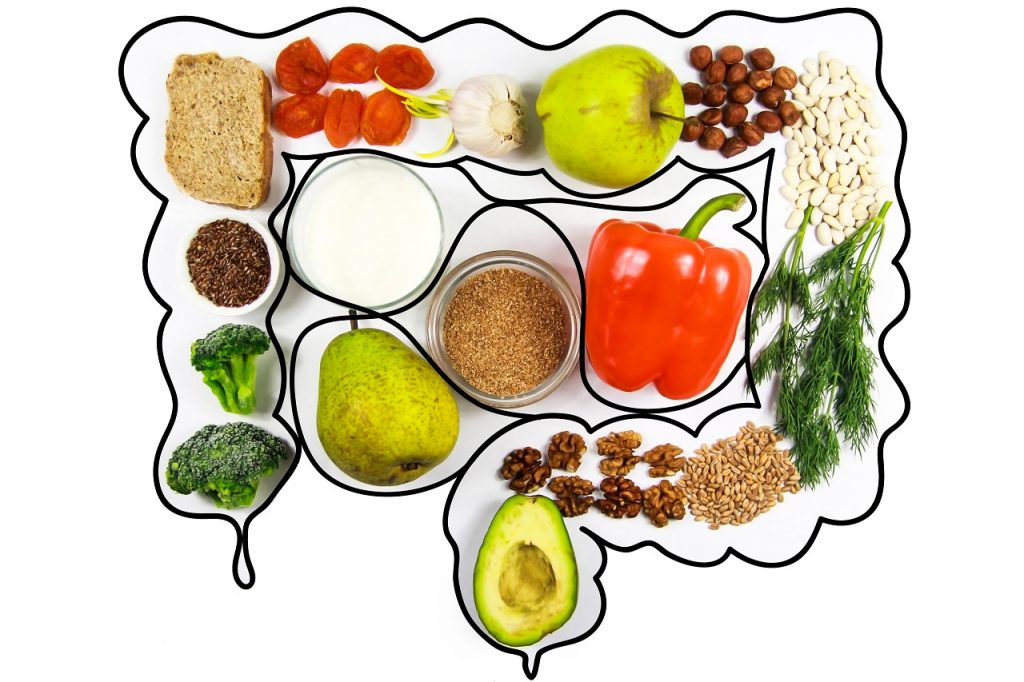
Ensure your diet is rich in complex carbs, fiber, fruits, vegetables, and omega – 3, with a healthy water intake and low intake of sugar, processed foods and red meat.

Avoid sodas, processed foods, and sugar as they quickly depletes the gut of good bacteria, dropping immunity almost instantly, making it the worst thing your child or you can consume. I constantly tell parents that giving your child aerated drinks is worse than drugs.

Your gut health plays a pivotal role in your overall well-being. By maintaining a balanced gut microflora through a healthy diet and probiotics, you can prevent diseases, boost immunity, and ensure optimal nutrient absorption. Prioritize your gut health to experience better health and vitality.

We hope this article helps you. For further information or guidance, reach out to our certified experts by subscribing to GOQii’s Personalised Health Coaching here.

#BeTheForce

Disclaimer: The information provided in this blog is for general awareness and educational purposes only. It is not intended to replace professional medical advice, diagnosis, or treatment. Always consult a qualified healthcare provider for personalised medical guidance or concerns related to your health.

  • 1
  • 2
  • Next Page »

Search

Recent Posts

  • The Importance Of Knowing If You’re Thirsty Or Hungry
  • Best Foods To Alleviate Irritable Bowel Syndrome
  • ALL ABOUT VERTIGO!
  • PCOS and Anxiety: Discover Relief with the 54321 Technique
  • Navigating the Maze of Nutrition: Finding Clarity Amidst Confusion

Stay Updated

Archives

  • December 2025 (7)
  • November 2025 (15)
  • October 2025 (20)
  • September 2025 (6)
  • August 2025 (6)
  • July 2025 (12)
  • June 2025 (18)
  • May 2025 (16)
  • April 2025 (23)
  • March 2025 (23)
  • February 2025 (22)
  • January 2025 (26)
  • December 2024 (26)
  • November 2024 (25)
  • October 2024 (22)
  • September 2024 (24)
  • August 2024 (31)
  • July 2024 (21)
  • June 2024 (26)
  • May 2024 (31)
  • April 2024 (27)
  • March 2024 (29)
  • February 2024 (26)
  • January 2024 (25)
  • December 2023 (15)
  • November 2023 (11)
  • October 2023 (20)
  • September 2023 (22)
  • August 2023 (20)
  • July 2023 (22)
  • June 2023 (24)
  • May 2023 (24)
  • April 2023 (24)
  • March 2023 (23)
  • February 2023 (20)
  • January 2023 (16)
  • December 2022 (12)
  • November 2022 (15)
  • October 2022 (15)
  • September 2022 (12)
  • August 2022 (10)
  • July 2022 (17)
  • June 2022 (11)
  • May 2022 (10)
  • April 2022 (6)
  • March 2022 (6)
  • February 2022 (13)
  • January 2022 (12)
  • December 2021 (7)
  • November 2021 (3)
  • October 2021 (6)
  • September 2021 (3)
  • August 2021 (8)
  • July 2021 (7)
  • June 2021 (15)
  • May 2021 (16)
  • April 2021 (10)
  • March 2021 (7)
  • February 2021 (4)
  • January 2021 (4)
  • December 2020 (3)
  • November 2020 (4)
  • October 2020 (10)
  • September 2020 (3)
  • August 2020 (3)
  • July 2020 (2)
  • June 2020 (4)
  • May 2020 (10)
  • April 2020 (12)
  • March 2020 (10)
  • February 2020 (4)
  • January 2020 (4)
  • December 2019 (3)
  • November 2019 (7)
  • October 2019 (5)
  • September 2019 (4)
  • August 2019 (9)
  • July 2019 (9)
  • June 2019 (11)
  • May 2019 (4)
  • April 2019 (9)
  • March 2019 (8)
  • February 2019 (9)
  • January 2019 (8)
  • December 2018 (9)
  • November 2018 (3)
  • October 2018 (3)
  • September 2018 (5)
  • August 2018 (10)
  • July 2018 (6)
  • June 2018 (13)
  • May 2018 (8)
  • April 2018 (18)
  • March 2018 (9)
  • February 2018 (8)
  • January 2018 (15)
  • December 2017 (12)
  • November 2017 (19)
  • October 2017 (13)
  • September 2017 (15)
  • August 2017 (4)
  • July 2017 (8)
  • June 2017 (7)
  • May 2017 (6)
  • April 2017 (8)
  • March 2017 (6)
  • February 2017 (7)
  • January 2017 (9)
  • December 2016 (10)
  • November 2016 (7)
  • October 2016 (7)
  • September 2016 (7)
  • August 2016 (11)
  • July 2016 (9)
  • June 2016 (9)
  • May 2016 (12)
  • April 2016 (17)
  • March 2016 (17)
  • February 2016 (8)
  • January 2016 (6)
  • December 2015 (2)
  • November 2015 (9)
  • October 2015 (7)
  • September 2015 (9)
  • August 2015 (11)
  • July 2015 (9)
  • June 2015 (12)
  • May 2015 (9)
  • April 2015 (13)
  • March 2015 (8)
  • February 2015 (5)
  • January 2015 (12)
  • December 2014 (14)
  • November 2014 (11)
  • October 2014 (6)
  • September 2014 (13)
  • August 2014 (12)
  • July 2014 (6)
  • June 2014 (2)
  • May 2014 (7)
  • April 2014 (5)

From “Laddu Nawin” to Fit and Fierce: How a 25-Year-Old Insurance Advisor Shed 20 Kilos and Gained His Life Back

When 25-year-old Nawin Yadav from Hyderabad walked into his office every morning, he carried more than just his files and policy papers. He had the weight of fatigue, sluggish energy, and an ever-growing belly that was becoming the butt of jokes. “People … [Read More...]

“I’ve Challenged Myself to Live 100 Years” – The Story of Chandubhai Savani’s Second Chance at Life

At 67, most people start slowing down. Not Chandubhai Savani. A resident of Surat, Chandubhai, thought life was on track. “My life was going well till I had my bypass surgery,” he says. That surgery, back in 2021, was a wake-up call.  Medication was routine, but exercise wasn’t. His diet? What he calls ‘normal.’ “I […]

From Shimla’s Slopes to Chandigarh’s Sidewalks: Surinder Kaur Bhalla’s Journey from Chaos to Control

Some journeys start with a plan. Others begin with a stumble literally. Surinder Bhalla, a government professional, born and raised in the scenic hill town of Shimla, had always lived a life of movement. “In Shimla, you walked everywhere,” she reflects. “Walking was never an exercise. It was just life.” But after shifting to Chandigarh, […]

Ananda Mukherjee Health Story

From Terminal Illness To Complete Wellness! Ananda Mukherjee Health Story

As we observe World Cancer Day under the powerful theme ‘United by Unique’ (2025-2027)**, we are reminded that every individual’s journey with cancer is distinct, yet united by shared resilience, hope, and the collective fight against this disease. This theme places people at the centre of care and their stories at the heart of the […]

  • HOME
  • HEALTHY LIVING
  • FITNESS
  • HEALTHY RECIPES
  • USER STORIES
  • KARMA
  • BUY GOQii

Copyright ©2016 GOQii