GOQii

Blog

  • HOME
  • HEALTHY LIVING
  • FITNESS
  • HEALTHY RECIPES
  • USER STORIES
  • KARMA
  • BUY GOQii

April 30, 2026 By GOQii Leave a Comment

The GOQii India Fit Report 2026: Unmasking the Gender Health Divide

When we talk about the “Healthspan Gap” the years lost to preventable chronic illness we often look at the national average. However, peeling back the layers of the GOQii India Fit Report 2026 reveals a stark reality: the burden of unhealthy ageing does not fall equally.

In India, women live longer than men. On paper, that looks like success. In reality, it masks a troubling truth: women spend more of those extra years in poor health. This is the Gender Health Divide. It is a complex web of biology, societal expectations, nutritional gaps, and chronic stress that quietly erodes women’s health over decades.

Quick Takeaways: The Female Healthspan Penalty

  • The Longevity Paradox: Women generally outlive men but suffer from higher rates of multi-morbidity (having two or more chronic conditions) in their later years.
  • The Caregiver’s Toll: Unpaid caregiving heavily restricts women’s time for personal preventive health, driving up chronic stress and sleep disruption.
  • The Silent Deficiencies: Rates of thyroid disorders and dangerous visceral fat accumulation remain disproportionately high among Indian women.
  • The Menopause Blindspot: The midlife transition accelerates cardiovascular and metabolic risks, yet remains one of the least supported phases in women’s healthcare.

The Staggering Reality in Numbers

Before we look at the causes, we must look at the outcomes. The data exposes the toughest truth in India’s health landscape: women are now almost twice as unhealthy as men.
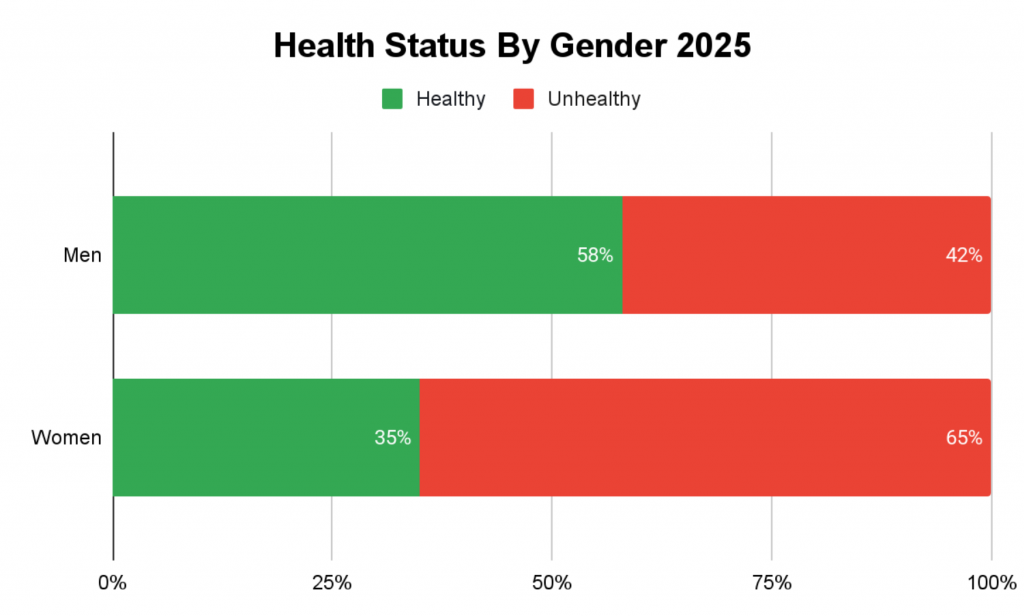
In 2025, only 35% of women fall into the healthy category, compared to 58% of men. Flip that around, and the picture is even starker: 65% of women are unhealthy, while men stay at 42%. This gap didn’t emerge overnight, and it has nothing to do with biology. Women are not getting sicker because their bodies are weaker; they are getting sicker because their lives are heavier.

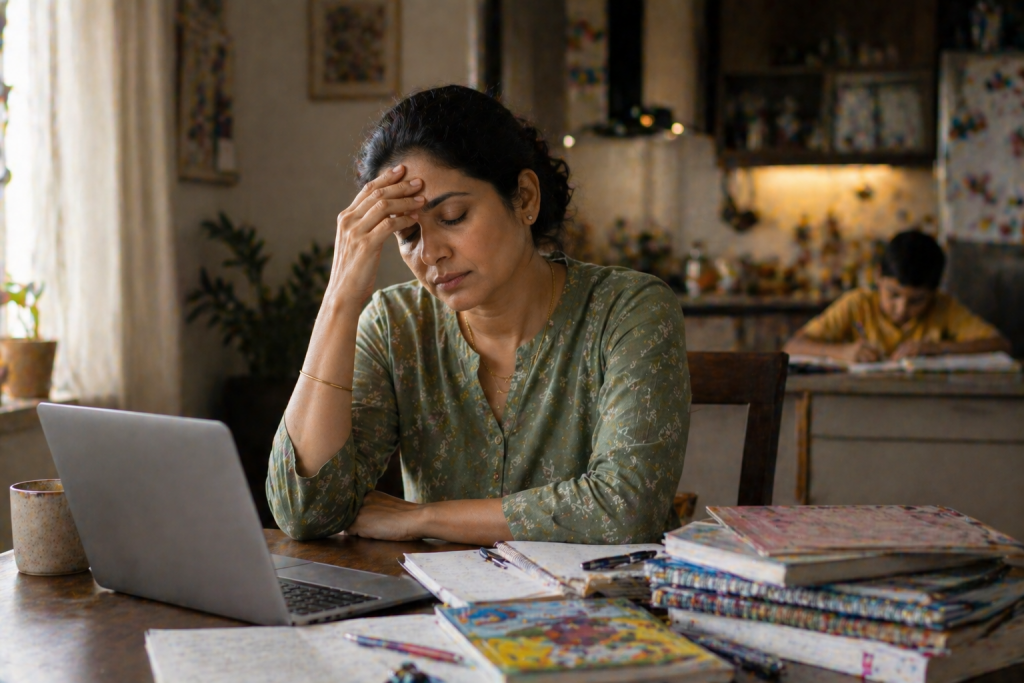
The Caregiver’s Burnout: When “Caring for Others” Costs Your Health

One of the most defining factors of the gender health divide is the unequal distribution of caregiving. From early adulthood onward, women shoulder a disproportionate share of unpaid labour: caregiving for children, elders, and extended family, managing households, and balancing paid work alongside all of this.

This constant state of responsibility leaves little room for rest, recovery, or preventive care.
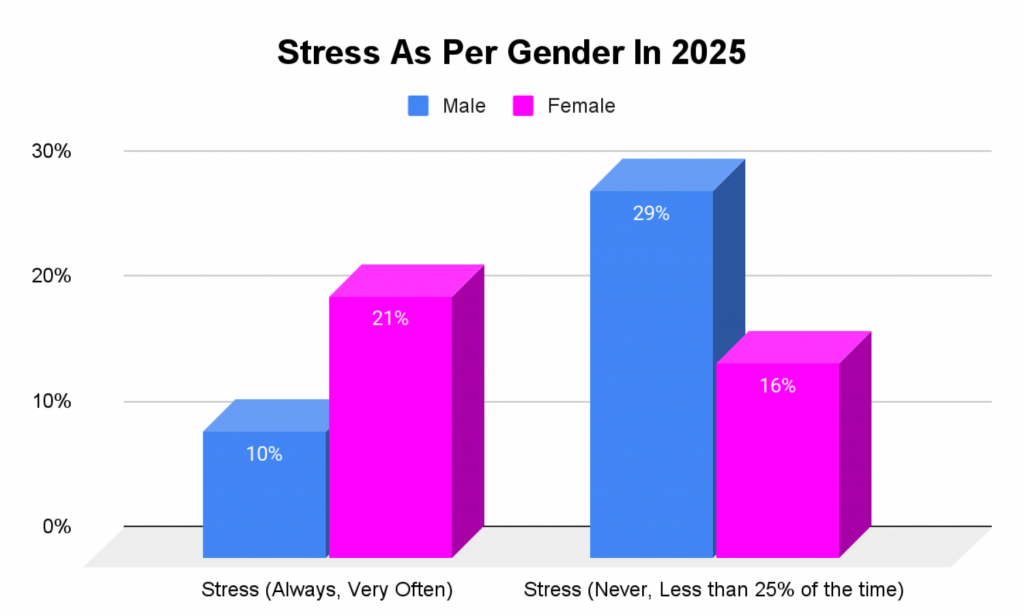
The numbers tell a stark story: 21% of women report feeling stressed “always or very often,” more than double the 10% of men who say the same.

  • Time Poverty: Women delay doctor visits because someone else needs attention first.
  • Chronic Stress: Persistent stress floods the body with cortisol, disrupting sleep and impairing metabolic health.
  • Sleep Disruption: Women are not just sleeping less; they are sleeping worse. Only 50% of women report sleeping well most of the time, compared to 61% of men.

The Nutritional, Diagnostic, and Metabolic Gap

When stress and exhaustion are normalised as part of “just managing life,” the body eventually keeps score. It shows up as thyroid imbalance, hypertension, insulin resistance, and burnout.
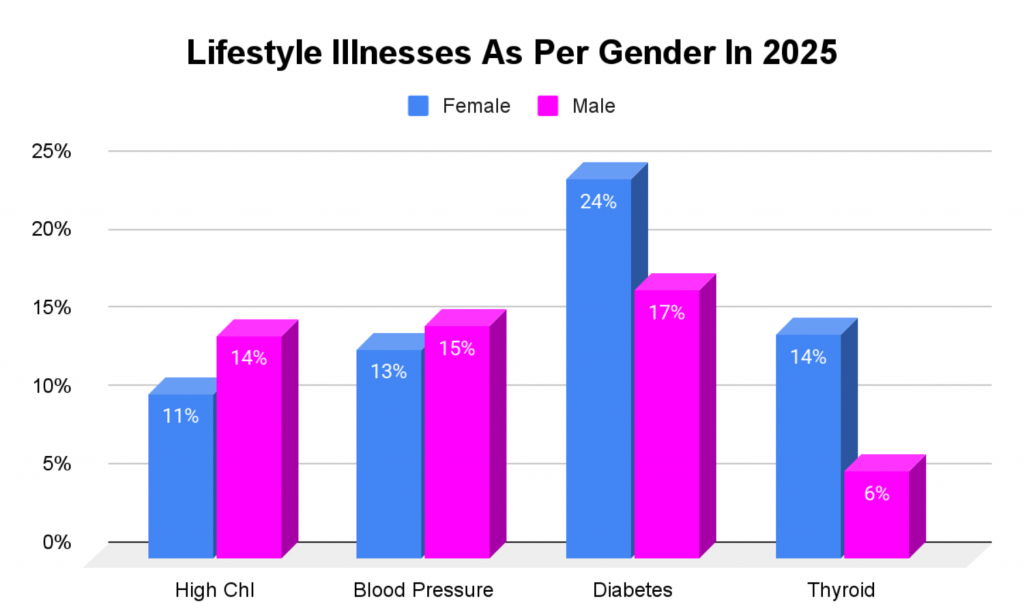
The GOQii data proves that lifestyle illnesses are gender-shaped:

  • Diabetes and Thyroid: 24% of women are affected by diabetes (versus 17% of men), and 14% struggle with thyroid disorders (versus 6% of men).
  • Dangerous Visceral Fat: Almost one in two women in India carries dangerous visceral fat. Staggeringly, 43.7% of women are in the “very high-risk” waist range, compared to just 12.7% of men. This is the kind of fat linked directly to diabetes, PCOS, heart disease, and early stroke.

Midlife and Menopause: The Critical Metabolic Window

Perhaps the most overlooked phase in women’s health is menopause. For decades, it has been treated purely as a reproductive transition. The data demands an immediate shift in this perspective.

Menopause is a long biological transition that reshapes metabolism, muscle mass, bone density, cardiovascular risk, and emotional health. Yet in India, very few women receive guidance on nutrition, strength training, sleep, or stress management during this phase. As a result, what could have been a powerful prevention window instead becomes a tipping point where weight gain accelerates, diabetes risk rises, and bone loss begins.

Closing the Divide: A Call for Self-Advocacy

Closing the gender health divide requires a fundamental shift in mindset and systems. It means recognising unpaid labour as a health risk factor, designing preventive care that accounts for hormonal transitions, and encouraging women to seek care early, without guilt.

The future of India’s health depends on the health of its women. It is time to put yourself back on your own priority list.

Click Here to Download the Full GOQii India Fit Report 2026 to explore the data on women’s health, understand the vital role of preventive screenings, and learn how to build a resilient healthspan.

Frequently Asked Questions (FAQs)

  1. What is the gender health divide?
    The gender health divide refers to the discrepancy in health outcomes between men and women. While Indian women typically have a longer lifespan than men , they often experience a shorter healthspan, spending their later years dealing with higher rates of obesity, chronic stress, thyroid disorders, and bone loss. Currently, 65% of Indian women are classified as unhealthy, compared to 42% of men.
  2. Why does menopause affect metabolic health?
    Menopause is not just a reproductive shift; it fundamentally alters a woman’s metabolism, muscle mass, bone density, and cardiovascular risk. If not managed actively with nutrition and exercise, it acts as a tipping point where weight gain accelerates and diabetes risk rises sharply.
  3. How does caregiving impact women’s healthspan?
    Unpaid caregiving creates immense time poverty and emotional strain. The constant state of responsibility leaves little room for rest, recovery, or preventive care, leading women to delay doctor visits and normalise exhaustion. This results in chronic stress, which is reported “always or very often” by 21% of women, compared to just 10% of men.

#BeTheForce

Disclaimer: The content provided in this blog, including all statistics, insights, and recommendations, is based on the findings of the GOQii India Fit Report 2026. This information is intended for educational and general informational purposes only and should not be construed as professional medical advice, diagnosis, or treatment. Every individual’s health journey is unique. Always consult with a qualified healthcare provider or a certified medical professional before making any significant changes to your diet, exercise routine, sleep schedule, or lifestyle, especially if you have pre-existing medical conditions. GOQii does not guarantee specific health outcomes or results based on the information shared in this report.
April 11, 2026 By GOQii Leave a Comment

World Parkinson’s Day 2026: Bridging the Care Gap & Supporting Caregivers

Every year on April 11th, the world pauses to recognise Parkinson’s disease.

But for millions of individuals and families, this is not a one-day reality.
It is a daily negotiation with movement, independence, and uncertainty.

As we mark World Parkinson’s Day 2026, the global theme “Bridge the Care Gap” highlights a deeper truth:

👉 The challenge is not just awareness.
👉 It is access, continuity, and support for both patients and caregivers.

Understanding the Condition: More Than Just Tremors

Parkinson’s is often reduced to a single image shaking hands.

In reality, it is far more complex.

It is a progressive neurodegenerative condition caused by the loss of dopamine-producing cells in the brain, particularly in the substantia nigra. Dopamine plays a critical role in regulating movement, coordination, and balance.

As levels decline, control over the body gradually weakens.

Core motor symptoms include:

  • Tremors: Involuntary shaking, often starting in the hands at rest
  • Bradykinesia: Slowness of movement that affects everyday tasks
  • Muscle rigidity: Stiffness that restricts motion and causes discomfort
  • Postural instability: Impaired balance, increasing fall risk

Early non-motor symptoms may include:

  • Sleep disturbances
  • Loss of smell
  • Chronic constipation
  • Anxiety or mood changes

These symptoms often appear years before diagnosis making early awareness critical.

Bridging the Gap: From Awareness to Action

Despite advances in treatment, a significant gap remains:

  • delayed diagnosis
  • limited access to therapy
  • inconsistent long-term care

Bridging this gap requires moving beyond episodic care to continuous, holistic support.

What this looks like in practice:

  • Movement as therapy: Regular, targeted exercise helps maintain mobility and improves how the brain utilises dopamine.
  • Nutritional consistency: Anti-inflammatory, balanced nutrition supports neurological and metabolic health.
  • Mental and emotional support: Living with Parkinson’s impacts identity, confidence, and independence not just physical function.

The Overlooked Reality: Caregiver Health

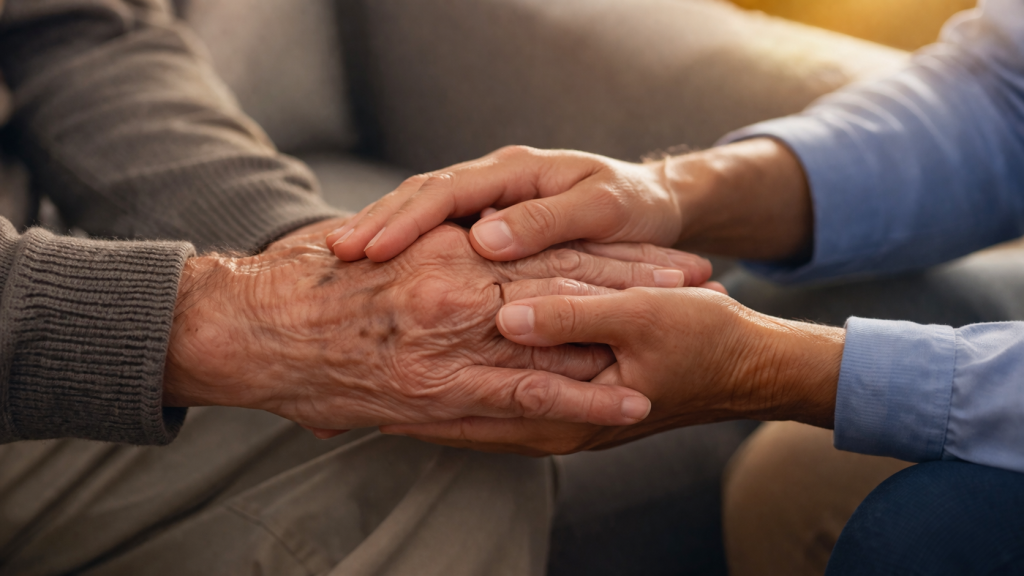
One of the most under-discussed aspects of Parkinson’s care is the caregiver.

Behind every patient is someone:

  • managing routines
  • navigating appointments
  • absorbing emotional stress

Over time, this leads to:

  • fatigue
  • burnout
  • neglected personal health

And yet, caregiver health is rarely prioritised.

To truly bridge the care gap, this must change.

Preventive Health for Caregivers: Why It Matters

Caregiving is not sustainable without resilience.

Maintaining personal health is not optional it is essential.

Key areas include:

  • Sleep: Chronic sleep deprivation accelerates physical and mental fatigue
  • Stress management: Ongoing stress impacts immunity and energy levels
  • Physical activity: Movement improves both mental clarity and stamina

This is where structured support becomes valuable.

Using a preventive health ecosystem like GOQii allows caregivers to:

  • track daily habits
  • monitor sleep and activity
  • receive guidance from a personalised health coach

Not as an add-on but as a way to protect their own baseline health while caring for someone else.

How You Can Make a Difference This World Parkinson’s Day

You don’t need to be a clinician to contribute meaningfully.

  • Recognise early signs in ageing family members
  • Start conversations using the red tulip symbol
  • Practice patience in public spaces
  • Support caregivers, not just patients

Small actions create real impact.

Frequently Asked Questions (FAQs)

  1. What is the main goal of World Parkinson’s Day?

To raise awareness, improve access to care, accelerate research, and highlight the need for better support systems for both patients and caregivers.

  1. Why is the red tulip the symbol?

It was developed by a Dutch horticulturist living with Parkinson’s and later adopted globally as a symbol of awareness and resilience.

  1. Who is most at risk?

Age is the primary factor (typically 60+), with men slightly more affected. Genetics play a role in a minority of cases.

  1. Why is caregiver health critical?

Without physical and emotional resilience, caregivers cannot sustain long-term support making preventive health essential for effective care.

Parkinson’s care is not just about managing symptoms.

It is about sustaining quality of life for both the individual and the person standing beside them.

Bridging the care gap begins when we recognise both.

#BeTheForce

Disclaimer: This article is intended for general awareness and educational purposes only and should not be considered medical advice. Parkinson’s disease is a complex neurological condition that requires individualised diagnosis and treatment by qualified healthcare professionals. Always consult a neurologist or licensed medical practitioner for medical concerns or treatment decisions. GOQii provides preventive health and lifestyle coaching support and does not offer clinical diagnosis or treatment for Parkinson’s disease.

December 28, 2025 By GOQii Leave a Comment

Navigating Your Journey: A Guide to GLP-1 Medication Safety

The conversation around health and weight management has evolved. GLP-1 medications are now widely discussed often positioned as transformative tools that can support meaningful change for people struggling with weight and metabolic health.
For many, these treatments represent renewed optimism. But it’s important to remember that GLP-1 medications are powerful prescription therapies. Like any medical intervention that influences how the body functions, they require awareness, informed decision-making, and a strong partnership with a qualified healthcare professional.

Understanding what to expect can make the journey feel more grounded and manageable.

What to Be Aware Of

GLP-1 medications work by mimicking a natural hormone involved in appetite regulation and digestion. This mechanism supports reduced appetite and improved blood sugar control, but it can also explain why some side effects occur.

Being informed from the outset helps reduce uncertainty and allows you to respond appropriately if symptoms arise.

Commonly Reported Effects

Some people experience digestive symptoms, particularly when starting treatment or increasing their dose. These may include:

  • Nausea
  • Vomiting
  • Diarrhoea
  • Constipation

For many, these effects are temporary and ease as the body adjusts. Simple measures such as eating smaller meals, staying well hydrated, and ensuring adequate fibre intake may help improve comfort.

If symptoms persist, worsen, or interfere with daily life, it’s important to speak with your doctor rather than trying to manage them alone.

Less Common but Important Considerations

More serious side effects such as pancreatitis, gallbladder-related issues or in very rare cases, certain thyroid conditions have been reported. While uncommon, these risks highlight why a thorough review of your personal and family medical history is essential before starting treatment.

Your doctor will assess whether GLP-1 therapy is appropriate for you and will continue to monitor your progress over time.

Staying Safe: A Practical Approach

Think of GLP-1 treatment as a collaborative effort. Your role is to stay informed and attentive to your body, while your healthcare provider offers clinical oversight and guidance.

Key principles to keep in mind:

  • Work closely with a healthcare professional
    GLP-1 medications should only be taken under medical supervision. Your doctor will determine suitability, prescribe the appropriate dose, and monitor how your body responds. Always obtain medication from a legitimate, reliable source.
  • Allow your body time to adjust
    Treatment typically begins at a lower dose and increases gradually. This measured approach helps minimise side effects and supports better tolerance.
  • Support treatment with lifestyle choices
    GLP-1 medication is most effective when paired with balanced nutrition, adequate protein and fibre intake, regular hydration, and consistent routines. It is a support tool not a standalone solution.
  • Pay attention to warning signs
    Persistent abdominal pain, unusual chest discomfort, or a racing heartbeat should never be ignored. Seeking timely medical advice can prevent complications and ensure appropriate care.

The Bigger Picture

GLP-1 medications have helped many people make meaningful progress in their health journeys. But they are not a shortcut, nor are they risk-free.

When approached thoughtfully with medical guidance, realistic expectations, and supportive lifestyle habits GLP-1 therapy can be a valuable and effective part of long-term health management.

Staying informed, respecting the treatment, and maintaining open communication with your healthcare team are key to ensuring that this powerful tool works with you, not against you.

#BeTheForce

Disclaimer: GOQii provides health and wellness information for educational purposes only. This content does not replace professional medical advice, diagnosis, or treatment. Always consult a qualified healthcare professional before starting or changing any medication. Individual responses to treatment may vary.

March 12, 2025 By GOQii Leave a Comment

Early Detection & Prevention: Protecting Your Kidneys for Life

Your kidneys work tirelessly behind the scenes, filtering waste, balancing fluids, and keeping your body in check. But how often do you think about your kidney health? With chronic kidney disease (CKD) on the rise and many cases going undiagnosed until it’s too late, early detection is key to preventing serious complications.



On World Kidney Day, the theme “Are Your Kidneys OK? Detect Early, Protect Kidney Health” reminds us that simple lifestyle choices and regular screenings can make all the difference in maintaining kidney health and preventing long-term damage.

Why Early Detection Matters

Kidney disease is often called a “silent killer” because symptoms may not appear until significant damage has already occurred. This is why early screening and awareness are crucial. Here’s how you can detect potential kidney issues early:

  • Monitor Blood Pressure & Sugar Levels – High blood pressure and diabetes are the leading causes of kidney disease. Regular monitoring can help prevent complications.
  • Check for Warning Signs – Symptoms like swollen feet, frequent urination, foamy urine, persistent fatigue, or lower back pain could indicate kidney trouble.
  • Go for Regular Kidney Function Tests – Simple blood (creatinine & eGFR) and urine tests can detect kidney issues early before they become serious.
  • Know Your Risk Factors – If you have a family history of kidney disease, diabetes, hypertension, or obesity, prioritise regular check-ups.

How to Protect Your Kidney Health

While early detection is crucial, prevention is even better. Follow these kidney-friendly habits to support long-term health:

  1. Stay Hydrated 💧

Drinking enough water helps your kidneys flush out toxins and prevent kidney stones. Aim for 8-10 glasses per day, adjusting based on your activity levels and climate.

  1. Limit Salt & Processed Foods 🧂

Excess sodium leads to high blood pressure, which strains the kidneys. Avoid processed snacks, canned foods, and ready-to-eat meals. Instead, use natural herbs and spices for flavour.

  1. Eat a Balanced, Kidney-Friendly Diet 🥦

Focus on whole foods rich in antioxidants and fibre:
✅ Leafy greens (spinach, kale, cabbage) – Nutrient-rich and low in potassium.
✅ Berries (blueberries, strawberries, raspberries) – High in antioxidants to protect kidney cells.
✅ Fatty fish (salmon, mackerel, sardines) – Omega-3s help reduce inflammation.
✅ Garlic & Turmeric – Natural anti-inflammatory properties support kidney function.
✅ Whole grains & legumes – Maintain steady blood sugar levels.
❌ Avoid excess red meat, processed foods, and sugary drinks, which burden kidney function.

  1. Keep Blood Pressure & Sugar in Check 🩸

High blood pressure and diabetes damage kidney blood vessels over time. A combination of exercise, healthy eating, and regular monitoring can help keep these levels stable.

  1. Exercise Regularly 🏃‍♂️

Physical activity improves heart health, blood circulation, and metabolic balance, all of which support kidney function. Aim for at least 30 minutes of moderate exercise, 5 times a week.

  1. Avoid Overuse of Painkillers 💊

Excessive use of NSAIDs (like ibuprofen) can cause kidney damage over time. Always consult a doctor before prolonged use.

  1. Quit Smoking & Limit Alcohol 🚭🍷

Both smoking and heavy drinking increase the risk of kidney disease, high blood pressure, and kidney damage. Cutting down can significantly improve kidney health.

Your kidneys play a vital role in keeping your body functioning smoothly, but they need your support to stay healthy. Regular check-ups, a balanced diet, hydration, and an active lifestyle can go a long way in preventing kidney disease.

This World Kidney Day, ask yourself: “Are Your Kidneys OK?” Take action today to detect issues early and protect your kidney health for life.

💬 How do you take care of your kidneys? Share your tips in the comments!

#BeTheForce

Disclaimer: The information provided in this blog is for general awareness and educational purposes only. It is not intended to replace professional medical advice, diagnosis, or treatment. Always consult a qualified healthcare provider for personalised medical guidance or concerns related to your health.

Search

Recent Posts

  • Train Hard, Sleep Well: The Recovery Secret Most People Ignore
  • World Blood Donor Day: The Lifesaving Gift That Science Still Cannot Create
  • From Shimla’s Slopes to Chandigarh’s Sidewalks: Surinder Kaur Bhalla’s Journey from Chaos to Control
  • Yoga and Hormonal Health: What the Science Says
  • Are You Overtraining? 6 Signs Your Body Needs More Recovery

Stay Updated

Archives

  • June 2026 (14)
  • May 2026 (20)
  • April 2026 (24)
  • March 2026 (18)
  • February 2026 (14)
  • January 2026 (14)
  • December 2025 (19)
  • November 2025 (15)
  • October 2025 (20)
  • September 2025 (6)
  • August 2025 (6)
  • July 2025 (11)
  • June 2025 (18)
  • May 2025 (16)
  • April 2025 (22)
  • March 2025 (27)
  • February 2025 (21)
  • January 2025 (25)
  • December 2024 (22)
  • November 2024 (23)
  • October 2024 (20)
  • September 2024 (23)
  • August 2024 (30)
  • July 2024 (20)
  • June 2024 (25)
  • May 2024 (27)
  • April 2024 (27)
  • March 2024 (27)
  • February 2024 (23)
  • January 2024 (21)
  • December 2023 (14)
  • November 2023 (10)
  • October 2023 (19)
  • September 2023 (22)
  • August 2023 (18)
  • July 2023 (22)
  • June 2023 (23)
  • May 2023 (20)
  • April 2023 (19)
  • March 2023 (23)
  • February 2023 (19)
  • January 2023 (15)
  • December 2022 (11)
  • November 2022 (15)
  • October 2022 (15)
  • September 2022 (12)
  • August 2022 (10)
  • July 2022 (17)
  • June 2022 (11)
  • May 2022 (10)
  • April 2022 (6)
  • March 2022 (6)
  • February 2022 (13)
  • January 2022 (11)
  • December 2021 (7)
  • November 2021 (3)
  • October 2021 (6)
  • September 2021 (3)
  • August 2021 (8)
  • July 2021 (7)
  • June 2021 (15)
  • May 2021 (16)
  • April 2021 (10)
  • March 2021 (7)
  • February 2021 (4)
  • January 2021 (4)
  • December 2020 (3)
  • November 2020 (4)
  • October 2020 (10)
  • September 2020 (3)
  • August 2020 (3)
  • July 2020 (2)
  • June 2020 (4)
  • May 2020 (10)
  • April 2020 (12)
  • March 2020 (10)
  • February 2020 (4)
  • January 2020 (4)
  • December 2019 (3)
  • November 2019 (7)
  • October 2019 (5)
  • September 2019 (4)
  • August 2019 (9)
  • July 2019 (9)
  • June 2019 (11)
  • May 2019 (4)
  • April 2019 (8)
  • March 2019 (8)
  • February 2019 (9)
  • January 2019 (8)
  • December 2018 (9)
  • November 2018 (3)
  • October 2018 (3)
  • September 2018 (5)
  • August 2018 (10)
  • July 2018 (6)
  • June 2018 (13)
  • May 2018 (8)
  • April 2018 (18)
  • March 2018 (9)
  • February 2018 (8)
  • January 2018 (15)
  • December 2017 (12)
  • November 2017 (19)
  • October 2017 (13)
  • September 2017 (15)
  • August 2017 (4)
  • July 2017 (8)
  • June 2017 (7)
  • May 2017 (6)
  • April 2017 (8)
  • March 2017 (6)
  • February 2017 (7)
  • January 2017 (9)
  • December 2016 (10)
  • November 2016 (7)
  • October 2016 (7)
  • September 2016 (7)
  • August 2016 (11)
  • July 2016 (9)
  • June 2016 (9)
  • May 2016 (12)
  • April 2016 (17)
  • March 2016 (17)
  • February 2016 (8)
  • January 2016 (6)
  • December 2015 (2)
  • November 2015 (9)
  • October 2015 (7)
  • September 2015 (9)
  • August 2015 (11)
  • July 2015 (9)
  • June 2015 (11)
  • May 2015 (9)
  • April 2015 (13)
  • March 2015 (8)
  • February 2015 (5)
  • January 2015 (12)
  • December 2014 (14)
  • November 2014 (11)
  • October 2014 (6)
  • September 2014 (13)
  • August 2014 (12)
  • July 2014 (6)
  • June 2014 (2)
  • May 2014 (7)
  • April 2014 (4)

From Shimla’s Slopes to Chandigarh’s Sidewalks: Surinder Kaur Bhalla’s Journey from Chaos to Control

Some journeys start with a plan. Others begin with a stumble literally. Surinder Bhalla, a government professional, born and raised in the scenic hill town of Shimla, had always lived a life of movement. “In Shimla, you walked everywhere,” she reflects. … [Read More...]

From “Laddu Nawin” to Fit and Fierce: How a 25-Year-Old Insurance Advisor Shed 20 Kilos and Gained His Life Back

When 25-year-old Nawin Yadav from Hyderabad walked into his office every morning, he carried more than just his files and policy papers. He had the weight of fatigue, sluggish energy, and an ever-growing belly that was becoming the butt of jokes. “People had even started calling me Laddu Nawin,” he says with a laugh, but […]

From Burnout to Balance: How Dr. Ranjit Reclaimed His Health

Dr Ranjit Bhatt has spent years tending to others. A practising doctor in Odisha, his days were packed with patients, surgeries, and emergencies. From the outside, it looked like a life lived in service. But on the inside, something wasn’t right. “I had no control over my schedule. I’d sleep late, eat at odd hours, […]

Ananda Mukherjee Health Story

From Terminal Illness To Complete Wellness! Ananda Mukherjee Health Story

As we observe World Cancer Day under the powerful theme ‘United by Unique’ (2025-2027)**, we are reminded that every individual’s journey with cancer is distinct, yet united by shared resilience, hope, and the collective fight against this disease. This theme places people at the centre of care and their stories at the heart of the […]

  • HOME
  • HEALTHY LIVING
  • FITNESS
  • HEALTHY RECIPES
  • USER STORIES
  • KARMA
  • BUY GOQii

Copyright ©2016 GOQii
